

Water Damage Restoration in Lacombe, LA
Lacombe sits directly on the north shore of Lake Pontchartrain where Bayou Lacombe meets open water, making professional water restoration essential when storms push surge inland. Our St. Tammany Parish team responds quickly to protect your home.
What Happens When You Call
A real person takes your emergency call and dispatches our Lacombe restoration team around the clock.
Your dedicated specialists arrive to assess the water source, map moisture penetration through flooring and subfloor systems, and secure your property.
We rapidly extract standing water using truck-mounted pumps and submersible units, then place industrial drying equipment throughout the structure.
Daily moisture monitoring continues until your home reaches verified dry standard, with every reading documented for your insurance claim.
Water from bayou flooding, storm surge, or burst pipes moves rapidly through Lacombe's raised homes and pier-and-beam structures. Every hour of standing water increases structural damage and mold risk in this humid, low-lying environment where ambient conditions actively work against natural drying. When you call PowerPro Remediation, certified restoration professionals mobilize immediately with commercial equipment designed to overcome Lacombe's challenging moisture conditions. Call now. Your local team is standing by.
Why Lacombe Homes Are Vulnerable to Water Damage
Lacombe occupies one of the most water-vulnerable positions on Lake Pontchartrain's north shore. This census-designated place in St. Tammany Parish, home to approximately 8,657 residents according to the 2020 Census, sits precisely where Bayou Lacombe drains into the lake, creating a natural funnel for storm surge to travel inland along the bayou channel. LSU's Louisiana Water Resources Research Institute documented that during Hurricane Katrina, storm surge at Bayou Lacombe was observed at five feet or more above ground level and extended approximately two miles inland from Lake Pontchartrain. That surge did not arrive as a slow rise. It pushed through the bayou corridor with devastating force, carrying debris, sediment, and contaminated lake water into homes, garages, and outbuildings across the community. Vehicles were floated off driveways, septic systems were inundated with brackish water, and crawl spaces beneath raised homes filled completely, submerging floor joists and mechanical systems. The USGS maintains a monitoring station at Lake Pontchartrain four miles southwest of Bayou Lacombe (station 301230090000000), reflecting the federal recognition that this waterway represents a significant flood pathway requiring continuous observation. The combination of a wide, shallow lake and a low-elevation bayou corridor means that even moderate tropical systems can push enough water inland to threaten properties well away from the visible shoreline.
The community's geography compounds its flood risk in ways that differ substantially from neighboring cities like Mandeville or Slidell. Lacombe's development pattern follows the bayou and its tributaries, meaning that residential properties are dispersed among pine flatwoods and wetland margins rather than concentrated on higher ground with engineered drainage. Many homes sit on individual lots of an acre or more, bordered by drainage ditches that connect directly to the bayou system through a network of unnamed tributaries and seasonal wetlands. When heavy rainfall coincides with elevated lake levels, these drainage pathways reverse flow and push water back toward structures instead of carrying it away from them. The August 2016 flooding event demonstrated this dynamic catastrophically across St. Tammany Parish, when prolonged rainfall over several days saturated the already-high water table and overwhelmed the limited drainage infrastructure serving Lacombe's rural road network. Roadside ditches that normally handle runoff became impassable waterways, cutting off access to some properties for days. Without the engineered retention ponds and pumping stations that protect incorporated municipalities, Lacombe residents depend entirely on gravity drainage that ceases to function when the receiving waters are already at capacity.
The U.S. Army Corps of Engineers documented that St. Tammany Parish has experienced repeated widespread flooding from rainfall and riverine bank overtopping, including historic impacts during Hurricane Katrina in 2005 and the flood of August 2016. For Lacombe specifically, the combination of lake surge exposure, bayou flooding, and inadequate rural drainage creates a triple threat that most restoration companies fail to address comprehensively. Hurricane Ida in August 2021 knocked out power to over 97,000 customers in St. Tammany and Washington Parishes, leaving Lacombe homes without air conditioning or sump pump operation during the critical post-storm period when standing water needs immediate removal. Without electricity to run dehumidifiers or even basic fans, homes that took on water from Ida's wind-driven rain sat in stagnant, hot conditions that accelerated deterioration dramatically. Saturated drywall that might have been salvageable with prompt drying became a total loss within 72 hours as bacteria multiplied in the warm, oxygen-poor water trapped inside wall cavities. The lesson from Ida is that water damage in Lacombe is frequently compounded by extended power outages that prevent any mitigation efforts until utility crews can restore service, sometimes a week or more after the storm passes.
Lacombe's housing stock presents specific restoration challenges that require local expertise well beyond standard industry protocols. Many homes in the community are raised or pier-and-beam construction, a building tradition common in bayou-adjacent areas of Southeast Louisiana that dates back generations. These elevated structures sit on concrete piers or treated timber posts, with the living floor elevated two to four feet above grade to protect against periodic high water. The unconditioned crawl space beneath the living floor often has bare earth exposed below the joists, with plumbing lines, electrical conduit, and HVAC ductwork running through this open area. During flooding events, water fills these crawl spaces completely and saturates floor joists, subflooring, and any insulation from below while the homeowner may see no water inside the living area above. This hidden saturation creates ideal conditions for mold colonization and structural wood decay if not addressed with professional extraction and forced-air drying within the first 48 hours. Our teams understand that Lacombe water damage restoration frequently begins underneath the house, not inside it, and we deploy crawl-space-specific equipment including low-profile air movers, vapor barriers, and ducted dehumidification systems designed to operate in these confined spaces.
Lake Pontchartrain Storm Surge Exposure
Lacombe's position at the mouth of Bayou Lacombe on Lake Pontchartrain's north shore makes it directly vulnerable to hurricane storm surge that funnels inland along the bayou channel, with documented surge heights exceeding five feet above ground level.
Bayou Drainage Reversal
When Lake Pontchartrain levels are elevated during storm events, Lacombe's network of drainage ditches and bayou tributaries reverses flow direction, pushing water back toward homes and foundations instead of carrying stormwater away from structures as designed.
Rural Infrastructure Limitations
Lacombe lacks the engineered municipal storm drainage systems, retention ponds, and pumping stations found in incorporated cities like Mandeville and Slidell, relying instead on roadside ditches and natural bayou flow that overwhelm quickly during sustained heavy rainfall.
Raised Home Crawl Space Vulnerability
Pier-and-beam construction common throughout Lacombe creates hidden water damage beneath the living floor where saturation of joists, subflooring, and insulation goes entirely undetected without professional moisture meter inspection from below the structure.
Lacombe's bayou-front geography, storm surge exposure, and rural drainage limitations demand a restoration team that understands both the science of structural drying and the specific hydrology of this Lake Pontchartrain north shore community. Professional water damage restoration here is not a generic service; it requires knowledge of how bayou systems behave during storm events, how raised homes trap moisture in concealed structural members, and how extended power outages after major storms eliminate the homeowner's ability to begin self-mitigation.
What Happens to Your Home While You Wait
Within 1 Hour
Floodwater or storm surge spreads across flooring and begins wicking upward into drywall, baseboards, and stored belongings at ground level.
1 to 24 Hours
Wood baseboards and furniture legs begin swelling. In Lacombe's raised homes, crawl space joists absorb water from below. Metal fasteners and connector plates start corroding.
24 to 48 Hours
Lacombe's ambient humidity and subtropical warmth initiate mold germination inside wall cavities, beneath subflooring, and in saturated crawl space insulation.
48 to 72 Hours
Active mold colonization spreads across organic materials. Hardwood floors cup and warp. Contaminated floodwater bacteria multiply in porous building materials.
One Week and Beyond
Structural floor joists weaken in saturated crawl spaces. Widespread mold remediation, material demolition, and major reconstruction become unavoidable.
Every hour of delay compounds the damage and the cost. Contact PowerPro Remediation now for immediate Lacombe water damage help.
How We Restore Water-Damaged Lacombe Homes
Our Lacombe water damage restoration process combines immediate emergency action with rigorous drying science, specifically tailored to this bayou-adjacent community's raised homes, crawl space construction, and persistent lakeside humidity.
Emergency Assessment and Crawl Space Inspection
Our St. Tammany Parish team arrives with thermal imaging cameras and professional moisture meters to map exactly where water has traveled, including beneath raised homes where crawl space saturation is common.
Rapid Water Extraction
Truck-mounted extraction units and submersible pumps remove water from both living spaces and crawl spaces simultaneously. For storm surge scenarios common in Lacombe, we deploy contaminated-water protocols from the outset.
Controlled Structural Drying
Commercial LGR dehumidifiers and high-velocity air movers create a controlled dry environment above and below the living floor. Daily psychrometric readings verify progress throughout the structure.
Antimicrobial Treatment and Verification
EPA-registered antimicrobials are applied to all affected surfaces including crawl space framing. A final comprehensive moisture inspection confirms your home has reached verified dry standard before equipment is removed.
The X Response Difference
PowerPro Remediation brings the commercial extraction equipment, IICRC-certified drying expertise, and bayou-community knowledge required to properly restore water-damaged homes in Lacombe's challenging lakeside environment where passive drying is never possible.
Insurance Claim Guidance for Lacombe Homeowners
Water damage claims in Lacombe often involve complex distinctions between covered perils and flood events, especially given the community's documented storm surge history and recurring bayou flooding. Understanding how your policy categorizes the water source is essential for successful claims.
How X Response Helps
- Comprehensive photo and video documentation of initial damage conditions and daily drying progress
- Clear identification of the water source category, distinguishing between clean water intrusion and contaminated storm surge
- Detailed daily moisture readings and psychrometric logs from both living spaces and crawl spaces that justify equipment deployment
- Source differentiation reports that help establish whether damage resulted from a covered peril or rising floodwater requiring NFIP coverage
PowerPro Remediation does not adjust claims or guarantee coverage decisions, but we provide thorough, professional documentation that supports your carrier's review process.
Certified Restoration Specialists Serving Lacombe
When you call PowerPro Remediation for water damage in Lacombe, you get a local team that understands the specific hydrology of Bayou Lacombe and the north shore of Lake Pontchartrain. Our technicians hold current IICRC certifications in Water Damage Restoration (WRT) and Applied Structural Drying (ASD), and they have direct experience restoring pier-and-beam homes where crawl space water damage requires specialized extraction and drying approaches that differ fundamentally from slab-on-grade restoration protocols. They know how to work safely in confined crawl spaces, position drying equipment for maximum airflow beneath floor systems, and monitor moisture migration through the unique structural assemblies common in this bayou community.
In Lacombe, X Response works with PowerPro Remediation, an independent local restoration partner serving St. Tammany Parish County.
Water Damage Restoration FAQ for Lacombe Homeowners
Other Emergency Services in Lacombe
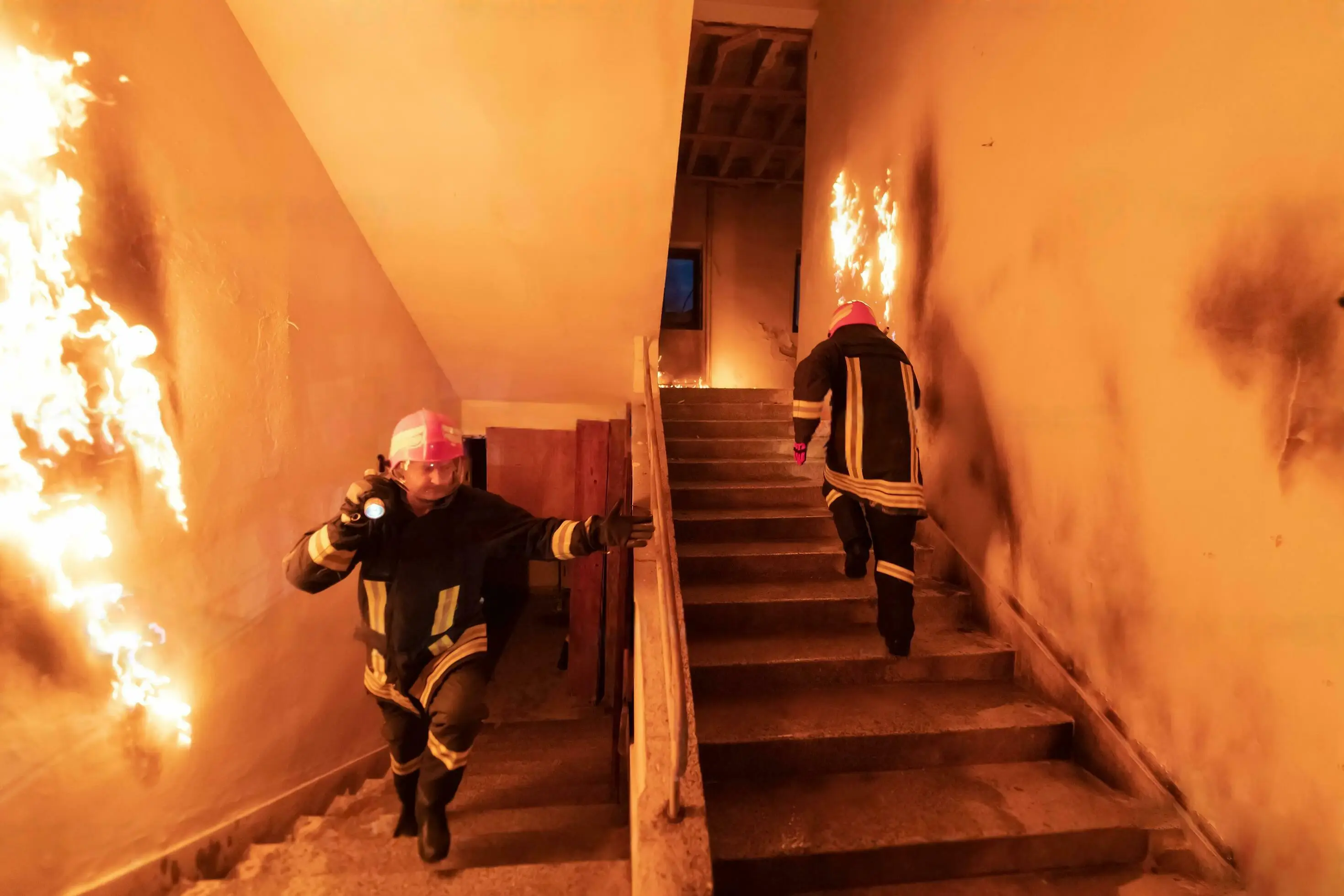
Fire Damage Restoration
Structural damage, soot, debris. We stabilize, clean, and rebuild what fire destroyed.
Learn more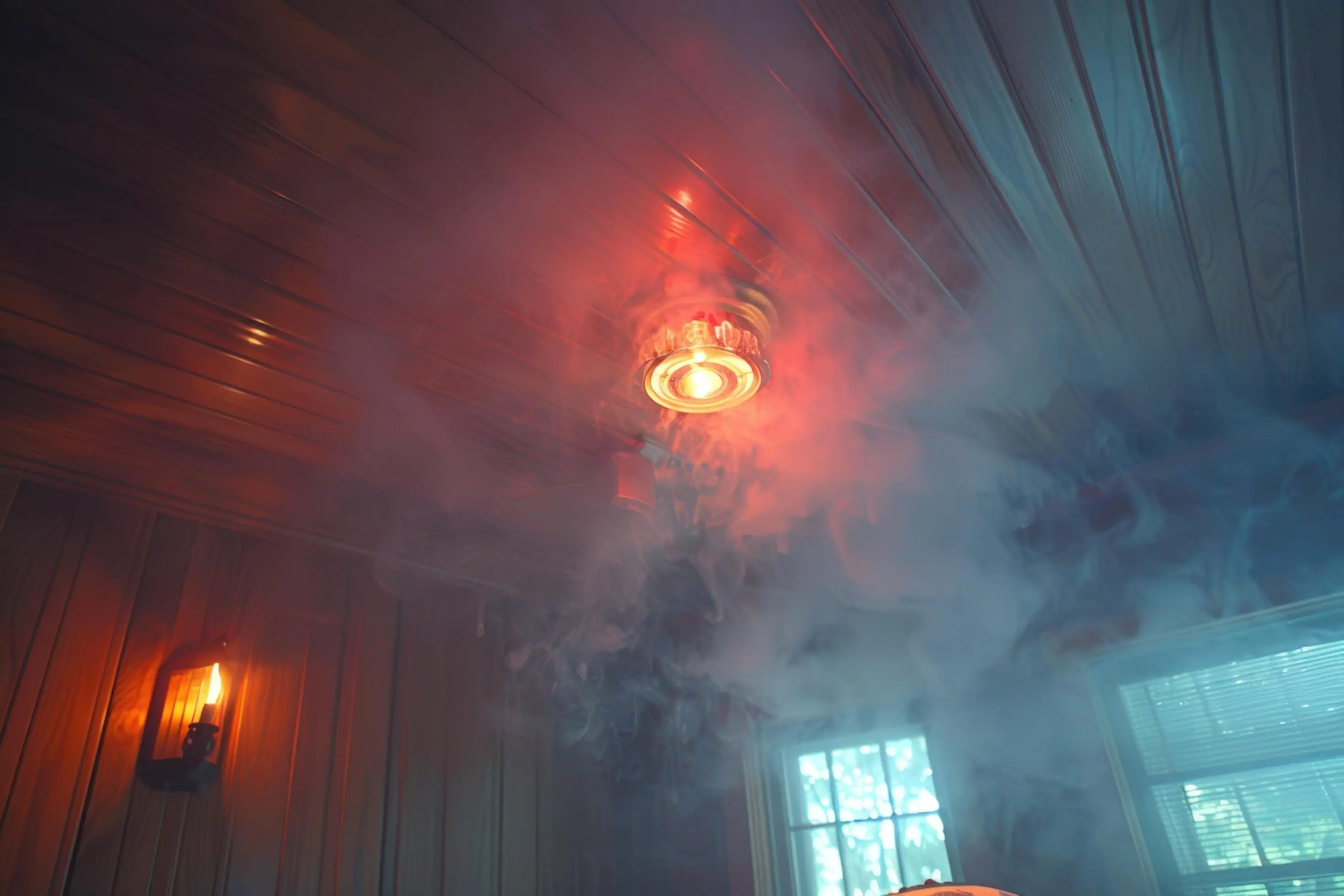
Smoke Damage Restoration
Soot residue, chemical odors, HVAC contamination. We decontaminate surfaces, eliminate odors, and restore air quality.
Learn more
Mold Remediation
Testing, containment, removal, prevention. We find the source, eliminate the growth, and stop it from returning.
Learn more