
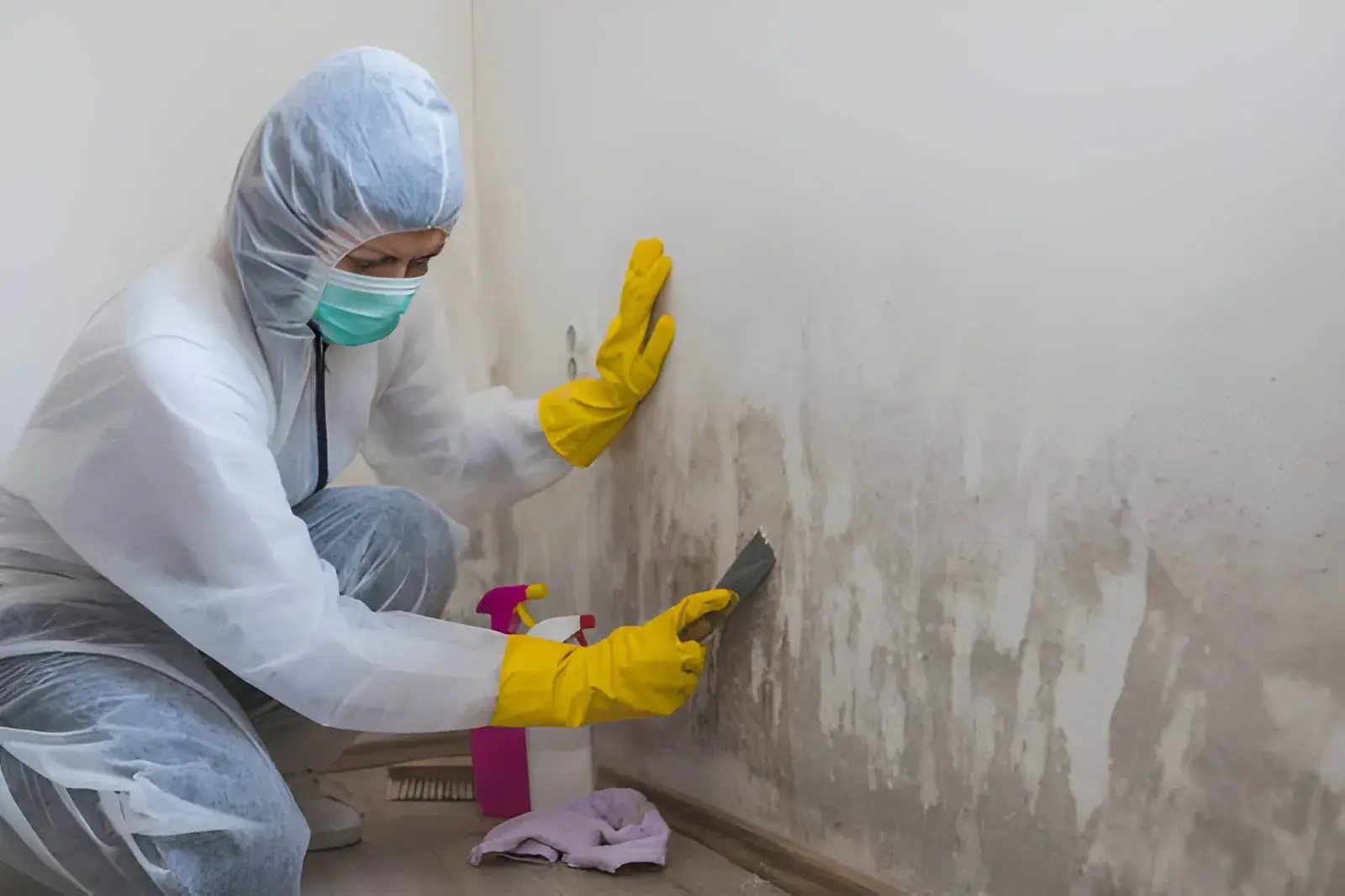
Mold Remediation in Lacombe, LA
Lacombe's bayou-adjacent humidity, raised home construction, and flood history create year-round mold conditions unlike anywhere else in St. Tammany Parish. Our licensed mold professionals identify the source, contain the growth, and eliminate it safely.
What Happens When You Call
A real person takes your call and schedules a professional mold inspection at your Lacombe property.
Our inspector identifies the moisture source driving the mold growth and determines the full extent of contamination using air sampling, surface testing, and crawl space assessment.
A detailed remediation plan is developed specifying containment zones, removal methods, and clearance criteria appropriate to the findings.
After remediation, independent post-clearance testing verifies that mold levels have returned to acceptable ambient conditions throughout the structure.
Mold does not resolve on its own. In Lacombe's lakeside climate, where humidity rarely drops below 70 percent even in winter, active colonies double their coverage area every 24 to 48 hours under favorable conditions. The longer you wait, the larger the affected area becomes and the more expensive remediation grows. Call now. Your local team is standing by.
Why Lacombe Homes Are Vulnerable to Mold
Mold remediation in Lacombe begins with understanding why this bayou-adjacent community experiences mold pressure that exceeds even its north shore neighbors in Mandeville and Slidell. The U.S. Army Corps of Engineers documented that St. Tammany Parish has experienced repeated widespread flooding from rainfall and riverine bank overtopping, including historic impacts during Hurricane Katrina in 2005 and the flood of August 2016. For Lacombe, those flood events left thousands of structures with moisture trapped deep inside building assemblies that the humid ambient air could never passively dry. The community's proximity to both Bayou Lacombe and Lake Pontchartrain means that outdoor humidity rarely drops below 70 percent even during the driest winter days, eliminating any natural drying opportunity that structures in less humid regions might experience seasonally. Homes that took on water from Bayou Lacombe flooding or lake storm surge during Katrina and were not professionally dried within the first 72 hours developed extensive mold colonization behind walls, beneath subflooring, and inside HVAC ductwork running through unconditioned spaces. Many of these properties still harbor dormant colonies nearly two decades later that reactivate with each subsequent moisture event, whether a roof leak during a thunderstorm, plumbing failure in aging copper lines, or simply condensation from an oversized air conditioning system cycling too frequently.
Lacombe's raised home construction, common throughout this bayou-adjacent area of Southeast Louisiana, creates a mold environment that is fundamentally different from homes built on concrete slabs in subdivisions further from the water. Pier-and-beam structures elevate the living floor two to four feet above potential flood levels, a practical adaptation to the community's flood-prone geography, but the unconditioned crawl space beneath becomes a year-round moisture trap that mold organisms exploit relentlessly. These crawl spaces typically have bare earth floors with no vapor barrier installed, allowing ground moisture to evaporate continuously into the enclosed area beneath the home. In Lacombe's climate, where warm-season outdoor humidity routinely reaches 85 to 90 percent, the crawl space beneath a raised home sustains 95+ percent relative humidity year-round because the warm, moist outdoor air enters through foundation vents and meets the cooler earth surface, where it condenses rather than drying anything. Floor joists, subflooring panels, HVAC ductwork, and plumbing running through this space develop persistent mold colonization that slowly compromises structural integrity over years of continuous exposure. The wood fibers soften, the grain separates, and eventually load-bearing capacity diminishes to the point where floors begin to sag visibly. Homeowners often remain unaware of crawl space mold until they notice musty odors rising through the floor on humid mornings, feel soft or bouncy areas in the flooring above, or experience increasing respiratory symptoms that improve noticeably when they leave the home for extended periods.
The specific mold species prevalent in Lacombe's environment reflect the community's unique moisture profile. The constant high humidity and moderate temperatures support aggressive species including Stachybotrys chartarum (black mold) on chronically wet drywall, Aspergillus and Penicillium on wood surfaces maintaining elevated moisture content, and Cladosporium on HVAC components where condensation accumulates. Louisiana requires a mold remediation license issued by the Louisiana State Licensing Board for Contractors (LSLBC) for commercial mold work, reflecting the state's recognition that improper removal can disperse millions of spores throughout a structure. Professional remediation in Lacombe follows the IICRC S520 standard, which requires establishing negative-pressure containment barriers, using HEPA-filtered air scrubbers to capture airborne spores, removing contaminated materials under controlled conditions, and applying antimicrobial treatments to remaining structural surfaces.
Lacombe's individual septic systems and lack of central sewer infrastructure add another moisture dimension that contributes significantly to chronic mold conditions in this unincorporated community. Without municipal sewer service, every home relies on its own septic tank and drain field to process wastewater. When these drain fields become saturated from heavy rain, elevated water table conditions, or simple age-related soil compaction, effluent can surface in yards adjacent to homes and dramatically elevate soil moisture levels around foundations and beneath crawl spaces. This additional moisture source from below, combined with the natural atmospheric humidity from Lake Pontchartrain and the evapotranspiration from Bayou Lacombe's wetland corridor, means that even homes with no prior flood damage can develop chronic mold conditions purely from environmental moisture loading that exceeds the structure's ability to manage it passively. Condensation on cold water supply lines running through hot crawl spaces adds yet another moisture input, dripping water onto framing and creating localized saturation points that mold colonies exploit. Modern building science recommends encapsulating crawl spaces with heavy polyethylene vapor barriers sealed at all seams and edges, combined with conditioning the enclosed air using dedicated dehumidification equipment. For Lacombe homes where existing mold is discovered in the crawl space during inspection, professional remediation of all contaminated wood surfaces must precede any encapsulation work. Sealing active mold colonies inside a vapor barrier without first removing the contamination traps the organism together with its food source in a warm, dark environment and can actually accelerate structural deterioration rather than preventing it.
Bayou-Adjacent Constant Humidity
Lacombe's position between Bayou Lacombe and Lake Pontchartrain maintains ambient humidity above 75 percent for most of the year and often above 85 percent during warm months, providing relentless moisture availability for mold colonization on any surface maintaining even slight dampness.
Bare-Earth Crawl Space Moisture
Raised homes throughout Lacombe have unconditioned crawl spaces with exposed earth floors and no vapor barriers, allowing continuous ground moisture evaporation that sustains 95+ percent relative humidity against floor joists and subflooring throughout the year.
Post-Flood Legacy Contamination
Structures that flooded during Hurricane Katrina's five-foot storm surge or the catastrophic August 2016 rainfall event and were not professionally dried within 72 hours harbor persistent dormant mold colonies that reactivate with each new moisture intrusion.
Septic System Soil Saturation
Individual septic drain fields serving every Lacombe home can surface during wet periods or when soil compacts with age, elevating moisture levels around foundations and beneath crawl spaces beyond what any structure can manage through passive ventilation alone.
Mold remediation in Lacombe requires addressing both the active contamination and the underlying moisture sources unique to this bayou-adjacent community. Without correcting the moisture condition, whether it originates from crawl space humidity, saturated drain field soil, condensation on supply lines, or inadequate drainage grading, mold will return regardless of how thoroughly the visible growth is removed. Effective remediation treats the cause and the symptom simultaneously.
What Happens to Your Home While You Wait
24 to 48 Hours After Moisture Event
Mold spores, abundantly present in Lacombe's outdoor air, begin germinating on damp organic surfaces including drywall paper facing, wood framing, and carpet backing.
3 to 7 Days
Visible mold colonies appear on surfaces. In crawl spaces beneath raised homes, growth accelerates on floor joists in the dark, high-humidity conditions hidden from view.
1 to 2 Weeks
Mold produces mycotoxins and volatile organic compounds creating the characteristic musty odor. Occupants may begin experiencing respiratory symptoms, headaches, or sinus irritation.
2 to 4 Weeks
Colonies spread across larger areas. Spore counts in indoor air increase significantly, contaminating HVAC systems and distributing mold to previously unaffected rooms throughout the home.
One Month and Beyond
Structural materials begin deteriorating. Floor joists soften, subflooring delaminates, and wall framing loses load-bearing capacity. Remediation costs escalate as affected square footage expands.
Mold does not stop growing on its own in Lacombe's bayou-adjacent climate. Contact PowerPro Remediation for professional mold assessment and remediation.
How We Restore Mold-Affected Lacombe Homes
Our mold remediation process in Lacombe follows the IICRC S520 standard from initial assessment through post-remediation clearance, with specialized protocols for crawl space environments.
Professional Inspection and Crawl Space Assessment
Licensed inspectors identify the moisture source, map contamination extent using moisture meters and thermal imaging, collect air and surface samples, and perform a thorough crawl space evaluation beneath raised homes where hidden mold is most prevalent.
Containment and Source Correction
Negative-pressure containment barriers isolate affected areas. HEPA-filtered air scrubbers run continuously. The underlying moisture source is identified and corrected, whether it involves plumbing repair, drainage improvement, or crawl space vapor barrier installation.
Safe Removal and Treatment
Contaminated materials are removed under controlled conditions. Remaining structural surfaces, including crawl space joists and subflooring, receive antimicrobial treatment. HEPA vacuuming captures residual spores from all surfaces.
Clearance Testing and Prevention
Independent post-remediation air sampling verifies spore levels have returned to acceptable ambient conditions. We provide recommendations for long-term moisture control including crawl space encapsulation and dehumidification for Lacombe's persistent humidity.
The X Response Difference
PowerPro Remediation addresses mold at its source, not just its surface. Our Lacombe remediation protocol eliminates active contamination and corrects the moisture conditions that allowed it, from crawl space humidity to drainage deficiencies.
Insurance Claim Guidance for Lacombe Homeowners
Mold damage claims in Louisiana require clear documentation of the moisture event that caused the growth and evidence that prompt action was taken to mitigate damage.
How X Response Helps
- Professional inspection report identifying mold species, spore counts, and the documented moisture source driving colonization
- Photographic evidence of contamination extent including crawl space, behind-wall, and under-floor findings
- Moisture mapping showing the relationship between the water source and the mold growth area throughout the structure
- Post-remediation clearance testing results confirming successful treatment and return to acceptable spore levels
PowerPro Remediation does not adjust claims or guarantee coverage decisions. Many standard policies exclude mold unless it results directly from a covered water event. We document the causal connection to support your claim.
Certified Restoration Specialists Serving Lacombe
Our Lacombe mold remediation team holds IICRC certifications in Applied Microbial Remediation (AMRT) and Water Damage Restoration (WRT). They understand the specific mold pressures that Lacombe's bayou-adjacent geography, raised home construction with bare-earth crawl spaces, and persistent lakeside humidity create. They follow Louisiana's LSLBC licensing requirements for remediation work in St. Tammany Parish and bring specific expertise in crawl space environments where access is confined and contamination is often more extensive than what initial visual inspection suggests.
In Lacombe, X Response works with PowerPro Remediation, an independent local restoration partner serving St. Tammany Parish County.
Mold Remediation FAQ for Lacombe Homeowners
Other Emergency Services in Lacombe
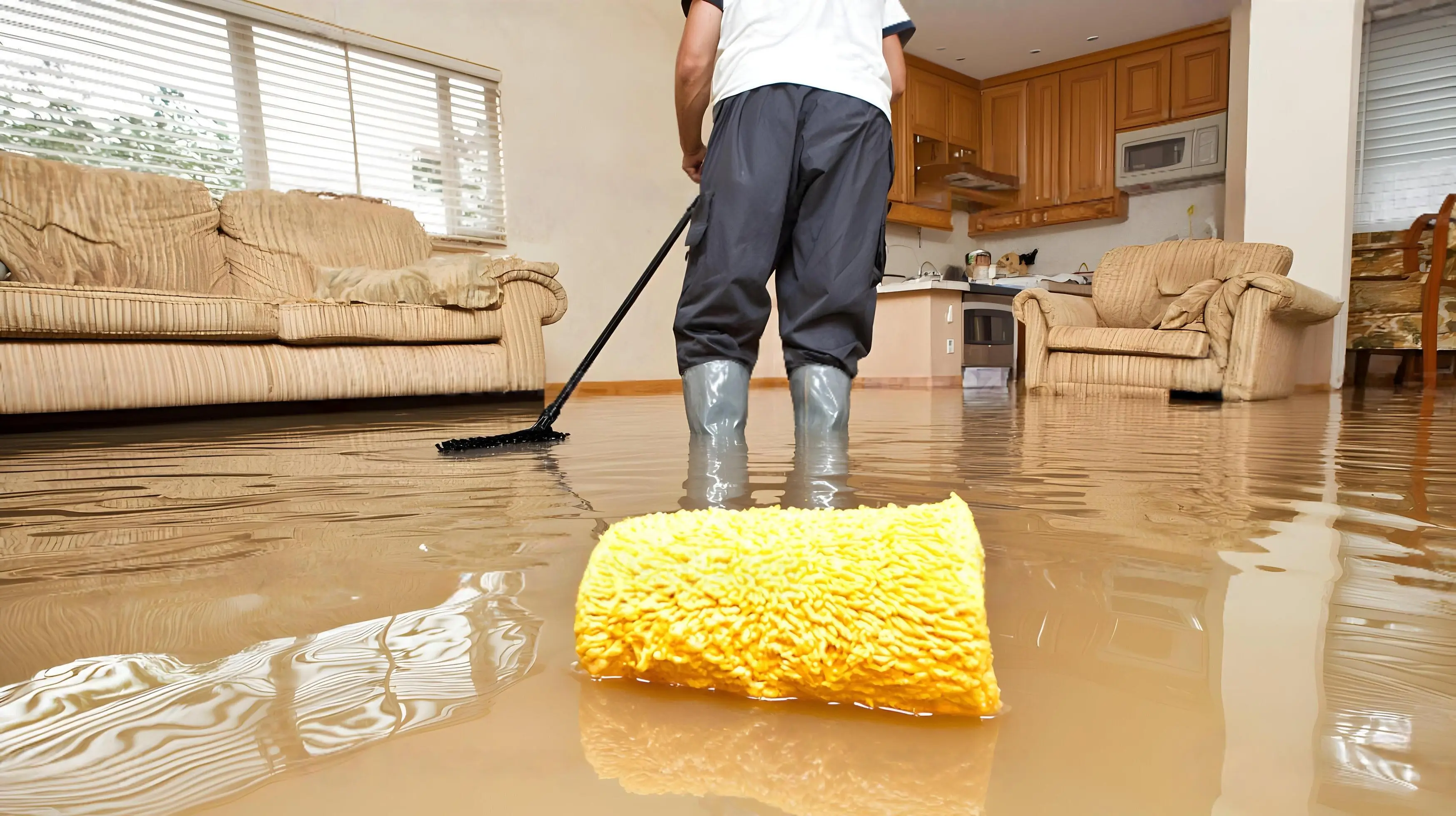
Water Damage Restoration
Burst pipes, storm flooding, standing water. We extract, dry, and restore before mold sets in.
Learn more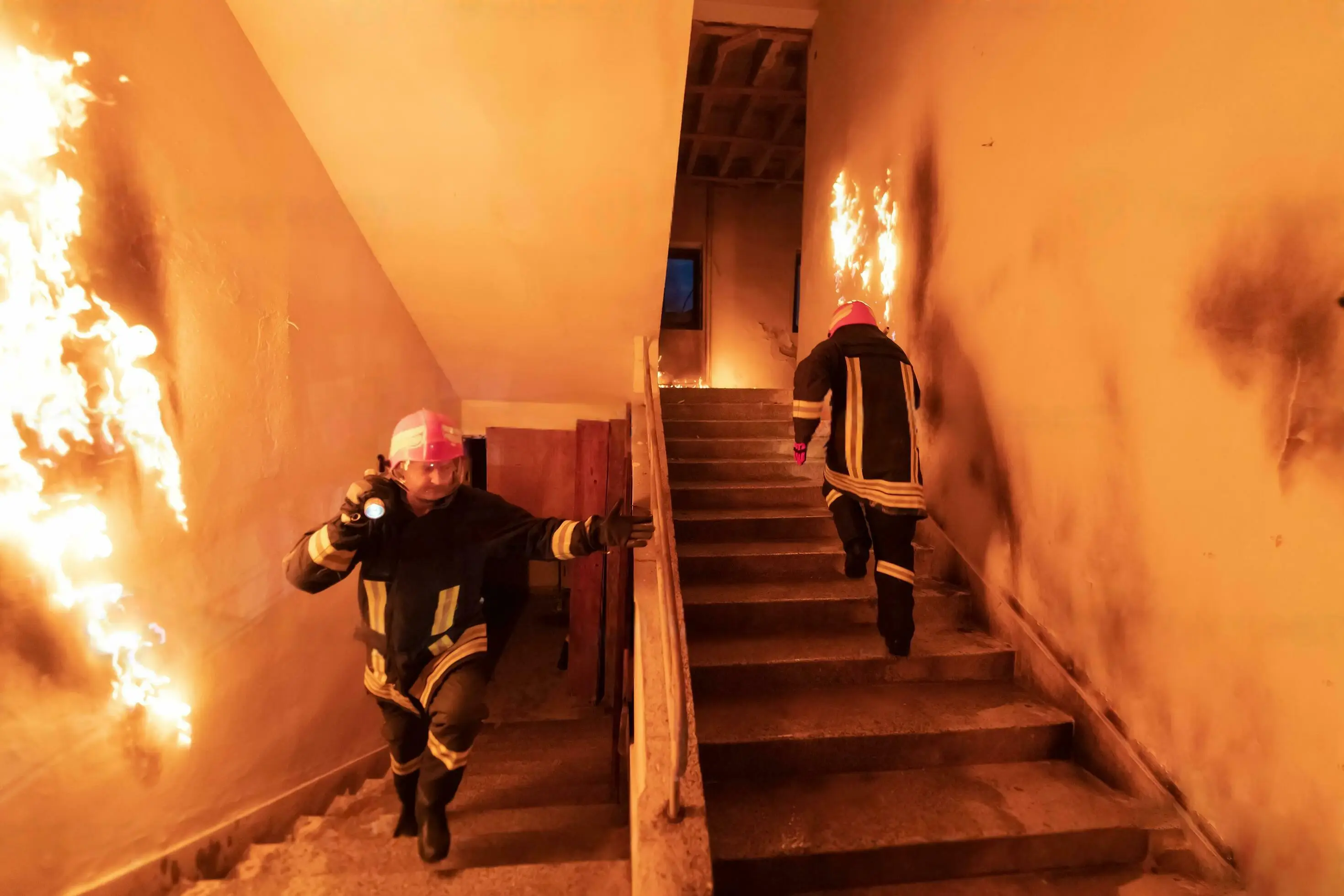
Fire Damage Restoration
Structural damage, soot, debris. We stabilize, clean, and rebuild what fire destroyed.
Learn more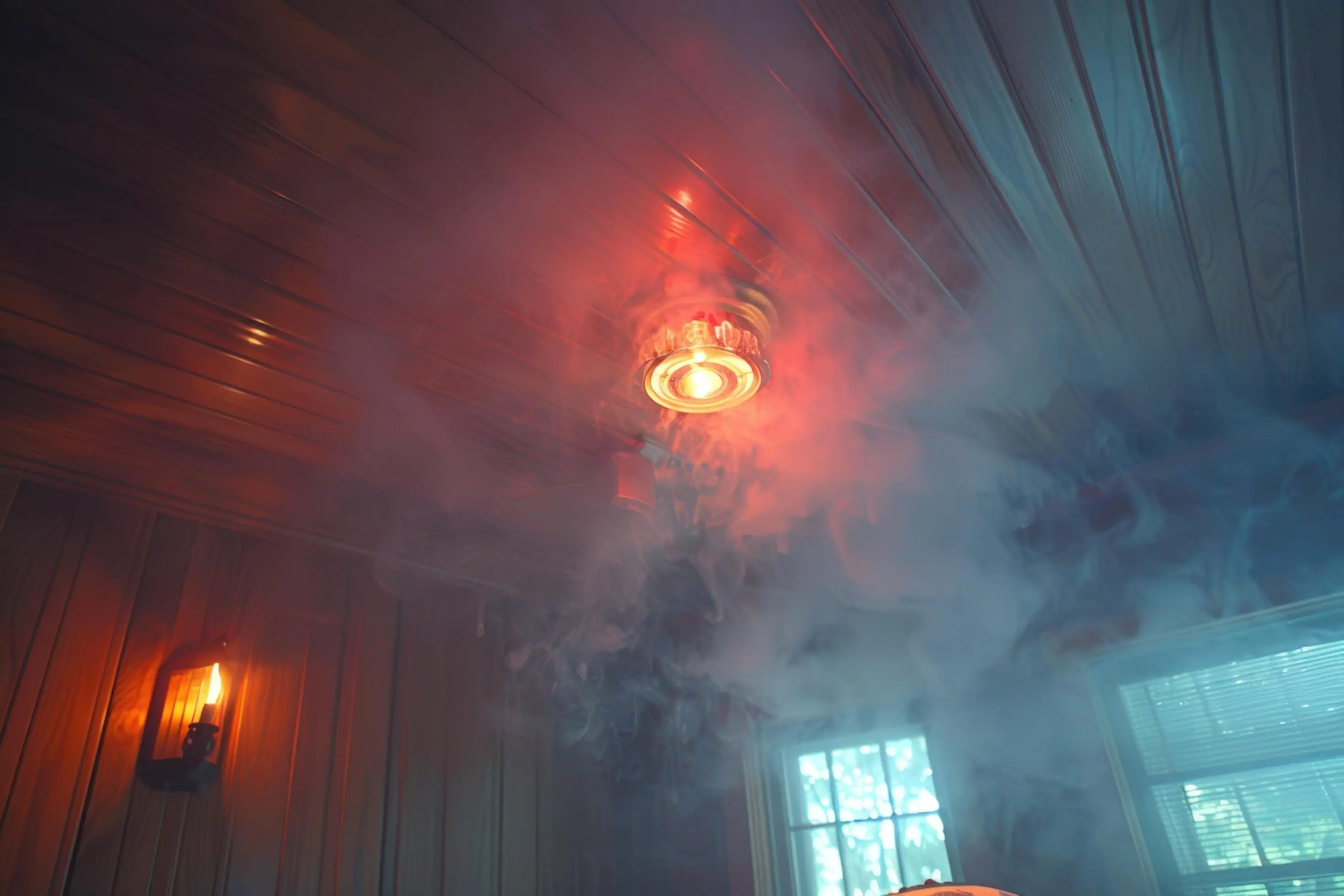
Smoke Damage Restoration
Soot residue, chemical odors, HVAC contamination. We decontaminate surfaces, eliminate odors, and restore air quality.
Learn more