

Water Damage Restoration in Meadville, PA
Standing water penetrates structural wood framing, plaster walls, and subflooring within minutes of an intrusion. Our certified restoration crews deploy across Meadville and Crawford County within 60 minutes to extract water and protect your property.
What Happens When You Call
Direct emergency dispatch connects you to an experienced restoration coordinator who gathers property specifics and mobilizes our local field team immediately.
Our certified mitigation crew arrives on site in Meadville within 60 minutes equipped with truck-mounted extractors, thermal imaging cameras, and commercial drying units.
Technicians map all moisture migration paths through flooring and walls, halt ongoing intrusion, and extract standing water from living areas and basements.
High-velocity air movers and industrial desiccant dehumidifiers are placed strategically, and daily digital moisture logs track structural drying to certified dry standards.
When a burst frozen pipe, failed sump pump, or sudden French Creek runoff inundates your home, every minute of delay increases structural damage and restoration costs. X Response provides an organized, professional emergency mitigation workflow from the moment you call until every structural element is verified completely dry. No call center runaround, no delays, and no unanswered questions. Our local field team mobilizes immediately with commercial extraction units and rapid dehumidification systems. Call now. Your team is standing by.
Why Meadville Homes Are Vulnerable to Water Damage
Meadville, Pennsylvania, the historic county seat of Crawford County, is situated along the banks of French Creek in northwestern Pennsylvania, with a population of 12,473. Founded in 1788 and home to Allegheny College, Meadville occupies a prominent river valley where terrain climbs sharply from 1,080 feet along the French Creek floodplain to over 1,400 feet across College Hill and the surrounding highland ridges. French Creek, one of the most ecologically diverse aquatic systems in the eastern United States, meanders directly through the western edge of the city, joined just to the northwest by Cussewago Creek. According to the National Weather Service Cleveland office, French Creek at Meadville reaches flood stage at 14 feet, where rapid snowmelt and heavy rainfall cause extensive overbank inundation across Crawford County lowlands. When intense winter rainstorms or rapid spring thaws release deep snowpack from the glaciated hills of Crawford and Erie counties, high-volume runoff funnels into the French Creek basin, generating rapid water level crests and putting severe pressure on municipal stormwater networks and low-lying residential neighborhoods.
Historically, Meadville has contended with severe riverine flooding, including major inundation events such as the catastrophic flood of March 1913, the winter flood of January 1996, and localized summer crests. Beyond river overbank events, local homeowners face persistent groundwater intrusion due to Crawford County's glacial hydrogeology. Meadville's soils are dominated by dense, poorly drained glacial till, including Chenango gravelly loams along the valley bottoms and Canfield and Cambridge silt loams across the hillsides. These dense subsoils retain high seasonal moisture and create perched water tables. In historic residential districts surrounding Diamond Park, along Chestnut Street, and on the lower slopes of College Hill, homes constructed in the late 19th and early 20th centuries feature fieldstone, cut sandstone, or unreinforced concrete basement foundations. Saturated soils generate intense lateral hydrostatic pressure against these masonry walls, forcing groundwater through deteriorating lime mortar seams and floor-to-wall cold joints. Sump pumps running against continuous backpressure during lake-effect snowmelts frequently fail, flooding finished basements, mechanical rooms, and storage spaces.
French Creek and Cussewago Creek Floodplains
Properties situated along French Creek, Cussewago Creek, and Mill Run encounter high water tables and rapid surface water accumulation during storm events. When French Creek rises toward its 14-foot flood threshold, stormwater backup forces water into residential storm drains and low-lying basement foundations.
Porous Historic Stone Foundations and Hydrostatic Infiltration
Many older homes across Meadville, especially in Victorian-era residential neighborhoods near Allegheny College, rest on stacked fieldstone or cut sandstone foundations. Saturated glacial till soils expand against below-grade walls, driving groundwater through aging mortar joints and unfinished dirt or concrete floors.
Lake-Effect Snowmelt and Winter Ice Jams
Located on the southern fringe of the Lake Erie snowbelt, Meadville receives 80 to 100 inches of snow annually. Sudden mid-winter thaws with temperatures climbing rapidly into the 50s trigger massive snowmelt runoff, while floating river ice jams along bridge pilings, causing rapid localized flash flooding.
Sub-Zero Freezes and Frozen Pipe Fractures
Northwestern Pennsylvania winters feature prolonged Arctic freezes that penetrate deep into crawl spaces, drafty wall cavities, and unheated basements. Frozen copper and galvanized water pipes burst under ice expansion, discharging pressurized water through multiple floor levels once temperatures moderate.
Meadville properties face serious water intrusion risks from river crests, saturated glacial soils, and winter freeze-thaw extremes. Effective restoration requires rapid high-capacity water extraction, precision thermal moisture mapping, and controlled structural drying tailored to Crawford County architecture.
What Happens to Your Home While You Wait
Within 1 Hour
Standing water spreads across floor coverings, soaking carpet padding, wicking upward into baseboards, and saturating lath-and-plaster or drywall assemblies. In homes with below-grade basements, water cascades through foundation breaches, submerging heating boilers, electrical panels, and water heaters.
1 to 24 Hours
Drywall and historic plaster absorb water vertically, losing structural rigidity and sagging beneath ceiling framing. Hardwood flooring planks begin swelling and cupping as wood cellular fibers take on moisture. Saturated fiberglass insulation in floor and wall cavities compacts, trapping moisture within enclosed bays.
24 to 48 Hours
Microbial fungal spores activate within moist wall cavities, subfloors, and dark basement spaces as indoor relative humidity rises above 70 percent. Porous fieldstone and concrete foundation walls absorb water deep into capillary pores, and surface corrosion begins on metal electrical components.
48 to 72 Hours
Visible colonies of mold expand along baseboards, drywall seams, and structural wood joists. Multi-layer subflooring and historic tongue-and-groove planking warp and delaminate, causing permanent floor deflection. Indoor air quality deteriorates rapidly as microbial volatile organic compounds (MVOCs) circulate through living spaces.
One Week and Beyond
Prolonged saturation causes severe structural timber rot, ceiling collapse, and extensive microbial contamination across structural framing. Restoration expenses escalate drastically as straightforward structural drying gives way to selective demolition, deep antimicrobial decontamination, and structural framing replacement.
When water infiltrates your Meadville property, the timeline to preserve original hardwood, plaster, and structural framing is narrow. Contact X Response now. Our certified emergency crews arrive within 60 minutes.
How We Restore Water-Damaged Meadville Homes
Every water damage restoration project in Meadville demands disciplined execution, rigorous thermodynamic drying methods, and comprehensive moisture verification. Here is our systematic recovery procedure.
Emergency Mobilization and Hazard Assessment
Upon receiving your dispatch call, our crew mobilizes immediately, arriving at your Meadville property with truck-mounted extraction equipment and specialized structural drying gear. Technicians isolate the water source, shut down main utilities if safety requires, establish containment zones, and evaluate electrical systems for potential hazards.
Thermal Imaging and Structural Moisture Mapping
Using calibrated non-destructive pinless moisture meters and infrared thermal imaging cameras, our technicians inspect every wall assembly, ceiling plenum, and floor cavity. We map hidden water migration paths behind historic lath-and-plaster, beneath ceramic tile, and within subflooring, establishing an accurate baseline of moisture saturation.
Commercial Water Extraction
Standing water is extracted using industrial submersible pumps, high-cfm vacuum extractors, and weighted floor drying mats. We rapidly pull standing water from carpet, hardwood subfloors, and basement concrete slabs, removing bulk moisture before irreversible structural warping and rot occur.
Engineered Dehumidification and Airflow Control
We deploy industrial low-grain refrigerant (LGR) dehumidifiers and high-velocity axial air movers configured to create optimal vapor pressure differentials. Airflow is channeled precisely across damp structural elements to evaporate bound moisture from dense timber framing, masonry foundations, and wall cavities, with daily psychrometric monitoring.
Antimicrobial Treatment and Final Verification
Once structural elements achieve target dry standard values, we apply EPA-registered botanical antimicrobial agents to inhibit future microbial colonization. A comprehensive final walkthrough with digital moisture logs confirms the structure is verified dry and ready for safe occupancy or finishing.
The X Response Difference
X Response delivers dependable, certified water mitigation throughout Crawford County, uniting rapid physical response with rigorous technical drying standards.
Insurance Claim Guidance for Meadville Homeowners
Water damage insurance claims in Pennsylvania depend heavily on the exact source and mechanism of water intrusion. Standard homeowner property insurance typically covers sudden and accidental internal water releases, such as a burst frozen water pipe, broken appliance supply hose, or ruptured water heater tank. Conversely, damage caused by overland flooding, river cresting along French Creek or Cussewago Creek, or surface runoff requires a separate flood insurance policy through the National Flood Insurance Program (NFIP) or private flood underwriters. Additionally, water that backs up through municipal sewer mains or overflows from a sump pump pit necessitates a specific Water Backup and Sump Discharge endorsement. Clear, immediate documentation of the water source is vital.
How X Response Helps
- Document all physical damage with timestamped photographs and comprehensive moisture readings from the first hour.
- Establish the precise water source immediately, which dictates whether your standard homeowner, flood, or sewer backup policy applies.
- Provide structural drying logs and equipment placement charts that comply with Pennsylvania insurance claims standards.
- Format itemized restoration scopes using industry-standard billing software so insurance adjusters can review claims smoothly.
- Explain policy coverage parameters and common exclusions before filing, ensuring you understand your available options.
X Response provides professional moisture documentation, technical reports, and itemized restoration scopes to support policyholder claims. We do not make final coverage determinations or act as public adjusters; final coverage decisions rest entirely with your insurance carrier.
Certified Restoration Specialists Serving Meadville
When you reach out to X Response for water damage restoration in Meadville, your emergency is handled by certified specialists who understand the distinct architectural and environmental characteristics of northwestern Pennsylvania. Our technicians know how historic Crawford County properties were constructed, from stone-foundation Victorian residences near Allegheny College to mid-century homes in the Cussewago Valley, and how they respond to severe rainfall, lake-effect snowmelts, and freezing winter weather. We are a dedicated local team, stationed and prepared to respond immediately.
Every crew member maintains current IICRC certification in Water Damage Restoration (WRT) and Applied Structural Drying (ASD). We utilize commercial-grade extraction systems, high-capacity dehumidifiers, and sensitive diagnostic thermal imaging tools, ensuring we possess the capability to stabilize and restore your property quickly, whether you face a ruptured water pipe during a January freeze or heavy basement flooding during a spring storm.
In Meadville, X Response works with Restoworks Disaster Restoration, an independent local restoration partner serving Crawford County.
Water Damage Restoration FAQ for Meadville Homeowners
Other Emergency Services in Meadville
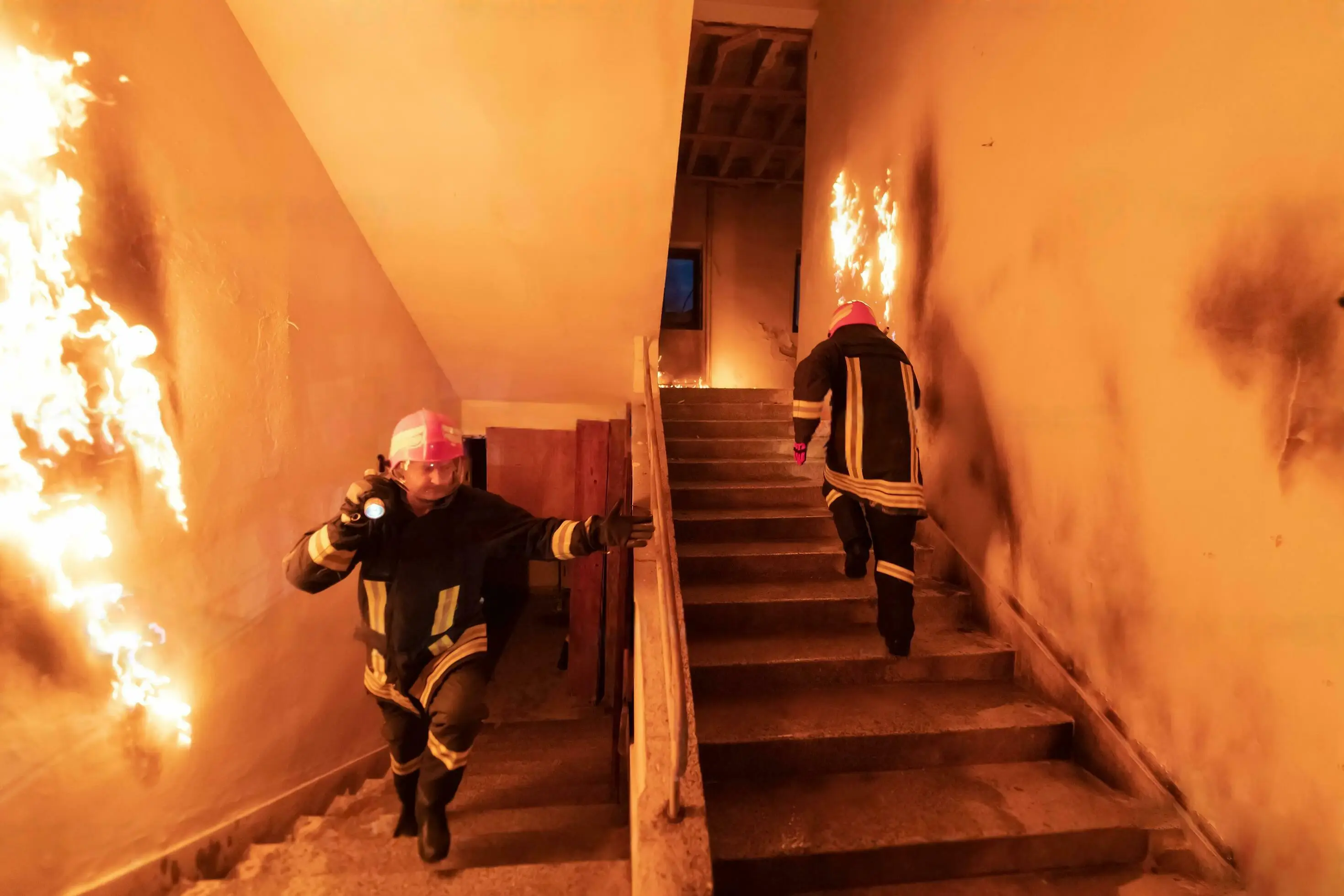
Fire Damage Restoration
Structural damage, soot, debris. We stabilize, clean, and rebuild what fire destroyed.
Learn more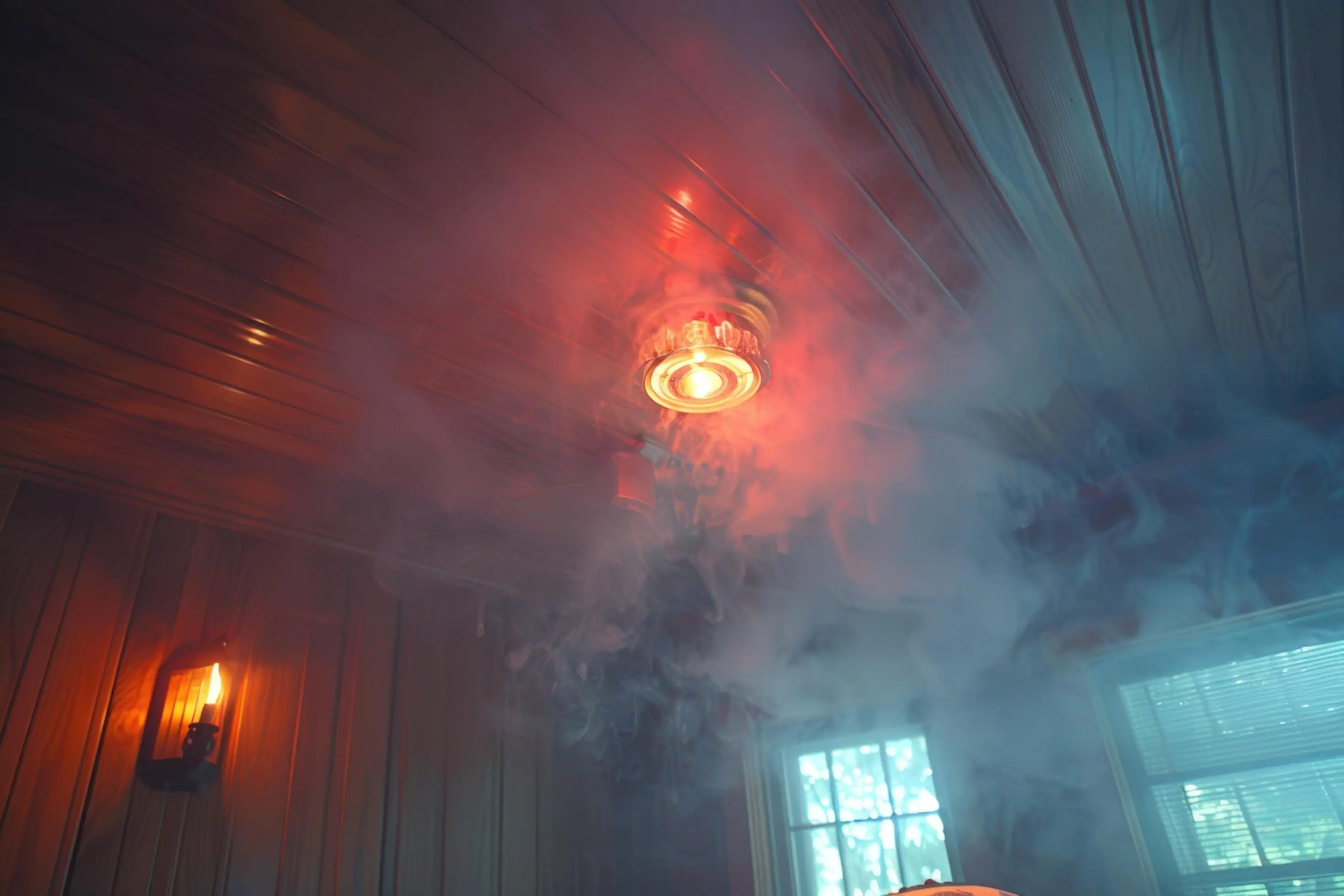
Smoke Damage Restoration
Soot residue, chemical odors, HVAC contamination. We decontaminate surfaces, eliminate odors, and restore air quality.
Learn more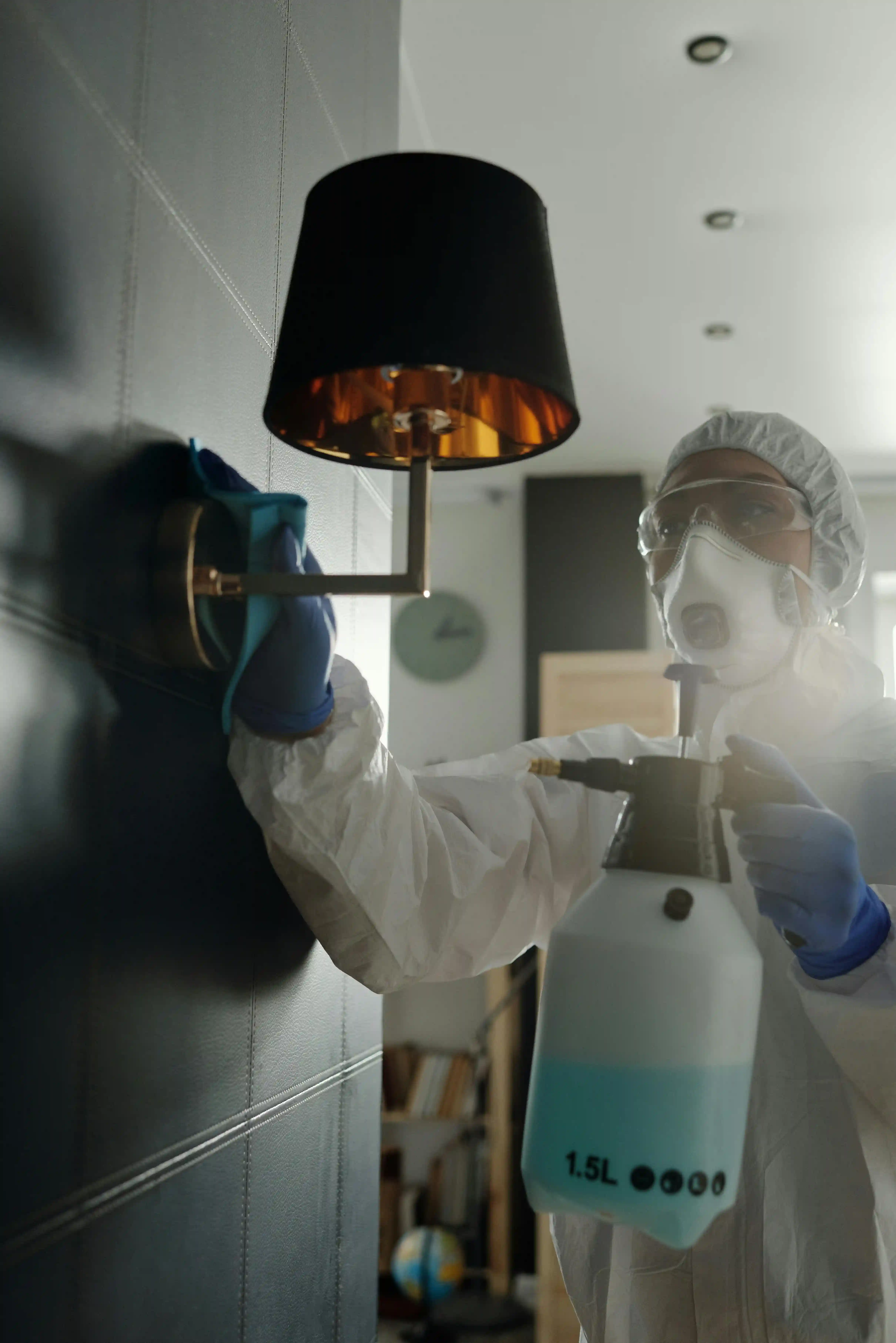
Mold Remediation
Testing, containment, removal, prevention. We find the source, eliminate the growth, and stop it from returning.
Learn moreNearby Service Areas
Also serving nearby: