
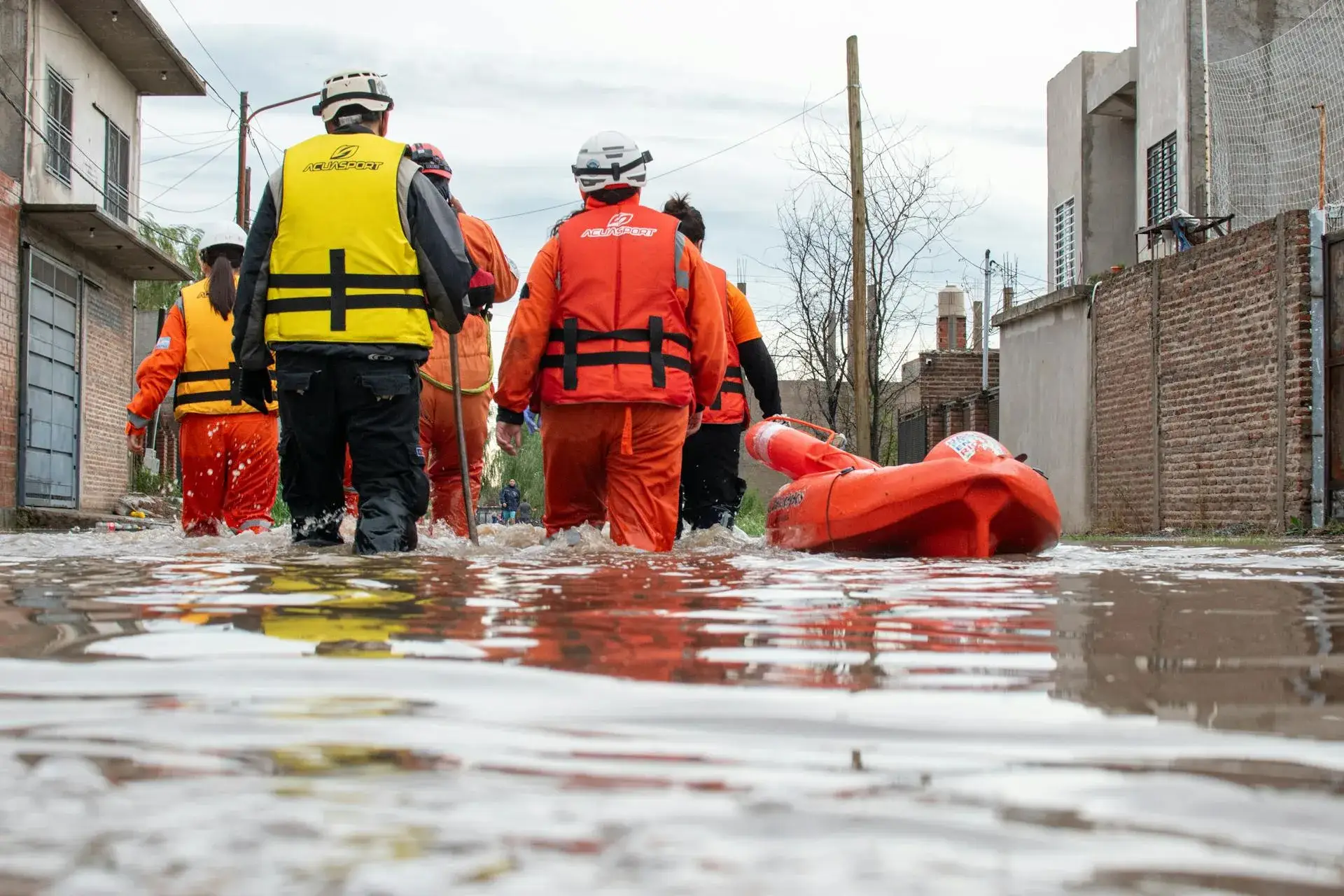
Water Damage Restoration in Erie, PA
Standing water migrates deeper into subfloors, porous foundation stone, and wall cavities every passing minute. Our certified emergency teams deploy across Erie and surrounding Erie County communities within 60 minutes to extract water and safeguard your home.
What Happens When You Call
Direct emergency dispatch connects you to an experienced restoration coordinator who gathers property specifics and mobilizes our local field team immediately.
Our certified mitigation crew arrives on site in Erie within 60 minutes equipped with truck-mounted extractors, thermal imaging cameras, and commercial drying units.
Technicians map all moisture migration paths through flooring and walls, halt ongoing intrusion, and extract standing water from living areas and basements.
High-velocity air movers and industrial desiccant dehumidifiers are placed strategically, and daily digital moisture logs track structural drying to certified dry standards.
When water floods your home from a winter pipe fracture, a failed sump pump, or rapid lakefront runoff, immediate action is your only defense against long-term structural decay. X Response provides an organized, professional mitigation workflow from the moment you call until your home is verified completely dry. No call center delay, no guesswork, and no waiting days for equipment. Our local team mobilizes within minutes and arrives fully equipped. Call now. Your team is standing by.
Why Erie Homes Are Vulnerable to Water Damage
Erie, Pennsylvania, sits on the southern shoreline of Lake Erie in Erie County, serving as the fifth-most populous city in the Commonwealth with a population of 94,831. The city's geography is defined by its position in the Great Lakes snowbelt, an average annual seasonal snowfall exceeding 100 inches, and steep bluffs that elevate residential neighborhoods up to 728 feet above sea level while sloping sharply toward Presque Isle Bay at 571 feet. According to the National Weather Service Cleveland office, the historic lake-effect storm of December 24 to 27, 2017, buried Erie under a record 48.9 inches of snow at Erie International Airport, with 34 inches falling on Christmas Day alone to set an all-time Pennsylvania 24-hour snowfall record. Extreme winter events of this magnitude subject residential structures to severe roof snow loads, extensive ice damming along eaves, and massive volumes of meltwater that overwhelm perimeter drainage systems.
Beyond lake-effect winter precipitation, Erie homeowners face chronic groundwater infiltration and flash runoff driven by the local terrain and geology. The city is underlain by dense Devonian shale and siltstone bedrock covered by compacted glacial till soils that exhibit poor natural drainage. During rapid spring thaws or torrential summer thunderstorms, stormwater runoff rushes downhill through urban street grids toward Lake Erie, placing intense hydrostatic pressure on foundation walls. In older neighborhoods like West Bayfront, Little Italy, and East Bayfront, residential basements built with century-old sandstone blocks, fieldstone rubble, and unreinforced masonry readily absorb groundwater, leading to wall seepage, slab heave, and finished basement inundation whenever municipal storm conduits run at capacity.
Great Lakes Snowbelt and Severe Ice Damming
With normal winter snowfall averaging over 104 inches, Erie homes experience prolonged periods of heavy snow accumulation on roofs. Thermal loss from living spaces warms the roof deck, melting the bottom snow layer until runoff reaches freezing eaves. The resulting ice dams trap gallons of liquid water that back up under shingles, soaking roof decking, attic insulation, and interior drywall across exterior walls.
Dense Glacial Till and Hydrostatic Basement Pressure
The soils surrounding Erie foundations consist primarily of heavy glacial tills with high clay content. These impermeable soils swell when saturated with rain or melting snow, creating substantial hydrostatic pressure against below-grade walls. In older homes constructed with fieldstone or mortar-joint sandstone, this pressure forces moisture through microscopic fractures, creating chronic basement leaks and sudden sump pump failures.
Steep Bluff Topography and Lakefront Runoff Channels
The 150-foot elevation drop between Erie's southern perimeter and the waterfront at Presque Isle Bay creates steep hydraulic gradients. During severe rainstorms or rapid snowmelt, surface runoff accelerates down north-facing avenues and natural creek ravines like Mill Creek and Cascade Creek, overwhelming driveway drains, window wells, and street-level storm sewer connections.
Sub-Zero Freeze-Thaw Plumbing Fractures
Winter temperatures along Lake Erie frequently drop into single digits or sub-zero territory, driven by arctic air masses moving across the open water. Plumbing supply lines running through uninsulated exterior walls, crawl spaces, and drafty basements freeze rapidly. When water turns to ice and expands, copper and galvanized pipes rupture, releasing hundreds of gallons of pressurized water once temperatures rebound.
Erie properties face severe water damage threats from severe lakefront weather, persistent ground saturation, and harsh winter freeze-thaw cycles. Effective recovery requires commercial-grade extraction, precision moisture mapping, and controlled structural drying specifically calibrated to northwestern Pennsylvania architecture.
What Happens to Your Home While You Wait
Within 1 Hour
Water spreads across hardwood, laminate, and carpeted floors, saturating carpet padding and wicking upward into baseboards and drywall. In multi-level homes or properties with below-grade basements, water drains into floor penetrations, pooling around electrical panels, water heaters, and furnace components.
1 to 24 Hours
Drywall absorbs moisture vertically, losing structural integrity and sagging beneath ceilings. Wood framing begins swelling, and hardwood flooring planks cup as cellular wood fibers expand. Saturated fiberglass insulation in exterior walls compacts, permanently losing thermal insulating capability and retaining pockets of trapped moisture.
24 to 48 Hours
Microbial spores activate inside damp wall cavities, subfloors, and dark basement spaces as relative humidity climbs above 70 percent. Porous masonry and concrete foundations absorb water deep into capillary networks, while rusted metal fasteners and electrical box corrosion begin to develop.
48 to 72 Hours
Active mold colonies become visible along baseboard edges, sheetrock seams, and structural joists. Wood subflooring delaminates and warps, creating permanent floor deflection. Indoor air quality deteriorates rapidly as mold spores and musty microbial odors circulate through heating ducts.
One Week and Beyond
Prolonged saturation causes severe structural timber degradation, drywall collapse, and extensive black mold proliferation across studs and insulation. Restoration costs multiply exponentially as simple non-destructive structural drying gives way to full-scale demolition, microbial remediation, and structural reconstruction.
When water enters an Erie home, the window to save original hardwood floors, drywall, and structural framing closes quickly. Contact X Response now. Our emergency response team arrives in 60 minutes or less.
How We Restore Water-Damaged Erie Homes
Every water damage project in Erie requires methodical execution backed by scientific drying principles and rigorous moisture verification. Here is our step-by-step restoration procedure.
Emergency Dispatch and Site Containment
Our crew mobilizes immediately upon dispatch, arriving in Erie equipped with professional extraction vehicles and diagnostic equipment. We identify the intrusion source, shut off primary water supplies if necessary, establish safety containment barriers, and inspect electrical panels to eliminate shock hazards.
Thermal Moisture Mapping and Documentation
Using non-invasive infrared thermal cameras and calibrated pin and pinless moisture meters, technicians inspect every room, wall cavity, and floor assembly. We locate hidden water migration behind baseboards and under finished flooring, creating a detailed photographic and digital moisture baseline.
High-Volume Water Extraction
Standing water is removed using commercial submersible pumps and truck-mounted vacuum units capable of lifting hundreds of gallons per minute. We deploy weighted extraction tools across carpeted surfaces and suction mats along hardwood floors to pull water out of subflooring before warping occurs.
Engineered Structural Drying and Dehumidification
We establish balanced drying environments using commercial LGR (low-grain refrigerant) dehumidifiers and high-velocity axial air movers. Airflow is directed across damp surfaces to draw moisture out of concrete foundations, wood framing, and wall cavities. Technicians take daily psychrometric readings to track drying progress.
Antimicrobial Sanitization and Final Certification
Once target moisture levels are achieved according to industry dry standards, we treat exposed structural elements with EPA-registered botanical antimicrobial agents to inhibit future microbial colonization. A comprehensive final inspection with documented dry standards verifies the restoration is complete.
The X Response Difference
X Response delivers dependable, certified water mitigation throughout Erie County, combining rapid physical response with uncompromising drying standards.
Insurance Claim Guidance for Erie Homeowners
Navigating homeowner property insurance after a water intrusion event in Erie requires clear documentation and an understanding of policy definitions. In Pennsylvania, standard residential policies generally cover sudden and accidental internal water releases, such as a burst copper water pipe, ruptured appliance supply line, or sudden water heater failure. However, damage resulting from rising lake water, overland flash flooding, or municipal sewer backups typically requires specific policy endorsements or standalone flood coverage under the National Flood Insurance Program (NFIP). Proper initial documentation is the single most important factor in claim approval.
How X Response Helps
- Thoroughly photograph and video all water intrusion points, waterlines on walls, and damaged personal property before mitigation begins.
- Verify the precise mechanical or environmental source of water to identify whether your primary policy or a specialized endorsement applies.
- Maintain all failed plumbing components, valves, and burst pipes for insurance adjuster physical inspection.
- Structure mitigation estimates using standardized Xactimate line items accepted by major Pennsylvania and national insurance carriers.
- Review policy deductible thresholds and communicate directly with your insurance representative during the initial mitigation window.
X Response provides comprehensive technical moisture documentation and restoration scopes to assist in policyholder claims. We do not make coverage determinations or practice public adjusting; final coverage decisions rest entirely with your insurance provider.
Certified Restoration Specialists Serving Erie
Our Erie restoration personnel are fully certified through the Institute of Inspection, Cleaning and Restoration Certification (IICRC) in Water Damage Restoration (WRT) and Applied Structural Drying (ASD). Operating throughout Erie County, our technicians understand the distinct architectural styles and structural challenges of northwestern Pennsylvania, from century-old brick and stone homes near the bayfront to modern slab-on-grade and walkout basement properties in surrounding suburban neighborhoods.
Equipped with high-capacity extraction units, advanced infrared diagnostics, and commercial desiccant dehumidifiers, our field crews undergo regular technical training on psychrometric drying science and biohazard safety. When winter blizzards or severe lakeshore squalls strike Erie, our local team stands ready around the clock to safeguard your property.
In Erie, X Response works with Restoworks Disaster Restoration, an independent local restoration partner serving Erie County.
Water Damage Restoration FAQ for Erie Homeowners
Other Emergency Services in Erie
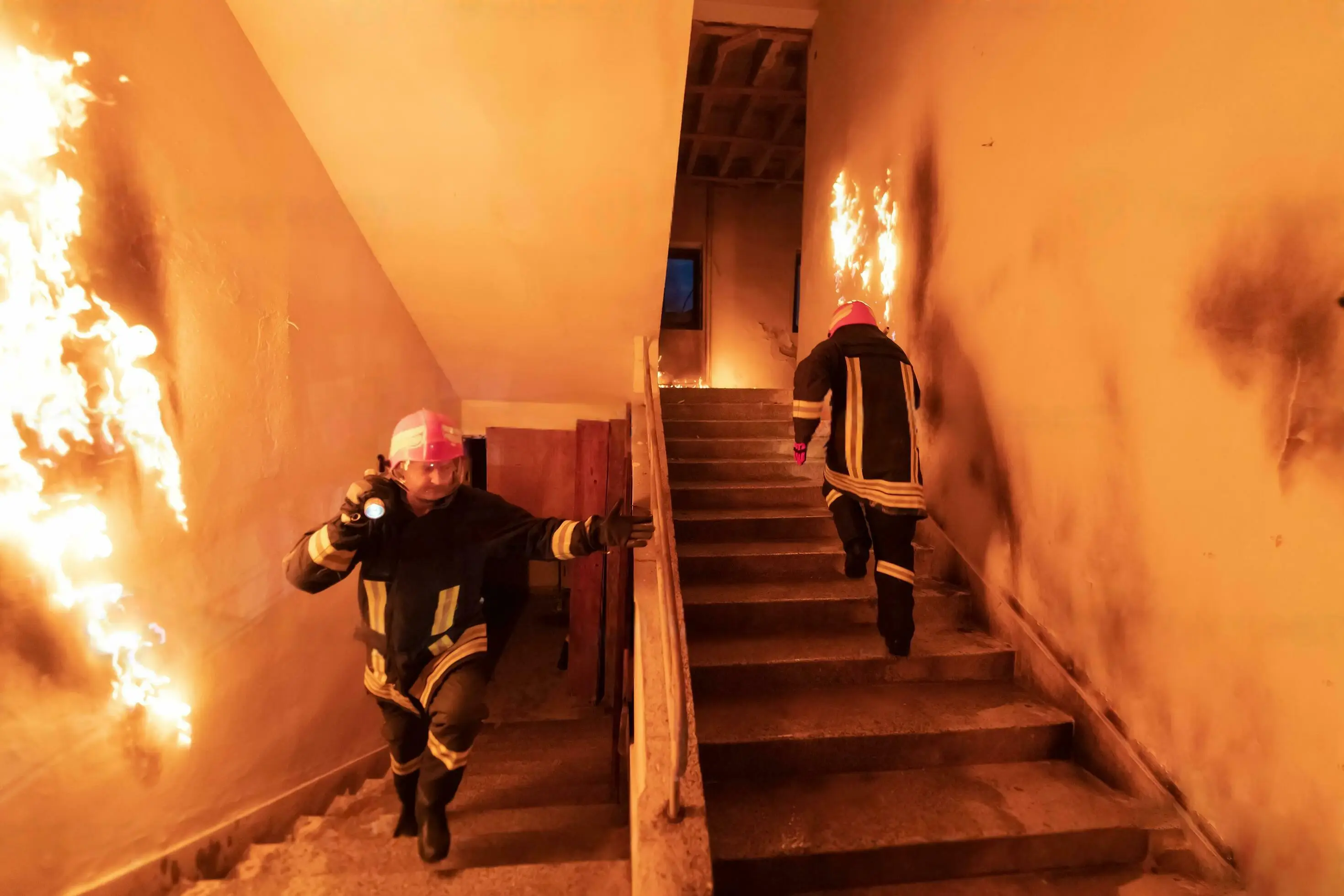
Fire Damage Restoration
Structural damage, soot, debris. We stabilize, clean, and rebuild what fire destroyed.
Learn more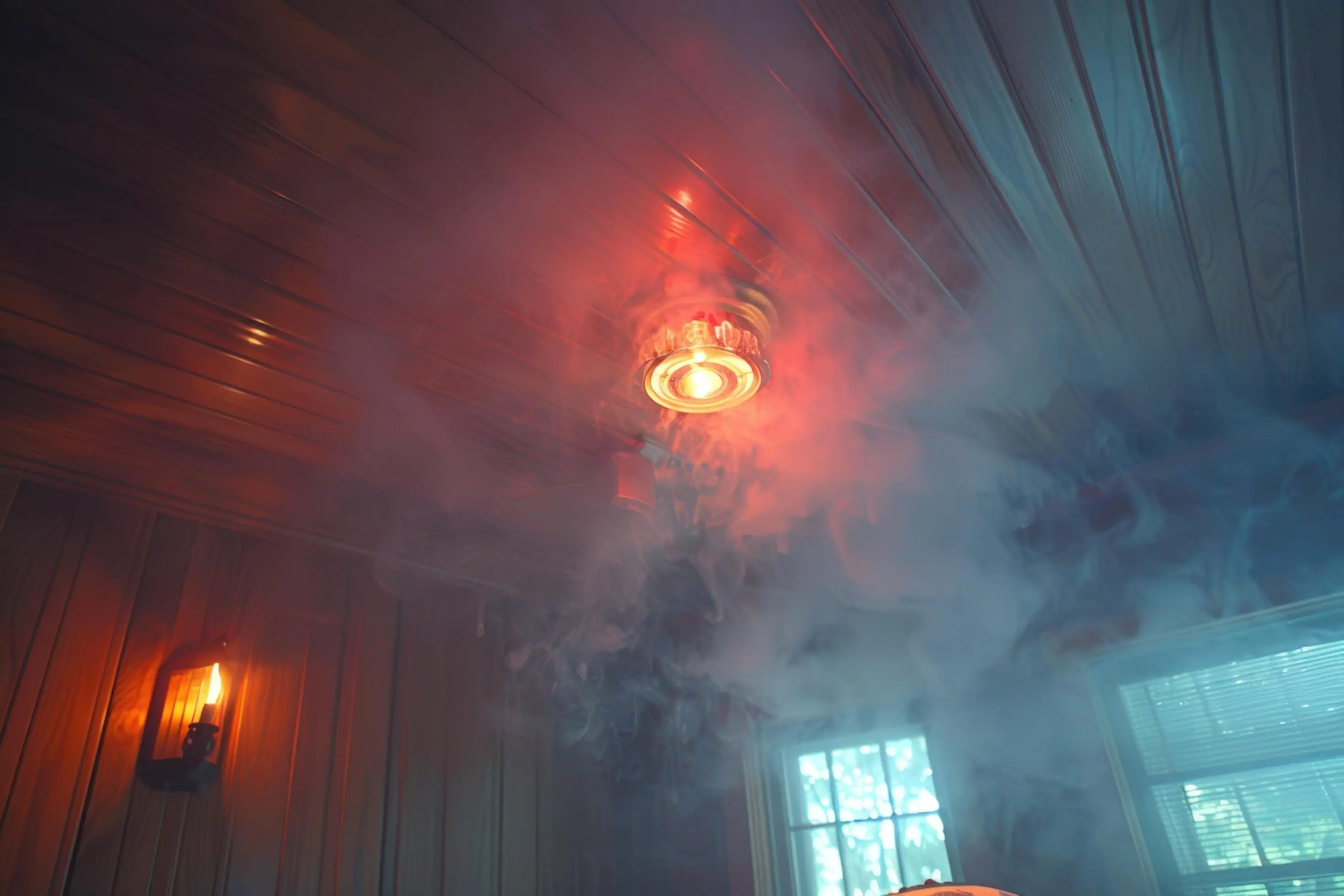
Smoke Damage Restoration
Soot residue, chemical odors, HVAC contamination. We decontaminate surfaces, eliminate odors, and restore air quality.
Learn more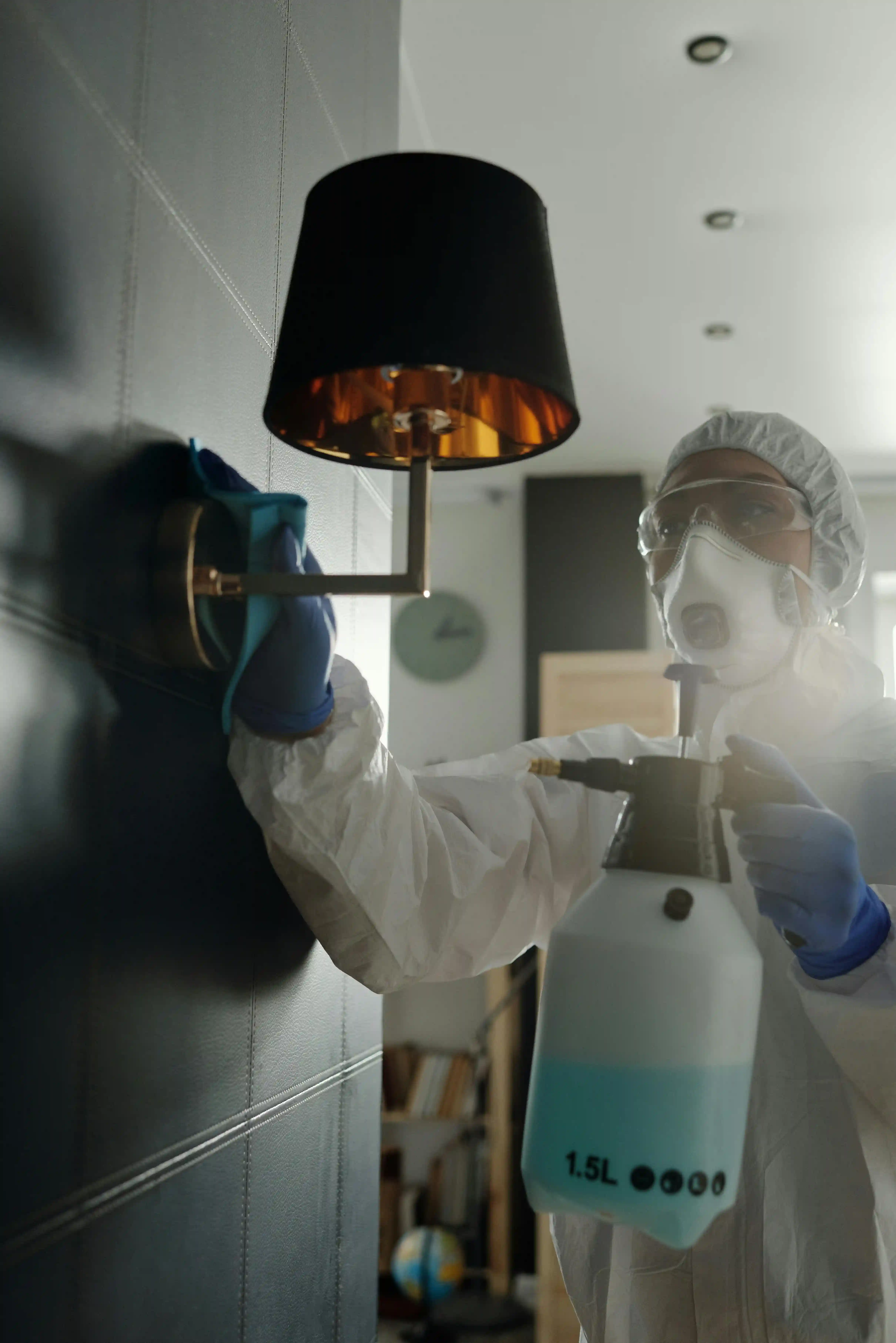
Mold Remediation
Testing, containment, removal, prevention. We find the source, eliminate the growth, and stop it from returning.
Learn moreNearby Service Areas
Also serving nearby: