

Water Damage Restoration in Missouri City, TX
Standing floodwater wicks rapidly into Missouri City slab foundations and drywall assemblies. Our certified restoration team arrives within 60 minutes.
What Happens When You Call
Your emergency call connects immediately to a live restoration specialist who initiates rapid crew dispatch.
Our certified field technicians mobilize with commercial extraction units and moisture-mapping tools from our local service hub.
Technicians arrive at your Missouri City property, assess water migration, and begin continuous water extraction.
Industrial dehumidifiers and high-velocity air movers are strategically positioned, and insurance drying logs are initiated.
When torrential rainfall overwhelms local bayous or an indoor plumbing line ruptures, every passing minute increases the severity of structural damage. X Response provides immediate, professional water mitigation across Missouri City. From our regional dispatch center, we deploy heavy-duty extraction vehicles, commercial LGR dehumidifiers, and thermal imaging diagnostics to protect your home and prevent toxic mold amplification. Call our 24/7 emergency hotline now.
Why Missouri City Homes Are Vulnerable to Water Damage
Missouri City is an expansive community of over 75,000 residents situated southwest of Houston, spanning northeastern Fort Bend County and southwestern Harris County. The city occupies flat Gulf Coastal Plain terrain at an elevation of roughly 79 feet above sea level. Its natural hydrology is governed by Oyster Creek, Steep Bank Creek, Stafford Run, and the broader Brazos River drainage basin. Master-planned residential communities, including Quail Valley, Sienna, Lake Olympia, Riverstone, and Brightwater, are designed around interconnected lake systems, golf course water hazards, and regional detention basins. However, because natural slope gradients are minimal across Fort Bend County, heavy precipitation events rely on engineered channels and local Levee Improvement Districts (LIDs) to convey massive stormwater volumes away from residential neighborhoods.
During Hurricane Harvey in August 2017, catastrophic rainfall and the Brazos River cresting at over 55 feet caused extensive structural flooding in Missouri City neighborhoods including Lake Olympia and prompted mandatory evacuations across low-lying sections of Fort Bend County. In Lake Olympia alone, approximately 100 homes suffered structural water intrusion when localized retention lakes overflowed their bulkheads, while neighborhoods along Oyster Creek faced severe backwater flooding. The Memorial Day Flood of 2015, Tax Day Flood of 2016, and Hurricane Beryl in July 2024 further demonstrated that tropical storms and stalled frontal boundaries can deliver multi-inch rainfall rates that quickly overwhelm roadside drainage swales and push water against residential slab foundations.
Oyster Creek Watershed and Regional Drainage Surcharging
Oyster Creek meanders through central Missouri City, serving as the primary natural drainage spine for numerous residential subdivisions. During severe tropical storms or intense thunderstorm clusters, Oyster Creek receives immense surface runoff from upstream areas in Sugar Land and unincorporated Fort Bend County. When water levels in the creek rise to bankfull capacity, outfall pipes from neighborhood storm sewers become submerged, causing stormwater to back up through street inlets and pool across driveways along Texas Parkway (FM 2234) and Cartwright Road (FM 3345).
Brazos River Floodplain Backwater Dynamics
The southern perimeter of Missouri City borders the extensive Brazos River floodplain near Sienna. When regional river flooding occurs, massive river volumes create a hydraulic dam effect that slows tributary outflows across Steep Bank Creek. While levee systems maintained by local Levee Improvement Districts protect many master-planned developments, extreme river crests above 50 feet place intense hydrostatic pressure on levee walls and require continuous high-volume pump station operation to evacuate internal stormwater.
Dense Alluvial and Beaumont Clay Subsoils
The soils underlying Missouri City consist of Beaumont Formation clay deposits and Brazos River alluvial silt-clays. These soils have extremely poor hydraulic conductivity and high plasticity. Once the top inch of topsoil saturates, zero additional water percolates downward, generating 100% surface runoff. During dry summer periods, deep soil fissures form around residential foundations, allowing sudden downpours to channel directly beneath perimeter grade beams and infiltrate interior flooring assemblies.
Monolithic Slab-on-Grade Construction Challenges
Residential construction across Missouri City almost universally features monolithic concrete slab-on-grade foundations. While slab foundations prevent basement flooding, they provide minimal elevation separation from surrounding ground levels. When street floodwaters rise six inches above the curb, water breaches front door thresholds, garage door gaskets, and weep holes in exterior brick veneers, quickly saturating flooring, drywall baseboards, and custom cabinetry across the entire first-floor footprint.
Subdivision Plumbing Aging and Supply Line Failures
Beyond tropical storm flooding, Missouri City homes face frequent internal water damage from aging plumbing components. Subdivisions developed during the 1970s and 1980s in Quail Valley and Fondren Park often feature original copper supply lines reaching the end of their operational lifespan, suffering pinhole leaks within slab-penetrating walls. In addition, catastrophic freeze events like Winter Storm Uri in February 2021 caused widespread attic pipe ruptures that flooded two-story executive homes from ceilings downward.
Water damage restoration in Missouri City requires an understanding of localized drainage corridors, expansive clay soils, and slab foundation drying dynamics. X Response provides the certified personnel, specialized equipment, and insurance documentation expertise necessary to dry your property thoroughly and protect its long-term value.
What Happens to Your Home While You Wait
Within 1 Hour
Water spreads across concrete slabs, saturating carpet padding, laminate underlayments, and engineered hardwood joints. Capillary action pulls moisture upward into porous drywall panels, wicking several inches above baseboards within the first hour.
1–24 Hours
Drywall wicks moisture beyond 12 inches, losing structural cohesion and sagging against framing screws. Baseboards swell, bow, and detach from walls. In Missouri City's humid climate, ambient relative humidity above 75% prevents natural evaporation, accelerating bacterial growth in wet carpets.
24–48 Hours
Fungal spores germinate on damp cellulose surfaces, including drywall paper facing, wood base plates, and insulation batts. Metal fasteners, electrical junction boxes, and HVAC duct boots begin surface corrosion.
48–72 Hours
Visible black and green mold colonies develop behind walls and beneath flooring. Hardwood floors cup and buckle severely from moisture differential between the wet slab and indoor air. Structural wood studs absorb moisture and begin dimensional warping.
One Week and Beyond
Widespread microbial contamination penetrates structural wall assemblies and HVAC systems. Drywall disintegrates and requires total demolition. Structural wood decay sets in, dramatically expanding the scope and cost of restoration from simple drying to extensive structural reconstruction.
Fast intervention within the first 24 to 48 hours is critical to prevent permanent material loss and hazardous mold contamination. Contact X Response immediately for emergency water restoration in Missouri City.
How We Restore Water-Damaged Missouri City Homes
Our IICRC-certified restoration process applies scientific psychrometric drying principles tailored specifically to Missouri City's slab-on-grade homes and humid coastal environment.
1. Comprehensive Moisture Mapping and Thermal Inspection
Our technicians inspect every affected room using high-resolution FLIR thermal cameras, pinless moisture meters, and deep-penetrating concrete probes. We identify the full boundary of moisture migration beneath slabs, behind tiled shower surrounds, and inside enclosed utility walls, documenting baseline moisture readings per IICRC S500 standards.
2. High-Capacity Water Extraction and Bulk Removal
Using commercial truck-mounted extraction units and weighted sub-surface extractors, we remove standing water from living areas, garages, and utility rooms. High-volume pumps pull hundreds of gallons per hour directly from carpets and pads, dramatically shortening overall drying times.
3. Strategic Flood Cuts and Material Demolition
To facilitate airflow through wall assemblies, we execute clean, laser-guided flood cuts two feet above the highest moisture boundary on affected drywall. Water-saturated insulation, swelling baseboards, and damaged flooring underlayments are bagged and removed following Fort Bend County waste disposal protocols.
4. Industrial Dehumidification and Psychrometric Drying
We deploy commercial Low Grain Refrigerant (LGR) and desiccant dehumidifiers paired with high-velocity centrifugal air movers. Our technicians carefully calculate vapor pressure targets, driving deep structural moisture out of concrete slabs and wood wall studs even in extreme Texas summer humidity.
5. Botanical Antimicrobial Treatment and Sanitation
All exposed framing timbers, bottom plates, and concrete slab surfaces receive direct application of EPA-registered, botanical antimicrobial disinfectants. This halts bacterial growth and eliminates mold spore colonization during the active drying phase.
6. Daily Monitoring, Psychrometric Logging, and Final Clearance
Our project managers monitor moisture levels daily, recording psychrometric readings until all structural building materials meet verified dry standards. We provide a complete documentation binder, including before-and-after thermal scans and drying logs, directly to your insurance adjuster.
The X Response Difference
X Response combines elite drying technology with local expertise to restore your property efficiently, safely, and thoroughly.
Insurance Claim Guidance for Missouri City Homeowners
Water damage insurance claims in Texas require careful navigation of policy language and coverage boundaries. Standard Texas homeowner policies (HO-B and HO-A forms) typically cover sudden and accidental interior water discharges, such as burst water lines, failed water heaters, or washing machine hose ruptures. However, flood damage from rising surface water, including Oyster Creek overflow or Brazos River backwater, requires separate flood insurance through FEMA's National Flood Insurance Program (NFIP) or private flood underwriters.
How X Response Helps
- Immediate emergency photographic documentation and thermal imaging records captured prior to any material removal
- Precise water category classification (Category 1 clean, Category 2 gray, or Category 3 blackwater) to justify necessary demolition scopes
- Daily psychrometric logs and moisture reading sheets formatted to satisfy insurance adjuster proof-of-loss standards
- Direct coordination with field adjusters from major Texas insurance carriers, including State Farm, Allstate, USAA, and Travelers
- Detailed line-item estimates prepared using industry-standard Xactimate pricing reflecting current Fort Bend County construction rates
X Response is an independent restoration contractor. We work collaboratively with your insurance company to document and substantiate all restoration work, while final claim authorization and coverage determinations remain solely with your insurance provider.
Certified Restoration Specialists Serving Missouri City
Our Missouri City restoration specialists are seasoned emergency responders with extensive experience across Fort Bend and Harris counties. Having restored residential estates in Sienna and Riverstone as well as established properties in Quail Valley and Lake Olympia, our technicians understand local foundation types, framing methods, and drainage realities.
Every field supervisor holds Master Water Restorer and Applied Structural Drying (ASD) certifications from the IICRC. We continually train our crews on the latest psychrometric drying science and safety standards, delivering exceptional technical execution and compassionate support to Missouri City homeowners.
In Missouri City, X Response works with First Response Restoration, an independent local restoration partner serving Fort Bend County.
Water Damage Restoration FAQ for Missouri City Homeowners
Other Emergency Services in Missouri City
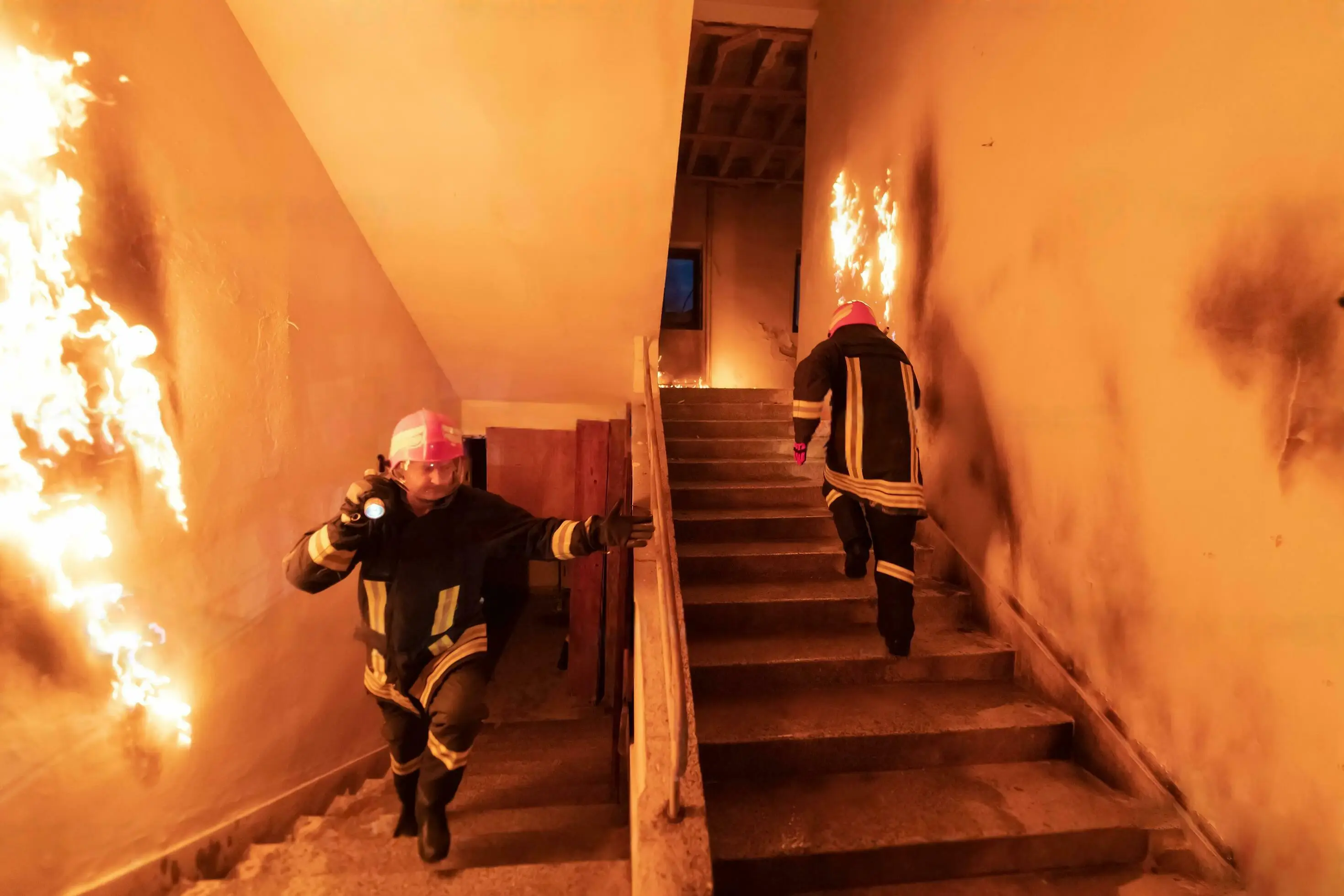
Fire Damage Restoration
Structural damage, soot, debris. We stabilize, clean, and rebuild what fire destroyed.
Learn more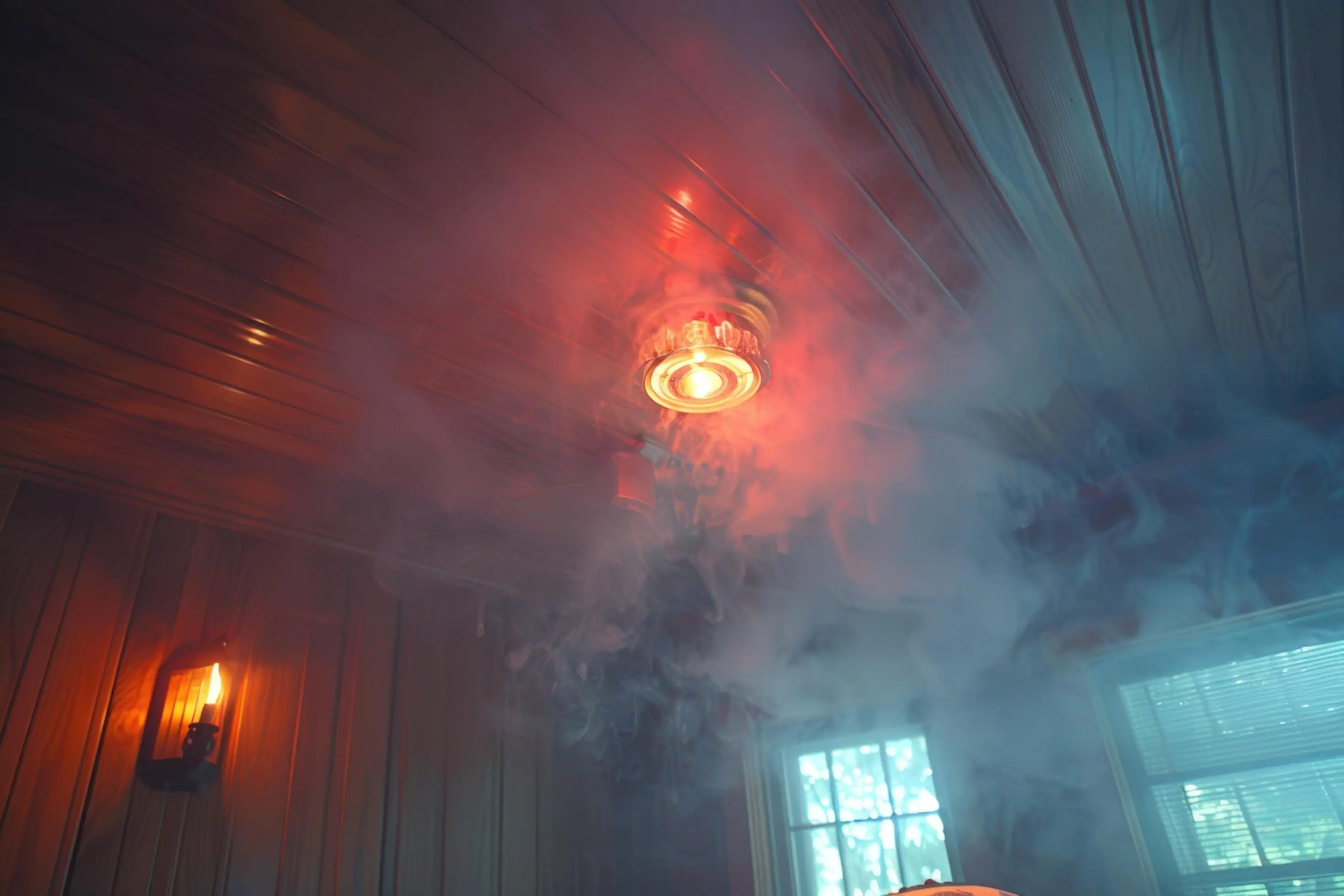
Smoke Damage Restoration
Soot residue, chemical odors, HVAC contamination. We decontaminate surfaces, eliminate odors, and restore air quality.
Learn more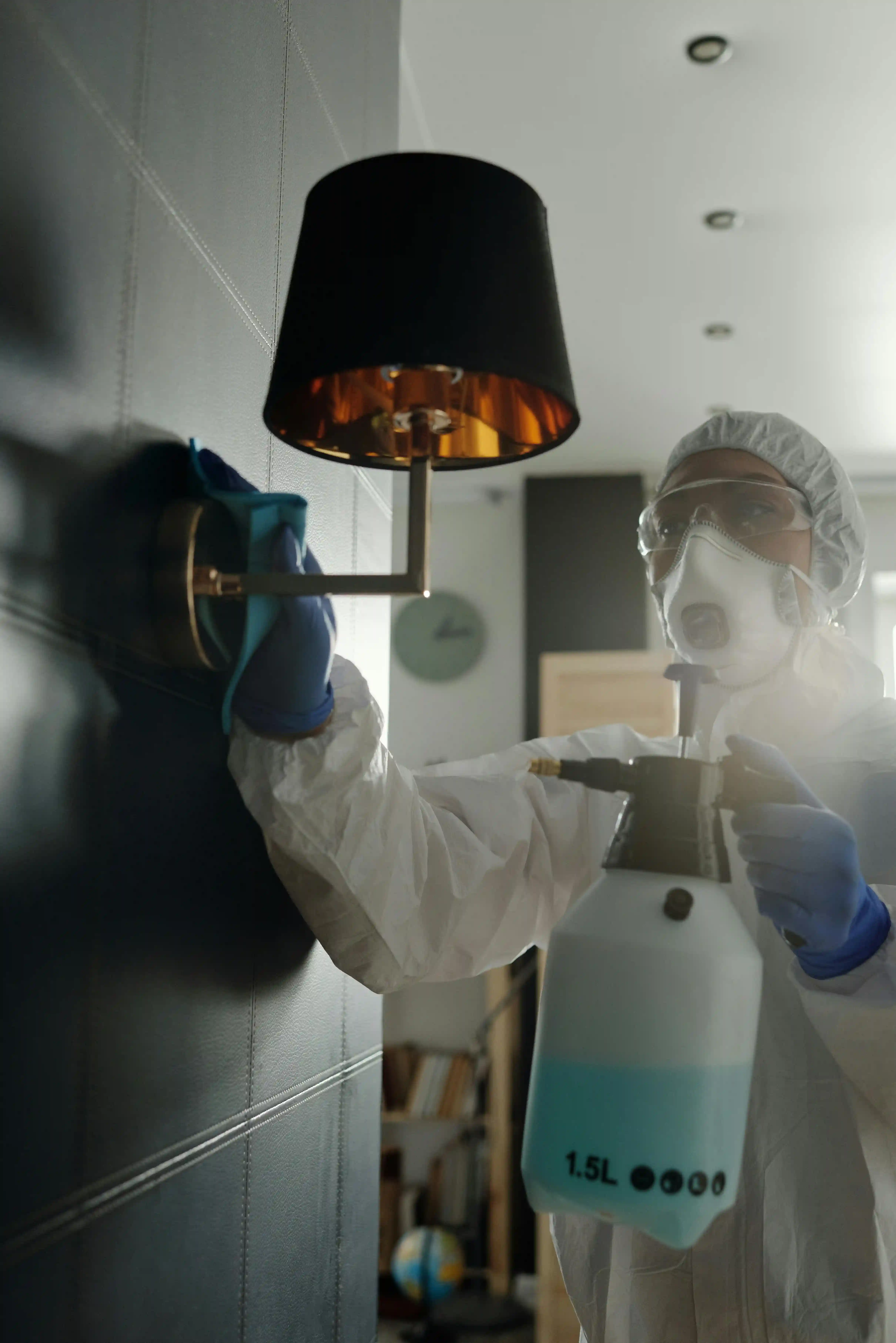
Mold Remediation
Testing, containment, removal, prevention. We find the source, eliminate the growth, and stop it from returning.
Learn more
Sewage Cleanup
Sewer backups, contaminated water, biohazard. We extract, sanitize, and restore safely.
Learn moreNearby Service Areas
Also serving nearby: