

Water Damage Restoration in Richmond, VA
In an older Richmond house, a split pipe or a basement backup can soak the floors above before anyone gets home. Call us and an All Dry Services crew will be there within the hour.
What Happens When You Call
Someone picks up the phone around the clock, finds out what is leaking and what kind of water it is, and dispatches a crew from All Dry Services of East Richmond.
Within 60 minutes the crew is at your Richmond address, with the pumps, extractors, meters and dehumidifiers already on the truck.
They trace where the water went: the basement or crawl space, the floors above and any wall it reached, including a shared wall in a townhome or another unit in the building.
Standing water is pumped out, the drying equipment is set up before the crew leaves, and the first moisture readings go into your file.
Richmond water damage comes from a few usual places. A pipe splits in a wall, a water heater fails, a sewer line backs up through the basement drain, or a hard rain pushes water into a cellar or crawl space. Along the James River, high water can reach the riverfront too. The goal is to shut off the source, remove the water and get the house dry while the most can be saved, and to keep a written record of each reading for your insurance claim. Call now for 60-minute emergency water response in Richmond through All Dry Services of East Richmond.
Why Richmond Homes Are Vulnerable to Water Damage
Census estimates for 2024 count 117,511 homes in Richmond, and 55,967 of them, about 48 percent, were built before 1960. About 28 percent, 32,517 homes, date from 1939 or earlier. Roughly 37 percent of Richmond's homes are in buildings with five or more units, which means a leak in one apartment often gets into the ceiling and walls of the one below. Old plumbing, old basements and a lot of shared buildings: that combination drives most of the water jobs here.
Richmond sits on the James River, and the river sets the biggest flood risks. At the Locks gauge near downtown, minor flooding begins at 8 feet and major flooding at 28 feet, and the river reached a record 36.5 feet in June 1972 during Hurricane Agnes. The National Weather Service says that at 11 feet the Capital Trail and Rocketts Landing Park begin to flood, and at 12.5 feet water covers Wharf Street and enters the Tunnel Building. Upstream at Westham, the river reached 28.62 feet in 1972 against a 12-foot flood stage.
Much of downtown is behind a floodwall that was finished in 1995. The city's own figures put the north section at 4,277 feet, protecting 150 acres of Shockoe Valley, and the south section at 13,046 feet, protecting 600 acres. The wall keeps the river out, but it does not stop heavy rain from overwhelming the streets and drains inside it. On August 30, 2004, the remnants of Tropical Storm Gaston dropped 6 to 12 inches of rain in about 8 hours on the Richmond area, according to the National Hurricane Center, with two Richmond locations reporting more than 12 inches. Flash flooding killed 8 people in the Richmond area, and the Associated Press reported flood depths of up to 10 feet in Shockoe Bottom.
Then there are the sewers. Richmond has the largest combined sewer system in Virginia. It covers about 12,000 acres, one third of the city, and carries household sewage and storm water in the same pipes. The city says parts of it were built in the 1800s and are still in use, and it has 25 overflow outfalls along the James River. The city says that in heavy rain the flow can exceed what the system can carry. When a sewer line is overloaded, the lowest drain in a house, often in a basement, is where sewage can come out. If that happens, treat the water as contaminated and stay out of it.
Older Basements and Crawl Spaces
Nearly half of Richmond homes were built before 1960. Many have basements or crawl spaces that collect water from heavy rain or a plumbing leak, and they are often the last place anyone checks.
Shared Buildings
About 37 percent of Richmond homes are in buildings with five or more units. When water gets loose in one apartment, the ceilings and walls below it are usually wet too.
Combined Sewers and Backups
A third of the city is on a combined sewer system. Sewage that gets into a basement is Category 3 water, which means carpet, drywall and other porous materials it reached cannot be dried and kept.
James River Flooding
The river has flooded the riverfront many times, from Agnes in 1972 to the 1996 floods. The floodwall protects part of downtown, and areas outside the wall are not covered by it.
Flash Floods
Gaston in 2004 showed how fast a storm can overload the city. Rain that cannot drain moves into streets, yards and basements within hours.
In Richmond, where the water came from decides how the job is done. A pipe in a rowhouse, sewage from a floor drain and river water each get different handling, and in a shared building the job frequently reaches beyond one unit.
What Happens to Your Home While You Wait
Within 1 Hour
Water spreads across the floor, finds gaps and runs down to the level below, and starts soaking baseboards. Turn off the main shutoff if it is safe to reach, and keep clear of wet outlets and appliances.
1 to 24 Hours
Drywall and plaster wick moisture up from the floor, hardwood starts to cup, and carpet pad holds water like a sponge. Water sitting in a crawl space works its way into the joists above.
24 to 48 Hours
EPA guidance is to dry water-damaged areas and items within 24 to 48 hours so mold does not take hold. The drying equipment needs to be running before that window closes.
48 to 72 Hours
Musty odors start wherever water is trapped. Baseboards, drywall and insulation that could have been saved a day or two earlier often have to be replaced by now.
One Week and Beyond
Framing, subfloor and wall cavities that stay wet keep deteriorating, mold can spread behind finished surfaces, and what started as a cleanup grows into a repair.
The faster a Richmond home is dry, the more of it can be kept. All Dry Services of East Richmond answers at any hour, so you can start drying yours today.
How We Restore Water-Damaged Richmond Homes
Each job is run to IICRC S500, the industry standard for water damage restoration, and each stage is measured and photographed.
Track the Water
First the source is shut off. Then thermal cameras and moisture meters follow the water through floors, walls, ceilings and crawl spaces, and every wet area gets a photo.
Get the Liquid Out
Pumps move standing water out, and extractors draw it from carpet, pad and floors. The more water that leaves as a liquid, the less the dehumidifiers have to pull from the air.
Take Out Only What Has To Go
After sewage or outside water, the porous materials it touched are bagged and hauled away. After a clean-water leak, anything that can dry in place stays in place.
Dry and Recheck
Dehumidifiers and air movers are placed according to the readings. Each day a technician measures floors, walls and framing again and adjusts the equipment until everything reaches a dry standard.
Close Out the Job
You finish with the final readings, before and after photos and a written summary that you can hand to your insurer, your landlord or a neighbor's insurer if water moved between units.
The X Response Difference
One crew takes your Richmond home or business from the first phone call to the final moisture reading. Call All Dry Services of East Richmond now.
Insurance Claim Guidance for Richmond Homeowners
Insurance usually turns on the source of the water. Water that suddenly escapes from a pipe, water heater or appliance inside the house is generally a covered loss under a standard homeowners policy. A sewer or drain backup usually needs a separate water backup endorsement. If the water came from the James River or off the street, it is flood damage, which standard policies exclude, and FEMA says a new National Flood Insurance Program policy typically takes 30 days to start.
How X Response Helps
- Take photos of the source, each wet room and any unit below before cleanup begins
- Write down whether it was clean water, sewage or water from outside
- Save the daily moisture readings that show why equipment was needed
- Make an inventory of damaged materials and belongings
- In a condo or apartment, tell the landlord or association and keep a record of when you did
All Dry Services of East Richmond is not an insurance adjuster and does not decide coverage. What we supply is documentation: photos, drying logs and a written scope. Your insurance carrier alone makes coverage decisions.
Certified Restoration Specialists Serving Richmond
Our Richmond crews work across the city, from the Fan, Church Hill and Jackson Ward to the West End, Southside and Northside. A split supply line in a brick rowhouse, sewage in a finished basement and river water near the floodwall are three different jobs, and the crew sets up for the one in front of it.
Every technician is IICRC-certified. Each truck carries pumps, extractors, dehumidifiers, HEPA scrubbers and thermal cameras, which lets one crew handle a flooded basement, a burst pipe upstairs or water that has made it into the unit below.
In Richmond, X Response works with All Dry Services of East Richmond, an independent local restoration partner serving Richmond County.
Water Damage Restoration FAQ for Richmond Homeowners
Other Emergency Services in Richmond
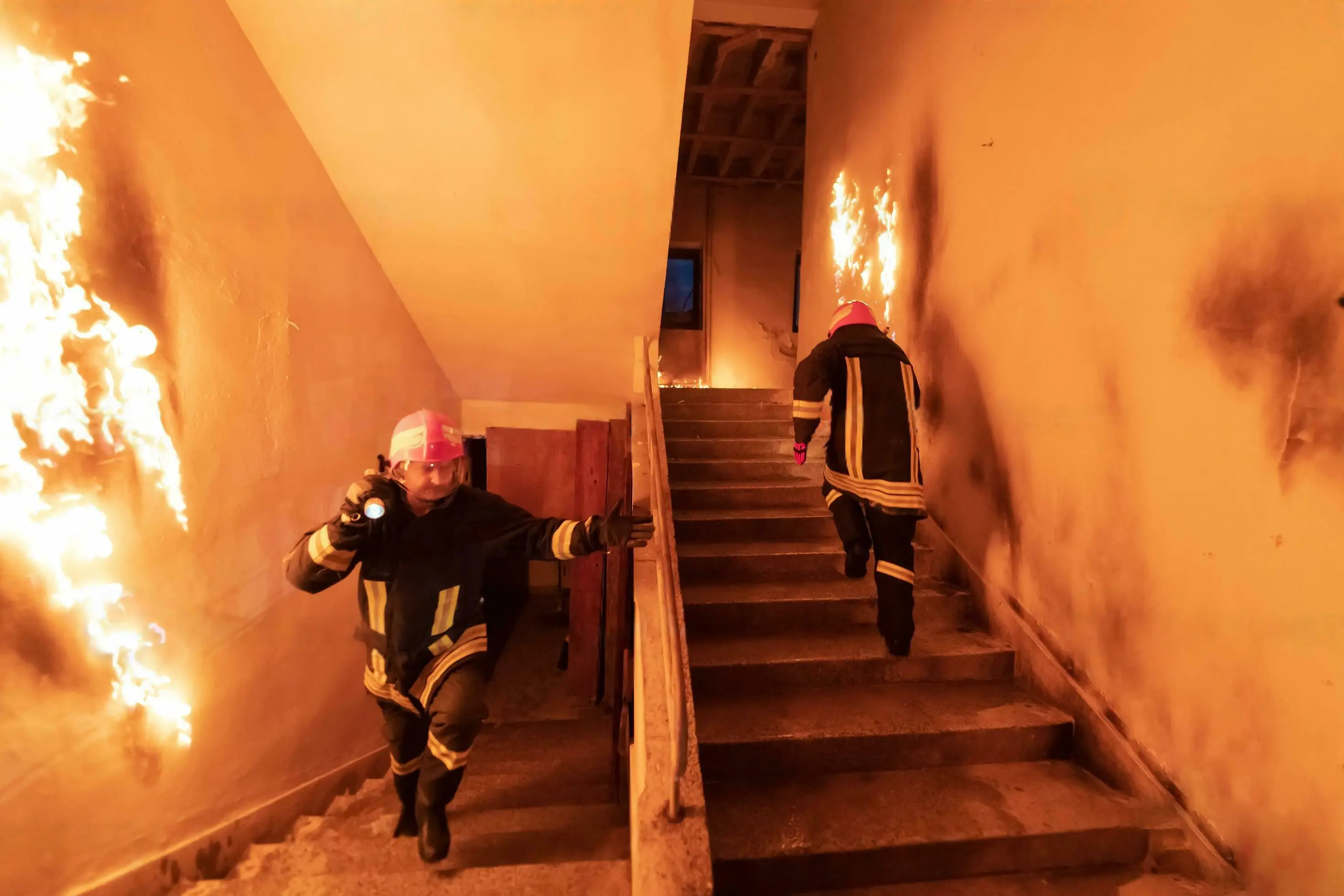
Fire Damage Restoration
Structural damage, soot, debris. We stabilize, clean, and rebuild what fire destroyed.
Learn more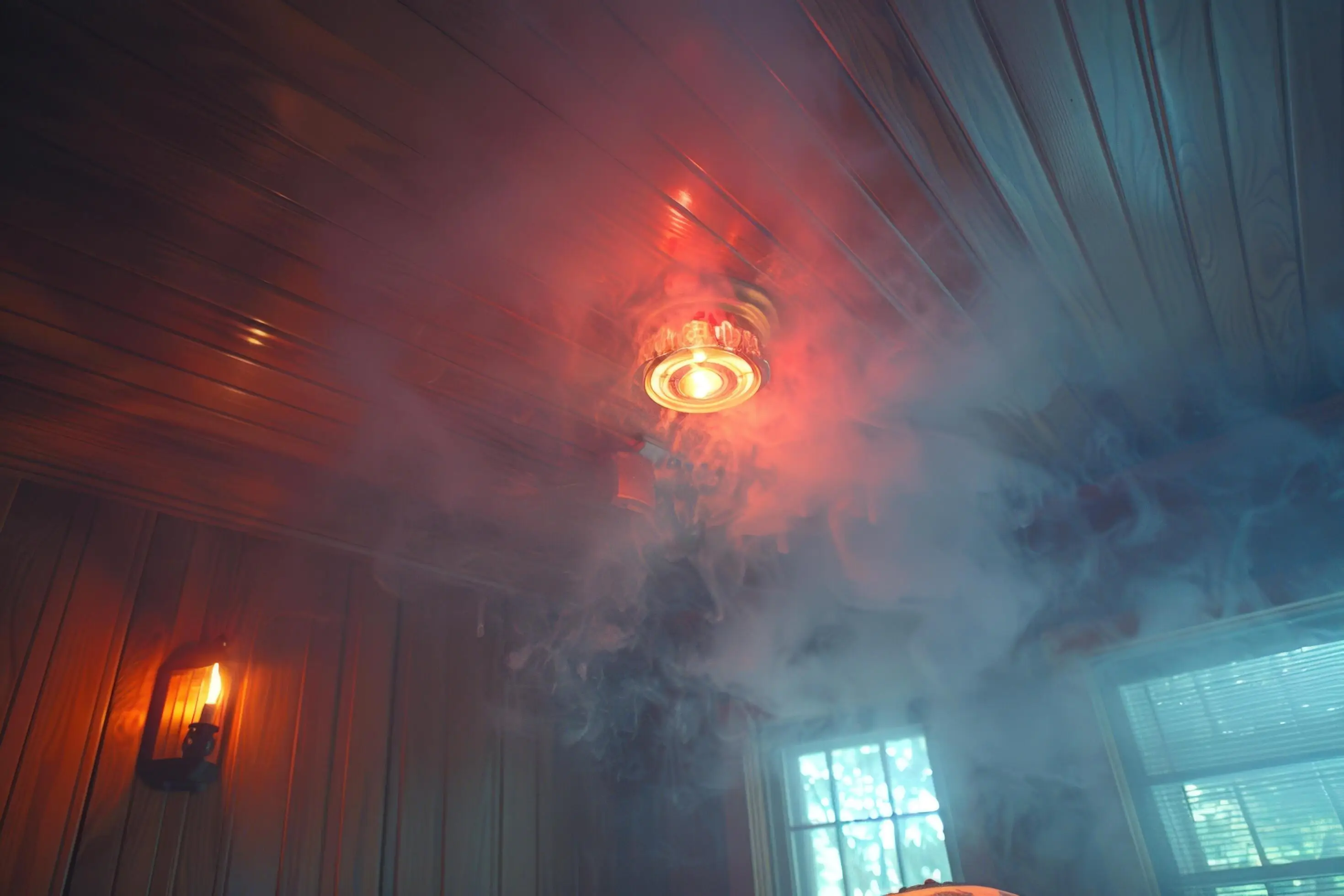
Smoke Damage Restoration
Soot residue, chemical odors, HVAC contamination. We decontaminate surfaces, eliminate odors, and restore air quality.
Learn more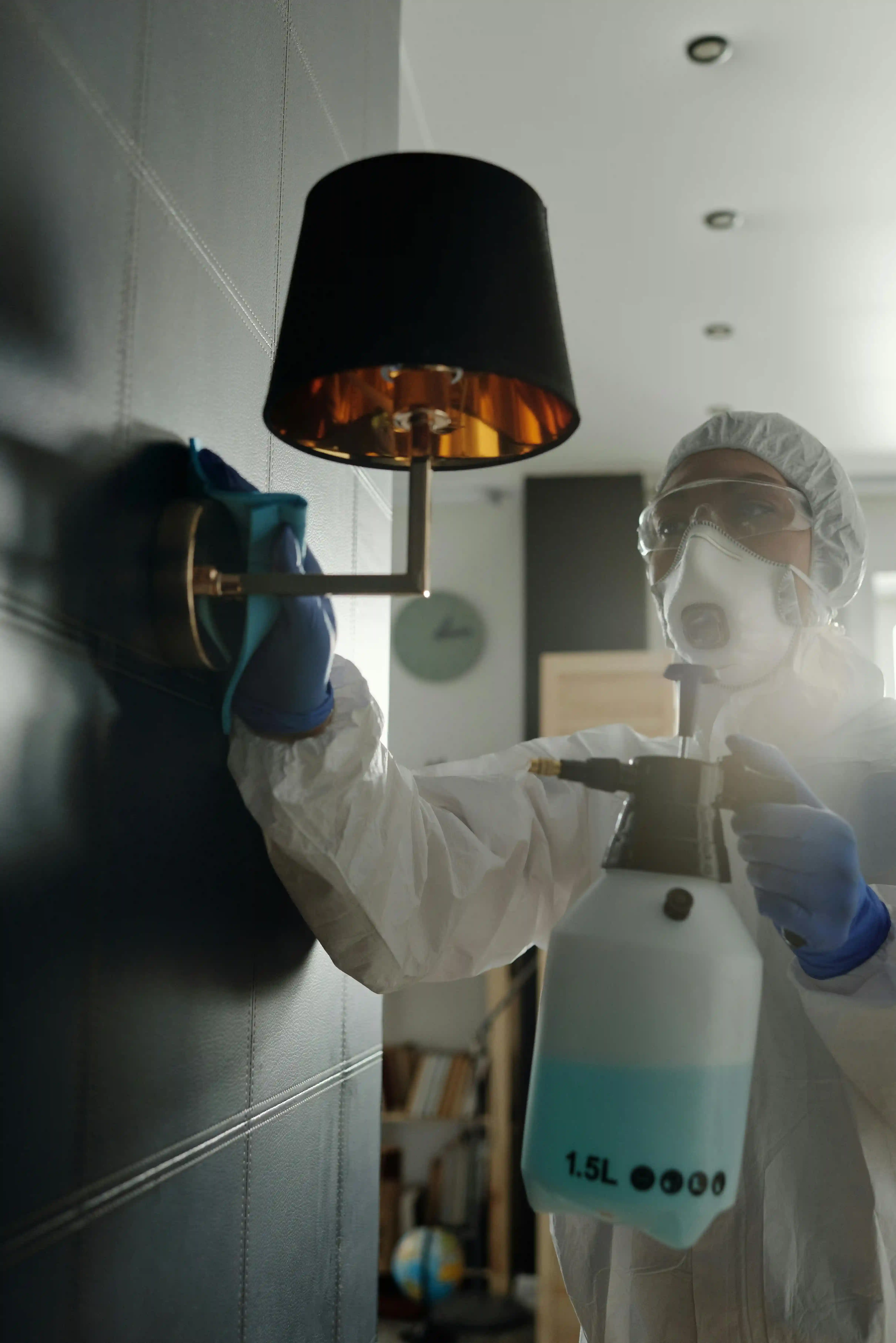
Mold Remediation
Testing, containment, removal, prevention. We find the source, eliminate the growth, and stop it from returning.
Learn more
Sewage Cleanup
Sewer backups, contaminated water, biohazard. We extract, sanitize, and restore safely.
Learn moreNearby Service Areas
Also serving nearby: