
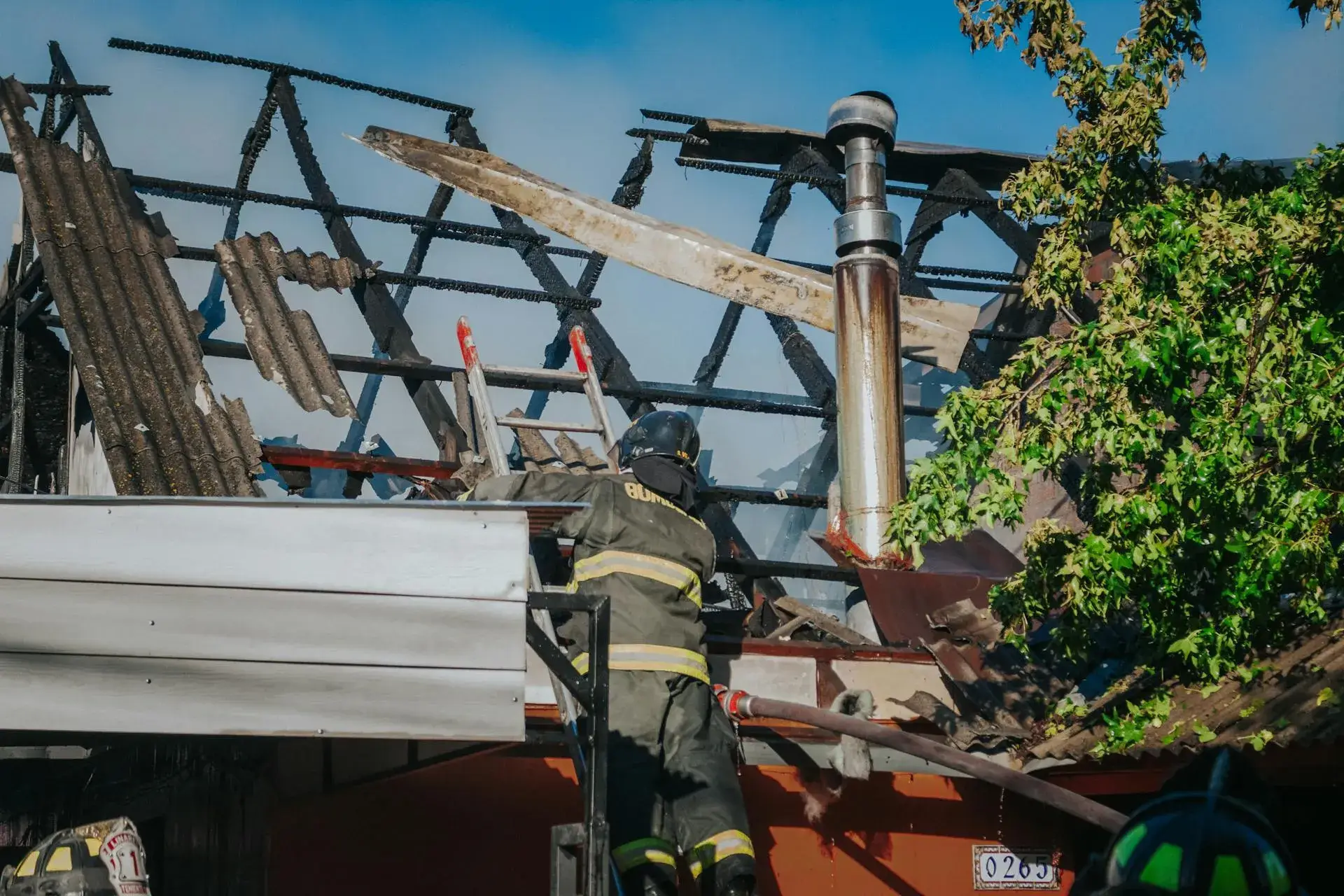
Fire Damage Restoration in Acworth, GA
After a fire, secondary damage from smoke, soot, and suppression water accelerates by the hour. Our local team responds to Acworth emergencies within 60 minutes.
What Happens When You Call
A real person answers, not a call center. We assess the scope of the fire event, ask targeted questions about the damage, and begin coordinating your response immediately.
Your dedicated restoration team is dispatched from our local base serving Acworth and the surrounding northwest Cobb County communities.
Team arrives with structural assessment tools, board-up materials, commercial air scrubbers, and extraction equipment for suppression water. Emergency stabilization begins immediately.
Structure secured, suppression water extracted, soot migration contained, restoration plan documented. You know exactly what comes next.
A fire has damaged your home and the immediate crisis may have passed, but the damage is still progressing. Smoke residue is bonding to surfaces, acidic soot is etching finishes, and suppression water is soaking into the structure. X Response exists for exactly this moment. When you reach out, your restoration team is mobilized within minutes. From that point forward, one team manages everything: structural assessment, board-up, smoke removal, water extraction, and insurance documentation. Call now. Your team is standing by.
Why Acworth Homes Are Vulnerable to Fire Damage
Acworth's Downtown Historic District contains 33 contributing properties listed on the National Register of Historic Places, with commercial buildings mostly constructed between 1880 and 1920 along Main Street and the CSX Railroad corridor. These one- and two-story brick structures, along with the Victorian-era residential homes in the surrounding neighborhoods, represent the oldest building stock in the community. Many of these structures predate modern fire codes, lack the fire-separation features required in contemporary construction, and contain original materials like heart pine framing, plaster-and-lath walls, and knob-and-tube wiring remnants that increase both ignition risk and the complexity of restoration when fire occurs. Beyond the historic core, Acworth has grown through successive waves of residential development since the 1960s, with particularly rapid expansion in the 1990s and 2000s as northwest Cobb County absorbed metro Atlanta's suburban growth along the I-75 corridor. The result is a housing stock that spans more than a century of construction methods, each presenting different fire vulnerabilities and different restoration challenges.
Georgia's residential fire statistics tell a concerning story. According to the U.S. Fire Administration's 2023 National Fire Incident Reporting System data, Georgia's residential structure fire casualty rate was 7.8 deaths and 22.8 injuries per 1,000 fires, substantially above the national averages of 5.8 deaths and 19.7 injuries per 1,000 residential structure fires. Acworth is served by Cobb County Fire and Emergency Services, which operates multiple stations in the area including Station 11, Station 18, and Station 28. The department provides both fire suppression and emergency medical services, responding to structure fires across the city's mix of historic downtown buildings, mid-century ranch homes, and modern subdivisions. Cooking remains the leading cause of residential fires nationally according to both the NFPA and USFA, and in Acworth's older homes where kitchens have been updated without corresponding electrical upgrades, the combination of modern high-draw appliances on aging circuits compounds the ignition risk.
Historic Downtown Buildings and Pre-Code Construction
Acworth's Downtown Historic District includes 33 contributing properties built primarily between 1880 and 1920. These attached and freestanding brick commercial buildings along Main Street were constructed before modern fire codes existed. They lack fire-rated separations between units, have shared cockloft spaces where fire can travel undetected above ceilings across multiple businesses, and contain original wood structural members that have dried for over a century. The residential homes surrounding downtown include Victorian-era structures with balloon framing, where wall cavities run uninterrupted from foundation to attic, allowing fire to spread vertically through the structure without visible indication until it emerges at the roofline. Restoring these properties after fire requires expertise in both historic preservation standards and modern fire damage remediation, because the materials, construction methods, and regulatory requirements differ fundamentally from standard suburban homes.
Mixed-Era Housing Stock and Varied Fire Risks
Acworth's housing stock spans from the 1850s through current construction. Each era brings different fire vulnerabilities. The pre-war homes near downtown may contain knob-and-tube wiring remnants, lack ground-fault protection, and have aging gas service lines. The ranch homes built from the 1960s through 1980s along the original highway corridors often have outdated electrical panels, aluminum branch wiring in some cases, and attic insulation installed directly over recessed lighting. The subdivision homes from the 1990s forward generally meet modern codes but pack homes closer together on smaller lots, meaning a fire in one structure can threaten adjacent homes through radiant heat exposure. Each era requires a different restoration approach because the materials, finishes, and structural systems vary with the period of construction.
Fire Suppression Water Damage
When Cobb County Fire and Emergency Services suppresses a residential structure fire in Acworth, the water used in suppression often causes as much or more property damage as the fire itself. A single attack line flows 150 to 200 gallons per minute, and a working residential fire may involve multiple lines operating for 15 to 30 minutes or more. That volume of water saturates everything it contacts: flooring, wall cavities, insulation, personal property, and the structural framing. In Acworth homes with crawl spaces, suppression water pours through floor penetrations and pools beneath the structure, creating an immediate mold risk in the humid north Georgia climate. The water also carries dissolved soot and char, contaminating materials it contacts and creating a Category 2 (gray water) condition that complicates the drying process.
Smoke Migration Beyond the Fire Room
In a residential structure fire, visible flame damage is typically contained to one or two rooms. Smoke damage, however, extends throughout the entire structure through the HVAC system, open doorways, and pressure differentials created by the fire itself. In Acworth homes with forced-air heating and cooling, which is essentially all residential construction in the area, smoke is distributed through the ductwork into every room the system serves. Acidic soot deposits on surfaces throughout the home, etching glass, corroding metal fixtures, and permanently staining soft materials if not addressed within the first 24 to 72 hours. Older Acworth homes with plaster walls and natural wood trim absorb smoke odor deeply into porous materials, making deodorization more complex than in homes with painted drywall and synthetic finishes.
Georgia's Humid Climate and Post-Fire Mold Risk
Fire damage restoration in Acworth operates under a compressed timeline because of north Georgia's humid climate. After suppression, every wet surface in the structure becomes a potential mold colonization site within 24 to 48 hours if not dried mechanically. The combination of fire-damaged roofing that allows rain intrusion, saturated wall cavities from suppression water, and summer humidity levels regularly exceeding 70 percent creates conditions where mold can establish before the fire investigation is even complete. Properties that sit unoccupied after a fire, waiting for insurance authorization or contractor scheduling, face compounding secondary damage from moisture and microbial growth that can eventually exceed the original fire damage in restoration cost.
These factors interact to make fire damage restoration in Acworth more complex than the visible fire damage alone would suggest. The historic building stock presents unique challenges in preservation and code compliance. The varied construction eras mean no two restoration projects follow the same playbook. Suppression water creates an immediate secondary damage threat in the humid climate, and smoke migration through HVAC systems spreads contamination far beyond the fire room. Effective fire restoration in Acworth requires a team that understands both the structural and the environmental dimensions of the problem, and that can move fast enough to prevent secondary damage from overtaking the original fire loss.
What Happens to Your Home While You Wait
Within 1 Hour
Suppression water is soaking into flooring, wall cavities, and crawl spaces. Smoke residue is settling on every surface in the home, beginning to bond with finishes. Acidic soot from burned plastics and synthetics starts etching chrome, brass, and glass surfaces. In Acworth's humid climate, wet materials begin transitioning toward conditions favorable for mold growth almost immediately.
1–24 Hours
Soot permanently stains light-colored fabrics, carpeting, and porous surfaces if not treated. Acidic residues corrode metal fixtures, appliance surfaces, and electronic components. Suppression water wicks through drywall and into wall cavities, saturating insulation. In crawl spaces beneath Acworth homes, pooled water begins generating the musty conditions where mold spores activate. Smoke odor penetrates deeper into porous materials with each passing hour.
24–72 Hours
Mold colonization begins on wet surfaces throughout the structure, particularly in hidden wall cavities and crawl spaces where suppression water has pooled. Soot corrosion becomes permanent on metal surfaces. Wood structural members begin absorbing enough moisture to swell and stress connections. Salvageable contents exposed to smoke become increasingly difficult to restore as residues set into materials. The restoration scope expands with every day of delay.
72 Hours–One Week
Mold growth becomes visible on drywall, framing, and personal property. Structural wood in the fire-damaged area weakens as char depth progresses through moisture absorption. Smoke odor permeates deeply into structural materials and becomes exponentially more difficult to remove. What began as a contained fire loss with suppression water damage becomes a combined fire, water, and mold remediation project.
Two Weeks and Beyond
Extensive secondary damage from mold, corrosion, and moisture often exceeds the original fire damage in scope and cost. Structural integrity of fire-weakened members deteriorates further. Insurance claims become contested as carriers question the boundary between fire damage and neglected secondary damage. The restoration timeline and budget expand dramatically.
Secondary damage after a fire accelerates faster than most homeowners expect, especially in north Georgia's humid climate. Contact X Response now. Our Acworth team responds within 60 minutes to begin stabilization and prevent compounding losses.
How We Restore Fire-Damaged Acworth Homes
Fire damage restoration requires a coordinated response that addresses structural damage, smoke contamination, suppression water, and environmental hazards simultaneously. Here is exactly what our process involves for Acworth properties.
Emergency Stabilization and Assessment
Our team arrives to secure the structure immediately. That means board-up of compromised openings to prevent weather intrusion, tarping of damaged roofing, and structural shoring where fire has weakened load-bearing members. We then conduct a comprehensive assessment using thermal imaging, moisture meters, and visual inspection to map the full extent of fire, smoke, and water damage. For Acworth's historic properties near downtown, we document original architectural features that require preservation-grade restoration rather than standard replacement. The assessment produces a detailed scope of work with photos and measurements that serves as the foundation for both the restoration plan and your insurance claim.
Suppression Water Extraction and Drying
Fire suppression water is extracted immediately using truck-mounted and portable extraction units. In Acworth homes with crawl spaces, submersible pumps remove pooled water from beneath the structure. Wall cavities are opened where necessary to extract trapped water before it migrates further. Commercial dehumidifiers and air movers are positioned to begin structural drying alongside the fire restoration work. In north Georgia's humid climate, this phase cannot wait for the smoke remediation to finish. We run extraction and drying in parallel with other restoration activities to close the mold colonization window.
Smoke and Soot Remediation
Once the structure is stabilized and water is under control, we address smoke and soot contamination systematically. Hard surfaces are cleaned using appropriate chemical agents matched to the type of soot present: dry soot from wood combustion, oily soot from plastics and synthetics, or protein residue from kitchen fires. HEPA air scrubbers run continuously to capture airborne particulates. Soft contents are evaluated for salvageability and either cleaned on-site or packed out to our facility for specialized treatment. For Acworth's older homes with plaster walls and natural wood trim, we employ thermal fogging and ozone treatment in sealed areas to reach smoke molecules embedded deep in porous materials.
Structural Repair and Reconstruction
With contamination removed and the structure dried, reconstruction begins. Fire-damaged framing, drywall, flooring, and mechanical systems are replaced to current code requirements. For properties in Acworth's Historic District, reconstruction follows both current building codes and historic preservation guidelines to maintain the character of the contributing structure. Electrical, plumbing, and HVAC systems damaged by fire or water are replaced or repaired by licensed tradespeople. Every phase of reconstruction is documented with progress photos and inspection records.
Final Cleaning and Quality Verification
Before we consider the project complete, every surface is cleaned to remove any residual contamination, all moisture readings are verified at acceptable levels, and a comprehensive inspection confirms the scope of work has been fully executed. Air quality testing confirms particulate and odor levels meet acceptable standards. Completion documentation includes before-and-after photos, air quality results, moisture readings, and a detailed summary of all work performed. That record supports your insurance claim and provides a clear account of the restoration.
The X Response Difference
When you contact X Response after a fire in Acworth, you get a single team that manages structural stabilization, water extraction, smoke remediation, and reconstruction as one integrated project. No handoff gaps, no compounding secondary damage, no lingering smoke odor.
Insurance Claim Guidance for Acworth Homeowners
Fire damage insurance claims in Georgia are generally more straightforward than water claims because standard homeowner's policies cover fire and smoke damage comprehensively. However, the claims process becomes complex when secondary damage from suppression water and delayed restoration expands the original scope. Your policy covers the direct fire damage, the smoke damage throughout the home, and the water damage caused by fire suppression efforts. It typically also covers additional living expenses while your home is uninhabitable. The complication arises when secondary damage from mold, corrosion, or structural deterioration develops after the fire because of delayed mitigation. Insurance carriers may dispute whether that secondary damage falls under the original fire claim or represents a separate maintenance failure. Fast, documented mitigation that begins immediately after the fire closes this gap and keeps your entire loss under the original fire claim.
How X Response Helps
- Document all fire, smoke, and suppression water damage with professional photos and a detailed scope of work before any cleaning or demolition begins
- Establish a clear timeline showing immediate mitigation response to demonstrate no gap between loss and restoration
- Separate direct fire damage, smoke damage, and suppression water damage in documentation so your adjuster can categorize costs correctly
- Document any pre-existing conditions that are not fire-related so they are excluded from the claim scope
- Track additional living expenses and coordinate with your carrier on coverage limits and documentation requirements
X Response does not file claims on your behalf, adjust claims, or make coverage determinations. We provide documentation and guidance to help you make informed decisions about your property and your policy. Coverage decisions are made solely by your insurance carrier.
Certified Restoration Specialists Serving Acworth
When you contact X Response after a fire in Acworth, your restoration team brings specialized fire damage expertise to a community they know. They understand the difference between restoring a century-old commercial building on Main Street and reconstructing a 2005 subdivision home off Baker Road. They know that Cobb County Fire and Emergency Services suppression tactics create specific water damage patterns depending on whether the fire was fought from the interior or the exterior, and they plan their extraction approach accordingly. They have worked across Acworth's full range of construction, from the Victorian-era homes near the railroad corridor to the modern lakeside developments, and they understand how each building type responds to fire, smoke, and water.
Every technician holds current IICRC certifications in fire and smoke restoration and water damage restoration, because in Acworth's climate the two are inseparable after any structure fire. The team carries commercial air scrubbers, thermal foggers, hydroxyl generators, extraction equipment, and structural drying systems so that every phase of restoration can begin on the first visit. When your team arrives, they bring the full capability to stabilize, extract, contain, and begin remediation without waiting for additional equipment deliveries or subcontractor scheduling.
In Acworth, X Response works with Atlanta's Best Restoration, an independent local restoration partner serving Cobb County.
Fire Damage Restoration FAQ for Acworth Homeowners
Other Emergency Services in Acworth
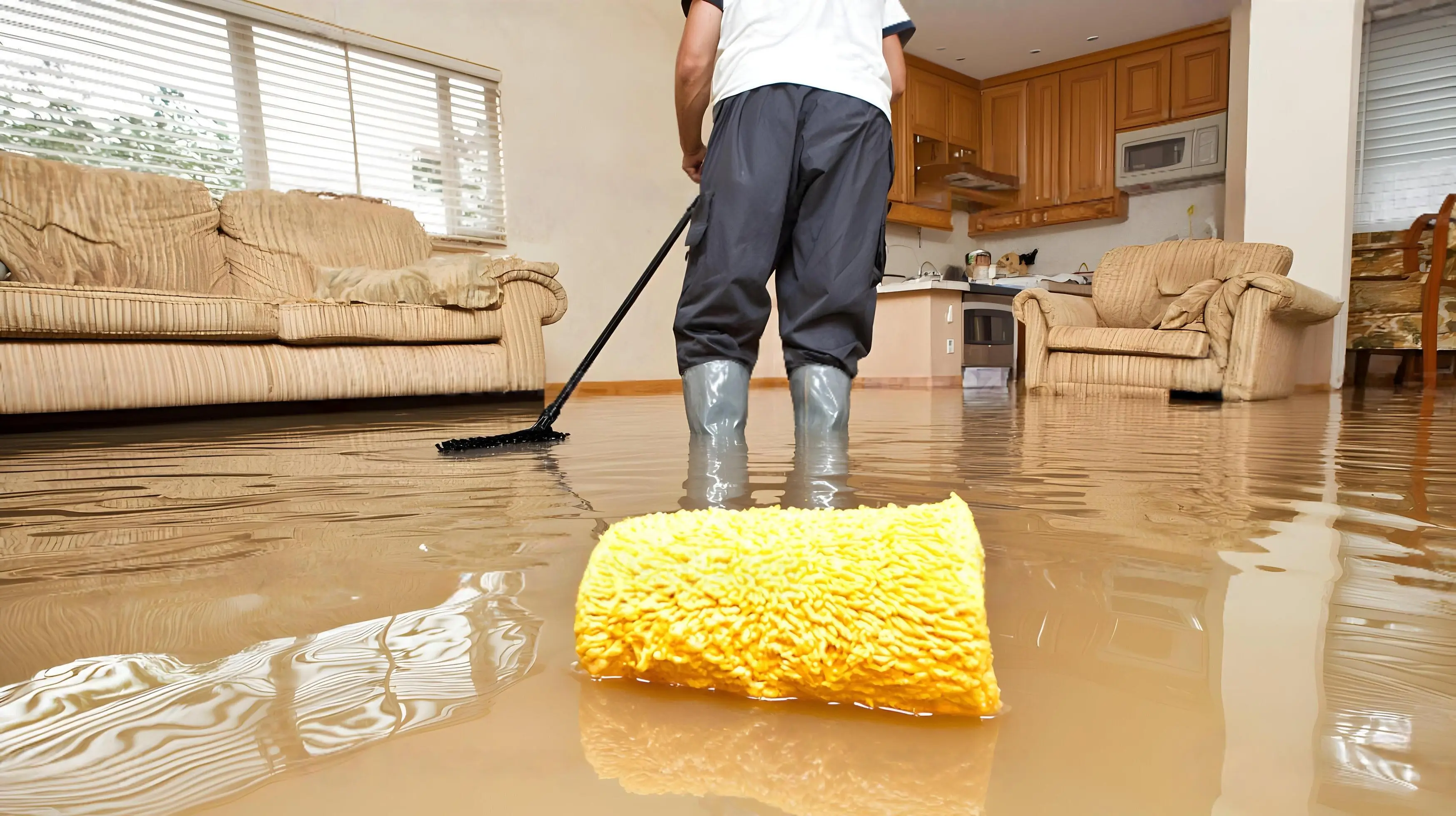
Water Damage Restoration
Burst pipes, storm flooding, standing water. We extract, dry, and restore before mold sets in.
Learn more
Smoke Damage Restoration
Soot residue, chemical odors, HVAC contamination. We decontaminate surfaces, eliminate odors, and restore air quality.
Learn more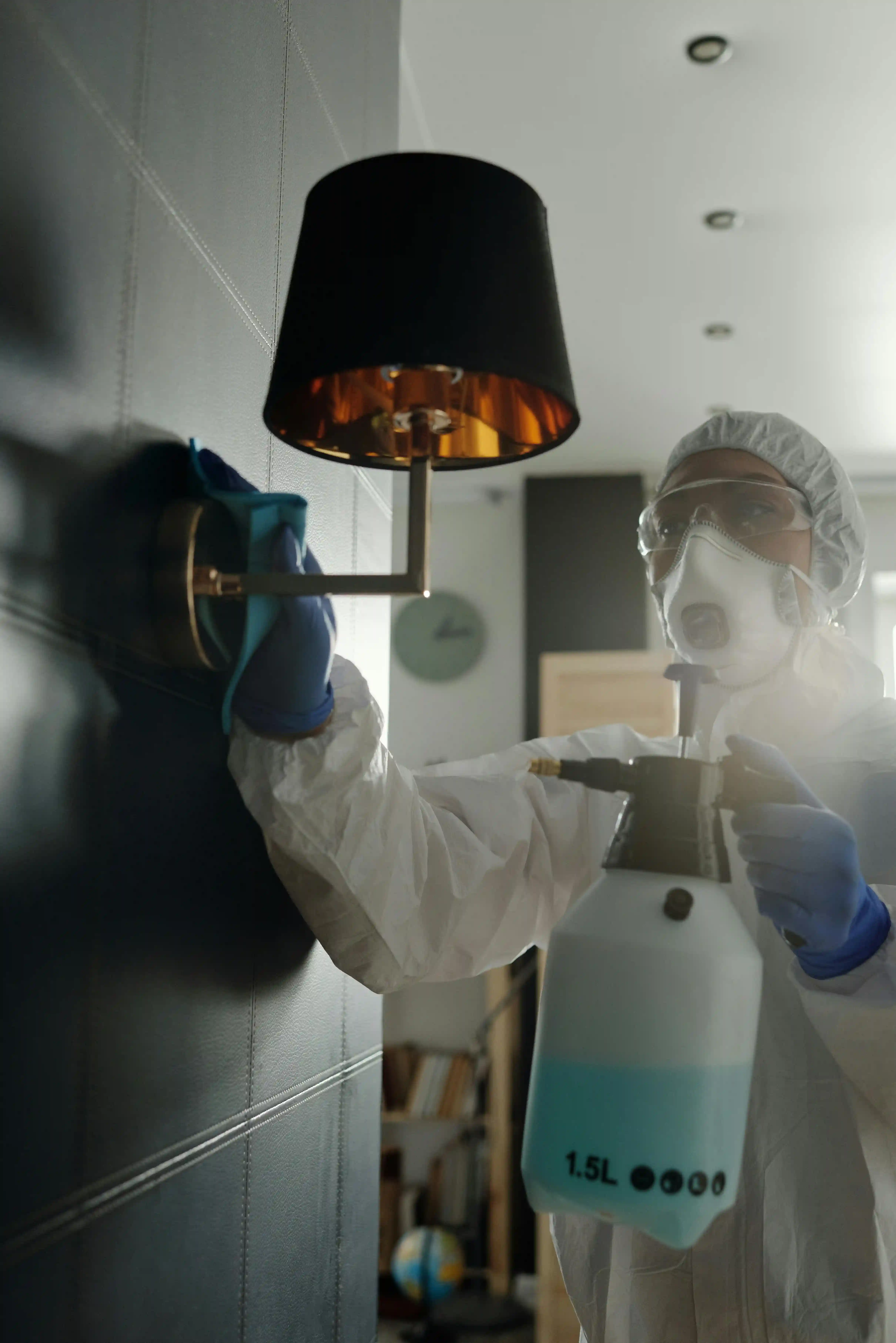
Mold Remediation
Testing, containment, removal, prevention. We find the source, eliminate the growth, and stop it from returning.
Learn more
Sewage Cleanup
Sewer backups, contaminated water, biohazard. We extract, sanitize, and restore safely.
Learn more