
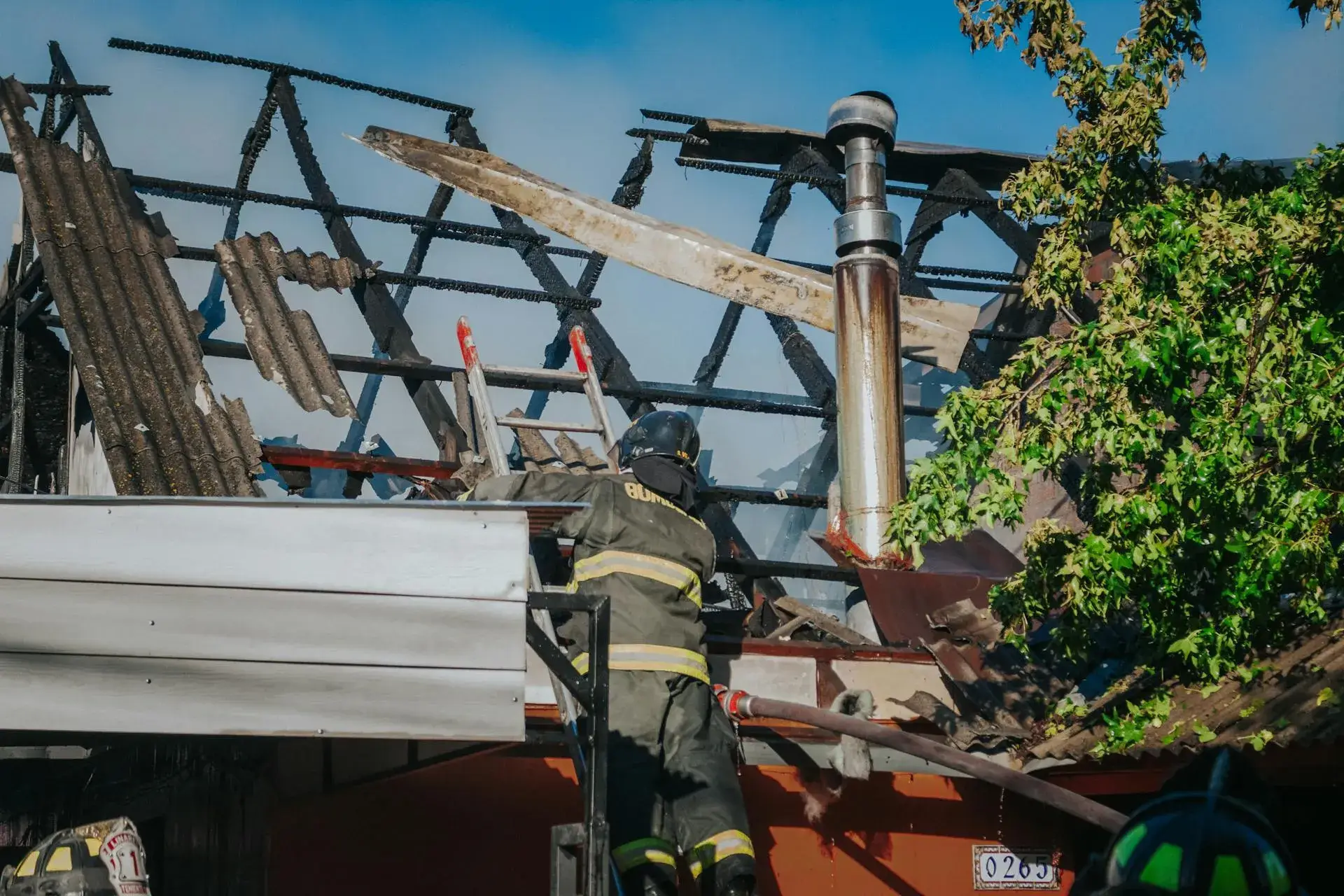
Fire Damage Restoration in Woodstock, GA
Fire and smoke damage worsen every hour as soot acidifies, corrosion spreads, and odor penetrates deeper into materials. Our local team responds to Woodstock emergencies within 60 minutes.
What Happens When You Call
A real person answers, not a call center. We assess your situation, ask the right questions, and begin coordinating your response immediately.
Your dedicated restoration team is dispatched from our local base serving Woodstock and the surrounding Cherokee County communities.
Team arrives with board-up materials, soot removal equipment, air scrubbers, and structural assessment tools. Emergency securing and mitigation begins immediately.
Structure secured, immediate hazards addressed, suppression water managed, restoration plan documented. You know exactly what comes next.
A fire just happened and everything feels chaotic. The flames may be out, but the damage is still progressing. Soot is acidifying on surfaces, smoke residue is bonding to materials, and water from suppression is soaking into the structure. X Response exists for this exact moment. When you reach out, your restoration team is mobilized within minutes and on site within the hour. From that point forward, one team manages everything: securing the structure, removing soot and smoke, drying suppression water, and guiding the insurance process. Call now. Your team is standing by.
Why Woodstock Homes Are Vulnerable to Fire Damage
Woodstock is a city of 35,065 residents in southern Cherokee County, positioned along the Interstate 575 corridor roughly 30 miles north of downtown Atlanta. The city's housing stock reflects its rapid growth trajectory: older single-family homes near the historic downtown railroad corridor sit alongside dense apartment communities along Highway 92 and Bells Ferry Road, and newer subdivisions fill the hills around Towne Lake Parkway. Cherokee County Fire and Emergency Services provides fire suppression and investigation for the unincorporated areas and partners with the city's own response resources. The mix of older wood-frame homes, multi-story apartment complexes, and newer construction creates a range of fire risk profiles that demand different restoration approaches depending on the structure type, age, and density.
On April 28, 2024, Cherokee County Fire and Emergency Services responded shortly after 11 a.m. to a three-alarm fire at Brooke Mill Apartments, located at 50 Downsby Lane near Highway 92 in the Woodstock area. The blaze displaced more than 30 families, injured one firefighter who suffered injuries after a structural collapse during suppression, and killed several pets that could not be evacuated in time. Residents described waking to fire alarms and finding hallways filled with dense smoke, saying everything went completely dark as they fled the building. The fire consumed multiple units and left the building uninhabitable, requiring displaced families to rely on emergency services and community assistance for temporary housing. The incident demonstrated how quickly fire can overwhelm a multi-family structure and how the damage extends far beyond the units where flames were visible, spreading smoke, soot, and suppression water throughout an entire building.
Multi-Family Density Along Highway 92
Woodstock's apartment and townhome complexes along Highway 92 and Bells Ferry Road house thousands of residents in connected structures where fire in one unit threatens dozens of neighbors. The April 2024 Brooke Mill Apartments fire showed the pattern clearly: flames that started in one section spread through shared attic spaces and wall assemblies while smoke infiltrated every unit in the building through HVAC systems, hallway gaps, and shared structural cavities. Restoration after a multi-family fire involves not just the burned units but the smoke-damaged and water-damaged units throughout the building, each with different levels of contamination that require individual assessment. Cherokee County has continued to approve new multi-family development along its commercial corridors, adding more connected structures to the housing stock each year.
Older Railroad-Corridor Homes and Chimney Risks
The original Woodstock settlement grew along the Louisville and Nashville Railroad corridor, and homes in this area date from the early 1900s through the mid-20th century. Many feature wood-frame construction with brick chimneys, older wiring, and materials that predate modern fire-resistant building codes. In February 2025, Cherokee County Fire and Emergency Services responded to a chimney fire on Farmington Drive in Woodstock where flames spread from the chimney into the attic before firefighters arrived, demonstrating how older heating systems in these homes create fire paths that bypass the living space and reach structural framing directly. Restoration in these older structures requires careful assessment of fire travel through wall cavities, attic spaces, and the gaps created by decades of modifications and additions.
Suppression Water as a Secondary Damage Source
Fire suppression creates its own damage layer. The volume of water firefighters apply to control a residential or apartment fire can exceed what the structure experiences during a typical plumbing failure or moderate flood. That water flows downward through floors, soaks into framing, saturates insulation, and pools in crawl spaces and lower-level units. In the Cherokee County climate, where summer temperatures regularly reach the 80s and 90s with high humidity, suppression water that is not extracted within 24 hours begins the same mold colonization timeline as any other water event. Fire restoration that ignores the suppression water layer is incomplete, and the mold damage that develops weeks later will cost more to remediate than the original fire cleanup.
Soot Chemistry and the Acidification Timeline
Modern homes contain synthetic materials, engineered products, and plastics that produce complex combustion byproducts when they burn. The soot from a house fire is not simple carbon; it contains acids, heavy metals, and volatile organic compounds that begin etching and corroding surfaces within hours. In Cherokee County's humid environment, moisture in the air accelerates the acidification process. Chrome fixtures pit within 24 hours. Painted walls develop permanent yellow staining within days. HVAC systems that circulated during the fire distribute microscopic soot particles throughout the home, contaminating rooms that show no visible fire or smoke damage. The restoration window for saving surfaces and contents narrows quickly after the fire is extinguished.
Cherokee County's Growth and Fire Service Demand
Cherokee County's population has grown steadily, adding residents, commercial development, and traffic volume that all increase fire risk and demand on emergency services. The county's Fire and Emergency Services operates multiple stations across the Woodstock area to provide coverage, but the same growth that adds tax revenue also adds call volume, structure density, and complexity. For property owners, the relevant factor is that fire damage restoration begins after the fire department leaves. The department's job is suppression and life safety. The restoration of your property, the soot removal, the water extraction, the structural assessment, the insurance documentation, all of that happens next, and the clock on secondary damage is already running.
These factors define fire damage restoration in Woodstock. Multi-family fires spread smoke and suppression water far beyond the visible burn. Older homes channel fire through hidden pathways. Soot chemistry turns acidic within hours in Cherokee County's humid climate. Suppression water introduces mold risk that compounds the fire damage. Effective restoration here requires a team that addresses fire, smoke, water, and biological threats simultaneously rather than treating them as separate problems. It demands experience with both the dense apartment complexes along the commercial corridors and the older residential neighborhoods near downtown.
What Happens to Your Home While You Wait
Within 1 Hour
Soot begins bonding to surfaces. Acidic residue from burned synthetics starts etching chrome, stainless steel, and glass. Smoke odor penetrates porous materials like fabric, carpet, and unsealed wood. Suppression water soaks into flooring, walls, and structural framing. In multi-family buildings like those along Highway 92, smoke travels through shared HVAC systems and contaminates units far from the fire origin. The invisible damage is already underway in Cherokee County's warm, humid air.
1–24 Hours
Soot residue permanently discolors painted surfaces and fabrics if not cleaned. Metal fixtures begin pitting from acid exposure. Suppression water initiates the same damage timeline as any flood event: drywall wicks moisture upward, wood begins swelling, and bacteria multiply in warm enclosed spaces. Smoke odor bonds deeper into porous materials with each passing hour, making eventual removal more difficult and costly.
24–72 Hours
Metal corrosion becomes visible. Hardwood floors warp from suppression water. Mold colonization begins in hidden cavities where suppression water accumulated, particularly in Cherokee County's summer heat. Soot residue that has not been cleaned begins causing permanent damage to surfaces that could have been saved with immediate treatment. Smoke odor becomes deeply embedded in structural materials, insulation, and HVAC components.
One Week and Beyond
Unaddressed soot causes permanent etching and staining that no amount of cleaning can reverse. Mold colonies established in suppression-water-soaked areas spread through wall cavities and HVAC systems. What began as fire restoration now requires mold remediation as well. Structural integrity questions arise in fire-weakened framing that has been exposed to moisture for days. Insurance claims become more complex and contested as secondary damage accumulates beyond what timely mitigation would have allowed.
The fire department puts out the flames. But the damage to your property continues accelerating from that moment forward. Contact X Response now. Our Woodstock team responds within 60 minutes to begin professional restoration before secondary damage becomes permanent.
How We Restore Fire-Damaged Woodstock Homes
Fire damage restoration is not a single-track job. It requires simultaneous management of structural damage, soot chemistry, smoke odor, suppression water, and biological threats. Here is exactly how we approach it for Woodstock properties.
Emergency Securing and Hazard Assessment
Our team arrives to secure the structure against weather, intrusion, and further damage. That means board-up of broken windows and compromised openings, tarping of roof damage, and stabilization of any structural elements at risk of collapse. We assess the structure for safety hazards including weakened floors, compromised load paths, and electrical risks. For Woodstock's multi-family buildings, we coordinate with building management and adjacent-unit occupants to establish the full impact zone. Cherokee County Fire and Emergency Services provides the fire investigation and origin determination; our job begins the moment the structure is released for restoration.
Soot and Smoke Assessment
We map the full extent of smoke and soot contamination using visual inspection, particulate testing, and thermal imaging. In a multi-family fire like the Brooke Mill incident, smoke travels far beyond the burned units through HVAC ducts, shared wall cavities, and attic spaces. Every affected surface is categorized by soot type, density, and the material beneath it, because the cleaning protocol for protein soot on kitchen surfaces differs completely from synthetic soot on painted walls or wet smoke residue on porous materials. This mapping drives the cleaning plan and prevents the common mistake of cleaning visible areas while missing contamination behind walls or inside ductwork.
Suppression Water Extraction and Drying
Suppression water is extracted immediately using the same truck-mounted and portable equipment we deploy for flood emergencies. In fire-damaged structures, water pools in unexpected places: melted materials create new flow paths, collapsed ceiling sections redirect water into walls, and damaged plumbing from heat exposure may still be leaking. We extract standing water, deploy commercial dehumidifiers and air movers, and monitor moisture levels in structural framing daily. In Cherokee County's humid climate, this phase cannot be delayed or the mold timeline overtakes the fire restoration timeline.
Professional Soot Removal and Surface Restoration
Soot removal follows strict protocols based on the type of fire and the surfaces affected. We use chemical sponges, specialized detergents, HEPA vacuuming, and professional cleaning techniques matched to each surface type. Chrome and metal fixtures that were cleaned within the first 24 hours can often be saved; those left untreated may require replacement. Painted walls receive appropriate treatment or, where soot has penetrated through the paint film, are sealed with shellac-based primers before repainting. HVAC systems are cleaned duct by duct, including the blower assembly, coils, and return plenums that circulated smoke during the fire.
Odor Elimination and Air Quality Restoration
Smoke odor is eliminated through a combination of thermal fogging, hydroxyl generation, and ozone treatment applied to the appropriate zones at the appropriate times. We do not mask odors with deodorizers; we chemically neutralize the odor-causing molecules embedded in materials. For structures where smoke penetrated deeply into framing, insulation, and subfloor materials, we treat the structural cavity itself rather than just the finished surfaces. HEPA air scrubbers run throughout the project, and final air quality testing confirms that particulate and odor levels have returned to acceptable standards before we release the space for occupancy.
Completion and Documentation
Final walkthrough confirms that all soot has been removed, all surfaces have been treated or replaced, suppression water has been fully dried, and air quality meets clearance standards. We provide comprehensive documentation including photo records, treatment logs, moisture readings, and air quality results that support your insurance claim. For multi-family incidents, each unit receives its own documentation package reflecting its specific damage and restoration scope.
The X Response Difference
Insurance Claim Guidance for Woodstock Homeowners
Fire damage insurance claims in Georgia are generally well-covered under standard homeowner's and commercial property policies, but the process is complex. Your policy likely covers the fire damage itself, smoke and soot damage to adjacent areas, water damage from fire suppression, and additional living expenses while your home is uninhabitable. However, coverage disputes commonly arise around the scope of smoke damage in concealed areas, the distinction between cleaning and replacement, content valuation (actual cash value versus replacement cost), and code-upgrade costs if the rebuild triggers compliance with current building codes the original structure predated. In multi-family buildings like those along Highway 92, claims grow more complicated because the building policy, individual renter and condo policies, and multiple adjusters can all be involved at once.
How X Response Helps
- Document all fire, smoke, soot, and suppression water damage with professional photos and a detailed scope from day one
- Map smoke travel through the full structure including HVAC, shared walls, and concealed spaces so no damage is missed in the claim
- Distinguish between items that can be professionally cleaned and items that require replacement, with clear evidence supporting each determination
- Align restoration scope with your policy's coverage categories and document code-upgrade requirements separately when applicable
- Coordinate with your adjuster's inspection schedule while beginning mitigation immediately to prevent further damage
X Response does not file claims on your behalf, adjust claims, or make coverage determinations. We provide documentation and guidance to help you make informed decisions about your property and your policy. Coverage decisions are made solely by your insurance carrier.
Certified Restoration Specialists Serving Woodstock
When you contact X Response after a fire in Woodstock, your restoration team is drawn from certified professionals who work across Cherokee County and understand the specific challenges of fire restoration here. They know how smoke travels through the shared attic spaces of the apartment and townhome communities along Highway 92, how a single-unit fire at a complex like Brooke Mill can displace more than 30 families, and how the older homes near the downtown railroad corridor channel fire through chimney chases and balloon-framed walls. They have restored multi-family fires where smoke reached entire buildings, chimney fires that spread into attic framing, and house fires in the growing subdivisions along Towne Lake Parkway. This is a team equipped for the building diversity that rapid growth created.
Every technician on your team holds current IICRC certification in fire and smoke damage restoration and carries the appropriate Georgia state licensing for the work being performed. Equipment includes thermal foggers, hydroxyl generators, HEPA air scrubbers, chemical sponging systems, and media blasting tools for different soot and surface types. When your team arrives, they bring everything needed to secure the structure, begin soot removal, extract suppression water, and start building your insurance documentation from the first hour on site.
In Woodstock, X Response works with Atlanta's Best Restoration, an independent local restoration partner serving Cherokee County.
Fire Damage Restoration FAQ for Woodstock Homeowners
Other Emergency Services in Woodstock
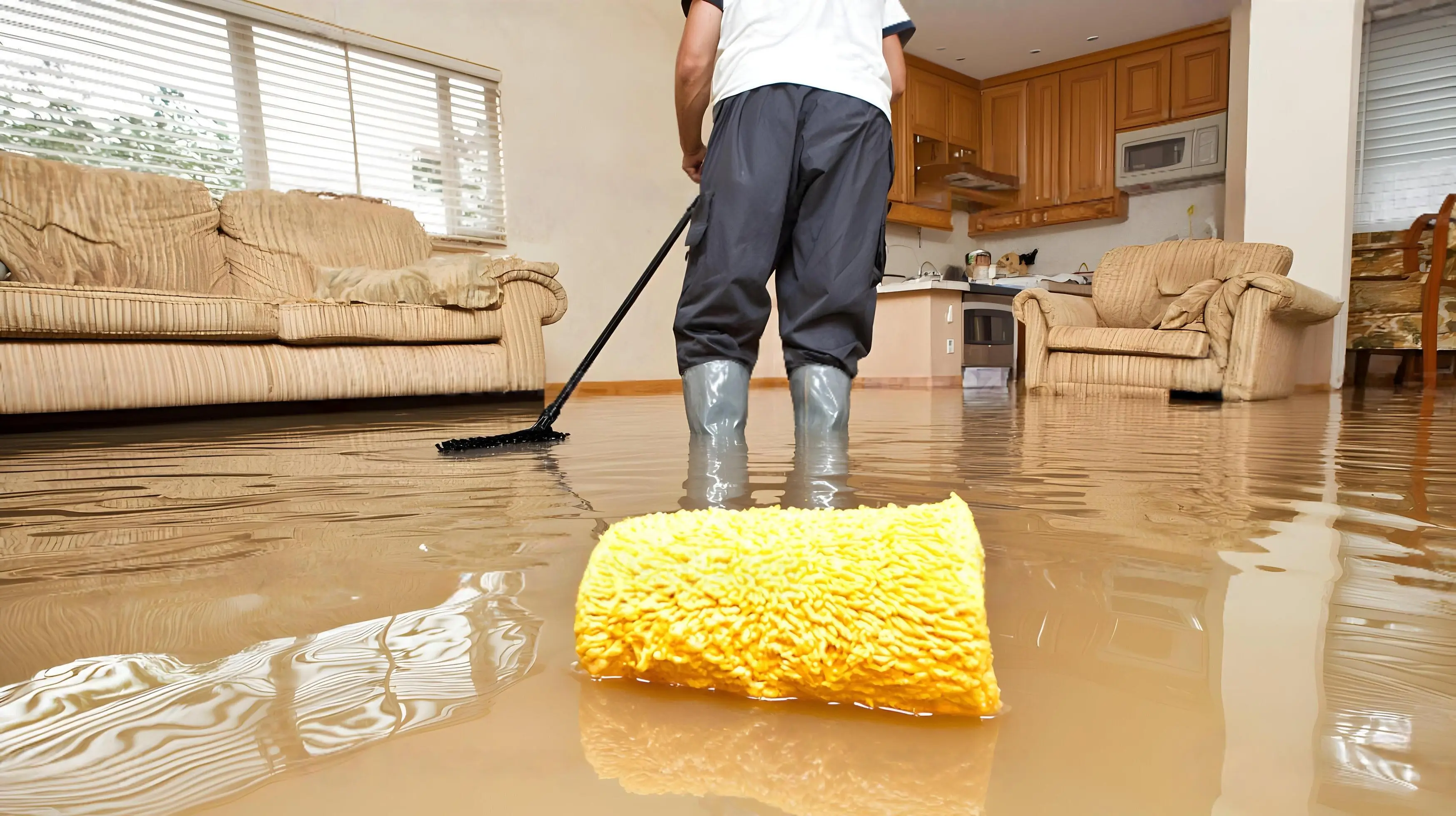
Water Damage Restoration
Burst pipes, storm flooding, standing water. We extract, dry, and restore before mold sets in.
Learn more
Smoke Damage Restoration
Soot residue, chemical odors, HVAC contamination. We decontaminate surfaces, eliminate odors, and restore air quality.
Learn more
Mold Remediation
Testing, containment, removal, prevention. We find the source, eliminate the growth, and stop it from returning.
Learn more
Sewage Cleanup
Sewer backups, contaminated water, biohazard. We extract, sanitize, and restore safely.
Learn more