
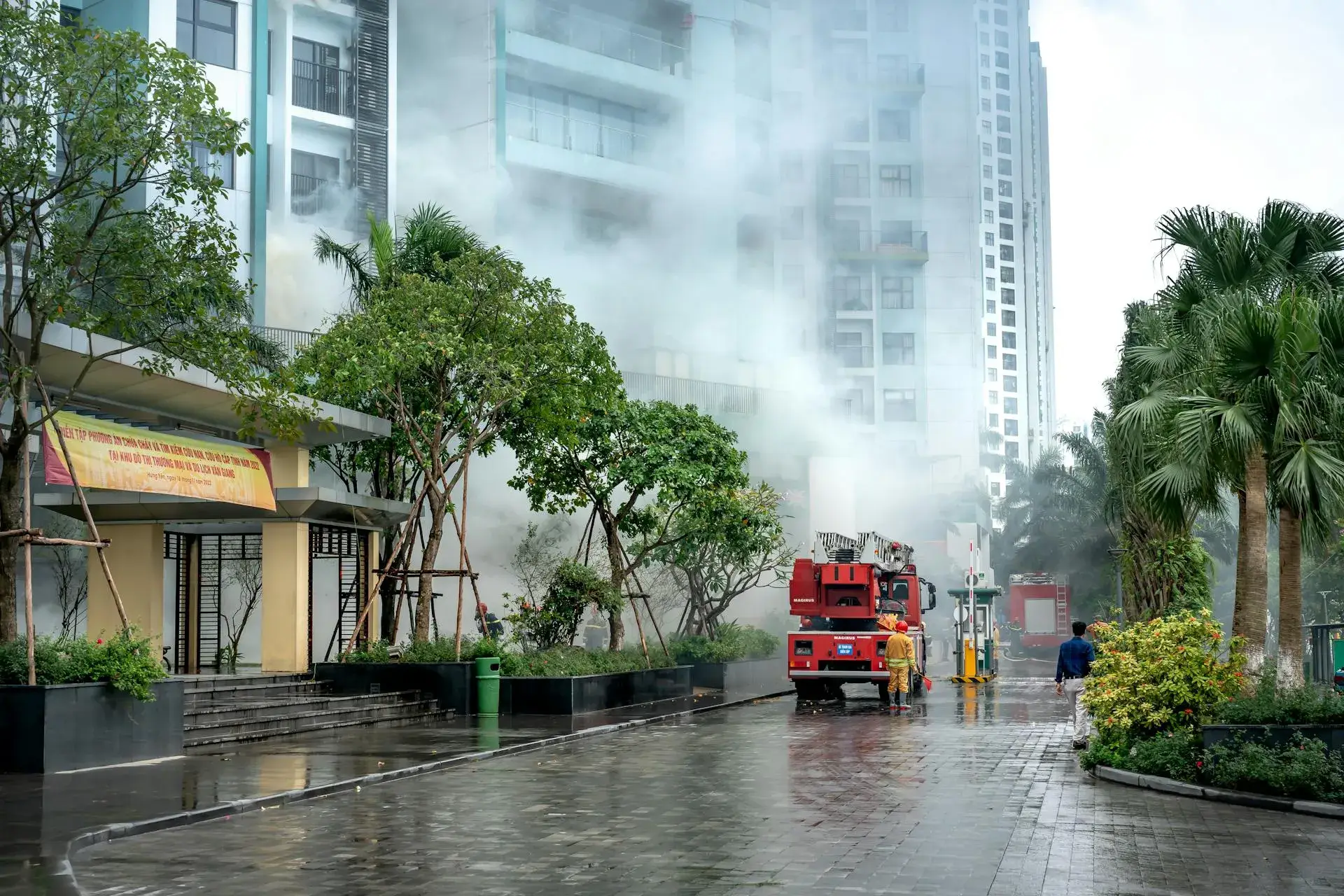
Smoke Damage Restoration in Indianapolis, IN
Smoke residue corrodes surfaces and bonds to materials within hours. Our local team responds to Indianapolis emergencies within 60 minutes to stop the damage from setting permanently.
What Happens When You Call
A real person answers, not a call center. We assess the smoke source, affected areas, and urgency, then begin coordinating your response immediately.
Your dedicated restoration team is dispatched from our local base serving Indianapolis and the surrounding Marion County communities.
Team arrives with air quality testing equipment, HEPA filtration, and professional cleaning systems. Containment and initial cleaning begin immediately.
Contamination contained, HVAC isolated, cleaning plan documented. You know exactly what comes next and what your insurance needs.
Smoke damage is deceptive. The fire may be out or the source may be gone, but the contamination is active and spreading through your home right now. Soot corrodes metal, stains surfaces permanently, and fills your HVAC system with particulate that recirculates every time the blower runs. You need professional intervention before the damage sets. X Response exists for exactly this moment. When you reach out, your restoration team is mobilized within minutes and on site within the hour. Call now. Your team is standing by.
Why Indianapolis Homes Are Vulnerable to Smoke Damage
Indianapolis is a city of approximately 887,642 residents across Marion County that experienced sustained poor air quality during the June 2023 Canadian wildfire smoke events alongside the entire central Indiana region. The Indiana Department of Environmental Management issued statewide Air Quality Action Days in June 2023 after Canadian wildfire smoke pushed fine particulate levels into the unhealthy range across all Indiana counties, and the Knozone Action Day program for the Indianapolis metro declared nine separate action days during the summer of 2023, reflecting repeated episodes where fine particulates and ground-level ozone reached unhealthy concentrations. For Indianapolis residents, these events were not merely outdoor air quality advisories. They were indoor contamination events that deposited fine particulate on surfaces, inside HVAC ductwork, and throughout soft goods in every home that had windows open, fresh air intakes running, or aging weatherstripping on doors and windows.
Beyond wildfire infiltration, Indianapolis's dense commercial and entertainment districts create a unique smoke exposure profile. The Mass Ave cultural district, Broad Ripple Village, Fountain Square, and the downtown core feature multi-story mixed-use buildings where restaurants, bars, and retail share walls and proximity with residential units. A single restaurant kitchen fire can generate greasy, protein-based smoke that migrates through shared HVAC plenums, utility chases, and structural connections into neighboring residential units. The August 2026 derecho that swept through Indianapolis with wind gusts exceeding 90 miles per hour downed power lines across Marion County, creating multiple fire ignition points that produced localized smoke plumes affecting surrounding residential neighborhoods. The combination of regional wildfire smoke infiltration, localized structure fire exposure, and storm-related electrical fires gives Indianapolis a broader smoke damage risk profile than communities with solely residential construction.
Canadian Wildfire Smoke Infiltration Events
The June 2023 Canadian wildfire smoke episodes proved that Indianapolis homes are vulnerable to smoke contamination from sources hundreds of miles away. IDEM issued Air Quality Action Days covering all Indiana counties in June 2023, and the Knozone Action Day program for the Indianapolis metro declared nine action days that summer. During these events, PM2.5 particulate at 2.5 microns and smaller infiltrated homes through building envelope gaps, open windows, and fresh air intakes, then was distributed by HVAC systems to every room. Standard residential MERV 8 filters capture only a fraction of these fine particles. A multi-day smoke event deposits enough particulate to produce a visible haze on surfaces, discolor light-colored furnishings, contaminate ductwork interiors, and degrade indoor air quality for weeks after outdoor conditions normalize.
Mixed-Use Districts and Commercial Fire Proximity
Indianapolis's Mass Ave, Broad Ripple, Fountain Square, and downtown districts combine restaurants, retail, and residential units in close proximity. Restaurant kitchen fires generate greasy, protein-based smoke that is particularly pungent and difficult to remove. Retail fires involving synthetic materials produce acrid, corrosive soot. When these fires occur in buildings that share walls with residential condominiums or apartments, or in commercial strips adjacent to residential neighborhoods, the smoke migrates through structural connections, HVAC systems, and the outdoor air into neighboring homes. Residents may not know their home was affected until they notice a persistent odor or find soot residue on surfaces days after the fire event.
Furnace Puffbacks and Heating System Malfunctions
Indianapolis's cold winters drive continuous furnace operation from November through March. Furnace puffbacks occur when unburned fuel accumulates in the combustion chamber and ignites all at once, sending a burst of oily soot backward through the heat exchanger and into the ductwork and living space. The soot exits every supply register simultaneously, coating walls, ceilings, countertops, and furnishings throughout the home within seconds. Puffback residue is petroleum-based and oily, requiring solvent-based cleaning rather than standard methods. Indianapolis's older homes in Irvington, Meridian-Kessler, and the near-east side, with furnaces that have operated for 20 or more years, are most susceptible. But even newer high-efficiency furnaces can puffback if ignition systems malfunction or if the system experiences delayed ignition from a dirty burner or faulty gas valve.
Forced-Air HVAC Distribution
Indianapolis homes rely overwhelmingly on forced-air heating and cooling, and when smoke enters from any source, the HVAC system becomes both a distribution mechanism and a contamination reservoir. The blower pulls smoke-laden air through the return, deposits particulate on the evaporator coil and inside ductwork, then pushes contaminated air through every supply register. In Indianapolis's many larger homes with multiple HVAC zones, contamination can be uneven: the zone that was running during the event may be heavily affected while a dormant zone remains relatively clean. Each system must be evaluated and decontaminated independently, which increases both the complexity and cost of restoration.
Storm-Related Electrical Fires and Smoke Plumes
The August 2026 derecho that swept through Indianapolis downed power lines and trees across Marion County, creating conditions for multiple simultaneous fire ignition points. Downed lines arcing against structures or vegetation produce localized fires with smoke plumes that drift across neighborhoods. Lightning strikes during Indiana's severe storm season can ignite attic insulation and roof materials, producing smoke that fills the home from above. Storm-origin fires often produce smoke damage in homes that never experience direct flame contact. The combination of wind-driven smoke spread, downed-line ignition, and lightning strikes means that severe weather events in Indianapolis can cause smoke damage across a wide geographic area, affecting homes that were not directly struck or ignited.
Smoke damage in Indianapolis comes from multiple sources that produce different contamination types. Wildfire smoke deposits fine, widespread particulate across every surface. Commercial fires in dense mixed-use districts generate heavy soot plumes affecting adjacent residences. Furnace puffbacks produce oily, system-distributed residue throughout the home. Storm-related electrical fires create localized plumes that drift across neighborhoods. In every case, the forced-air HVAC system turns a localized event into whole-home contamination. Effective restoration requires identifying the smoke type, matching cleaning techniques to each surface and material, decontaminating every HVAC zone, and eliminating embedded odor rather than masking it.
What Happens to Your Home While You Wait
Within 1 Hour
Smoke residue begins bonding to surfaces throughout the home. Acidic soot compounds start corroding metal fixtures and hardware. The HVAC system, if running, distributes particulate to every room served by that zone. Early intervention at this stage prevents permanent staining on most surfaces.
1–24 Hours
Soot oxidizes and bonds more tightly. Metal tarnishes. Painted surfaces yellow. Smoke odor penetrates soft furnishings, clothing, and upholstery. Residue begins etching glass and glossy surfaces. Cleaning difficulty and cost increase substantially compared to immediate response.
24–48 Hours
Permanent staining sets on porous surfaces that could have been cleaned if addressed sooner. Smoke odor embeds deeper into wood framing, carpet padding, and insulation. Corrosion on appliances and fixtures accelerates. The window for surface cleaning narrows.
48–72 Hours
Many surfaces cross from cleanable to requiring replacement. Embedded odor in structural materials becomes significantly more difficult to neutralize. HVAC contamination redistributes particulate with every system cycle. Restoration scope and cost increase sharply.
One Week and Beyond
Extensive corrosion, permanent staining, and deeply embedded odor throughout the structure. What began as a cleaning project becomes demolition and replacement of affected materials. Content restoration becomes less viable as residue sets permanently into fabrics, wood, and porous items.
The difference between cleaning your home's surfaces and replacing them is often just a few hours of professional intervention. Contact X Response now. Our Indianapolis team responds within 60 minutes.
How We Restore Smoke-Damaged Indianapolis Homes
From the moment our team arrives, every step targets the specific type of smoke contamination in your home. Here is exactly what the smoke damage restoration process involves.
Smoke Source Identification and Assessment
Our team identifies the smoke source and type, which determines every cleaning decision that follows. Protein smoke from kitchen fires, synthetic smoke from burned plastics, wood smoke from structure fires, and petroleum-based puffback residue each require different cleaning chemistry and techniques. We map the contamination throughout the home using visual inspection, surface testing, and air quality assessment. The HVAC system is immediately isolated to prevent further distribution of particulate.
Containment and Air Quality Control
We establish containment barriers to prevent cross-contamination between cleaned and uncleaned areas. HEPA air scrubbers are positioned throughout the work area to capture airborne particulate and begin improving indoor air quality immediately. In Indianapolis homes with multiple HVAC zones, each system is evaluated independently to determine which zones are contaminated and which may be clean. This prevents unnecessary cleaning in unaffected areas and focuses resources where they are needed.
Surface Cleaning and Soot Removal
Professional cleaning addresses every contaminated surface using the method matched to the smoke type and material. Dry sponge cleaning for light soot on painted surfaces. Solvent cleaning for oily puffback residue. Wet cleaning for heavy protein smoke. Each surface, including walls, ceilings, trim, cabinetry, and fixtures, receives the appropriate treatment to remove residue without damaging the underlying material. We clean from the top down, capturing falling residue as we work, and HEPA-vacuum all surfaces before and after wet or solvent cleaning.
HVAC Decontamination
Every duct run, register, return, and air handler component that was contaminated requires professional decontamination. We clean ductwork interiors, replace filters, clean evaporator and condenser coils, and sanitize the entire air handling system. In Indianapolis homes with multiple zones, each system is decontaminated independently and verified with air quality testing before being returned to service. Skipping HVAC decontamination means the system will continue redistributing particulate and odor every time it runs, regardless of how thoroughly the living spaces were cleaned.
Molecular Odor Elimination
Smoke odor elimination requires reaching the molecules embedded in structural materials, not just covering them with fragrance. We deploy thermal fogging, hydroxyl generators, and ozone treatment in unoccupied spaces to neutralize embedded odor compounds in wood framing, concrete, insulation, and drywall. For Indianapolis homes with basements, the porous concrete walls and slab require specific treatment because they absorb and hold smoke compounds indefinitely. Final air quality verification confirms odor elimination before the job is considered complete.
The X Response Difference
When you contact X Response for smoke damage, you get a team that understands the chemistry of smoke contamination and matches the restoration approach to your specific situation. One team, thorough decontamination, documented results.
Insurance Claim Guidance for Indianapolis Homeowners
Smoke damage insurance claims in Indiana require careful documentation because smoke contamination often extends far beyond the visible fire damage. Standard homeowner's policies typically cover smoke damage as part of a covered fire loss, but the claim must accurately document the full scope of contamination throughout the home, including areas that flames never reached. Content damage from smoke, such as clothing, furnishings, and electronics, requires separate itemization. HVAC decontamination, professional odor elimination, and air quality restoration are legitimate restoration costs that should be documented separately from surface cleaning.
How X Response Helps
- Document the full scope of smoke contamination throughout the home, including areas beyond the fire's point of origin
- Itemize content damage from smoke contamination with replacement values for each affected item
- Document HVAC decontamination as a separate line item from surface cleaning
- Record professional odor elimination methods and air quality verification results
- Align documentation with your adjuster's requirements so the claim reflects the complete scope of loss
X Response does not file claims on your behalf, adjust claims, or make coverage determinations. We provide documentation and guidance to help you make informed decisions about your property and your policy. Coverage decisions are made solely by your insurance carrier.
Certified Restoration Specialists Serving Indianapolis
When you contact X Response for smoke damage in Indianapolis, your restoration team is drawn from certified professionals who work across Marion County and understand the specific challenges of decontaminating homes here. They know the difference between protein smoke from a kitchen fire in Broad Ripple, synthetic smoke from a garage fire in the far-north townships, and wildfire particulate that infiltrated during the 2023 Canadian smoke events. They have decontaminated HVAC systems in large multi-zone homes across Meridian-Kessler, cleaned puffback residue from older furnaces in Irvington and Fountain Square, and restored air quality in downtown loft conversions after neighboring restaurant fires. This is a local team with local expertise.
Every technician on your team holds current IICRC certification in fire and smoke restoration and carries the appropriate Indiana licensing for the work being performed. Equipment includes HEPA air scrubbers, thermal foggers, hydroxyl generators, professional cleaning systems matched to every smoke type, and air quality testing instruments to verify results objectively.
In Indianapolis, X Response works with The Cleaning Source, an independent local restoration partner serving Marion County.
Smoke Damage Restoration FAQ for Indianapolis Homeowners
Other Emergency Services in Indianapolis
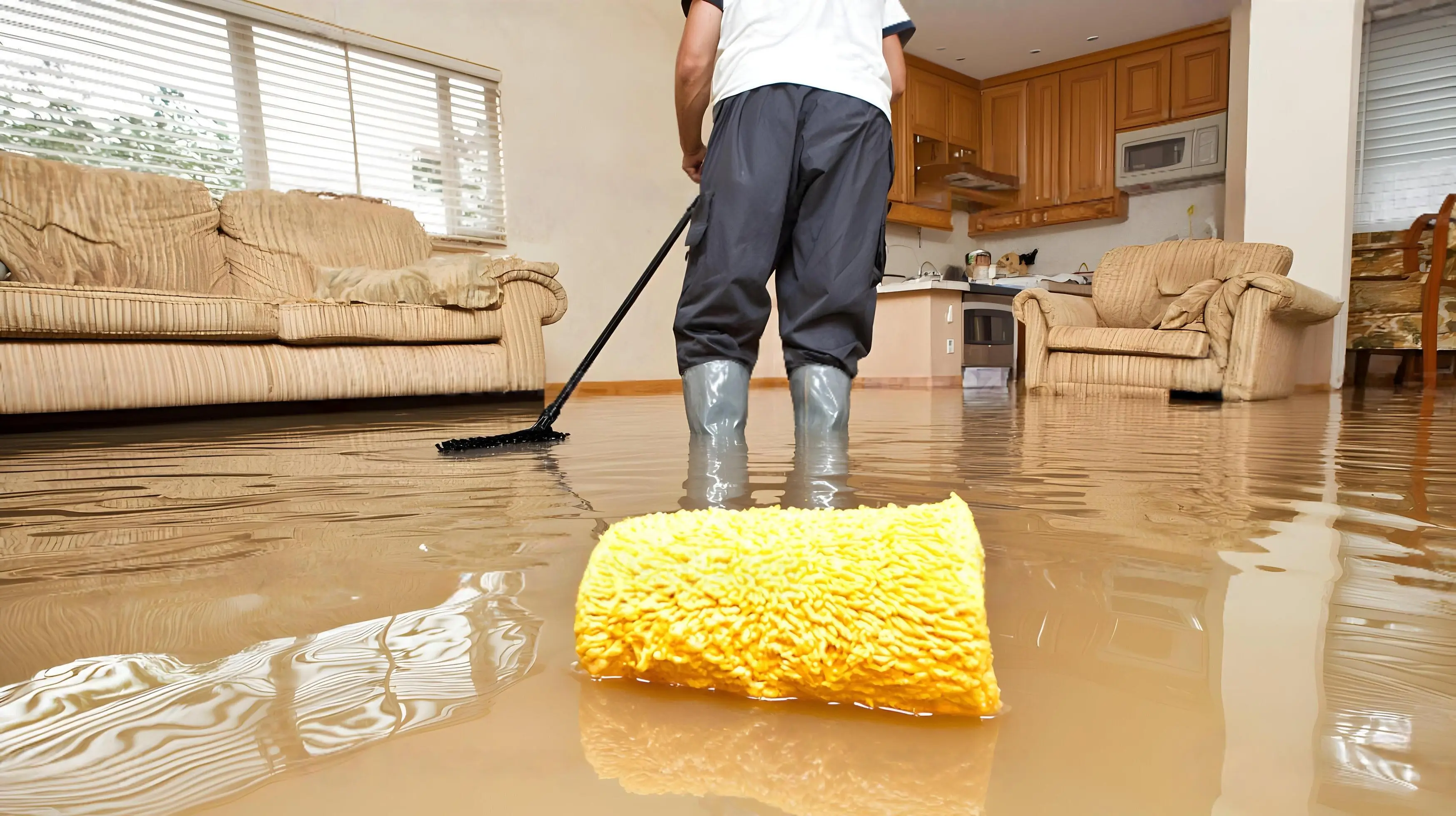
Water Damage Restoration
Burst pipes, storm flooding, standing water. We extract, dry, and restore before mold sets in.
Learn more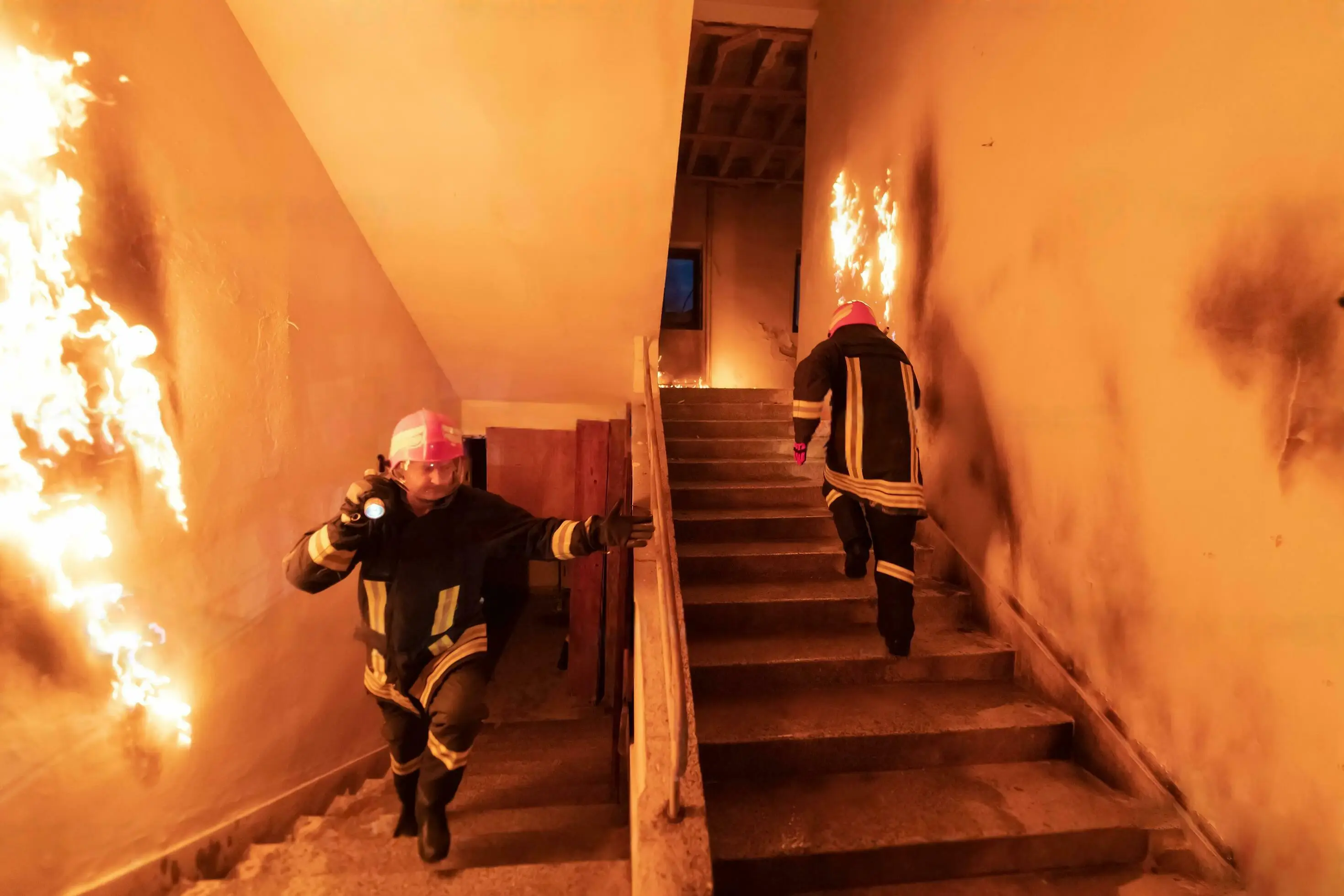
Fire Damage Restoration
Structural damage, soot, debris. We stabilize, clean, and rebuild what fire destroyed.
Learn more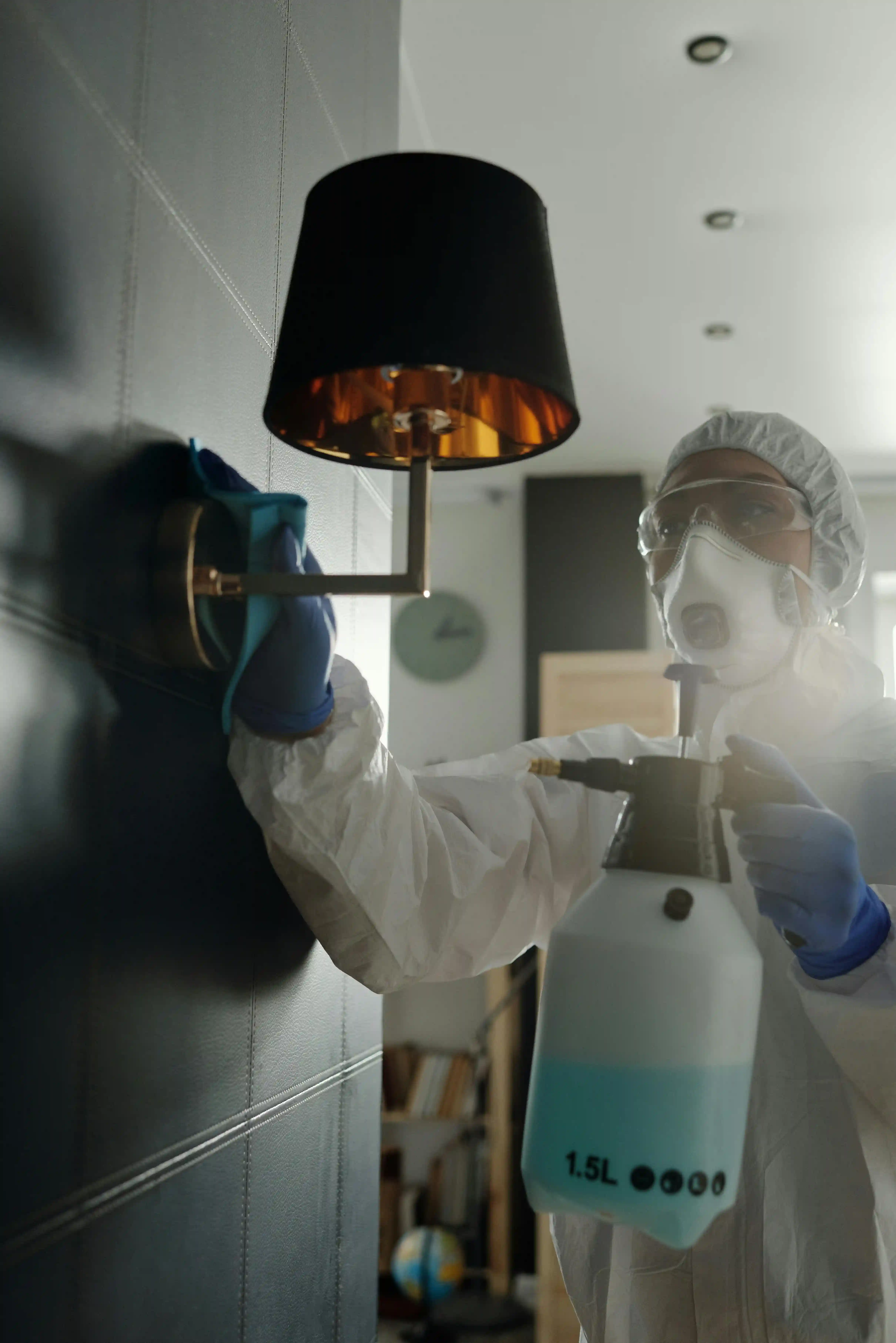
Mold Remediation
Testing, containment, removal, prevention. We find the source, eliminate the growth, and stop it from returning.
Learn more
Sewage Cleanup
Sewer backups, contaminated water, biohazard. We extract, sanitize, and restore safely.
Learn moreNearby Service Areas
Also serving nearby: