
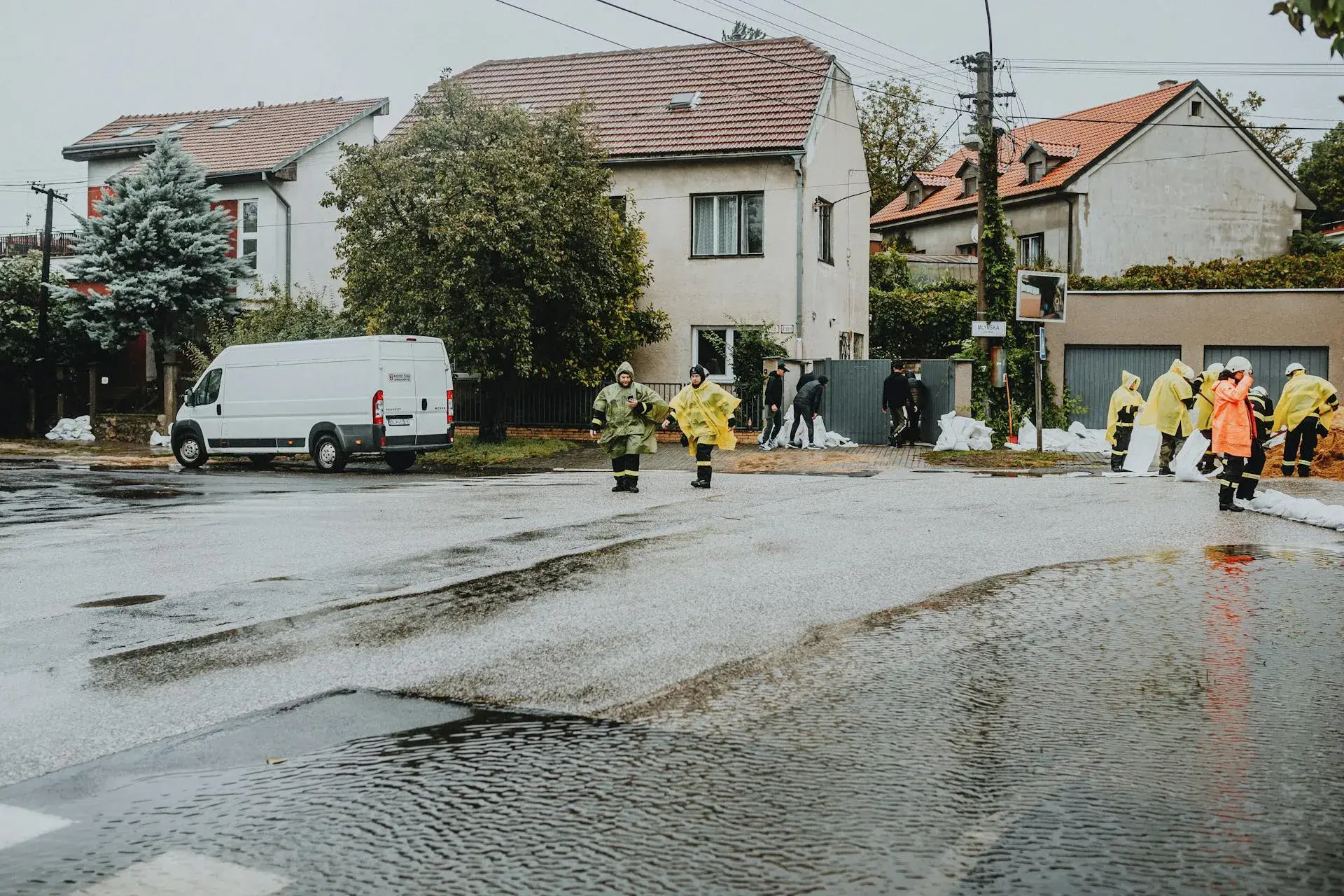
Sewage Cleanup in Indianapolis, IN
Sewage contains dangerous bacteria, viruses, and parasites that threaten your family's health every minute it remains in your home. Our local team responds to Indianapolis emergencies within 60 minutes.
What Happens When You Call
A real person answers, not a call center. We assess your situation, identify the sewage source, and begin coordinating your response immediately.
Your dedicated restoration team is dispatched from our local base serving Indianapolis and the surrounding Marion County communities.
Team arrives with sewage-rated extraction equipment, personal protective gear, and professional-grade disinfection systems. Emergency extraction begins immediately.
Sewage extracted, contaminated materials removed, disinfection applied, drying equipment placed. You know exactly what comes next.
Sewage in your home is a health emergency. It is not a plumbing problem you can schedule for next week. Category 3 black water contains pathogens including E. coli, Salmonella, hepatitis, and parasitic organisms that pose immediate health risks to everyone in the home, particularly children, elderly residents, and anyone with compromised immunity. X Response exists for exactly this moment. When you reach out, your restoration team is mobilized within minutes and on site within the hour. Call now. Your team is standing by.
Why Indianapolis Homes Are Vulnerable to Sewage
Indianapolis is a city of approximately 887,642 residents across Marion County, served by a wastewater infrastructure that includes both separated sanitary sewers and a legacy combined sewer system that carried sewage and stormwater in the same pipes. Citizens Energy Group completed the $2 billion DigIndy Tunnel System in October 2025, a 28-mile network of deep-rock tunnels designed to reduce combined sewer overflows in Indianapolis by up to 99 percent, addressing a 2006 federal consent decree that required the city to stop discharging an estimated 5 billion gallons of untreated sewage into local waterways annually. The project represented the largest infrastructure investment in the city's history and was driven by decades of overflow events that discharged raw sewage into the White River, Fall Creek, Eagle Creek, and Pleasant Run during even moderate rainfall.
While DigIndy captures the overflow underground, the physical infrastructure above ground, including the collection mains, lateral connections, and the aging combined pipes themselves, remains decades old in much of the city. The combined sewer system covers a roughly 70-square-mile area of central Indianapolis that includes the oldest and most densely populated neighborhoods. Outside the combined sewer footprint, separated sanitary sewers serve the remainder of Marion County through Citizens Energy Group's wastewater utility. Both systems are vulnerable to backup events at the individual property level from tree root intrusion, pipe deterioration, and private lateral failures.
Combined Sewer Legacy and Residual Backup Risk
Although the DigIndy tunnel system captures combined sewer overflows at a system level, the combined sewer pipes that serve individual homes and businesses in central Indianapolis remain the same aging infrastructure that carried both sewage and stormwater for decades. These pipes, some dating to the early 1900s, connect to private laterals that run from each property to the main. During heavy rainfall, the combined system still receives stormwater volume that can overwhelm local capacity before reaching the deep tunnel intake points. At the property level, this means that homes with below-grade fixtures, including basement floor drains, ground-floor showers, and laundry drains, remain vulnerable to sewage backup when the local collection system exceeds capacity between the property connection and the nearest tunnel intake. Homes without backwater valves on their sewer laterals have no physical barrier preventing sewage from reversing direction.
Aging Private Laterals and Tree Root Intrusion
The sanitary lateral connecting each Indianapolis home to the collection main is the homeowner's responsibility to maintain. In older neighborhoods, these laterals are original clay tile or Orangeburg pipe installed 60 to 100 years ago. Clay pipe joints separate over time, and Orangeburg pipe deteriorates and collapses. Both develop entry points for tree roots seeking moisture. Root intrusion gradually restricts flow until a complete blockage forms and sewage has nowhere to go except back into the home through the lowest connected fixture. Indianapolis's extensive mature tree canopy in neighborhoods like Meridian-Kessler, Butler-Tarkington, Broad Ripple, and Irvington means that tree roots and aging sewer laterals have been interacting for decades. Many homeowners do not know their lateral exists until sewage surfaces in their basement.
Older Neighborhoods Without Backwater Valves
Backwater valves, which prevent sewage from flowing backward into a home through the sewer lateral, are required by current building codes but were not part of original construction in most pre-1980 Indianapolis homes. The vast majority of homes in the combined sewer footprint, covering central Indianapolis from the near-east side through Haughville to the near-south side, do not have backwater valves. Without this device, any blockage in the main or lateral, any capacity exceedance in the collection system, or any hydraulic condition that reverses flow direction sends sewage directly into the home through the lowest connected fixture. Basement floor drains are the most common entry point because they sit at the lowest elevation in the plumbing system and offer no resistance to reverse flow.
Heavy Rain and Simultaneous Stormwater-Sewage Events
During heavy rain events like the August 1, 2026 storm that dumped 2 inches in two hours across Indianapolis, homes in the combined sewer footprint can experience simultaneous stormwater flooding from the surface and sewage backup from below. Surface water overwhelms storm drains and enters through garage doors, basement windows, and foundation cracks. At the same time, the combined sewer system takes on stormwater volume that overwhelms local capacity and backs up through floor drains and fixtures. The result is two types of contaminated water entering the home from different pathways simultaneously: relatively clean stormwater from above grade and Category 3 sewage from below grade. This combined event is more dangerous and more complex to restore than either alone because the sewage contamination must be treated as the controlling classification for all affected materials regardless of which water reached them first.
Indianapolis's Scale and Response Demand
With nearly 900,000 residents across 368 square miles, Indianapolis presents a sewage backup challenge of scale that smaller communities do not face. During widespread rainfall events, hundreds of homes can experience backup simultaneously across multiple neighborhoods. The volume of service calls overwhelms national franchise restoration companies that rely on shared resources across regions. Local response capacity becomes the determining factor in how quickly a sewage emergency is addressed, and every hour of delay increases the contamination scope, the health risk, and the restoration cost. In a city this size, having a restoration team that maintains local equipment, local crews, and local response capability is the difference between same-day extraction and waiting days while sewage sits in your home.
Sewage backup in Indianapolis results from the documented history of combined sewer overflow events that drove the $2 billion DigIndy project, aging collection infrastructure in older neighborhoods, deteriorating private laterals with tree root intrusion, the absence of backwater valves in pre-1980 homes, and the compound effect of simultaneous stormwater and sewer events during heavy rain. Whether the backup comes from a system overflow event or a single lateral blockage, the contamination is the same: Category 3 black water containing dangerous pathogens that require professional extraction, disinfection, and structural restoration.
What Happens to Your Home While You Wait
Within 1 Hour
Sewage spreads across flooring and begins saturating porous materials at ground level. Pathogens including E. coli, Salmonella, and parasitic organisms contaminate every surface the water contacts. In Indianapolis homes with basements, sewage collects at the lowest point and contacts floor drains, stored belongings, and any finished surfaces. The health risk to occupants is immediate.
1–24 Hours
Sewage wicks into drywall, baseboards, and wall cavities. Contaminated water saturates carpet padding, subfloor, and any porous material it contacts. Bacterial populations multiply rapidly in the warm, nutrient-rich environment. The contamination zone expands well beyond the visible sewage line as moisture wicks through materials by capillary action.
24–48 Hours
Secondary contamination develops as bacteria and mold colonize affected materials. In Indianapolis's warm, humid conditions, biological growth accelerates. Sewage odor intensifies and embeds in structural materials. Drywall, carpet, pad, and any organic material that contacted sewage crosses from potentially salvageable to requiring removal.
48–72 Hours
Contamination spreads through wall cavities and into HVAC systems if return air intakes are at floor level. Mold colonization is well established in concealed areas. The restoration scope expands significantly as more materials require removal rather than disinfection.
One Week and Beyond
Extensive biological contamination throughout wall cavities, floor systems, and any concealed spaces. Structural materials begin degrading. The project becomes a full-scale demolition and reconstruction effort. Health risks to occupants who remain in or return to the home increase substantially.
Sewage in your home is a health emergency that worsens every hour. Contact X Response now. Our Indianapolis team responds within 60 minutes.
How We Restore Sewage-Damaged Indianapolis Homes
From the moment our team arrives, every step prioritizes your family's health and safety while restoring your property. Here is exactly what the sewage cleanup process involves.
Hazard Assessment and Safety Setup
Our team arrives in full personal protective equipment and immediately assesses the contamination scope. We identify the sewage source, whether it is a main line backup, lateral blockage, fixture overflow, or system-wide event, and determine whether the source has been resolved or is ongoing. Electrical hazards are evaluated because standing sewage near outlets, panels, or submerged equipment creates electrocution risk. We establish a safety perimeter and begin planning the extraction path before any contaminated material is disturbed.
Sewage Extraction and Contaminated Material Removal
Standing sewage is extracted using sewage-rated pumps and extraction equipment designed for Category 3 contaminated water. All porous materials that contacted sewage, including carpet, pad, drywall below the contamination line, insulation, and stored belongings, are removed and disposed of per regulatory requirements. In Indianapolis homes with finished basements, this often means removing the entire finished surface below the sewage line to expose the structural materials beneath for cleaning and disinfection. Non-porous structural materials like concrete, metal, and sealed wood can be professionally disinfected rather than removed.
Biohazard Disinfection
After extraction and demolition, all remaining structural surfaces receive professional-grade biocide treatment. This is not household bleach. We apply EPA-registered disinfectants rated for the pathogen categories present in sewage, including bacteria, viruses, and parasitic organisms. Every surface that contacted sewage or could have been contaminated by wicking, splashing, or capillary migration receives treatment. HEPA air scrubbers run throughout the process to capture airborne contaminants.
Structural Drying
After disinfection, the structure must be thoroughly dried to prevent secondary mold colonization. We position commercial dehumidifiers and air movers to dry foundation walls, floor joists, subfloor sheathing, and any structural materials that absorbed moisture. In Marion County's humid climate, mechanical dehumidification is essential. We monitor moisture levels daily and reposition equipment until readings confirm the structure has reached its dry standard.
Verification and Clearance
Before the space is cleared for reconstruction, we verify that all contaminated materials have been removed, all surfaces have been disinfected, and moisture levels are within acceptable range. Documentation includes photos, moisture readings, disinfection records, and a complete scope of work. This documentation supports both your insurance claim and the reconstruction contractor's scope.
The X Response Difference
When you contact X Response for sewage cleanup, you get a team that treats it as the biohazard emergency it is. Professional extraction, EPA-rated disinfection, verified drying, and complete documentation.
Insurance Claim Guidance for Indianapolis Homeowners
Sewage backup insurance coverage in Indiana depends on the specific endorsements in your policy. Standard homeowner's policies do not automatically cover sewer or drain backup damage. A separate sewer and drain backup endorsement is required, and even policies that include this endorsement typically cap coverage at $5,000 to $25,000, which may not cover the full cost of extraction, demolition, disinfection, drying, and reconstruction. If the sewage entered during a flood event from rising surface water, flood insurance rather than sewer backup coverage may apply. Understanding which coverage is triggered before filing is essential.
How X Response Helps
- Document the sewage source and entry pathway, which determines which coverage endorsement applies
- Record the full scope of contamination with photos and detailed material inventory
- Identify your policy's sewer and drain backup endorsement limits before filing
- Document all extraction, demolition, disinfection, and drying work with professional records
- Explain coverage implications before you file so you understand your options and potential out-of-pocket exposure
X Response does not file claims on your behalf, adjust claims, or make coverage determinations. We provide documentation and guidance to help you make informed decisions about your property and your policy. Coverage decisions are made solely by your insurance carrier.
Certified Restoration Specialists Serving Indianapolis
When you contact X Response for a sewage emergency in Indianapolis, your team is drawn from certified professionals who work across Marion County and understand the specific infrastructure that drives backup events here. They know the combined sewer footprint, the older neighborhoods where aging laterals are most vulnerable, and the rainfall thresholds that trigger system-wide backup events. They have extracted sewage from finished basements in Meridian-Kessler, cleaned and disinfected crawl spaces on the near-south side, and managed combined stormwater-sewage events in the older neighborhoods where both systems overwhelm simultaneously. This is a local team with direct experience in Indianapolis sewage conditions.
Every technician on your team holds current IICRC certification and is trained in Category 3 biohazard response protocols. Equipment includes sewage-rated extraction units, EPA-registered biocide application systems, HEPA air scrubbers, and commercial dehumidifiers. All work is performed in full personal protective equipment appropriate for Category 3 contamination.
In Indianapolis, X Response works with The Cleaning Source, an independent local restoration partner serving Marion County.
Sewage Cleanup FAQ for Indianapolis Homeowners
Other Emergency Services in Indianapolis
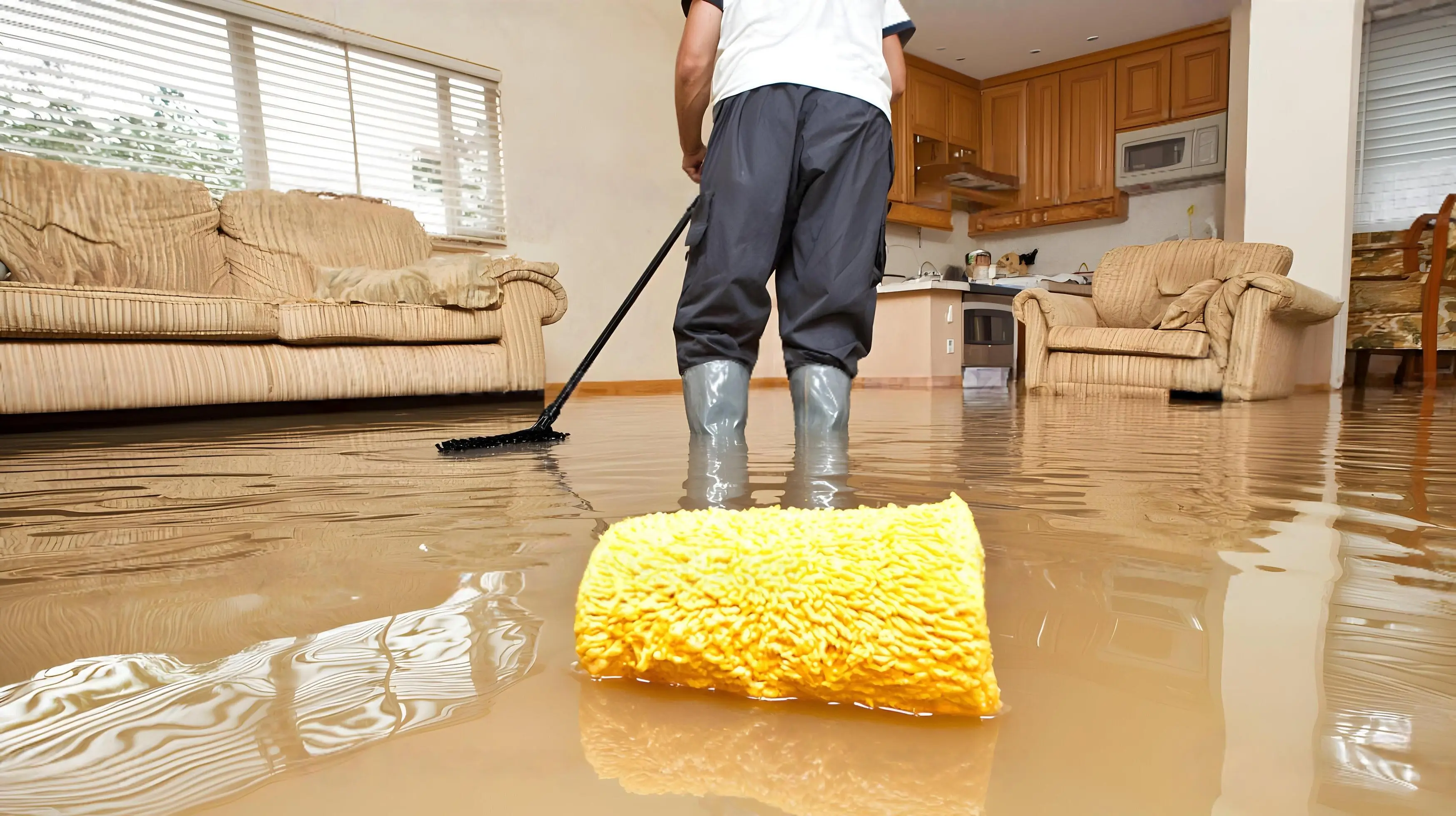
Water Damage Restoration
Burst pipes, storm flooding, standing water. We extract, dry, and restore before mold sets in.
Learn more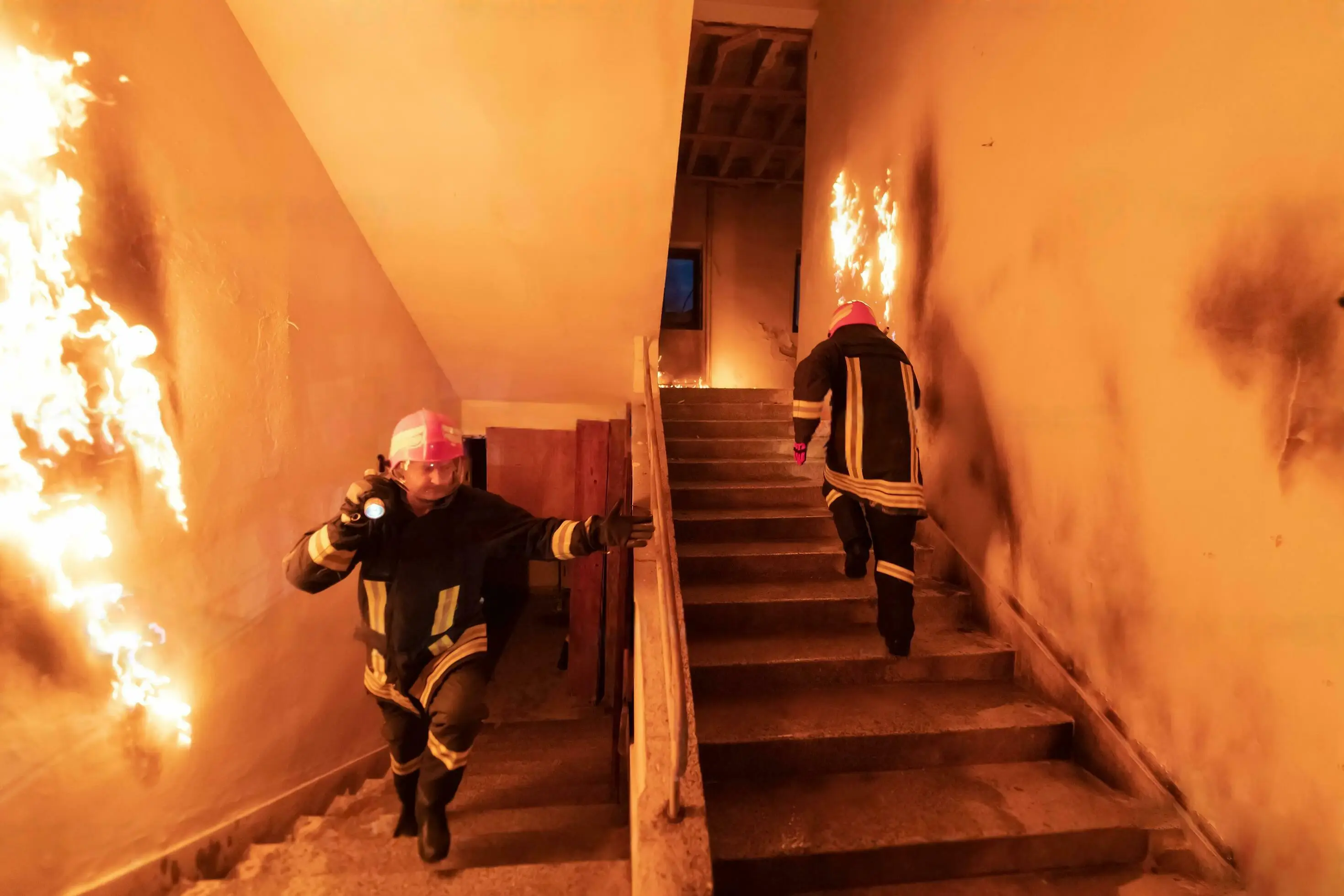
Fire Damage Restoration
Structural damage, soot, debris. We stabilize, clean, and rebuild what fire destroyed.
Learn more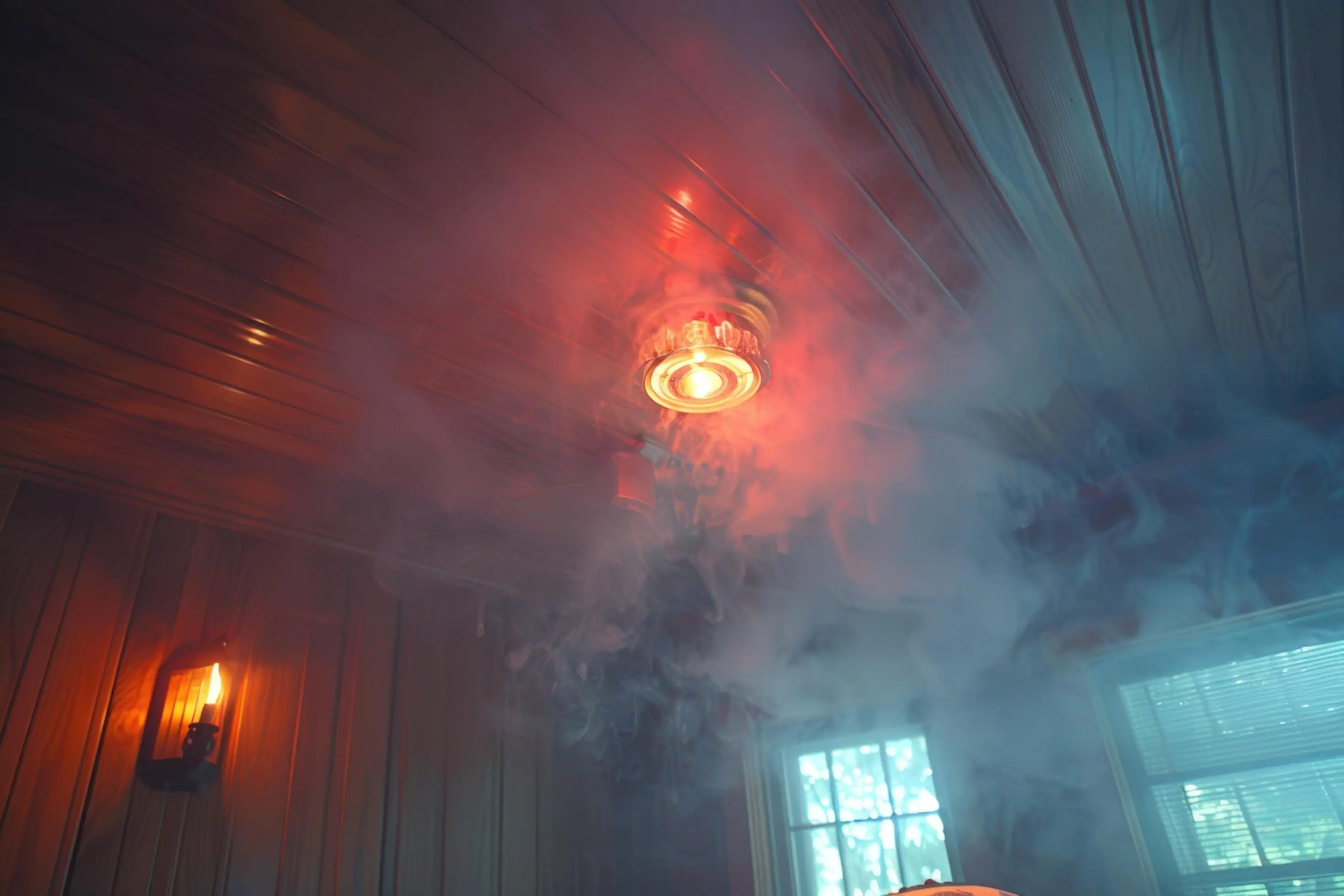
Smoke Damage Restoration
Soot residue, chemical odors, HVAC contamination. We decontaminate surfaces, eliminate odors, and restore air quality.
Learn more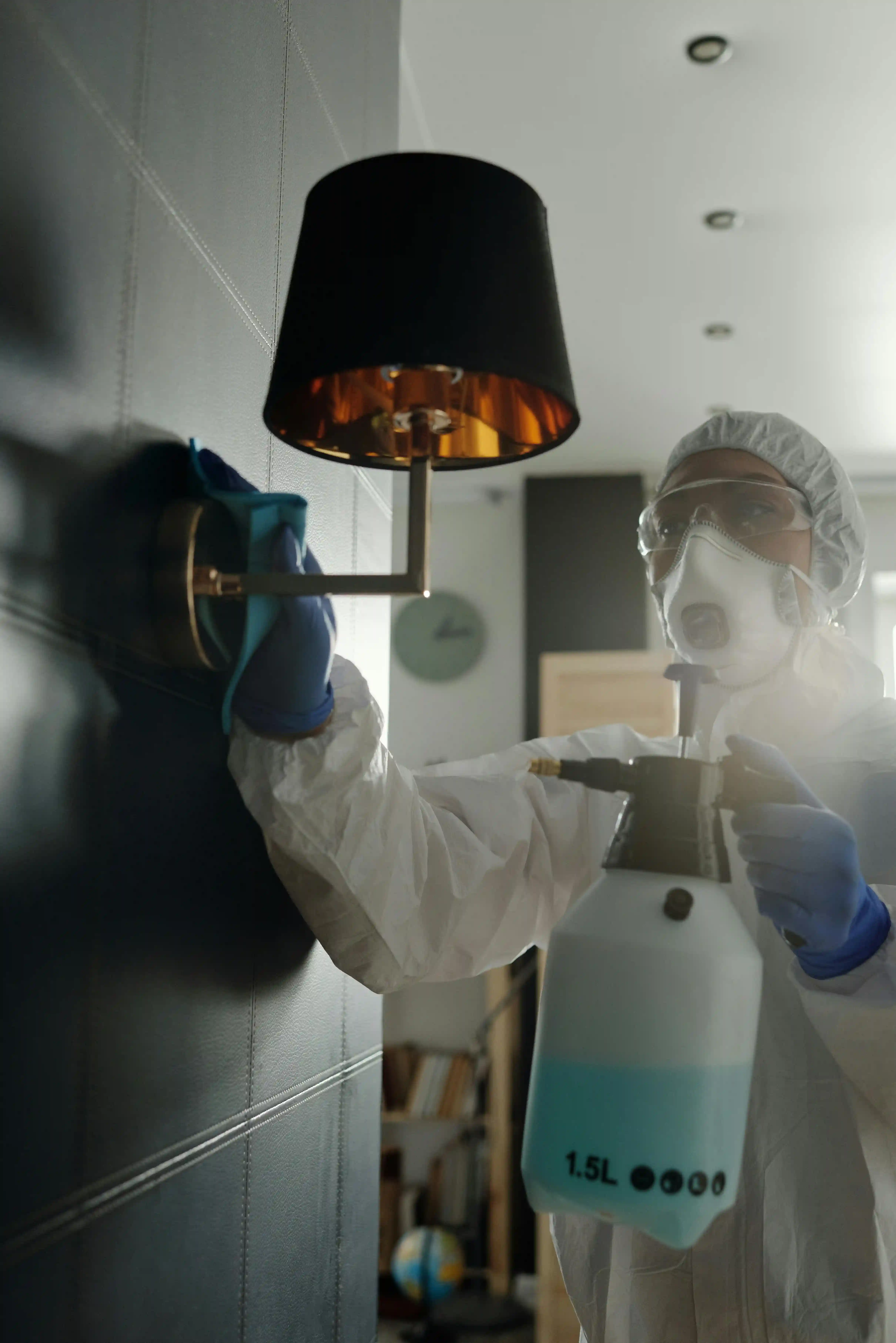
Mold Remediation
Testing, containment, removal, prevention. We find the source, eliminate the growth, and stop it from returning.
Learn moreNearby Service Areas
Also serving nearby: