
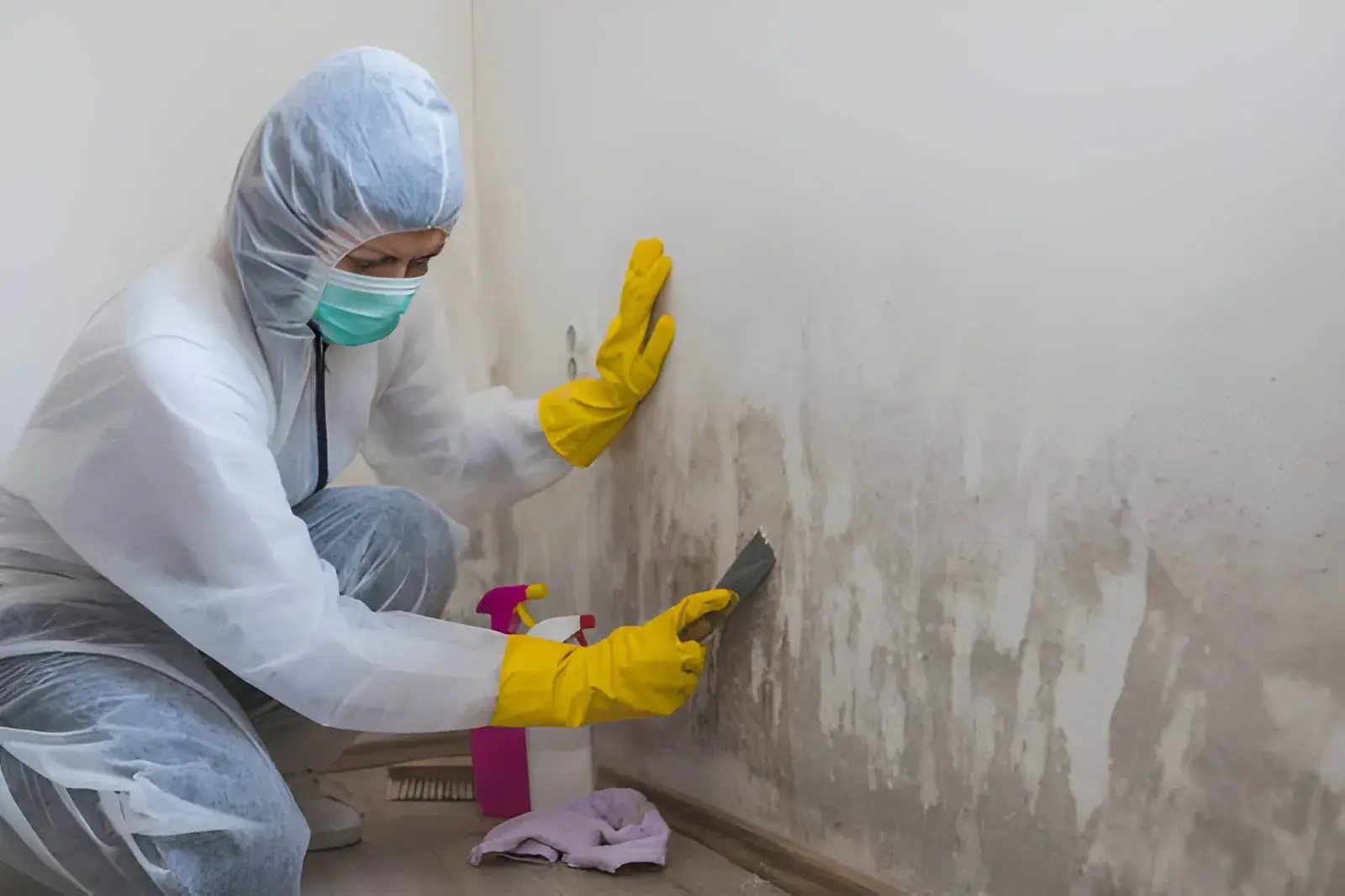
Mold Remediation in Covington, LA
Covington's subtropical humidity and flood history make mold a persistent threat in St. Tammany Parish homes. Our licensed mold professionals identify the source, contain the growth, and eliminate it safely.
What Happens When You Call
A real person takes your call and schedules a professional mold inspection at your Covington property.
Our inspector identifies the moisture source driving the mold growth and determines the full extent of contamination using air sampling and surface testing.
A detailed remediation plan is developed specifying containment zones, removal methods, and clearance criteria.
After remediation, independent post-clearance testing verifies that mold levels have returned to acceptable ambient conditions.
Mold does not resolve on its own. In Covington's climate, active colonies double their coverage area every 24 to 48 hours under favorable moisture conditions. The longer you wait, the larger the affected area becomes and the more expensive remediation grows. Call now. Your local team is standing by.
Why Covington Homes Are Vulnerable to Mold
Mold remediation in Covington begins with understanding why this city faces elevated mold risk compared to communities in drier regions. The U.S. Army Corps of Engineers documented that St. Tammany Parish has experienced repeated widespread flooding, including the historic August 2016 flood and Hurricane Katrina in 2005, events that created long-term mold conditions in thousands of structures across the parish. Covington's position between the Bogue Falaya and Tchefuncte rivers means that post-flood moisture lingers in building materials far longer than in communities with better natural drainage. Homes that flooded during the March 2016 event and were not professionally dried within the first 72 hours developed extensive mold colonization behind walls, under flooring, and inside HVAC ductwork. Some of these properties still harbor hidden mold growth years later, triggered anew by each subsequent moisture event.
Louisiana's humid subtropical climate provides mold with its three essential requirements year-round: moisture, organic nutrients, and temperatures between 60 and 80 degrees Fahrenheit. In Covington, outdoor relative humidity averages 75 to 90 percent from May through October, and even the cooler months rarely drop below 65 percent. This means that any building material maintaining even slightly elevated moisture content will support mold colonization. Common scenarios that initiate mold growth in Covington homes include slow roof leaks from damaged flashing or aging shingles, condensation on cold water pipes in unconditioned crawl spaces, improperly graded soil directing rainwater against foundations, and HVAC drain pans that overflow or drain lines that clog during peak cooling season. Each of these sources can sustain hidden mold growth for months before occupants notice visible signs or detect the characteristic musty odor.
Louisiana requires a mold remediation license issued by the Louisiana State Licensing Board for Contractors (LSLBC) for commercial mold remediation work. The state's regulatory framework reflects the recognition that improper mold removal can disperse spores throughout a structure, turning a contained problem into a whole-house contamination event. Professional mold remediation in Covington follows the IICRC S520 standard, which requires establishing negative-pressure containment barriers around the affected area, using HEPA-filtered air scrubbers to capture airborne spores, removing contaminated materials under controlled conditions, and applying antimicrobial treatments to remaining structural surfaces. This methodical approach prevents the cross-contamination that occurs when untrained individuals disturb mold colonies without proper containment.
The crawl space construction common in Covington's older homes presents particular mold challenges. These spaces are rarely sealed from exterior humidity and often have bare earth floors that release moisture continuously into the enclosed area. In the absence of a properly installed vapor barrier and mechanical ventilation, crawl space humidity can exceed 90 percent year-round, creating conditions where mold colonizes floor joists, subflooring, and HVAC ductwork running through the space. Modern building science recommends encapsulating crawl spaces with heavy polyethylene vapor barriers and conditioning the air with dehumidification equipment. For Covington homes where existing mold is discovered in the crawl space, professional remediation of the contaminated wood surfaces must precede any encapsulation work to avoid sealing active mold inside the barrier system.
Year-Round Elevated Humidity
Covington's 75 to 90 percent relative humidity during warm months and rarely below 65 percent in winter provides constant moisture availability for mold colonization on any surface maintaining even slight dampness.
Post-Flood Legacy Mold
Structures that flooded during the March 2016 or August 2016 events and were not professionally dried often harbor persistent mold colonies behind walls and under flooring that reactivate with each moisture event.
Crawl Space Moisture Traps
Older Covington homes with vented crawl spaces over bare earth trap humidity against floor joists and ductwork, creating chronic mold conditions invisible from the living space above.
HVAC Condensation Issues
Air conditioning systems running 8 to 10 months per year in Covington generate significant condensation. Clogged drain lines or overflowing drain pans create moisture sources that feed mold growth inside air handler closets.
Mold remediation in Covington requires addressing both the active contamination and the underlying moisture source. Without correcting the moisture condition, mold will return regardless of how thoroughly the visible growth is removed.
What Happens to Your Home While You Wait
24 to 48 Hours After Moisture Event
Mold spores, always present in Covington's outdoor air, begin germinating on damp organic surfaces including drywall paper facing, wood, and carpet backing.
3 to 7 Days
Visible mold colonies appear on surfaces. Behind walls and under flooring, growth accelerates in the dark, humid conditions hidden from view.
1 to 2 Weeks
Mold produces mycotoxins and volatile organic compounds that create the characteristic musty odor. Occupants may begin experiencing respiratory symptoms.
2 to 4 Weeks
Colonies spread across larger areas. Spore counts in indoor air increase significantly, contaminating HVAC systems and distributing spores to unaffected rooms.
One Month and Beyond
Structural materials begin deteriorating. Floor joists, subflooring, and wall framing lose integrity. Remediation costs escalate as affected square footage grows.
Mold does not stop growing on its own in Covington's climate. Contact X Response for professional mold assessment and remediation.
How We Restore Mold-Affected Covington Homes
Our mold remediation process in Covington follows the IICRC S520 standard from initial assessment through post-remediation clearance.
Professional Inspection and Testing
Licensed inspectors identify the moisture source, map the contamination extent using moisture meters and thermal imaging, and collect air and surface samples to determine mold species and spore concentrations.
Containment and Source Correction
Negative-pressure containment barriers isolate the affected area. HEPA-filtered air scrubbers run continuously. The underlying moisture source is identified and corrected before removal begins.
Safe Removal and Treatment
Contaminated materials are removed under controlled conditions. Remaining structural surfaces receive antimicrobial treatment. HEPA vacuuming captures residual spores from all surfaces within the containment zone.
Clearance Testing and Documentation
Independent post-remediation air sampling verifies that spore levels have returned to acceptable ambient conditions. Full documentation is provided for your records and insurance carrier.
The X Response Difference
X Response addresses mold at its source, not just its surface. Our Covington remediation protocol eliminates the contamination and the conditions that allowed it.
Insurance Claim Guidance for Covington Homeowners
Mold damage claims in Louisiana require clear documentation of the moisture event that caused the growth and evidence that prompt action was taken.
How X Response Helps
- Professional inspection report identifying mold species, spore counts, and the documented moisture source
- Photographic evidence of contamination extent including behind-wall and under-floor findings
- Moisture mapping showing the relationship between the water source and the mold growth area
- Post-remediation clearance testing results confirming successful treatment
X Response does not adjust claims or guarantee coverage decisions. Many standard policies exclude mold unless it results directly from a covered water event. We document the causal connection to support your claim.
Certified Restoration Specialists Serving Covington
Our Covington mold remediation team holds IICRC certifications in Applied Microbial Remediation (AMRT) and Water Damage Restoration (WRT). They understand the specific mold pressures that Covington's flood-prone geography and subtropical humidity create, and they follow Louisiana's licensing requirements for remediation work in St. Tammany Parish.
In Covington, X Response works with PowerPro Remediation, an independent local restoration partner serving St. Tammany Parish County.
Mold Remediation FAQ for Covington Homeowners
Other Emergency Services in Covington
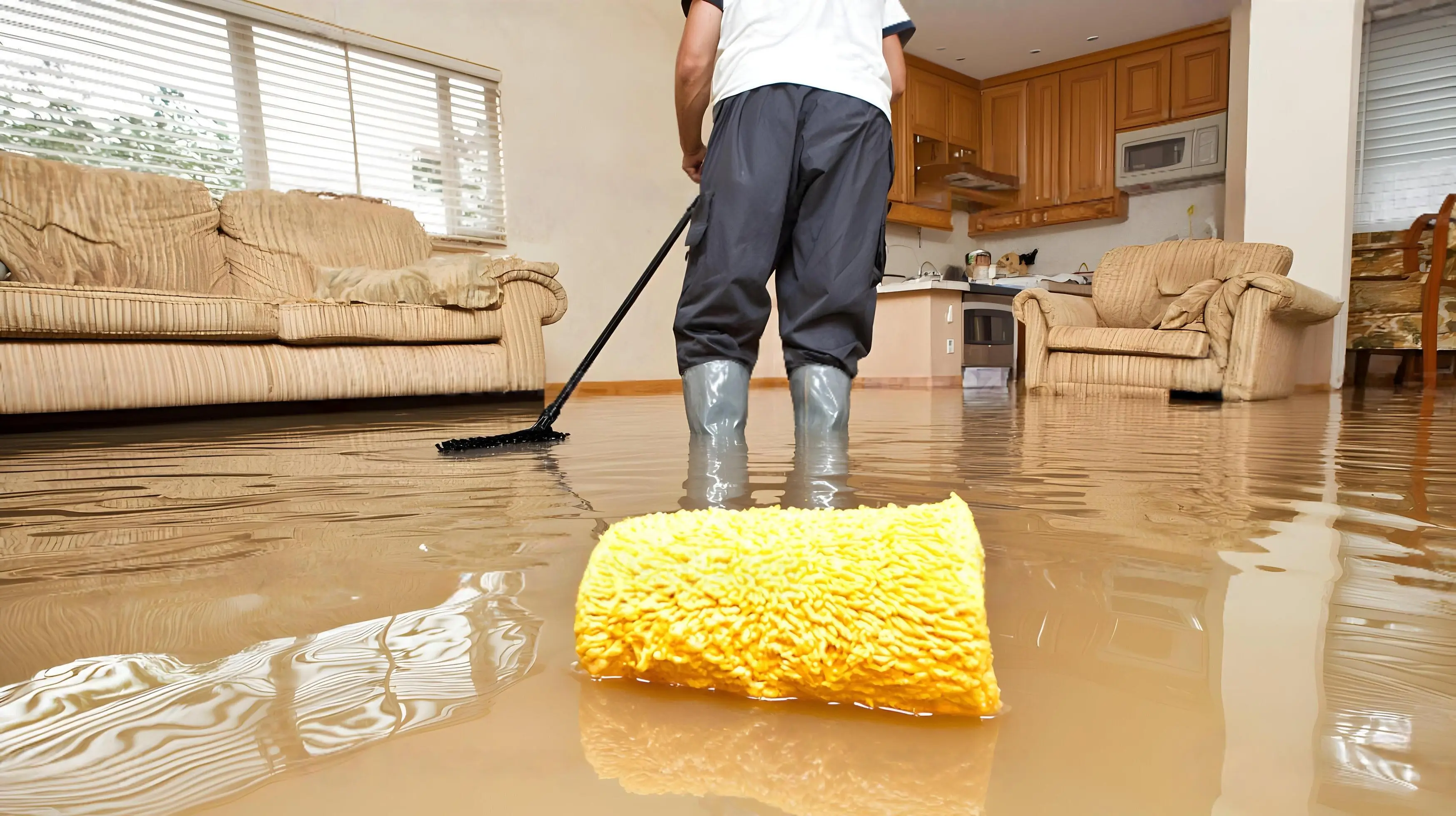
Water Damage Restoration
Burst pipes, storm flooding, standing water. We extract, dry, and restore before mold sets in.
Learn more
Fire Damage Restoration
Structural damage, soot, debris. We stabilize, clean, and rebuild what fire destroyed.
Learn more
Smoke Damage Restoration
Soot residue, chemical odors, HVAC contamination. We decontaminate surfaces, eliminate odors, and restore air quality.
Learn more