
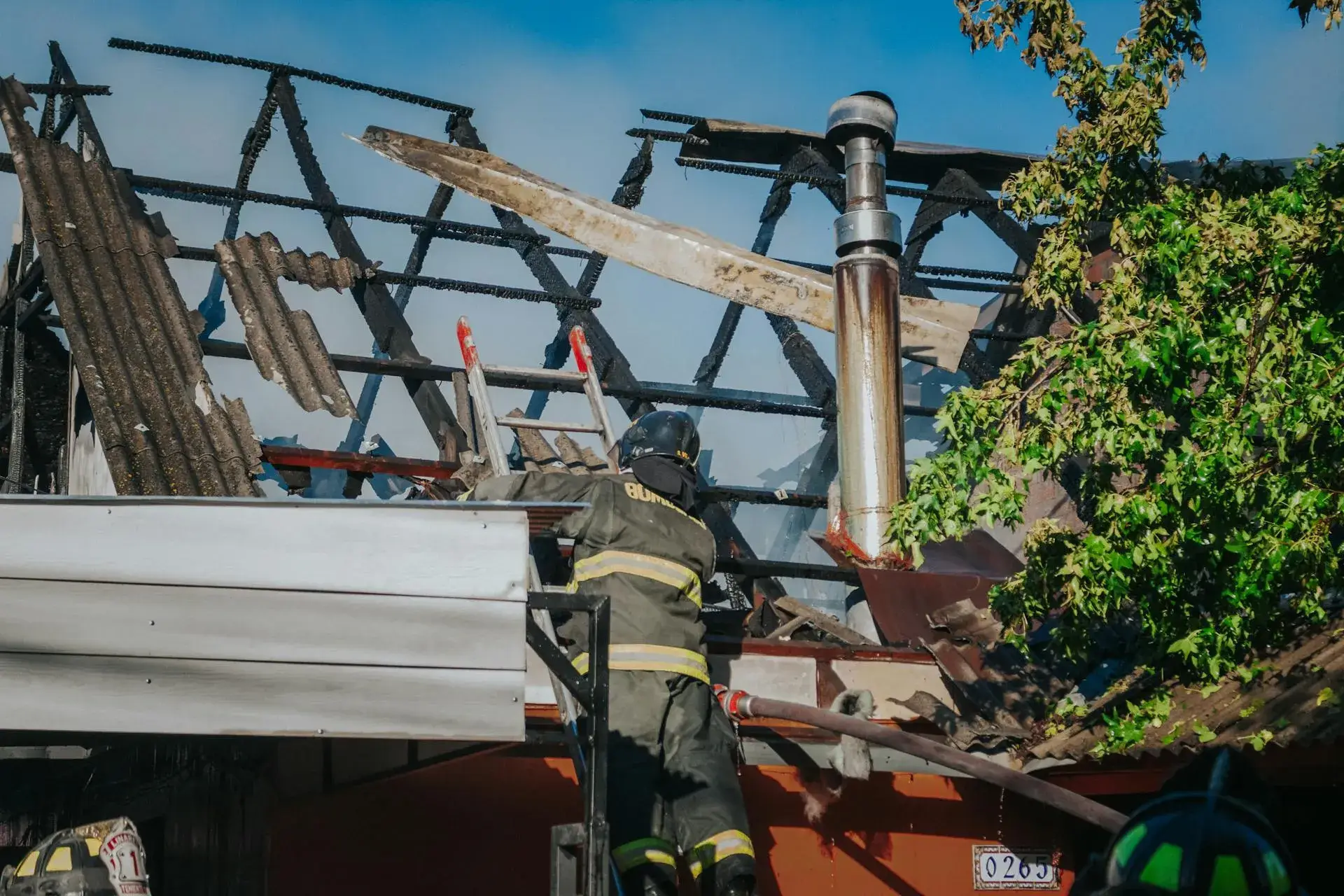
Fire Damage Restoration in Friendswood, TX
Acidic soot and extinguishing water cause rapid secondary degradation to brick veneer, drywall, and structural framing. Our certified emergency team is on site within 60 minutes.
What Happens When You Call
Immediate live dispatch assesses the severity of the fire event and sends our rapid response unit directly to your Friendswood address.
Technicians arrive with heavy-duty structural board-up lumber, commercial tarping supplies, and emergency water extraction equipment.
We secure compromised entry points, seal burned roof penetrations, and extract high volumes of firefighting water from the slab.
A certified structural estimator performs comprehensive soot mapping and initiates itemized documentation for your insurance adjuster.
A residential or commercial structure fire is one of the most traumatic events a property owner can experience. In the chaotic hours following fire suppression, immediate action is required to secure the building envelope and neutralize corrosive soot. X Response coordinates every phase of structural recovery in Friendswood, from emergency board-up and structural shoring to soot cleanup and complete property rebuild. Contact our emergency dispatch team 24/7.
Why Friendswood Homes Are Vulnerable to Fire Damage
Friendswood is a residential community of over 41,200 residents spanning Galveston and Harris counties, where traditional single-family suburban developments blend with large-lot custom properties in neighborhoods such as Polly Ranch Estates, The Forest, and Heritage Park. Residential architecture throughout the city features wood-frame construction resting on monolithic concrete slabs with exterior brick veneer and steep asphalt-shingled roof lines. Heating, ventilation, and air conditioning (HVAC) systems are almost universally housed in unconditioned attic spaces, utilizing flexible ducting that traverses ceiling joists. When a residential fire ignites, these open attic configurations and combustible framing materials can allow flames and superheated gases to propagate rapidly through roof trusses before suppression crews arrive.
The Friendswood Volunteer Fire Department operates four fire stations across Galveston and Harris counties to protect more than 41,000 residents from residential structure fires, electrical failures, and vehicle fires along the FM 518 and FM 528 commercial corridors. While local suppression crews extinguish active blazes with commendable speed, the aftermath presents a dual-threat disaster. Hundreds of gallons of firefighting water pool across the slab foundation, mixing with corrosive soot, unburned synthetic materials, and toxic fire gases. In Southeast Texas's humid coastal climate, acidic soot particles bond aggressively with metal fixtures, window glass, and porous masonry within 24 hours of suppression, requiring immediate chemical neutralization to prevent permanent etching and structural compromise.
Attic HVAC Distribution and Rapid Smoke Migration
Most homes in Friendswood feature forced-air heating and cooling units located in attic spaces. During an active structure fire, intense negative pressure and thermal updrafts pull dense smoke and soot directly into the air distribution network. Even if flames are contained to a single room such as a kitchen or garage, the HVAC ducting channels superheated combustion byproducts through ceiling vents into every closed room across the house, coating walls, insulation, and furnishings in toxic chemical residue.
Firefighting Water Saturation on Monolithic Slabs
Extinguishing a single-room fire often requires thousands of gallons of water delivered under high pressure. In Friendswood's slab-on-grade homes, this water has no basement drain to escape through. It accumulates across concrete floors, submerging baseboards and wicking deep into perimeter drywall and subfloor cavities. This creates an immediate Category 3 contamination scenario where water carries dissolved ash, heavy metals, and carcinogens across the entire living footprint.
Synthetic Material Combustion and Acidic Residues
Modern home construction and furnishings contain substantial amounts of synthetic polymers, plastics, flame-retardant foams, and composite woods. When these materials burn at high temperatures, they produce greasy, highly acidic chemical soot. In Friendswood's typical 75% to 90% ambient relative humidity, this soot reacts with airborne moisture to form corrosive acids that pit stainless steel appliances, tarnish brass hardware, and permanently stain marble or granite countertops within 48 hours.
Galveston County Coastal Climate and Mold Proliferation
The combination of firefighting water, damaged roof decking, and humid Gulf air creates an ideal incubator for microbial growth. Following a fire, high interior temperatures and standing water cause mold spores to germinate on moist drywall and charred timber within 24 to 36 hours. Fire restoration in Friendswood must incorporate immediate antimicrobial stabilization and industrial dehumidification to prevent an uncontrolled mold outbreak during the structural repair timeline.
Structural Integrity Loss in Wood-Truss Framing
Lightweight wood truss construction common in Friendswood residential subdivisions provides excellent structural efficiency under normal loads but degrades rapidly under fire exposure. Metal gusset plates can lose structural adhesion at temperatures above 600 degrees Fahrenheit, compromising roof stability even if charred timber appears intact. Professional structural assessment is mandatory before allowing crews or property owners inside the building.
Recovering from a fire in Friendswood demands an integrated response that addresses structural framing stabilization, firefighting water extraction, and chemical soot neutralization simultaneously. X Response combines deep knowledge of Southeast Texas building codes with cutting-edge restoration science to restore your property safely and completely.
What Happens to Your Home While You Wait
Within Minutes
Superheated smoke and soot envelop ceilings and upper walls. Acidic gases react with warm, humid air, initiating yellowing on plastic appliances, acrylic fixtures, and synthetic textiles. Firefighting water pools on the slab and begins wicking into lower drywall panels.
1–24 Hours
Corrosive soot particles bond to metallic surfaces, causing initial pitting on chrome plumbing fixtures, aluminum window frames, and stainless steel kitchen equipment. Porous materials like unsealed tile grout and marble absorb acidic soot oils, turning discoloration permanent without specialized chemical wash treatment.
24–48 Hours
Soot penetrates deep into latex wall paint and wooden cabinetry finishes, requiring aggressive mechanical stripping rather than simple surface cleaning. Firefighting water on the slab begins breeding bacterial cultures, and fungal spores germinate on damp cellulose surfaces throughout wet wall assemblies.
48–72 Hours
Metal components undergo heavy oxidation and rusting. Structural framing members exposed to water and elevated humidity begin warping. Smoke odors permeate deeply into subfloor concrete pores, wall framing timber, and ceiling joists, requiring specialized thermal fogging and hydroxyl neutralization.
One Week and Beyond
Severe etching permanently ruins glass, mirrors, and ceramic finishes. Unmitigated water generates extensive mold colonies inside wall cavities. Structural reconstruction costs multiply significantly as materials that could have been saved with prompt chemical washing must be completely demolished and rebuilt.
Immediate intervention halts corrosive chemical etching and prevents secondary water and mold damage. Call X Response right now for emergency fire recovery services in Friendswood.
How We Restore Fire-Damaged Friendswood Homes
Our comprehensive fire recovery protocol adheres to IICRC FSRT (Fire and Smoke Restoration Technician) standards, providing structured mitigation from initial emergency stabilization to complete rebuild.
1. 24/7 Emergency Board-Up and Envelope Security
We arrive immediately to secure compromised door openings, fractured windows, and fire-damaged roof penetrations using heavy-duty exterior plywood and weather-resistant polymer tarps. This protects the interior from coastal storms, unauthorized entry, and further environmental degradation.
2. Structural Shoring and Safety Assessment
Our certified technicians inspect load-bearing walls, roof trusses, and ceiling joists. Temporary structural shoring and bracing are installed to support compromised framing members before interior work commences, ensuring absolute safety for inspection and remediation teams.
3. Firefighting Water Extraction and Drying
We deploy industrial submersible pumps and truck-mounted extractors to remove gallons of standing firefighting water from the slab. Commercial LGR dehumidifiers and air movers are immediately activated to lower ambient humidity and arrest microbial growth.
4. Soot and Char Removal via Controlled Media Blasting
Charred structural wood framing is restored using specialized abrasive media blasting (dry ice blasting or baking soda blasting). This technique strips burned carbon layers down to sound timber without generating secondary structural damage or hazardous liquid waste.
5. Chemical Neutralization and Surface Decontamination
Technicians apply specialized alkaline cleaning agents, chemical dry sponges, and degreasing solutions to neutralize acidic soot deposits on brick, drywall, tile, and painted surfaces, preventing long-term corrosion and permanent surface staining.
6. Thermal Fogging, Hydroxyl Generation, and Odor Encapsulation
We introduce solvent-based thermal fogging agents that mimic the micron particle size of smoke, penetrating deep into wall cavities and porous timber to permanently neutralize odor compounds. Structural framing is then sealed with antimicrobial, odor-blocking primer.
The X Response Difference
With X Response, your property is stabilized, decontaminated, and rebuilt with exacting craftsmanship and clear communication at every step.
Insurance Claim Guidance for Friendswood Homeowners
Fire insurance claims are among the most complex property loss filings in Texas. Most comprehensive Texas homeowner policies cover sudden accidental fire and smoke damage, including firefighting water impact and temporary living expenses (Loss of Use / Additional Living Expenses under Coverage D). To maximize your claim and prevent dispute over repair scopes, thorough documentation must be established immediately after the incident.
How X Response Helps
- High-resolution digital photo and video inventory of all structural damage and non-salvageable personal property before cleanup begins
- Comprehensive structural framing inspection reports documenting compromised roof trusses, gusset plates, and load-bearing studs
- Itemized electronic moisture and soot mapping logs to validate the necessity of flood cuts, media blasting, and thermal fogging
- Detailed line-item scopes created in Xactimate software to align directly with insurance carrier pricing guidelines in Galveston County
- Direct coordination with field adjusters representing major insurers to expedite emergency advances and structural approvals
X Response is an independent restoration contractor. We collaborate closely with your insurance adjuster to ensure accurate scope documentation and industry-standard pricing, while final claim authorization remains under the jurisdiction of your insurance provider.
Certified Restoration Specialists Serving Friendswood
Our Friendswood fire restoration specialists have decades of collective experience restoring residential and commercial properties across Galveston and Harris counties. From historic Quaker-era homesteads on Friendswood Drive to modern custom estates in Polly Ranch and West Ranch, our technicians understand the nuances of local construction, coastal building standards, and city permitting codes.
Every crew leader maintains active IICRC certifications in Fire and Smoke Restoration (FSRT), Odor Control (OCT), and Water Damage Restoration (WRT). We utilize the latest restoration technologies, including thermal imaging diagnostics and dry ice blasting systems, while treating every family and business owner with the dignity and compassion they deserve during a catastrophic event.
In Friendswood, X Response works with First Response Restoration, an independent local restoration partner serving Galveston County.
Fire Damage Restoration FAQ for Friendswood Homeowners
Other Emergency Services in Friendswood
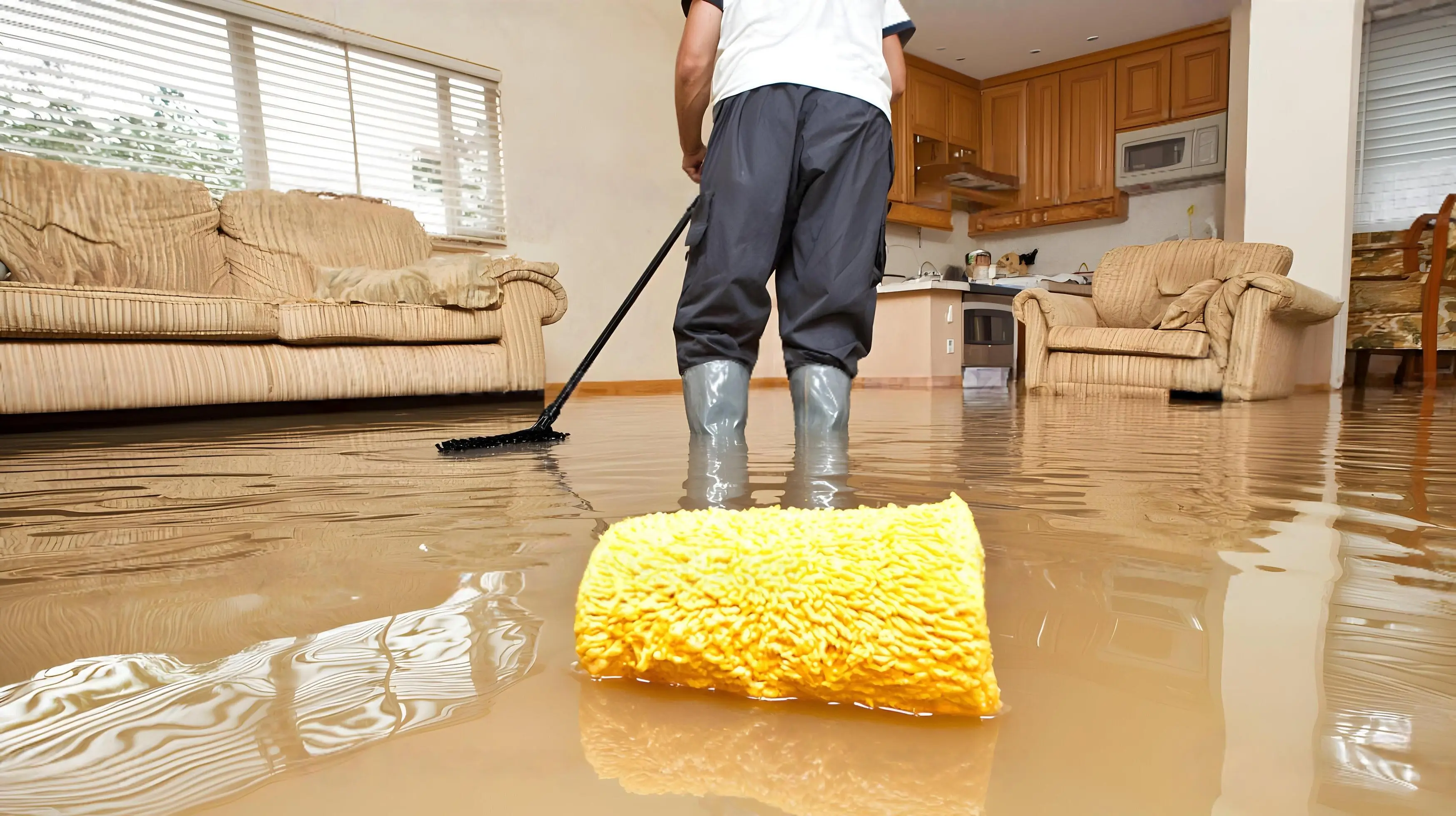
Water Damage Restoration
Burst pipes, storm flooding, standing water. We extract, dry, and restore before mold sets in.
Learn more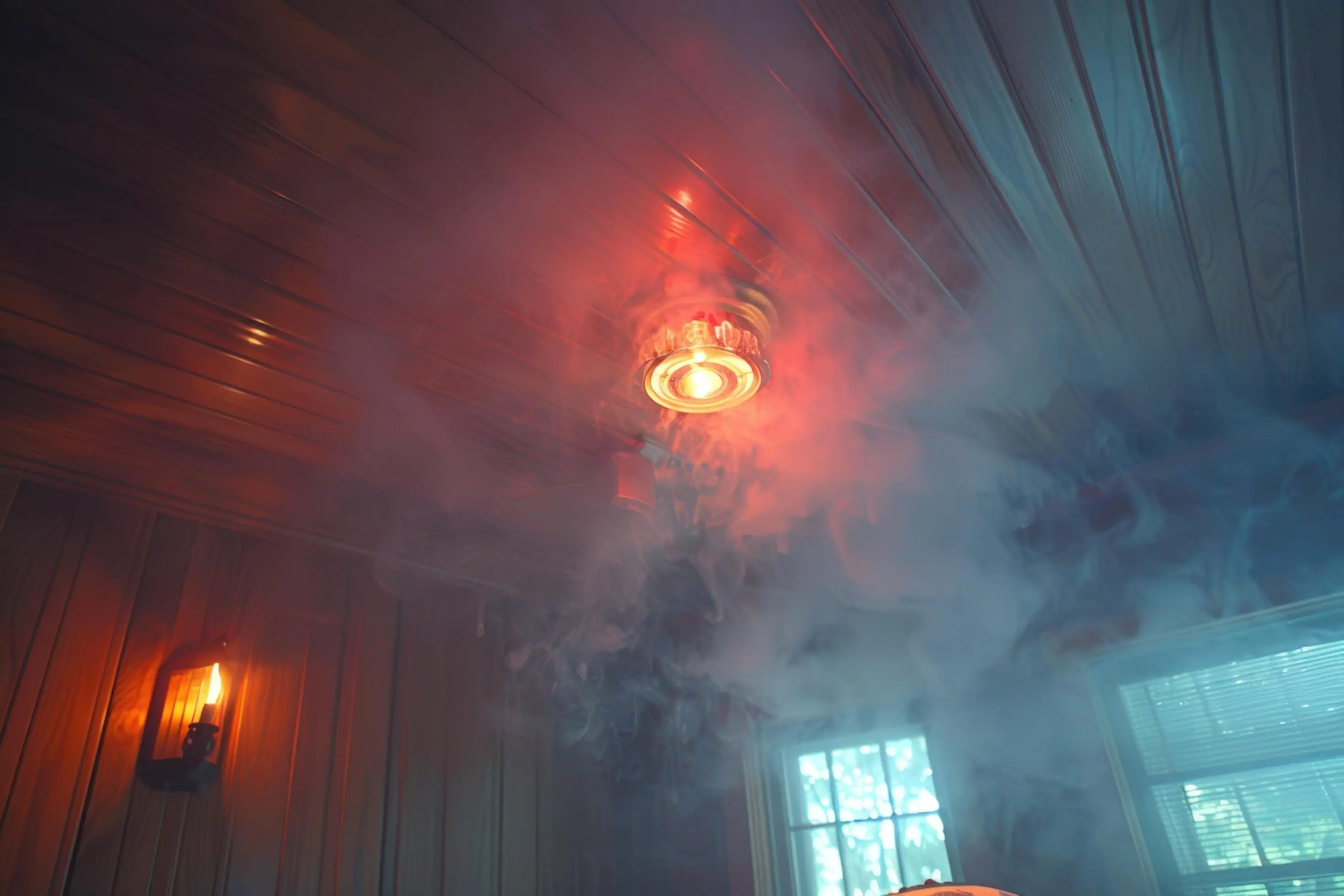
Smoke Damage Restoration
Soot residue, chemical odors, HVAC contamination. We decontaminate surfaces, eliminate odors, and restore air quality.
Learn more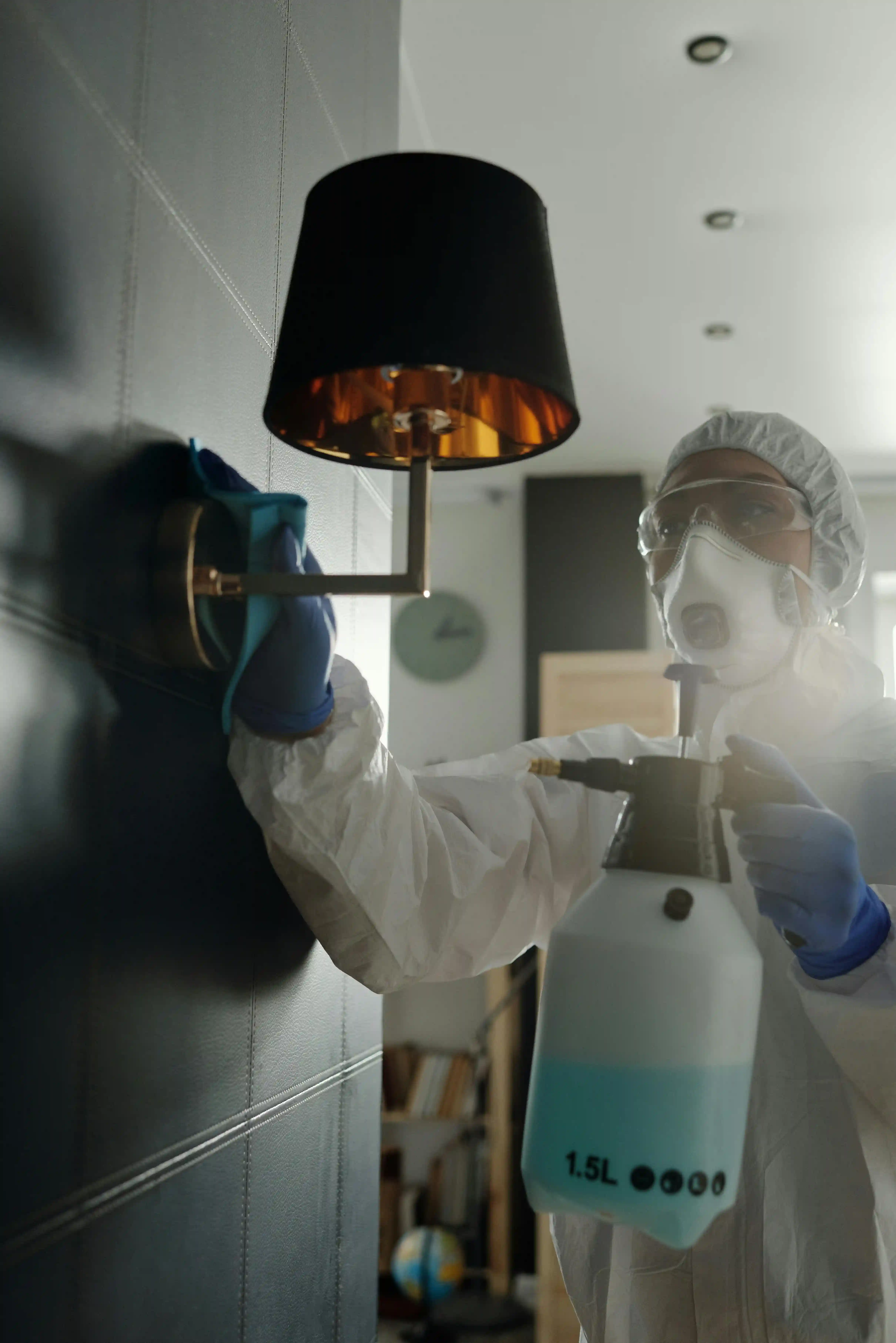
Mold Remediation
Testing, containment, removal, prevention. We find the source, eliminate the growth, and stop it from returning.
Learn more
Sewage Cleanup
Sewer backups, contaminated water, biohazard. We extract, sanitize, and restore safely.
Learn more