
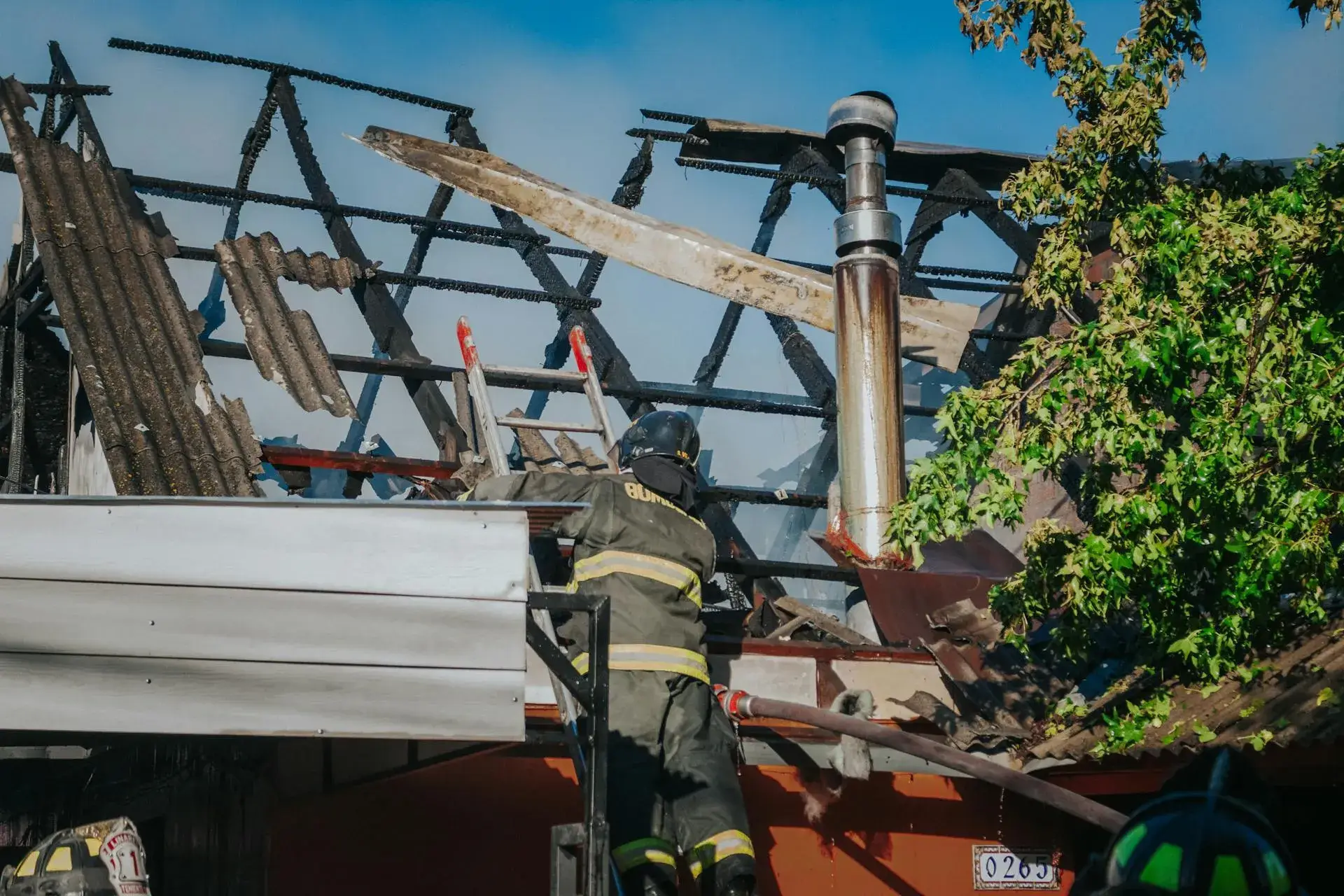
Fire Damage Restoration in League City, TX
Fire damage compounds with every hour of exposure to soot, salt air, and coastal humidity. Our local team responds to League City emergencies within 60 minutes.
What Happens When You Call
A real person answers, not a call center. We assess the situation, determine immediate safety and board-up needs, and dispatch your restoration team.
Your dedicated team is dispatched from our local base serving League City and the surrounding Galveston County communities.
Team arrives with board-up materials, industrial air scrubbers, and soot removal equipment. Emergency stabilization and cleaning begin immediately.
Structure secured, initial soot and debris removed, restoration plan documented. You know exactly what comes next.
A fire just happened in your home. The flames are out, but the damage continues to progress. Soot is bonding to surfaces in the coastal humidity, salt air is accelerating corrosion on exposed metal, and smoke residue is migrating through your HVAC system. You need a restoration team that can stabilize the structure, stop secondary damage from the coastal environment, and begin recovery immediately. When you contact X Response, your team is mobilized within minutes. Call now. Your team is standing by.
Why League City Homes Are Vulnerable to Fire Damage
League City is a city of approximately 120,000 residents primarily in Galveston County, Texas, situated between Clear Creek and Galveston Bay along the I-45 corridor south of Houston. Fire protection is provided by the League City Fire Department, which operates multiple stations across the city and maintains mutual aid agreements with Webster, Dickinson, Friendswood, and other surrounding departments. The city's rapid growth from approximately 45,000 residents in 2000 to over 120,000 today produced expansive subdivisions including Victory Lakes, South Shore Harbor, Tuscan Lakes, and Magnolia Creek, built predominantly with wood-frame construction, engineered truss roof systems, and the vinyl or fiber cement siding standard across Gulf Coast suburban development.
In June 2022, a lightning strike during a line of severe thunderstorms destroyed a two-story home in the Cabot Cove section of the Victory Lakes subdivision in League City. The fire was so extensive that the League City Fire Department called for additional help from seven other agencies to assist in suppression. When crews arrived, the fire was venting from the roof and had spread rapidly through the engineered truss system. This incident was not isolated. In May 2020, another lightning strike caused a house fire in League City that killed three family pets. The Galveston County coast receives frequent severe thunderstorms from April through October, and League City's flat terrain and coastal exposure make it one of the most lightning-prone areas in the Houston metro. Lightning strikes are a persistent ignition source that homeowners cannot prevent through maintenance or behavior, making fire risk an ongoing reality regardless of how well a home is maintained.
Lightning-Ignited Fires from Gulf Coast Thunderstorms
League City's coastal position makes it exceptionally vulnerable to lightning-ignited house fires. The Gulf of Mexico generates frequent severe thunderstorms from late spring through early fall as warm, moist air collides with frontal systems and sea-breeze convergence zones. These storms produce intense cloud-to-ground lightning across the flat coastal plain where League City sits with no terrain features to deflect or disperse electrical activity. A lightning strike on a residential roof typically ignites attic insulation, roof sheathing, or the truss system itself, and the fire can burn undetected in the attic for several minutes before flames become visible from inside the home. By the time smoke detectors activate from attic penetration, the engineered truss system may already be compromised. The June 2022 Victory Lakes fire required eight agencies because the fire had involved the entire roof structure before suppression could begin, a pattern consistent with lightning ignition in attic spaces.
Engineered Truss Failure Under Fire in Coastal Construction
League City's post-2000 subdivisions use engineered wood truss roof systems designed for the wind uplift and hurricane resistance required by the Texas building code along the Gulf Coast. These trusses use metal gusset plates to connect smaller lumber members into lightweight assemblies that span large distances efficiently. Under fire conditions, the metal plates conduct heat into the wood at connection points, accelerating charring where the load transfer occurs. The smaller lumber members lose structural capacity faster than traditional dimensional lumber as they char. A truss system under fire in a League City home can collapse within 15 to 20 minutes, far faster than the heavier framing in older construction. The hurricane straps and clips that connect trusses to wall top plates can also conduct heat downward, introducing fire into wall cavities from above even when the fire originated in the attic. This vertical fire spread pathway is specific to the wind-resistant construction required in coastal Texas.
Coastal Salt Air Accelerating Post-Fire Corrosion
After a fire in League City, exposed metal components face accelerated corrosion from the salt-laden air that blows off Galveston Bay. Standard fire restoration timelines assume neutral atmospheric conditions, but League City's coastal environment introduces chloride exposure to every piece of exposed metal from the moment the fire creates openings in the building envelope. Electrical wiring, plumbing connections, HVAC components, structural fasteners, and metal framing hardware begin corroding within days of exposure to salt air, rather than the weeks or months it would take in an inland environment. Board-up and tarping must happen immediately not just to prevent rain entry but to limit salt air intrusion to the exposed structure. Any metal component left exposed to League City's coastal atmosphere for more than a few days after a fire may require replacement rather than cleaning, a factor that can significantly expand the restoration scope.
Post-Fire Water Damage in Coastal Humidity
Fire suppression introduces thousands of gallons of water into a compromised structure. In League City's coastal environment, where humidity regularly runs high and bay influence keeps dew points elevated year-round, that suppression water cannot evaporate naturally. The damaged roof and walls that would normally prevent moisture entry from outside now admit humid, salt-laden air continuously. Mold colonization on wet framing begins within 24 hours in these conditions, faster than inland communities experience. The combination of fire damage, suppression water, coastal humidity, and salt exposure creates a compound damage scenario specific to Gulf Coast restoration. A League City fire restoration project must address thermal damage, soot contamination, water extraction and drying, mold prevention, and salt corrosion simultaneously rather than sequentially.
Prairie Grass and Undeveloped Land Adjacent to Subdivisions
Despite League City's rapid residential growth, large tracts of undeveloped prairie, coastal grassland, and wetland areas remain adjacent to and interspersed between subdivisions. These areas carry dry-season fire risk from January through March when the native grasses cure and become highly flammable. ClimateCheck rates approximately 90 percent of League City buildings at significant wildfire risk due to this proximity to combustible vegetation. A grass fire driven by strong winter winds from the northwest can advance rapidly across flat coastal prairie and reach subdivision perimeters in minutes, threatening vinyl siding, wood fencing, and landscaping that provides a fire pathway to the structure. While residential fires from interior ignition sources are more common, the wildland-urban interface risk remains elevated as undeveloped parcels adjacent to League City's newest subdivisions await future development.
Fire damage restoration in League City requires understanding the compound effects of the coastal environment on every phase of recovery. Lightning from Gulf Coast thunderstorms ignites attic fires that spread through truss systems before detection. Salt air corrodes exposed metal components within days of the fire creating openings. Coastal humidity prevents suppression water from drying naturally and accelerates mold colonization on surviving structure. And prairie grassland adjacent to subdivisions introduces wildfire proximity risk unique to communities on the urban-wildland boundary. Effective restoration demands a team that addresses thermal, smoke, water, biological, and corrosive damage simultaneously under the compressed timelines that League City's coastal conditions impose.
What Happens to Your Home While You Wait
Within 1 Hour
Soot begins bonding chemically to surfaces. In League City's coastal humidity, moisture on walls and ceilings accelerates permanent staining. Salt-laden air entering through fire-damaged openings begins depositing chlorides on exposed metal. Acidic smoke residue from synthetic materials etches metal fixtures and appliance surfaces. The longer the structure remains open to the coastal atmosphere, the more salt corrosion adds to the fire damage scope.
1–24 Hours
Smoke odor penetrates soft furnishings, carpet, and clothing. Suppression water saturates surviving framing and insulation. In League City's bay-influenced humidity, no natural drying occurs. Salt deposits form on exposed copper wiring, galvanized ductwork, and steel structural connectors. Yellow-brown discoloration develops on walls as smoke residue migrates with moisture through drywall.
24–48 Hours
Mold colonization begins on wet framing, subfloor, and insulation exposed during the fire. League City's year-round warmth and coastal humidity provide optimal colonization conditions within the first 24 hours. Soot becomes permanently bonded to porous surfaces. Salt corrosion advances on electrical connections and structural hardware. The restoration scope expands from fire cleaning to include water damage, mold prevention, and corrosion abatement.
48–72 Hours
Mold spreads across fire-suppression-wet surfaces. Corrosion damages electrical systems beyond simple cleaning and into replacement territory. Smoke-damaged electronics and appliances sustain accelerating deterioration from both acidic soot and salt exposure. Contents loss expands as items cross from restorable to unsalvageable.
One Week and Beyond
Extensive mold colonization on surviving structural members. Salt corrosion compromises fastener integrity at critical structural connections. Soot permanently damages surfaces that could have been restored with prompt attention. What started as fire damage restoration becomes a combined demolition and reconstruction project addressing fire, water, mold, and corrosion damage simultaneously. Insurance claims become significantly more complex.
League City's coastal environment accelerates every form of secondary damage after a fire. Contact X Response now. Our team responds within 60 minutes to stabilize the structure and prevent the coastal environment from compounding your loss.
How We Restore Fire-Damaged League City Homes
From the moment our team arrives, every step is documented, measured, and coordinated for League City's coastal conditions. Here is exactly what the fire damage restoration process involves.
Emergency Board-Up, Tarping, and Coastal Stabilization
Our team secures the structure immediately, not just to prevent rain entry but to limit salt air exposure to the fire-damaged interior. Every opening created by the fire admits humid, chloride-laden coastal air that accelerates corrosion on exposed metal and promotes mold on wet materials. We board windows, tarp damaged roof sections, seal wall penetrations, and establish barriers that protect the interior from League City's coastal atmosphere. If the roof system has been compromised by fire damage to engineered trusses, temporary shoring prevents further collapse before interior work begins.
Assessment, Documentation, and Contamination Mapping
We map the full extent of fire, smoke, soot, water, and salt exposure using thermal imaging, moisture meters, and visual inspection. In League City homes, we specifically assess metal components for early-stage corrosion that indicates salt penetration depth, because this determines whether electrical systems and structural hardware can be cleaned or must be replaced. We trace smoke migration through HVAC ductwork and document contamination extent in rooms far from the fire origin. This produces the comprehensive scope of work your insurance company needs.
Water Extraction and Accelerated Structural Drying
Fire suppression water is extracted immediately using commercial equipment. In League City's coastal humidity, mechanical dehumidification begins the same day because the open, fire-damaged structure cannot keep out the saturated bay air. LGR dehumidifiers are positioned in enclosed sections while HEPA air scrubbers filter particulate from the workspace. We dry surviving framing to IICRC standards before reconstruction, preventing the mold colonization that otherwise begins within 24 hours in coastal conditions. Drying and soot cleaning proceed concurrently to avoid extending the project timeline.
Soot Removal, Salt Cleaning, and Deodorization
Soot and smoke residue are removed using dry chemical sponges, HEPA vacuuming, and wet cleaning methods appropriate to each surface. For League City homes, we add a salt residue inspection and cleaning step not required in inland restorations: any metal component that shows early corrosion from salt exposure is cleaned with appropriate chemistry or flagged for replacement. HVAC ductwork is decontaminated or replaced depending on soot and salt penetration level. Thermal fogging and hydroxyl generators address embedded structural odor. Slab surfaces are sealed to prevent trapped odor from off-gassing through new flooring.
Structural Reconstruction
Once the structure is clean, dry, odor-free, and verified salt-free at critical connections, reconstruction begins. For homes with damaged engineered truss systems, a structural engineer certifies the repair design. Electrical systems in the fire-affected area are replaced to current code. HVAC components that sustained heat, soot, or salt damage are replaced entirely. All reconstruction materials meet coastal building code requirements for wind resistance. We manage permits, inspections, and coordination with the City of League City building department throughout the reconstruction.
The X Response Difference
When you contact X Response after a fire in your League City home, you get a team that understands the compound challenges of coastal fire restoration. One team manages board-up, extraction, cleaning, drying, deodorization, salt abatement, and reconstruction in the correct sequence for Gulf Coast conditions.
Insurance Claim Guidance for League City Homeowners
Fire damage insurance claims in League City are generally covered under standard homeowner's policies, but the coastal location introduces complexity. The fire itself, smoke contamination, and suppression water damage are straightforward claims under the dwelling and contents coverage. However, if the fire occurred during a hurricane or tropical storm, the wind coverage from TWIA may apply to structural damage that preceded or enabled the fire. Salt corrosion damage to metal components that develops after the fire creates openings is a secondary damage that must be documented as resulting from the fire event, not as a pre-existing condition or maintenance issue. Thorough documentation from day one connecting the salt exposure to the fire-created openings protects your claim from denial of corrosion-related repairs.
How X Response Helps
- Document all four damage types, fire, smoke, suppression water, and salt corrosion, with professional photos showing the causal connection to the fire event
- Capture the fire-created openings that admit salt air before board-up, establishing that corrosion results from the fire and not pre-existing conditions
- Separate structural fire damage from wind damage if a storm event contributed, for proper routing between homeowner's and TWIA policies
- Document mold development as secondary damage from suppression water in coastal humidity, connecting it to the fire event timeline
- Photograph and list all contents losses with pre-loss condition evidence where available
X Response does not file claims on your behalf, adjust claims, or make coverage determinations. We provide documentation and guidance to help you make informed decisions about your property and your policy. Coverage decisions are made solely by your insurance carrier.
Certified Restoration Specialists Serving League City
When you contact X Response for a fire damage emergency in League City, your restoration team is drawn from certified professionals who work across Galveston County and understand the specific challenges of coastal fire restoration. They know how League City's Gulf Coast thunderstorms produce lightning-ignited attic fires that spread through truss systems before detection. They understand the salt corrosion timeline that begins the moment fire creates openings in the building envelope along the bay. They have worked through structure fires in Victory Lakes, South Shore Harbor, and Tuscan Lakes where coastal humidity turned suppression water into a mold problem within 24 hours. This is a team trained for the compound damage scenarios that coastal fires produce.
Every technician holds current IICRC certification in fire and smoke restoration alongside water damage restoration credentials, because fire restoration in this coastal climate always involves both disciplines plus corrosion assessment. Equipment includes industrial air scrubbers, thermal fogging systems, commercial dehumidifiers sized for coastal humidity, corrosion inspection tools, and the structural shoring and board-up materials needed to stabilize a fire-damaged structure and seal it from salt air immediately. When your team arrives, they bring everything needed to address thermal, smoke, water, biological, and corrosive damage from the first hour.
In League City, X Response works with First Response Restoration, an independent local restoration partner serving Galveston County.
Fire Damage Restoration FAQ for League City Homeowners
Other Emergency Services in League City
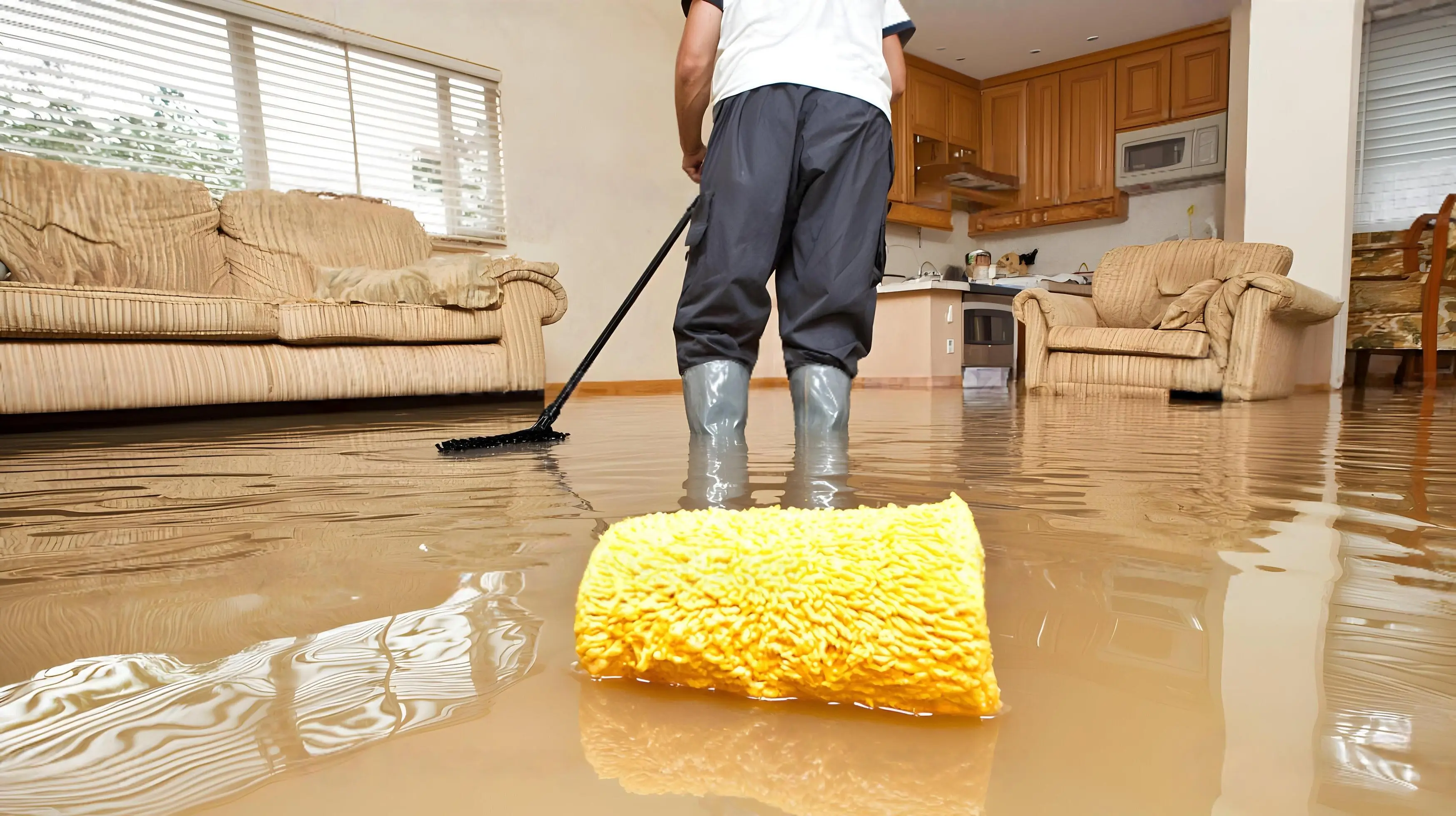
Water Damage Restoration
Burst pipes, storm flooding, standing water. We extract, dry, and restore before mold sets in.
Learn more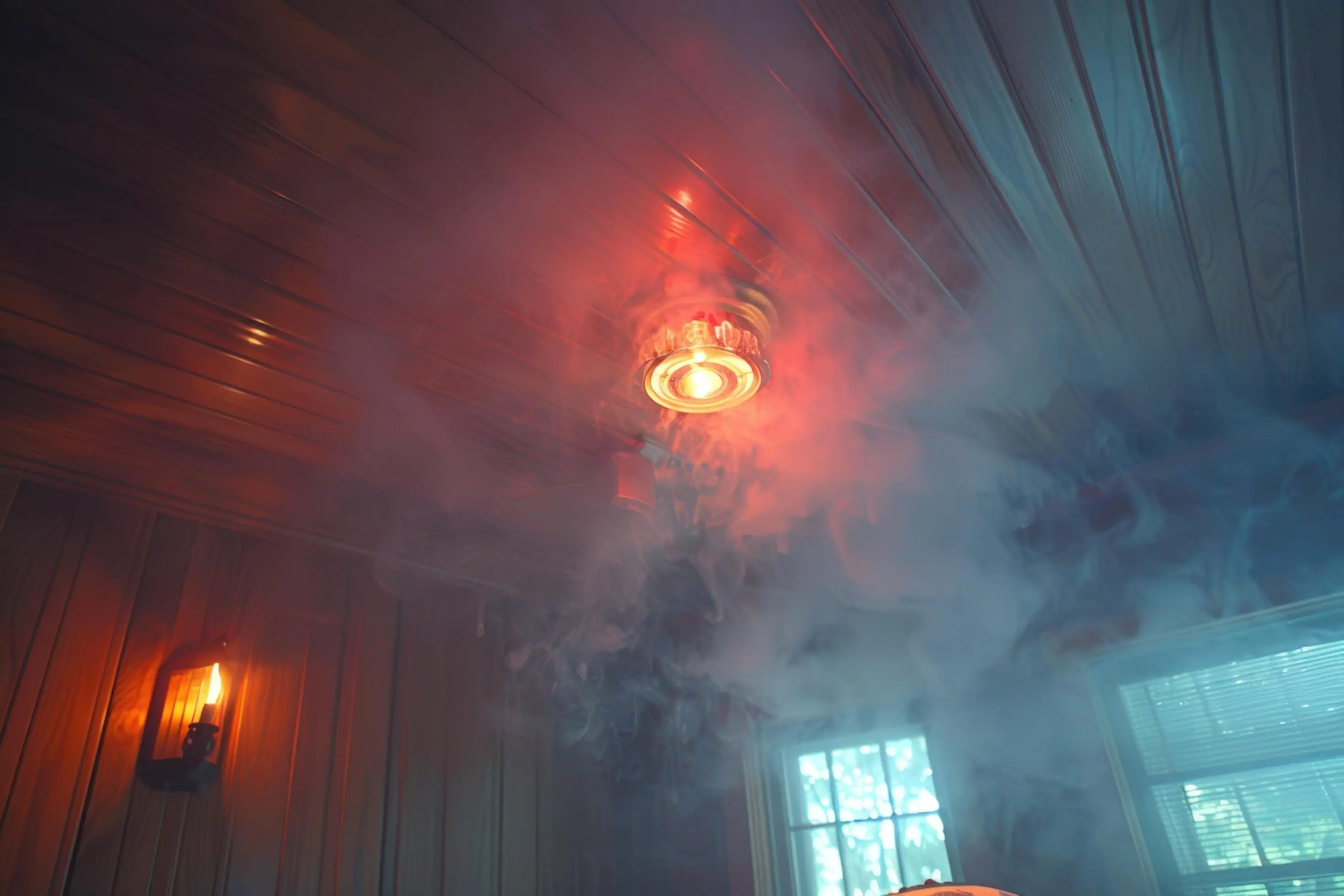
Smoke Damage Restoration
Soot residue, chemical odors, HVAC contamination. We decontaminate surfaces, eliminate odors, and restore air quality.
Learn more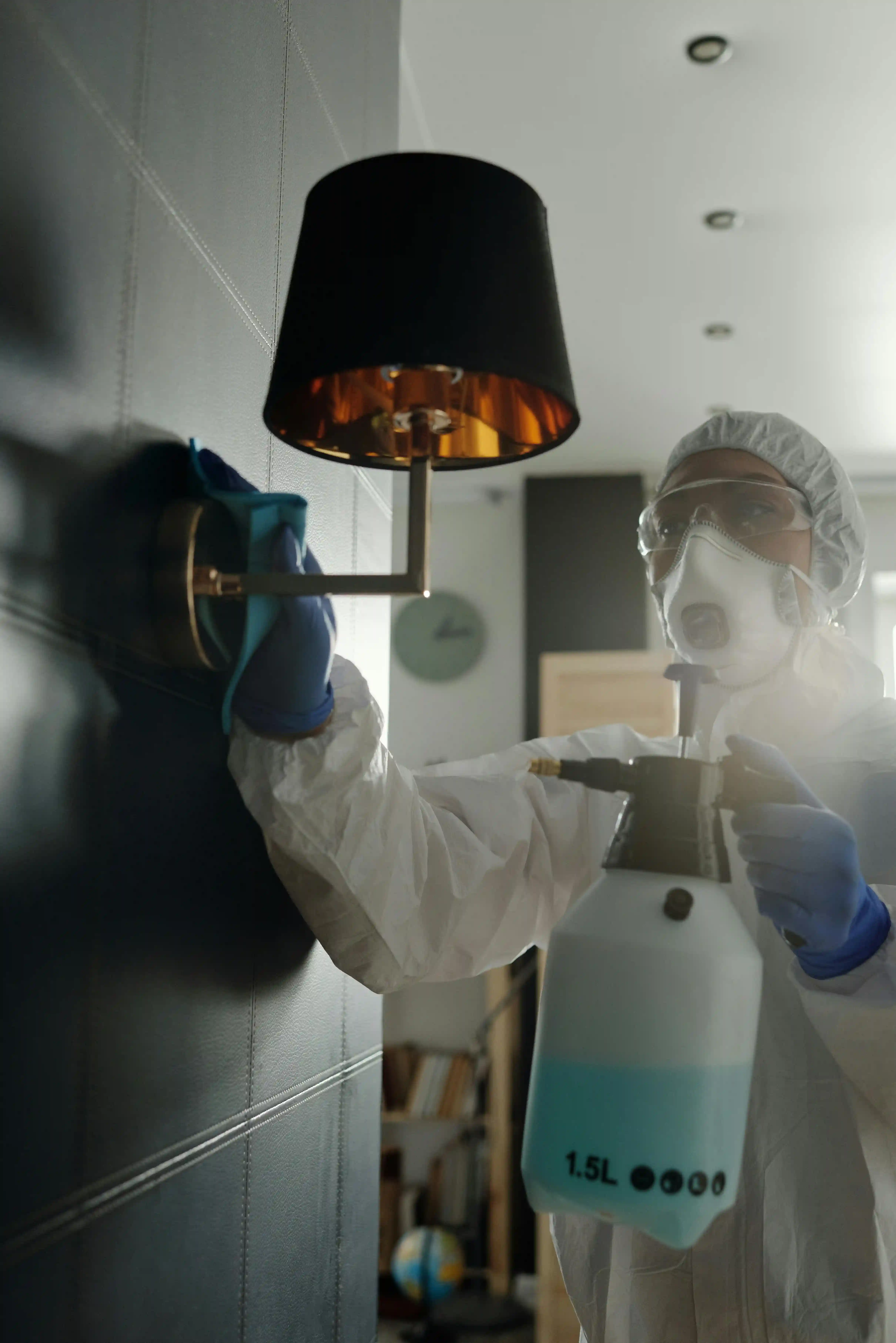
Mold Remediation
Testing, containment, removal, prevention. We find the source, eliminate the growth, and stop it from returning.
Learn more
Sewage Cleanup
Sewer backups, contaminated water, biohazard. We extract, sanitize, and restore safely.
Learn moreNearby Service Areas
Also serving nearby: