
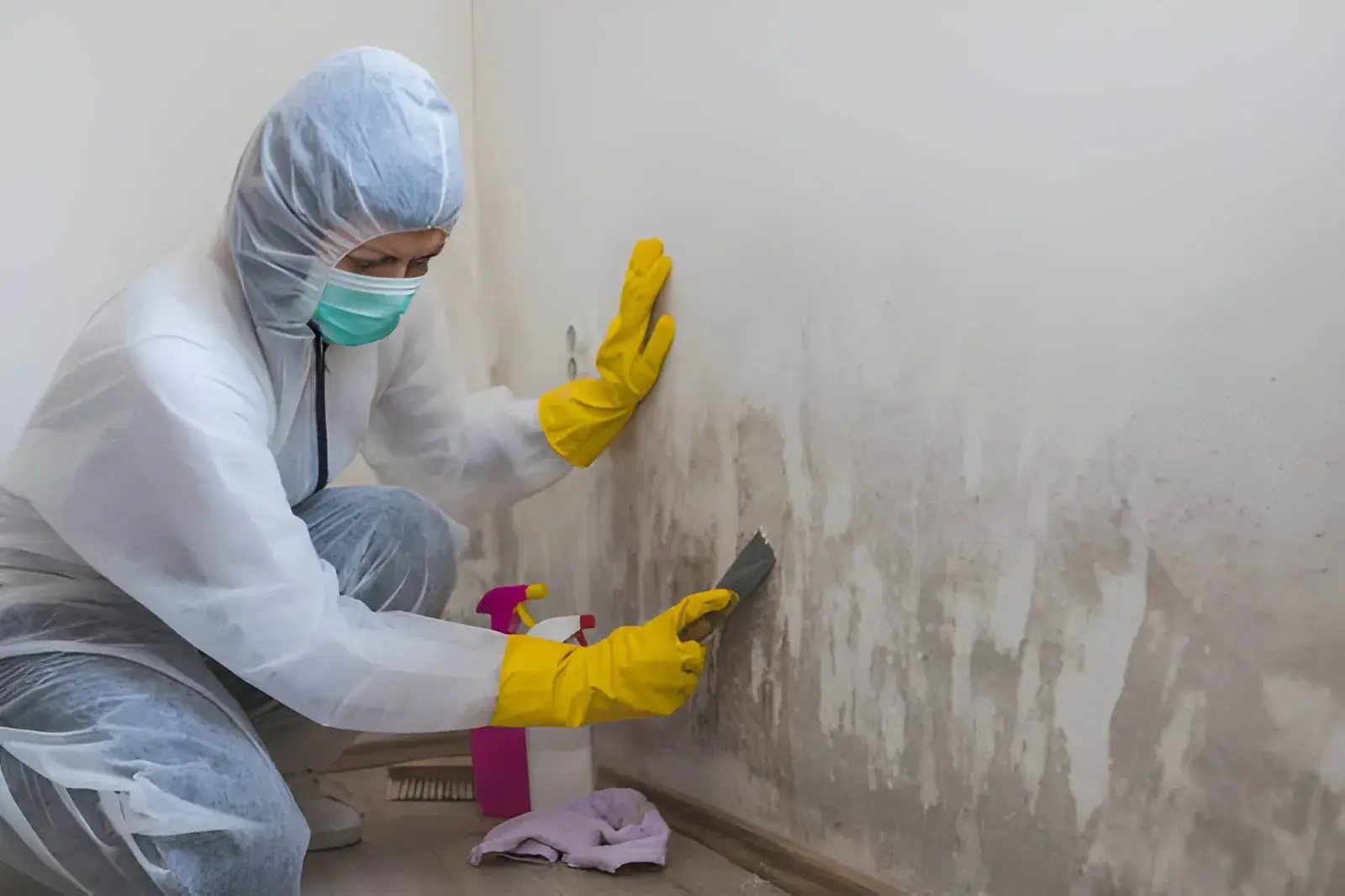
Mold Remediation in Riverview, FL
Riverview's high humidity feeds mold colonies relentlessly. Our state-licensed local team responds within 60 minutes to stop the spread and restore your indoor air quality.
What Happens When You Call
A real person answers your call. We assess your Hillsborough County property, identify immediate health risks, and dispatch a licensed remediation team.
Your dedicated restoration team is dispatched directly from our local Riverview base to inspect the visible growth and map hidden moisture using thermal imaging.
We establish negative-pressure containment zones to prevent dangerous spores from spreading into clean rooms while the central AC is running.
Mold is safely removed, the structural source of the moisture is dried, and the property is verified clean through independent clearance testing.
You've spotted black patches on your drywall, or you can't shake that persistent musty smell whenever your AC turns on. In a Riverview home, mold isn't just an eyesore, it's an active biological threat fueled by Florida's oppressive humidity. X Response is built to eradicate it. When you reach out, our licensed Hillsborough County remediation team mobilizes immediately. We manage the entire process: containment, safe removal, HEPA air scrubbing, and moisture control. Call now. Your team is standing by.
Why Riverview Homes Are Vulnerable to Mold
Mold is a persistent and aggressive challenge for homeowners in the Riverview area due to Florida's warm, humid subtropical climate and its proximity to major waterways like the Alafia River. After Hurricane Helene flooded homes along the Alafia River in October 2024, many Riverview homeowners faced catastrophic mold growth within days due to Hillsborough County's sweltering post-storm humidity. Mold requires three things to thrive: moisture, an organic food source like drywall or framing lumber, and warmth. In Riverview, where summer humidity is relentlessly high and temperatures hover in the 90s, the environment inside a home with a plumbing leak or a flood breach becomes a perfect biological incubator.
The sources of moisture in Riverview are diverse. They range from severe, such as the river breaching its banks, to the insidious, such as HVAC condensation lines clogging and overflowing into attic insulation. Compounding the issue is the fact that many homes in Riverview's rapid suburban developments are slab-on-grade. When water pools on these concrete slabs from a burst pipe, it wicks directly up into the drywall and baseboards. Successful mold remediation here requires deeply understanding these specific local moisture dynamics and aggressively deploying mechanical dehumidification to strip the moisture from the air.
Florida's Oppressive Humidity
Riverview's climate is the primary driver of rapid mold colonization. Even a minor, slow plumbing leak inside a wall cavity can blossom into a massive mold colony because the ambient indoor humidity slows natural evaporation to a crawl. If the moisture isn't professionally extracted, the mold will inevitably return.
HVAC Condensation and Distribution
Riverview homes run central air conditioning constantly. When AC drain pans overflow or ductwork builds up condensation due to poor insulation in a hot attic, mold thrives inside the system. Worse, the forced-air system then blasts those mold spores into every room in the house, causing widespread respiratory irritation.
Slab-on-Grade Wicking
Because most Riverview homes are built on concrete slabs, any internal flood immediately impacts the walls. Drywall acts like a sponge, wicking the moisture upward. The trapped moisture behind the baseboards becomes an ideal breeding ground for toxic black mold.
Alafia River Flood Aftermath
When tropical storms cause the Alafia River to flood, the resulting floodwaters leave behind organic sludge. If the home isn't gutted and aggressively dehumidified immediately, explosive mold growth covers the walls within days, often requiring total demolition.
Strict State Licensing Regulations
Florida law strictly regulates mold remediation to protect consumers from fraudulent practices. Under Florida Statute Chapter 468, anyone performing mold remediation on a project involving more than 10 square feet of mold must be actively licensed by the Department of Business and Professional Regulation (DBPR).
These factors compound each other. Hidden leaks supply the moisture, drywall provides the food, and the subtropical climate ensures rapid growth. Effective mold remediation in Hillsborough County demands a licensed team that can simultaneously handle structural drying, strict containment, and safe demolition.
What Happens to Your Home While You Wait
Within 24-48 Hours
Following a water leak, mold spores naturally present in the Florida air settle on damp drywall and begin colonizing. Microscopic root structures (hyphae) dig into the porous materials.
48-72 Hours
Colonies become visible as black, green, or white patches. A distinct musty odor develops. Spores begin to release into the indoor air, circulating through the Riverview home's HVAC system.
One Week
Mold digests the organic material it lives on. Drywall loses structural integrity and begins to sag or crumble. Respiratory symptoms like coughing, sneezing, and eye irritation often emerge in occupants.
One Month
Significant structural rot occurs in wood framing. The mold colony has likely spread to adjacent rooms via the ductwork. Remediation costs skyrocket as demolition replaces simple cleaning.
Long-Term Exposure
Severe degradation of Hillsborough County property values. The home becomes a severe health hazard, requiring extensive, permitted reconstruction and complete HVAC replacement.
In Florida's humid climate, ignoring a small mold patch guarantees a large, expensive problem later. Contact X Response now. Our licensed Riverview team responds within 60 minutes.
How We Restore Mold-Affected Riverview Homes
From the moment our team arrives in your Riverview neighborhood, every step is executed strictly according to Florida DBPR and IICRC S520 guidelines. Here is exactly what the mold remediation process involves.
Inspection and Moisture Mapping
We arrive equipped with thermal imaging cameras and moisture meters to pinpoint the exact source of the water feeding the mold. In Riverview, this often means checking for hidden plumbing leaks or HVAC condensation. We map the full extent of the contamination.
Strict Containment Setup
Before any removal begins, we isolate the affected area using heavy-duty plastic sheeting and establish negative air pressure. This critical step ensures that when we disturb the mold, the spores are not blasted through your central AC into clean rooms.
Air Filtration and Scrubbing
We deploy commercial HEPA air scrubbers that cycle the air in the containment zone hundreds of times a day, capturing microscopic mold spores out of the humid indoor air and safely venting the exhaust.
Safe Removal and Antimicrobial Treatment
Porous materials like heavily infested drywall and insulation are carefully demolished, bagged, and removed. We then treat the remaining structural framing with EPA-registered antimicrobial agents to kill remaining roots and prevent recurrence.
Clearance Testing and Rebuild
Once the moisture source is fixed and the area is cleaned, an independent, licensed Florida Mold Assessor verifies the air quality. Only after passing clearance do we begin the rebuild, ensuring your home meets Hillsborough County building codes.
The X Response Difference
When you contact X Response, you get a dedicated, licensed Riverview restoration team that manages everything, from strict containment and safe removal to independent clearance and final reconstruction.
Insurance Claim Guidance for Riverview Homeowners
Mold remediation claims are highly restricted under standard Florida homeowner's policies. While mold resulting directly from a covered sudden and accidental water peril (like a burst pipe) is usually covered, most policies cap mold payouts at $10,000. Mold resulting from a long-term, slow leak or deferred maintenance is almost universally denied. Given these strict limitations and the high scrutiny from Florida adjusters, immaculate documentation linking the mold to a covered water event is essential.
How X Response Helps
- Document the original source of the water intrusion with professional moisture readings tailored for Florida adjusters
- Provide detailed proof of containment and HEPA scrubbing to justify the remediation costs
- Ensure all work complies strictly with Florida DBPR licensing requirements for mold remediation
- Align our remediation scope with standard Florida insurance coverage categories for efficient processing
- Coordinate with independent Florida-licensed mold assessors for pre- and post-remediation clearance testing
X Response does not file claims on your behalf, adjust claims, or make coverage determinations. We provide documentation and guidance to help you make informed decisions about your property and your policy. Coverage decisions are made solely by your insurance carrier.
Certified Restoration Specialists Serving Riverview
When you contact X Response for mold remediation in Riverview, your restoration team is drawn from certified professionals who work across Hillsborough County and understand the specific biological challenges of restoring homes in this humid environment. They know how to combat the rapid onset of mold fueled by Florida's summer heat, how to decontaminate complex HVAC systems, and how to safely handle tear-outs without spreading spores. This is a local team with deep local expertise.
Every technician holds current IICRC certification in Applied Microbial Remediation (AMRT) and the company holds the required Mold Remediator license from the Florida Department of Business and Professional Regulation. Equipment is commercial-grade and maintained to manufacturer specifications. When your local team arrives, they bring everything needed to begin mitigation immediately, from containment barriers to commercial HEPA air scrubbers.
In Riverview, X Response works with Dry Out Daddy Restoration, an independent local restoration partner serving Hillsborough County.
Mold Remediation FAQ for Riverview Homeowners
Other Emergency Services in Riverview
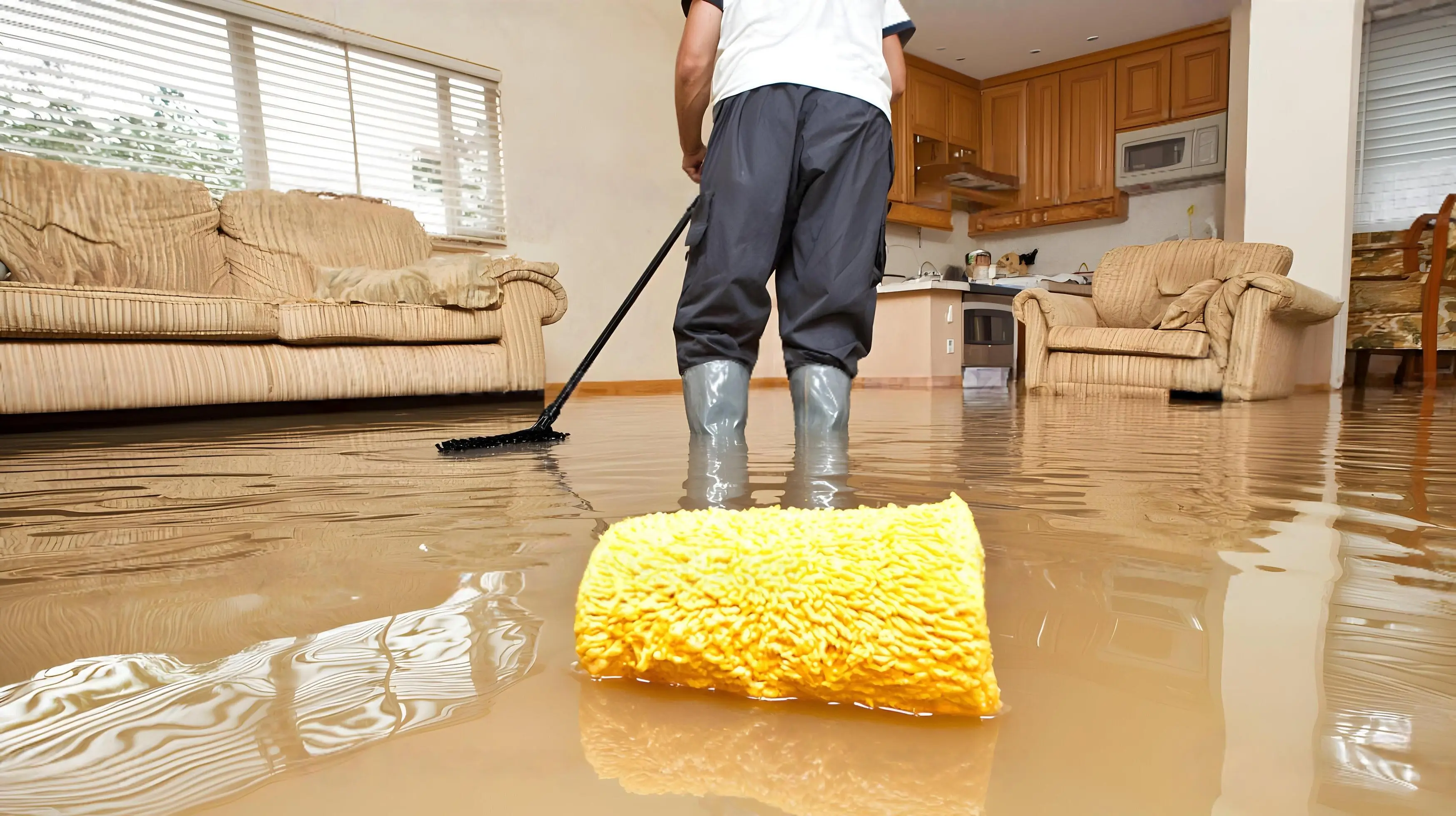
Water Damage Restoration
Burst pipes, storm flooding, standing water. We extract, dry, and restore before mold sets in.
Learn more
Fire Damage Restoration
Structural damage, soot, debris. We stabilize, clean, and rebuild what fire destroyed.
Learn more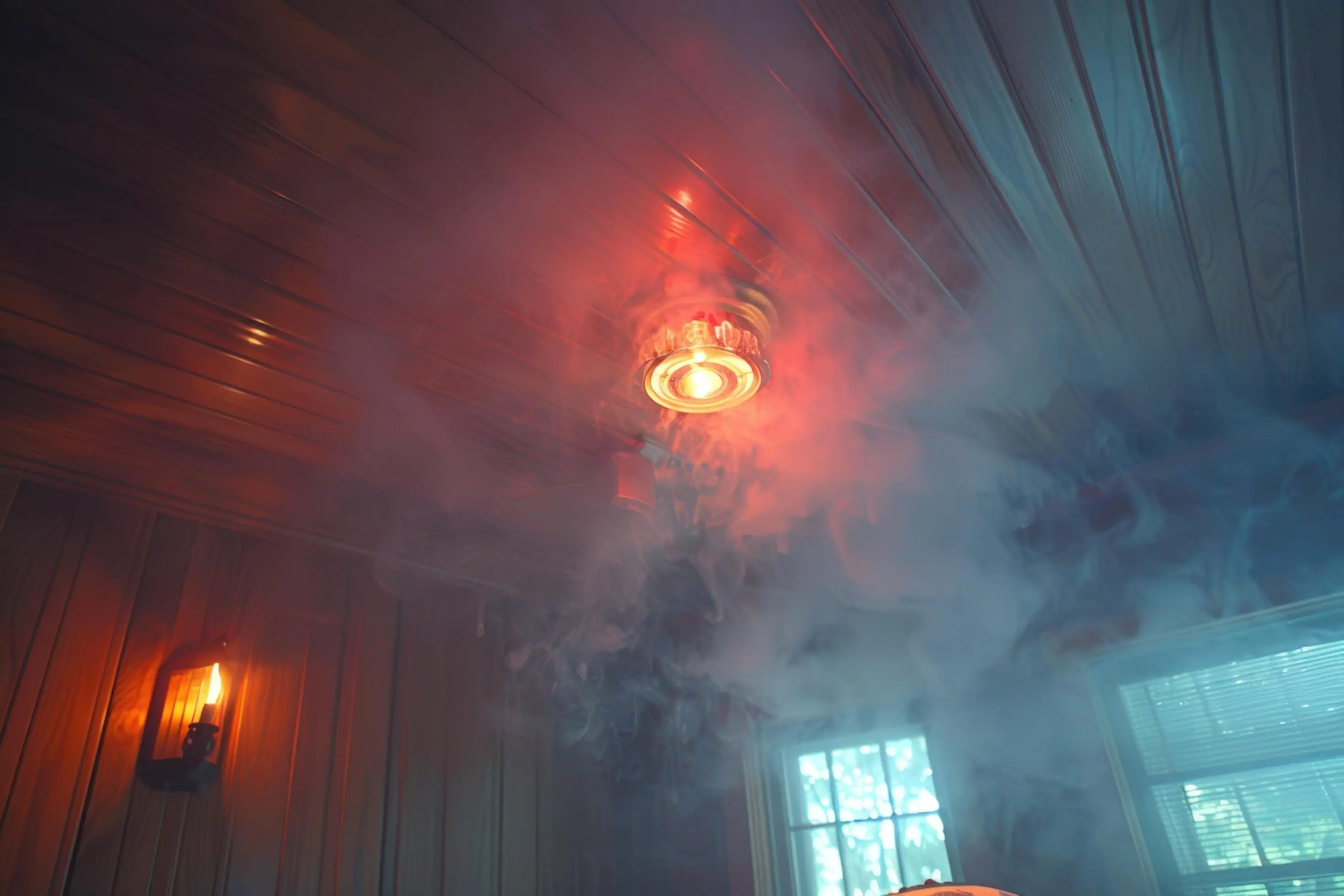
Smoke Damage Restoration
Soot residue, chemical odors, HVAC contamination. We decontaminate surfaces, eliminate odors, and restore air quality.
Learn more
Sewage Cleanup
Sewer backups, contaminated water, biohazard. We extract, sanitize, and restore safely.
Learn more