
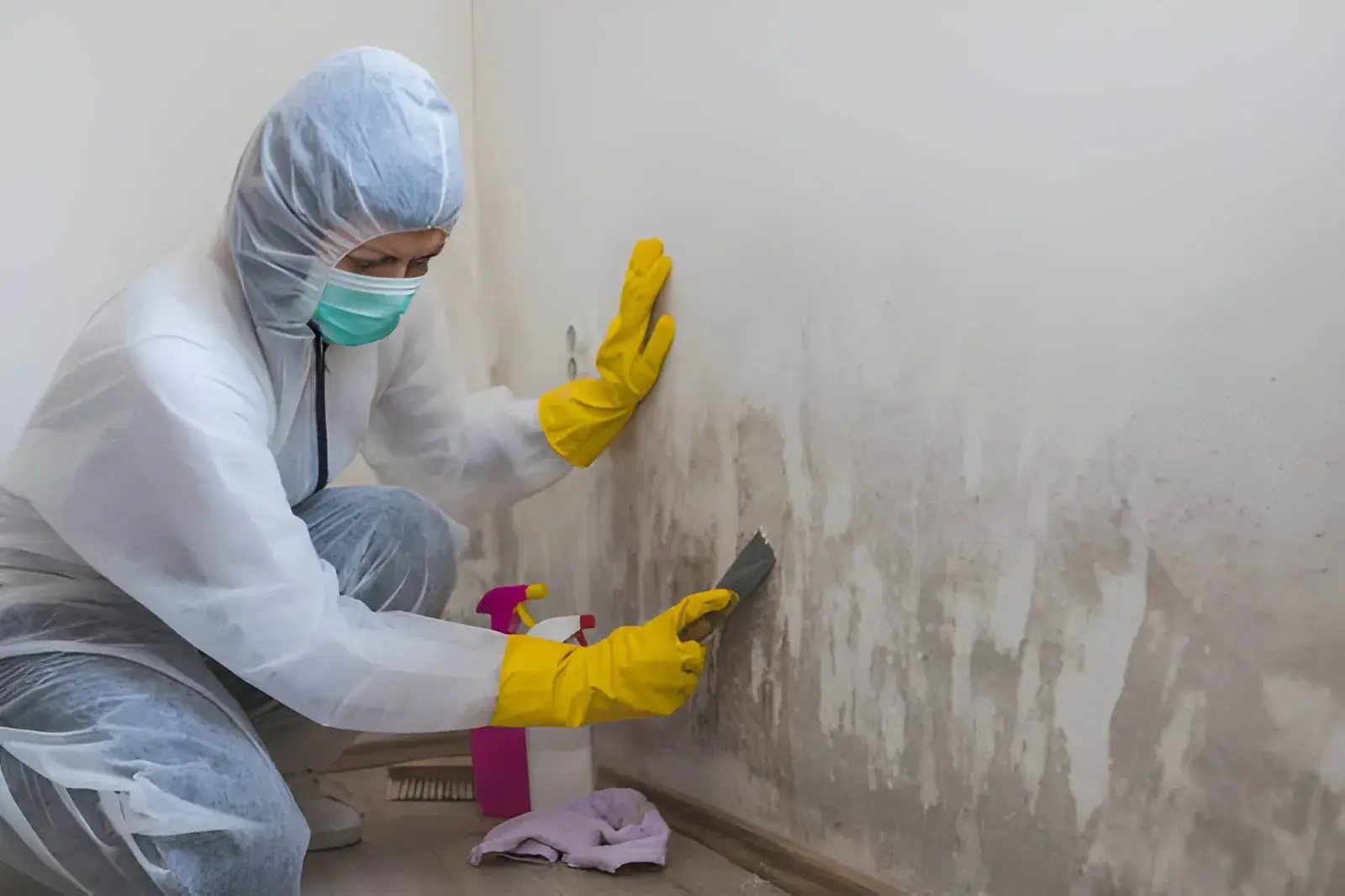
Mold Remediation in Austell, GA
Mold spreads through hidden cavities every day it goes unaddressed. The longer you wait, the larger and more expensive the remediation becomes. Our local team responds to Austell calls within 60 minutes.
What Happens When You Call
A real person answers, not a call center. We assess your situation, ask the right questions, and begin coordinating your response immediately.
Your dedicated remediation team is dispatched from our local base serving Austell and the surrounding southwest Cobb County communities.
Team arrives with containment materials, HEPA air filtration, moisture detection equipment, and sampling tools. Assessment begins immediately.
Contamination mapped, containment established, remediation plan documented. You know exactly what comes next and what it will take.
You found mold, or you suspect it is growing somewhere you cannot see. Either way, the problem is getting worse right now. Mold does not stabilize on its own. It colonizes new surfaces, releases spores into your air, and degrades the materials it feeds on by the day. X Response exists for exactly this moment. When you reach out, your remediation team is mobilized within minutes and on site within the hour. From that point forward, one team manages everything: assessment, containment, removal, and prevention. Call now. Your team is standing by.
Why Austell Homes Are Vulnerable to Mold
Austell's mold problem is not abstract or occasional. It is structural, climate-driven, and directly connected to the city's flood history. The September 2009 Sweetwater Creek flood inundated homes and businesses across the city with creek water carrying sediment, organic debris, and sewage, and many of those structures were rebuilt or repaired without full professional drying. In the years since, the moisture that settled into wall cavities, crawl space framing, and subfloor sheathing during that event has sustained mold colonies in homes where owners believe the flood damage was resolved long ago. A crawl space encapsulation company documented one Austell homeowner's crawl space plagued by mold, wood rot, and overwhelming humidity that was affecting both the home's structural integrity and the occupants' wellbeing. That case is representative, not exceptional. The combination of flood legacy, humid subtropical climate, clay soils that hold moisture against foundations, and crawl space construction creates conditions where mold is not a risk factor but a near-certainty without active prevention.
Georgia does not require a state license for mold remediation, which means the quality of service varies dramatically. Anyone can call themselves a mold remediator regardless of training, certification, or equipment. The industry standard is set by the IICRC S520 Standard for Professional Mold Remediation and the ANSI/IICRC R520 Reference Guide, which define containment procedures, removal methods, clearance testing protocols, and worker safety requirements. In Austell, where mold growth is driven by genuine environmental conditions rather than one-time accidents, remediation that does not address the moisture source will fail within months regardless of how thorough the removal appears. The IICRC standard explicitly requires that remediation include elimination of the water or moisture source, not just removal of visible growth.
Post-Flood Mold Legacy from 2009
The September 2009 Sweetwater Creek flood pushed contaminated water into hundreds of Austell homes and businesses. Many were repaired by homeowners or general contractors rather than professional restoration companies, and the repairs often addressed cosmetic damage (new drywall, new flooring) without ensuring that structural framing, subfloor sheathing, and concealed cavities were fully dried. Moisture trapped behind new finishes provides exactly the conditions mold needs: darkness, warmth, organic food (wood framing, paper-faced drywall backing), and persistent humidity. Property owners discover the problem years later when musty odors develop, occupants experience respiratory symptoms, or a renovation reveals extensive mold behind walls that looked fine from the outside. The 2009 flood affected properties well outside the mapped floodplain, so even homes that the owner does not think of as flood-damaged may carry this legacy.
Humid Subtropical Climate and Extended Growth Season
Austell sits in DOE Climate Zone 3A, the humid subtropical classification that characterizes metro Atlanta. Summer relative humidity regularly runs high, dewpoints climb above 70 degrees Fahrenheit from May through September, and temperatures remain in the range that supports mold growth for roughly nine months of the year. Unlike northern climates where freezing winter temperatures create a seasonal pause in mold activity, Austell's mild winters allow active growth year-round in any space with sufficient moisture. Crawl spaces, where ground moisture evaporates upward and humid outdoor air enters through foundation vents, maintain mold-favorable conditions in every season. The climate does not cause mold directly, but it means that any moisture intrusion, whether from a plumbing leak, flood, condensation, or poor drainage, will produce mold growth within 24 to 48 hours rather than the days or weeks a drier climate might allow.
Piedmont Clay and Foundation Moisture
Austell sits on Georgia Piedmont clay, a dense, poorly draining soil that holds moisture against foundations and beneath structures for extended periods after rain events. Homes with crawl spaces sit directly over clay that releases moisture upward as ground temperature and atmospheric pressure change. Without a continuous vapor barrier on the crawl space floor, that ground moisture migrates into the air beneath the house, condenses on cooler framing and ductwork, and creates persistent conditions for mold growth on floor joists, sill plates, subfloor sheathing, and insulation. For slab-on-grade homes, the clay creates hydrostatic pressure that forces moisture up through slab cracks and expansion joints, wetting the base of interior walls and creating hidden mold growth behind baseboards and lower drywall sections. The clay makes Austell's mold problem fundamentally different from communities on sandy or well-drained soils.
Crawl Space Construction and Ventilation Failures
Many Austell homes, particularly those in the older neighborhoods along the creek corridors and near downtown, were built with vented crawl spaces. The original building science assumed that passive ventilation through foundation vents would keep the crawl space dry. In practice, in Austell's humid climate, open vents pull hot, moisture-laden summer air into a cooler crawl space where it condenses on surfaces, creating the exact conditions that drive mold growth. A certified mold testing firm reports that roughly 6 out of every 10 metro Atlanta homes inspected with elevated indoor mold levels have an active moisture problem in the crawl space. The solution is encapsulation (sealing the crawl space with a continuous vapor barrier and conditioning the air mechanically), but many Austell homes still operate with the original open-vent design that effectively feeds moisture to the mold colonies below.
HVAC Systems as Mold Distribution Networks
Forced-air HVAC systems in Austell homes can both cause mold and spread it. When ductwork runs through a humid crawl space or unconditioned attic, condensation forms on the exterior of cold supply ducts and on the interior of return ducts that pull unconditioned air. That condensation drips onto framing and accumulates in duct seams, creating mold growth inside the duct system itself. Once mold establishes in ductwork, every time the system runs it distributes spores into occupied spaces through every supply register. The evaporator coil, drain pan, and air handler are additional colonization sites where condensate provides persistent moisture. Addressing visible mold in living spaces without inspecting and treating the HVAC system means the building re-contaminates itself from within.
These factors make Austell one of the most mold-prone communities in metro Atlanta: a legacy of flood-damaged structures with trapped moisture, a humid subtropical climate that supports growth year-round, Piedmont clay that feeds moisture against foundations, crawl space construction that traps humidity beneath homes, and HVAC systems that distribute spores through occupied spaces. Effective mold remediation here means identifying and eliminating the moisture source, not just removing visible growth. It requires understanding whether the moisture is coming from below (clay and ground vapor), from outside (humid air through vents), from above (roof or plumbing leaks), or from the mechanical system itself, because each source demands a different prevention strategy.
What Happens to Your Home While You Wait
24–48 Hours After Moisture Event
Mold spores, which are always present in indoor and outdoor air, begin colonizing any wet surface with organic material. In Austell's warm climate, this timeline is on the fast end. Drywall paper, wood framing, carpet backing, and insulation are all viable food sources. Growth is microscopic at this stage and invisible to the naked eye, but the colony is establishing and will become visible within days if moisture is not eliminated.
3–7 Days
Visible mold appears on affected surfaces. Colonies spread outward from the original colonization point, following moisture paths along framing members, behind baseboards, and through wall cavities. Musty odors develop as the colony's metabolic byproducts accumulate. Spores are released into the air in increasing concentration. If the affected area is in a crawl space or behind walls, the problem may remain invisible from living spaces while it spreads through concealed structure.
1–4 Weeks
Mold growth becomes extensive. Colonies cover significant surface area on affected materials and begin degrading the structural integrity of wood framing and sheathing. Spore concentrations in indoor air rise above background levels and may trigger respiratory symptoms in occupants, particularly those with allergies, asthma, or compromised immune systems. The remediation scope expands as more materials become affected and require removal rather than surface treatment.
1–3 Months
Structural materials show visible degradation: wood rot in floor joists, sill plates, and subfloor sheathing; paper-faced drywall disintegrates; insulation sags and loses thermal performance. Mold has colonized HVAC ductwork and distributes spores to every room connected to the system. Secondary colonization occurs in areas far from the original moisture source as spores carried by air currents find new wet surfaces. What began as a localized growth becomes a building-wide contamination requiring comprehensive remediation.
6 Months and Beyond
Structural compromise requires repair or replacement of framing members. Floor systems sag as joists lose load capacity. Subfloor sheathing fails. The remediation project becomes a structural repair project with mold contamination as the driver. Insurance claims grow more complex as carriers question whether the damage represents a sudden event or long-term neglect. In Austell homes with post-2009 flood legacy moisture, this timeline represents where many properties sit when the mold is finally discovered behind cosmetically intact walls.
Mold does not stop on its own. Every day it goes unaddressed, it spreads further and costs more to resolve. Contact X Response now. Our Austell team responds within 60 minutes.
How We Restore Mold-Affected Austell Homes
From the moment our team arrives, every step is documented, measured, and verified. Here is exactly what professional mold remediation involves for Austell properties.
Assessment and Moisture Source Identification
Our team arrives with moisture meters, thermal imaging cameras, and air sampling equipment to determine the full extent of mold contamination and, critically, identify the moisture source that is sustaining it. In Austell, the source is often not obvious: it may be ground moisture migrating through an unsealed crawl space, condensation on HVAC ductwork in unconditioned spaces, clay soil holding water against a foundation, or legacy moisture trapped behind post-flood repairs. We map moisture levels throughout the structure, identify every area with conditions supporting growth, and sample air quality to establish baseline spore concentrations. The assessment produces a written remediation plan that addresses both the mold and its moisture source, because removing mold without fixing the moisture means it returns.
Containment and HEPA Filtration
Before any mold is disturbed, we establish engineering controls to prevent cross-contamination. Physical containment using polyethylene barriers isolates the affected area from clean spaces. Negative air pressure, maintained by HEPA-filtered air machines exhausting to the exterior, ensures that any spores released during removal flow away from occupied spaces rather than into them. Entry and exit are controlled through decontamination chambers. These measures follow IICRC S520 protocols and protect both the occupants and the unaffected portions of the structure throughout the remediation process.
Mold Removal and Material Disposal
Mold-affected materials are removed or cleaned depending on their type and contamination level. Porous materials with embedded growth, including drywall, insulation, carpet, and badly affected wood, are removed and disposed of in sealed bags. Semi-porous materials like framing lumber are cleaned to bare wood using HEPA-vacuuming, wire brushing, and antimicrobial treatment if the structural integrity is sound. Non-porous materials are cleaned with appropriate solutions and verified clean. In Austell crawl spaces where mold has colonized floor joists and sill plates, we assess structural integrity before deciding whether members can be cleaned in place or require sistering or replacement. Every removed material is documented and photographed for insurance purposes.
Moisture Source Elimination
Removing mold without eliminating its moisture source is a temporary fix that fails within months. For Austell properties, moisture source elimination may mean: sealing a crawl space with a continuous vapor barrier and mechanical dehumidification (encapsulation); repairing foundation drainage to redirect groundwater away from the structure; fixing plumbing leaks that have been feeding moisture into wall cavities; insulating ductwork to eliminate condensation; or upgrading crawl space ventilation from passive vents to conditioned air. We identify the specific source during assessment and address it as part of the remediation scope so the problem does not recur after we leave.
Clearance Testing and Verification
After remediation is complete and the area has been cleaned, we conduct post-remediation verification including visual inspection of all treated surfaces, moisture readings to confirm dry conditions, and air quality sampling to verify that spore concentrations have returned to normal background levels. Clearance testing compares post-remediation spore counts against outdoor ambient levels and pre-remediation baseline readings. If any area fails clearance, we identify the residual contamination source and repeat treatment until the standard is met. Final documentation includes pre-and-post air quality data, moisture readings, photos, scope of completed work, and clearance results. That package supports your insurance claim and provides proof that the remediation achieved its objective.
The X Response Difference
When you contact X Response for mold in Austell, you get a team that treats the cause as well as the symptom. Assessment identifies the moisture source, containment prevents spread during work, removal follows IICRC protocols, moisture elimination prevents recurrence, and clearance testing proves the result. One team, verified outcomes.
Insurance Claim Guidance for Austell Homeowners
Mold insurance claims in Georgia depend on the moisture source that caused the growth. Most homeowner's policies cover mold remediation when it results from a sudden, covered water event such as a burst pipe, appliance failure, or storm-driven roof leak, provided the homeowner took reasonable steps to mitigate after discovery. Mold from long-term moisture conditions (chronic leaks, poor ventilation, unsealed crawl spaces) is typically excluded or subject to low sublimits because carriers classify it as maintenance-related rather than sudden and accidental. Flood-related mold requires separate flood insurance. In Austell, where mold frequently stems from the intersection of flood legacy and ongoing climate conditions, documenting the specific moisture source and demonstrating timely response is essential to claim viability.
How X Response Helps
- Identify and document the specific moisture source that caused the mold growth, which determines whether the claim falls under covered-peril or maintenance exclusion
- Demonstrate timely response after discovery, showing that the homeowner did not allow the condition to worsen through neglect
- Provide professional assessment including moisture mapping and air quality data that establishes the scope objectively rather than through visual estimate
- Separate remediation costs (removal, containment, cleaning) from prevention costs (encapsulation, drainage repair) so your adjuster can apply coverage categories accurately
- Document pre-and-post clearance testing results that prove the remediation achieved its objective, supporting the claim as reasonable and necessary
X Response does not file claims on your behalf, adjust claims, or make coverage determinations. We provide documentation and guidance to help you make informed decisions about your property and your policy. Coverage decisions are made solely by your insurance carrier.
Certified Restoration Specialists Serving Austell
When you contact X Response for mold remediation in Austell, your team is drawn from certified professionals who work across southwest Cobb County and understand the specific mold challenges properties face here. They have remediated crawl space mold in homes along the Sweetwater Creek corridor where post-2009 flood moisture was never fully addressed, treated HVAC system contamination in buildings where condensation on ductwork fed colonies for years, and resolved slab moisture intrusion in newer construction where clay soil creates persistent hydrostatic pressure. They understand Austell's particular combination of flood legacy, climate, soil, and construction types because they have worked through all of them in this community.
Every technician holds current IICRC certification in mold remediation (AMRT) and follows the IICRC S520 Standard for Professional Mold Remediation. Georgia does not require a state mold license, which makes certification and adherence to industry standards the only reliable quality indicators. Equipment includes HEPA air scrubbers and negative air machines, professional moisture detection instruments, air sampling equipment, full containment materials, and the antimicrobial and encapsulation products needed to address every contamination level from surface growth to structural colonization.
In Austell, X Response works with Atlanta's Best Restoration, an independent local restoration partner serving Cobb County.
Mold Remediation FAQ for Austell Homeowners
Other Emergency Services in Austell
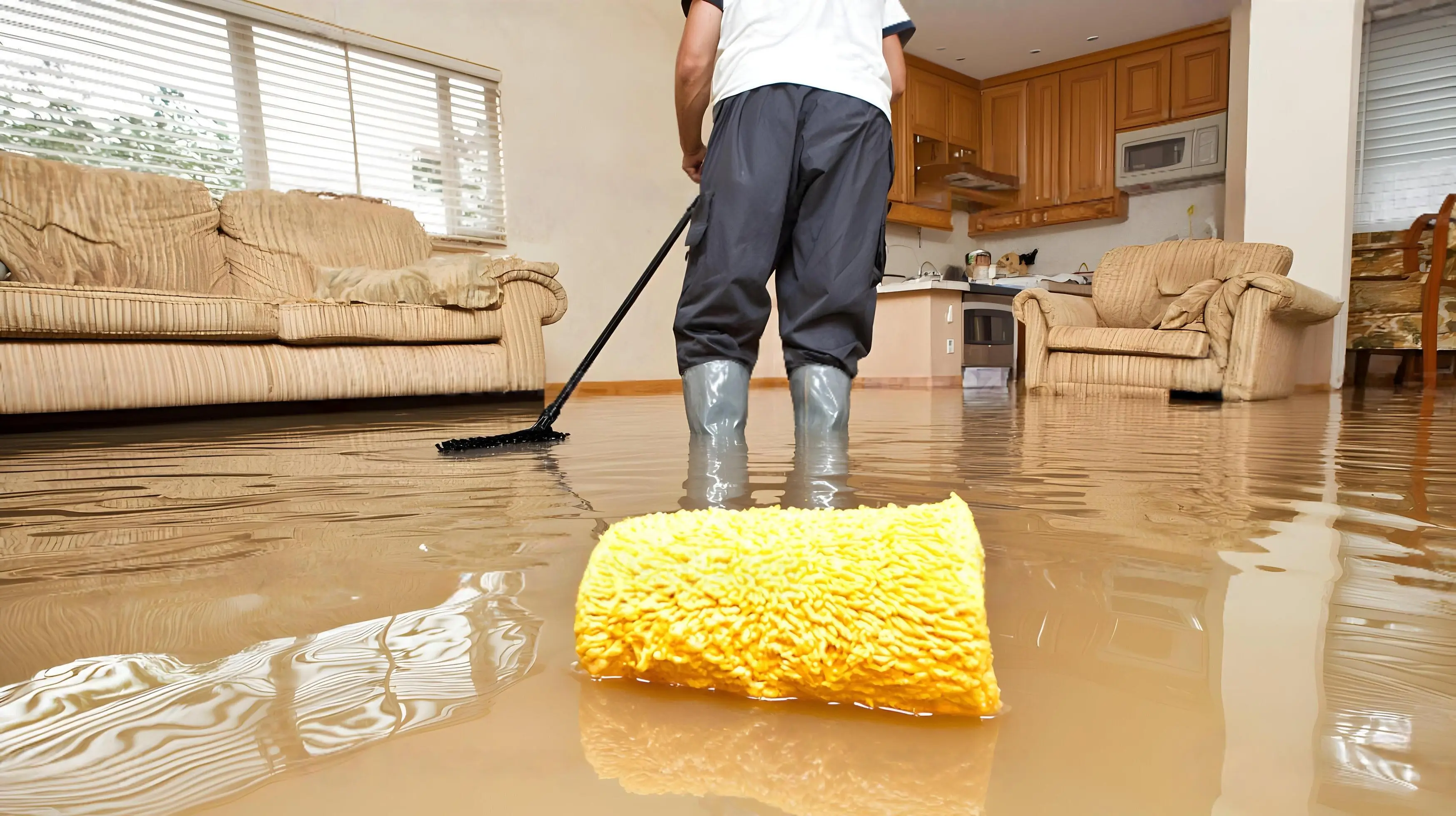
Water Damage Restoration
Burst pipes, storm flooding, standing water. We extract, dry, and restore before mold sets in.
Learn more
Fire Damage Restoration
Structural damage, soot, debris. We stabilize, clean, and rebuild what fire destroyed.
Learn more
Smoke Damage Restoration
Soot residue, chemical odors, HVAC contamination. We decontaminate surfaces, eliminate odors, and restore air quality.
Learn more
Sewage Cleanup
Sewer backups, contaminated water, biohazard. We extract, sanitize, and restore safely.
Learn more