
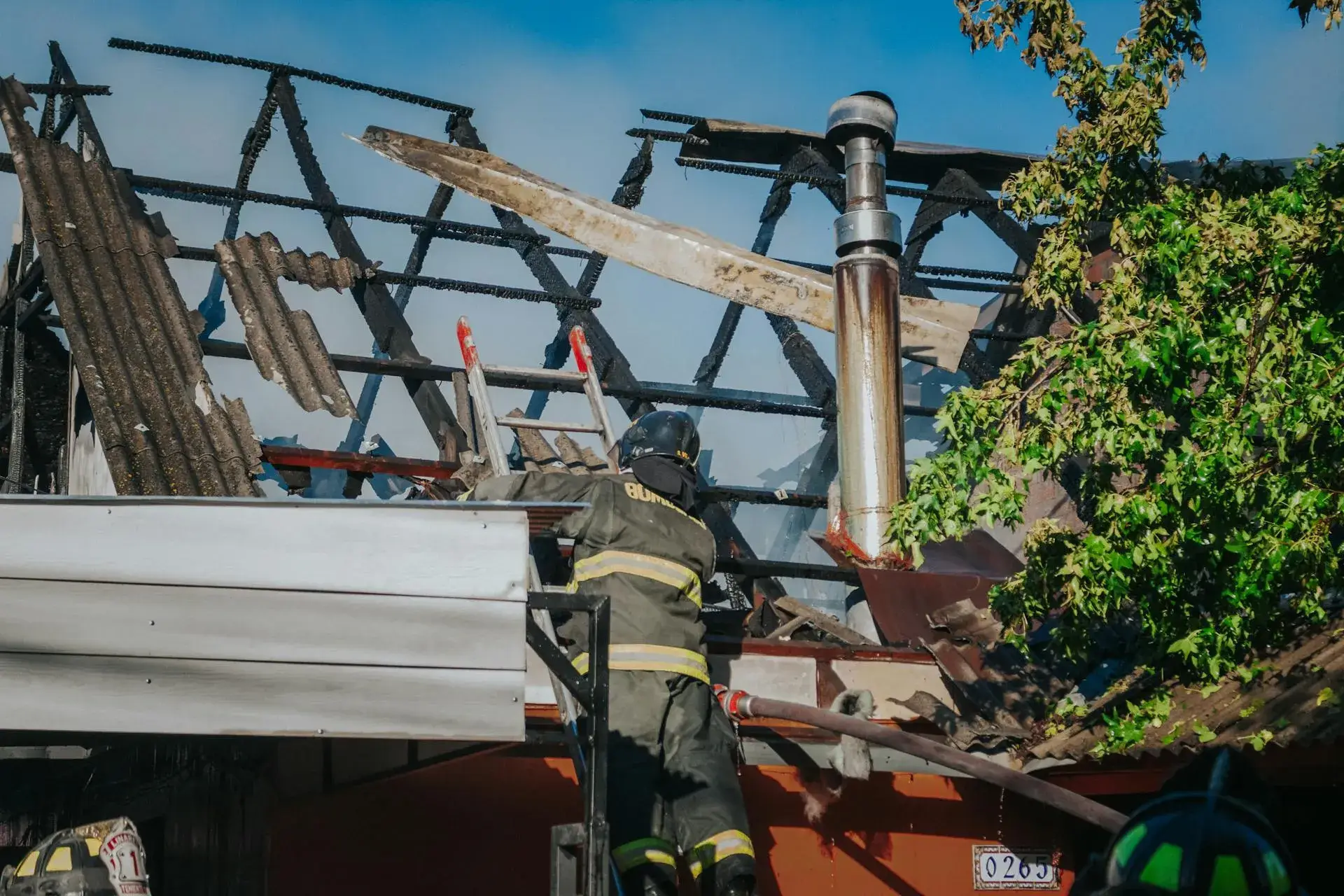
Fire Damage Restoration in Austell, GA
Fire and smoke damage worsen every hour as soot acidifies, corrosion spreads, and odor penetrates deeper into materials. Our local team responds to Austell emergencies within 60 minutes.
What Happens When You Call
A real person answers, not a call center. We assess your situation, ask the right questions, and begin coordinating your response immediately.
Your dedicated restoration team is dispatched from our local base serving Austell and the surrounding southwest Cobb County communities.
Team arrives with board-up materials, soot removal equipment, air scrubbers, and structural assessment tools. Emergency securing and mitigation begins immediately.
Structure secured, immediate hazards addressed, suppression water managed, restoration plan documented. You know exactly what comes next.
A fire just happened and everything feels chaotic. The flames may be out, but the damage is still progressing. Soot is acidifying on surfaces, smoke residue is bonding to materials, and water from suppression is soaking into the structure. X Response exists for this exact moment. When you reach out, your restoration team is mobilized within minutes and on site within the hour. From that point forward, one team manages everything: securing the structure, removing soot and smoke, drying suppression water, and guiding the insurance process. Call now. Your team is standing by.
Why Austell Homes Are Vulnerable to Fire Damage
Austell's fire risk reflects the city's mix of aging commercial corridors, residential neighborhoods spanning multiple construction eras, and its position along heavily trafficked highway routes in southwest Cobb County. In July 2026, an overnight fire destroyed the Silk World Inc. wholesale florist warehouse at 1935 Veterans Memorial Highway, reducing the commercial building to rubble. Cobb County Fire crews responded around 2 a.m. and remained on scene battling hot spots long after the initial flames were knocked down. The fire sent a thick column of black smoke over the Veterans Memorial Highway corridor, affecting visibility and air quality for neighboring businesses and residents along one of Austell's busiest commercial strips. That incident captured a recurring pattern in the city: commercial structures along the highway corridors carry large fuel loads, whether it is silk flower inventory, retail stock, or warehouse contents, and when they ignite the damage extends well beyond the building of origin through smoke and airborne particulate.
Less than a year earlier, in October 2025, fire destroyed the 33,000-square-foot Prayer City Eagles Chapel Church on Clay Road in Austell. Firefighters arrived to find flames already through the roof of the massive structure and remained on scene for 19 hours managing hot spots and cleanup. That fire was later determined to be arson. The church had only recently been rebuilt after a water pipe burst had flooded the sanctuary two years prior. Both events underscore how fire in Austell can devastate structures regardless of age or condition, and how the aftermath, soot, smoke residue, suppression water, and structural compromise, requires immediate professional intervention to prevent total loss of salvageable materials.
Commercial Corridor Fire Loads Along Veterans Memorial Highway
Veterans Memorial Highway (U.S. Route 78/278) runs through the center of Austell and anchors the city's commercial activity. The corridor includes warehouses, wholesale distributors, retail strip centers, restaurants, and mixed-use buildings, many of which contain concentrated fuel loads that burn aggressively once ignited. The July 2026 Silk World warehouse fire demonstrated what happens when a large commercial building with high-density combustible inventory catches fire: the structure was reduced to rubble despite a professional fire department response. For neighboring businesses along the same corridor, the smoke plume deposited soot and particulate across facades, HVAC intakes, and rooftop equipment. Restoration after a commercial corridor fire often means addressing not just the building of origin but the secondary smoke damage to adjacent properties that shared parking lots, party walls, or connected mechanical systems.
Houses of Worship and Large-Assembly Buildings
Austell and the surrounding southwest Cobb area contain numerous churches and large-assembly buildings, many with open sanctuaries, high ceilings, and large undivided volumes that allow fire to spread rapidly once established. The October 2025 Eagles Chapel fire, which destroyed a 33,000-square-foot church building, demonstrated that even relatively new construction can be completely consumed when fire reaches the roof structure of a large open-span building. In these structures, fire moves through the truss system above the ceiling line where sprinklers and detection may not reach, and the building collapses before suppression can contain it. For adjacent properties and the surrounding neighborhood, a fire of that scale produces an extended smoke exposure that deposits particulate across homes, vehicles, and outdoor surfaces for blocks downwind.
Aging Residential Electrical Systems
Austell was incorporated in 1885 and portions of its residential housing stock date from the mid-twentieth century, with electrical systems designed for a fraction of the load modern households demand. Space heaters, window air conditioning units, multiple high-draw appliances, and home office equipment push aging panels and original wiring beyond their intended capacity. Overloaded circuits, deteriorating insulation on old conductors, and modified panels that bypass safety protections create ignition sources that smolder inside wall cavities before breaking through to visible flame. The city's older neighborhoods along the creek corridors and near downtown contain homes where the electrical system has not been updated in decades, and the combination of age, deferred maintenance, and increased demand produces electrical fires that spread heat and smoke through concealed spaces before anyone detects them.
Kitchen and Cooking Fires in Residential and Commercial Settings
Cooking is the leading cause of home fires nationally, and Austell concentrates the risk in both its residential neighborhoods and the restaurant corridor along Veterans Memorial Highway. In homes, unattended stovetops and grease fires generate intense heat quickly and produce protein-based soot that bonds aggressively to surfaces and requires specialized cleaning chemistry. In commercial kitchens, grease buildup in exhaust hoods and ductwork provides fuel for fires that can spread through the ventilation system into the building structure above. The Veterans Memorial Highway corridor's concentration of restaurants, take-out establishments, and food service businesses creates a cluster of commercial kitchen fire risk in a compact geographic area. When a kitchen fire escapes the cooking area, it often affects multiple tenant spaces through shared walls and connected HVAC systems.
Suppression Water as Secondary Damage
Every structure fire in Austell produces two types of damage: the fire itself and the water used to extinguish it. Cobb County Fire and Emergency Services applies hundreds or thousands of gallons during suppression, and that water flows through the structure following gravity. In multi-story commercial buildings along Veterans Memorial Highway, suppression water from the fire floor cascades to lower levels, soaking inventory, fixtures, and building materials that the fire never reached. In residential structures, fire hose water saturates walls, floors, and crawl spaces, creating water damage that begins deteriorating materials the moment suppression ends. The hot, humid Austell climate means that suppression water left standing in a structure after firefighters clear the scene will begin producing mold growth within 24 to 48 hours, compounding the fire damage with a secondary biological contamination.
These factors shape fire risk in Austell: concentrated commercial fuel loads along the Veterans Memorial Highway corridor, large-assembly buildings where fire moves through open truss systems, aging residential electrical infrastructure in the city's older neighborhoods, dense restaurant and kitchen fire exposure, and the inevitable suppression water that creates secondary damage after every fire. Effective fire damage restoration here requires understanding how each building type burns, how soot chemistry differs between a protein-rich kitchen fire and a synthetic commercial-stock fire, and how to manage the suppression water before it triggers mold growth in Cobb County's humid subtropical climate.
What Happens to Your Home While You Wait
Within 1 Hour
Soot settles on every exposed surface throughout the structure. Acidic smoke residue begins reacting with metals, finishes, and fabrics. The longer soot sits, the harder it bonds to surfaces and the more expensive cleaning becomes. Suppression water pools on floors and soaks into subfloor materials, beginning the same deterioration process that makes standalone water damage so destructive. In Austell's summer heat, standing suppression water reaches temperatures that accelerate bacterial growth within hours.
1–24 Hours
Soot residue acidifies further and begins permanently staining porous materials like grout, natural stone, and unfinished wood. Smoke odor drives deeper into fabrics, insulation, and wall cavities as temperature differentials pull contaminated air into cooler spaces. Suppression water wicks into drywall and wood framing. Chrome, brass, and aluminum fixtures begin to pit and corrode. Electronics exposed to smoke residue start to malfunction as acidic particulate attacks circuit board connections. What is cleanable at 6 hours becomes permanently damaged at 24.
24–48 Hours
Corrosion becomes visible on metal surfaces. Soot permanently stains carpet, upholstery, and unprotected porous surfaces. Suppression water that has not been extracted creates the conditions for mold colonization, which in Cobb County's warm climate begins within this window. Smoke odor reaches secondary spaces that seemed unaffected. Structural wood in wall cavities absorbs moisture from suppression water and begins swelling at connection points. The restoration scope expands significantly as more materials cross from cleanable to replacement.
48–72 Hours
Mold growth initiates on surfaces wet from suppression water, particularly in crawl spaces, behind walls, and under flooring where standing water was not immediately extracted. Smoke residue that penetrated HVAC ductwork distributes odor and particulate throughout the building every time the system runs. Metal components corrode to the point of permanent damage. The intersection of fire damage, smoke contamination, water damage, and mold growth creates a compound restoration challenge that a single-focus contractor cannot address.
One Week and Beyond
Extensive corrosion, permanent staining, established mold colonies, and structural deterioration from unaddressed suppression water. Smoke odor has penetrated deep into the building envelope and requires thermal fogging or ozone treatment rather than surface cleaning. Insurance claims grow more complex as the carrier questions why mitigation was delayed. What could have been a cleaning and repair job becomes demolition and full rebuild.
The difference between restoring your property and replacing it entirely is often measured in hours after the fire department leaves. Contact X Response now. Our Austell team responds within 60 minutes.
How We Restore Fire-Damaged Austell Homes
From the moment our team arrives, every step is documented, measured, and verified. Here is exactly what the fire damage restoration process involves for Austell properties.
Emergency Securing and Assessment
Our team arrives with board-up materials, tarps, and structural assessment tools to secure the property against weather, intruders, and further damage. In Austell, where summer thunderstorms can arrive within hours of a fire, protecting exposed structure from rain is immediate priority. We assess structural integrity, identify hazardous areas, and map the full extent of fire, smoke, and water damage throughout the building. For commercial properties along the Veterans Memorial Highway corridor, that means assessing not just the fire area but adjacent tenant spaces and neighboring buildings that received secondary smoke exposure. Everything is documented with photos, a written damage inventory, and a scope of work that supports your insurance claim from the first hour.
Suppression Water Management
Before any soot cleaning can begin, we address the suppression water that fire crews left behind. Standing water is extracted using the same commercial equipment we deploy for water damage emergencies. In Austell's humid climate, suppression water left in a structure for even 24 hours will begin producing mold, which adds a biological contamination layer on top of the fire damage. We extract, dry, and monitor just as we would for a standalone water loss, because failing to manage the suppression water means fighting mold remediation alongside fire restoration, which doubles the complexity, timeline, and cost.
Soot and Smoke Residue Removal
Different fires produce different soot chemistry, and effective cleaning requires matching the method to the residue type. A kitchen grease fire produces sticky, protein-based soot that requires alkaline cleaning agents and agitation. A warehouse fire involving synthetic materials produces dry, powdery soot that smears if cleaned with the wrong technique. An electrical fire in wall cavities produces minimal visible soot but heavy smoke odor and corrosive residue on electronics and metals. Our technicians identify the fire type and select the appropriate cleaning chemistry, tools, and sequence for each surface in the structure. HEPA-filtered air scrubbers run continuously during cleaning to capture airborne particulate and prevent redistribution.
Odor Elimination and Air Quality Restoration
Smoke odor penetrates far beyond the visible soot line, embedding in insulation, wall cavities, fabric, carpet padding, and HVAC ductwork. Surface cleaning removes soot but does not eliminate odor that has migrated into porous materials and concealed spaces. We use thermal fogging to reach concealed cavities with odor-neutralizing agents, hydroxyl generators for occupied-space treatment, and targeted ozone in sealed unoccupied areas where molecular-level odor destruction is needed. HVAC systems are inspected and cleaned or sealed depending on contamination level. The goal is verified elimination, not masking. We confirm results with air quality testing before the job is considered complete.
Restoration and Quality Verification
Once cleaning, drying, and odor elimination are complete, we restore affected finishes, replace materials that could not be salvaged, and verify every area against the original scope. Final inspection includes air quality confirmation, visual inspection for residual soot or staining, and documentation of all completed work with before-and-after photos. The completion package supports your insurance claim and provides a permanent record of what was done. If any area fails our quality standard, we keep working until it passes.
The X Response Difference
When you contact X Response after a fire in Austell, you get a single team that manages every aspect of the restoration, from emergency board-up through soot cleaning, suppression water extraction, odor elimination, and final verification. No handoffs, no gaps, no missed contamination.
Insurance Claim Guidance for Austell Homeowners
Fire damage insurance claims in Georgia are typically covered under the standard homeowner's or commercial property policy for accidental fires, but the process is complex. The claim must document the fire damage itself, the smoke and soot damage that extends far beyond the burn area, the suppression water damage, and any resulting mold growth from delayed drying. Insurance adjusters evaluate whether the restoration scope is reasonable given the fire origin and spread pattern, and they scrutinize claims where secondary damage (water, mold) appears disproportionate to the fire itself, often an indicator that mitigation was delayed. Professional documentation from the first hour protects your claim against these challenges.
How X Response Helps
- Document the full extent of fire, smoke, water, and potential mold damage with professional photos and a detailed scope of work from day one
- Identify and document the fire origin and spread pattern, which the adjuster and fire marshal will reference when evaluating the claim
- Separate fire damage, smoke damage, suppression water damage, and mold prevention in the scope so your adjuster can process each coverage category
- Provide ongoing documentation of mitigation efforts to demonstrate timely response, protecting against carrier challenges on secondary damage
- Coordinate timing with the fire marshal's investigation so restoration begins the moment the scene is released without compromising the investigation
X Response does not file claims on your behalf, adjust claims, or make coverage determinations. We provide documentation and guidance to help you make informed decisions about your property and your policy. Coverage decisions are made solely by your insurance carrier.
Certified Restoration Specialists Serving Austell
When you contact X Response after a fire in Austell, your restoration team is drawn from certified professionals who work across southwest Cobb County and understand the specific challenges of restoring fire-damaged properties here. They have worked commercial corridor fires along Veterans Memorial Highway, residential electrical fires in the city's older neighborhoods, kitchen fires in both homes and restaurants, and large-structure fires where suppression water creates as much damage as the flames. They know how Cobb County's humid climate accelerates corrosion on soot-exposed metals, how quickly mold colonizes suppression-water-soaked materials in summer, and how smoke migrates through the tight building envelopes of both old and new construction in the area.
Every technician holds current IICRC certification in fire and smoke restoration and carries the appropriate Georgia state licensing for the work being performed. Equipment includes HEPA air scrubbers, thermal foggers, hydroxyl generators, ozone equipment for unoccupied spaces, and the full suite of extraction and drying equipment needed to manage suppression water. When your team arrives, they bring everything needed to begin both fire mitigation and water management simultaneously, because in Austell's climate, waiting on either one means compounding the damage.
In Austell, X Response works with Atlanta's Best Restoration, an independent local restoration partner serving Cobb County.
Fire Damage Restoration FAQ for Austell Homeowners
Other Emergency Services in Austell

Water Damage Restoration
Burst pipes, storm flooding, standing water. We extract, dry, and restore before mold sets in.
Learn more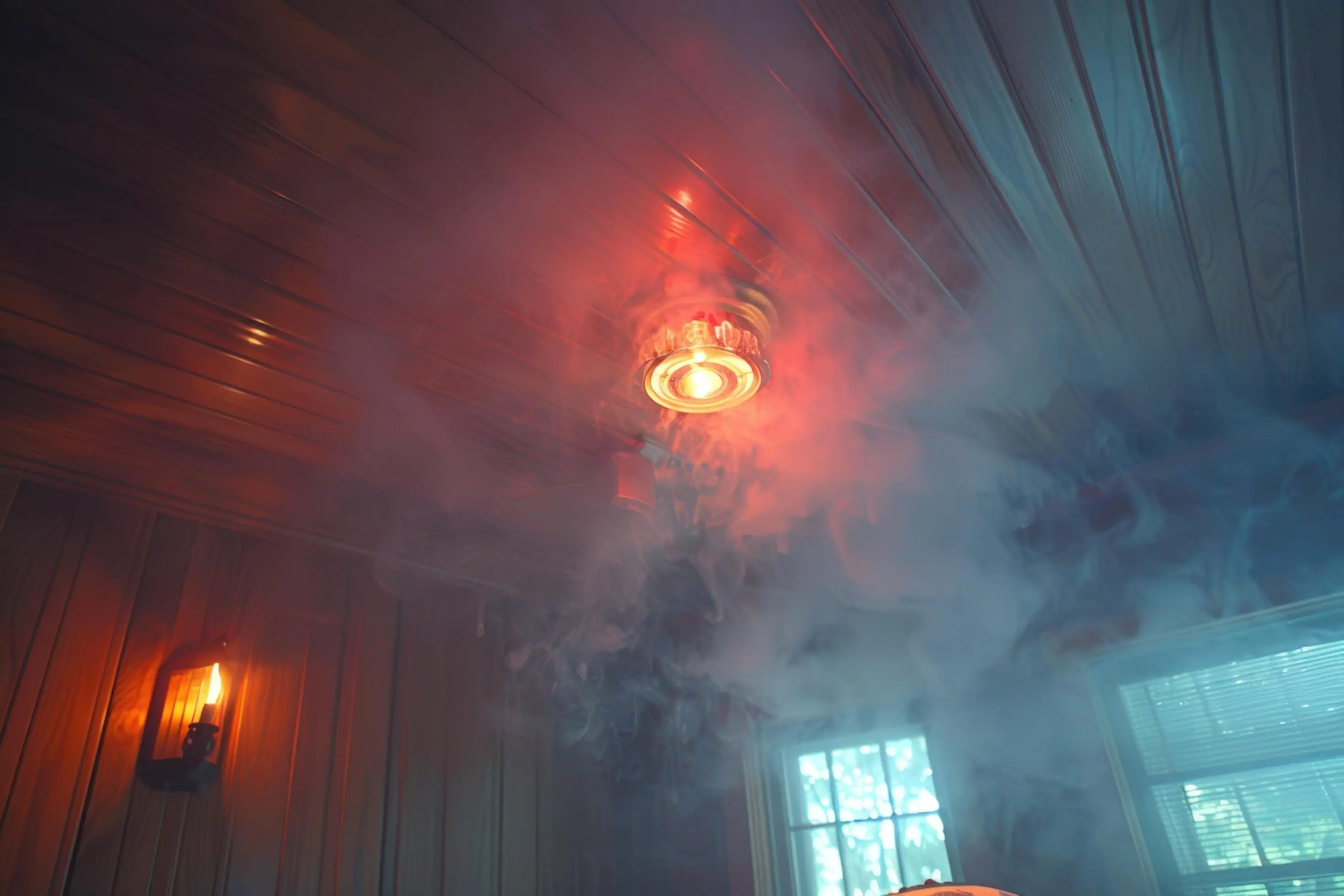
Smoke Damage Restoration
Soot residue, chemical odors, HVAC contamination. We decontaminate surfaces, eliminate odors, and restore air quality.
Learn more
Mold Remediation
Testing, containment, removal, prevention. We find the source, eliminate the growth, and stop it from returning.
Learn more
Sewage Cleanup
Sewer backups, contaminated water, biohazard. We extract, sanitize, and restore safely.
Learn more