
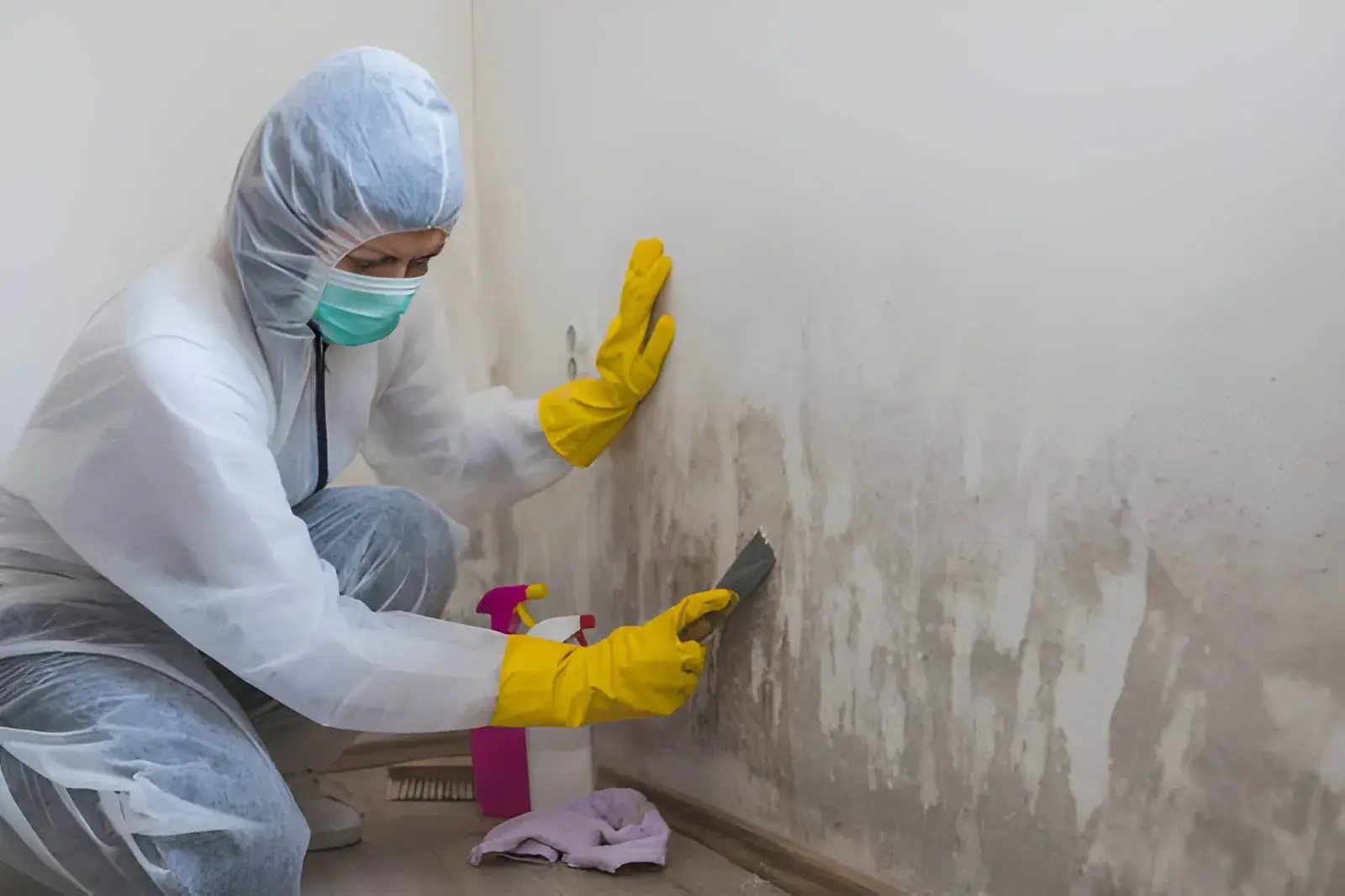
Mold Remediation in Johns Creek, GA
Mold spreads rapidly in Johns Creek's humid climate, doubling its reach every 24 to 48 hours in warm, damp conditions. Our local team provides professional assessment and remediation across Fulton County.
What Happens When You Call
A real person answers, not a call center. We ask the right questions about what you are seeing, smelling, or concerned about, and schedule your professional assessment.
Your certified mold assessment team arrives with moisture meters, thermal imaging, and air sampling equipment to identify the full scope and source of the problem.
You receive a clear explanation of findings, a written remediation plan with defined scope, and honest guidance about what needs professional treatment versus what you can manage yourself.
If remediation is warranted, our team contains the affected area, removes contaminated materials, treats structural surfaces, and verifies the space is clean before releasing containment.
You found mold, or you suspect it. Maybe a musty smell appeared in a room that never had one before. Maybe black spots showed up along a baseboard or in a closet corner. Maybe your crawl space inspection turned up something alarming. Whatever brought you here, the issue will not resolve itself. Mold in Johns Creek's climate does not die back when you run the air conditioner; it simply slows and waits for the next moisture event to resume growing. X Response provides professional assessment and remediation that addresses both the visible growth and the moisture source feeding it. Call now for a professional mold assessment.
Why Johns Creek Homes Are Vulnerable to Mold
Johns Creek sits in the humid subtropical climate of the North Georgia Piedmont, where summer temperatures regularly exceed 90 degrees and relative humidity holds above 70 percent for months at a time. That combination creates ideal conditions for mold growth inside residential structures, particularly in enclosed spaces where moisture accumulates and air circulation is limited. The city's housing stock was built almost entirely between the early 1980s and mid-2000s, and a significant portion of those homes, especially in the older subdivisions near the Ocee, Newtown, and Shakerag crossroads, sit on crawl spaces rather than full basements or slab foundations. Those vented crawl spaces, designed under older building science that assumed cross-ventilation would control moisture, actually pull humid outdoor air into the cooler space beneath the home during summer months. The warm, moisture-laden air condenses on cooler foundation walls, floor joists, and subfloor sheathing, creating persistent dampness that supports mold colonization even without a water leak or flooding event.
Research and field observations confirm that crawl space relative humidity in the North Georgia area commonly reaches 70 to 80 percent by late spring, well into the range that supports active mold growth on wood and organic materials. Johns Creek homes built on crawl spaces in this hot and humid Southeast climate are recognized as highly susceptible to mold growth due to the combination of limited ventilation and constant humidity. The mold problem in these structures is not caused by a single event; it is a chronic condition driven by climate and construction method. Without proper vapor barriers, dehumidification, or encapsulation, crawl space mold returns after cleaning because the moisture source (humid outdoor air meeting cooler surfaces) never stops. The city's rapid development during the 1990s and 2000s produced thousands of these crawl space homes across dozens of subdivisions, creating a community-wide mold susceptibility that persists regardless of how well-maintained the home appears above the floor line.
Crawl Space Humidity and Condensation
A large portion of Johns Creek's housing stock was built with vented crawl spaces during the 1990s and early 2000s development boom. Under the older building code philosophy, foundation vents were intended to allow outside air to circulate beneath the home and carry away moisture. In practice, during North Georgia's humid summer months this design pulls warm, moisture-laden air into a space that is cooler than the outdoor temperature. When that humid air contacts the cooler surfaces of foundation walls, floor joists, and subfloor sheathing, it condenses. The resulting persistent dampness, with relative humidity commonly reaching 70 to 80 percent by late spring, creates an environment where mold can colonize wood framing and sheathing without any leak, flood, or plumbing failure occurring. The mold grows on the structural components that support the living space above: floor joists, rim joists, sill plates, and the underside of the subfloor. Homeowners often have no idea it is happening until a musty odor rises through the floor or an inspector discovers it during a real estate transaction.
Post-Storm Moisture Intrusion
Johns Creek's position in the Upper Chattahoochee watershed means properties along the creek corridors and in low-lying areas of subdivisions experience periodic water intrusion during heavy rain events. Water that enters a crawl space during a storm does not evaporate quickly in North Georgia's humidity; it sits against the clay subgrade and saturates the air in the enclosed space for days or weeks. Even without visible standing water, the moisture level after a storm event is sufficient to trigger mold growth on any organic material in the space. For homes with finished basements or lower levels cut into the Piedmont hillside, hydrostatic pressure from saturated clay can push moisture through foundation walls and slab edges, creating damp conditions behind finished walls where mold grows hidden from view. Many homeowners address the visible water from a storm but do not monitor the sustained elevated humidity that follows, allowing mold to establish between storm events.
HVAC Condensation and Ductwork
Homes in Johns Creek run air conditioning heavily from May through September, creating temperature differentials between conditioned air and the warm, humid air in wall cavities, attic spaces, and unconditioned zones. Supply ducts that pass through unconditioned attic spaces or crawl spaces develop condensation on their exterior surfaces, dripping onto insulation and framing below. Return duct leaks in unconditioned spaces pull humid unconditioned air into the system, raising indoor humidity and depositing moisture at the evaporator coil, in drain pans, and along duct interiors. Clogged condensate drain lines, a common maintenance failure, overflow into drain pans and eventually onto ceilings or into wall cavities below the air handler. Each of these HVAC-related moisture sources creates localized mold growth that distributes spores through the duct system to every room in the home.
Bathroom and Kitchen Moisture Accumulation
Johns Creek's large homes frequently have multiple bathrooms, often with spa-style showers, soaking tubs, and steam features that generate substantial moisture during use. In master bathrooms and upstairs hall bathrooms, that moisture migrates into wall cavities, ceiling assemblies, and the attic space above if exhaust fans are undersized, improperly ducted, or not used consistently. Many homes built during the 1990s boom have bathroom exhaust fans that terminate in the attic rather than through the roof, depositing warm, moisture-laden air directly onto the underside of the roof deck. Over time, that moisture feeds mold growth across the roof sheathing. Kitchens with inadequate range ventilation create similar conditions, particularly when cooking steam migrates into the ceiling cavity above. These moisture sources are chronic and cumulative rather than dramatic single events.
Stucco and Exterior Cladding Failures
A number of Johns Creek homes built during the early 2000s used synthetic stucco (EIFS) or traditional stucco cladding systems. When installed without proper flashings, kickouts, and drainage planes, these systems can trap moisture behind the cladding where it saturates the wall sheathing and framing. The moisture intrusion occurs silently over months or years, and by the time visible signs appear inside the home (staining, peeling paint, or a musty smell near exterior walls), mold has often colonized the wall cavity extensively. The Piedmont clay soil at grade level compounds the problem by holding moisture against the base of the wall assembly. Homes with stucco cladding and grade-level soil contact on any side are particularly vulnerable to hidden wall-cavity mold that requires invasive inspection to discover and significant demolition to remediate.
These factors combine to make mold a persistent, climate-driven challenge for Johns Creek homeowners rather than a rare accident. Crawl spaces that were designed to ventilate actually create condensation. Storms push moisture into enclosed spaces that do not dry naturally. HVAC systems both generate and distribute moisture-related problems. Large bathrooms produce chronic humidity loads that migrate into concealed cavities. And cladding systems on some homes trap moisture against the structure for years before detection. Effective mold remediation in Johns Creek means identifying which of these mechanisms is feeding the growth, because removing visible mold without addressing the moisture source guarantees recurrence. It rewards a team that understands the difference between a one-time water event that dried incompletely and a chronic humidity condition that will regrow mold within weeks of cleaning if the source is not corrected.
What Happens to Your Home While You Wait
24–48 Hours After Moisture Event
Mold spores, which are always present in outdoor and indoor air, begin germinating on damp organic surfaces. In Johns Creek's warm, humid climate this happens at the fast end of the timeline. Initial colonization is invisible to the naked eye but detectable with professional testing. The window for preventing mold growth through drying alone is closing.
3–7 Days
Visible mold patches appear on affected surfaces. In crawl spaces, growth spreads across floor joists and subfloor sheathing. Behind walls where a leak or condensation is present, mold colonizes drywall paper facing and wall cavity surfaces. Musty odors become noticeable in the living space above or adjacent to the affected area. The scope of remediation is still manageable at this stage.
1–4 Weeks
Mold spreads beyond the initial colonization point, following moisture pathways through connected cavities and along surfaces where condensation accumulates. In crawl spaces, it can cover dozens of linear feet of floor joists. Spore counts in indoor air rise as the colony matures and releases reproductive spores. Occupants may begin experiencing respiratory irritation, allergic reactions, or persistent sinus congestion. Building materials begin to degrade as mold digests the cellulose in wood and drywall paper.
1–3 Months
Extensive colonization of affected building assemblies. Wood framing shows surface degradation where mold has digested the outer fibers. Drywall paper is consumed and the panel loses integrity. HVAC systems that circulate air through or near affected areas distribute spores throughout the home. Indoor air quality testing shows elevated spore counts in rooms distant from the original growth. Remediation scope now includes significant material removal rather than surface cleaning alone.
6 Months and Beyond
Structural wood shows measurable degradation in cross-section. Multiple building assemblies are affected as the chronic moisture condition spreads growth to new areas each season. The home may be considered unhealthy for occupancy depending on spore counts and species present. Remediation becomes a major project involving extensive demolition, structural repair, and moisture system overhaul. Property value and insurability may be affected.
Mold does not resolve on its own in Johns Creek's climate. Every week of delay expands the affected area and increases the scope of remediation required. Contact X Response now for a professional assessment that identifies both the mold and the moisture source feeding it.
How We Restore Mold-Affected Johns Creek Homes
From initial assessment through post-remediation verification, every step follows established industry protocols. Here is exactly what professional mold remediation involves for Johns Creek properties.
Professional Assessment and Moisture Mapping
Our certified team arrives with professional moisture meters, thermal imaging cameras, and air sampling equipment. We inspect the visible growth and then investigate beyond it: into crawl spaces, behind walls where moisture readings are elevated, through HVAC systems, and into attic assemblies above bathrooms and laundry areas. Thermal imaging identifies temperature anomalies that indicate hidden moisture behind surfaces. Moisture meters quantify the extent of dampness in building materials. Air sampling, when warranted, establishes baseline spore counts and identifies species present. The critical step most homeowners miss: we identify the moisture source feeding the mold, because removal without source correction guarantees recurrence. You receive a clear written report of findings, a defined remediation scope, and honest guidance about what requires professional intervention versus what you can address yourself.
Containment and Air Filtration
Before any mold is disturbed, we isolate the affected area with physical barriers (polyethylene sheeting sealed at edges) and establish negative air pressure using HEPA-filtered air machines. This prevents spores released during removal from migrating to unaffected areas of the home. In Johns Creek crawl spaces, containment may involve sealing the crawl space access and running negative air through a filtered exhaust to prevent spores from rising into the living space above during work. For wall cavity remediation, we seal the room, remove or protect contents, and run HEPA filtration continuously throughout the work. Workers wear appropriate PPE and follow established protocols to protect both themselves and your home from cross-contamination.
Mold Removal and Material Disposal
Contaminated materials that cannot be effectively cleaned are carefully removed and bagged for disposal. Drywall with mold on the paper facing is cut back to clean material. Insulation that absorbed moisture and supported growth is removed. In crawl spaces, we address affected floor joists, rim joists, sill plates, and subfloor sheathing based on the depth of colonization. Surface mold on structural wood that has not degraded the material can often be removed through media blasting or aggressive cleaning, preserving the structural member. Materials that show cross-section degradation require sistering or replacement. All removed material exits the containment in sealed bags and is disposed of according to Georgia waste regulations.
Structural Treatment and Moisture Source Correction
After contaminated materials are removed, remaining structural surfaces are treated with EPA-registered antimicrobial compounds that kill residual mold and inhibit regrowth. In crawl spaces, this includes treating all accessible wood framing surfaces. The critical next step: correcting the moisture source. For crawl space condensation, that may mean encapsulating the crawl space with a heavy vapor barrier, sealing foundation vents, and installing a dedicated dehumidifier. For wall cavity moisture from cladding failures, it means repairing the exterior water management system. For HVAC-related moisture, it means correcting duct insulation, drain line routing, or system sizing. Without this step, mold returns regardless of how thoroughly it was removed.
Post-Remediation Verification
After treatment and source correction, we conduct a final inspection and, when warranted, post-remediation air sampling to confirm the space meets established clearance criteria. Moisture readings verify that the source correction is working and materials are at acceptable levels. Visual inspection confirms no visible mold remains on any treated surface. You receive completion documentation including before-and-after photos, moisture readings, treatment records, and any lab reports from air sampling. This documentation protects you for insurance purposes, real estate transactions, and your own peace of mind that the job was done completely.
The X Response Difference
When you contact X Response for mold in your Johns Creek home, you get a team that treats the problem as a system failure (moisture source plus colonization) rather than a cosmetic issue. Assessment, containment, remediation, source correction, and verification, all from one team with one standard of work.
Insurance Claim Guidance for Johns Creek Homeowners
Mold coverage under Georgia homeowner's policies is complex and often limited. Most standard policies cover mold remediation only when the mold resulted from a covered peril, such as a burst pipe or storm damage. Mold caused by chronic moisture conditions like crawl space humidity, condensation, or deferred maintenance is typically excluded. Many Georgia policies also carry specific mold sublimits, often $5,000 to $10,000, that cap the insurer's total mold-related payment regardless of actual remediation cost. For Johns Creek homeowners discovering mold in a crawl space that has been damp for years, the coverage outcome often depends on whether the moisture source can be traced to a specific, sudden event versus a gradual condition. Documentation of the moisture source and timeline is critical to the coverage determination.
How X Response Helps
- Identify and document the moisture source with professional evidence so the coverage determination has factual support
- Photograph and document all mold growth before, during, and after remediation with detailed scope notes
- Provide clear timeline evidence when mold resulted from a covered event like a pipe burst or storm intrusion
- Prepare documentation that distinguishes covered mold (from sudden events) from excluded mold (from chronic conditions) so your claim is positioned accurately
- Explain your policy's mold sublimit and how it applies before you file, so you understand your financial exposure
X Response does not file claims on your behalf, adjust claims, or make coverage determinations. We provide documentation and guidance to help you make informed decisions about your property and your policy. Coverage decisions are made solely by your insurance carrier.
Certified Restoration Specialists Serving Johns Creek
When you contact X Response for mold concerns in Johns Creek, your remediation team is drawn from certified professionals who work across Fulton County and understand the specific mold challenges this community faces. They know how crawl spaces beneath homes in the Ocee and Newtown-area subdivisions trap humidity against floor joists, how the Piedmont clay holds moisture against foundations through summer, and how HVAC systems in these large homes both create and distribute mold-related moisture problems. They have remediated crawl space colonization in homes along the creek corridors, wall cavity mold behind stucco cladding in early-2000s construction, and HVAC-related growth in attic-mounted air handlers. This is not a crew that treats every mold job the same regardless of the building or climate. It is a local team that understands why mold behaves the way it does in Johns Creek and what must change to prevent its return.
Every technician on your team holds current certifications in mold remediation and carries the appropriate Georgia state licensing for the work being performed. Equipment includes professional moisture meters, thermal imaging cameras, HEPA air scrubbers, negative air machines for containment, EPA-registered antimicrobial treatments, and media blasting equipment for structural wood surfaces. When your team arrives for assessment, they bring everything needed to diagnose the full scope of the problem and explain it clearly before any work begins.
In Johns Creek, X Response works with Atlanta's Best Restoration, an independent local restoration partner serving Fulton County.
Mold Remediation FAQ for Johns Creek Homeowners
Other Emergency Services in Johns Creek
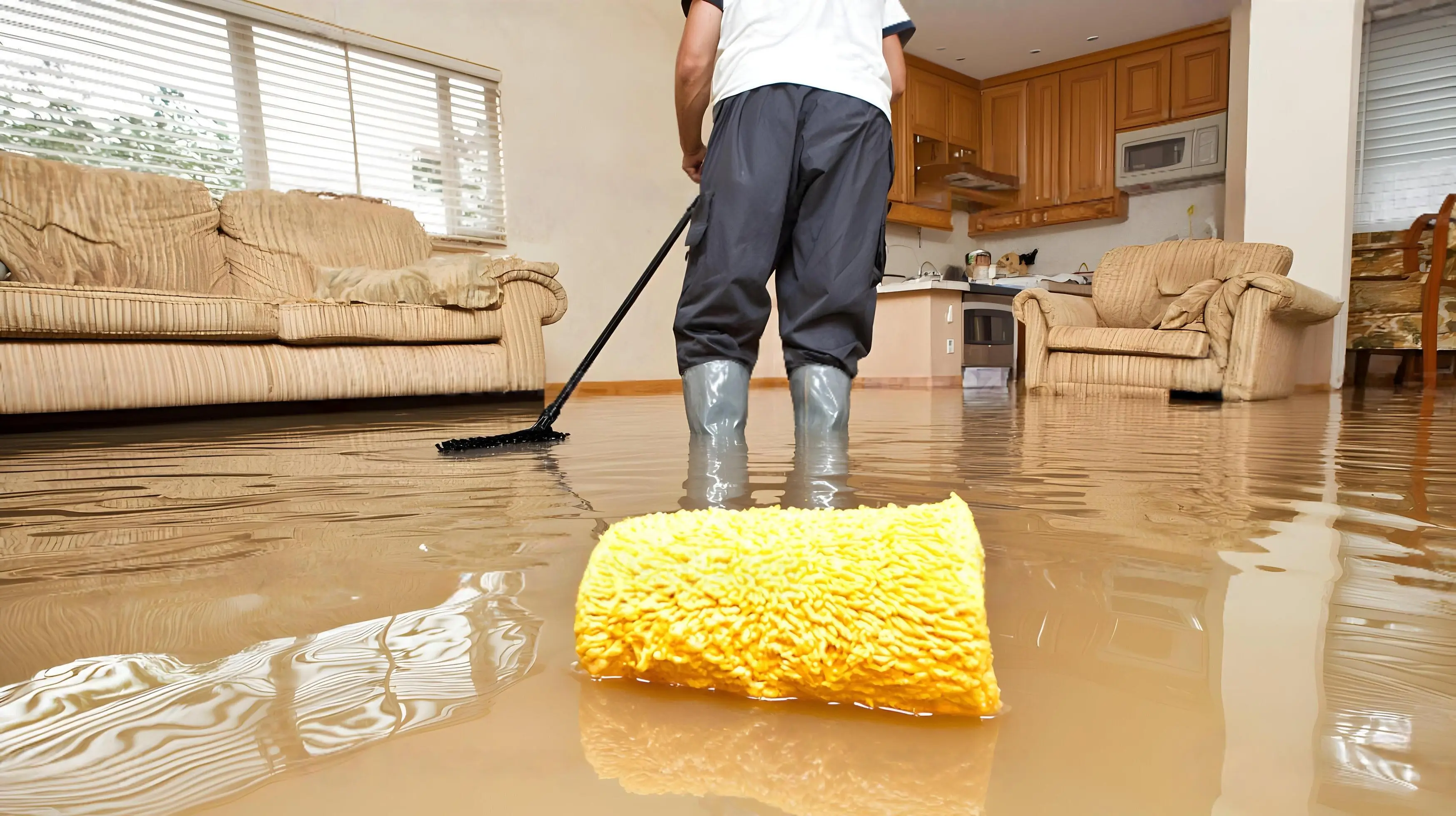
Water Damage Restoration
Burst pipes, storm flooding, standing water. We extract, dry, and restore before mold sets in.
Learn more
Fire Damage Restoration
Structural damage, soot, debris. We stabilize, clean, and rebuild what fire destroyed.
Learn more
Smoke Damage Restoration
Soot residue, chemical odors, HVAC contamination. We decontaminate surfaces, eliminate odors, and restore air quality.
Learn more
Sewage Cleanup
Sewer backups, contaminated water, biohazard. We extract, sanitize, and restore safely.
Learn more