
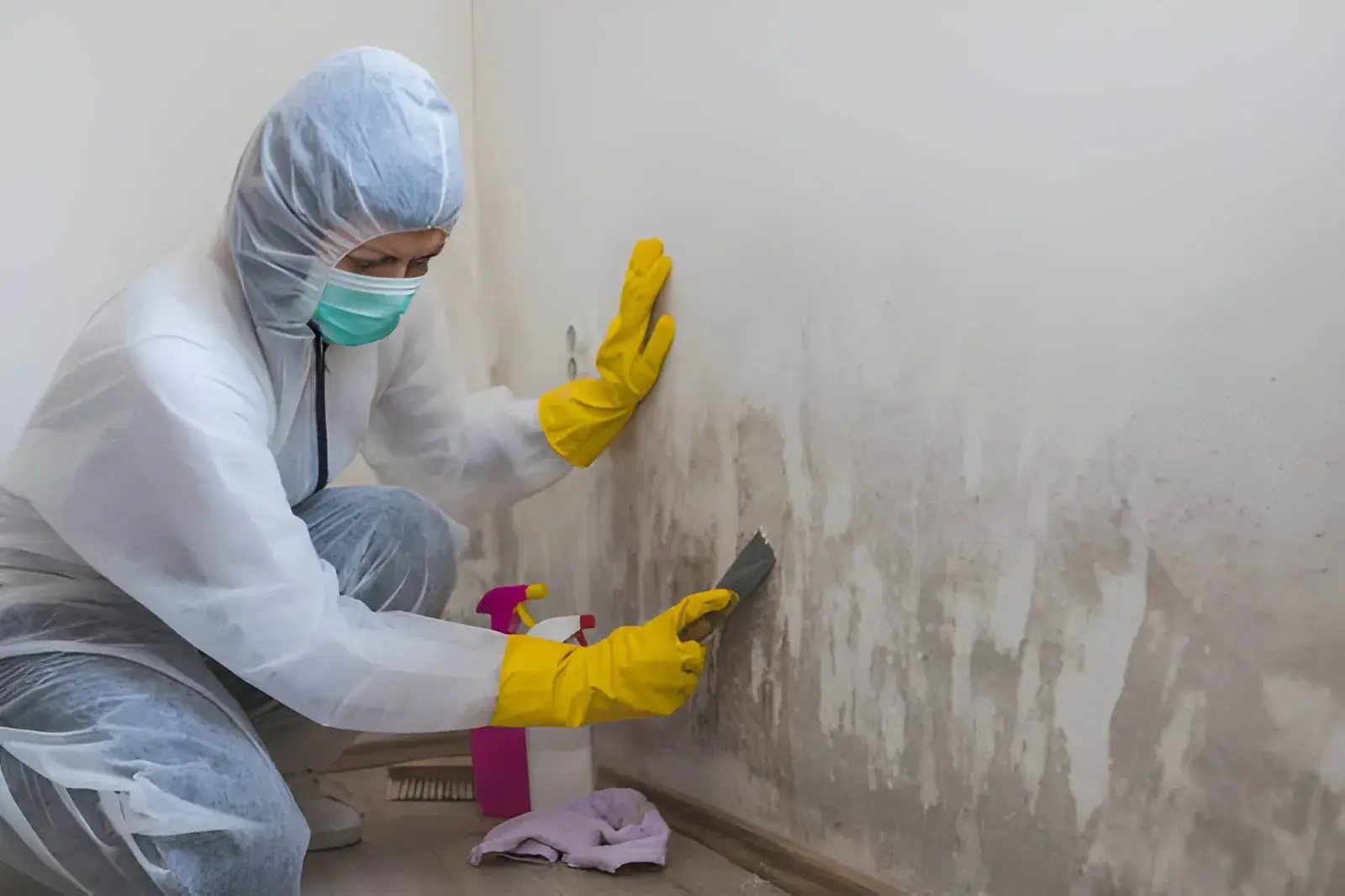
Mold Remediation in Roswell, GA
Mold colonies expand exponentially in North Georgia's humid climate, releasing toxic airborne spores within 24 to 48 hours. Our Roswell mold specialists respond within 60 minutes.
What Happens When You Call
A live indoor environmental specialist answers your call, assesses your mold concerns, and immediately dispatches our certified north Fulton remediation team.
Technicians arrive within 60 minutes with infrared thermal cameras, precision moisture meters, and air-sampling equipment to map hidden fungal growth.
We erect sealed polyethylene containment barriers and establish negative air pressure with HEPA filtration to prevent spore dispersal into clean living areas.
Contaminated porous materials are safely removed, framing lumber is HEPA-vacuumed and treated with antimicrobials, and independent third-party clearance testing is scheduled.
Discovering mold in your Roswell home or business indicates an active moisture intrusion that threatens both structural integrity and indoor environmental health. In north Fulton County's warm, humid climate, mold colonies proliferate rapidly on damp drywall, subfloor joists, and HVAC systems. X Response provides rigorous, certified mold remediation strictly following the IICRC S520 standard. When you reach out, our local remediation team mobilizes within minutes and arrives on site within the hour to isolate the affected area, identify the moisture trigger, and begin safe remediation. Call now for expert mold remediation in Roswell.
Why Roswell Homes Are Vulnerable to Mold
Roswell's persistent mold challenges stem directly from its humid subtropical climate, rolling river-bluff terrain, and common residential foundation designs across north Fulton County. With annual precipitation exceeding 50 inches and warm-season relative humidity routinely hovering between 70 and 85 percent, organic building materials stay damp long enough for airborne fungal spores to thrive. The city features thousands of established homes built on traditional vented crawl spaces or daylight basements stepped into hillside slopes over dense Georgia Piedmont red clay. During North Georgia summers, hot, humid outdoor air enters foundation vents and contacts cool, air-conditioned subflooring and ductwork, causing continuous condensation. This moisture cycle fuels aggressive colonies of Cladosporium, Aspergillus, Penicillium, and Stachybotrys chartarum on floor joists, subfloor sheathing, and basement wall assemblies.
The Georgia Department of Public Health Environmental Health Section notes that indoor air quality is not a regulated program in Georgia with no state regulatory authority or enforcement mandates for residential mold inspections, leaving property owners to rely on professional industry standards for remediation. Because Georgia does not require a specialized state contractor license for mold removal, property owners in Roswell frequently fall victim to uncertified contractors who simply spray bleach or apply cosmetic paint over active mold colonies. Proper, lasting remediation requires eliminating the underlying moisture intrusion, setting up strict physical containment under negative air pressure, removing contaminated substrates, and verifying results through independent post-remediation clearance testing.
Vented Crawl Spaces and Summer Condensation
Vented crawl spaces over Piedmont red clay represent a primary driver of residential mold infestations in Roswell. During humid summer months, foundation vents draw in outside air saturated with moisture. As this air encounters subflooring and joists cooled by air conditioning to 70 degrees, water vapor condenses across wood surfaces. This moisture fosters widespread fungal colonies across joists and subfloors, which are then pulled upward into living areas via the natural building stack effect.
Hillside Basements and Ground Moisture Infiltration
Many custom homes in neighborhoods like Horseshoe Bend, Martin's Landing, and river-adjacent developments feature multi-level daylight basements stepped into steep hillsides. Saturated red clay soil creates continuous hydrostatic pressure against foundation walls. When exterior waterproofing membranes deteriorate, moisture slowly seeps through concrete masonry units, creating chronic dampness behind finished drywall and under basement flooring that fuels extensive hidden mold growth.
HVAC System Condensation and Spore Dispersal
Central air conditioning systems in Roswell custom homes operate under heavy load for five to six months each year. When air handlers located in unconditioned attics or crawl spaces suffer from uninsulated ductwork or clogged condensate drain pans, standing water accumulates rapidly. Mold colonizes the blower compartment, evaporator coils, and fiberglass duct liners. Every time the HVAC fan cycles on, it circulates fungal spores and microbial volatile organic compounds directly into bedrooms and living spaces.
Piedmont Red Clay Soil Moisture Retention
Dense Georgia red clay underneath Roswell foundations acts as a moisture reservoir. Saturated clay soil beneath crawl spaces and basement slabs releases high levels of ground moisture vapor upward into the structure year-round. When crawl space ground covers are missing, torn, or improperly installed, soil evaporation elevates relative humidity in the subfloor space above 80 percent, creating ideal conditions for continuous mold growth.
Unregulated Contractor Market and IICRC S520 Standards
With no state-mandated mold remediation licensing in Georgia, substandard remediation practices are common. Ineffective methods, such as surface fogging with chemical biocide sprays or painting over active growth with standard primer, fail to remove embedded fungal roots (hyphae) and leave allergen-laden dead spores behind. True remediation requires total physical removal of contaminated materials under containment in strict compliance with the IICRC S520 standard of care.
Overcoming mold contamination in Roswell requires addressing the root environmental and structural causes: humid North Georgia air, Piedmont clay ground vapor, and vented crawl space condensation. X Response delivers comprehensive remediation combining physical spore containment, subfloor framing decontamination, crawl space moisture correction, and independent clearance verification across north Fulton County.
What Happens to Your Home While You Wait
Within 24 Hours
Microscopic mold spores, always present in North Georgia air, land on damp organic surfaces and begin germinating. In Roswell homes with crawl space condensation or plumbing leaks, invisible fungal hyphae penetrate porous drywall, wood framing, and insulation backing.
24–72 Hours
Active mold colonies become visible as dark patches on drywall, baseboards, and subflooring. Fungal spore production begins, releasing millions of microscopic spores and volatile organic compounds into indoor air. Occupants with allergies or asthma may experience respiratory irritation.
3–7 Days
Colonies spread rapidly across wood framing, floor joists, and ceiling surfaces. Fungal roots penetrate deeply into semi-porous wood and subfloor sheathing. Porous materials like drywall and carpet padding become permanently compromised, requiring complete demolition rather than surface cleaning.
1–4 Weeks
Secondary mold colonies establish in distant rooms as airborne spores circulate through central HVAC systems. Insulation in crawl spaces sags and deteriorates under heavy mold contamination. Wood structural framing begins softening from fungal digestion, impacting structural integrity.
One Month and Beyond
Pervasive structural decay and widespread environmental contamination. Wood joists and subfloors suffer significant strength loss. Indoor spore counts reach hazardous levels, causing chronic health symptoms in occupants and requiring extensive whole-house containment, duct replacement, and structural rebuilding.
Early detection and professional containment stop mold before it spreads throughout your home. Contact X Response immediately. Our Roswell remediation team responds within 60 minutes.
How We Restore Mold-Affected Roswell Homes
Our certified mold remediation protocol follows the rigorous IICRC S520 standard, providing complete source correction, controlled containment, physical removal, and independent laboratory clearance.
Thorough Moisture Inspection and Diagnostic Mapping
Our certified technicians conduct a comprehensive inspection of your Roswell property using infrared thermal imaging, calibrated moisture meters, and borescope wall cameras. We locate all active mold colonies, map hidden moisture pockets in crawl spaces and wall assemblies, and identify the exact water intrusion source feeding the fungal growth.
Critical Containment and Negative Air Pressure
Before disturbing any mold-contaminated materials, we isolate the work area with 6-mil polyethylene plastic barriers and airlock entry chambers. We install commercial HEPA-filtered negative air machines that vent outside the structure, ensuring airborne spores cannot escape into clean living areas during remediation.
Safe Material Removal and HEPA Filtration
Contaminated porous materials (drywall, insulation, carpet) that cannot be safely salvaged are carefully removed, sealed inside heavy-duty disposal bags, and removed from the property. Commercial HEPA air scrubbers operate continuously, exchanging the indoor air volume multiple times per hour to capture airborne spores.
Structural Framing Cleaning and Antimicrobial Application
Semi-porous structural elements, including floor joists, subfloor sheathing, and wall studs, are thoroughly detailed using HEPA vacuuming, mechanical wire brushing or media blasting, and EPA-registered botanical antimicrobials. Framing timbers are encapsulated with specialized fungicidal barrier coatings to prevent future spore germination.
Moisture Source Correction and Independent Clearance Testing
We resolve the root moisture problem by installing heavy-duty reinforced vapor barriers in crawl spaces, sealing foundation vents, or correcting plumbing failures. An independent third-party environmental inspector conducts post-remediation clearance testing and air sampling to verify that spore levels match or beat outdoor baseline air before containment is dismantled.
The X Response Difference
Choose certified, science-based mold remediation that protects your family's health and property value permanently. Call X Response today.
Insurance Claim Guidance for Roswell Homeowners
Mold insurance claims in Georgia depend heavily on the underlying cause of the moisture intrusion. Standard Georgia homeowner policies generally cover mold remediation when it directly results from a sudden and accidental covered loss, such as a burst plumbing line, an appliance overflow, or storm damage to the roof. However, mold arising from chronic humidity, long-term crawl space moisture, or deferred maintenance is typically excluded under standard policy language. Proving that mold is linked to a sudden covered event requires precise diagnostic evidence and clear timeline documentation. X Response provides forensic moisture readings, photo evidence, and structured reporting to assist policyholders and adjusters during claim review.
How X Response Helps
- Conduct detailed thermal imaging and moisture diagnostics to establish the direct connection between a sudden water event and mold growth
- Differentiate between covered sudden-loss damage and excluded long-term maintenance conditions with clear physical evidence
- Itemize all required remediation procedures, containment setups, and material disposal according to standard insurance billing guidelines
- Maintain detailed containment and remediation logs to substantiate the necessity of each remediation protocol
- Coordinate directly with your insurance adjuster to ensure all scope items and independent clearance testing are clearly documented
X Response does not adjust insurance claims or make legal coverage determinations. We provide scientific forensic documentation and environmental testing evidence to assist property owners and insurance providers.
Certified Restoration Specialists Serving Roswell
Our Roswell mold remediation specialists are dedicated indoor environmental professionals serving north Fulton County. They bring years of practical experience diagnosing and solving the complex moisture and mold challenges specific to North Georgia, including vented crawl space condensation, Piedmont red clay vapor drive, and HVAC duct contamination. They have successfully restored historic downtown residences, riverside custom estates, and commercial office buildings throughout Roswell.
Every crew leader holds advanced certification as an IICRC Applied Microbial Remediation Technician (AMRT) and Water Damage Restoration Technician (WRT). Operating industrial HEPA air filtration systems, negative air machines, moisture meters, and thermal cameras, our team strictly enforces the highest health and safety protocols, ensuring every remediation project achieves complete, verified clearance.
In Roswell, X Response works with Atlanta's Best Restoration, an independent local restoration partner serving Fulton County.
Mold Remediation FAQ for Roswell Homeowners
Other Emergency Services in Roswell

Water Damage Restoration
Burst pipes, storm flooding, standing water. We extract, dry, and restore before mold sets in.
Learn more
Fire Damage Restoration
Structural damage, soot, debris. We stabilize, clean, and rebuild what fire destroyed.
Learn more
Smoke Damage Restoration
Soot residue, chemical odors, HVAC contamination. We decontaminate surfaces, eliminate odors, and restore air quality.
Learn more
Sewage Cleanup
Sewer backups, contaminated water, biohazard. We extract, sanitize, and restore safely.
Learn moreNearby Service Areas
Also serving nearby: