
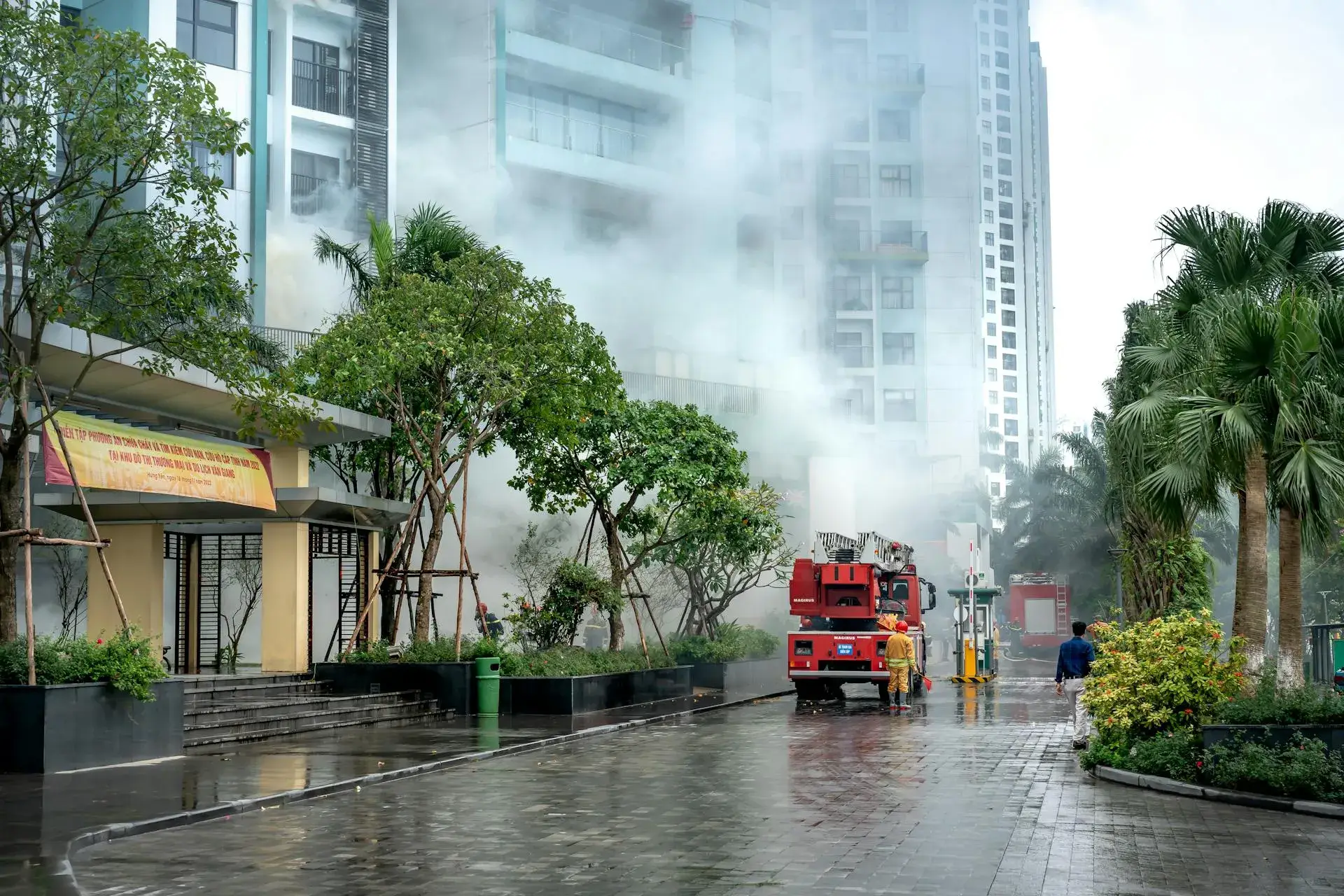
Smoke Damage Restoration in Johns Creek, GA
Smoke residue acidifies and bonds permanently to surfaces within hours. Whether from a structure fire or wildfire infiltration, our local team responds to Johns Creek smoke emergencies within 60 minutes.
What Happens When You Call
A real person answers, not a call center. We assess your situation, identify the smoke source type, and begin coordinating your response immediately.
Your dedicated restoration team is dispatched from our local base serving Johns Creek and the surrounding Fulton County communities.
Team arrives with soot removal equipment, HEPA air scrubbers, thermal foggers, and surface cleaning compounds matched to the residue type. Mitigation begins immediately.
Surfaces cleaned, odor sources addressed, HVAC decontaminated, air quality verified. You know exactly what was done and why.
Smoke damage does not require fire on your property. It can come from a neighboring home, a wildfire hundreds of miles away, or a contained kitchen incident that never reached the flames stage. Regardless of the source, smoke residue is actively damaging your property right now. Soot is acidifying on metal and glass surfaces, bonding into porous materials, and embedding deeper into fabrics and wood with every hour. X Response provides professional smoke damage restoration that addresses the full distribution path, not just the surfaces you can see. Call now. Your team is standing by.
Why Johns Creek Homes Are Vulnerable to Smoke Damage
Johns Creek faces smoke damage risks from two fundamentally different sources: structure fires within the community and wildfire smoke transported from distant events. The structure fire risk is covered in detail on our fire damage restoration page, but the smoke component deserves its own attention because smoke travels far beyond the burn zone. The May 2026 house fire on Winding Bridge Way that destroyed a home also sent smoke across the surrounding neighborhood, affecting homes that were never touched by flame. In Johns Creek's established subdivisions with homes built close together on quarter-acre to half-acre lots, a single structure fire can deposit soot on vehicles, outdoor furniture, and exterior surfaces for several blocks downwind, and smoke infiltrating through HVAC fresh-air intakes can contaminate neighboring homes internally without any visible exterior damage.
The second source, wildfire smoke, became a documented reality for Johns Creek residents when distant fires proved they could damage local properties. In July 2023, Canadian wildfire smoke transported thousands of miles reached the southeastern United States. The National Weather Service Peachtree City office issued Code Orange air quality alerts for all of metro Atlanta, and Georgia Tech researchers confirmed that PM2.5 (fine particulate matter) levels exceeded 55 micrograms per cubic meter south of Atlanta, placing the air quality in the range considered potentially hazardous for sensitive populations. For Johns Creek's 82,000 residents, that meant several days of breathing air laden with fine particulate that infiltrated homes through HVAC systems, door gaps, and any opening in the building envelope. Homes that ran HVAC systems during the event pulled smoke-laden outdoor air through fresh-air intakes and distributed it through ductwork to every room. The residue from wildfire smoke is distinct from structure fire soot: it is primarily a fine, alkaline ash that settles on surfaces, embeds in soft materials, and produces a persistent smoky odor that does not respond to normal cleaning.
Canadian Wildfire Smoke Events
The July 2023 Canadian wildfire smoke event demonstrated that Johns Creek is vulnerable to particulate infiltration from fires burning thousands of miles away. When upper-level wind patterns transport wildfire smoke southward into the southeastern United States, the entire metro Atlanta region, including Johns Creek, experiences elevated PM2.5 levels that can persist for days. Georgia Tech researchers documented PM2.5 exceeding 55 micrograms per cubic meter during that event, well above the EPA's 24-hour standard of 35 micrograms. For residential properties, the impact is not just outdoor air quality; it is the infiltration of fine particulate into homes through HVAC fresh-air intakes, leaky building envelopes, and the normal air exchanges that occur through door and window gaps. Homes that ran their HVAC systems during the event accumulated smoky residue on coils, in ductwork, and across interior surfaces as the system distributed contaminated air. The odor and residue from wildfire smoke can persist for weeks after outdoor air quality returns to normal because the particulate embeds in soft furnishings, carpet fibers, and HVAC filter media.
Neighboring Structure Fire Smoke
Johns Creek's residential neighborhoods were built at typical suburban density: homes on quarter-acre to half-acre lots separated by 15 to 30 feet of side yard. When a structure fire occurs, the smoke plume travels downwind across neighboring properties, depositing soot on exterior surfaces and infiltrating adjacent homes through any available pathway. The May 2026 Winding Bridge Way fire produced a substantial smoke column as the roof collapsed, and homes downwind of that fire experienced soot deposits on vehicles, exterior siding, and outdoor living areas. More concerning for homeowners is the interior infiltration: smoke entering through HVAC fresh-air intakes, attic soffit vents, and gaps around windows and doors. A neighbor's fire can deposit enough residue in your home to produce persistent odor and surface discoloration without any direct flame or heat contact to your structure.
Kitchen and Contained-Fire Smoke Distribution
Not all smoke damage in Johns Creek involves a neighbor's fire or a wildfire event. The most common smoke damage scenario is a contained kitchen fire or an electrical incident that produces heavy smoke without developing into a structural fire. In Johns Creek's large homes with open floor plans, two-story foyers, and connected living spaces, smoke from a kitchen grease flash or a smoldering electrical fault rises through the open volume, reaches the ceiling plane, and spreads horizontally through every room on that level and the level above. The HVAC system then distributes smoke and soot through ductwork to rooms that were distant from the source. The result is whole-house smoke contamination from a single-room event. Protein soot from cooking fires and synthetic soot from electrical events each require different cleaning approaches, and homes frequently contain both when a kitchen fire ignites adjacent cabinetry or appliance wiring.
HVAC Systems as Smoke Distribution Networks
Modern HVAC systems in Johns Creek's homes are designed to circulate conditioned air efficiently through every room via supply and return ductwork. That same efficiency turns the system into a smoke distribution network during any smoke event. When the system runs during a kitchen fire, a neighboring structure fire, or a wildfire smoke infiltration event, it pulls contaminated air through the return, passes it across the blower, evaporator coil, and into supply ducts that deliver soot-laden air to every register in the home. The residue coats duct interiors, settles on the evaporator coil fins, and deposits on the blower wheel and housing. Even after the smoke source is gone, the system continues redistributing residual soot every time it cycles until the ductwork, coil, and blower are professionally cleaned. Changing the filter alone does not address residue that has already passed through and deposited downstream.
Porous Materials and Odor Retention
Johns Creek's large homes typically contain substantial quantities of porous materials that absorb and retain smoke odor: carpet with pad, upholstered furniture, draperies, clothing in open closets, books, and unsealed wood surfaces. These materials act as reservoirs that release odor slowly over weeks or months after the initial smoke event. Professional cleaning can extract residue from many soft materials, but the success depends on how long the smoke had contact before treatment. Carpet padding, which sits beneath the carpet and absorbs smoke that penetrates through the fiber layer, is frequently beyond cleaning and requires replacement. Smoke that reaches insulation in wall cavities or attic spaces creates a persistent odor source that is invisible and impossible to clean without access. The longer smoke residue remains in these materials, the more deeply it bonds and the more aggressive the treatment required for complete odor elimination.
These factors create a smoke damage environment in Johns Creek where the risk comes from multiple directions: wildfire smoke from distant events infiltrating through HVAC and building envelope gaps, neighboring structure fires depositing soot across residential lots built at suburban density, contained kitchen or electrical incidents distributing smoke through open floor plans and ductwork, and the HVAC system itself acting as both pathway and ongoing redistribution mechanism. Effective smoke damage restoration means identifying the soot type, tracing the full distribution path through the structure, cleaning every surface the smoke reached including those hidden behind walls and inside ductwork, and eliminating odor at the molecular level in materials where it has embedded. It rewards a team that understands the chemistry of different soot types and matches cleaning methods to residue composition rather than applying one approach to everything.
What Happens to Your Home While You Wait
Within 1 Hour
Soot particles begin bonding to surfaces. Acidic synthetic soot from electrical fires or burning plastics starts corroding metals, etching glass, and reacting with painted surfaces. Alkaline wildfire ash settles on horizontal surfaces and begins embedding in fabric fibers. The sooner cleaning begins, the more surfaces can be restored without permanent damage. Every hour of delay narrows the window for non-destructive cleaning.
1–24 Hours
Acid soot permanently discolors chrome, brass, and nickel fixtures. Smoke residue penetrates deeper into porous materials. Protein soot from cooking fires begins oxidizing and changing from a light film to a darker, harder-to-remove residue. Wildfire particulate embeds in carpet fibers and upholstery where simple vacuuming can no longer extract it. The HVAC system, if it ran during the event, has distributed contamination to every room it serves.
24–48 Hours
Permanent staining sets into untreated surfaces. Smoke odor bonds chemically with porous materials rather than merely sitting on surfaces. What could have been cleaned with chemical sponges now requires wet cleaning or more aggressive methods. Electronics with soot on circuit boards begin experiencing corrosion at contact points. Salvage rates for soft furnishings decrease as residue sets deeper into fibers.
48–72 Hours
Yellowing becomes permanent on light-colored surfaces. Corrosion on metals progresses past superficial into structural. Smoke odor becomes deeply embedded in wall cavities, insulation, and subfloor assemblies. The scope of restoration shifts from professional cleaning toward material replacement for affected surfaces. Cost and timeline increase significantly.
One Week and Beyond
Widespread permanent damage to surfaces that could have been saved with prompt treatment. Smoke odor so deeply embedded that thermal fogging and ozone alone cannot reach it, requiring sealant encapsulation before rebuild. Electronics and appliances damaged beyond repair by progressive corrosion. What began as a cleaning project becomes a renovation project. Insurance claims grow more complex as carriers question whether timely intervention could have limited the loss.
The difference between professional cleaning and material replacement is often measured in hours of response time after a smoke event. Contact X Response now. Our Johns Creek team responds within 60 minutes to begin mitigation before permanent damage sets in.
How We Restore Smoke-Damaged Johns Creek Homes
From the moment our team arrives, every step is guided by the type of smoke residue present and the path it traveled through your Johns Creek property. Here is exactly what professional smoke damage restoration involves.
Smoke Source Identification and Distribution Mapping
Different smoke sources produce different residues that require different cleaning methods. Our team identifies the soot type (protein from cooking, synthetic from plastics and electronics, alkaline from wildfire, or a combination) and traces the distribution path through your home. In Johns Creek's large open-plan residences, that means checking every level, inside every HVAC register and return, above ceiling planes, behind furnishings against walls, and in closets and storage areas where smoke settled. Thermal imaging can reveal temperature patterns indicating where smoke concentrated in wall cavities. The result is a complete map of what was affected and a cleaning plan matched to the residue present on each surface.
HVAC System Decontamination
If your HVAC system ran during the smoke event, it distributed residue through every supply duct and deposited it on the evaporator coil, blower wheel, and duct interiors. We clean the system thoroughly: removing registers and cleaning duct interiors with agitation and HEPA-filtered vacuum, cleaning the evaporator coil and blower components, replacing the filter, and treating duct surfaces with antimicrobial compound to prevent biological growth on any residual organic particulate. Until the HVAC system is decontaminated, it will continue redistributing smoke residue and odor every time it cycles, undermining all other cleaning work in the home.
Surface Cleaning Matched to Residue Type
We clean every affected surface using methods matched to the soot chemistry. Chemical sponges lift dry soot from painted walls and ceilings without smearing. Alkaline cleaners dissolve protein-based cooking soot. Acidic formulations neutralize alkaline wildfire ash. Solvent-based cleaners address synthetic soot bonded to hard surfaces. Soft furnishings are cleaned with appropriate extraction methods based on fiber type and soot composition. Hard surfaces are cleaned systematically from top to bottom, room by room, to prevent re-contamination of cleaned areas. In Johns Creek's large homes, this process requires several days of systematic work through multiple levels and numerous rooms, but it achieves results that casual cleaning cannot approach.
Odor Elimination at the Molecular Level
After visible residue is removed from surfaces, odor remains embedded in porous materials, inside wall cavities, and within soft furnishings. We deploy multiple odor elimination technologies based on the penetration depth and material type. Thermal foggers produce a heated deodorant mist that recreates the penetration pattern of the original smoke, driving neutralizing agent into the same materials the odor reached. Hydroxyl generators produce reactive molecules that break down odor compounds at the molecular level without requiring occupant evacuation. For severe cases, ozone treatment addresses embedded odor in enclosed spaces. HEPA air scrubbers run continuously to remove airborne particulates. The combination addresses odor at every depth rather than simply masking it.
Verification and Completion
Before the project is complete, our team conducts a final inspection verifying that all surfaces are clean, all residue has been addressed, and no odor remains. For wildfire smoke infiltration or extensive structure fire smoke events, we may recommend air quality testing to confirm particulate levels have returned to normal. You receive completion documentation including before-and-after photos, a detailed summary of methods used and surfaces treated, and records formatted for your insurance claim. If any area does not pass our quality check, we keep working until it does.
The X Response Difference
When you contact X Response for smoke damage in Johns Creek, you get a team that understands smoke as a system problem: source identification, distribution tracing, chemistry-matched cleaning, HVAC decontamination, and molecular odor elimination. One team, one comprehensive approach, permanent results.
Insurance Claim Guidance for Johns Creek Homeowners
Smoke damage insurance coverage in Georgia depends on the source and circumstances. Smoke damage from a covered fire (structure fire on your property or a neighboring property) is typically covered under standard homeowner's policies as part of the fire damage claim. Wildfire smoke infiltration from distant fires is less straightforward: some policies cover it as a smoke event, while others exclude it because the fire did not directly affect the insured property. Smoke damage from a contained kitchen incident or electrical event on your property is generally covered as a sudden and accidental occurrence. The documentation challenge with smoke damage is proving the extent of contamination in areas that are not visibly affected but carry odor and residue. Professional air quality testing and surface sampling provide the objective evidence that supports coverage for whole-house cleaning when the visible damage was limited to one area.
How X Response Helps
- Document the smoke source, affected areas, and residue type with professional photos and written scope from day one
- Provide air quality or surface sampling data when the contamination extends beyond visibly affected areas to support whole-house scope
- Distinguish between different smoke events if multiple sources contributed (e.g., a kitchen fire that also pulled in outdoor wildfire smoke through the HVAC)
- Document HVAC contamination specifically, as duct cleaning and coil treatment are often questioned by adjusters who do not understand smoke distribution mechanics
- Photograph and inventory soft furnishings and contents affected by smoke with restoration-versus-replacement recommendations
X Response does not file claims on your behalf, adjust claims, or make coverage determinations. We provide documentation and guidance to help you make informed decisions about your property and your policy. Coverage decisions are made solely by your insurance carrier.
Certified Restoration Specialists Serving Johns Creek
When you contact X Response for smoke damage in Johns Creek, your restoration team is drawn from certified professionals who work across Fulton County and understand how smoke behaves in this community's homes. They know how open floor plans with two-story volumes distribute smoke from a single-room event to every corner of a 4,000-square-foot home. They know how HVAC systems designed for efficient climate control become distribution networks for contamination when smoke enters the return. And they know how wildfire smoke from distant events infiltrates through building envelope gaps and accumulates in homes that were never near a fire. They have cleaned protein soot from kitchen fire smoke, synthetic residue from electrical events, alkaline wildfire ash from the 2023 Canadian smoke event, and complex combinations of all three. This is not a general cleaning crew. It is a specialized smoke damage team with the chemistry knowledge, equipment, and experience to match the treatment to the residue.
Every technician on your team holds current IICRC certification in fire and smoke restoration and carries the appropriate Georgia state licensing for the work being performed. Equipment includes HEPA air scrubbers, thermal foggers, hydroxyl generators, ozone equipment for enclosed-space treatment, chemical sponges, residue-specific cleaning compounds, duct cleaning tools, and the documentation equipment to build your insurance file from the first hour on site.
In Johns Creek, X Response works with Atlanta's Best Restoration, an independent local restoration partner serving Fulton County.
Smoke Damage Restoration FAQ for Johns Creek Homeowners
Other Emergency Services in Johns Creek
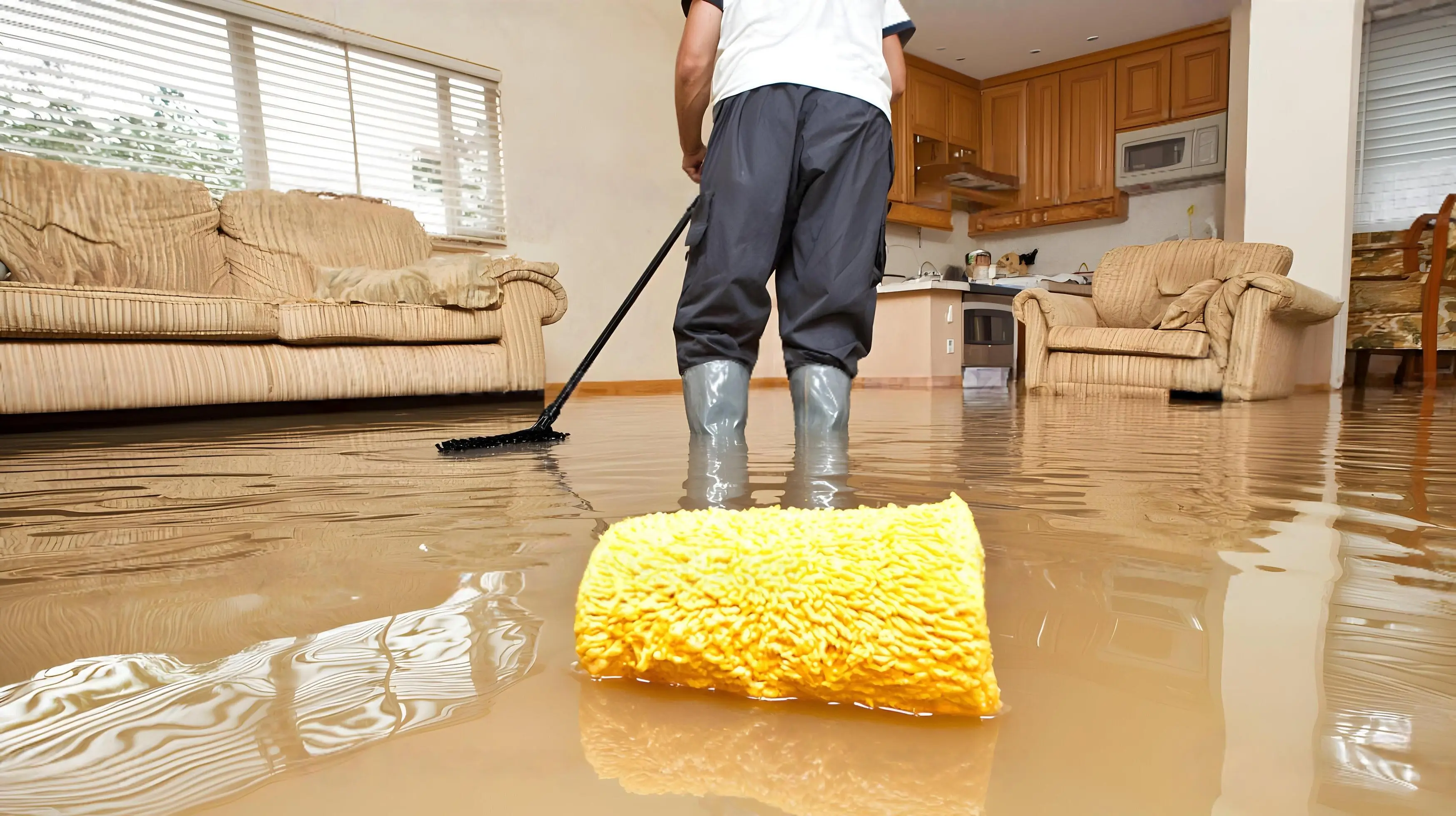
Water Damage Restoration
Burst pipes, storm flooding, standing water. We extract, dry, and restore before mold sets in.
Learn more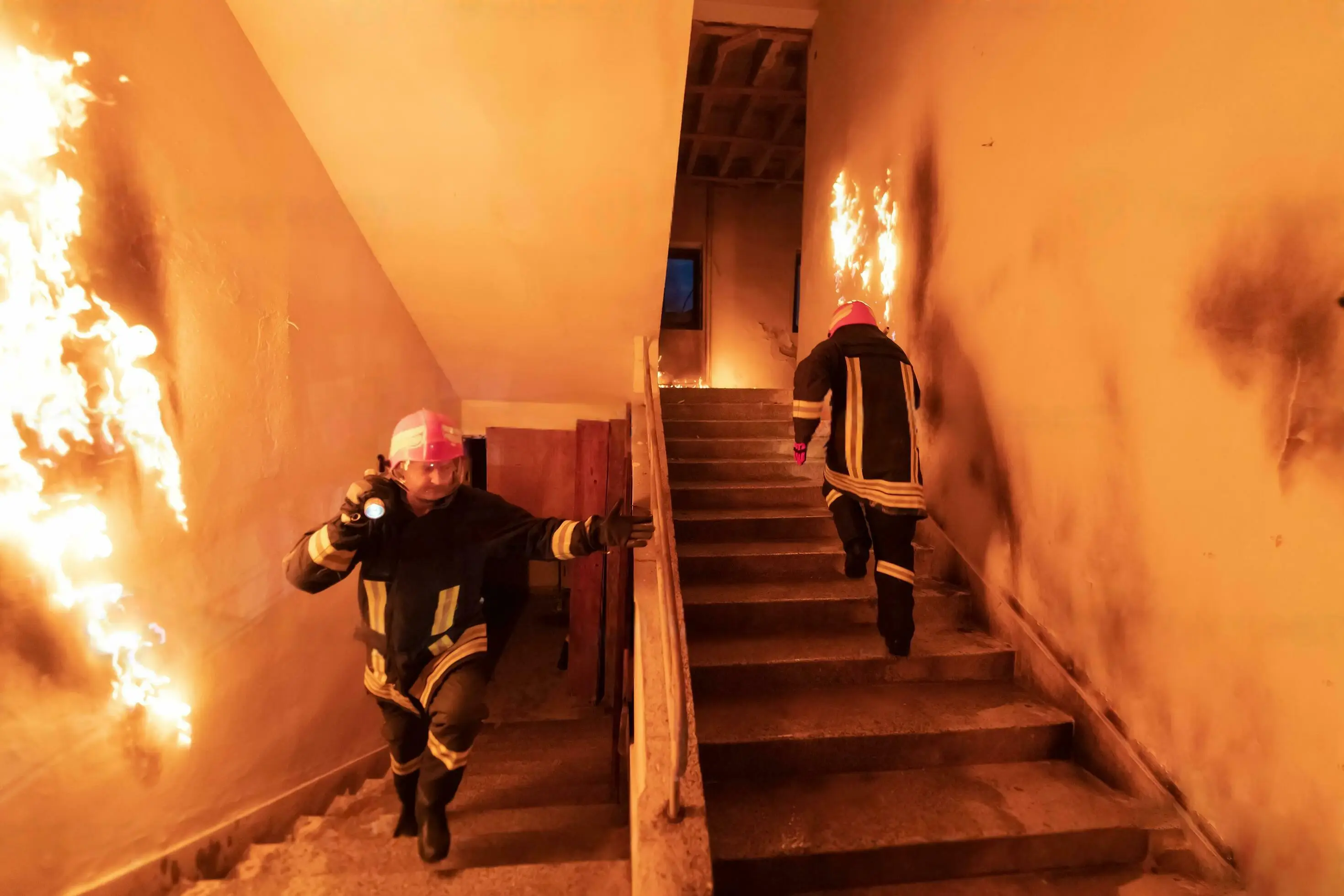
Fire Damage Restoration
Structural damage, soot, debris. We stabilize, clean, and rebuild what fire destroyed.
Learn more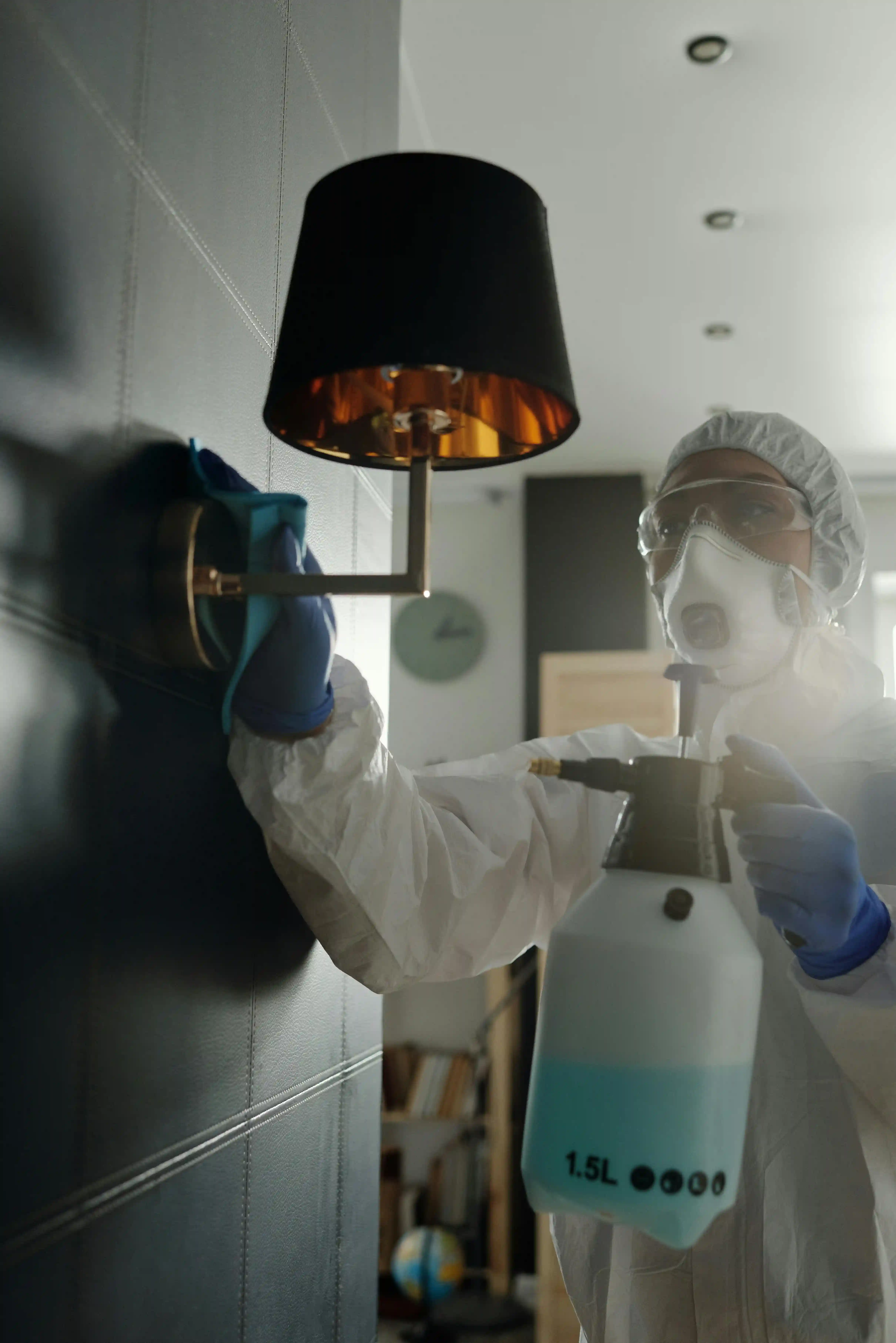
Mold Remediation
Testing, containment, removal, prevention. We find the source, eliminate the growth, and stop it from returning.
Learn more
Sewage Cleanup
Sewer backups, contaminated water, biohazard. We extract, sanitize, and restore safely.
Learn more