
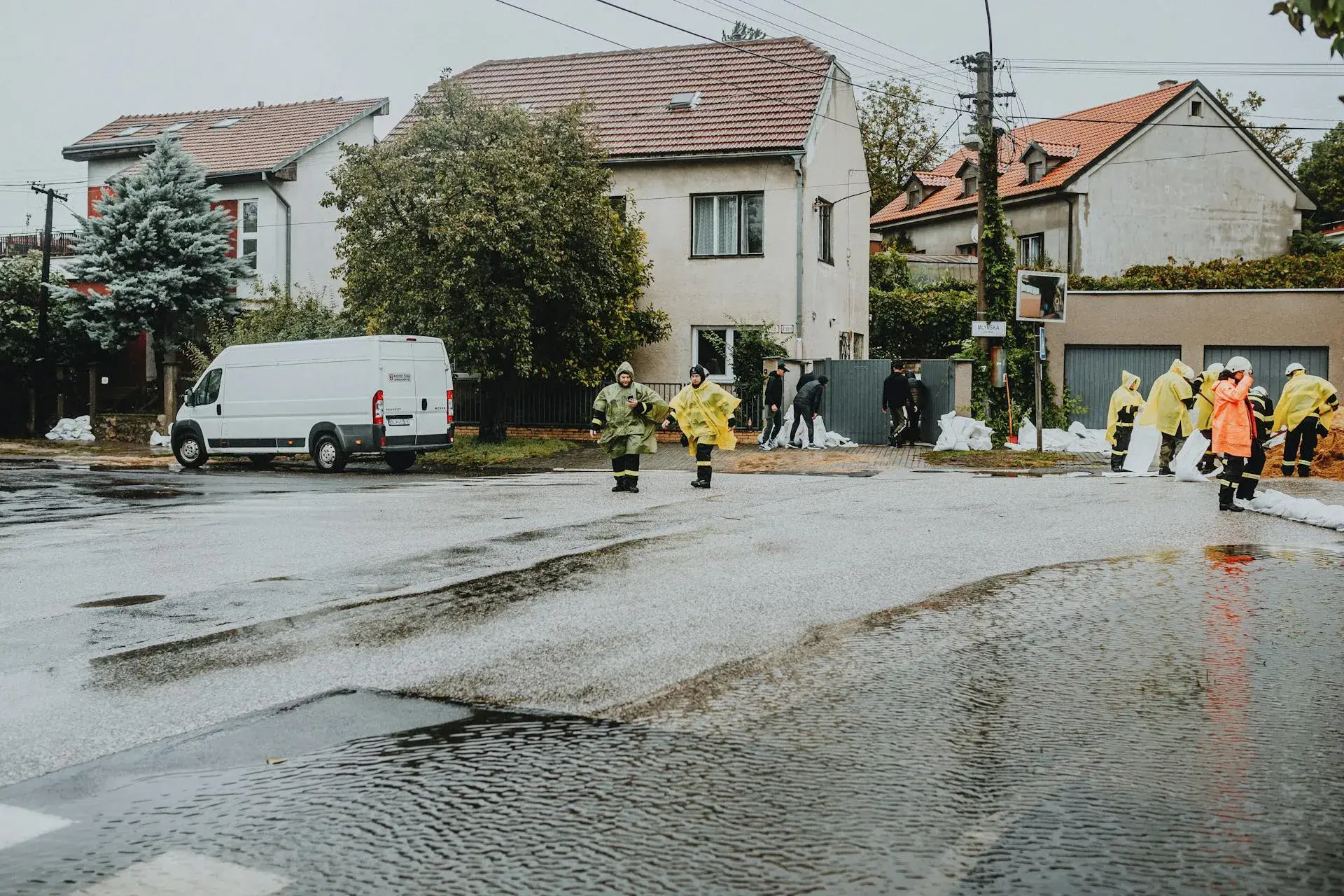
Sewage Cleanup in Roswell, GA
Raw sewage contains severe viral and bacterial pathogens that saturate framing within hours. Our Roswell biohazard team mobilizes within 60 minutes.
What Happens When You Call
A live biohazard operations coordinator evaluates the backup severity, reviews safety protocols, and dispatches our specialized north Fulton emergency team.
Technicians arrive within 60 minutes in full personal protective gear to isolate the contaminated area and halt wastewater spread.
We extract raw black water using heavy-duty vacuum units, safely bagging and disposing of non-salvageable porous building materials.
All exposed structural surfaces are sanitized with hospital-grade biocides, deep-cleaned, and dried mechanically using commercial LGR dehumidifiers.
A sewage backup inside your Roswell property is a critical biohazard emergency requiring immediate, certified containment. Raw wastewater carries millions of dangerous bacteria, viruses, parasites, and chemical toxins that quickly penetrate subflooring, drywall, and structural framing. X Response delivers full-scale biohazard decontamination across north Fulton County. When you call, our certified crew dispatches immediately, equipped with commercial extraction units, personal protective equipment, and EPA-registered hospital-grade disinfectants. Call now for 24/7 emergency sewage cleanup in Roswell.
Why Roswell Homes Are Vulnerable to Sewage
Roswell's wastewater infrastructure is integrated with the Fulton County Department of Water Resources network and the Big Creek Water Reclamation Facility, which serves residential and commercial basins across north Fulton before discharging treated effluent toward the Chattahoochee River. In established Roswell neighborhoods like Martin's Landing, Horseshoe Bend, and the historic downtown district, aging clay and cast-iron sewer lateral pipes are highly vulnerable to shifting Piedmont soils, aggressive tree root infiltration, and municipal grease accumulations. During North Georgia's torrential summer storms, severe stormwater infiltration can overwhelm sewer mains, generating massive backpressure that forces raw wastewater backward through residential floor drains, basement toilets, and shower pans. This black water intrusion instantly saturates floors and subfloors with dangerous Category 3 biohazards.
The U.S. Environmental Protection Agency estimates that between 23,000 and 75,000 sanitary sewer overflows occur annually nationwide, releasing raw wastewater and dangerous biological contaminants that threaten public health when lines back up into residential properties. In north Fulton homes, raw sewage contains dangerous pathogens including Escherichia coli, Salmonella, Norovirus, Hepatitis A, and microscopic parasites that rapidly aerosolize into the indoor air. Attempting to clean sewage with standard household mops or over-the-counter bleach spreads biological contaminants deeper into wood framing and HVAC ductwork. Safe restoration requires immediate professional bio-containment, industrial extraction, removal of contaminated porous materials, and multi-stage antimicrobial sanitation adhering strictly to the IICRC S500 standard.
Municipal Main Overloads and Storm Inflow
During heavy convective storms that drop 2 to 3 inches of rain over north Fulton County, stormwater runoff enters sanitary sewer collection lines through manhole covers, cracked lateral pipes, and illegal sump pump connections. When collection mains reach maximum hydraulic capacity, sewage flows backward through private lateral lines, erupting from the lowest plumbing fixtures in residential basements and ground-floor bathrooms across Roswell.
Tree Root Infiltration in Historic Clay Laterals
Mature hardwoods and pines across established Roswell subdivisions seek moisture from underground pipes. Tree roots penetrate microscopic joints in older vitrified clay and cast-iron sewer laterals, creating dense root balls that trap toilet paper, solid waste, and grease. As blockages expand, wastewater backs up directly into the home's plumbing network with little advance warning.
Severe Biological and Pathogenic Contamination
Raw sewage is classified by industry standards as Category 3 black water, the most dangerous category of water damage. It carries high concentrations of bacteria, enteric viruses, fungal spores, and dangerous chemical residues. Contact with contaminated wastewater or inhalation of aerosolized bio-contaminants can cause severe gastrointestinal illness, skin infections, and respiratory complications, making immediate professional PPE containment essential.
Rapid Penetration of Porous Substrates
When black water backs up onto carpet, hardwood flooring, or drywall, it quickly penetrates deep into porous cellular structures. Wood subflooring, floor joists, and fiberglass insulation absorb contaminated water rapidly. Because North Georgia's humid climate slows natural drying, trapped sewage liquids create a breeding ground for bacterial multiplication and rapid secondary mold growth within 24 hours.
Piedmont Clay Soil and Crawl Space Saturation
When underground sewer lines break beneath crawl spaces in Roswell, raw sewage pools across the dense Georgia Piedmont red clay floor. Because red clay is virtually impermeable, the sewage cannot drain away, creating stagnant pools of toxic wastewater beneath the living area. The home's natural stack effect draws dangerous sewer gases and airborne bio-contaminants directly up into living areas until the soil is thoroughly excavated and sanitized.
Sewage cleanup in Roswell requires rigorous biohazard containment and specialized scientific decontamination. Aging north Fulton lateral pipes, flashy stormwater pressure, and dense Piedmont clay demand an uncompromising standard of care. X Response delivers industrial extraction, complete porous material removal, hospital-grade disinfection, and controlled structural drying to ensure your property is completely sanitized and safe.
What Happens to Your Home While You Wait
Within 1 Hour
Raw sewage spreads across floors, soaking carpet padding, wicking into drywall baseboards, and penetrating wood subflooring. Dangerous bacteria and aerosolized pathogens disperse into the immediate indoor air. Strong, noxious sewer gas odors fill the structure.
1–24 Hours
Bacteria and viral colonies multiply exponentially within saturated carpets, drywall, and framing lumber. Organic solid waste breaks down, releasing hydrogen sulfide and methane gases. Porous materials absorb biological toxins deeply, making salvage impossible under health standards.
24–48 Hours
Secondary fungal and mold colonization begins on wet structural surfaces alongside active bacterial contamination. Wood floor joists and subflooring swell and distort. Bio-contaminants penetrate behind baseboards and under tile mortar beds, expanding the required demolition zone.
48–72 Hours
Severe biological degradation. Structural framing timbers absorb black water toxins deeply into the wood grain. Airborne bio-pollutant counts reach hazardous levels, posing serious infection risks to building occupants and contaminating central HVAC systems.
One Week and Beyond
Extensive structural rot, widespread biohazard contamination, and pervasive mold infestation throughout affected building assemblies. Porous and semi-porous framing suffers permanent loss of structural integrity, requiring extensive demolition and total reconstruction.
Immediate biohazard extraction stops toxic pathogens from permanently contaminating your property. Contact X Response now for 24/7 emergency sewage response in Roswell.
How We Restore Sewage-Damaged Roswell Homes
Our sewage remediation protocol adheres strictly to the IICRC S500 standard for Category 3 black water decontamination, ensuring complete biohazard removal, hospital-grade sanitation, and verified safety.
Biohazard Assessment and Critical Containment
Upon arrival at your Roswell property, our certified technicians don full personal protective equipment (PPE) and erect sealed plastic barriers around the contaminated zone. We install HEPA-filtered air scrubbers under negative air pressure to capture airborne bio-aerosols and prevent cross-contamination into clean living spaces.
Industrial Black Water and Solid Waste Extraction
We utilize commercial-grade truck-mounted vacuum extractors and heavy-duty solids pumps to extract standing wastewater and sewage sludge rapidly from floors, basements, or crawl spaces. All extracted wastewater is contained and disposed of in strict accordance with Fulton County environmental regulations.
Safe Demolition of Non-Salvageable Porous Materials
Under IICRC health protocols, porous materials exposed to Category 3 sewage (including carpet, padding, laminate flooring, drywall, and insulation) cannot be completely sanitized. We safely remove these materials, seal them in biohazard bags, and transport them off-site for proper disposal.
Hospital-Grade Antimicrobial Sanitization and Pressure Cleaning
All remaining structural substrates (concrete slabs, framing lumber, subflooring) are thoroughly deep-cleaned using commercial rotary pressure washing, followed by multiple applications of EPA-registered, broad-spectrum hospital-grade disinfectants and virucides to eradicate all remaining bacteria, viruses, and parasites.
Targeted Structural Drying and Decontamination Verification
We deploy commercial low-grain refrigerant (LGR) dehumidifiers and high-velocity air movers to dry all structural framing to verified moisture standards. Once dry, advanced adenosine triphosphate (ATP) surface testing and environmental clearance confirm the complete elimination of biological contaminants.
The X Response Difference
Never compromise on safety when facing a sewage emergency in Roswell. Trust X Response for certified biohazard cleanup.
Insurance Claim Guidance for Roswell Homeowners
Sewage backup insurance claims in Georgia require careful policy navigation. Standard Georgia homeowner policies frequently exclude sewer and drain backups unless the policyholder has purchased a specific Sewer and Water Backup Endorsement. If the backup resulted from a sudden failure within the home's internal plumbing lines, coverage may fall under standard accidental discharge clauses. Proving the exact source, mechanism, and scope of the backup is critical to securing insurance coverage. X Response provides comprehensive photo documentation, plumbing line assessments, and standardized itemized scopes to substantiate your claim with your insurance carrier.
How X Response Helps
- Document the exact point of origin and physical cause of the sewage backup with detailed high-resolution photography
- Itemize all required biohazard safety protocols, PPE deployments, and material disposal according to insurance standards
- Differentiate clearly between internal plumbing failures and municipal main backflow to support appropriate coverage determination
- Prepare standardized line-item estimates aligned with insurance estimating databases
- Communicate directly with your insurance adjuster to ensure all biohazard decontamination and sanitization steps are approved without delay
X Response does not adjust insurance claims or make legal coverage determinations. We provide detailed forensic documentation and scientific hygiene testing logs to assist policyholders and insurers.
Certified Restoration Specialists Serving Roswell
Our Roswell sewage remediation crew consists of seasoned biohazard disaster specialists who understand the unique municipal wastewater and plumbing dynamics across north Fulton County. They have successfully resolved major sewage overflows in historic downtown Roswell properties, commercial spaces along Alpharetta Highway, and luxury custom homes in Martin's Landing and Horseshoe Bend. Their extensive local experience ensures rapid, discreet, and thorough restoration.
Every crew leader maintains current IICRC certification in Water Damage Restoration (WRT) and Applied Microbial Remediation (AMRT), with specialized training in biohazard waste management and bloodborne pathogens. Equipped with industrial vacuum extractors, commercial air scrubbers, hospital-grade biocides, and ATP luminometers, our team restores your property to safe, sanitary pre-loss condition.
In Roswell, X Response works with Atlanta's Best Restoration, an independent local restoration partner serving Fulton County.
Sewage Cleanup FAQ for Roswell Homeowners
Other Emergency Services in Roswell
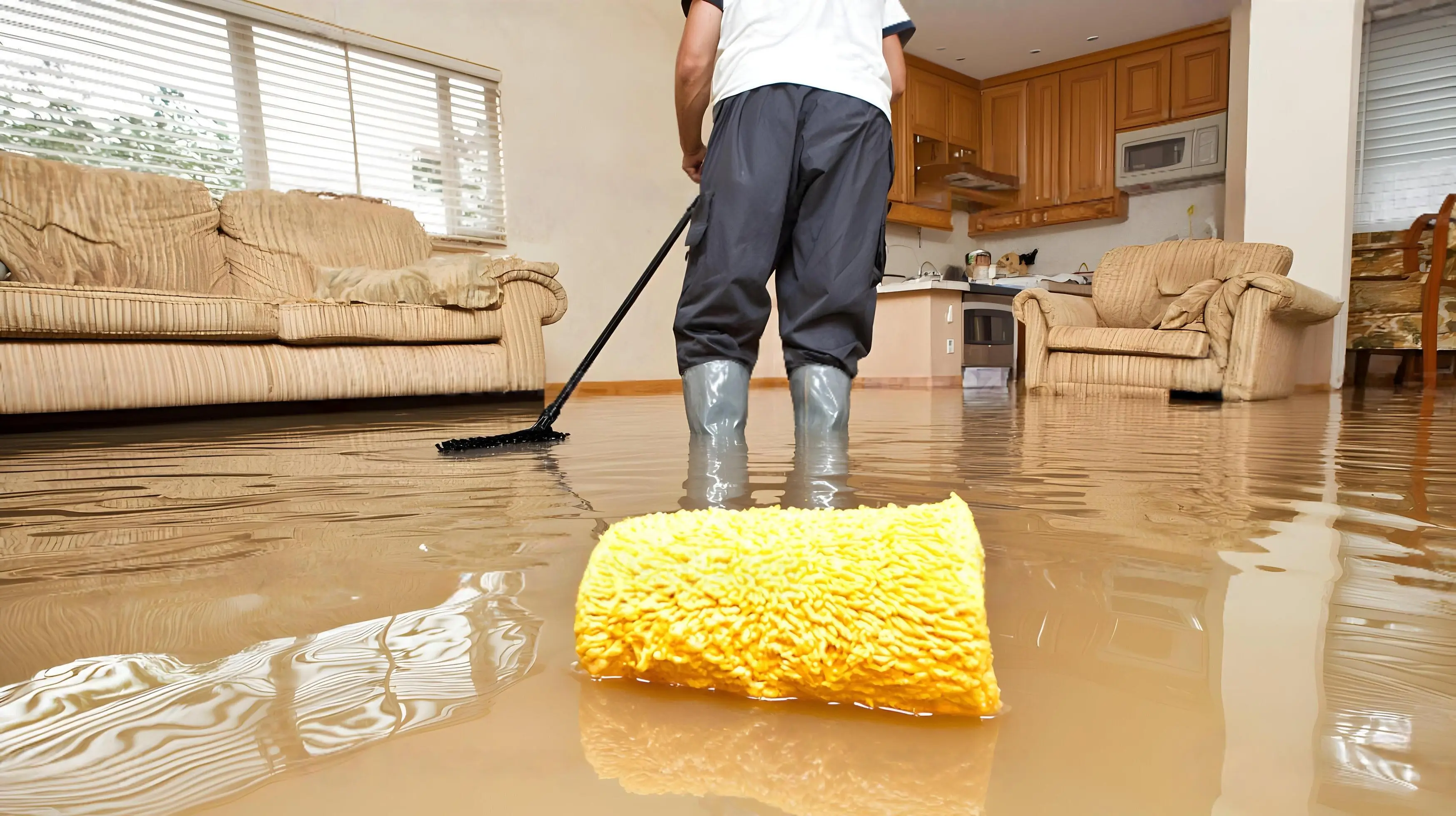
Water Damage Restoration
Burst pipes, storm flooding, standing water. We extract, dry, and restore before mold sets in.
Learn more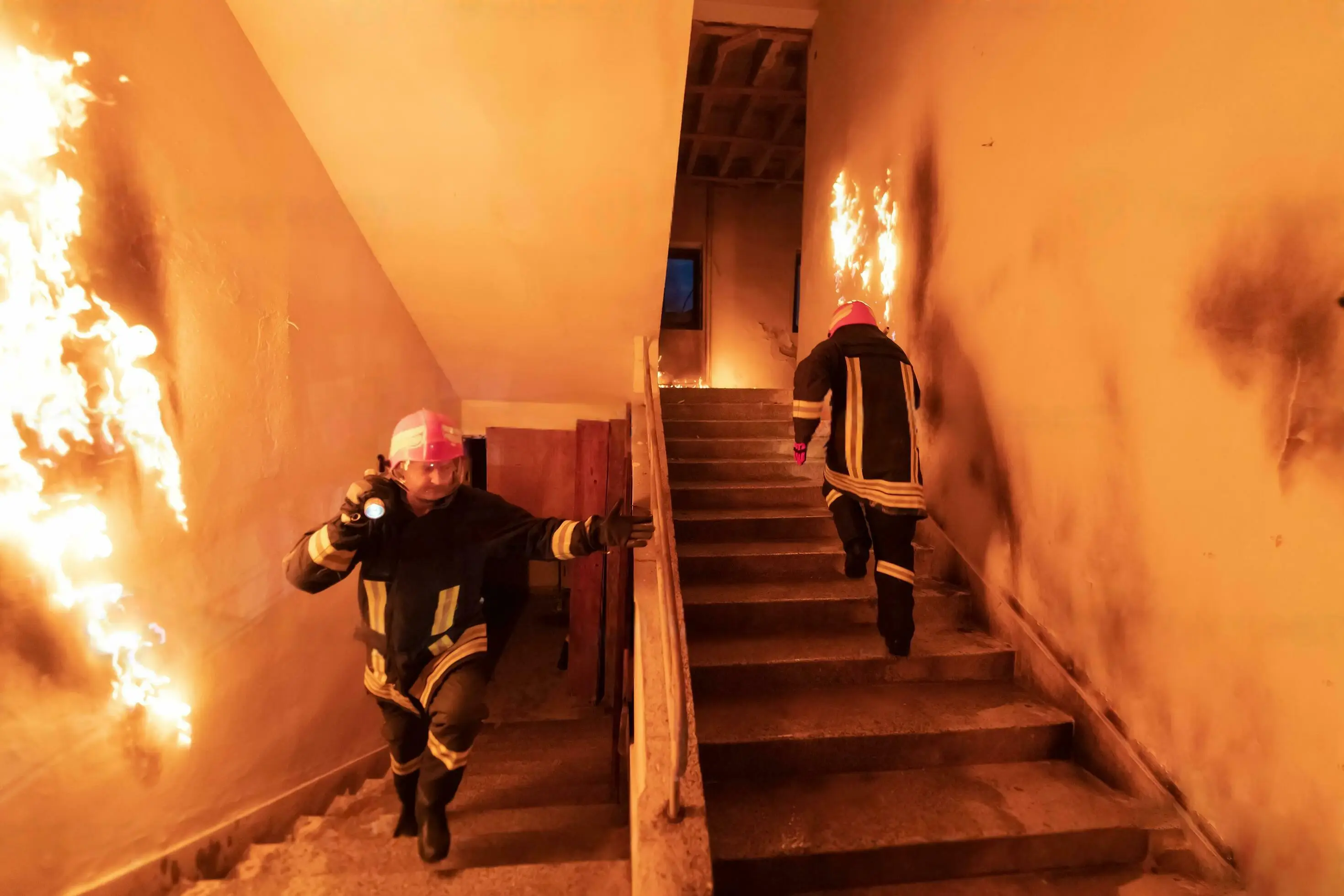
Fire Damage Restoration
Structural damage, soot, debris. We stabilize, clean, and rebuild what fire destroyed.
Learn more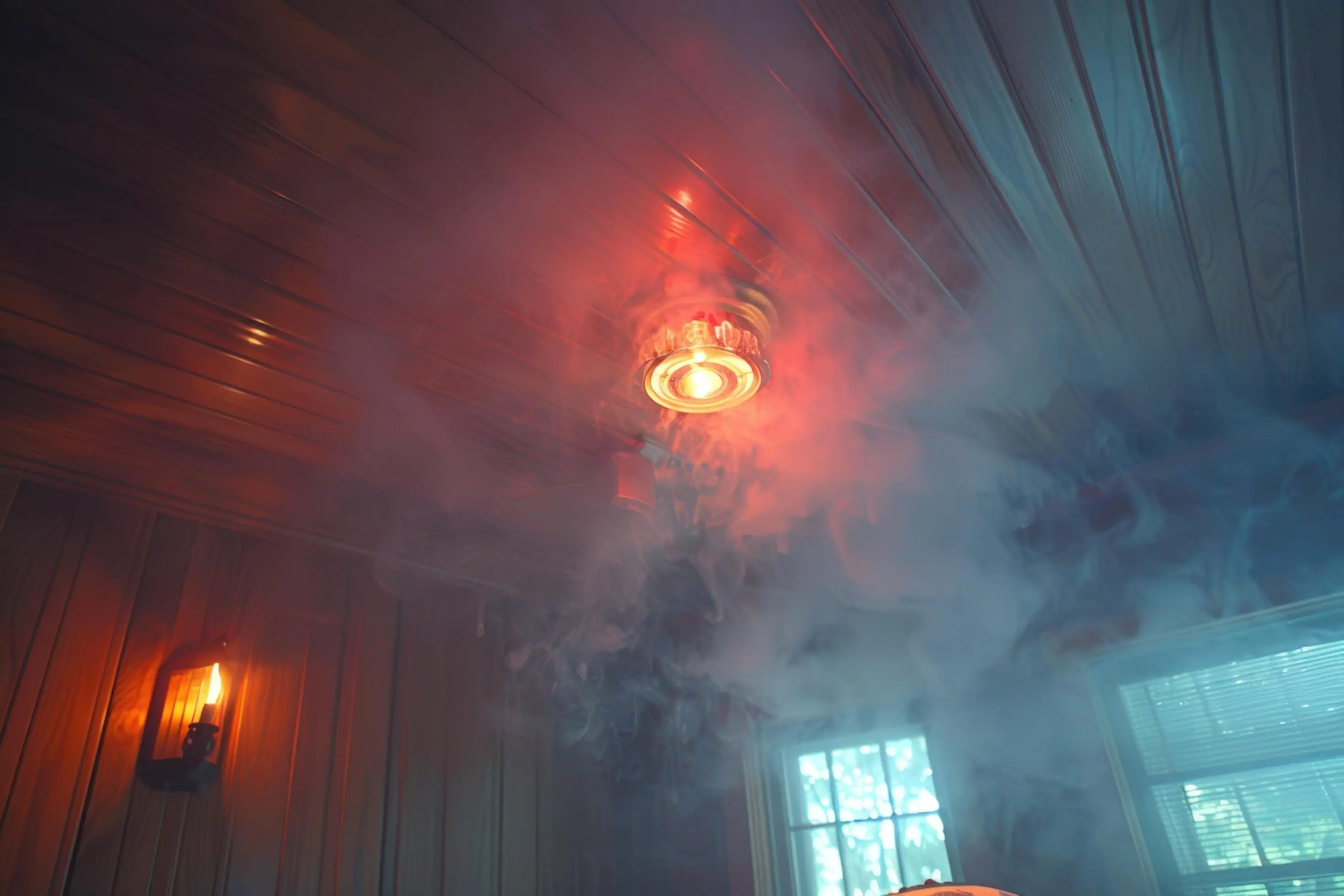
Smoke Damage Restoration
Soot residue, chemical odors, HVAC contamination. We decontaminate surfaces, eliminate odors, and restore air quality.
Learn more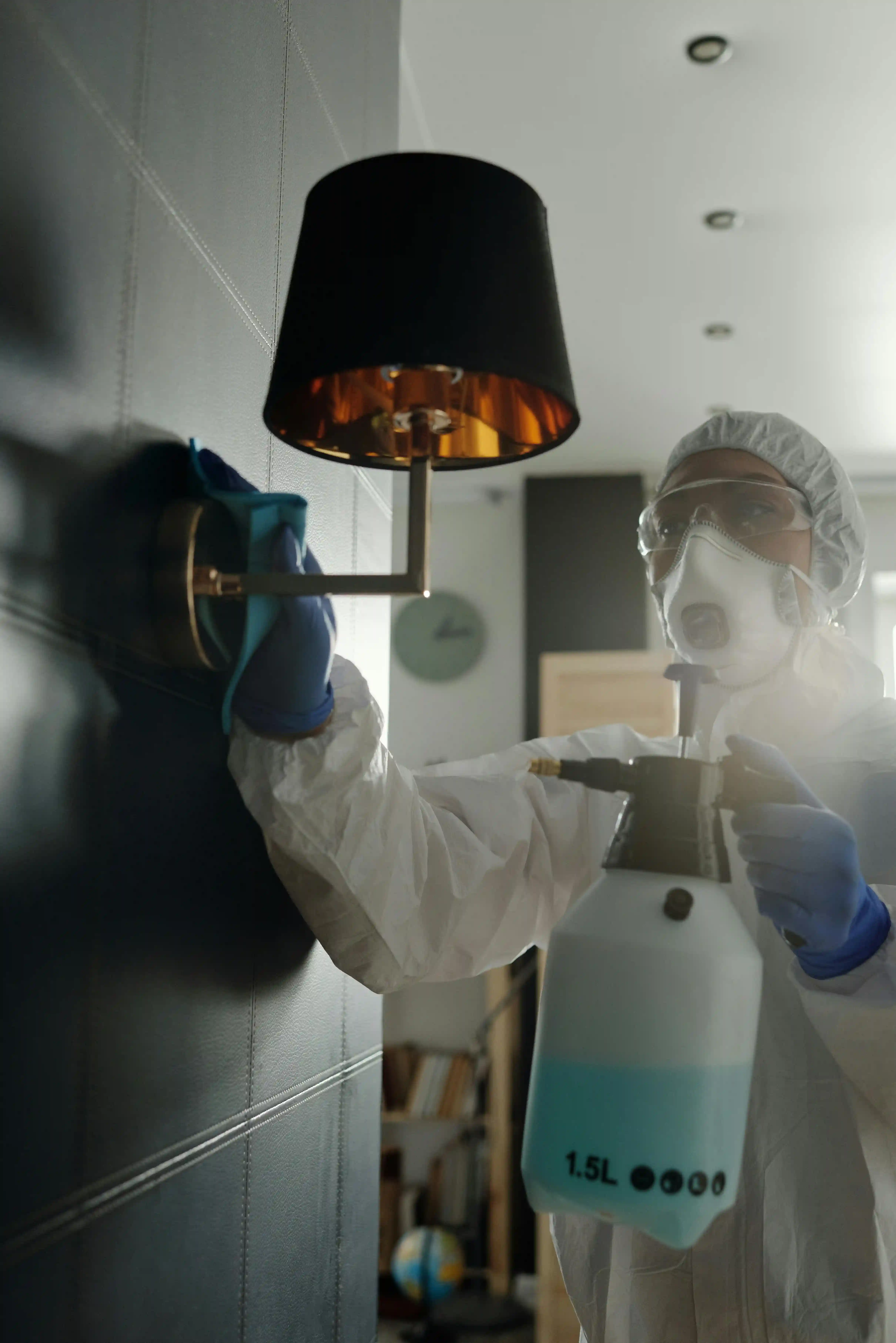
Mold Remediation
Testing, containment, removal, prevention. We find the source, eliminate the growth, and stop it from returning.
Learn moreNearby Service Areas
Also serving nearby: