
Sewage Cleanup in Longwood, FL
Sewage contamination poses immediate health risks from bacteria, viruses, and parasites. Every hour of exposure deepens contamination into building materials and increases biological hazards. Our Longwood team responds immediately with proper containment and safety protocols.
What Happens When You Call
A real person answers, not a call center. We assess your situation, identify the contamination source if possible, and begin coordinating your response immediately.
Your dedicated decontamination team is dispatched from our local base serving Longwood and the surrounding Seminole County communities.
Team arrives with PPE, extraction equipment, containment materials, and antimicrobial agents. Safe extraction begins immediately following biohazard protocols.
Sewage extracted, contaminated materials removed, antimicrobial treatment applied. Structural drying begins and the restoration plan is documented for your records and insurance.
Sewage in your home is a health emergency. Raw sewage contains bacteria, viruses, parasites, and chemical contaminants that pose serious risks to everyone in the household. This is not a situation where you wait for a convenient appointment or try to handle it yourself with household cleaning products. X Response exists for exactly this moment. When you reach out, your decontamination team mobilizes within minutes. One team manages everything: safe extraction, antimicrobial treatment, structural drying, and documentation. No one enters the contaminated area without proper protective equipment, and no surface is declared safe without verified decontamination. Call now. Your team is standing by.
Why Longwood Homes Are Vulnerable to Sewage
Longwood is a city of approximately 15,087 residents in Seminole County, Florida, where the intersection of aging wastewater infrastructure, remaining septic systems, and subtropical stormwater patterns creates recurring sewage exposure risk for residential properties. In 2017, the Florida Department of Environmental Protection awarded more than $2 million to the City of Longwood for septic-to-sewer conversion projects connecting more than 350 properties to Seminole County's centralized wastewater collection system. The funding targeted neighborhoods around Lake Ruth, Lake Wildmere, and Fairy Lake where aging residential septic systems were contributing nutrient pollution to surface waters that ultimately drain into Lake Jesup, an 8,058-acre lake carrying a state-issued Total Maximum Daily Load (TMDL) for nutrients. The 1994 Lake Jesup Act prompted diagnostic water quality studies by the St. Johns River Water Management District, and decades of restoration work have followed. As recently as June 2026, the Florida Department of Health in Seminole County issued a blue-green algae health alert for Lake Jesup after tests detected harmful toxins, a consequence of the nutrient loading that residential sewage contributes to.
The $2 million septic-to-sewer investment addressed only a fraction of Longwood's aging wastewater challenge. Hundreds of additional properties throughout the city remain on individual septic systems that were installed during the residential development boom of the 1970s through 1990s. These systems are now 30 to 55 years old, well beyond the 20 to 30 year typical service life of a conventional drain field in Florida's saturated sandy soils. When septic systems fail, they back up into homes through floor drains, shower drains, and toilet connections, or they surface raw effluent in the yard where it can enter the home through flooding during heavy rain events. Simultaneously, Longwood's connection to Seminole County's centralized sewer system introduces a different failure mode: the county's aging collection infrastructure experiences sanitary sewer overflows (SSOs) during heavy rainfall when stormwater infiltrates the sewer mains through cracked pipes and deteriorated joints, overwhelming system capacity and forcing raw sewage to discharge through manholes, cleanouts, and backup into connected homes through the lowest drain in the plumbing system.
Aging Septic Systems Beyond Design Life
Longwood's residential growth during the 1970s through 1990s occurred largely on individual septic systems that were the standard for suburban development in Seminole County before centralized sewer service expanded to all areas of the city. A conventional septic system in Florida consists of a concrete or fiberglass tank where solids settle and a drain field where liquid effluent percolates through sandy soil for final treatment. In Longwood's high water table environment, the drain field operates with minimal vertical separation between the percolation surface and the seasonal high groundwater level. Over decades, the drain field soil becomes clogged with biomat (a bacterial layer that slows percolation), reducing the system's ability to absorb effluent at the rate the household produces it. When the drain field can no longer accept the volume, sewage backs up through the tank and into the home through the lowest plumbing fixture, typically floor drains in garages or laundry rooms, or through shower and bathtub drains on the ground floor. In Longwood's flat topography, there is no gravity gradient to direct the backup away from the home. The DEP's $2 million septic-to-sewer grant connected 350 properties, but the city acknowledged that additional properties remain on systems approaching or past their functional life.
Stormwater Infiltration and Sanitary Sewer Overflows
Properties connected to Seminole County's centralized sewer system face a different sewage intrusion mechanism: inflow and infiltration (I&I) during heavy rainfall events. The county's sanitary sewer collection system consists of gravity mains, force mains, and lift stations designed to convey sewage to treatment plants under dry-weather flow conditions. During heavy rainfall, stormwater enters the sanitary system through cracked pipe joints, deteriorated manholes, illegal stormwater connections, and ground surface flooding over manholes and cleanout caps. This additional volume overwhelms the system's designed capacity, causing sewage to back up through the system from the mains into service laterals and into homes through the lowest drain fixture. In 2022, Seminole County reported a collapsed sewer pipe requiring emergency repair, illustrating the deteriorating condition of infrastructure that serves Longwood's older neighborhoods. The Florida DEP requires utilities to report spills exceeding 1,000 gallons, and sanitary sewer overflows are classified as both a direct human health concern and a source of localized nutrient pollution that can trigger harmful algal blooms downstream, as the state's Blue-Green Algae Task Force has documented.
Hurricane and Tropical Storm Sewage Overflows
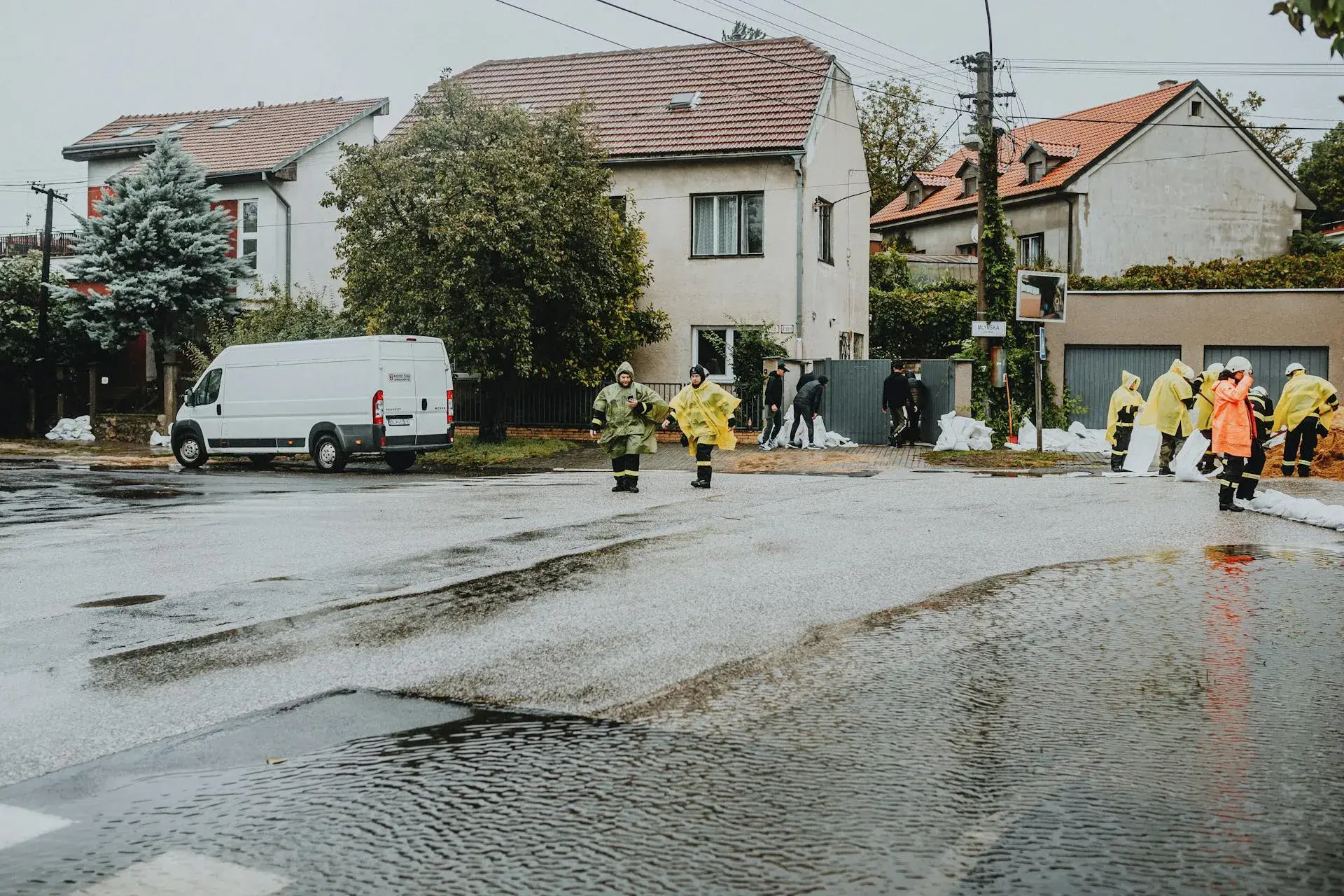
Major rainfall events from tropical systems produce the most catastrophic sewage intrusion scenarios in Longwood. Hurricane Ian in September 2022 deposited over 10 inches of rain across Seminole County, overwhelming both the stormwater and sanitary sewer systems simultaneously. When the ground is fully saturated and retention ponds have overflowed, there is no separation between stormwater and sewage once the sanitary system surcharges. Raw sewage mixes with floodwater that enters homes through every low opening: doors, garage entries, wall penetrations, and plumbing fixtures operating in reverse. This contaminated floodwater is classified as Category 3 (black water) under IICRC standards regardless of whether visibly identifiable sewage is present, because the commingling of sanitary sewer overflow with surface floodwater means pathogens are presumed present throughout. The resulting contamination affects not just the water contact surfaces but every porous material the water touched, requiring aggressive removal and decontamination protocols that exceed what standard water damage restoration involves.
Lake Jesup Nutrient Loading and Environmental Health Context
Longwood's sewage challenges exist within a broader environmental context shaped by Lake Jesup, the 8,058-acre receiving body that collects drainage from the city's lake chain (Lake Ruth, Lake Wildmere, Fairy Lake) through stormwater and groundwater connections. The Florida Legislature passed the Lake Jesup Act in 1994 specifically to address water quality degradation in the lake, which had suffered from decades of nutrient loading that included residential septic system effluent migrating through groundwater into the lake. The Florida DEP established a Total Maximum Daily Load (TMDL) for nutrients in Lake Jesup, setting legally enforceable limits on the amount of nitrogen and phosphorus entering the water body. In June 2026, the Florida Department of Health in Seminole County issued a health alert after tests detected harmful blue-green algae toxins in Lake Jesup, demonstrating that nutrient loading remains an active problem despite decades of restoration investment. For Longwood homeowners, this environmental context means their property's sewage management, whether through septic or sewer, directly affects both their home's immediate health and the regional water quality that regulatory agencies actively monitor and enforce.
Slab-on-Grade Construction and Sewage Contamination Depth
Longwood's predominant slab-on-grade construction creates unique challenges during sewage cleanup. When sewage enters through a floor drain or backs up through a toilet or shower drain, it spreads across the concrete slab and wicks into every porous material at ground level: drywall, baseboards, cabinetry, carpet and pad, and any stored items on the floor. The concrete slab itself is porous enough to absorb contaminated liquid, particularly at construction joints, saw-cut control joints, and where the slab meets the stem wall at the perimeter. Unlike elevated construction where contaminated water can drain away from the structure, slab-on-grade homes retain sewage contact at every point where the floor surface is level or slightly depressed. This means decontamination must address not only removable materials (drywall, carpet, pad, baseboards) but the concrete slab itself, which requires mechanical cleaning, antimicrobial treatment, and moisture verification before any new materials can be installed over it. In Longwood's warm climate, bacterial growth in contaminated concrete continues as long as moisture is present, which can be extended by the high water table maintaining slab moisture from below even after the sewage itself has been extracted.
Longwood's sewage cleanup profile reflects a community in transition between individual septic systems reaching end-of-life and a centralized sewer system that experiences capacity issues during heavy rainfall. Whether the intrusion comes from a failing septic drain field backing into the home, a sanitary sewer overflow during a tropical storm, or a combined stormwater-sewage flood during a hurricane event, the contamination requires the same rigorous biohazard response: safe extraction with personal protective equipment, removal of all contaminated porous materials, antimicrobial treatment of retained surfaces, and verified decontamination before reconstruction begins.
What Happens to Your Home While You Wait
Immediately
Sewage contains active pathogens including E. coli, Salmonella, Hepatitis A virus, Giardia, and Cryptosporidium. The moment sewage contacts indoor surfaces, biological contamination begins transferring to every material it touches. Fecal bacteria begin multiplying rapidly in Longwood's warmth (above 75 degrees year-round). Sewage wicks into drywall, carpet pad, and wood materials within minutes of contact, carrying pathogens into the material matrix where surface cleaning alone cannot reach them.
1–24 Hours
Bacterial populations in contaminated building materials are doubling every 20 to 30 minutes in Longwood's warm environment. Drywall paper that absorbed sewage liquid becomes a growth medium for pathogenic bacteria and mold simultaneously. Carpet pad that contacted sewage is irrecoverable; the foam material absorbs and retains contaminated liquid throughout its thickness. The sewage odor intensifies as anaerobic bacteria produce hydrogen sulfide and other gases. Any food, medications, or personal care products that contacted or were near the contaminated area are compromised.
24–48 Hours
Mold colonization begins on sewage-dampened materials, compounding biological contamination with fungal growth. The combination of sewage nutrients and Longwood's ambient humidity above 74% accelerates mold establishment beyond even what standard water damage produces, because sewage provides both the moisture and the rich organic nutrients that mold requires. Structural wood framing in contact with standing sewage begins absorbing contaminated liquid into its grain. The scope of material removal expands as contamination migrates further from the original pooling area through capillary wicking.
48 Hours and Beyond
Extensive bacterial and mold contamination throughout affected building assemblies. Materials that might have been saved with immediate extraction now require removal to bare structure. Odor penetrates into the concrete slab, wall framing, and adjacent unaffected areas through air circulation. Health risk to occupants increases significantly as airborne pathogen and mold spore concentrations rise. Remediation transitions from cleanup to full biohazard abatement with broader demolition scope, longer timeline, and substantially higher cost. The concrete slab requires intensive treatment to remove contamination that has penetrated into the porous surface.
Sewage contamination is a health emergency that gets worse with every hour of delay. In Longwood's year-round warmth, bacterial multiplication and mold colonization begin within hours, not days. Contact X Response now. Our team responds with proper biohazard protocols immediately.
How We Restore Sewage-Damaged Longwood Homes
Sewage cleanup requires biohazard protocols that protect both the occupants and the restoration workers. Standard water damage procedures are insufficient because sewage contamination involves pathogenic organisms that persist on surfaces and in building materials. Here is exactly what the process involves.
Safety Assessment and Biohazard Containment
Our team arrives in full personal protective equipment: Tyvek suits, N95 or higher respiratory protection, chemical-resistant gloves, and boot covers. Before anyone enters the contaminated area, we assess the extent of sewage presence, identify the source (septic backup, sewer main backup, fixture overflow), and determine whether the source is still active. If sewage is still flowing, we isolate the source before cleanup begins. Containment barriers separate the contaminated zone from unaffected areas of the home to prevent cross-contamination through foot traffic or air movement. Warning signage is posted. Occupants remain outside the containment zone throughout the remediation process.
Sewage Extraction and Contaminated Material Removal
Standing sewage is extracted using specialized equipment with containment features that prevent splashing and aerosolization of contaminated liquid. For Longwood homes built on slab foundations, extraction addresses the full floor surface including beneath cabinetry, behind appliances, and inside closets where sewage pooled against baseboards. Once liquid is removed, all porous materials that contacted sewage are removed and bagged for disposal: drywall (typically 12 to 24 inches above the visible water line to account for wicking), carpet and pad entirely in the affected area, baseboards, insulation in wall cavities, and any stored items that contacted contaminated water. Non-porous materials like tile, concrete, and sealed stone surfaces are retained for decontamination treatment. Every item removed is documented with photos for insurance purposes before bagging.
Antimicrobial Decontamination
With contaminated porous materials removed, all retained surfaces receive thorough antimicrobial treatment. We apply EPA-registered hospital-grade disinfectants formulated to kill the pathogenic organisms present in sewage: bacteria, viruses, fungi, and protozoan parasites. The concrete slab receives particular attention because its porous surface absorbs contaminated liquid and harbors bacteria within the matrix even after the surface appears clean and dry. We mechanically clean the slab surface first, then apply disinfectant at the concentration and contact time specified by the manufacturer for biohazard applications. Exposed wall framing, the underside of subfloor materials (in areas with elevated construction), and any other retained structural elements receive the same treatment. Multiple applications may be required for heavily contaminated areas where sewage contact was prolonged.
Structural Drying and Verification
After decontamination, structural drying begins using the same commercial dehumidification and air movement equipment used in water damage restoration. However, sewage cleanup adds a verification step that standard water damage does not: we must confirm not only that materials are dry, but that the decontamination was effective. Moisture meters verify that the slab, framing, and any retained materials have reached their dry standard. In Longwood's high-humidity environment, mechanical dehumidification is essential because ambient air cannot provide adequate drying capacity. The air handling during sewage remediation drying also incorporates HEPA filtration to capture any bioaerosols released from contaminated materials during the drying process. All dehumidification equipment used during sewage cleanup is subsequently disinfected before deployment on other projects.
Clearance and Documentation
Before the space is cleared for reconstruction and reoccupancy, a final inspection verifies that all contaminated materials have been removed, all retained surfaces have been treated and dried, no visible contamination remains, and the space is free of sewage odor. For properties where occupant health concerns are elevated (immunocompromised residents, young children, elderly occupants), surface swab testing can verify that pathogen levels have returned to safe concentrations on treated surfaces. Completion documentation includes the full timeline of work performed, photos of each phase (contamination extent, material removal, treatment application, dried and cleared condition), moisture readings, and a comprehensive scope summary formatted for insurance claim submission. This record demonstrates that proper biohazard protocols were followed throughout, which insurers increasingly require before approving sewage-related claim payments.
The X Response Difference
When you contact X Response for sewage cleanup in Longwood, you get a certified team that treats the situation as the biohazard it is. Full PPE, proper containment, material removal beyond the visible contamination line, hospital-grade decontamination, and documented verification that the job is done correctly.
Insurance Claim Guidance for Longwood Homeowners
Sewage backup coverage in Florida depends on your policy type and whether you carry a specific sewage or water backup endorsement. Standard homeowner's policies do not automatically cover sewage backup damage. Most carriers offer a sewer and drain backup endorsement as an add-on, typically with coverage limits between $5,000 and $25,000, which may be insufficient for a full sewage remediation that requires material removal, decontamination, and reconstruction. If the sewage backup results from a covered event such as a hurricane or named storm that overwhelmed the municipal system, your flood insurance policy (if you carry one) may apply. However, flood policies through the NFIP also have limitations on basement and below-ground-level coverage that can affect claim outcomes.
How X Response Helps
- Verify whether your policy includes a sewer/drain backup endorsement and identify its coverage sublimit before filing
- Document the sewage source and cause, as coverage differs between septic system failure (homeowner maintenance responsibility), municipal sewer backup (potentially city liability), and storm-related overflow (flood policy)
- Photograph all contaminated areas extensively before any removal begins, showing the extent of sewage contact and the materials affected
- Maintain records of all biohazard disposal, including manifests and disposal facility receipts, as carriers may require proof of proper handling
- Track all costs separately from any concurrent water damage work, as sewage endorsements carry independent sublimits
X Response does not file claims on your behalf, adjust claims, or make coverage determinations. We provide documentation and guidance to help you make informed decisions about your property and your policy. Coverage decisions are made solely by your insurance carrier.
Certified Restoration Specialists Serving Longwood
When you contact X Response for sewage cleanup in Longwood, your team is drawn from certified professionals trained in biohazard response who work across Seminole County and understand the specific wastewater challenges of this community. They know which Longwood neighborhoods remain on aging septic systems, how the county's sewer collection system responds to heavy rainfall, and how Longwood's slab-on-grade construction affects the contamination pattern and required treatment approach. They have responded to septic backups in older homes, sanitary sewer overflows during tropical storms, and the combined stormwater-sewage flooding that Hurricane Ian produced across the county. This is a local team with biohazard training and proper PPE, not a water damage crew applying standard procedures to a situation that requires specialized protocols.
Every technician on your team holds current IICRC certification in water damage restoration with additional training in biohazard and trauma scene cleanup protocols. Equipment includes commercial extraction units with containment features, hospital-grade antimicrobial treatment systems, HEPA air filtration for bioaerosol capture, and the full range of personal protective equipment required for Category 3 contaminated water handling. When your team arrives, they bring everything needed to handle the biohazard safely from initial containment through final clearance verification.
In Longwood, X Response works with Hugo Fire and Water, an independent local restoration partner serving Seminole County.
Sewage Cleanup FAQ for Longwood Homeowners
Other Emergency Services in Longwood
Water Damage Restoration
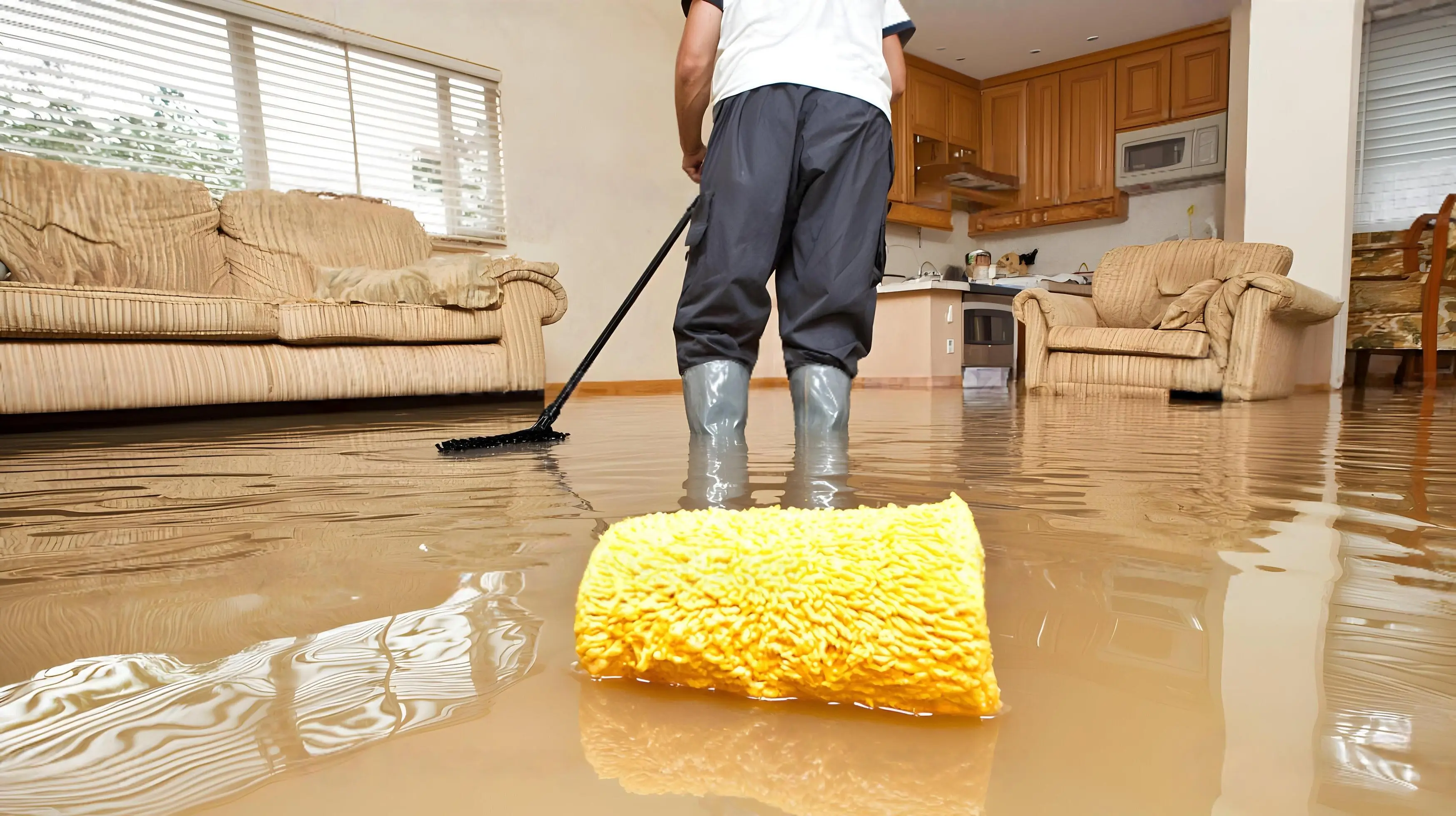
Burst pipes, storm flooding, standing water. We extract, dry, and restore before mold sets in.
Learn more
Fire Damage Restoration
Structural damage, soot, debris. We stabilize, clean, and rebuild what fire destroyed.
Learn more
Smoke Damage Restoration
Soot residue, chemical odors, HVAC contamination. We decontaminate surfaces, eliminate odors, and restore air quality.
Learn more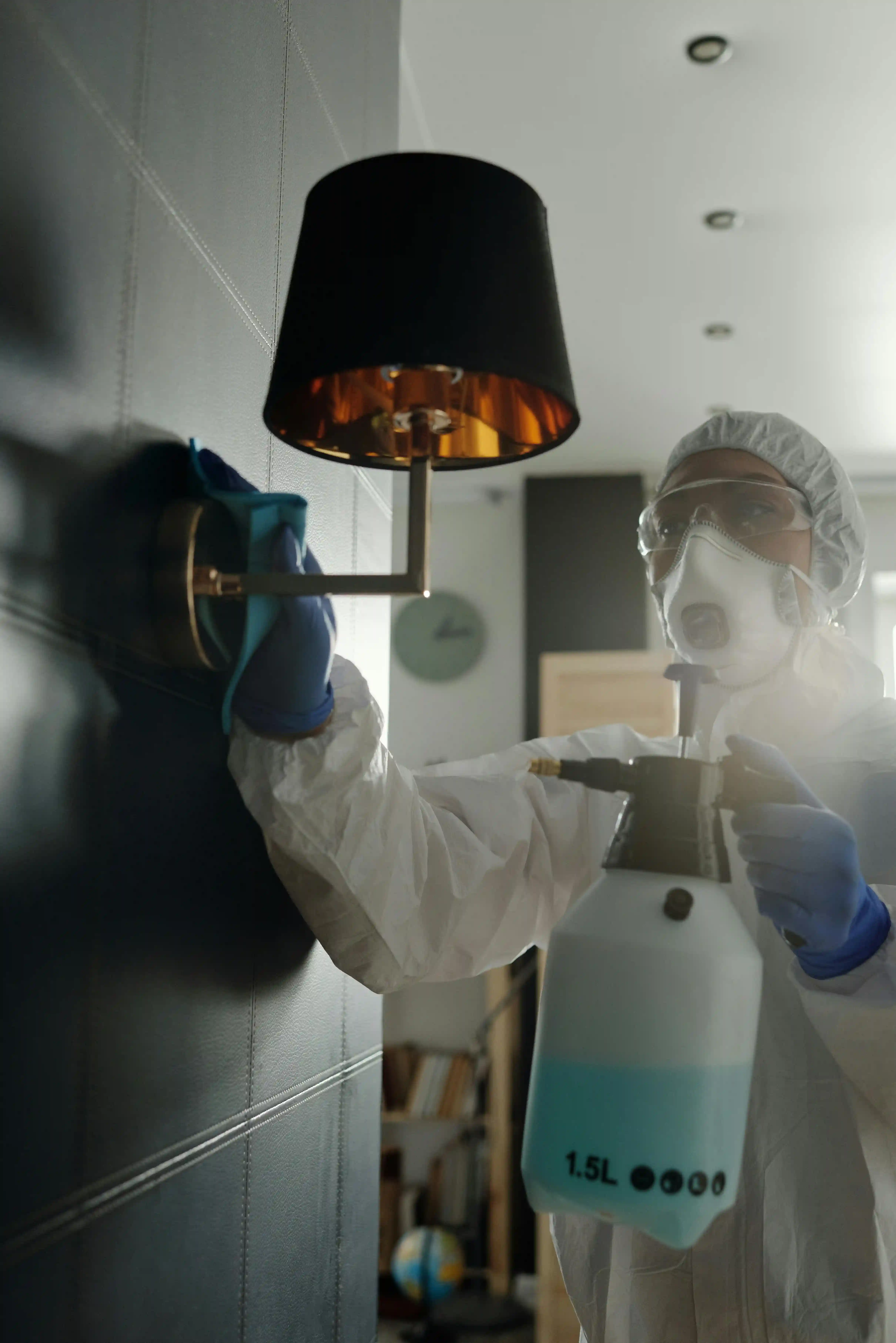
Mold Remediation
Testing, containment, removal, prevention. We find the source, eliminate the growth, and stop it from returning.
Learn more