
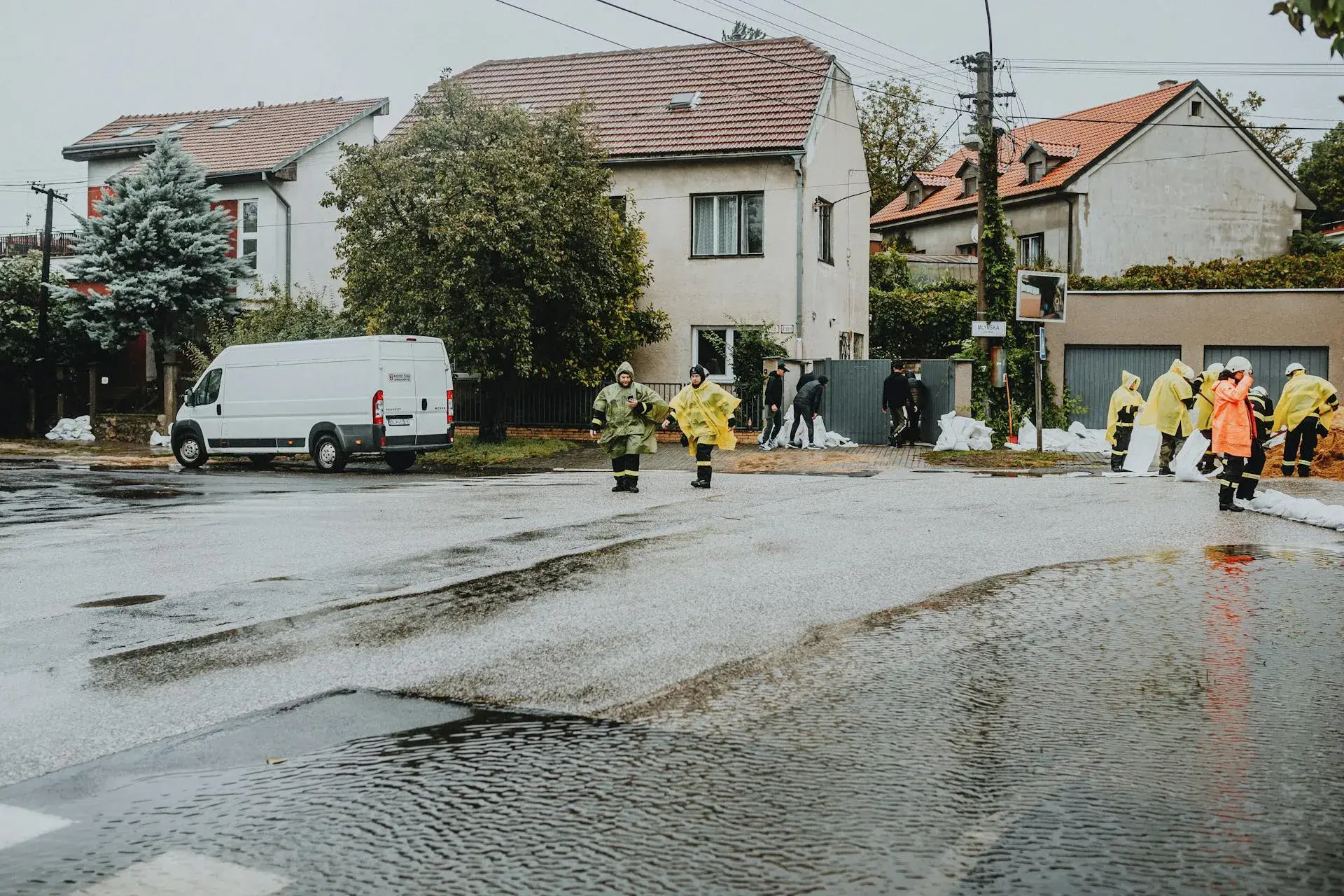
Sewage Cleanup in Lake Mary, FL
Sewage contamination creates an immediate biohazard in your home. Every hour of exposure increases health risk and structural damage. Our certified team responds within 60 minutes to extract, sanitize, and restore.
What Happens When You Call
A real person answers, not a call center. We assess the contamination source, extent, and any immediate safety concerns, then begin coordinating your emergency response.
Your dedicated cleanup team is dispatched from our local base serving Lake Mary and the surrounding Seminole County communities.
Team arrives with industrial extraction equipment, EPA-registered disinfectants, and personal protective gear. Contamination containment and extraction begin immediately.
Sewage extracted, affected areas sanitized, structural drying initiated, and full restoration plan documented. You know exactly what comes next.
Sewage is in your home and it is a biohazard. This is not something that can wait for a convenient appointment, and it is not something you should attempt to handle yourself. The bacteria, viruses, and parasites in sewage create immediate health risk for anyone exposed. X Response exists for exactly this moment. When you reach out, your certified cleanup team mobilizes within minutes. From that first call, one team manages everything: extraction, decontamination, drying, and restoration. You are never left guessing about safety or next steps. Call now. Your team is standing by.
Why Lake Mary Homes Are Vulnerable to Sewage
Lake Mary is a suburban city of approximately 16,800 residents in Seminole County, Florida, where the sewage and wastewater infrastructure serves a community that has grown substantially since the system's original installation during the 1980s and 1990s development boom. In August 2023, a hydrogen peroxide leak at the Lake Mary water treatment plant on Rinehart Road required Seminole County firefighters to respond to the facility, an incident that underscored the operational complexity and vulnerability of the water and wastewater systems serving the city. Seminole County Environmental Services operates the wastewater collection and treatment infrastructure for unincorporated areas and contracted municipalities, managing a network of gravity sewer lines, force mains, and lift stations that move sewage from homes and businesses to regional treatment plants. The system's performance depends on the integrity of aging pipes, the reliability of mechanical lift stations, and the capacity of the network to handle flows during heavy rainfall events.
Lake Mary's sewage backup risk escalated dramatically during Hurricane Ian in September 2022 and the November 2023 record rainfall event. Hurricane Ian unleashed millions of gallons of raw sewage across Florida as floodwaters overwhelmed wastewater collection systems, inundated lift stations, and forced sanitary sewer overflows from manholes into streets and homes. The Florida Department of Environmental Protection requires utilities to report any spill exceeding 1,000 gallons, and the weeks following Ian saw dozens of reports statewide as saturated ground and elevated water tables prevented normal gravity flow through sewer systems. In Seminole County, the combination of record flooding along the St. Johns River, saturated soils from the Crystal Lake chain, and extended power outages at lift stations created conditions where sewage had nowhere to go but backward through the collection system and into the lowest-elevation connections, which are often floor drains, toilets, and shower drains in residential homes.
Lift Station Failures During Storm Events
Seminole County's relatively flat topography means the wastewater collection system cannot rely on gravity alone to move sewage to treatment facilities. The network depends on dozens of lift stations, essentially pumping stations that receive sewage in a wet well and pump it uphill to the next segment of the collection system. During major storm events, these lift stations face three simultaneous threats: power outages that stop the pumps, infiltration of stormwater through aged pipe joints that overwhelms the station's capacity, and flooding of the station's electrical controls and motors. When a lift station fails, sewage backs up through the collection system downstream of the station, affecting every connected home and business between the failed station and the next functioning pump. Lake Mary's position adjacent to the Crystal Lake chain means the local water table is already high, reducing the pipe system's capacity to handle infiltration and increasing the likelihood that manholes become submerged and allow direct exchange between the sewer system and floodwater.
Aging Gravity Sewer Lines and Root Intrusion
Lake Mary's sewer collection system was installed primarily during the 1980s and 1990s as subdivisions were developed. These pipes are now 30 to 45 years old and approaching or exceeding their expected service life. PVC pipes from this era develop joint separation as soil settles and shifts, creating gaps where tree roots can enter and grow. Lake Mary's abundant live oaks, magnolias, and palm species all produce root systems that seek the moisture and nutrients inside sewer pipes. Once a root mass establishes inside a pipe, it catches solid waste passing through and creates a progressive blockage that eventually results in a backup into the home at the lowest fixture, typically a ground-floor toilet, shower drain, or floor drain. Root-related blockages are the single most common cause of residential sewage backups in Lake Mary's neighborhoods, particularly in mature subdivisions along Country Club Road and the older areas near Big Lake Mary where large trees have had decades to develop extensive root systems.
High Water Table and Inflow/Infiltration
The Crystal Lake chain and broader St. Johns River basin maintain Lake Mary's water table at three to eight feet below ground surface under normal conditions, rising significantly after heavy rainfall. When the water table rises above the level of buried sewer pipes, groundwater infiltrates through every crack, joint separation, and manhole seal in the system. This infiltration dilutes the sewage but dramatically increases the volume the system must convey and treat. During the November 2023 event that dropped over 20 inches of rain in approximately 24 hours, the water table across Lake Mary rose to near-surface levels, saturating the sewer system with groundwater infiltration that overwhelmed both pipe capacity and lift station pumping rates. The result was surcharging, where the system becomes pressurized and sewage mixed with groundwater backs up through the lowest-elevation connections into homes. Properties with below-grade plumbing fixtures, including garage floor drains and low-mounted laundry connections, are most vulnerable because they sit below the hydraulic grade line when the system surcharges.
Septic System Failures in Unincorporated Pockets
While the majority of Lake Mary's developed area is connected to Seminole County's centralized sewer system, pockets of older development and properties along the rural edges still rely on individual septic systems. These on-site systems consist of a septic tank where solids settle and a drainfield where liquid effluent percolates through soil for final treatment. In Lake Mary's high-water-table environment, drainfields have limited depth of unsaturated soil available for treatment, and during wet periods the water table can rise into the drainfield itself, preventing percolation and causing the system to back up into the home or surface raw effluent onto the lawn. The Florida Department of Health requires minimum separation between the drainfield bottom and the seasonal high water table, but systems installed decades ago may not meet current standards, and properties where the water table has risen due to upstream development or reduced drainage capacity face chronic performance problems that no amount of pumping resolves.
Toilet and Plumbing Fixture Backups
Beyond system-wide sewer events, the most common sewage cleanup situations in Lake Mary homes involve individual fixture backups from blockages in the private lateral connecting the home to the main sewer line. These laterals are the homeowner's responsibility to maintain, but most homeowners are unaware of their condition until a backup occurs. Flushed items that should not enter the sewer system, including wipes marketed as flushable, feminine hygiene products, and accumulated grease from kitchen drains, create blockages at pipe bends and connection points. When the lateral blocks completely, sewage has nowhere to go but back through the lowest fixture in the home. In single-story slab-on-grade construction common in Lake Mary, that backup typically emerges through the master bathroom toilet or shower drain, flooding the bathroom with Category 3 contaminated water that spreads across the slab and into adjacent rooms within minutes if not stopped.
Lake Mary's sewage cleanup profile encompasses system-wide failures during storm events when lift stations lose power and the high water table overwhelms pipe capacity, chronic root intrusion in aging gravity sewer lines serving mature neighborhoods, septic system limitations in high-water-table areas, and individual lateral blockages in the private plumbing connecting homes to the municipal system. Each scenario produces Category 3 contaminated water that poses immediate health risk and requires professional extraction, disinfection, and structural drying to restore safe habitable conditions.
What Happens to Your Home While You Wait
Immediately
Sewage is a Category 3 biohazard containing bacteria (E. coli, salmonella), viruses (hepatitis A, norovirus), and parasites (giardia, cryptosporidium). Contact with skin, ingestion, or inhalation of aerosols creates immediate health risk. In Lake Mary's warm climate, bacterial reproduction in standing sewage accelerates rapidly. Every porous material the sewage contacts, including carpet, pad, drywall below the flood line, and particleboard cabinetry, becomes contaminated and typically requires removal rather than cleaning.
1–4 Hours
Sewage spreads across the slab and wicks into porous materials at ground level. Drywall absorbs contaminated water upward. Carpet pad, which sits directly on the concrete, acts as a reservoir holding sewage against the slab and beneath the carpet where it is not visible. In Lake Mary's year-round warmth, bacterial populations in the contaminated water double every 20 to 30 minutes, intensifying the biohazard with every hour of exposure. The odor becomes increasingly severe as anaerobic decomposition begins.
24–48 Hours
Bacterial contamination has penetrated deeply into all porous materials. Mold colonization begins on sewage-wetted organic surfaces, combining biological hazards. Structural materials including baseboards, door casings, and lower wall framing absorb contaminated moisture that cannot be safely decontaminated in place. The scope of required demolition expands as contamination migrates further into the building assembly. Lake Mary's humidity prevents any natural drying, keeping materials wet and bacteria active indefinitely without mechanical intervention.
48 Hours and Beyond
Extensive biological contamination throughout affected areas. The concrete slab itself absorbs sewage moisture that continues outgassing odor and bacteria for weeks without professional treatment. Mold growth becomes extensive in the warm, wet, nutrient-rich environment. Structural framing at the base of walls softens as sewage moisture combines with subtropical humidity to create wood-destroying conditions. What started as an extraction and sanitization project becomes demolition, mold remediation, structural repair, and full reconstruction. Health risk to occupants intensifies significantly.
Sewage contamination in Lake Mary's warm climate is an emergency measured in hours, not days. Every hour of delay expands the contaminated area, deepens material penetration, and increases health risk. Contact X Response now. Our team begins extraction and decontamination within 60 minutes.
How We Restore Sewage-Damaged Lake Mary Homes
Sewage cleanup requires a specific protocol that prioritizes human safety, removes the biological hazard, and restores the structure to safe, habitable condition. Here is exactly what the process involves.
Safety Assessment and Contamination Mapping
Our team arrives in full personal protective equipment including Tyvek suits, N95 or higher respirators, chemical-resistant boots, and nitrile gloves. Before any work begins, we assess the electrical safety of the affected area since sewage and standing water near electrical outlets, appliances, and panel boxes create electrocution risk. We map the contamination extent using visual inspection, moisture meters, and odor detection to determine the full boundary of affected materials. In Lake Mary's slab-on-grade construction, sewage often migrates beneath baseboards and into wall cavities without visible surface indicators, so our mapping extends beyond the obvious flood line to identify all contaminated materials.
Sewage Extraction
Standing sewage is removed using truck-mounted and portable extraction units with dedicated contaminated-water handling systems. All extracted material is treated as biohazardous waste. For Lake Mary homes where the backup originated from a toilet or floor drain, we address the blockage or isolation of the failed fixture to prevent continued inflow during extraction. In system-wide backup events during storms, we may deploy temporary check valves or sump systems to manage ongoing inflow while extraction of already-affected areas proceeds. Carpet and pad in sewage-affected areas are removed immediately regardless of apparent condition because pad absorbs and retains contaminated water that cannot be extracted or sanitized, and it holds bacteria against the concrete slab where they remain active indefinitely in the warm environment.
Contaminated Material Removal
All porous and semi-porous materials that sewage contacted are removed to a height of at least 12 inches above the visible water line. In Lake Mary homes this typically includes drywall, baseboards, insulation in affected wall cavities, particleboard cabinet toe kicks, and any engineered wood or laminate flooring in the contamination zone. These materials cannot be reliably decontaminated because their porous structure harbors bacteria below the surface where no disinfectant can reach. Removal is performed with containment protocols to prevent cross-contamination of unaffected areas. All removed material is double-bagged in 6-mil polyethylene and disposed of as biohazardous waste through approved channels.
Disinfection and Antimicrobial Treatment
With contaminated materials removed, all remaining structural surfaces including concrete slab, wall framing, subfloor where applicable, and any retained non-porous materials are treated with EPA-registered disinfectants effective against the full spectrum of sewage-borne pathogens. We apply treatment in multiple passes to ensure complete coverage of all surfaces, including areas behind retained cabinetry, inside wall cavities exposed by demolition, and the concrete slab surface where micro-pores can harbor bacteria. After disinfection, we apply a long-lasting antimicrobial coating to treated surfaces that provides residual protection against recontamination during the drying and reconstruction period. HEPA air scrubbers with activated carbon filtration run throughout the project to capture airborne bacteria and neutralize odor.
Structural Drying and Verification
After disinfection, the affected area requires structural drying to remove moisture from the concrete slab, retained wall framing, and any structural elements. In Lake Mary's high-humidity environment, this requires commercial dehumidifiers and air movers running for several days to bring moisture levels below the threshold where mold growth and continued bacterial activity are possible. We monitor daily with moisture meters and do not consider the drying phase complete until readings confirm the structure has reached its dry standard throughout. Final verification includes visual inspection, moisture mapping, and in cases where insurance or health concerns warrant it, surface swab testing to confirm pathogen levels have been reduced below established thresholds. Completion documentation supports your insurance claim and provides proof that the property has been restored to safe, habitable condition.
The X Response Difference
When you contact X Response for sewage cleanup in Lake Mary, you get a dedicated team that treats the situation as the biohazard emergency it is. From extraction through disinfection to verified safe conditions, one team manages the complete process with the urgency the situation demands.
Insurance Claim Guidance for Lake Mary Homeowners
Sewage backup coverage in Florida homeowner's policies varies significantly depending on the policy type and any endorsements purchased. Standard HO-3 policies in Florida typically exclude damage from sewer or drain backup unless the homeowner has purchased a specific sewer backup endorsement, which is available as an add-on from most carriers for an additional premium. This endorsement is separate from flood insurance and covers sewage that enters the home through the home's own plumbing system. When sewage backup results from a system-wide failure during a storm event and is mixed with surface flooding, the coverage determination becomes complex because the same event may involve both the sewer backup endorsement and the flood insurance policy. After Hurricane Ian, many Seminole County homeowners discovered they lacked the sewer backup endorsement despite having purchased flood insurance, leaving a gap in coverage for the specific mechanism of damage their homes experienced.
How X Response Helps
- Document the sewage source and entry point clearly, distinguishing between private lateral backup, municipal system failure, and surface flooding mixed with sewage
- Photograph contamination extent before cleanup begins, including affected materials, visible water lines, and fixture backflow evidence
- Provide a detailed scope of work separating extraction, demolition, disinfection, drying, and reconstruction costs for your adjuster
- Document health and safety justification for material removal decisions, as carriers may question why porous materials were not cleaned rather than replaced
- Identify whether your policy includes a sewer backup endorsement, which is the specific coverage section that applies to most residential sewage events in Lake Mary
X Response does not file claims on your behalf, adjust claims, or make coverage determinations. We provide documentation and guidance to help you make informed decisions about your property and your policy. Coverage decisions are made solely by your insurance carrier.
Certified Restoration Specialists Serving Lake Mary
When you contact X Response for a sewage emergency in Lake Mary, your cleanup team is drawn from certified professionals who work across Seminole County and understand the specific challenges of decontaminating homes in this subtropical, high-water-table environment. They know how Lake Mary's slab-on-grade construction allows sewage to spread rapidly across entire floor levels. They know how the high water table from the Crystal Lake chain contributes to system surcharging during storms. They know which neighborhoods have the aging lateral connections and mature tree root systems that cause the majority of residential backups. They have responded to individual toilet overflows, lateral blockages that flooded bathrooms, and system-wide storm events where sewage entered dozens of homes simultaneously through overwhelmed lift stations. This is not a janitorial crew with a mop. It is a certified biohazard response team with the training, equipment, and protocols to restore safe conditions after Category 3 contamination.
Every technician on your team holds current IICRC certification in water damage restoration with specific training in Category 3 contaminated water handling protocols. All personnel are equipped with full personal protective equipment appropriate for biohazard exposure. Equipment includes dedicated contaminated-water extraction systems with separate holding tanks, EPA-registered disinfectants effective against the full spectrum of sewage-borne pathogens, HEPA air scrubbers with activated carbon odor filtration, commercial dehumidifiers sized for Lake Mary's extreme humidity, and the demolition tools required to remove contaminated materials safely without dispersing biological hazards into unaffected areas.
In Lake Mary, X Response works with Hugo Fire and Water, an independent local restoration partner serving Seminole County.
Sewage Cleanup FAQ for Lake Mary Homeowners
Other Emergency Services in Lake Mary
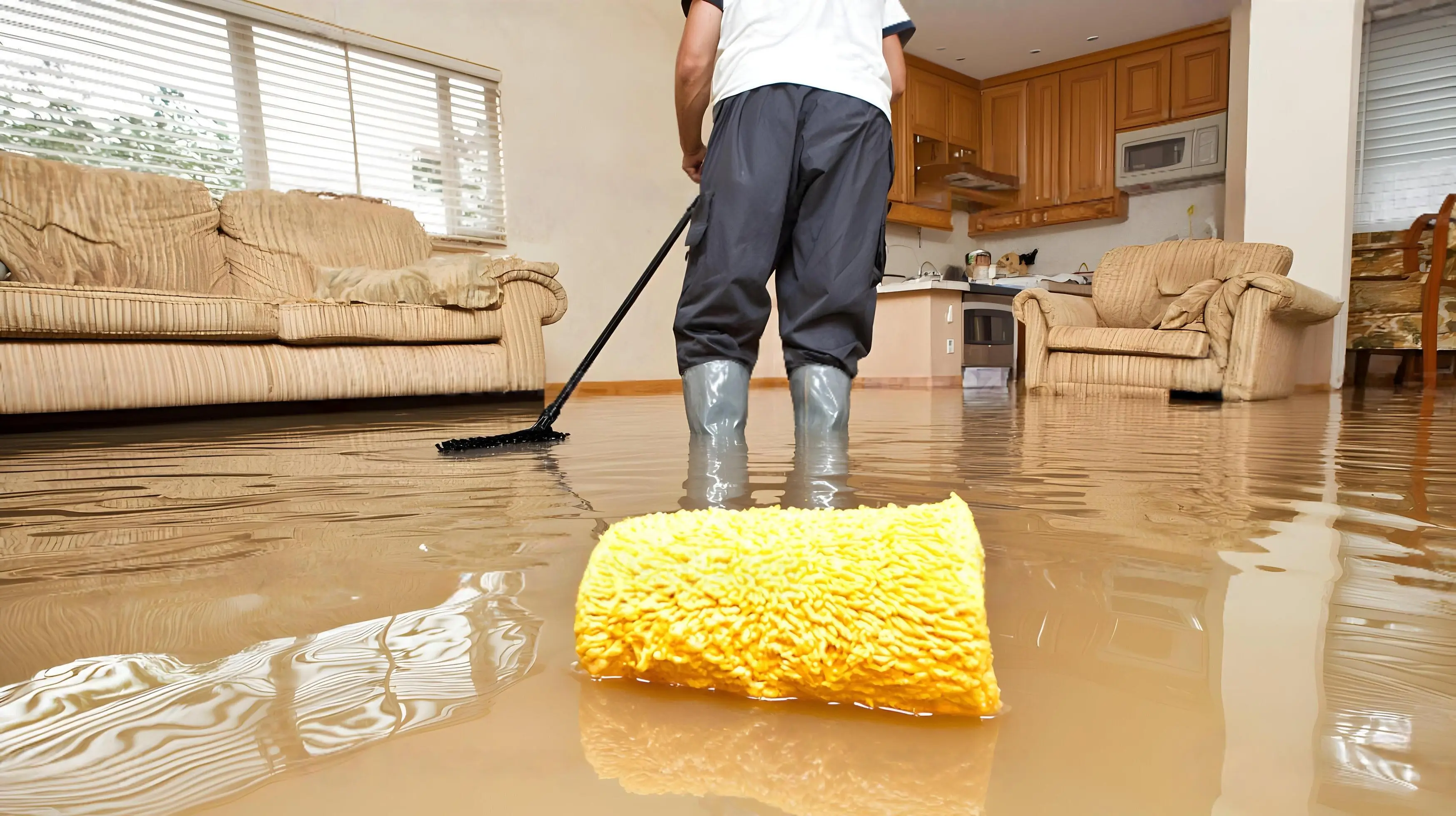
Water Damage Restoration
Burst pipes, storm flooding, standing water. We extract, dry, and restore before mold sets in.
Learn more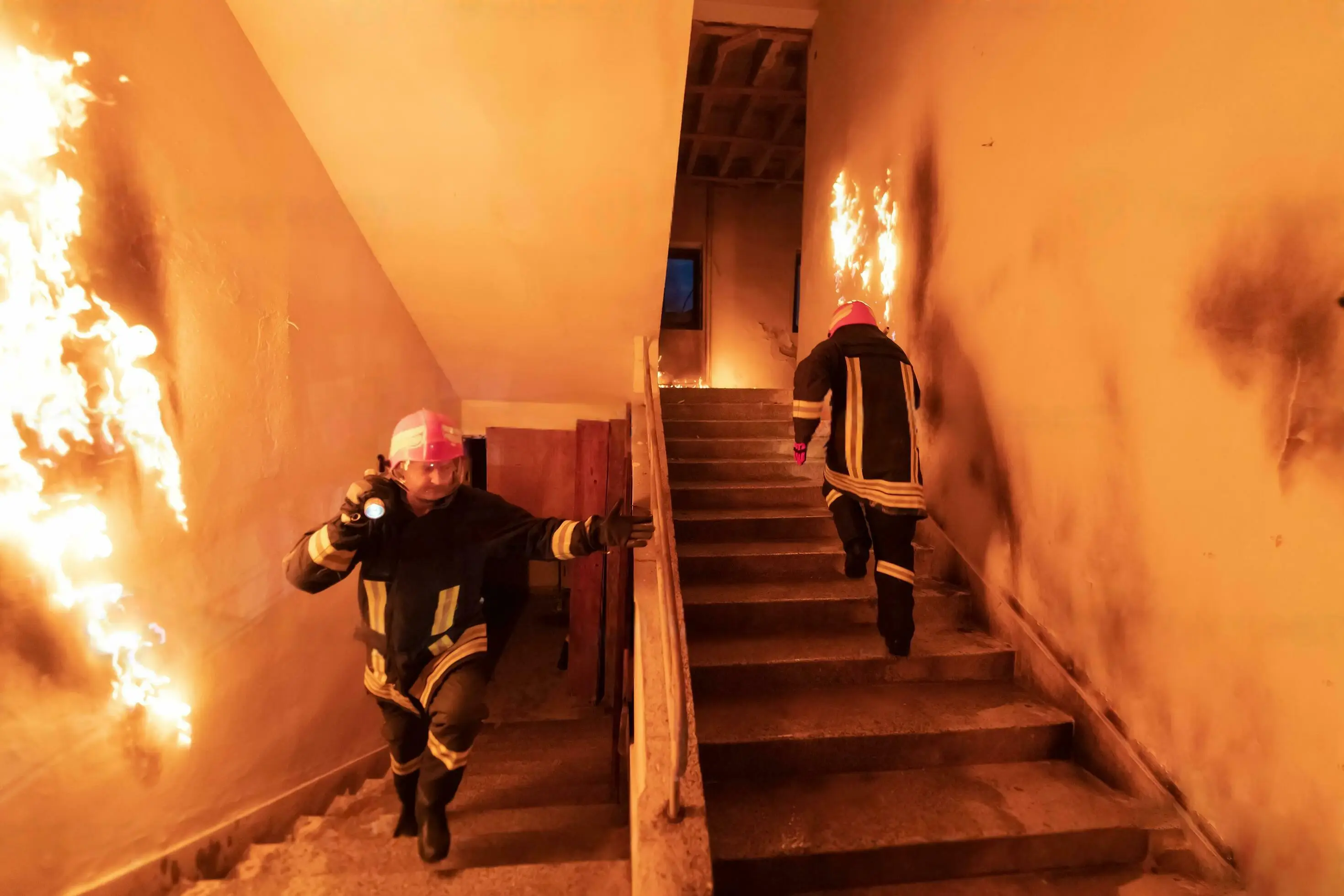
Fire Damage Restoration
Structural damage, soot, debris. We stabilize, clean, and rebuild what fire destroyed.
Learn more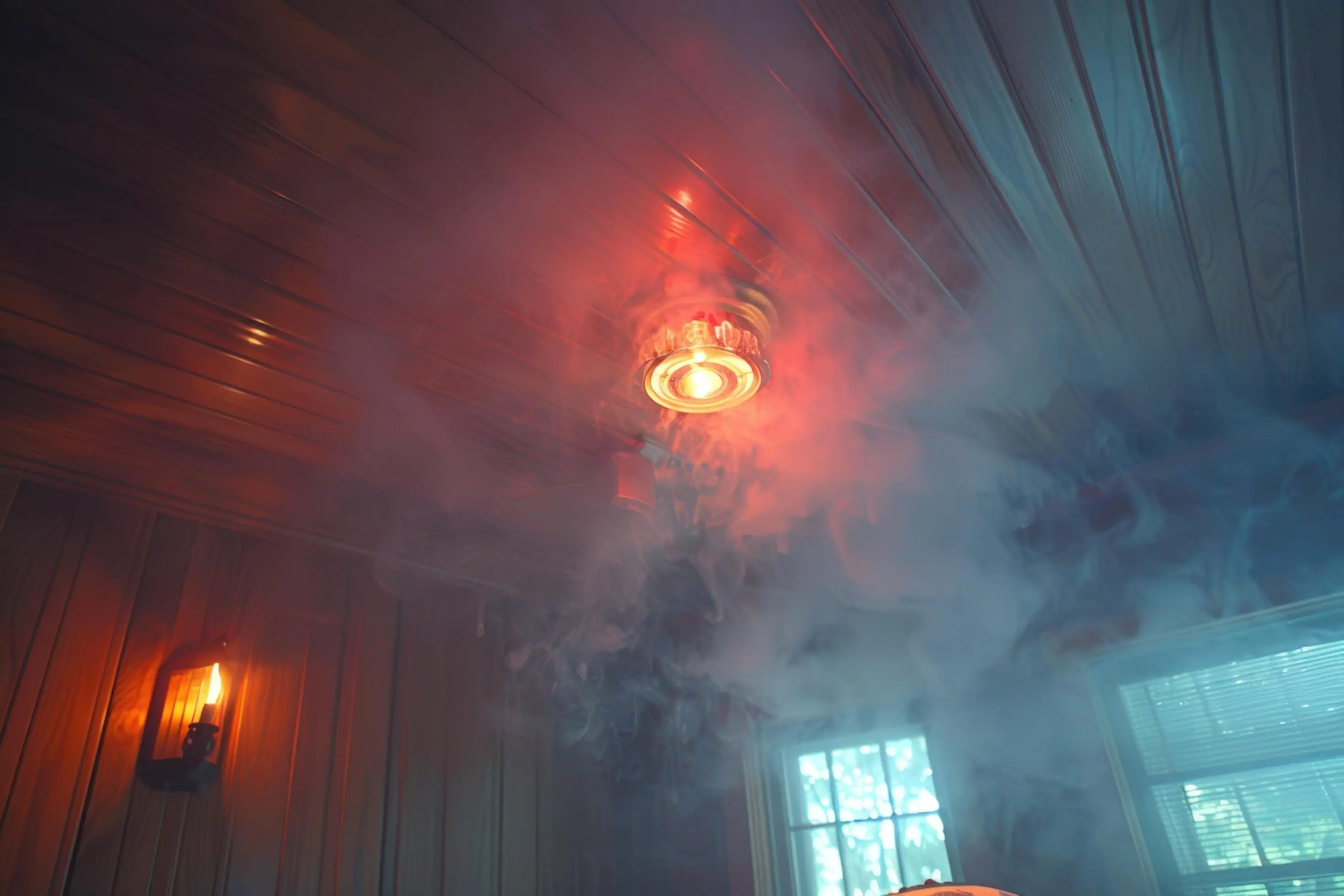
Smoke Damage Restoration
Soot residue, chemical odors, HVAC contamination. We decontaminate surfaces, eliminate odors, and restore air quality.
Learn more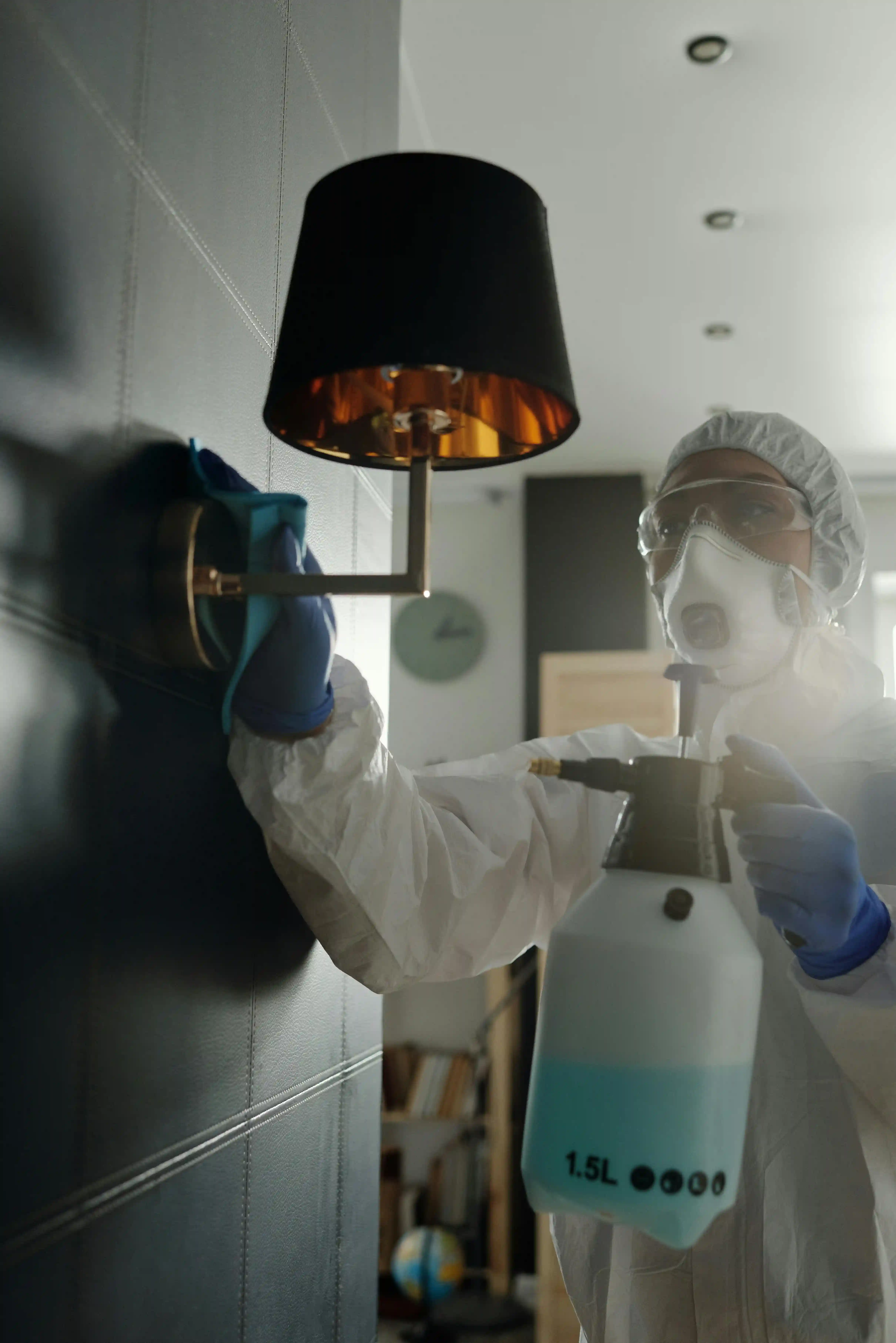
Mold Remediation
Testing, containment, removal, prevention. We find the source, eliminate the growth, and stop it from returning.
Learn more