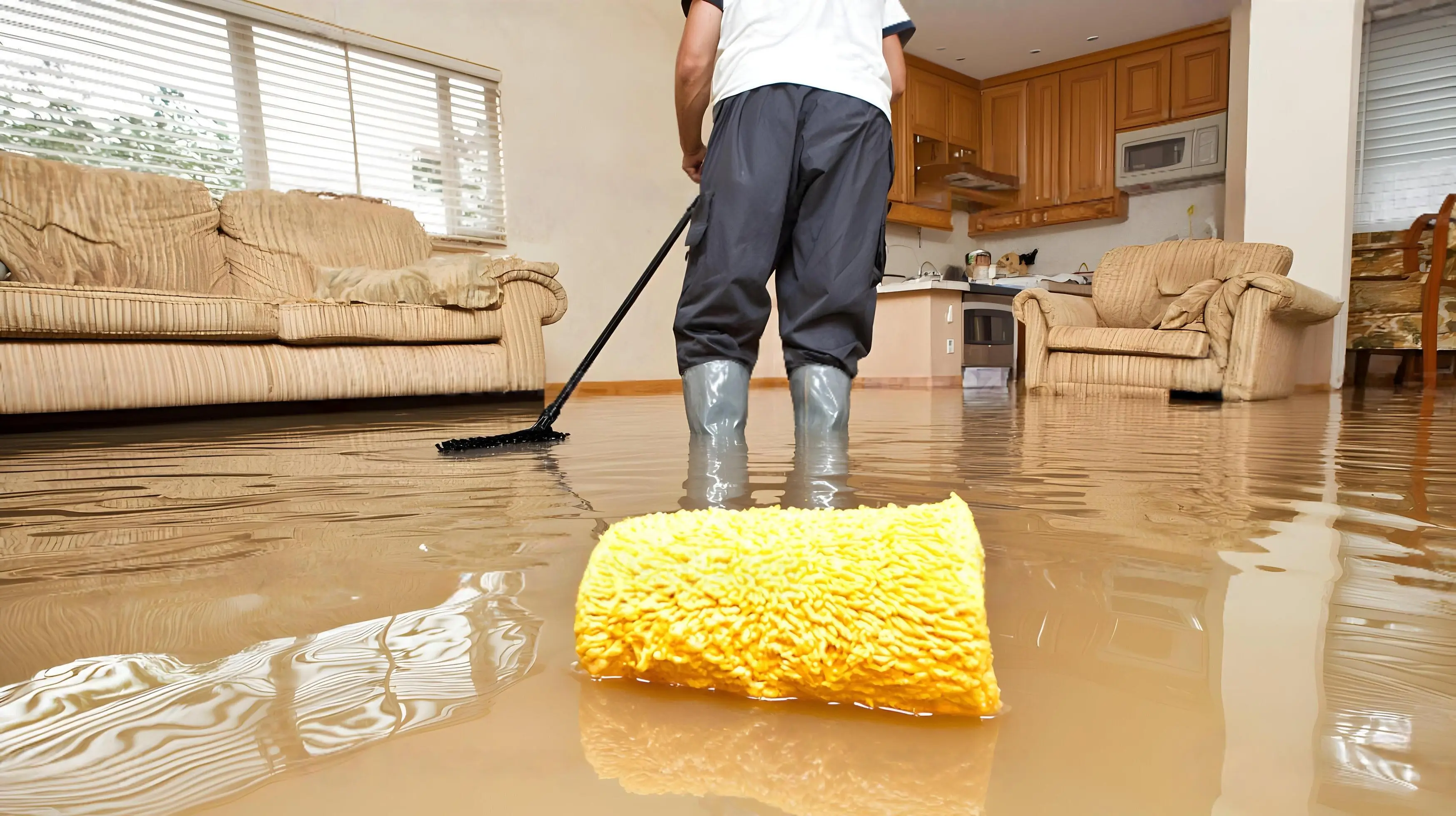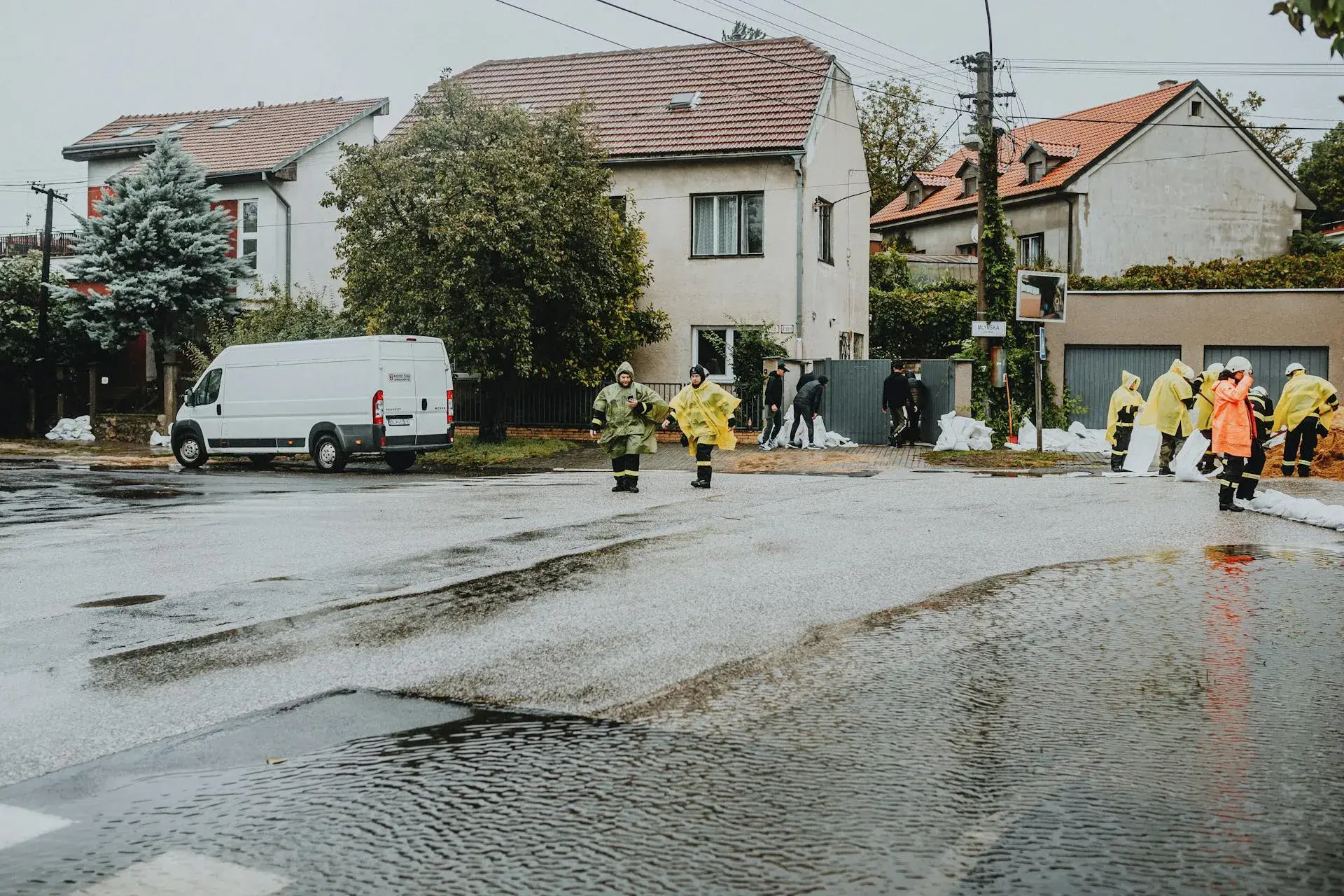
Sewage cleanup crew in protective equipment performing biohazard extraction and sanitation in a residential property
Teams Active in Seminole County

Sewage Cleanup in Sanford, FL

Sewage is a Category 3 biohazard and the contamination worsens by the hour. Our certified local team responds to Sanford emergencies within 60 minutes.

60-Min Response IICRC Certified Insurance Guidance Serving Seminole County

What Happens When You Call

You Call

A real person answers. We assess the situation, advise you to keep everyone away from the contaminated area, and dispatch a biohazard team immediately.

15 Minutes

Your dedicated team is dispatched from our local base serving Sanford and the greater Seminole County area with extraction pumps, PPE, and disinfection equipment.

45–60 Minutes

Team arrives in full protective equipment, contains the affected area to stop cross-contamination, and begins extracting sewage and removing contaminated materials.

Same Day

Standing sewage extracted, biohazard materials removed, disinfection underway, and a documented restoration plan outlined. You know exactly what comes next.

Raw sewage has backed up into your home and it is not something you should be anywhere near. This is a genuine health hazard, and it needs trained people in proper protective equipment, fast. When you reach out to X Response, a biohazard team is mobilized within minutes and on site within the hour. From that point forward, one team manages everything: extraction, biohazard removal, disinfection, drying, and the rebuild. You do not touch any of it. Call now. Your team is standing by.

Why Sewage Backups Happen in Sanford

Sanford's sewage risk is rooted in the same geography and infrastructure that drive its flooding. The city sits low and flat at the head of the St. Johns River on the shore of Lake Monroe, and it runs an aging sewer and wastewater system that recent storms have pushed hard. After the back-to-back hits of Hurricanes Ian and Nicole, city officials said storm activity had accelerated the useful life of the downtown system beyond what regular maintenance could keep up with, and the city commission approved roughly a million dollars in emergency funding to patch it quickly. That is not a sign of neglect so much as a sign of how much strain this system is under.

The consequences show up at the worst times. In January 2024, the wastewater treatment plant on Seminole Boulevard overflowed twice during a short window, spilling millions of gallons toward Lake Monroe and prompting warning signs telling people not to swim or fish. The city has since pursued new lift stations, sewer line upsizing, and monitoring technology to catch areas where heavy rain forces stormwater into the sewer system. For a homeowner, the takeaway is simple: when the public system is overwhelmed or a private line fails, sewage can come back up through floor drains and toilets into the house, and in Sanford's heat that becomes a serious biohazard within hours.

Aging Downtown Sewer Infrastructure

Sanford's downtown sewer system is old, and back-to-back hurricanes accelerated its decline to the point the city committed emergency funding to patch it. Parts of downtown have run on an aging vacuum sewer system, and the city is replacing undersized lines, including a project upsizing 12-inch sewer mains to 18 inches to add capacity. Until those upgrades are complete, the older lines remain prone to backups, especially under the load of a heavy storm.

Storm-Driven Sewer Overflows

When heavy rain hits Sanford, stormwater infiltrates the sanitary sewer and overwhelms it. In January 2024 the Seminole Boulevard wastewater plant overflowed twice, releasing millions of gallons toward Lake Monroe and triggering no-swim, no-fish warnings. Sanitary sewer overflows like these are both a public health hazard and a sign that the system is at capacity, and the same surge that overflows the plant can push sewage back up into nearby homes through drains and toilets.

Power-Dependent Lift Stations Fail in Storms

Sanford's sewer network relies on electric lift stations that pump wastewater under pressure toward treatment. When hurricanes knock out power, those pumps stop and wastewater can back up. After Hurricane Irma, Central Florida saw hundreds of sewer overflows tied to power failures and pump problems, including station failures across the Orlando metro. Sanford faces this same exposure every storm season, and a failure upstream can send backups into homes far from the station itself.

Old Cast Iron Lines and Tree Root Intrusion

Sanford's historic neighborhoods are full of homes with original cast iron and clay drain lines, many decades past their service life. Mature trees common in these established streets send roots toward the moisture in the pipe joints, cracking the lines and creating blockages that send sewage back into the home. A collapsed or root-choked lateral can turn an ordinary day into a Category 3 backup, independent of any storm or city system issue.

Septic Systems in Outlying Areas

Beyond the city sewer footprint, parts of the Sanford area and unincorporated Seminole County still rely on septic systems. Florida's high water table rises during the wet season and saturates drain fields, so the soil can no longer absorb effluent and it backs up into the home. Seasonal flooding along the St. Johns basin makes this worse. A failing or flooded septic system produces the same Category 3 contamination as a city sewer backup and requires the same biohazard response.

Heat Accelerates Pathogen Growth

Central Florida's warmth turns a sewage backup into a fast-moving health hazard. Bacteria and viruses in Category 3 water multiply rapidly in heat and humidity, and a backup that might be manageable in a cooler climate becomes a serious biohazard within hours here. This is why sewage cleanup in Sanford is time-critical and why professional extraction and disinfection cannot wait.

These factors make sewage backups in Sanford a predictable consequence of the city's aging infrastructure, its low-lying riverfront geography, and its climate rather than a freak event. When it happens to your home, the priority is immediate professional extraction and sanitation by a team trained in biohazard protocols. Attempting to clean sewage contamination without proper equipment and training puts your family's health at serious risk and often leaves hidden contamination behind inside walls and flooring.

What Happens to Your Home While Sewage Sits

Within Minutes

Sewage spreads across flooring and begins wicking into porous materials. Bacteria including E. coli and Salmonella and viruses such as Hepatitis A are actively present. Any skin contact, inhalation of aerosols, or ingestion creates immediate infection risk. Children and immunocompromised individuals are at highest danger.

1 to 4 Hours

Contaminated water saturates carpet, pad, drywall, and the base of walls. Pathogens penetrate deep into porous materials where surface cleaning cannot reach. The affected area expands as water wicks outward and upward. Odor intensifies as anaerobic bacteria multiply.

4 to 24 Hours

Bacterial colonies multiply rapidly in the warm, nutrient-rich environment. In Central Florida's heat, pathogen concentrations can increase by orders of magnitude within hours. Contamination spreads into wall cavities, under cabinetry, and into floor-level HVAC returns. The scope of required material removal expands significantly.

24 to 48 Hours

Mold colonization begins on sewage-saturated materials, compounding the biohazard with a secondary contamination. Structural materials begin degrading, and in older homes original wood framing and plaster are especially vulnerable. The combination of sewage pathogens and mold spores makes the space unsafe to occupy without respiratory protection.

Beyond 48 Hours

Extensive structural damage, widespread mold growth, and deep pathogen penetration into building materials. What began as an extraction and sanitation job becomes a full demolition and reconstruction project. Insurance claims grow more complex and contested. The home may be uninhabitable for weeks rather than days.

Sewage contamination does not improve with time. Every hour of delay increases health risk, expands the contamination zone, and raises the cost of restoration. Contact X Response now. Our Sanford biohazard team responds within 60 minutes.

How We Handle Sewage Contamination in Sanford Homes

Sewage cleanup follows strict biohazard protocols. Every step is performed by technicians in full personal protective equipment following the IICRC S500 standard for Category 3 water damage.

Safety Assessment and Containment

Our team arrives in full PPE including Tyvek suits, respirators, and chemical-resistant boots. The first priority is isolating the contaminated area to prevent cross-contamination to unaffected parts of your home. We identify the sewage source, whether a backed-up sewer line, a failed septic system, or storm-driven infiltration, and shut off the water supply if the backup is ongoing. We use moisture meters to map how far the sewage has spread across the floor and into wall cavities. The contamination boundary determines the scope of work.

Sewage Extraction and Material Removal

Standing sewage is extracted using specialized pumps and truck-mounted units designed for contaminated water. All porous materials that contacted sewage are removed and disposed of as biohazard waste. This includes carpet, pad, drywall (typically cut 12 to 24 inches above the visible contamination line), insulation, baseboards, and any wood that absorbed contaminated water. In Sanford's older homes, we take care around original materials, but anything porous that sewage has saturated must come out regardless of age or value, because it cannot be safely disinfected in place. Non-porous surfaces like tile, concrete, and metal fixtures are cleaned rather than removed.

Sanitation and Disinfection

Every surface in the contaminated zone is treated with EPA-registered hospital-grade disinfectants effective against the pathogens found in sewage. The floor, framing members, and remaining non-porous surfaces receive multiple applications. We use antimicrobial fogging to reach areas that direct spray cannot access, including inside wall cavities and under cabinetry that remains in place. HEPA air scrubbers run throughout the process to capture airborne pathogens and reduce odor. The goal is complete pathogen elimination, not just surface cleaning.

Structural Drying

After extraction and sanitation, the structure must be thoroughly dried to prevent secondary damage and mold growth. We deploy commercial dehumidifiers and high-velocity air movers in a calculated pattern. In Central Florida's humidity, structural drying after sewage contamination typically takes 4 to 6 days. Our team returns daily to take moisture readings, reposition equipment as needed, and verify drying is on schedule. The dense original framing and plaster found in many Sanford homes retain moisture longer than modern materials, requiring extended drying time and careful monitoring.

Clearance Verification and Reconstruction

Before the space is cleared for occupancy, we verify the result rather than simply declaring the job done. Post-remediation surface and air sampling confirm that pathogen levels have returned to safe background levels and that the structure is fully dry. We provide completion documentation, including before-and-after photos, contamination mapping, and clearance results, to support your insurance claim. From there we coordinate reconstruction, replacing the drywall, baseboards, flooring, and finishes that were removed, so you deal with one team from biohazard cleanup through final repair. If clearance does not pass, we continue work until it does.

The X Response Difference

Typical Experience A general handyman shows up without proper protective equipment, mops up the visible sewage, and leaves the porous materials and hidden contamination in place.
X Response A biohazard-trained team arrives in full PPE, removes all contaminated materials, and disinfects to the IICRC S500 standard for Category 3 water.
Typical Experience The crew extracts the water but never properly dries the floor and walls, so mold colonizes the sewage-soaked materials within days.
X Response We dry the structure with commercial equipment and daily moisture monitoring, then verify with clearance sampling so secondary mold never gets started.
Typical Experience You are left to find a separate contractor to rebuild what was torn out, repeating the story to someone new while your home sits open.
X Response One team takes you from biohazard extraction through final reconstruction, so the people who cleaned your home are the ones who rebuild it.
Typical Experience You discover too late that your policy excluded sewer backup, with no documentation to support whatever coverage you did have.
X Response We document and classify the contamination from day one and explain how water backup, septic, and flood coverage apply before you file.

When you contact X Response, you get a dedicated biohazard team that manages everything, from emergency extraction and disinfection through structural drying to final reconstruction. One team, one point of contact, one standard of work from start to finish.

Insurance Claim Guidance for Sanford Homeowners

Sewage backup is one of the most commonly misunderstood coverage gaps in a Florida homeowner's policy. A standard policy does not cover sewer or drain backup by default. That coverage exists only if you added a specific water backup endorsement, and even then it often carries its own sub-limit. Damage from a failed septic system may be excluded, or covered only if the failure was sudden rather than gradual wear. Sewage that arrives as part of external flooding, which is a real risk along Sanford's St. Johns River corridor, falls under separate flood insurance rather than your homeowner's policy. Because the source determines the coverage, careful documentation and correct classification of the loss are what make a claim succeed.

How X Response Helps

  • Document and classify the contamination as Category 3 with photos, contamination mapping, and a detailed scope of work
  • Identify the sewage source, whether sewer backup, septic failure, or flood, which determines how your policy responds
  • Explain how a water backup endorsement, septic coverage, and flood insurance apply to your specific situation
  • Provide the documentation your adjuster needs, formatted the way carriers expect to receive it
  • Coordinate with any related storm or flood claim so the loss is tied correctly to its originating event

X Response does not file claims on your behalf, adjust claims, or make coverage determinations. We provide documentation and guidance to help you make informed decisions about your property and your policy. Coverage decisions are made solely by your insurance carrier.

Certified Biohazard Specialists Serving Sanford

When you contact X Response for a sewage emergency in Sanford, your cleanup is handled by biohazard-trained professionals who work in Seminole County and understand how these backups happen here. They know the strain on the aging downtown sewer system, how storm infiltration overwhelms the lines, and how older homes with original cast iron laterals fail. They know the difference between a contained backup in a slab home and one spreading through the framing of a historic house. This is not a crew dispatched from across the state. It is a local team with local knowledge, operating under national biohazard standards.

Every sewage project follows the IICRC S500 standard for Category 3 water, and our technicians carry the appropriate Florida state licensing and IICRC certification for the work being performed. Equipment is commercial-grade and maintained to manufacturer specifications, and our teams work in full personal protective equipment. When your team arrives, they bring everything needed to contain, extract, and disinfect immediately. No waiting for equipment deliveries or second trips.

In Sanford, X Response works with Hugo Fire and Water, an independent local restoration partner serving Seminole County.

IICRC Certified
Licensed & Insured
24/7 Availability
Serving Seminole County
IICRC S500 Protocols

Sewage Cleanup FAQ, Sanford, FL

Nearby Cities We Serve

Also serving nearby: Daytona Beach DeLand Lake Mary Longwood Deltona DeBary Orange City

Sewage Is a Health Hazard. Do Not Wait

Your Sanford biohazard team is standing by. Free assessment, no obligation, full protective equipment, and we guide you through the insurance process from day one. The sooner we extract and disinfect, the safer your home and the smaller the loss.

Call Now Get Help Now Text Us