
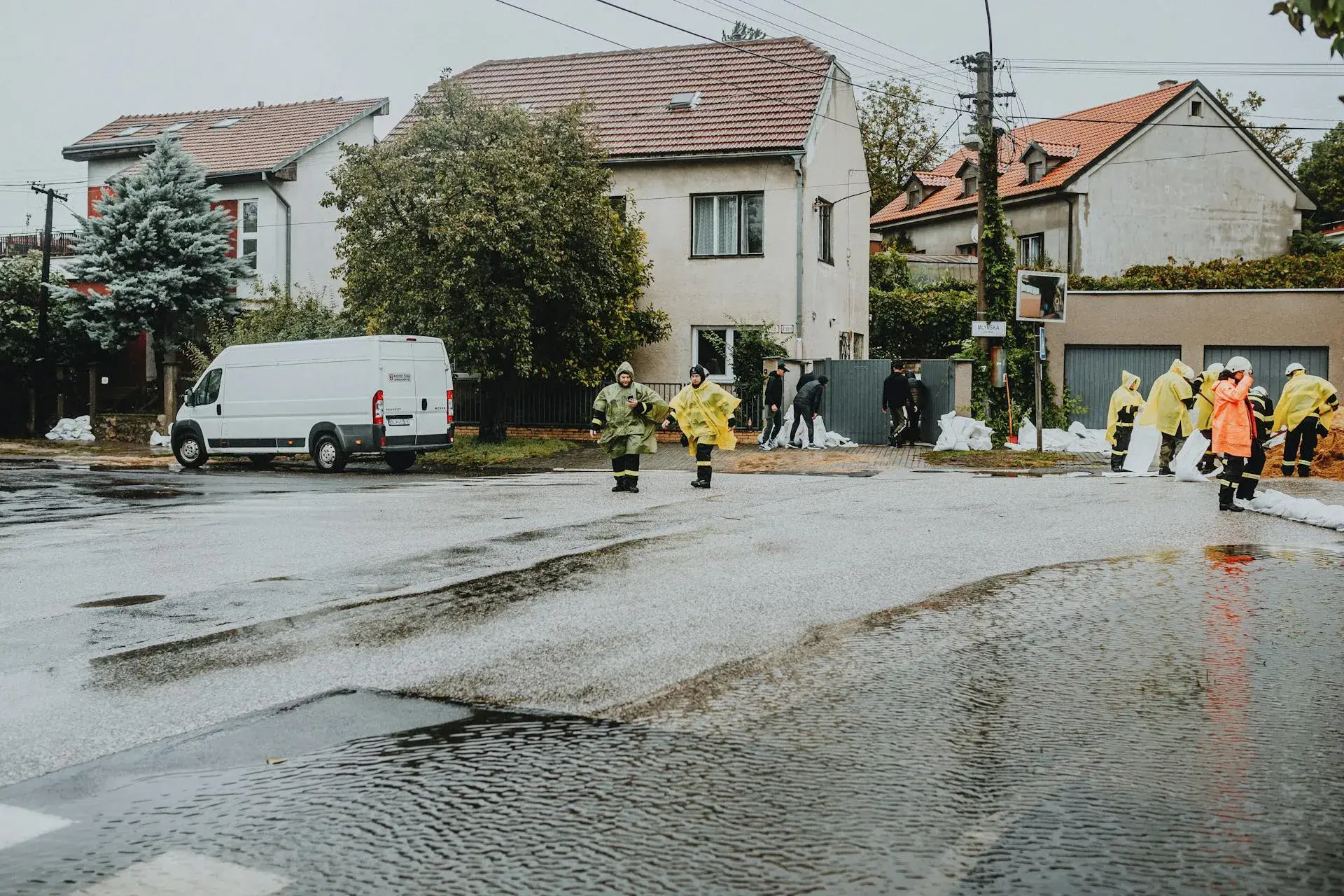
Sewage Cleanup in Estero, FL
Sewage contains dangerous bacteria, viruses, and parasites that multiply rapidly in Estero's heat. Every hour of exposure increases health risk and property damage. Our certified team responds within 60 minutes.
What Happens When You Call
A real person answers, not a call center. We assess the situation, determine the contamination class, and dispatch your biohazard team immediately.
Your dedicated team is dispatched from our local base serving Estero and Lee County with specialized extraction and sanitization equipment.
Team arrives in protective equipment with sewage extractors, antimicrobial systems, and containment materials. Extraction and decontamination begin immediately.
Sewage removed, affected materials documented, sanitization protocols initiated. You know the full scope, timeline, and safety status from day one.
Sewage in your home is a health emergency. It is not something to assess tomorrow or manage with towels and bleach. The pathogens in raw sewage are immediately dangerous, and in Estero's warm climate they multiply at accelerated rates. X Response deploys a certified biohazard team to your home within 60 minutes. We extract, sanitize, and restore. One team handles everything so you are never exposed longer than absolutely necessary. Call now. Your team is standing by.
Why Estero Homes Are Vulnerable to Sewage
Estero, an incorporated village of nearly 37,000 residents in Lee County, faces a sewage contamination risk that is directly linked to its infrastructure history and coastal geography. Unlike most modern subdivisions in Southwest Florida that connect to centralized wastewater treatment, large sections of Estero still rely on individual septic systems. The village has more than 700 septic systems concentrated in 13 communities along the Estero River corridor, many of them installed decades before Estero incorporated in 2014. Studies conducted by Florida Gulf Coast University identified unacceptable levels of fecal bacteria in the Estero River and traced a significant portion of the contamination to leaking and failing septic systems in the adjacent neighborhoods. In 2021, the Village of Estero initiated a $40 million Utilities Expansion Program to convert these communities from septic to centralized sewer service. The program is progressing slowly due to engineering complexity, utility coordination, and the logistical challenge of connecting 13 different communities with varying infrastructure conditions. Until conversion is complete, the existing septic systems continue aging, and failures resulting in indoor sewage backups, yard surfacing, and groundwater contamination remain an ongoing risk for thousands of Estero residents.
Septic systems are not Estero's only sewage risk. During Hurricane Ian in September 2022, storm surge from Estero Bay overwhelmed the stormwater and wastewater infrastructure serving the West Broadway corridor and mixed with floodwater that entered approximately 1,369 homes. When surface flooding mixes with compromised septic systems, the entire flood becomes a Category 3 biohazard event, meaning it contains raw sewage, pathogens, and potential chemical contaminants from residential and commercial sources. Even in non-storm conditions, Estero's high water table creates problems for septic systems. When the water table rises during the wet season or after sustained rainfall, the drain field cannot percolate effluent into saturated soil. The system backs up, either surfacing in the yard or, worse, pushing sewage back through floor drains, toilets, and shower drains into the home. This failure mode is particularly common during the June through September wet season when daily afternoon thunderstorms keep the ground saturated for weeks at a time.
Aging Septic Systems and the Conversion Timeline
Estero's 700-plus septic systems were installed over decades of development when the area was unincorporated Lee County with no centralized sewer service. Many of these systems were built before the 1980 Florida regulatory updates that strengthened design and installation standards. Systems installed in the 1960s and 1970s are now 50 to 60 years old, well beyond the 20 to 30 year expected lifespan of a properly maintained concrete septic tank and drain field. Aging tanks develop cracks that allow groundwater infiltration (which fills the tank and prevents proper settling) or allow untreated effluent to leach into surrounding soil. Drain fields compact, clog with biomat, and lose percolation capacity. The Village's $40 million conversion program will eventually eliminate these systems, but the multi-year timeline means hundreds of aging systems continue operating during the transition. Each year of continued operation increases the probability of individual system failures that produce indoor sewage backups.
High Water Table and Drain Field Failure
Septic system drain fields rely on unsaturated soil below the distribution pipes to filter and treat effluent before it reaches groundwater. In Estero, where the water table near the Estero River and Estero Bay can sit within a few feet of the surface, this separation distance shrinks during the wet season. When the water table rises into the drain field, percolation stops. Effluent has nowhere to go: it either surfaces in the yard (creating a visible sewage exposure on the property) or backs up through the household plumbing, pushing raw sewage into the home through the lowest fixtures. Properties along the river corridor, Broadway, Highlands Avenue, and Sandy Lane are most vulnerable because they sit closest to the water table and experience the greatest seasonal fluctuation. The problem intensifies during tropical rain events when rapid saturation eliminates the drain field's capacity entirely within hours.
Storm-Related Sewage Contamination
When tropical storms or hurricanes flood Estero, the sewage risk multiplies. Floodwater entering homes from the Estero River or overwhelmed stormwater systems passes over and through septic system drain fields, carrying bacteria into the flood. Septic tanks can become buoyant in saturated soil and shift or crack, releasing contents directly into the flood. Even homes on centralized sewer can experience backups when the collection system becomes inundated with infiltration from groundwater and surface flooding. Hurricane Ian demonstrated this comprehensively: the storm surge that flooded the West Broadway corridor mixed with compromised septic effluent to create Category 3 contaminated water throughout the affected area. Every flooded home required biohazard-level decontamination, not simple water extraction. The contaminated flood also entered the porous concrete slab foundations, embedding pathogens in the building material itself.
Estero River Contamination and Public Health
FGCU research documented that the Estero River carries fecal bacteria levels that exceed Lee County health standards at various locations and times, with the contamination source traced to the aging septic systems in adjacent communities. This means the river itself is a contamination vector during flood events. When the river overflows its banks, it deposits bacteria-laden water across the floodplain and into homes that sit within the flood zone. The contamination is not limited to the flood event itself: after waters recede, bacteria can persist in saturated soil, beneath slab foundations, and in porous building materials for extended periods in the warm environment. The Village's septic-to-sewer program specifically targets this contamination pathway, but until conversion is complete, the river remains both a flood risk and a contamination source that compounds every water intrusion event in the communities along its banks.
Warm Climate Pathogen Multiplication
Sewage contamination in Estero's climate behaves differently than in cooler regions. Pathogenic bacteria, including E. coli, Salmonella, and other fecal coliforms, multiply faster at higher temperatures. In Estero's year-round warmth above 70 degrees Fahrenheit, a sewage backup that produces a given bacterial load at the moment of intrusion will have significantly higher pathogen concentrations within 6 to 12 hours compared to the same event in a northern climate. Viruses including norovirus and hepatitis A remain viable longer in warm, humid conditions. Parasitic organisms like Giardia and Cryptosporidium persist in the environment for extended periods. This accelerated pathogen growth means the health risk from a sewage event in Estero escalates faster, the decontamination requirements are more stringent, and the window for safe occupant re-entry is longer than it would be for an identical event in a temperate climate.
Sewage cleanup in Estero operates at the intersection of aging infrastructure, a high water table, tropical flood risk, and a climate that accelerates pathogen growth. The village's ongoing septic-to-sewer conversion will eventually reduce the frequency of septic failures, but the multi-year timeline means current residents continue to face backup risk from systems well beyond their design life. When a sewage event occurs, the response must treat it as a biohazard emergency with immediate extraction, comprehensive decontamination, and verification that pathogens have been eliminated from the structure before occupants return.
What Happens to Your Home While You Wait
Within 1 Hour
Raw sewage spreads across the slab foundation and contacts every surface at floor level. Bacteria begin multiplying immediately in Estero's warm environment. The contaminated water wicks into drywall, baseboards, and cabinetry from below. Carpet and pad become saturated with contaminated water that cannot be cleaned and must be removed. Airborne pathogens begin circulating if the HVAC system is running.
1–24 Hours
Pathogen concentrations increase significantly as bacteria multiply in the warm, nutrient-rich environment. Contaminated water penetrates deeper into porous materials: through drywall paper, into wood framing grain, beneath flooring adhesive, and into the concrete slab. Odor intensifies as anaerobic bacteria produce hydrogen sulfide and other gases. The home becomes unsafe for unprotected occupancy. Materials in contact with sewage for more than a few hours become increasingly difficult to decontaminate and typically require removal.
24–48 Hours
Bacterial colonies establish in contaminated materials. Mold colonization begins simultaneously on wet organic surfaces, compounding the biological contamination. The concrete slab absorbs contaminated water through capillary action, embedding pathogens within the porous concrete. Affected drywall, carpet, pad, baseboards, and lower cabinet sections are now non-salvageable and require full removal. The remediation scope expands significantly with each hour of delay.
48–72 Hours
Severe biological contamination throughout affected areas. Structural wood framing absorbs contaminated moisture and requires aggressive treatment or replacement. HVAC systems that operated during the event have distributed contamination throughout the home. Secondary mold growth compounds health risks. The property may be declared uninhabitable by health authorities. Full demolition of affected areas to structural framing is now required rather than selective material removal.
One Week and Beyond
Without professional intervention, sewage contamination becomes embedded in the building structure. Pathogens persist in the warm environment. Mold growth is extensive and structural. The slab foundation harbors contamination that requires specialized treatment. What began as a sewage extraction becomes a full biohazard remediation, extensive demolition, mold remediation, and rebuild. Health risk to adjacent properties increases as contamination migrates through shared drainage or groundwater.
Sewage in Estero's climate is not a cleanup you can delay. Pathogens multiply in the warmth, moisture spreads through the slab, and mold compounds the contamination within 24 hours. Contact X Response now. Our certified biohazard team responds within 60 minutes.
How We Restore Sewage-Damaged Estero Homes
Sewage cleanup is biohazard work that follows strict decontamination protocols. Here is exactly what the process involves.
Safety Assessment and Contamination Classification
Our team arrives in full personal protective equipment and assesses the contamination scope. Sewage events are classified by the Institute of Inspection, Cleaning and Restoration Certification (IICRC) as Category 3 water, meaning grossly contaminated with pathogens. We determine the source (septic failure, sewer backup, flood-related mixing), the extent of spread, and which materials have been contaminated. Thermal imaging and moisture meters map the full migration path, including areas behind walls and beneath flooring where contaminated water has traveled beyond the visible boundary. This assessment determines the full remediation scope and documents everything for your insurance claim.
Sewage Extraction and Material Removal
Standing sewage is removed using specialized extraction equipment designed for contaminated water. Unlike clean-water extraction, sewage requires enclosed-system equipment that prevents aerosolization of pathogens during the pumping process. Simultaneously, contaminated porous materials are removed: carpet, pad, affected drywall (typically the bottom 12 to 24 inches minimum, extended to the high-water mark plus a safety margin), baseboards, insulation, and any other material that absorbed contaminated water. In Estero's slab-on-grade homes, this includes checking beneath cabinetry and vanities where sewage pools and remains trapped. All contaminated materials are bagged, sealed, and disposed of as biohazard waste.
Sanitization and Antimicrobial Treatment
After contaminated materials are removed, all remaining surfaces within the affected area receive multi-stage decontamination. The concrete slab is treated with EPA-registered antimicrobial products effective against the full spectrum of sewage pathogens including bacteria, viruses, and parasites. Structural framing is cleaned and treated. Wall cavities are treated from inside after drywall removal. We apply antimicrobial treatment in multiple passes, allowing contact time between applications to ensure pathogen elimination. The goal is verified biological safety, not just visual cleanliness. In Estero's warm climate, a single treatment pass may not eliminate all pathogens because the temperature supports regrowth if any organisms survive the initial application.
Structural Drying
After sanitization, the structure must be dried completely before reconstruction. Sewage events in Estero create the same humidity-complicated drying challenges as any water damage event, compounded by the need to ensure the structure is both dry and biologically safe. Commercial dehumidifiers and air movers are deployed in the same calculated patterns used for water damage restoration. The concrete slab requires extended drying because it absorbed contaminated water and must reach target moisture levels before new materials are installed over it. Any residual moisture in the slab can sustain pathogen survival and feed mold growth beneath new flooring. Drying is monitored daily with professional moisture meters until readings confirm acceptable levels throughout.
Verification and Clearance
Before the space is declared safe for reconstruction and re-occupancy, we verify biological safety through environmental testing. Surface swab tests confirm pathogen levels are below acceptable thresholds. Air quality testing verifies no elevated microbial counts in the airspace. Moisture readings confirm the structure is dry enough to prevent mold growth after reconstruction. This verification provides documented evidence that the biohazard has been fully remediated, which protects your family's health, supports your insurance claim, and provides a record for future property transactions. If any area fails verification, additional treatment is performed and retested until it passes.
The X Response Difference
When you contact X Response for sewage cleanup in Estero, you get a certified biohazard team that treats the event with the urgency and protocol it requires. Full extraction, professional decontamination, verified clearance. Your home is not just dry. It is safe.
Insurance Claim Guidance for Estero Homeowners
Sewage backup coverage in Florida depends on the source and your specific policy provisions. Standard homeowner's policies typically exclude damage from sewer or drain backup unless a specific endorsement or rider has been added to the policy. This endorsement is not automatic and must be purchased separately, often with a coverage limit between $5,000 and $25,000 that may be inadequate for a major sewage event requiring full biohazard remediation. Septic system failures on your own property may or may not be covered depending on whether the failure is classified as sudden and accidental versus gradual deterioration from lack of maintenance. Sewage contamination from flood events requires flood insurance and is not covered under standard policies. Understanding your specific coverage before a sewage event occurs is important, but if you are dealing with one now, the priority is immediate extraction and decontamination to prevent health risk and limit the damage scope.
How X Response Helps
- Document the sewage source with photos, video, and professional assessment showing the failure point and contamination extent
- Identify whether the event qualifies under your sewer/drain backup endorsement, standard covered peril, or flood policy
- Provide comprehensive scope of work documenting all contaminated materials, biohazard protocols required, and sanitization verification
- Demonstrate that mitigation was performed immediately and professionally to prevent additional preventable damage
- Document all Category 3 protocols including PPE, contained disposal, antimicrobial treatment, and clearance testing for your adjuster
X Response does not file claims on your behalf, adjust claims, or make coverage determinations. We provide comprehensive biohazard documentation and professional assessment to support your insurance process. Coverage decisions, including sewer backup endorsement applicability, are made solely by your insurance carrier.
Certified Restoration Specialists Serving Estero
When you contact X Response for sewage cleanup in Estero, your team includes certified professionals trained in biohazard remediation who understand the specific sewage infrastructure challenges in this community. They know which neighborhoods still rely on aging septic systems along the Estero River corridor, how the high water table causes drain field failures during the wet season, and how Hurricane Ian's legacy of compromised infrastructure continues to create sewage contamination risk. They have responded to septic failures in the older communities along Broadway and Highlands Avenue, sewer backups in newer developments where construction debris blocked laterals, and storm-related sewage mixing during tropical flooding events. Every response follows Category 3 biohazard protocols regardless of apparent severity.
Every technician holds current IICRC certification in water damage restoration and additional training in biohazard and pathogen remediation. Equipment includes enclosed-system extractors designed for contaminated water, EPA-registered antimicrobial application systems, personal protective equipment rated for sewage exposure, HEPA air filtration, and professional-grade moisture monitoring. When your team arrives, they are fully equipped to begin extraction and decontamination immediately without waiting for additional supplies or equipment.
In Estero, X Response works with Florida Restoration and Platinum Air Mold Inspection, independent local restoration partners serving Lee County.
Sewage Cleanup FAQ for Estero Homeowners
Other Emergency Services in Estero
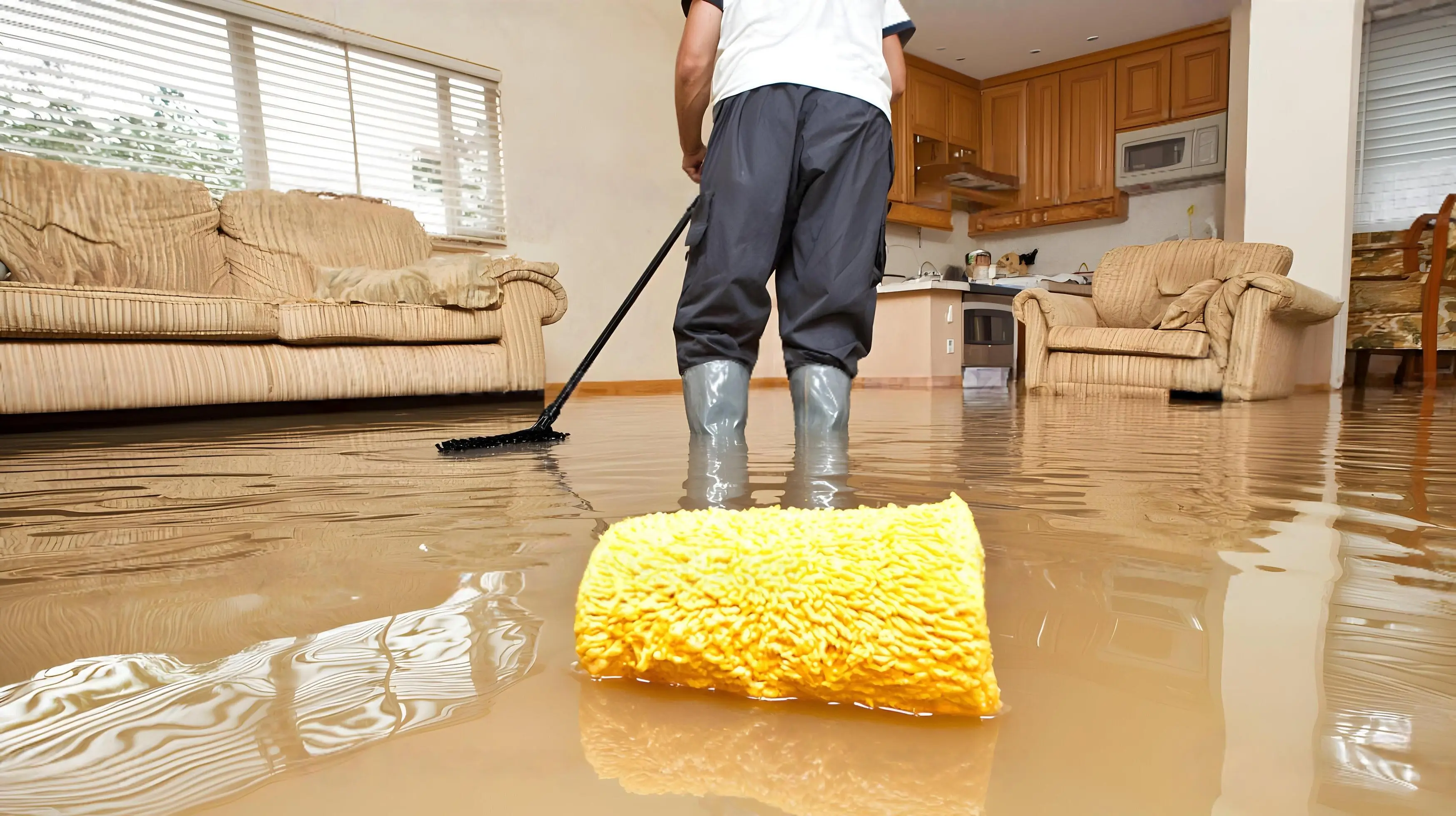
Water Damage Restoration
Burst pipes, storm flooding, standing water. We extract, dry, and restore before mold sets in.
Learn more
Fire Damage Restoration
Structural damage, soot, debris. We stabilize, clean, and rebuild what fire destroyed.
Learn more
Smoke Damage Restoration
Soot residue, chemical odors, HVAC contamination. We decontaminate surfaces, eliminate odors, and restore air quality.
Learn more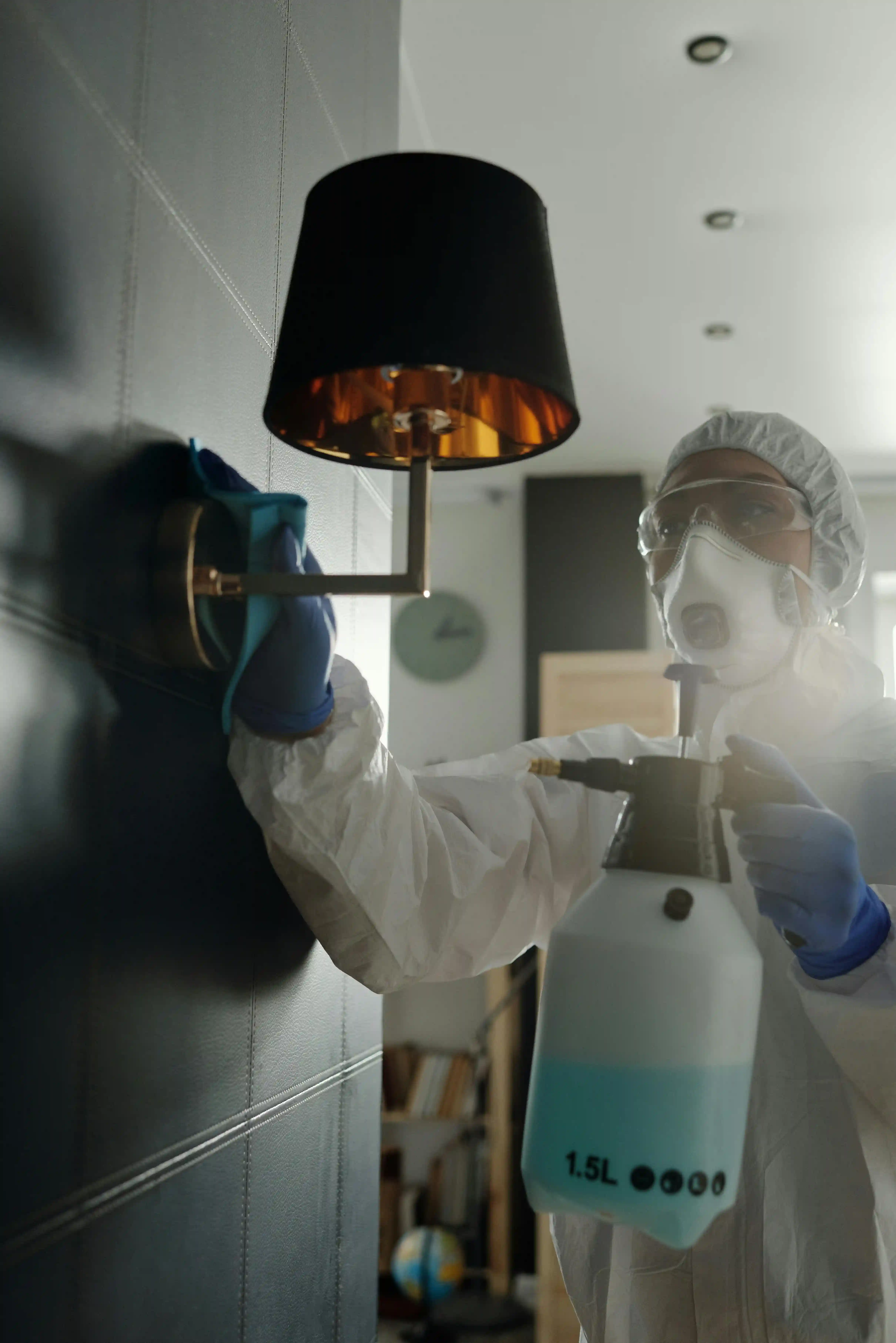
Mold Remediation
Testing, containment, removal, prevention. We find the source, eliminate the growth, and stop it from returning.
Learn moreNearby Service Areas
Also serving nearby: