
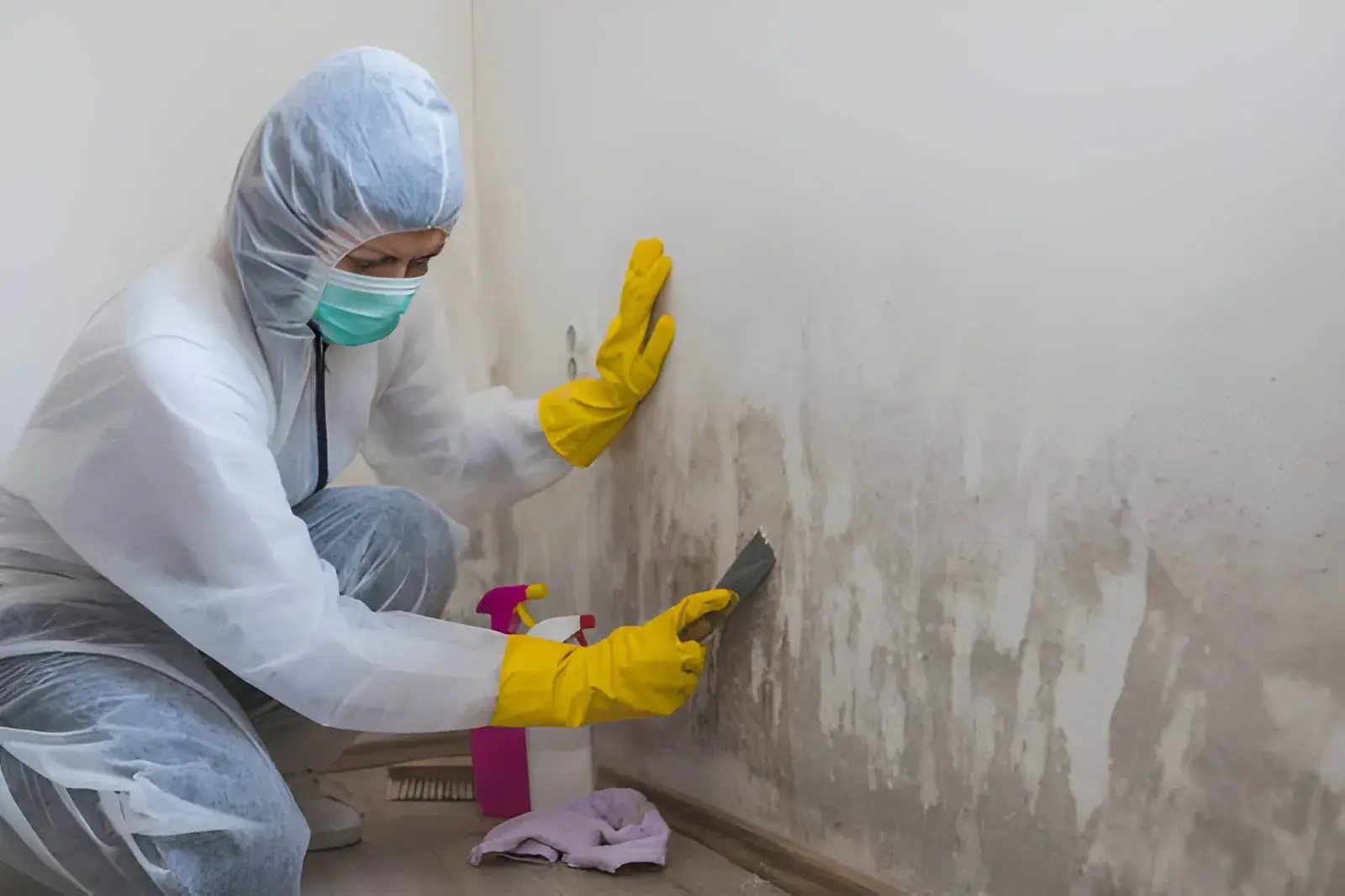
Mold Remediation in Decatur, GA
Decatur's high summer humidity accelerates fungal colonization in as little as 24 hours. Our certified mold crew arrives within 60 minutes.
What Happens When You Call
A certified remediation coordinator takes your call 24/7, reviews your moisture history, and dispatches our local Decatur crew.
Our response truck arrives within 60 minutes equipped with thermal imaging cameras, pinless moisture meters, and HEPA air scrubbers.
Technicians construct sealed polyethylene containment barriers with HEPA-filtered negative air machines to prevent spore migration.
Contaminated materials are safely removed under containment, structural framing is HEPA-vacuumed and treated with EPA-registered antimicrobials, and clearance testing is coordinated.
Discovering mold inside your Decatur residence or historic commercial property indicates an ongoing, hidden moisture problem that threatens indoor air quality and structural integrity. Whether caused by chronic crawl space humidity in an Oakhurst bungalow, an unaddressed roof leak in Winnona Park, or condensation behind bathroom tile in a Clairemont ranch, active fungal colonies release millions of microscopic spores into your indoor air. Surface spraying with bleach only whitens surface growth while leaving the root hyphae embedded deep in wood framing, plaster lath, and drywall. X Response delivers certified, scientific mold remediation throughout Decatur and DeKalb County. Our IICRC-certified specialists construct strict negative-pressure containment zones, utilize commercial HEPA filtration, and eliminate microbial contamination at the source. Call now for 60-minute mold remediation response in Decatur.
Why Decatur Homes Are Vulnerable to Mold
Decatur is a historic city in central DeKalb County with over 24,000 residents, situated just east of Atlanta. The city's residential architecture includes classic 1920s Craftsman bungalows in Oakhurst, historic Victorian homes in Great Decatur, and mid-century crawl space ranches in Winnona Park and Clairemont. Decatur experiences a humid subtropical climate with long, hot summers where ambient relative humidity regularly runs high, combined with more than 50 inches of annual rainfall. This persistent moisture loading, combined with dense Piedmont red clay soil that impedes ground drainage, creates an environment where indoor moisture easily accumulates inside unconditioned crawl spaces, stone masonry basements, and attic cavities.
The U.S. Environmental Protection Agency established that the key to mold control is moisture control and that it is critical to dry water-damaged areas and materials within 24 to 48 hours to prevent mold growth. In Decatur, high relative humidity often prevents building assemblies from drying within this critical window following plumbing leaks, AC condensation overflows, or roof flashing failures. As a result, fungal species such as Stachybotrys chartarum, Aspergillus, and Cladosporium readily colonize paper-faced drywall, organic carpet backing, and structural floor joists, threatening indoor air quality and structural integrity.
Subtropical Summer Humidity and Inward Vapor Drive
During North Georgia's extended summer months, high outdoor humidity creates a strong inward vapor drive toward air-conditioned living spaces. Warm, moisture-laden outdoor air enters structural wall cavities and crawl spaces, condensing on cooler subflooring and drywall surfaces to create an ideal habitat for fungal growth.
Vented Crawl Space Moisture and Red Clay Evaporation
Many historic homes in Oakhurst and Winnona Park feature traditional vented crawl spaces over exposed red clay soil. Ground moisture continuously evaporates into the crawl space, raising humidity to high levels and causing widespread fungal colonization on floor joists, subflooring, and fiberglass insulation.
Attic HVAC Condensation Line Backups
Air handlers located in hot Decatur attics produce gallons of condensation daily during summer cooling. When primary drain lines clog with algae or overflow pans rust through, hidden water leaks into ceiling drywall and attic framing, fostering hidden mold colonies before staining is visible.
Daylight Basement Foundation Moisture Penetration
Sloped terrain across Decatur leads to frequent daylight basement construction. Heavy rains saturate surrounding clay soil, generating hydrostatic pressure that pushes moisture through concrete block walls and cold joints, trapping dampness behind finished basement drywall.
Inadequate Bathroom and Laundry Mechanical Ventilation
High daily indoor moisture from showers and laundry in multi-resident households elevates interior humidity. When exhaust fans are undersized or ductwork vents into attics rather than outside, mold rapidly colonizes bathroom ceilings, closets, and window frames.
Effective mold remediation in Decatur requires scientific moisture detection, strict engineering controls, and thorough structural sanitization. Saturated red clay, unconditioned crawl spaces, and humid summers require a comprehensive remediation strategy. X Response provides certified protocols to ensure your indoor environment is clean and safe.
What Happens to Your Home While You Wait
24-48 Hours
Fungal spores germinate on damp drywall, carpet backing, and crawl space joists. Microscopic hyphae penetrate porous organic materials, establishing permanent fungal colonies.
3-7 Days
Visible black or green colonies appear along baseboards, behind wallpaper, and under sinks. Musty fungal odors spread through the living area as mold releases volatile organic compounds (MVOCs).
1-2 Weeks
Colonies mature and produce millions of airborne spores. Spores enter central HVAC ductwork, spreading microbial contamination to unaffected bedrooms and living areas across the home.
2-4 Weeks
Drywall cores soften and delaminate as fungal enzymes break down cellulose materials. Crawl space floor joists begin suffering structural degradation from wood-decay fungi.
One Month and Beyond
Extensive structural timber rot, pervasive indoor air contamination, and substantial health risks for occupants with allergies or asthma. Remediation requires extensive structural demolition and complete crawl space encapsulation.
Early professional remediation prevents widespread spore contamination and protects your family's health. Contact X Response today for a comprehensive mold evaluation in Decatur.
How We Restore Mold-Affected Decatur Homes
Our mold remediation protocol adheres strictly to the IICRC S520 Standard for Professional Mold Remediation, ensuring complete fungal removal, source moisture elimination, and third-party clearance verification.
Comprehensive Moisture Diagnostic and Thermal Inspection
Our certified technicians conduct a thorough assessment using infrared thermal cameras, digital hygrometers, and penetrating moisture meters to locate hidden moisture sources, active leaks, and the full extent of fungal colonization.
Negative Air Containment and Critical Barriers
We construct sealed containment chambers using 6-mil flame-retardant polyethylene sheeting and commercial zipper doors. Industrial HEPA-filtered negative air machines exhaust air outside, preventing spores from escaping into unaffected living areas during remediation.
HEPA Air Scrubbing and Source Removal
Commercial HEPA air scrubbers run continuously inside the containment zone to capture airborne spores. Non-salvageable porous materials, such as mold-infested drywall and insulation, are double-bagged in sealed hazardous waste containers and removed.
Structural Abrasion, HEPA Vacuuming, and Antimicrobial Treatment
Salvageable structural framing, subflooring, and joists are scrubbed using wire brushes or media blasting, followed by meticulous HEPA vacuuming. We apply EPA-registered botanical antimicrobials to eliminate remaining roots and apply a mold-resistant sealant.
Post-Remediation Verification and Clearance Testing
Following remediation, we ensure the work area is thoroughly cleaned and dried. We coordinate with independent environmental testing professionals to perform air and surface sampling to verify that spore levels meet healthy indoor standards.
The X Response Difference
Choose Decatur's trusted mold remediation specialists for permanent moisture resolution and certified structural recovery. Call X Response today.
Insurance Claim Guidance for Decatur Homeowners
Navigating mold insurance coverage in Georgia requires clear documentation establishing that fungal growth resulted directly from a covered peril, such as a sudden internal plumbing line rupture or accidental water heater burst. Most standard Georgia homeowners policies exclude mold resulting from long-term humidity, neglected maintenance, or exterior ground seepage, and many policies maintain specific caps on mold remediation coverage (typically $5,000 to $10,000). X Response provides meticulous photographic evidence, moisture logs, and forensic reports that clearly link mold colonization to the covered water loss to maximize your claim reimbursement.
How X Response Helps
- Document the direct causal link between a covered sudden plumbing failure and resulting microbial growth
- Itemize containment, HEPA air filtration, material removal, and structural sanitization costs according to insurance standards
- Provide comprehensive moisture readings, thermal imaging logs, and scope-of-work documentation
- Coordinate directly with your insurance adjuster to expedite claim reviews and policy coverage determinations
- Separate covered structural drying expenses from mold policy sub-limits to optimize overall claim benefits
X Response does not act as an insurance adjuster or provide legal coverage advice. We supply forensic moisture documentation, scope sheets, and testing reports to assist you and your insurer.
Certified Restoration Specialists Serving Decatur
Our Decatur mold remediation team is composed of IICRC-certified Applied Microbial Remediation Technicians (AMRT) and Water Damage Restoration Technicians (WRT). Serving neighborhoods from Oakhurst and Winnona Park to Clairemont and Great Decatur, our technicians have extensive experience resolving complex mold problems in historic DeKalb County homes, crawl spaces, and commercial buildings.
We operate specialized service vehicles equipped with industrial HEPA air scrubbers, negative air machines, commercial LGR dehumidifiers, and botanical antimicrobial solutions. We are dedicated to providing Decatur families with safe, transparent, and permanent mold solutions.
In Decatur, X Response works with Boss Contracting, an independent local restoration partner serving DeKalb County.
Mold Remediation FAQ for Decatur Homeowners
Other Emergency Services in Decatur

Water Damage Restoration
Burst pipes, storm flooding, standing water. We extract, dry, and restore before mold sets in.
Learn more
Fire Damage Restoration
Structural damage, soot, debris. We stabilize, clean, and rebuild what fire destroyed.
Learn more
Smoke Damage Restoration
Soot residue, chemical odors, HVAC contamination. We decontaminate surfaces, eliminate odors, and restore air quality.
Learn more
Sewage Cleanup
Sewer backups, contaminated water, biohazard. We extract, sanitize, and restore safely.
Learn more