
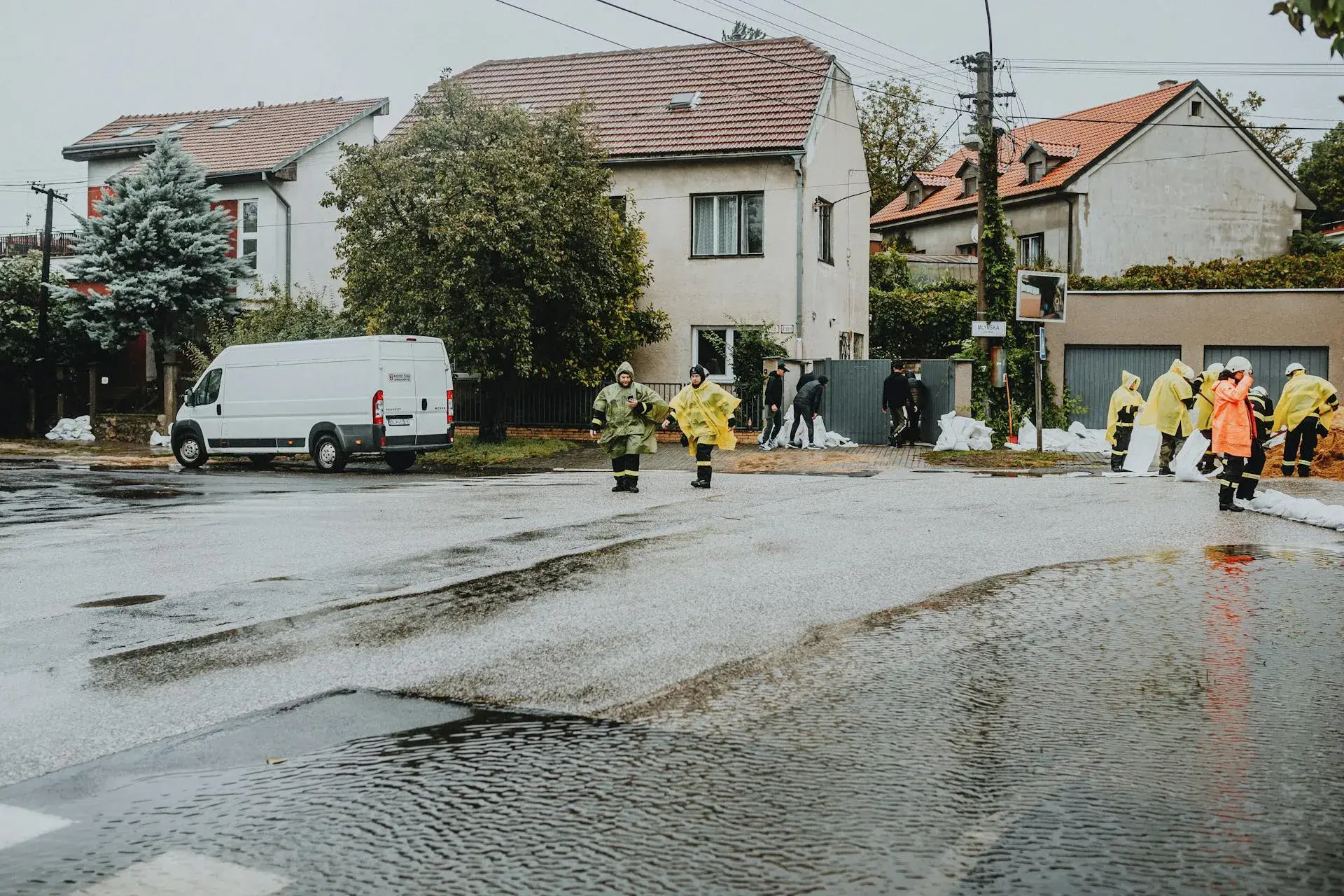
Sewage Cleanup in Clarkston, GA
Sewage contains dangerous pathogens that threaten health within hours. Every minute of exposure increases contamination spread and restoration cost. Our local team responds to Clarkston emergencies within 60 minutes.
What Happens When You Call
A real person answers, not a call center. We assess your situation, ask the right questions, and begin coordinating your response immediately.
Your dedicated cleanup team is dispatched from our local base serving Clarkston and the surrounding DeKalb County communities.
Team arrives with sewage-rated extraction equipment, EPA-registered disinfectants, PPE, and containment materials. Emergency extraction and sanitization begin immediately.
Sewage extracted, contaminated materials removed, sanitization applied, drying equipment placed. You know exactly what comes next.
Sewage is in your property and it needs to be removed immediately. This is not a situation that can wait for a callback queue or a scheduled appointment. Raw sewage contains bacteria, viruses, and parasites that pose immediate health risks, and it contaminates every surface it contacts. X Response exists for exactly this moment. When you reach out, your cleanup team is mobilized within minutes and on site within the hour. From that point forward, one team manages everything: extraction, sanitization, drying, and documentation. Call now. Your team is standing by.
Why Clarkston Homes Are Vulnerable to Sewage
Clarkston's sewage risk is not speculative. DeKalb County operates under a federal Clean Water Act consent decree entered in 2011 after the U.S. EPA and Georgia EPD documented chronic sanitary sewer overflows discharging untreated sewage into local waterways and neighborhoods. The original consent decree was modified in 2020 and extended through December 2027 by U.S. District Court Judge Steven D. Grimberg, requiring the county to invest more than $2.4 billion in capital improvements to its failing sewer infrastructure. A June 2026 WABE report confirmed that DeKalb and the EPA are currently rewriting the multi-decade agreement to further address ongoing issues. The North Fork and South Fork Peachtree Creek Trunk Sewer Upsizing Project, a consent decree priority fix, will replace undersized sewer trunk lines along the same creek corridor that flows through Clarkston, targeting repeat sanitary sewer overflow areas and increasing capacity for the next 50 years. Until those infrastructure upgrades reach the lines serving Clarkston's dense apartment communities, the aging system remains vulnerable to the same overflows that prompted federal intervention.
For Clarkston specifically, the sewage risk compounds because of how the housing stock connects to the system. The city's apartment complexes, built in the 1960s and 1970s, connect to DeKalb County's sanitary sewer through lateral lines and internal plumbing that have aged alongside the county trunk infrastructure. Cast iron drain lines inside these buildings corrode from the inside over decades, developing rough interior surfaces that catch debris, grease, and solids. Tree roots penetrate cracked lateral connections between buildings and the county main. When a blockage develops in an aging lateral or the county trunk backs up during heavy rain, sewage does not stay in the pipe. It reverses direction and enters the building through the lowest openings: floor drains, ground-floor toilets, and shower drains in the apartments occupied by families with no second floor to retreat to. In a city where ground-floor units house many of the most vulnerable residents, including refugee families with young children, sewage backup is both an infrastructure failure and a public health emergency.
DeKalb County Consent Decree and Chronic Sewer Overflows
DeKalb County's sanitary sewer system has been under federal oversight since 2011 when the county entered a consent decree with the U.S. EPA and Georgia EPD to address chronic sanitary sewer overflows. The county agreed to major system upgrades and paid a $453,000 civil penalty. The consent decree was modified in 2020 to further address ongoing overflow problems and extended through December 2027 under a reimagined agreement that requires more than $2.4 billion in capital improvements. Despite more than a decade of repair work, overflows continue in priority areas including trunk lines along the Peachtree Creek watershed that serves Clarkston. The county identified 103 priority sewer fix locations and is executing projects sequentially, but the timeline to complete all repairs extends years into the future. Until the trunk sewer upsizing project along the South Fork Peachtree Creek corridor is complete, the lines serving Clarkston's dense apartment communities remain undersized for the population density they serve and vulnerable to overflows during heavy rain events when infiltration overwhelms capacity.
Aging Building Lateral Lines and Internal Plumbing
The apartment complexes that dominate Clarkston's housing were built 50 to 60 years ago with cast iron drain lines and clay tile lateral connections to the county sewer main. Cast iron corrodes internally over decades, developing tuberculation that narrows the pipe diameter and creates rough surfaces where grease, debris, and solids accumulate. Clay tile laterals crack as the ground shifts, allowing tree root intrusion at joints. These aging internal systems represent the building-side vulnerability that compounds the county-side infrastructure problems. When a cast iron drain line partially blocks inside a building, sewage backs up into the lowest unit before it reaches the county system. When a clay lateral fails between the building and the street, every unit in the building backs up simultaneously. In multi-story apartment buildings with stacked plumbing, a blockage on the ground floor affects every unit above it on the same drain stack. Property owners facing capital expenditures in the hundreds of thousands of dollars for full re-piping often defer repairs, relying on repeated drain cleaning until a catastrophic failure forces replacement.
Inflow and Infiltration During Heavy Rain
DeKalb County's consent decree specifically addresses inflow and infiltration, the entry of rainwater and groundwater into the sanitary sewer system through cracked pipes, failed joints, and illegal stormwater connections. During heavy rain events, groundwater infiltrates through cracks in the aging clay tile and concrete trunk lines, and stormwater enters through manholes, cross-connections, and deteriorated lateral joints. This additional volume overwhelms the system's designed capacity and causes sanitary sewer overflows at low points and manholes upstream of the overloaded sections. For Clarkston, sitting within the South Fork Peachtree Creek drainage area on the Piedmont clay that sheds water toward the creek corridor and its parallel sewer trunk, heavy rain events simultaneously raise the water table, increase infiltration pressure on the sewer system, and reduce the system's ability to convey sewage away from the community. The result is backups into buildings through floor drains and plumbing fixtures at exactly the time when the ground outside is also flooding from surface water.
Ground-Floor Apartment Vulnerability
Sewage backups enter buildings at the lowest point: floor drains, ground-floor toilet bowls, and shower drains. In Clarkston's apartment complexes where a significant portion of the population lives in ground-floor units, sewage backup does not affect a basement utility room that nobody occupies. It enters the living space where families sleep, prepare food, and care for children. Ground-floor units with slab-on-grade construction have floor drains in bathrooms and sometimes laundry areas that provide a direct, unvalved connection between the sewer system and the living space. When the county main or building lateral backs up, sewage rises through these drains into the unit. Unlike homes with basements where a backup might be discovered in a utility space before reaching living areas, ground-floor apartment residents wake up to sewage on their bathroom or laundry room floor with no warning and no buffer zone. The contamination is immediately in contact with personal belongings, flooring, baseboards, and any stored items at floor level.
Dense Occupancy and Multi-Unit Impact
When a sewer lateral serving a Clarkston apartment building fails or the county trunk backs up into the building connection, every unit on the affected drain stack or building section is potentially impacted. A building with 20 ground-floor units may experience simultaneous backups in 5 to 10 units from a single blockage event. The scale of displacement and contamination from one infrastructure failure in Clarkston's dense housing is proportionally much larger than in single-family neighborhoods. Each affected unit requires full extraction, sanitization, material removal, and drying. Residents cannot remain in a unit contaminated with sewage. The displacement logistics, temporary housing coordination, and cleanup timeline compound with each additional unit affected. For property owners and managers, a single sewer event in a Clarkston apartment building can represent a cleanup cost in the tens of thousands of dollars and displacement of dozens of families simultaneously.
These factors create a sewage exposure environment in Clarkston driven by infrastructure failure at both the county and building level. DeKalb County's sewer system operates under federal consent decree because it chronically overflows. The trunk lines along Clarkston's creek corridor are undersized and awaiting upsizing. The apartment buildings connecting to that system have aged lateral lines and internal plumbing that fail independently of the county infrastructure. Heavy rain events overwhelm the system with infiltration at exactly the moment it needs maximum capacity. And the people most directly exposed to backups are ground-floor apartment residents with no buffer between the sewer connection and their living space. Effective sewage cleanup in Clarkston means understanding the difference between a building-level blockage, a county-level backup, and a rain-driven infiltration event, because each has different implications for scope, recurrence risk, and responsibility. It rewards a team that has worked in DeKalb County's dense apartment communities, understands Category 3 water protocols, and can scale from a single-unit cleanup to a multi-unit displacement event within the same response.
What Happens to Your Home While You Wait
Within 1 Hour
Sewage spreads across flooring, wicks into baseboards and drywall, and saturates carpet padding. In Clarkston's ground-floor apartment units, it contacts every surface at floor level including personal belongings stored on the ground, furniture legs, and cabinetry toe kicks. Pathogens including E. coli, Salmonella, Hepatitis A, and parasites are present in the standing sewage and on every surface it contacts. The contamination zone expands with every minute the sewage remains. Health risk is immediate for anyone in contact with the water or contaminated surfaces.
1–24 Hours
Sewage soaks deeper into porous materials: carpet padding becomes a reservoir for pathogens, drywall wicks contamination upward, and particleboard cabinetry absorbs sewage-contaminated water and begins to swell. Bacterial populations multiply rapidly in the warm, nutrient-rich environment. Odor intensifies as anaerobic decomposition begins in saturated materials. In Clarkston's humid climate, the lack of natural drying means contaminated materials stay wet longer, giving pathogens more time to establish and multiply. Cross-contamination to adjacent units through shared floor assemblies may begin if the backup is large enough to pool between floors.
24–48 Hours
Materials that contacted sewage are now contaminated at a level that requires removal rather than cleaning. Carpet, padding, drywall below the contamination line, particleboard cabinetry, and any porous material that absorbed sewage-contaminated water must be discarded. Mold begins colonizing in the warm, wet, organic-rich environment, adding biological contamination to the pathogen exposure. The unit is definitively uninhabitable. Restoration scope has crossed from cleanup into demolition territory for all affected porous materials.
48–72 Hours
Mold growth accelerates on all remaining wet surfaces. Structural materials like subfloor sheathing and framing at the slab interface begin degrading. Odor permeates the structure beyond the original contamination zone, traveling through wall cavities and HVAC systems to adjacent units. The health hazard zone extends beyond the visible sewage contact area as airborne pathogens and mold spores circulate. In multi-unit apartment buildings, adjacent units may become uninhabitable from odor and airborne contamination even without direct sewage contact.
One Week and Beyond
Extensive mold growth throughout affected wall cavities and floor assemblies. Structural degradation of wood and engineered materials that remained in contact with sewage. Contamination spread through building systems to adjacent units. What started as a sewage extraction has become a comprehensive demolition, mold remediation, and reconstruction project. Costs multiply and the timeline extends from days to weeks or months. Insurance claims grow more complex and liability questions between the building owner, county infrastructure, and individual tenants become more contentious.
Sewage in a living space is a health emergency. The difference between a contained cleanup and a multi-unit demolition project is measured in hours. Contact X Response now. Our Clarkston team responds within 60 minutes.
How We Restore Sewage-Damaged Clarkston Homes
From the moment our team arrives, every step follows Category 3 water protocols for sewage contamination. Here is exactly what the cleanup process involves for Clarkston properties.
Safety Assessment and Containment
Our team arrives in full personal protective equipment and immediately assesses the safety of the space. Electrical hazards from standing sewage near outlets and appliances are identified and isolated. The contamination zone is contained to prevent spread to unaffected areas of the building. In Clarkston's apartment buildings, containment means sealing the affected unit or units from adjacent spaces, shutting down HVAC systems that could distribute contaminated air, and establishing negative pressure to keep odor and airborne pathogens within the work zone. Access is restricted to trained personnel with appropriate PPE. The scope of contamination is mapped and documented with photos and measurements for insurance purposes from the first minutes on site.
Sewage Extraction
Standing sewage is extracted using truck-mounted and portable equipment rated for contaminated water. In Clarkston's ground-floor apartment units, extraction begins at the source point, typically the floor drain or toilet overflow, and works outward to capture all standing contamination. Carpet and padding in the contamination zone are removed immediately; they cannot be decontaminated after sewage contact and serve as pathogen reservoirs if left in place. Particleboard cabinetry, baseboards, and drywall below the contamination line are cut out and removed. Every porous material that contacted sewage is treated as contaminated waste, bagged, and removed from the building. The goal of extraction is not just removing visible sewage but removing every material that absorbed it and cannot be sanitized.
Sanitization and Antimicrobial Treatment
Once contaminated materials are removed, every remaining surface is treated with EPA-registered hospital-grade disinfectants that kill the full spectrum of pathogens present in sewage: bacteria, viruses, and parasites. In Clarkston's apartment buildings, sanitization covers not just floors and walls but also the concealed surfaces exposed by material removal: the back side of remaining drywall, slab surfaces, framing members at the slab interface, and any plumbing or mechanical components that contacted sewage. Treatment is applied at manufacturer-specified concentrations and dwell times to achieve full pathogen kill. HEPA air scrubbers run continuously to capture airborne contaminants released during the extraction and demolition process.
Structural Drying
After sanitization, the structure must be dried completely before any reconstruction can begin. Concrete slabs, remaining wood framing, and subfloor materials retain moisture from the sewage event and from the sanitization process itself. Commercial dehumidifiers and air movers are placed in a calculated pattern to drive moisture from these materials efficiently. In DeKalb County's humid climate, mechanical drying is essential; the structure will not air-dry to acceptable moisture levels without equipment intervention. Daily moisture readings track progress until all materials reach their dry standard. For multi-unit apartment buildings, drying equipment is scaled across all affected units and monitored independently.
Verification and Clearance
Before the space is cleared for reconstruction or occupant return, final verification confirms that all contaminated materials have been removed, sanitization was effective, and moisture levels have returned to acceptable ranges. Surface testing may be performed to confirm pathogen levels meet clearance standards. Air quality testing confirms that airborne contamination has been resolved. Documentation of the entire process, including contamination extent, materials removed, sanitization products and methods used, drying records, and clearance results, is compiled for property management records and insurance claims. The space is cleared for reconstruction only after verification confirms it meets health and safety standards for occupancy.
The X Response Difference
When you contact X Response, you get a dedicated cleanup team that treats sewage as the health emergency it is. Full extraction, complete removal of contaminated materials, hospital-grade sanitization, verified drying, and documented clearance. One team, one standard of work, one goal: make the space safe for occupants to return.
Insurance Claim Guidance for Clarkston Homeowners
Sewage backup insurance coverage in Georgia depends on the source of the backup and the specific policy in place. Standard homeowner's policies typically exclude sewer and drain backup damage unless a specific endorsement has been purchased. Many Georgia homeowner's policies offer a sewer backup endorsement with sublimits of $5,000 to $25,000. Renter's policies vary widely in whether they cover sewage damage to personal property. In Clarkston's apartment buildings, the property owner's commercial policy typically covers the building-level damage, while tenant policies cover personal belongings. When the backup results from a DeKalb County system failure rather than a building-level blockage, liability questions arise between the county, the property owner, and individual tenants. Documentation of the backup source, whether it originated in the county main, the building lateral, or internal plumbing, is critical to determining how costs and liability are allocated.
How X Response Helps
- Document the contamination extent with professional photos, measurements, and a detailed scope from the moment we arrive
- Identify the backup source, which determines whether building insurance, county liability, or tenant policy applies
- Prepare documentation that distinguishes between sewage damage, water damage, and mold damage for accurate claim categorization
- Align our cleanup scope with Category 3 water standards so documentation meets carrier and public health requirements
- Explain your policy's likely coverage and any sewer backup sublimits before you authorize work, so you understand your financial exposure
X Response does not file claims on your behalf, adjust claims, or make coverage determinations. We provide documentation and guidance to help you make informed decisions about your property and your policy. Coverage decisions are made solely by your insurance carrier.
Certified Restoration Specialists Serving Clarkston
When you contact X Response for sewage cleanup in Clarkston, your team is drawn from certified professionals who work across DeKalb County and understand the specific sewage infrastructure challenges that affect properties here. They know the consent decree history, the trunk sewer capacity limitations along the South Fork Peachtree Creek corridor, and how aging building laterals and internal plumbing interact with the county system to produce backups in ground-floor apartment units. They have cleaned single-unit backups from internal blockages, multi-unit events from lateral failures, and building-wide contamination from county trunk surcharges during heavy rain. This is not a crew that treats every sewage event identically. It is a team that identifies the source, determines the scope based on how the building connects to the system, and scales the response to match the actual contamination extent.
Every technician on your team holds current IICRC WRT (Water Damage Restoration Technician) certification with specific training in Category 3 contaminated water protocols, and carries the appropriate Georgia state licensing for the work being performed. Equipment includes sewage-rated extraction systems, hospital-grade EPA-registered disinfectants, full PPE, HEPA filtration, commercial drying equipment, and air quality monitoring tools. When your team arrives at your Clarkston property, they are prepared for the full range of sewage events, from a single-unit toilet overflow to a multi-unit backup affecting an entire drain stack in a dense apartment building.
In Clarkston, X Response works with Atlanta's Best Restoration, an independent local restoration partner serving DeKalb County.
Sewage Cleanup FAQ for Clarkston Homeowners
Other Emergency Services in Clarkston
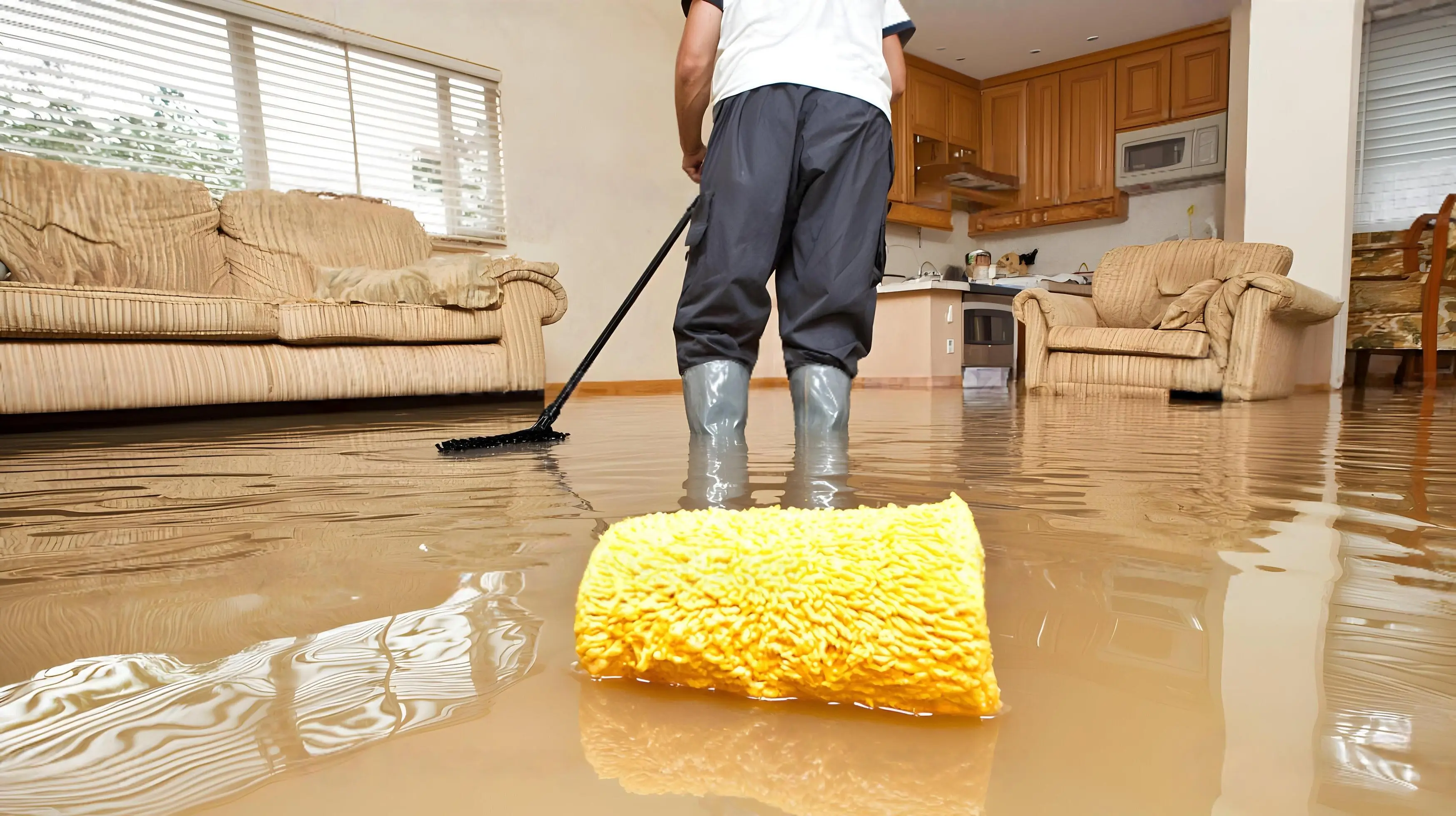
Water Damage Restoration
Burst pipes, storm flooding, standing water. We extract, dry, and restore before mold sets in.
Learn more
Fire Damage Restoration
Structural damage, soot, debris. We stabilize, clean, and rebuild what fire destroyed.
Learn more
Smoke Damage Restoration
Soot residue, chemical odors, HVAC contamination. We decontaminate surfaces, eliminate odors, and restore air quality.
Learn more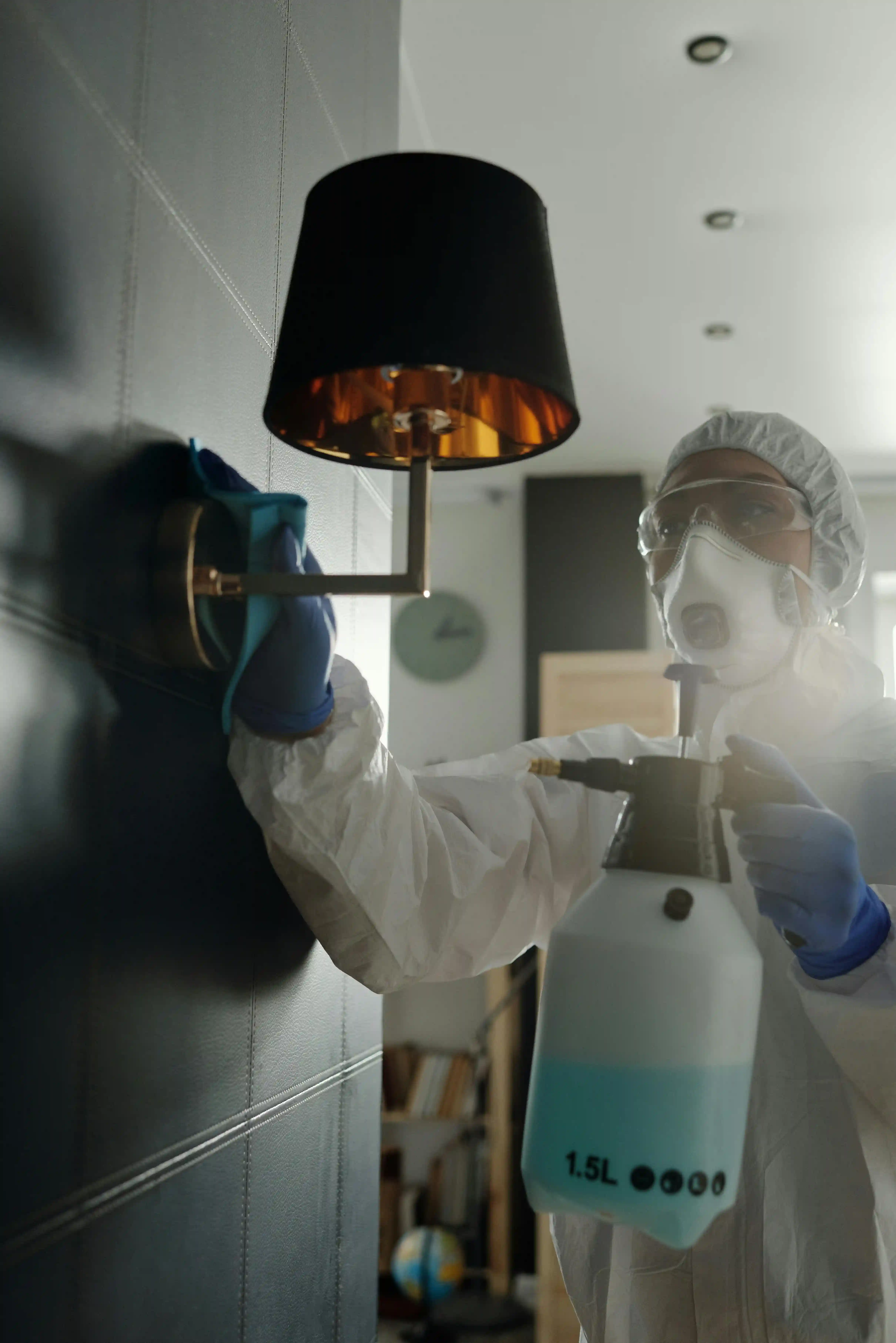
Mold Remediation
Testing, containment, removal, prevention. We find the source, eliminate the growth, and stop it from returning.
Learn more