
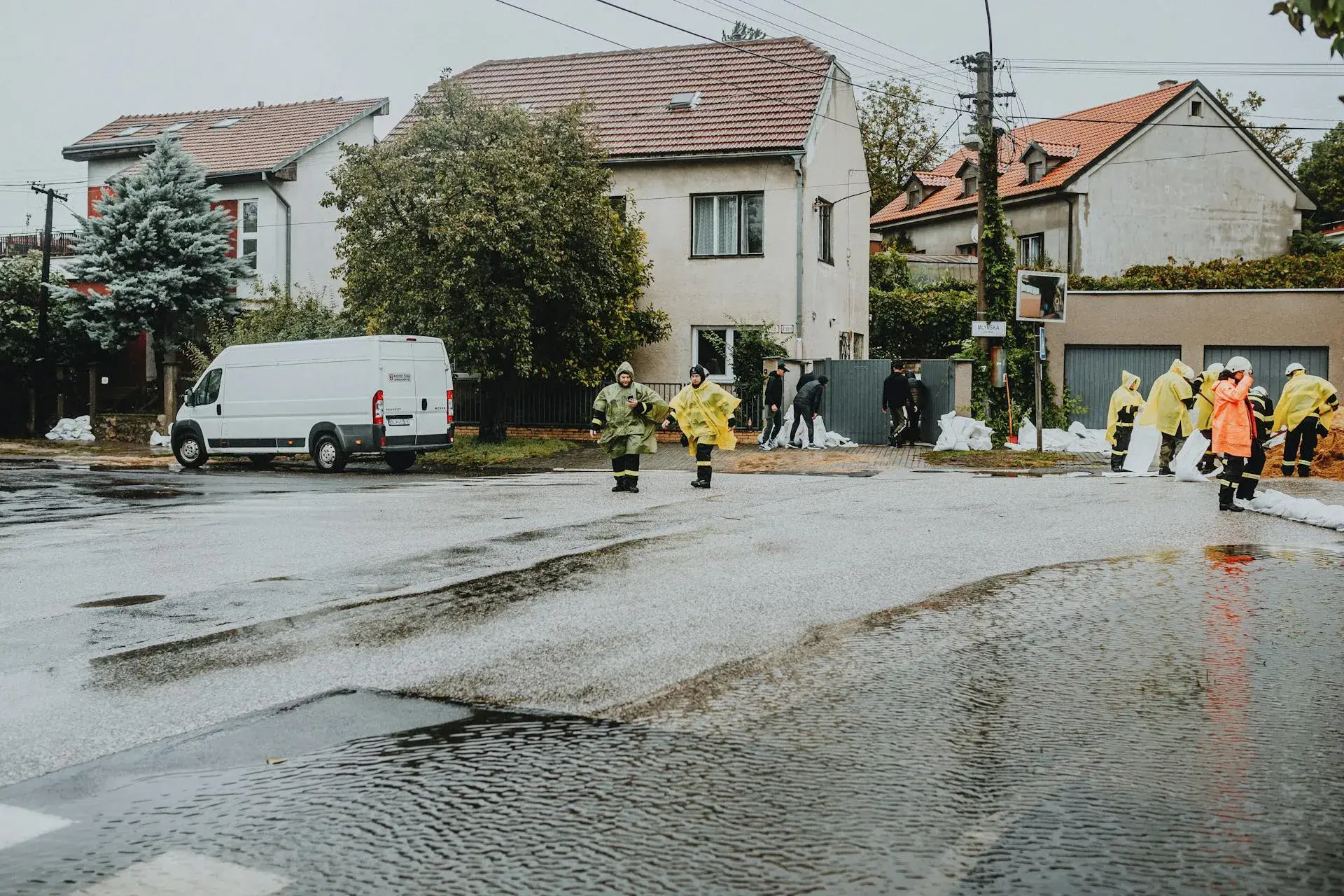
Sewage Cleanup in Kennesaw, GA
Sewage contamination is a biohazard that threatens your health with every hour of exposure. Our local team responds to Kennesaw emergencies within 60 minutes with full Category 3 extraction and disinfection capability.
What Happens When You Call
A real person answers, not a call center. We assess your sewage situation, determine the contamination category, and begin coordinating your response immediately.
Your dedicated biohazard restoration team is dispatched from our local base serving Kennesaw and the surrounding northwest Cobb County communities.
Team arrives in full PPE with sewage extraction equipment, EPA-registered disinfectants, HEPA air scrubbers, and structural drying systems. Extraction and disinfection begin immediately.
Sewage extracted, contaminated materials removed, surfaces disinfected, drying equipment deployed. You know exactly what comes next.
Sewage is in your home or building and the situation is urgent. This is not a cleanup you can handle yourself. Raw or partially treated sewage carries bacteria, viruses, parasites, and chemical contaminants that pose immediate health risks to anyone in the space. X Response exists for exactly this moment. When you reach out, your biohazard restoration team is mobilized within minutes and on site within the hour. From that point forward, one team manages everything: extraction, disinfection, drying, documentation, and insurance guidance. You are never left guessing about the next step or exposed to contamination longer than necessary. Call now. Your team is standing by.
Why Kennesaw Homes Are Vulnerable to Sewage
Kennesaw's sewage risk connects directly to the infrastructure that serves it. The city's wastewater is treated at the Noonday Water Reclamation Facility, a Cobb County Water System plant on Shallowford Road that sits on 20 acres directly alongside Noonday Creek. Built in 1971 and originally sized to treat 12 million gallons per day, the facility today serves northeast Cobb and parts of southern Cherokee County and releases roughly 10 million gallons of treated water into Noonday Creek each day. A plant that large, sitting on the bank of a creek that floods, is a reminder that the system carrying Kennesaw's sewage operates under constant pressure from both volume and weather. When any part of that system backs up, overflows, or loses capacity, the consequences show up at the building level, where sewage reverses direction through laterals and enters homes and businesses.
Those overflows are documented and ongoing. On December 22, 2025, the Cobb County Water System reported that wastewater overflowed into a tributary of Noonday Creek at 3060 Kings Drive in Kennesaw, one of the sanitary sewer overflows the county tracks and reports through its CMOM program under its state wastewater permits. The CMOM program, which stands for Capacity, Management, Operation, and Maintenance, exists precisely because the collection system experiences recurring overflows during heavy rain and at points where pipes age or block. The scale of what can go wrong is not theoretical: in 2018, a pump failure at another Cobb County treatment plant sent more than 100 million gallons of sewage into Nickajack Creek, and in early 2026 the county authorized a 30 million dollar settlement tied to that failure. For a Kennesaw property owner, the lesson is that you cannot control what happens at the plant, the pump station, or the public main, only how quickly you respond when contaminated water enters your space.
Cobb County Sewer System Overflows
The Cobb County collection system experiences recurring sanitary sewer overflows, which the Water System logs and reports through its CMOM program under its state wastewater permits. The December 22, 2025 overflow into a Noonday Creek tributary at 3060 Kings Drive in Kennesaw is one entry in an ongoing record of spills across the county. Overflows happen when lines block, when pumps fail, or when storm water infiltrates the system and overwhelms its hydraulic capacity. These system-level events matter at the building level because an overwhelmed or blocked main creates backpressure that pushes sewage up through building laterals and into the lowest fixtures in connected homes and businesses. When the public system cannot move wastewater, the path of least resistance can run backward into your floor drains, basement toilets, and ground-level plumbing.
The Noonday Water Reclamation Facility and Creekside Exposure
The Noonday Water Reclamation Facility, in Kennesaw on Shallowford Road, has treated the area's wastewater since 1971 and now processes flows for northeast Cobb and parts of southern Cherokee County, discharging treated water into Noonday Creek. Its location directly on the creek bank means the facility shares the flood exposure of the corridor it sits on, and high water on Noonday Creek is the same condition that stresses the collection system upstream. When sustained regional rain raises the creek and saturates the ground, infiltration into sewer lines climbs, treatment capacity is tested, and the risk of overflows and backups rises across the basin the plant serves. The facility is modern and well run, but no treatment system is immune to the combination of aging collection pipes and intense North Georgia storms.
Storm-Driven Sewer Backups
North Georgia receives roughly 50 inches of rain a year, concentrated in spring and summer thunderstorms, and that rain is a direct driver of sewer backups in Kennesaw. During intense rainfall, storm water infiltrates the sanitary sewer through aged pipe joints, cracked manholes, and improper connections, a problem the industry calls inflow and infiltration. That extra water overwhelms the system's capacity and creates hydraulic backups that push sewage upward through the lowest-elevation connections: floor drains, basement toilets, shower drains, and ground-level cleanouts. Properties at lower elevation relative to the main, or those served by pump stations that can lose power during storms, are most vulnerable. A single intense thunderstorm can produce a backup in any home where the building lateral sits below the hydraulic grade line of an overwhelmed main.
Building Lateral Failures and Tree Root Intrusion
The building lateral, the private sewer pipe connecting a home to the public main, is the property owner's responsibility, and in Kennesaw's older neighborhoods and the subdivisions built during the growth wave around the university, many laterals are now decades old and approaching the end of their reliable service life. Clay and cast-iron laterals crack, separate at joints, and attract tree root intrusion that partially or fully blocks the pipe. When a blockage forms, sewage has nowhere to go but back into the building through the lowest drain. Root intrusion is especially common in this area because Piedmont clay soil stays moist enough to draw roots toward the moisture and nutrients inside sewer pipes year-round. From the homeowner's perspective the failure is sudden, but it has usually been developing underground for years.
Health Hazards of Category 3 Water
Sewage is classified as Category 3, or black water, under IICRC standards, meaning it contains or is presumed to contain pathogenic agents including bacteria such as E. coli, Salmonella, and Shigella, viruses such as Hepatitis A and Norovirus, parasites such as Giardia and Cryptosporidium, and chemical contaminants from household and industrial waste. When this water backs into a home through a building lateral or an overwhelmed main, it carries that full pathogen load onto floors, into carpet and padding, and up into drywall and wall cavities. Exposure through skin contact, ingestion, or inhalation of contaminated aerosols can cause gastrointestinal illness, skin infections, respiratory problems, and more serious disease in immunocompromised individuals. Professional extraction with full PPE, EPA-registered disinfection, and proper biohazard disposal is not excessive caution. It is the minimum safe response.
Kennesaw's sewage risk reflects both system-level infrastructure challenges and building-level vulnerabilities. The Cobb County collection system logs recurring overflows, including the December 2025 spill into a Noonday Creek tributary in Kennesaw, and the Noonday Water Reclamation Facility carries the area's wastewater on a creek that floods. Heavy rain infiltrates aging pipes, and building laterals from earlier growth eras are reaching failure age. When any of these conditions puts sewage into a home or building, the contamination is immediate, serious, and beyond do-it-yourself capability. Effective sewage cleanup here requires a team that understands Category 3 biohazard protocols, carries the proper PPE and EPA-registered disinfectants, and can manage the full scope from extraction through drying, disinfection, clearance, and insurance documentation.
What Happens to Your Home While You Wait
Within 1 Hour
Sewage spreads across flooring, saturates carpet and padding, and begins wicking into drywall and baseboards. Pathogens in the contaminated water are active and present on every surface the water contacts. In crawl spaces, sewage pools on the vapor barrier and against floor joists. In ground-floor and basement areas, it collects at the lowest point and saturates any stored belongings, mechanicals, or finished materials at floor level. Health risk to occupants is immediate.
1–24 Hours
Bacterial and viral contamination spreads to every porous material the water reached. Sewage odor intensifies as organic matter begins decomposing in the warm indoor environment. Drywall wicks contaminated moisture upward, expanding the contamination zone above the visible waterline. Carpet padding, which holds liquid against the subfloor, becomes a biohazard reservoir that cannot be salvaged regardless of cleaning attempts.
24–48 Hours
Mold colonization begins on contaminated organic materials, compounding the biohazard with airborne spore exposure. Contaminated water in wall cavities and beneath flooring creates conditions that are invisible from the living space but actively producing pathogens and mold. The scope of demolition and disinfection expands significantly as contamination migrates into concealed structural spaces.
48–72 Hours
Sewage-contaminated materials begin decomposing, producing hydrogen sulfide and other hazardous gases. Structural wood in sustained contact with sewage begins absorbing contaminants that cannot be cleaned from the surface and may require replacement rather than disinfection. The line between restoration and full demolition shifts as more material crosses the point of recoverability.
One Week and Beyond
Extensive mold growth through all contaminated areas. Structural decay accelerates where wood framing remained in contact with sewage. The project becomes full-scale demolition, structural repair, and rebuild rather than extraction and disinfection. Insurance claims grow substantially and may face scrutiny if the carrier determines that timely response would have limited the damage.
Sewage contamination is a health emergency. Every hour of delay expands the biohazard zone, increases demolition scope, and extends health risk to occupants. Contact X Response now. Our Kennesaw team responds within 60 minutes with full Category 3 capability.
How We Restore Sewage-Damaged Kennesaw Homes
From the moment our team arrives, every step follows IICRC Category 3 biohazard protocols. Here is exactly what the sewage cleanup process involves for Kennesaw properties.
Biohazard Assessment and Safety Securing
Our team arrives in full personal protective equipment and immediately assesses the contamination extent, the sewage source, and any ongoing inflow. If sewage is still entering the building from a backed-up lateral or overwhelmed main, we coordinate with the Cobb County Water System or a licensed plumber to stop the source before extraction begins. We identify which areas are contaminated, which materials must be removed versus cleaned, and whether the HVAC system has been exposed. The area is cordoned from occupant access because Category 3 contamination poses immediate health risk from contact, ingestion, and inhalation. Everything is documented from the first moment for your insurance claim.
Sewage Extraction and Material Removal
Standing sewage is extracted using specialized pumps and vacuums designed for contaminated water. Unlike clean-water extraction, sewage equipment contains the contaminated liquid for proper disposal rather than discharging it on site. Once standing liquid is removed, all contaminated porous materials are demolished and disposed of as biohazard waste. That includes drywall to a minimum of 12 inches above the visible waterline, often higher based on wicking, all carpet and padding, all insulation that contacted sewage, and any stored contents that absorbed contaminated water. In crawl spaces, contaminated vapor barriers and insulation are removed entirely, and any organic debris on the subgrade is cleared.
Disinfection and Antimicrobial Treatment
Every surface that contacted sewage or sits within the contamination zone receives treatment with EPA-registered disinfectants effective against the pathogen categories present in sewage. Framing, subfloor, concrete, and any retained structural material is cleaned, then treated with antimicrobial solution and allowed contact time per manufacturer specifications. In crawl spaces, the clay subgrade is treated and a new heavy-gauge vapor barrier is installed after the space is confirmed dry. HEPA air scrubbers with activated carbon run continuously to capture airborne pathogens and control odor during the treatment phase. This is not a spray-and-walk-away process. It is systematic surface treatment with verified contact time on every structural element.
Structural Drying
After disinfection, the structure must be dried completely before any reconstruction begins. We deploy commercial dehumidifiers and air movers in the same calculated pattern used for water damage restoration, returning daily to take moisture readings and reposition equipment. In North Georgia's humid climate, mechanical drying is essential because the ambient moisture will not allow materials to dry on their own. The drying phase confirms that wall cavities, subfloor systems, and crawl spaces reach acceptable moisture levels throughout, not just at the surface. No cavity is closed and no drywall is replaced until meters confirm dry conditions at every monitored point.
Clearance and Completion
Before reconstruction begins, the space passes a clearance inspection confirming that contamination has been eliminated, all moisture levels are within acceptable range, and no mold growth has developed during the drying period. Documentation provided includes before-and-after photos, moisture readings at each monitoring point, disinfection treatment records, material disposal manifests, and a comprehensive scope of work summary. That package gives your insurance company everything needed to process the claim and gives you confidence that your home or building is safe for reoccupation.
The X Response Difference
When you contact X Response for sewage cleanup in Kennesaw, you get a team trained in Category 3 biohazard protocols with the equipment, disinfectants, and disposal processes that sewage contamination demands. One team, full accountability, proper safety from extraction through clearance.
Insurance Claim Guidance for Kennesaw Homeowners
Sewage backup insurance coverage in Georgia requires a specific endorsement on most homeowner's policies. Standard policies typically exclude damage from sewer and drain backups unless the homeowner has purchased a separate sewer backup rider. When that endorsement is in place, it usually covers extraction, disinfection, material removal, drying, and restoration up to the policy sublimit, which is often 5,000 to 25,000 dollars depending on the carrier and the premium paid. If the backup resulted from a Cobb County system failure rather than a blockage in your private lateral, the county may bear some liability, but recovery from a municipality is a slow process that does not help with immediate restoration costs. The critical documentation requirement is establishing the source of the backup, whether municipal system, private lateral, or flooding, because each triggers different coverage provisions.
How X Response Helps
- Document the sewage source: private lateral blockage, municipal system backup, or flood-related entry, which determines coverage applicability
- Photograph all contamination before extraction begins to establish the scope that your sewer backup endorsement covers
- Provide professional scope of work distinguishing between biohazard removal, structural drying, and reconstruction so each is properly categorized for your carrier
- Document material disposal as biohazard waste with manifests that support the removal decisions in your claim
- If the backup resulted from a Cobb County system failure, preserve evidence and documentation that may support a municipal liability claim separate from your insurance filing
X Response does not file claims on your behalf, adjust claims, or make coverage determinations. We provide documentation and guidance to help you make informed decisions about your property and your policy. Coverage decisions are made solely by your insurance carrier.
Certified Restoration Specialists Serving Kennesaw
When you contact X Response for sewage cleanup in Kennesaw, your team is drawn from certified professionals trained in Category 3 biohazard protocols who work across Cobb County. They understand the specific infrastructure that serves Kennesaw, from the building laterals aging toward failure in older subdivisions to the pump stations that can lose capacity during storms to the Noonday Water Reclamation Facility that processes the area's wastewater on the bank of Noonday Creek. They have extracted sewage from crawl spaces over Piedmont clay, from ground-floor units in apartment buildings, and from commercial spaces where floor-drain backups contaminate tenant areas. This is a team equipped for the worst-case biohazard scenario, not a general water damage crew that improvises when the water turns out to be sewage.
Every technician on your team holds current IICRC certification including water damage restoration and applied microbial remediation, with specific training in Category 3 biohazard handling. Equipment includes contaminated-water extraction systems, EPA-registered disinfectants effective against sewage-borne pathogens, full-face respiratory protection, protective suits, biohazard disposal containers, and commercial drying systems. When your team arrives, they bring everything needed to manage a sewage contamination event safely from first entry through clearance, with no need to wait for additional equipment or subcontractors.
In Kennesaw, X Response works with Atlanta's Best Restoration, an independent local restoration partner serving Cobb County.
Sewage Cleanup FAQ for Kennesaw Homeowners
Other Emergency Services in Kennesaw
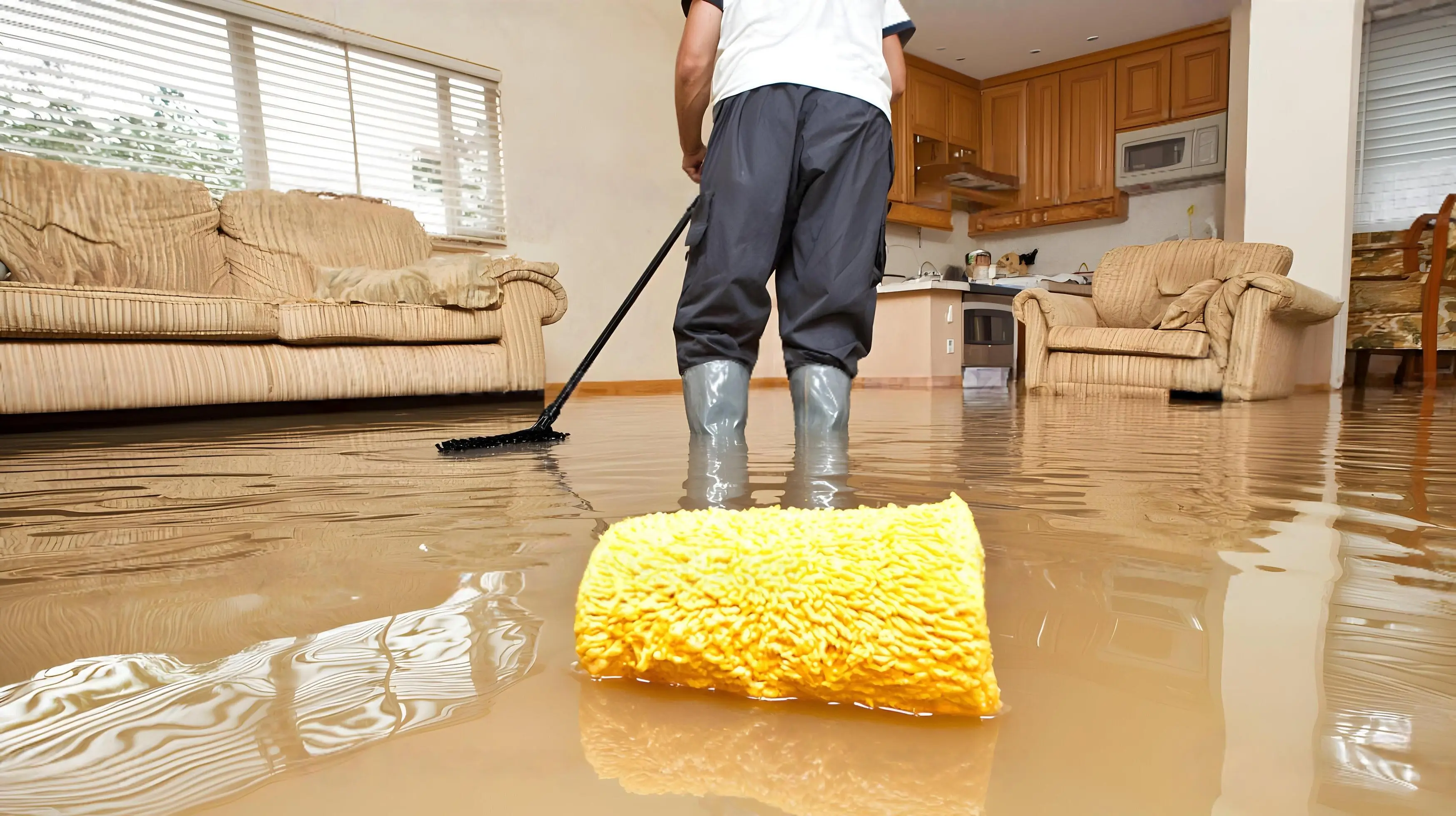
Water Damage Restoration
Burst pipes, storm flooding, standing water. We extract, dry, and restore before mold sets in.
Learn more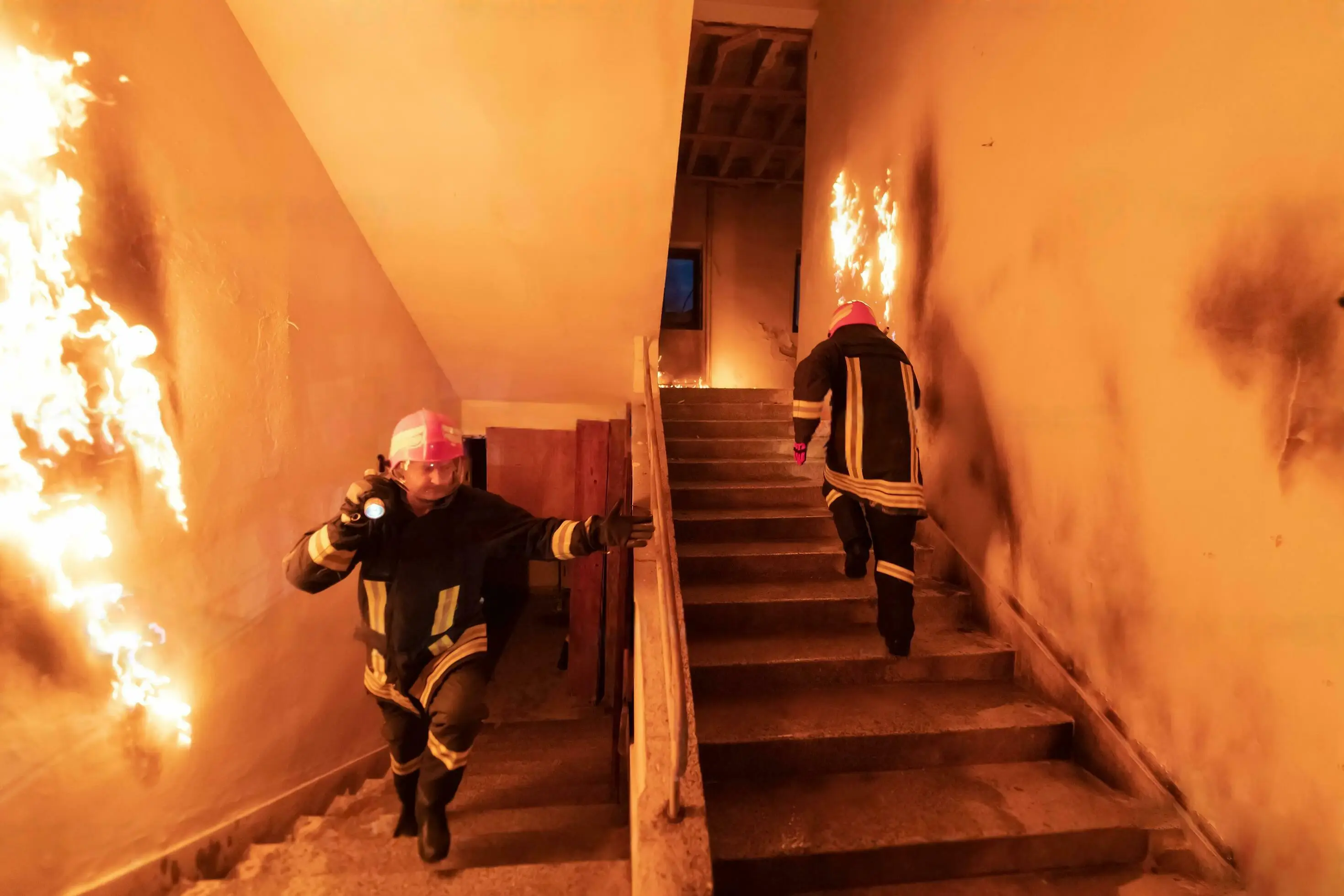
Fire Damage Restoration
Structural damage, soot, debris. We stabilize, clean, and rebuild what fire destroyed.
Learn more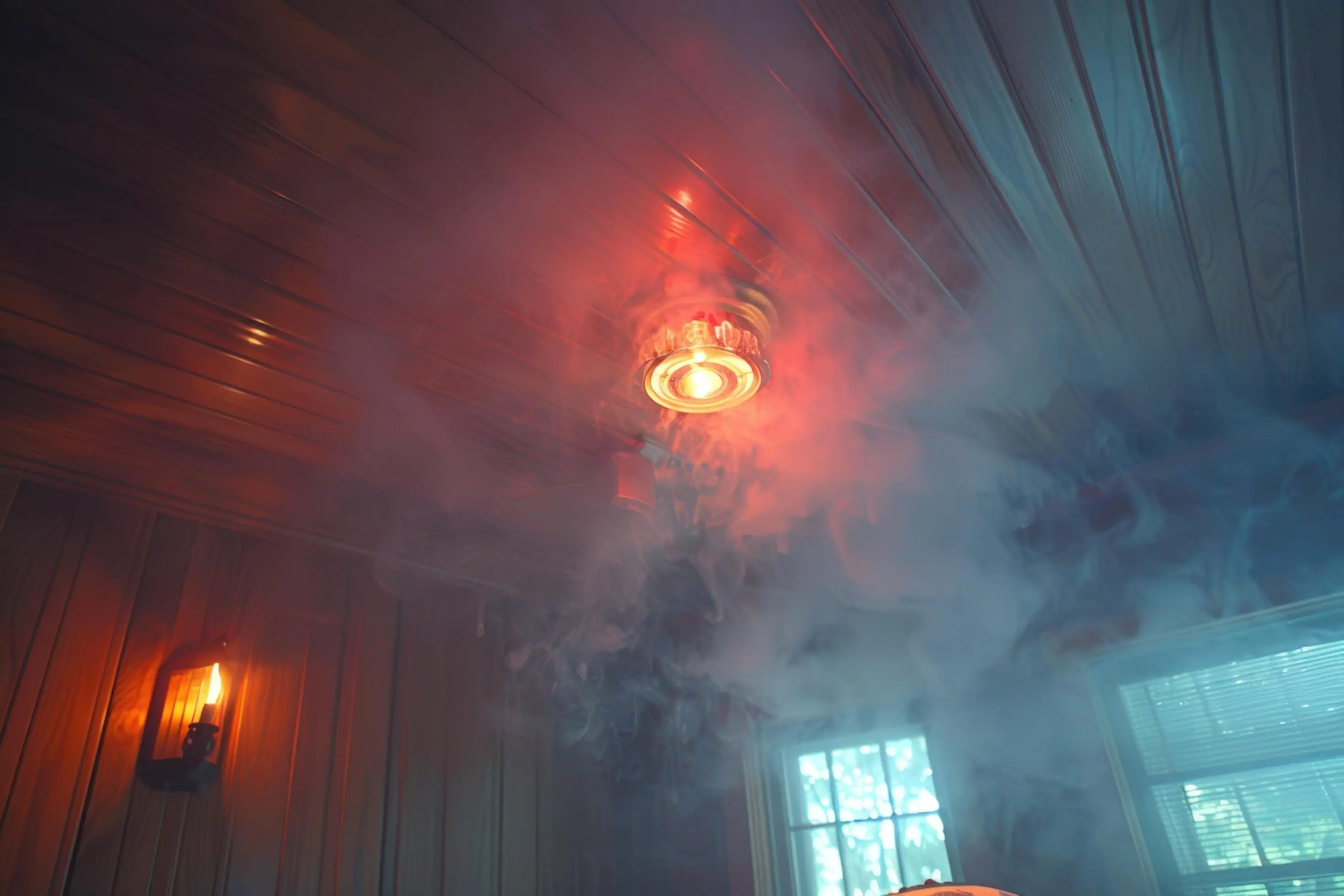
Smoke Damage Restoration
Soot residue, chemical odors, HVAC contamination. We decontaminate surfaces, eliminate odors, and restore air quality.
Learn more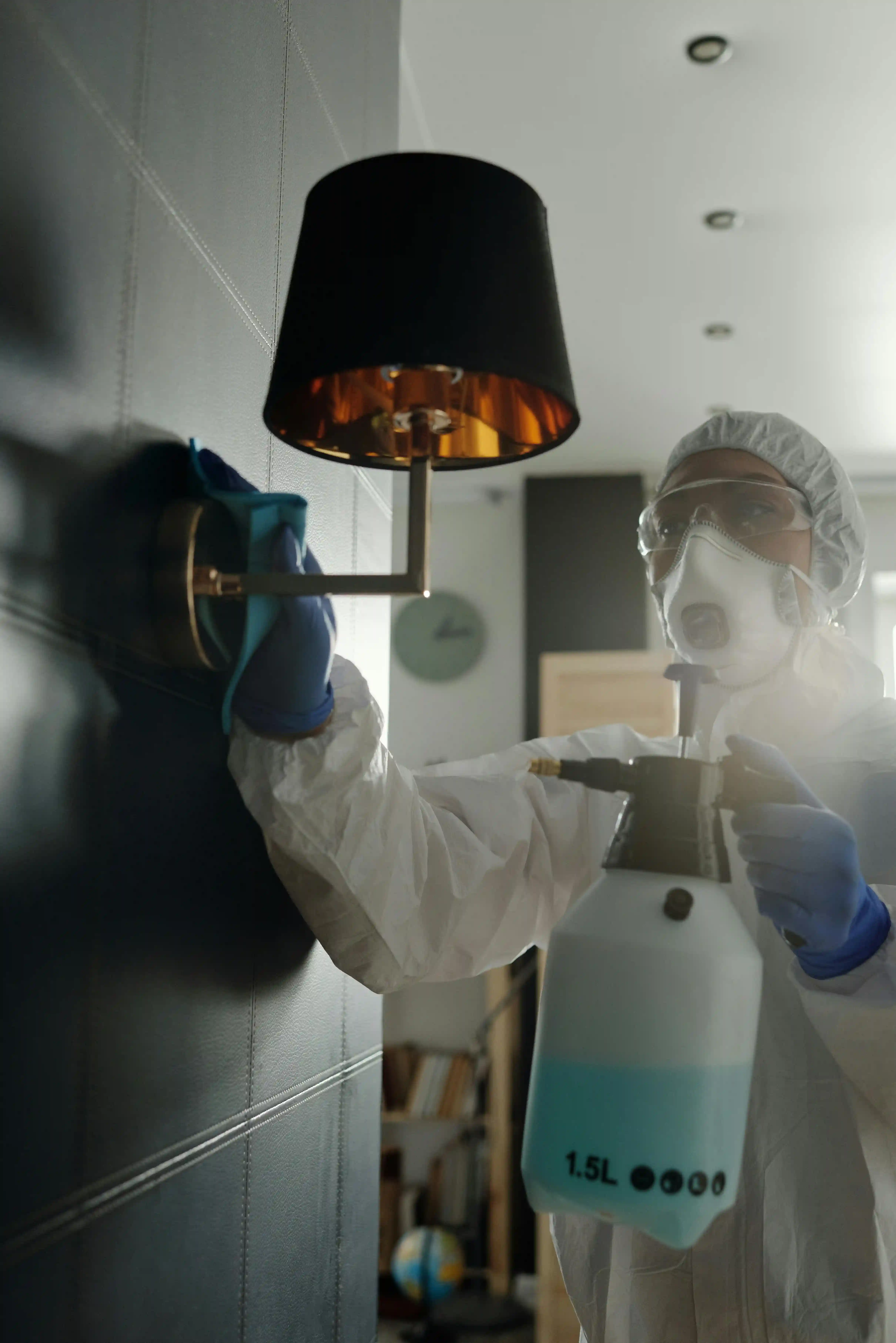
Mold Remediation
Testing, containment, removal, prevention. We find the source, eliminate the growth, and stop it from returning.
Learn more