
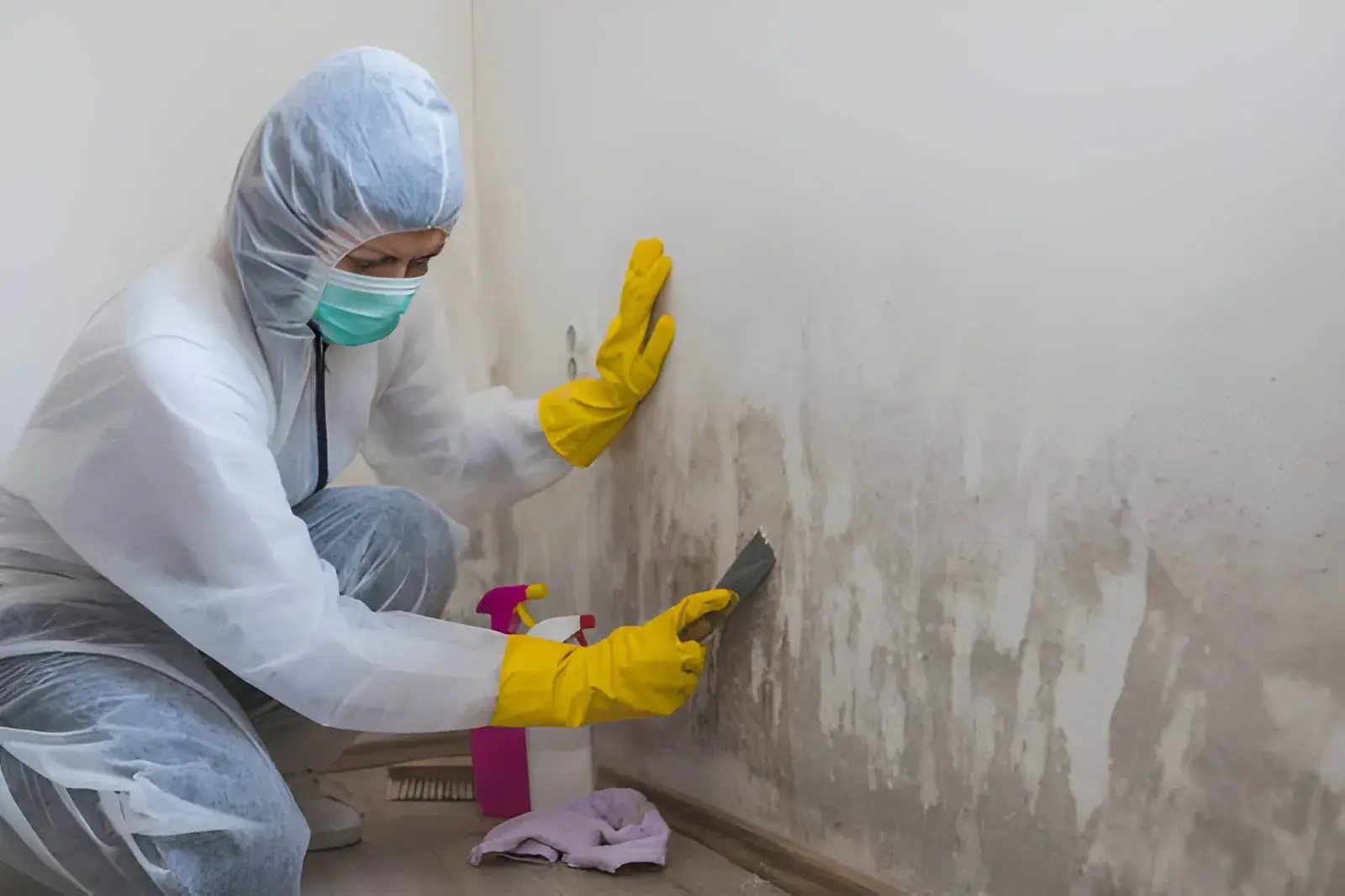
Mold Remediation in Kennesaw, GA
Mold spreads rapidly in North Georgia's humid climate, doubling its colony size every 24 to 48 hours under the right conditions. Our local team responds to Kennesaw emergencies within 60 minutes.
What Happens When You Call
A real person answers, not a call center. We assess your mold concern, ask the right questions, and begin coordinating your response immediately.
Your dedicated remediation team is dispatched from our local base serving Kennesaw and the surrounding northwest Cobb County communities.
Team arrives with moisture meters, thermal imaging, HEPA air scrubbers, containment materials, and remediation equipment. Assessment begins immediately.
Moisture source identified, containment established, remediation plan documented. You know exactly what comes next and what it will take.
You have found mold, or you suspect it is there because of the smell, the discoloration, or the health symptoms that started after a water event. Either way, the colony is growing right now in North Georgia's warm, humid environment, and every day of delay expands the scope, cost, and health exposure. X Response exists for this moment. When you reach out, your remediation team is mobilized within minutes and on site within the hour. From that point forward, one team manages everything: inspection, containment, removal, prevention, and clearance testing. Call now. Your team is standing by.
Why Kennesaw Homes Are Vulnerable to Mold
Kennesaw's mold problem is driven by climate and by how the city lives. It sits on the Georgia Piedmont in a humid subtropical zone where annual rainfall averages around 50 inches and warm-season humidity stays high for months at a time, the exact conditions mold needs to colonize any organic material that stays damp for more than 24 to 48 hours. Layered on top of that climate is an unusually dense, intensively occupied housing stock. Kennesaw State University is the largest university presence in the city and the second-largest university in Georgia, with more than 51,000 students enrolled, and the apartments, condominiums, and rental homes that house them run their air conditioning hard, cycle occupants frequently, and pack people and moisture into compact units. KSU's own Housing and Residence Life office instructs residents to keep their units between 68 and 72 degrees with the HVAC fan set to Auto rather than On, warning that the wrong settings invite the humidity and condensation that drive mold growth. That guidance exists because in this climate, an air handler left running on a humid day can cool surfaces below the dew point and grow mold on walls, vents, and closet ceilings without a single leak.
The rest of the city's housing carries its own moisture risks. Older homes near historic downtown Kennesaw sit on vented crawl spaces over Piedmont red clay, a foundation type that pulls warm humid air in through foundation vents during summer and condenses it on cooler framing and sheathing below the floor. Newer subdivisions built during the growth wave around the university bring slab-on-grade and plumbing systems that are now decades old in the earliest of them. Georgia does not license mold remediation contractors, so the quality of work in this market varies widely, and the industry standard of care is set instead by the IICRC S520 Standard for Professional Mold Remediation. The combination of a humid climate, densely occupied rental housing, vented crawl spaces, and an unregulated contractor market means Kennesaw property owners face both a high likelihood of mold and a real risk of paying for remediation that does not actually solve the problem.
Humid Climate and Condensation in Densely Occupied Housing
The single biggest mold driver in Kennesaw is humidity meeting cool surfaces in tightly occupied homes. Kennesaw State University's guidance to keep units at 68 to 72 degrees with the fan on Auto is a direct response to a real pattern: when an air handler runs continuously on a humid day, it chills wall and ceiling surfaces below the dew point and condensation forms, feeding mold on drywall, around supply vents, in closets, and behind furniture pushed against exterior walls. Student apartments, rental homes, and multi-family units across the city concentrate cooking, showering, and laundry moisture in compact spaces, and when bathroom and kitchen exhaust is inadequate, that moisture has nowhere to go. The result is mold that appears without any leak or flood, purely from the interaction of humid air, hard-run air conditioning, and high occupancy.
Crawl Space Mold in Piedmont Clay Soil
The older homes near historic downtown Kennesaw commonly sit on vented crawl spaces over Piedmont red clay, and that combination is a chronic moisture source. Clay holds water against foundation walls and the crawl space floor for days after rain, releasing vapor upward into the enclosed space. The vents themselves make it worse: they admit warm, humid summer air that condenses the moment it contacts cooler framing and sheathing, feeding mold on floor joists, sill plates, subfloor sheathing, and sagging insulation. Many owners discover crawl space mold only when a home inspector flags it during a sale, when a musty smell rises into the living space on humid days, or when the hardwood floors above begin to cup. The fix is not fogging the space and leaving; it is removing contaminated material, cleaning the framing, and correcting the moisture pathway.
Post-Flood and Post-Leak Mold Growth
When Noonday Creek floods low ground or a plumbing line fails inside a wall, mold colonization in concealed cavities, beneath flooring, and inside HVAC systems can begin within 24 to 48 hours in Kennesaw's warm, humid conditions. If water damage restoration does not include verified drying and antimicrobial treatment, the retained moisture becomes mold's growth medium. The margin for error here is smaller than in a dry climate, because the ambient humidity works against natural evaporation. A wall cavity that might dry on its own in an arid region stays damp for weeks in Cobb County and develops active growth long before the owner notices. Mold that follows a water event is one of the more common ways a contained problem becomes a whole-house remediation.
HVAC-Distributed Mold Contamination
Mold that begins in a crawl space, a wall cavity, or a water-damaged room can spread through the entire structure by way of the HVAC system. As the forced-air system draws return air and pushes it through the ductwork, it carries spores from contaminated areas to every room it serves. In Kennesaw's apartment buildings and multi-family housing, shared or closely grouped HVAC systems can move contamination across units from a single moisture source. Remediation in these situations requires more than removing the visible colony: it means decontaminating the ductwork, cleaning the air handler, and replacing filtration so cleaned spaces are not immediately reseeded with spores from the system that spread the problem in the first place.
Rental Turnover, Cosmetic Fixes, and the IICRC S520 Standard
Because Georgia has no state license for mold remediation, anyone can advertise the service in Kennesaw without demonstrating training, insurance, or competency. In a market with heavy rental turnover around the university, the temptation to paint over a problem between tenants is real, and cosmetic fixes that skip containment, source correction, and clearance testing guarantee the mold returns. The protection available to owners is the IICRC S520 Standard for Professional Mold Remediation, which defines proper assessment, containment, removal, and independent post-remediation verification. X Response follows S520 on every Kennesaw project, because in an unregulated market, adherence to a nationally recognized standard is the only real assurance that the work was done correctly rather than simply hidden.
Kennesaw's mold risk is driven by climate, geology, and how the city is lived in: humid subtropical air meets hard-run air conditioning in densely occupied student and rental housing, vented crawl spaces sit over moisture-holding Piedmont clay, and Noonday Creek flooding and aging plumbing add water events to the mix. Without a state license requirement, the quality of remediation varies widely. Effective mold remediation here means finding and fixing the moisture source, removing the colony under proper containment, and verifying the work with independent testing, all performed by a team that understands the specific moisture dynamics of humid-climate condensation, vented crawl spaces, and Cobb County's housing stock.
What Happens to Your Home While You Wait
Within 24 Hours
Mold spores, which are always present in indoor and outdoor air, begin germinating on any damp organic surface. In North Georgia's climate, the combination of warmth, humidity, and available organic material means colonization can begin within a single day of sustained moisture. At this stage, mold is often invisible but metabolically active on the surface of wet drywall, wood, or fabric.
24–72 Hours
Visible mold growth appears on surfaces. Colonies expand across wet drywall, framing, insulation, and any porous material that retained moisture. In crawl spaces with chronic dampness, growth spreads along floor joists and subfloor sheathing. Spore production begins, elevating indoor air quality concerns and potentially triggering health symptoms in sensitive occupants.
3–7 Days
Colonies mature and produce heavy spore loads that become airborne and distribute through the home via air currents and HVAC operation. Mold penetrates into the surface of porous materials rather than sitting only on top, which means affected drywall, insulation, and soft goods may require removal rather than surface cleaning. The remediation scope expands significantly.
1–4 Weeks
Secondary colonies establish in areas distant from the original moisture source as spores settle and germinate in any location with sufficient humidity. HVAC ductwork becomes a distribution network, spreading contamination to previously unaffected rooms or units. Materials that could have been cleaned if treated within the first few days now require demolition and replacement.
One Month and Beyond
Extensive mold growth through wall cavities, crawl spaces, attic sheathing, and HVAC systems. Structural wood begins to decay. Indoor air quality deteriorates enough to cause persistent health symptoms in otherwise healthy occupants. The project transitions from remediation to full-scale demolition, structural repair, and rebuild. Insurance claims become complex and often disputed at this stage.
Every day of delay in addressing a moisture source expands the mold colony, increases remediation cost, and elevates health risk. Contact X Response now. Our Kennesaw team responds within 60 minutes to begin assessment and containment.
How We Restore Mold-Affected Kennesaw Homes
From the moment our team arrives, every step follows the IICRC S520 Standard for Professional Mold Remediation. Here is exactly what that process involves for Kennesaw properties.
Inspection and Moisture Source Identification
Our team arrives with moisture meters, thermal imaging cameras, and borescope inspection cameras to locate both the mold growth and the moisture source feeding it. In Kennesaw homes, that often means a full crawl space inspection over the Piedmont clay, checking floor joists, sill plates, and sheathing for active growth. In apartments and rental units, it means checking around supply vents, closet ceilings, and exterior walls where condensation forms, as well as wall cavities at plumbing penetrations and around windows. Identifying and resolving the moisture source is the single most important step, because remediation without source correction guarantees recurrence.
Containment and Worker Protection
Before any mold disturbance occurs, we establish engineering controls to prevent cross-contamination. That means sealing the affected area with polyethylene sheeting, establishing negative air pressure with HEPA-filtered air scrubbers that exhaust outside the containment zone, and deploying personal protective equipment for all workers. Containment prevents spores released during removal from migrating to unaffected areas. In Kennesaw's multi-family buildings, containment also protects adjacent units from cross-contamination through shared wall assemblies and mechanical chases.
Mold Removal and Material Disposal
Contaminated porous materials, including drywall, insulation, carpet, and any material where mold has penetrated the surface, are removed, bagged in sealed poly, and disposed of as construction debris. Non-porous and semi-porous materials like framing lumber, subfloor sheathing, and concrete are cleaned using HEPA vacuuming followed by antimicrobial treatment. In crawl spaces, we remove contaminated insulation, clean all framing to bare wood, treat with antimicrobial, and address the moisture source through vapor barrier installation, drainage improvement, or encapsulation depending on the conditions. All work occurs under containment with continuous HEPA air filtration.
Drying and Moisture Correction
Once contaminated materials are removed, we address the moisture source directly. For crawl spaces over Piedmont clay, that typically means installing a heavy-gauge vapor barrier over the clay floor, sealing foundation vents, and establishing mechanical dehumidification. For condensation-driven mold in apartments, it means correcting HVAC operation, improving exhaust ventilation, and addressing the conditions that let surfaces fall below the dew point. For wall cavities with plumbing leaks, it means repairing the leak and drying the cavity before closing the wall. The cavity is not closed and the space is not returned to service until moisture meters confirm dry conditions throughout.
Post-Remediation Verification and Clearance
After remediation, an independent assessment verifies that the work was successful. Visual inspection confirms that no visible mold remains on any accessible surface. Moisture readings confirm that all treated areas are at or below acceptable levels. Air sampling or surface sampling, depending on the project scope, confirms that spore counts have returned to levels comparable with outdoor ambient air. We do not perform our own clearance testing, because the S520 standard calls for independence between the remediator and the verifier. A third-party industrial hygienist or certified mold inspector conducts the clearance, providing you and your insurance company with objective confirmation that the remediation is complete.
The X Response Difference
When you contact X Response for mold remediation in Kennesaw, you get a team that follows the IICRC S520 standard completely: source identification, containment, proper removal, moisture correction, and independent clearance verification. No shortcuts, no cosmetic fixes, no skipped steps.
Insurance Claim Guidance for Kennesaw Homeowners
Mold insurance coverage in Georgia depends almost entirely on what caused the moisture that fed the mold. Standard homeowner's policies typically cover mold remediation when the mold resulted from a sudden and accidental covered event such as a burst pipe, an appliance failure, or storm damage. Most policies explicitly exclude mold that results from long-term maintenance neglect, chronic humidity, poor ventilation, or gradual moisture accumulation. This distinction matters in Kennesaw because two of the most common local mold scenarios, condensation in hard-run air-conditioned rentals and chronic crawl-space humidity, usually fall outside standard coverage. Mold discovered after a Noonday Creek flooding event or a plumbing failure is more likely to be covered, because it traces to a covered sudden event. The documentation must clearly connect the mold to its moisture source and establish the timeline to support a coverage determination.
How X Response Helps
- Identify and document the moisture source that caused the mold, establishing whether it qualifies as a covered sudden event or excluded gradual condition
- Provide professional moisture readings and timeline evidence that connect the mold growth to the triggering event
- Document the full scope of contamination including concealed areas so the claim captures the true remediation requirement
- Distinguish between materials requiring removal and materials that can be cleaned in place, with evidence supporting each determination
- Coordinate remediation timing with your carrier's inspection requirements while beginning containment immediately to prevent further spread
X Response does not file claims on your behalf, adjust claims, or make coverage determinations. We provide documentation and guidance to help you make informed decisions about your property and your policy. Coverage decisions are made solely by your insurance carrier.
Certified Restoration Specialists Serving Kennesaw
When you contact X Response for mold remediation in Kennesaw, your team is drawn from certified professionals who work across Cobb County and understand the specific moisture dynamics that drive mold growth here. They know how humid air and hard-run air conditioning grow condensation mold in the city's dense student and rental housing, how Piedmont clay holds water against foundations and releases vapor into crawl spaces year-round, and how vented crawl spaces in this climate are moisture sources rather than moisture solutions. They have remediated condensation mold in apartments, crawl space infestations in the older homes near downtown, post-flood mold along the Noonday Creek corridor, and HVAC-distributed contamination in multi-family buildings. This is a team that has worked in the specific soil, climate, and building conditions that produce mold in Kennesaw.
Every technician on your team holds current IICRC certification in mold remediation and follows the S520 Standard on every project. Equipment includes professional moisture meters, thermal imaging cameras, borescope inspection cameras, HEPA air scrubbers, negative-air machines, containment materials, and antimicrobial application systems. Because Georgia does not require a state mold license, our team's IICRC certifications, professional liability insurance, and adherence to S520 protocols represent the highest standard of qualification available in the market.
In Kennesaw, X Response works with Atlanta's Best Restoration, an independent local restoration partner serving Cobb County.
Mold Remediation FAQ for Kennesaw Homeowners
Other Emergency Services in Kennesaw
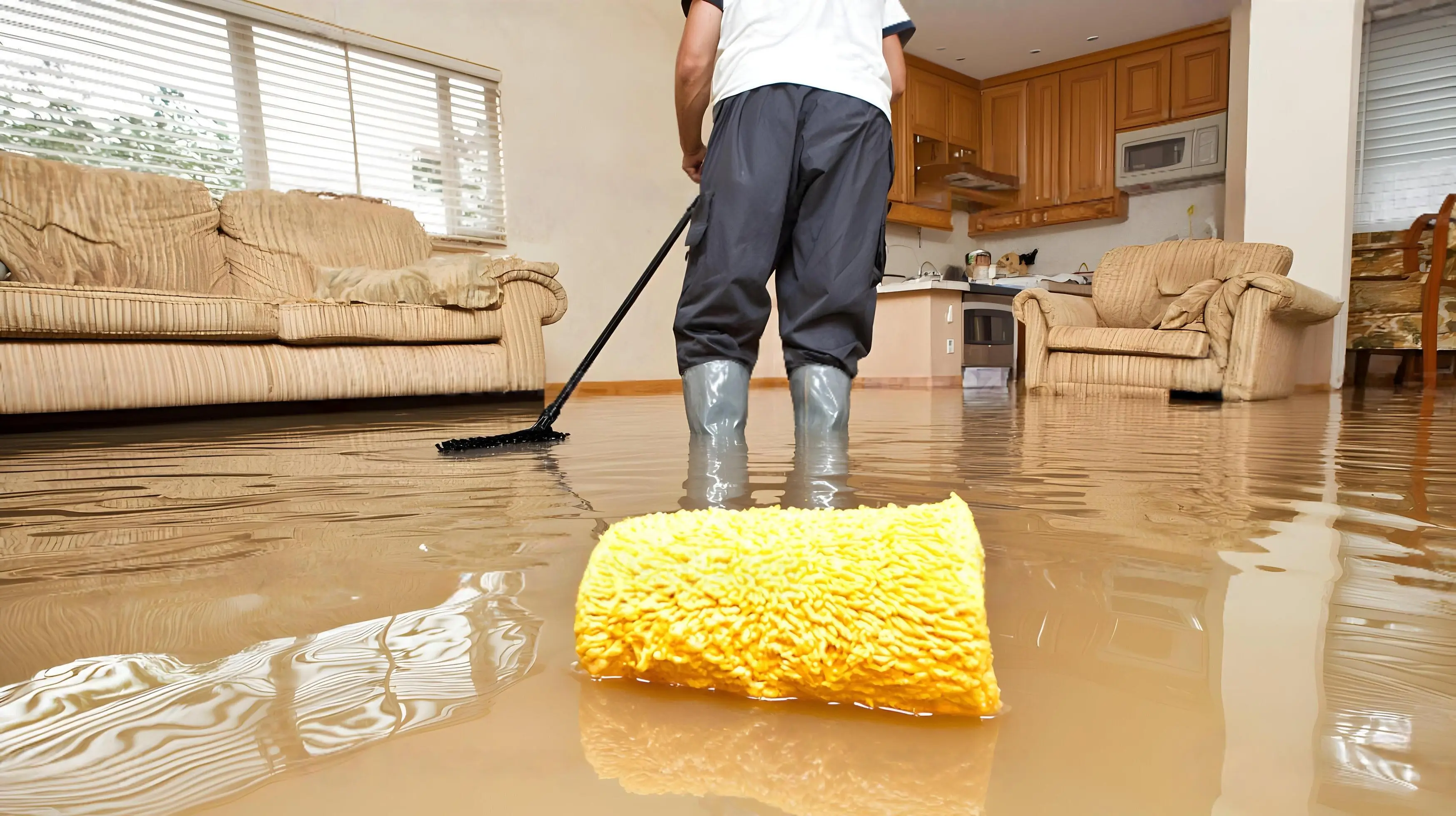
Water Damage Restoration
Burst pipes, storm flooding, standing water. We extract, dry, and restore before mold sets in.
Learn more
Fire Damage Restoration
Structural damage, soot, debris. We stabilize, clean, and rebuild what fire destroyed.
Learn more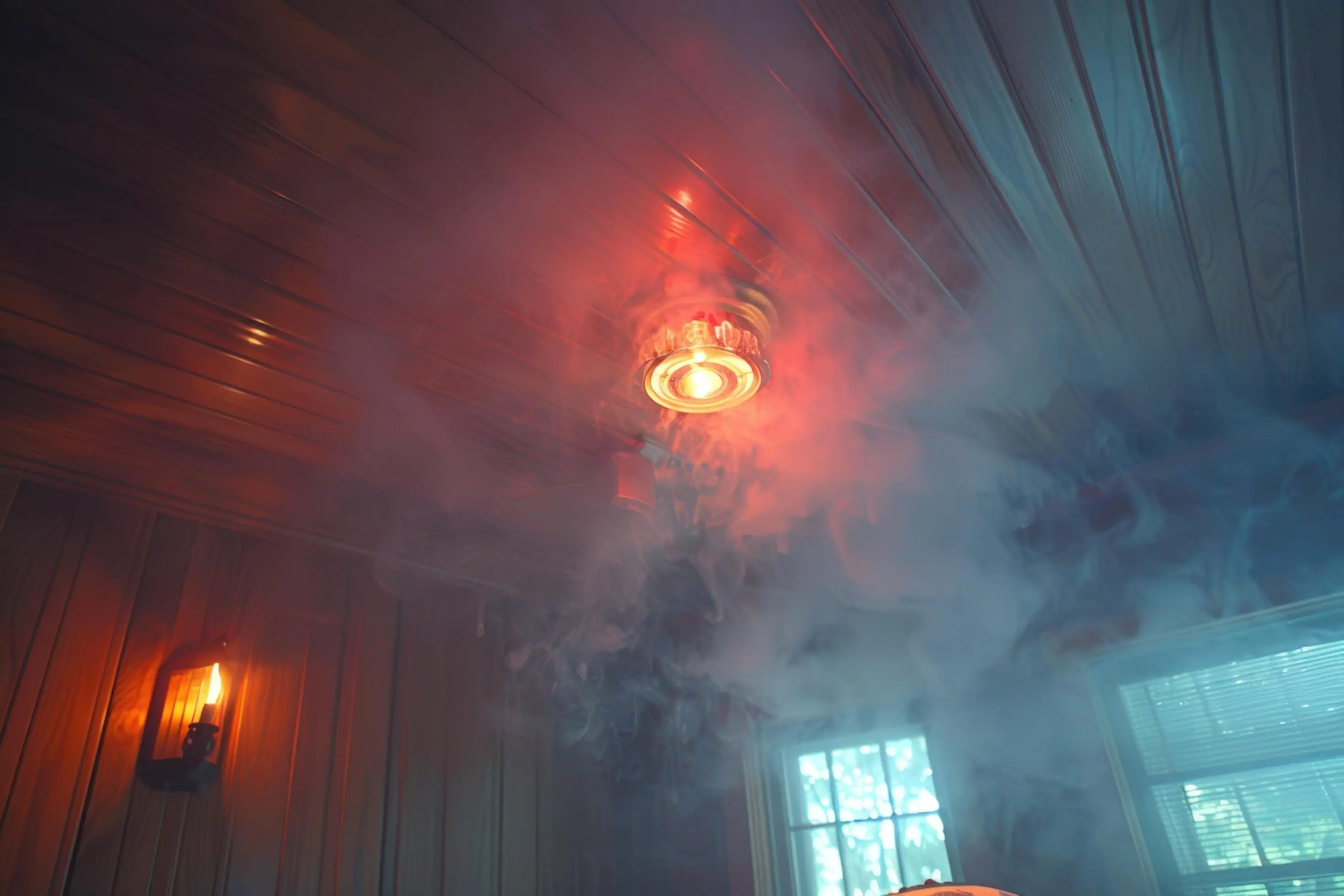
Smoke Damage Restoration
Soot residue, chemical odors, HVAC contamination. We decontaminate surfaces, eliminate odors, and restore air quality.
Learn more
Sewage Cleanup
Sewer backups, contaminated water, biohazard. We extract, sanitize, and restore safely.
Learn more