
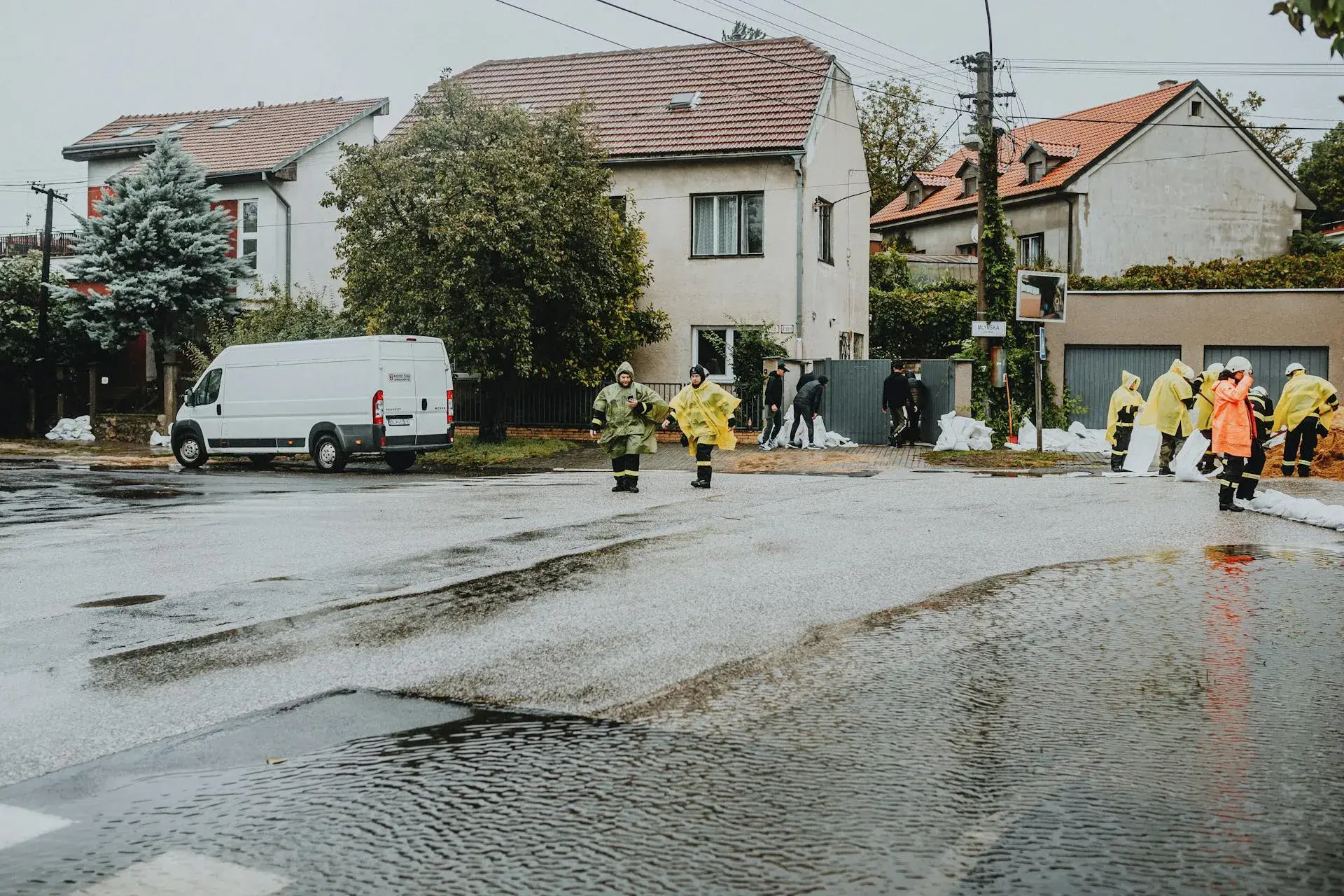
Sewage Cleanup in Woodstock, GA
Sewage contamination is a biohazard that threatens your health with every hour of exposure. Our local team responds to Woodstock emergencies within 60 minutes with full Category 3 extraction and disinfection capability.
What Happens When You Call
A real person answers, not a call center. We assess your sewage situation, determine the contamination category, and begin coordinating your response immediately.
Your dedicated biohazard restoration team is dispatched from our local base serving Woodstock and the surrounding Cherokee County communities.
Team arrives in full PPE with sewage extraction equipment, EPA-registered disinfectants, HEPA air scrubbers, and structural drying systems. Extraction and disinfection begin immediately.
Sewage extracted, contaminated materials removed, surfaces disinfected, drying equipment deployed. You know exactly what comes next.
Sewage is in your home or building and the situation is urgent. This is not a cleanup you can handle yourself. Raw or partially treated sewage carries bacteria, viruses, parasites, and chemical contaminants that pose immediate health risks to anyone in the space. X Response exists for exactly this moment. When you reach out, your biohazard restoration team is mobilized within minutes and on site within the hour. From that point forward, one team manages everything: extraction, disinfection, drying, documentation, and insurance guidance. You are never left guessing about the next step or exposed to contamination longer than necessary. Call now. Your team is standing by.
Why Woodstock Homes Are Vulnerable to Sewage
Woodstock operates its own municipal water and sewer utility independently from the Cherokee County Water and Sewerage Authority that serves the surrounding unincorporated areas. The city's Rubes Creek Wastewater Treatment Plant currently treats an average of 1 million gallons of wastewater per day and is designed to handle up to 2.5 million gallons per day to support the city's continued growth. The city has provided water service to its residents for over 80 years, with the earliest public water infrastructure dating to a well and pipe serving the train depot in what is now downtown Woodstock. This independent municipal sewer system means that Woodstock maintains its own collection lines, lift stations, and treatment capacity, and that sewer backup events within city limits involve the city's infrastructure rather than the county authority's system.
The dual-system arrangement creates a practical consideration for Woodstock property owners. Properties within city limits are served by the Woodstock Water and Sewer Utility and its Rubes Creek plant. Properties just outside city limits but within the Woodstock area are served by the Cherokee County Water and Sewerage Authority, which draws its supply from the Etowah River and treats wastewater through separate county facilities. A sewer backup at a Woodstock home may involve city collection lines, county trunk lines, or the private lateral connecting the home to either system. Understanding which system serves your property determines who is responsible for the public-side infrastructure and who you report the backup to, but it does not change what happens inside your home when sewage comes up through your drains: the contamination is the same biohazard regardless of which system delivered it.
Municipal Sewer System and Collection Line Age
Woodstock's municipal sewer collection system includes infrastructure dating from different eras of the city's growth. Lines serving the oldest neighborhoods near downtown and along the original highway corridors were installed decades ago when the city was a fraction of its current size. As the city grew from a small railroad town to a suburb of 35,065 residents, new collection lines were added to serve each subdivision and commercial development. Older clay and concrete pipe sections are susceptible to root intrusion, joint separation, and deterioration that can cause blockages and backups into connected properties. The city's system capacity at 2.5 million gallons per day was designed for projected growth, but the collection lines themselves age at different rates depending on material, soil conditions, and the root systems of Cherokee County's mature hardwood trees.
Piedmont Clay and Lateral Line Stress
The private sewer lateral connecting each Woodstock home to the municipal main runs through Piedmont clay soil that expands when wet and contracts when dry. This seasonal movement stresses pipe joints, creates offsets that catch debris, and eventually cracks older pipe materials. Root systems from Cherokee County's oaks, maples, and sweetgums seek the moisture inside sewer laterals and can infiltrate through any crack or joint gap, creating blockages that build gradually until a full backup occurs. Because the lateral is the homeowner's responsibility from the property line to the home, these failures are private maintenance issues that produce public-health-level contamination inside the residence.
Storm-Driven Inflow and Infiltration
During heavy rain events, groundwater and surface water enter the sanitary sewer system through cracked pipes, deteriorated manhole covers, and illicit connections. This inflow and infiltration, known as I&I, can overwhelm collection system capacity and cause sewage to back up into homes at the lowest points in the system. Cherokee County's intense spring and summer thunderstorms, which can drop 2 to 3 inches per hour, produce the kind of rapid I&I surge that turns a functioning sewer system into one that temporarily exceeds its capacity. Properties at low points in the collection system, particularly those in valleys and near Noonday Creek, face elevated backup risk during these events because they sit where gravity concentrates both stormwater and overwhelmed sewage.
Septic Systems in Transition Areas
Woodstock's growth boundary extends into areas where older properties still operate on private septic systems that predate the extension of municipal sewer service. As the city has expanded, some properties have connected to the municipal system while adjacent properties remain on aging septic tanks and drain fields installed when the area was rural. Septic system failures in Cherokee County's clay soils produce surface sewage exposure in yards, contamination of crawl spaces when systems back up into the home, and groundwater contamination that affects neighboring properties. Clay soils that drain slowly cause drain fields to become saturated and fail during extended wet periods, and the red clay's low permeability means that failed septic effluent pools at the surface rather than absorbing into the ground.
Apartment Complex and Multi-Family Plumbing
Woodstock's apartment complexes and townhome communities along Highway 92 and Bells Ferry Road share common sewer connections where a blockage in one section of the building's plumbing can cause backup into multiple units simultaneously. These connected systems mean that your neighbor's plumbing failure becomes your sewage emergency. The April 2024 Brooke Mill Apartments fire demonstrated how shared building systems create shared consequences; the same principle applies to sewer infrastructure. Multi-family sewage events are particularly disruptive because they contaminate common areas, ground-floor units, and shared utility spaces simultaneously, requiring coordinated restoration across multiple occupied units.
These factors create multiple sewage exposure pathways for Woodstock properties. The municipal collection system, while well-maintained and designed for growth, includes aging infrastructure susceptible to root intrusion and storm-driven overload. Private laterals in clay soil develop cracks and blockages over time. Transitional properties on failing septic systems produce surface contamination. Multi-family plumbing creates shared vulnerability. Regardless of the source, sewage inside your home presents the same immediate biohazard requiring professional extraction, disinfection, and structural restoration by a team equipped for Category 3 water.
What Happens to Your Home While You Wait
Within 1 Hour
Sewage spreads across flooring, soaks into carpet and padding, wicks into drywall and baseboards, and pools in low areas. Bacteria counts in raw sewage can exceed millions of colony-forming units per milliliter, creating immediate health risk through skin contact, inhalation of aerosolized particles, and accidental ingestion. E. coli, Salmonella, hepatitis viruses, and parasites are all present. In Woodstock homes with crawl spaces, sewage may drain through the floor system and pool beneath the structure. Every porous material contacted becomes contaminated and potentially unsalvageable.
1–24 Hours
Bacteria multiply rapidly in Cherokee County's warm environment. Contaminated materials begin producing hydrogen sulfide and other gases that create toxic indoor air conditions. Drywall and wood that absorbed sewage become reservoirs for pathogenic organisms. Carpet padding saturated with sewage cannot be salvaged regardless of cleaning attempts. The contamination zone expands as moisture wicks beyond the original sewage boundary, carrying bacteria into materials that appear dry on the surface.
24–48 Hours
Mold colonization begins on sewage-dampened materials, compounding the biohazard with an additional contamination layer. Structural materials including subfloor, joists, and sill plates absorb contaminated moisture and become colonized internally. Odor saturates porous materials and structural cavities. The combined bacterial and mold contamination significantly complicates the restoration scope and extends the timeline.
48 Hours and Beyond
Extensive bacterial and mold contamination throughout affected materials. Structural wood showing signs of decay from biological attack. The restoration scope expands from extraction and disinfection into structural removal and rebuild. Health risk to occupants intensifies with sustained exposure. What began as a sewage cleanup now requires comprehensive biohazard remediation including mold removal, structural repair, and potentially HVAC decontamination if the system circulated contaminated air.
Sewage contamination is not a situation that improves with time. Every hour of exposure compounds the health risk, extends the contamination boundary, and increases the restoration scope. Contact X Response now. Our Woodstock team responds within 60 minutes with full Category 3 extraction and disinfection capability.
How We Restore Sewage-Damaged Woodstock Homes
Sewage cleanup is biohazard work that demands strict protocols to protect both occupants and workers while ensuring complete decontamination. Here is exactly how we approach it for Woodstock properties.
Safety Assessment and Contamination Mapping
Our team arrives in full personal protective equipment and immediately assesses the contamination extent before anyone enters the affected area unprotected. We identify the sewage source, whether from a municipal backup, a private lateral blockage, a septic failure, or a plumbing issue within the home. We map the contamination boundary using visual inspection and moisture meters, noting all materials contacted by sewage and all areas where contaminated moisture has wicked beyond the visible boundary. Electrical hazards from water contact with outlets, panels, or appliances are identified and isolated. The assessment determines the contamination category, the restoration scope, and the material disposition plan.
Sewage Extraction
Contaminated water is extracted using dedicated equipment reserved for Category 3 work. Truck-mounted and portable extractors remove standing sewage from floors, crawl spaces, and any area where it has pooled. In Woodstock crawl spaces, submersible pumps and low-clearance extraction tools reach the confined areas where sewage settles. We extract aggressively because every gallon removed mechanically is a gallon that does not need to be evaporated, which reduces airborne pathogen exposure and shortens the drying timeline. Extraction equipment used on sewage is decontaminated after every use and is never used interchangeably with clean-water restoration equipment.
Contaminated Material Removal
Porous materials that absorbed sewage are removed and disposed of as contaminated waste. This includes carpet, carpet padding, lower sections of drywall to a minimum of 12 inches above the visible contamination line, fiberglass insulation, and any other porous material that cannot be verified clean. Semi-porous materials like wood framing and subfloor are evaluated individually: if contamination has penetrated beyond the surface, removal is required; if surface contamination can be verified clean after treatment, the material is retained. All removed materials are bagged in polyethylene within the contamination zone and disposed of according to local waste management requirements.
Disinfection and Antimicrobial Treatment
All remaining surfaces within the contamination zone receive professional disinfection using EPA-registered products effective against the full spectrum of sewage pathogens. This is not household bleach application; it is systematic treatment with professional-grade antimicrobial agents applied at correct concentrations and contact times to achieve verified pathogen kill. Concrete, wood framing, sill plates, and any retained structural material receives treatment. Crawl space ground surfaces are treated. Disinfection is applied in multiple passes with drying between applications to ensure full coverage and penetration into porous surfaces.
Structural Drying
After extraction and disinfection, the same structural drying process used for any water event is applied: commercial dehumidifiers and high-velocity air movers positioned to drive moisture from framing, sheathing, and structural components. Cherokee County's humid climate makes mechanical drying essential; natural evaporation is too slow to prevent mold colonization on the timeline required. We monitor daily with moisture meters and adjust equipment until all affected materials reach their dry standard. For crawl space work, drying continues until joist and sill plate moisture content returns to acceptable levels.
Verification and Clearance
Final inspection verifies that all contaminated materials have been removed, all retained surfaces have been disinfected, moisture levels have returned to acceptable standards, and no sewage odor remains. We provide comprehensive documentation including contamination mapping, material disposition records, disinfection protocols, moisture readings, and before-and-after photos. This package supports your insurance claim and provides proof that the space has been properly decontaminated and is safe for reoccupancy.
The X Response Difference
Insurance Claim Guidance for Woodstock Homeowners
Sewage backup insurance coverage in Georgia requires a specific endorsement on most homeowner's policies. Standard policies typically exclude damage from sewer and drain backups unless the homeowner has purchased a separate sewer backup rider. When that endorsement is in place, it usually covers extraction, disinfection, material removal, drying, and restoration up to the policy sublimit, which is often 5,000 to 25,000 dollars depending on the carrier and the premium paid. If the backup resulted from a City of Woodstock system failure rather than a blockage in your private lateral, the city may bear some liability, but recovery from a municipality is a slow process that does not help with immediate restoration costs. The critical documentation requirement is establishing the source of the backup, whether municipal system, private lateral, septic failure, or flooding, because each triggers different coverage provisions.
How X Response Helps
- Document the sewage source: private lateral blockage, municipal system backup, septic failure, or flood-related entry, which determines coverage applicability
- Photograph all contamination before extraction begins to establish the scope that your sewer backup endorsement covers
- Provide professional scope of work distinguishing between biohazard removal, structural drying, and reconstruction so each is properly categorized for your carrier
- Document material disposal as biohazard waste with manifests that support the removal decisions in your claim
- If the backup resulted from a City of Woodstock system failure, preserve evidence and documentation that may support a municipal liability claim separate from your insurance filing
X Response does not file claims on your behalf, adjust claims, or make coverage determinations. We provide documentation and guidance to help you make informed decisions about your property and your policy. Coverage decisions are made solely by your insurance carrier.
Certified Restoration Specialists Serving Woodstock
When you contact X Response for sewage cleanup in Woodstock, your team is drawn from certified professionals trained in Category 3 biohazard protocols who work across Cherokee County. They understand the specific infrastructure that serves Woodstock, from the city's own Rubes Creek Wastewater Treatment Plant to the aging building laterals in older subdivisions to the transitional areas where septic systems are still in service. They have extracted sewage from crawl spaces over Piedmont clay, from ground-floor apartment units along Highway 92, and from homes where storm-driven inflow overwhelmed the collection system during intense Cherokee County thunderstorms. This is a team equipped for the worst-case biohazard scenario, not a general water damage crew that improvises when the water turns out to be sewage.
Every technician on your team holds current IICRC certification including water damage restoration and applied microbial remediation, with specific training in Category 3 biohazard handling. Equipment includes contaminated-water extraction systems, EPA-registered disinfectants effective against sewage-borne pathogens, full-face respiratory protection, protective suits, biohazard disposal containers, and commercial drying systems. When your team arrives, they bring everything needed to manage a sewage contamination event safely from first entry through clearance, with no need to wait for additional equipment or subcontractors.
In Woodstock, X Response works with Atlanta's Best Restoration, an independent local restoration partner serving Cherokee County.
Sewage Cleanup FAQ for Woodstock Homeowners
Other Emergency Services in Woodstock
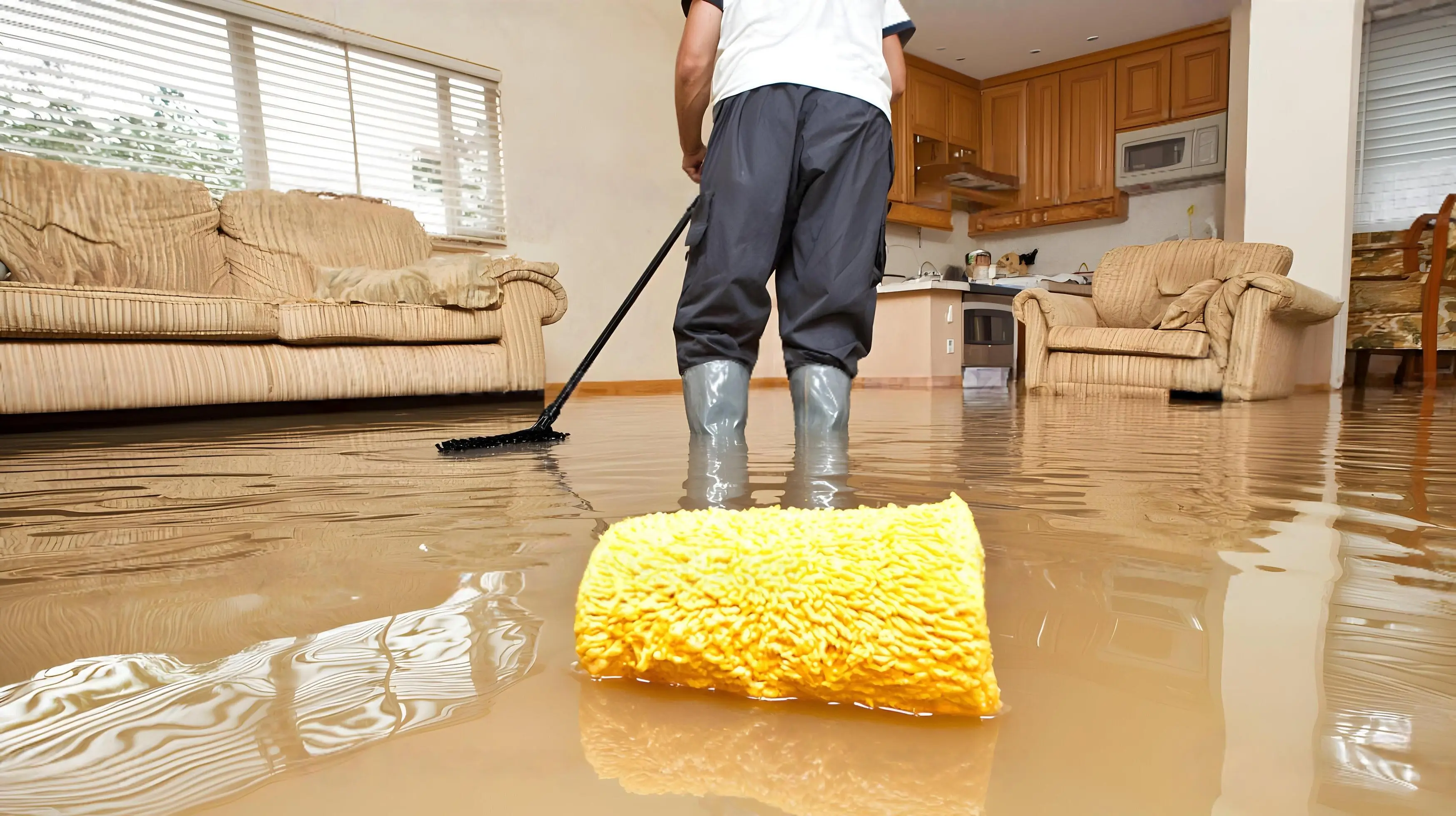
Water Damage Restoration
Burst pipes, storm flooding, standing water. We extract, dry, and restore before mold sets in.
Learn more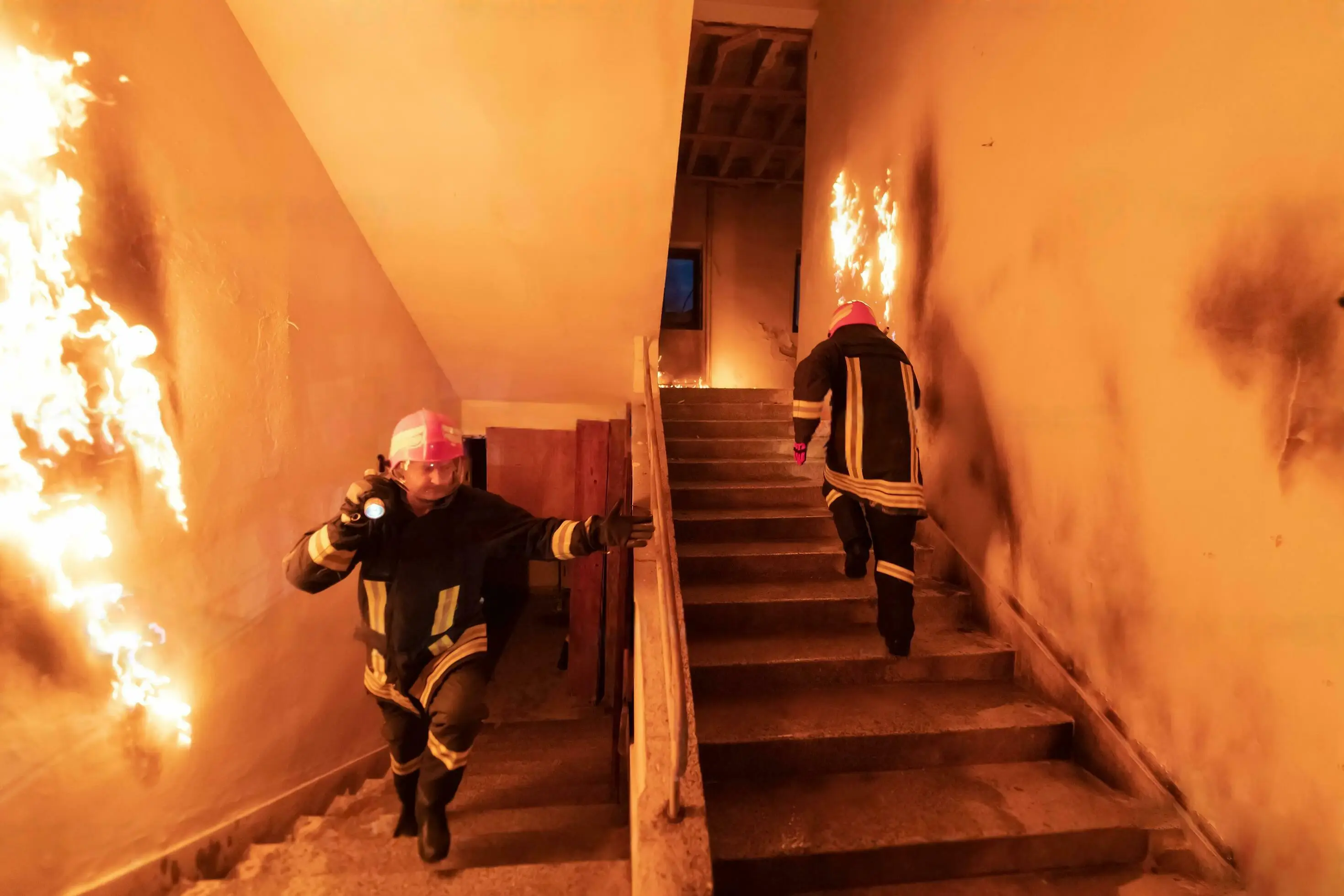
Fire Damage Restoration
Structural damage, soot, debris. We stabilize, clean, and rebuild what fire destroyed.
Learn more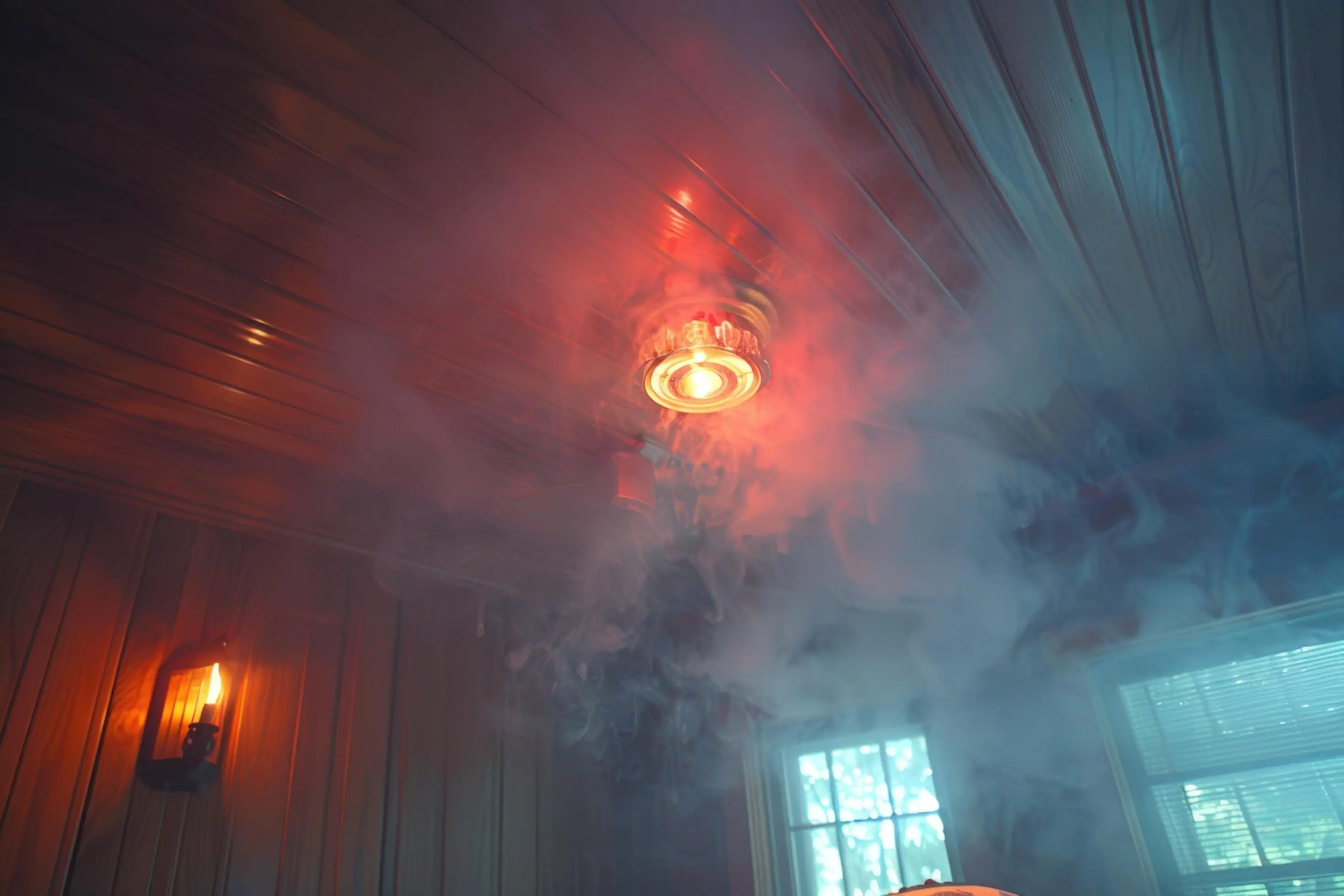
Smoke Damage Restoration
Soot residue, chemical odors, HVAC contamination. We decontaminate surfaces, eliminate odors, and restore air quality.
Learn more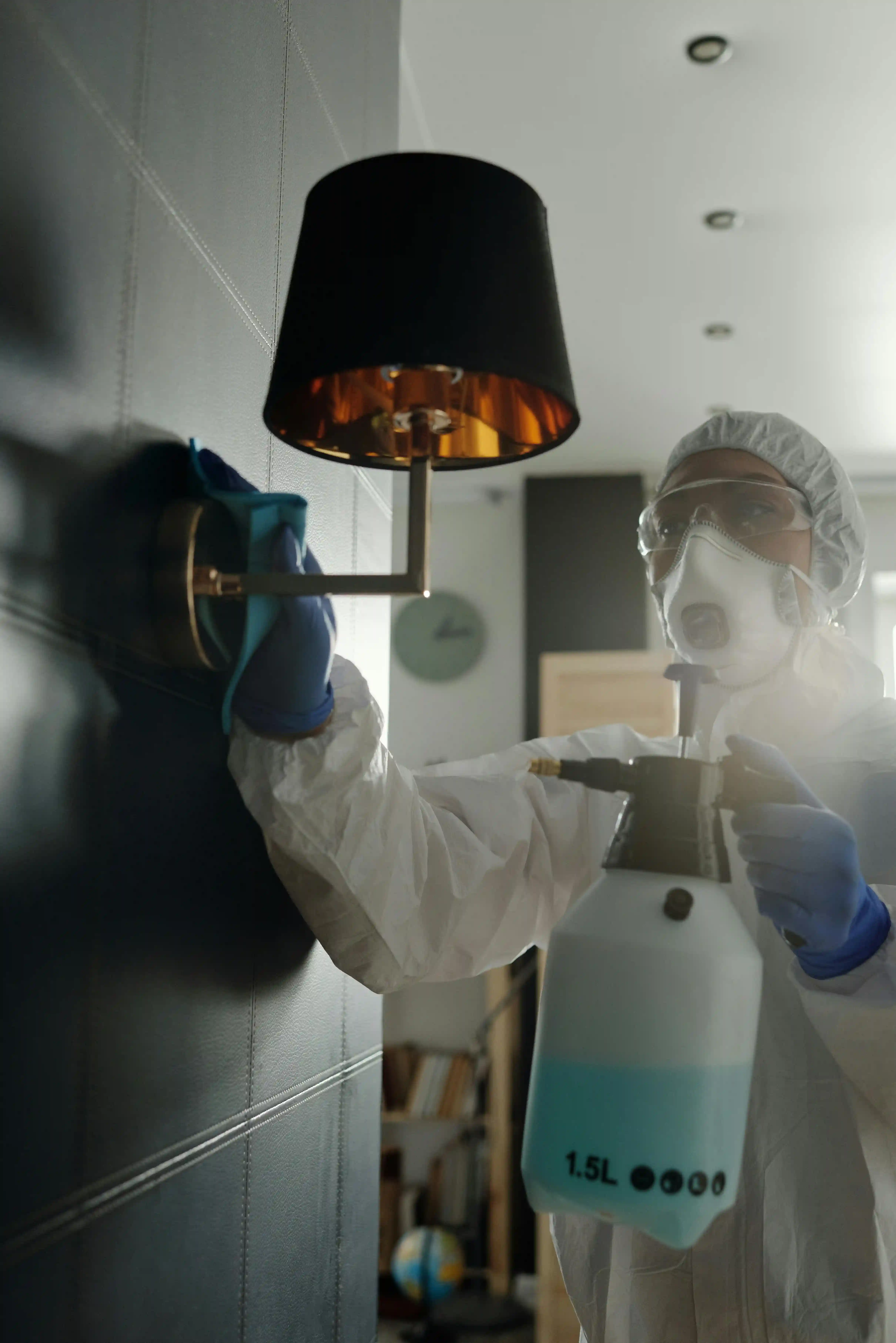
Mold Remediation
Testing, containment, removal, prevention. We find the source, eliminate the growth, and stop it from returning.
Learn more