
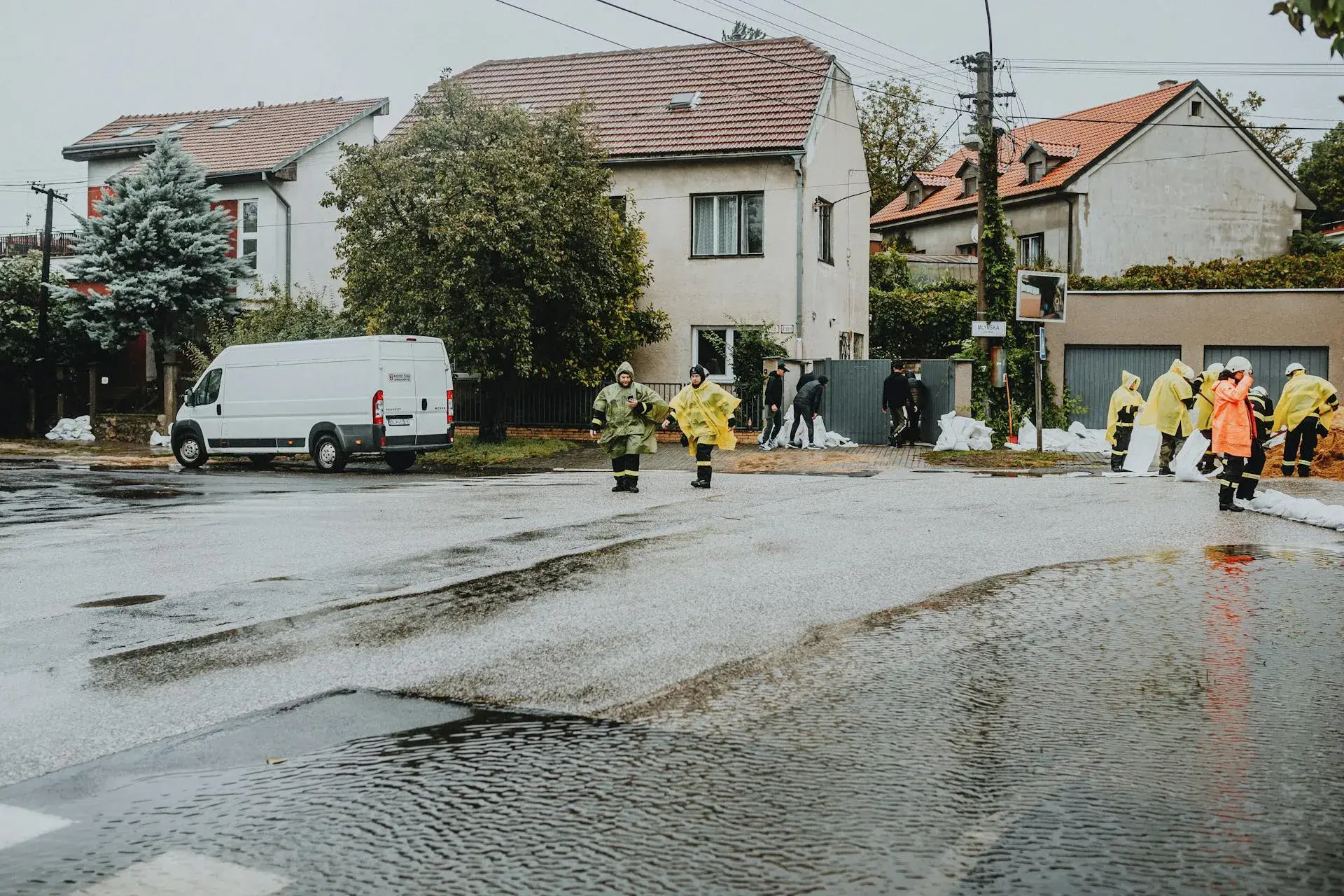
Sewage Cleanup in Belton, MO
Toxic blackwater and raw sewage backup pose immediate biohazard risks. Our Belton emergency decontamination crew arrives on scene within 60 minutes.
What Happens When You Call
Your emergency call connects directly with an experienced biohazard restoration supervisor who evaluates pathogen hazards, issues critical occupant safety instructions, and mobilizes our crew.
Our specialized decontamination unit arrives at your Belton property within 60 minutes, equipped with self-contained breathing apparatus, commercial waste extractors, and hospital-grade biocides.
Technicians isolate the contaminated zone under physical barrier containment, halting biohazard spread and safely extracting liquid blackwater and solid waste.
Unsalvageable contaminated porous items are safely removed under biohazard protocols, followed by multi-stage pressure washing, EPA-registered sanitization, and scientific structural drying.
A sanitary sewer backup into your residential basement or commercial facility represents a hazardous Category 3 biohazard emergency demanding immediate professional decontamination across Cass County. Whether your property faces a municipal main sewer surcharge following torrential thunderstorms near Main Street, a blocked sewer lateral pipe off Missouri Route 58, or an overflowing basement floor drain near Markey Parkway, X Response provides certified, rapid mitigation. A dedicated local biohazard restoration coordinator manages your property from initial wastewater extraction through certified sanitary clearance. Call our 24/7 emergency sewage dispatch line now for immediate response.
Why Belton Homes Are Vulnerable to Sewage
The City of Belton Public Works Department operates a sanitary sewer collection system covering 22 square miles with more than 110 miles of underground piping and eight pump stations. The municipal network conveys domestic and commercial wastewater to regional treatment facilities under contract with the Little Blue Valley Sewer District (LBVSD). Portions of Belton's subterranean wastewater collection infrastructure in older sectors date back several decades. During intense convective storms sweeping across northern Cass County, these sanitary collection lines experience severe stormwater inflow and infiltration (I&I). High-volume rainwater runoff infiltrates separated pipe joints, cracked collector lines, and unsealed low-lying manholes, rapidly exhausting system hydraulic capacity and forcing pressurized raw sewage backward through residential service laterals into subterranean basements.
Residential architecture across Belton, characterized by ranches, split-levels, and raised ranches built with full subterranean basements, creates direct vulnerability to sanitary sewer backup flooding. In these floor plans, building drain lines exit beneath the basement concrete slab, leaving subterranean plumbing fixtures, such as floor drains, laundry standpipes, and basement bathrooms, situated lower than street sewer manhole rim elevations. Furthermore, Cass County's expansive Sharpsburg and Ladoga clay soils subject aging vitrified clay and cast-iron lateral pipes to severe seasonal ground shifting and structural shearing. Aggressive root networks from mature landscape trees infiltrate loose lateral joints, creating massive root obstructions that snare paper and solid waste. When a private lateral blockage coincides with municipal storm surcharges, raw sewage erupts into finished basements as hazardous Category 3 blackwater loaded with coliform bacteria, viruses, and parasites.
Stormwater Inflow and Infiltration (I&I) Surcharge
Heavy spring downpours overload Belton's sanitary sewer collection mains with excess rainwater infiltration. Overpressurized sewer mains exceed hydraulic capacity, driving raw sewage backward through residential floor drains and basement plumbing fixtures.
Tree Root Intrusion in Aging Lateral Lines
Mature trees in established Belton subdivisions seek moisture, sending extensive root networks into cracked vitrified clay and cast-iron sewer laterals. Dense root balls catch debris and grease, causing complete line blockages that force blackwater into basements.
Gravity Plumbing Fixtures in Below-Grade Basements
Many mid-century split-level and ranch homes feature gravity floor drains and basement laundry facilities installed below the street sewer main elevation. Without an operational backwater check valve, these lowest fixtures receive the full impact of municipal main surcharges.
Expansive Clay Soil Shifting and Pipe Shearing
The high shrink-swell properties of Cass County's Sharpsburg silt loam soils cause significant subsoil movement between wet and dry seasons. This subterranean shifting cracks, dislodges, and shears private sewer lateral pipes, causing catastrophic structural line collapse.
Severe Pathogenic Microbial Contamination
Raw municipal sewage contains dangerous biological agents, including Escherichia coli, Salmonella, Norovirus, hepatitis, and parasitic worms. Inhaling airborne bioaerosols or coming into direct skin contact with Category 3 blackwater presents acute health risks requiring certified sanitization.
Sewage cleanup in Belton requires certified biohazard protocols, specialized personal protective equipment, and industrial extraction technology. X Response ensures your property is completely decontaminated, sanitized, and certified safe for your family.
What Happens to Your Home While You Wait
Within Minutes
Grossly contaminated blackwater rises through basement floor drains and toilet flanges, rapidly spreading across concrete slabs, finished subflooring, and carpeting. Airborne bioaerosols and noxious hydrogen sulfide gases fill the basement.
1–24 Hours
Pathogenic bacteria and viral organisms penetrate porous materials, including drywall, wood baseboards, and structural framing. Saturated carpet padding and gypsum board absorb pathogens deep into cellular structures, making salvage impossible.
24–48 Hours
Anaerobic bacteria multiply rapidly in stagnant blackwater, producing overpowering odors and volatile organic compounds. Fungal mold spores activate on organic residues, initiating aggressive secondary microbial contamination alongside sewage pathogens.
48–72 Hours
Biofilms adhere firmly to concrete floor slabs, foundation wall seams, and metallic plumbing. Toxic bioaerosols migrate upward into upper-level living areas through central HVAC ductwork and vertical architectural chases.
One Week and Beyond
Prolonged saturation causes deep biohazard penetration into foundation concrete and structural timber sill plates. Invasive structural removal and specialized hospital-grade disinfectant treatments become necessary, escalating restoration costs.
Category 3 blackwater poses severe acute biological health hazards. Contact X Response immediately for 24/7 emergency sewage decontamination across Belton.
How We Restore Sewage-Damaged Belton Homes
Our sewage cleanup operations adhere strictly to the ANSI/IICRC S500 Standard for Professional Water Damage Restoration Category 3 Blackwater protocols and OSHA biohazard regulations.
Emergency Containment and Environmental Hazard Isolation
Within 60 minutes of arrival, technicians establish physical containment barriers using 6-mil poly sheeting and deploy negative-air machines with HEPA filtration to prevent airborne sewage pathogens and bioaerosols from migrating into living areas.
Bulk Blackwater and Solid Waste Extraction
Using commercial truck-mounted extraction systems equipped with sanitary waste holding tanks and heavy-duty submersible solids-handling pumps, we extract liquid blackwater, sludge, and solid matter from basement slabs and floor assemblies.
Controlled Demolition of Contaminated Porous Assemblies
In accordance with IICRC S500 Category 3 standards, all sewage-saturated porous materials, including wall-to-wall carpeting, carpet padding, drywall up to 12 inches above flood level, and fiberglass insulation, are double-bagged and removed.
Multi-Stage Pressure Washing and Hospital-Grade Biocide Application
Exposed concrete floor slabs, foundation walls, and structural studs undergo hot-water pressure washing combined with EPA-registered hospital-grade quaternary ammonium antimicrobials to eradicate bacteria, viruses, and fungi.
Psychrometric Dehumidification and ATP Surface Clearance
We deploy industrial LGR dehumidifiers and high-velocity air movers to dry remaining structural assemblies, followed by adenosine triphosphate (ATP) luminometer surface testing to verify hospital-grade sanitary clearance.
The X Response Difference
When raw sewage backs up into your Belton property, depend on X Response for certified biohazard extraction, hospital-grade disinfection, and guaranteed sanitary clearance.
Insurance Claim Guidance for Belton Homeowners
Filing an insurance claim for a sewage backup in Belton requires careful technical documentation to navigate specific Missouri policy provisions. Under standard homeowners insurance policies in Missouri, water that backs up through sewers or drains is typically excluded from base property coverage. However, homeowners who have secured an optional Water Backup and Sump Overflow endorsement can access dedicated coverage limits, commonly ranging from $5,000 to $25,000 or more. Furthermore, our project managers carefully document whether the failure originated in a private lateral blockage or a municipal collection surcharge, compiling digital photo evidence, moisture mapping logs, and standardized Xactimate line-item estimates to support your adjuster's claim review.
How X Response Helps
- Verify and document whether an optional Water Backup and Sump Overflow endorsement is active on your policy
- Document the precise physical point of sewage entry, including basement floor drains, toilet flanges, or cleanout caps
- Compile comprehensive digital photographic and 3D imaging records of all sewage-contaminated structural finishes and belongings
- Provide detailed line-item Xactimate estimates following regional Cass County insurance pricing matrices
- Supply objective ATP surface swab test reports and psychrometric drying logs to justify complete decontamination
X Response is an independent emergency disaster restoration contractor. We are not licensed insurance adjusters, public adjusters, or legal professionals. We provide objective technical documentation and professional mitigation services to assist your claim.
Certified Restoration Specialists Serving Belton
Our biohazard decontamination technicians serving Belton bring extensive specialized experience and unwavering professionalism to Cass County homeowners and business operators. Addressing raw sewage backups in mid-century basements near Old Town Belton, split-level floor drain overflows along Cambridge Road, or commercial plumbing line collapses along Interstate 49, our crews are trained to manage high-risk biohazard environments safely and discreetly. We prioritize occupant health, arriving equipped to eliminate dangerous pathogens and restore sanitized living conditions.
Every crew leader maintains active certification through the Institute of Inspection, Cleaning and Restoration Certification (IICRC), including Applied Microbial Remediation Technician (AMRT) and Water Damage Restoration Technician (WRT) credentials, supplemented by comprehensive OSHA Bloodborne Pathogens training. Our mobile response units carry commercial-grade waste extractors, hospital-grade EPA-registered disinfectants, negative-air filtration machines, and precision ATP rapid-hygiene monitoring systems. We deliver certified biohazard recovery that restores peace of mind to Belton property owners.
In Belton, X Response works with Best Option Restoration, an independent local restoration partner serving Cass County.
Sewage Cleanup FAQ for Belton Homeowners
Other Emergency Services in Belton
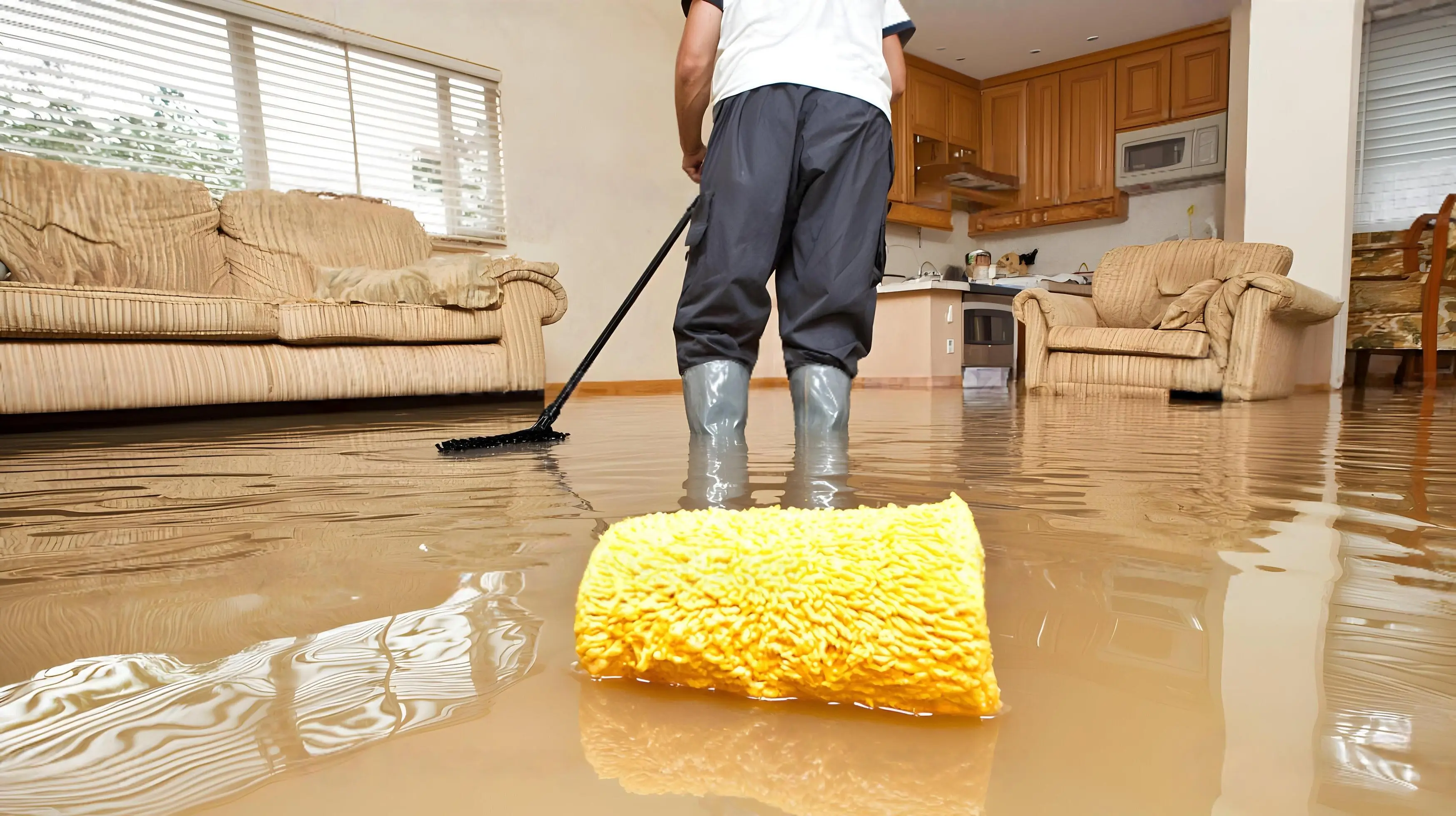
Water Damage Restoration
Burst pipes, storm flooding, standing water. We extract, dry, and restore before mold sets in.
Learn more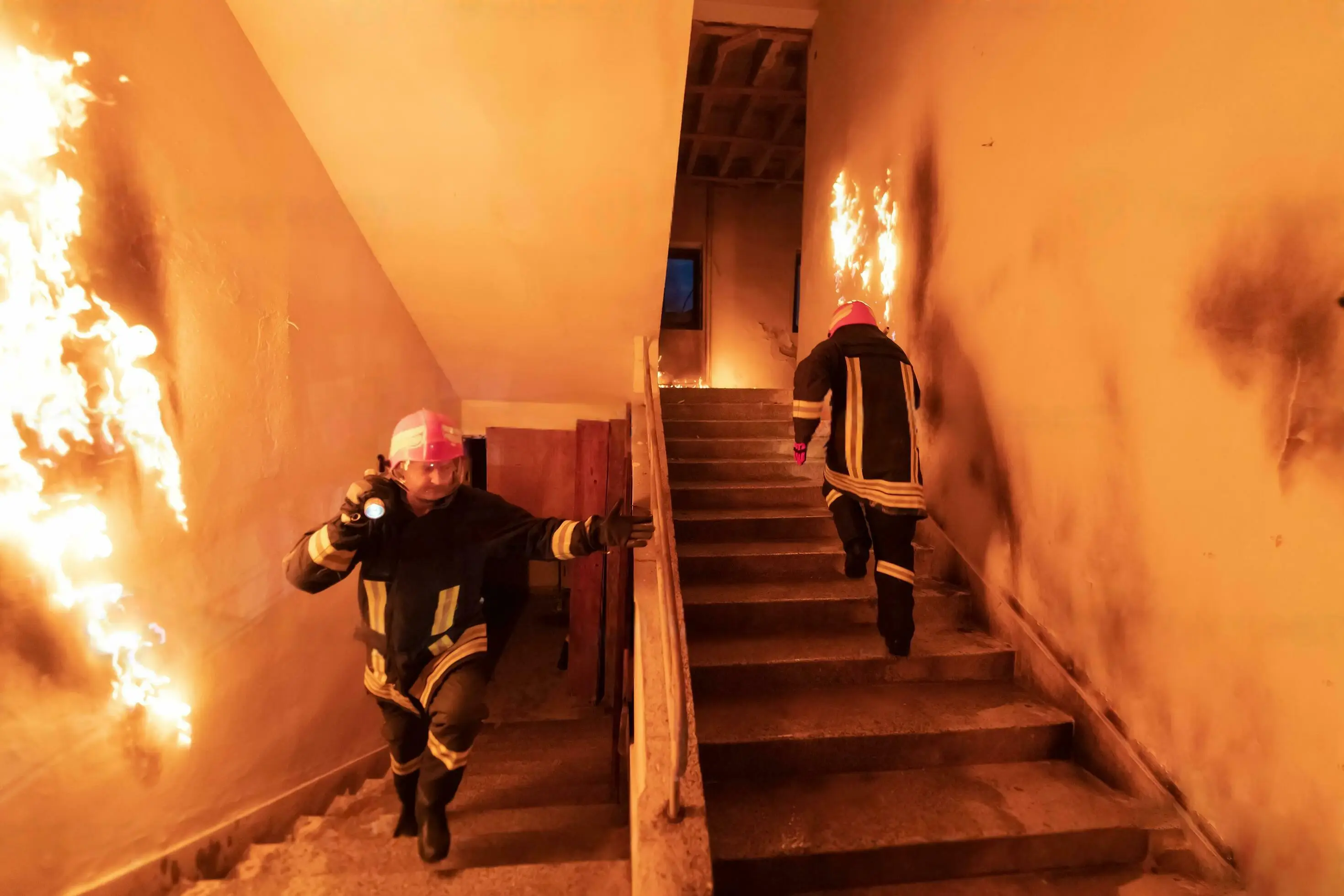
Fire Damage Restoration
Structural damage, soot, debris. We stabilize, clean, and rebuild what fire destroyed.
Learn more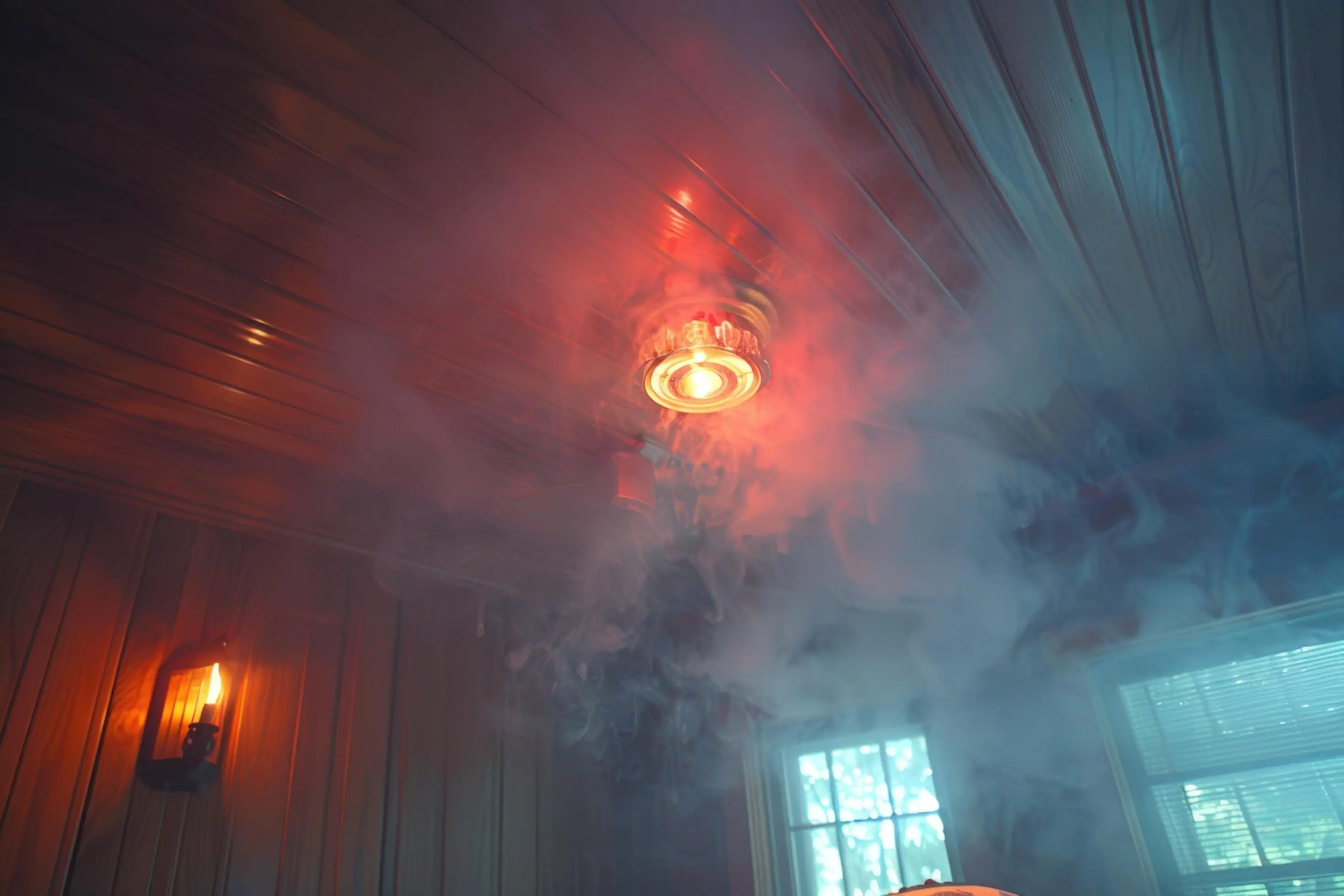
Smoke Damage Restoration
Soot residue, chemical odors, HVAC contamination. We decontaminate surfaces, eliminate odors, and restore air quality.
Learn more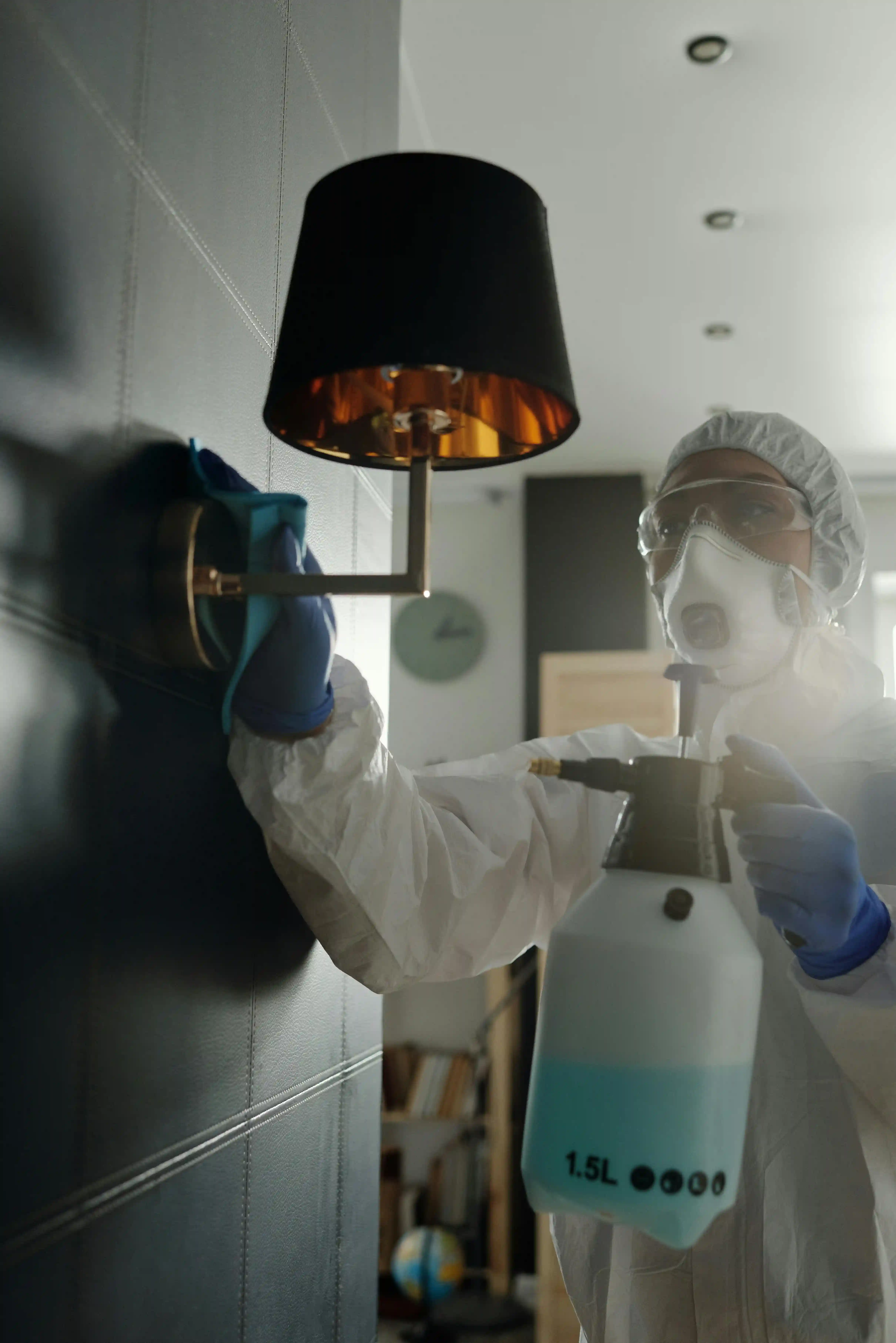
Mold Remediation
Testing, containment, removal, prevention. We find the source, eliminate the growth, and stop it from returning.
Learn more