

Water Damage Restoration in Belton, MO
Standing floodwater and basement plumbing failures saturate structural framing within hours. Our Belton emergency response crew arrives on scene within 60 minutes.
What Happens When You Call
Your emergency call connects directly with an experienced restoration supervisor who determines contamination class, assesses structural risk factors, and mobilizes our Cass County rapid-response unit.
Our mobile mitigation team arrives at your Belton property within 60 minutes, fully equipped with truck-mounted vacuum extractors, commercial submersible pumps, and sensitive thermal imaging cameras.
Technicians map moisture migration across subfloors, finished drywall, and foundation perimeters, isolating active domestic plumbing failures and executing heavy extraction.
Industrial low-grain refrigerant dehumidifiers and high-velocity axial air movers are strategically positioned and calibrated to begin scientific structural drying.
Rapid professional water mitigation is essential to halt progressive structural decay, drywall softening, and microbial colonization across Cass County properties. Whether your home contends with a sudden ruptured domestic supply line in an older neighborhood near Main Street, severe groundwater seepage through basement walls along Markey Parkway, or flash flooding along the East Creek drainage corridor, X Response delivers immediate, decisive mitigation. A dedicated local restoration manager coordinates your recovery from initial high-volume water extraction through certified psychrometric drying clearance. Call our 24/7 emergency dispatch line now for immediate response.
Why Belton Homes Are Vulnerable to Water Damage
The U.S. Geological Survey operates streamgage 06921590 on the South Grand River at Archie in Cass County, monitoring discharge for the basin into which Belton's East Creek watershed drains. Situated in northern Cass County along the Interstate 49 and Missouri Route 58 transportation corridors, Belton spans approximately 14.3 square miles of rolling prairie upland terrain. The city occupies an important drainage divide: while northern peripheral acreage drains toward tributaries of the Little Blue River, the predominant municipal core drains southward through East Creek and its dendritic drainage channels into the South Grand River system. When severe convective thunderstorm systems stall over northern Cass County during spring and early summer, torrential rainfall rapidly saturates surface soils and overwhelms natural drainage channels. Low-lying properties along East Creek and collector culverts near North Scott Avenue and Cambridge Road face localized flash flooding and severe stormwater surges.
Residential architecture across Belton reflects several eras of suburban growth, including mid-twentieth-century ranches near historic Old Town, 1970s and 1980s split-levels, and modern multi-level developments built along Mullen Road and Markey Parkway. The overwhelming majority of these single-family residences are built over full subterranean basements constructed of concrete masonry unit blocks or poured concrete foundations. Northern Cass County is characterized by Sharpsburg and Ladoga silt loam soils, which contain dense concentrations of expansive smectite clay. During prolonged rainy spells, these clay soils absorb moisture, expand substantially, and exert severe lateral hydrostatic pressure against subterranean foundation walls. This hydrostatic force routinely forces groundwater through floor-to-wall cove seams, cold joints, and hairline shrinkage cracks, causing sudden basement flooding that ruins finished floor coverings, baseboard trim, and drywall partitions.
East Creek Drainage Corridor Flash Flooding
Belton's primary drainage channel, East Creek, collects rapid runoff from expansive suburban neighborhoods and commercial asphalt corridors. Severe cloudbursts cause rapid creek rises, inundating low-lying properties, walkout basements, and crawl spaces near Cambridge Road and Scott Avenue.
Expansive Claypan Soils and Lateral Hydrostatic Pressure
Northern Cass County's Sharpsburg silt loam soils feature high shrink-swell ratios. Saturated clay soil creates immense hydrostatic pressure against subterranean foundation walls, pushing groundwater through settlement cracks and cove seams in both older block basements and modern poured concrete.
Aging Domestic Water Supply and Drain Infrastructure
Hundreds of older residences near central Belton and historic Main Street rely on aging galvanized domestic piping and cast-iron waste lines. Pervasive mineral scale buildup and galvanic corrosion cause sudden pipe wall ruptures, discharging hundreds of gallons of pressurized water inside enclosed wall cavities.
Severe Summer Convective Storms and Grid Power Outages
Violent summer squall lines across Western Missouri bring intense lightning activity and high straight-line winds that interrupt municipal electrical distribution. When grid power drops during torrential rainfall, primary sump pumps fail, resulting in rapid basement inundation.
Winter Polar Blasts and Frozen Pipe Bursts
Severe sub-zero Arctic cold fronts sweep across Cass County each winter. Domestic water lines running through exterior cantilevered floor joists, unconditioned crawl spaces, and exterior garage walls freeze and fracture, discharging high-pressure water when temperatures thaw.
Water damage in Belton demands intimate familiarity with Cass County geology, localized watershed hydrology, and regional residential construction. From pipe ruptures near Markey Parkway to basement seepage along Highway 58, X Response provides certified, rapid-action restoration.
What Happens to Your Home While You Wait
Within 1 Hour
Water rapidly spreads across basement concrete slabs and ground-level flooring, soaking carpets, underlying pad, and composite baseboards. Sheetrock begins capillary wicking, absorbing moisture upward into insulated wall cavities.
1–24 Hours
Moisture wicks up to 24 inches upward in drywall, causing paper backing to soften, sag, and detach. Subfloor plywood and dimensional framing lumber swell, while indoor relative humidity climbs above 70 percent, triggering condensation on interior window glass and metal fixtures.
24–48 Hours
Microbial spore germination accelerates on damp organic surfaces, including paper-faced wallboard, carpet backing, and structural framing. Metal electrical junction boxes, HVAC dampers, and plumbing fasteners begin surface oxidation and corrosion.
48–72 Hours
Active fungal colonies develop visible mycelial growth, releasing strong musty microbial odors into living areas. Saturated carpet backing undergoes delamination, fiberglass insulation mats lose all thermal resistance, and wood subfloors warp.
One Week and Beyond
Prolonged saturation causes advanced wood rot in sill plates, floor joists, and structural studs. Deep moisture penetrates concrete foundation slabs, demanding specialized desiccant dehumidification and substantially increasing overall restoration costs.
Decisive emergency intervention within the first 24 hours stops progressive structural decay and prevents secondary fungal contamination. Contact X Response immediately for 24/7 emergency dispatch across Belton.
How We Restore Water-Damaged Belton Homes
Our water mitigation operations adhere strictly to the ANSI/IICRC S500 Standard for Professional Water Damage Restoration, combining industrial moisture extraction with scientific psychrometric drying protocols.
Emergency Dispatch and Infrared Thermal Diagnostics
Our certified technicians deploy to your Belton home within 60 minutes. We conduct a thorough diagnostic inspection using high-resolution FLIR thermal cameras and penetrating electronic moisture meters to map moisture boundaries behind walls and underneath finished flooring.
High-Volume Extraction and Water Removal
We utilize industrial truck-mounted extraction systems and heavy-duty submersible pumps to remove standing water quickly. For saturated carpeting, weighted extraction rovers compress pad and pile, recovering up to 95 percent of trapped water.
Antimicrobial Application and Containment
All affected framing and concrete assemblies are treated with EPA-registered botanical antimicrobials to neutralize bacteria and inhibit fungal growth. Active plumbing supply breaches are isolated and secured.
Engineered Dehumidification and Air Movement
We place industrial low-grain refrigerant (LGR) dehumidifiers and commercial high-velocity air movers in calculated aerodynamic configurations to maximize evaporation and draw vapor out of structural assemblies.
Daily Psychrometric Monitoring and Clearance
Technicians return every 24 hours to record temperature, relative humidity, and moisture content in affected materials. Equipment runs until structural materials reach verified dry baselines, providing certified documentation for your insurer.
The X Response Difference
When water threatens your Belton property, depend on X Response for rapid emergency arrival, advanced structural drying, and seamless insurance support.
Insurance Claim Guidance for Belton Homeowners
Filing an insurance claim for water damage in Belton requires precise technical documentation that complies with Missouri insurance claim protocols. Standard homeowners policies in Missouri typically cover sudden and accidental direct physical losses, such as domestic supply line ruptures, hot water heater failures, or washing machine hose bursts. In contrast, damage caused by overland stormwater flooding, such as flash runoff from the East Creek basin, is excluded from standard property policies and requires a dedicated National Flood Insurance Program (NFIP) or private flood policy. Furthermore, water entering through basement floor drains or failing mechanical sump pumps requires a specific Water Backup and Sump Overflow endorsement. Our experienced team documents the exact physical point of failure, records initial thermal diagnostics, and prepares comprehensive line-item documentation to support your adjuster's claim review.
How X Response Helps
- Perform comprehensive photographic and infrared thermal imaging of all affected areas prior to structural demolition
- Identify and document the precise physical source of failure to support applicable coverage endorsements
- Maintain daily psychrometric drying logs confirming the technical necessity of all deployed dehumidification equipment
- Catalog unsalvageable personal belongings and structural finishes using standardized Xactimate line items
- Work collaboratively with your insurance claims adjuster to provide verified moisture logs and accelerate claim settlement
X Response is an independent emergency disaster restoration contractor. We are not licensed insurance adjusters, public adjusters, or legal professionals. We provide objective technical documentation and professional mitigation services to assist your claim.
Certified Restoration Specialists Serving Belton
Our restoration professionals serving Belton bring extensive regional experience and dedication to Cass County property owners. Having restored split-level homes along Markey Parkway, walkout basements near Mullen Road, and commercial facilities along Interstate 49, our technicians understand the distinct construction framing and soil conditions of Western Missouri. We arrive with empathy and clear communication, taking control of the emergency to protect your home and ease your stress.
Every crew supervisor holds active credentials through the Institute of Inspection, Cleaning and Restoration Certification (IICRC), including Water Damage Restoration Technician (WRT) and Applied Structural Drying (ASD) certifications. We maintain a modern fleet of rapid-response mitigation vehicles outfitted with commercial extraction units, precision moisture meters, and commercial LGR dehumidifiers. By following rigorous scientific drying standards, our team ensures your Belton property is returned to safe baselines promptly.
In Belton, X Response works with Best Option Restoration, an independent local restoration partner serving Cass County.
Water Damage Restoration FAQ for Belton Homeowners
Other Emergency Services in Belton
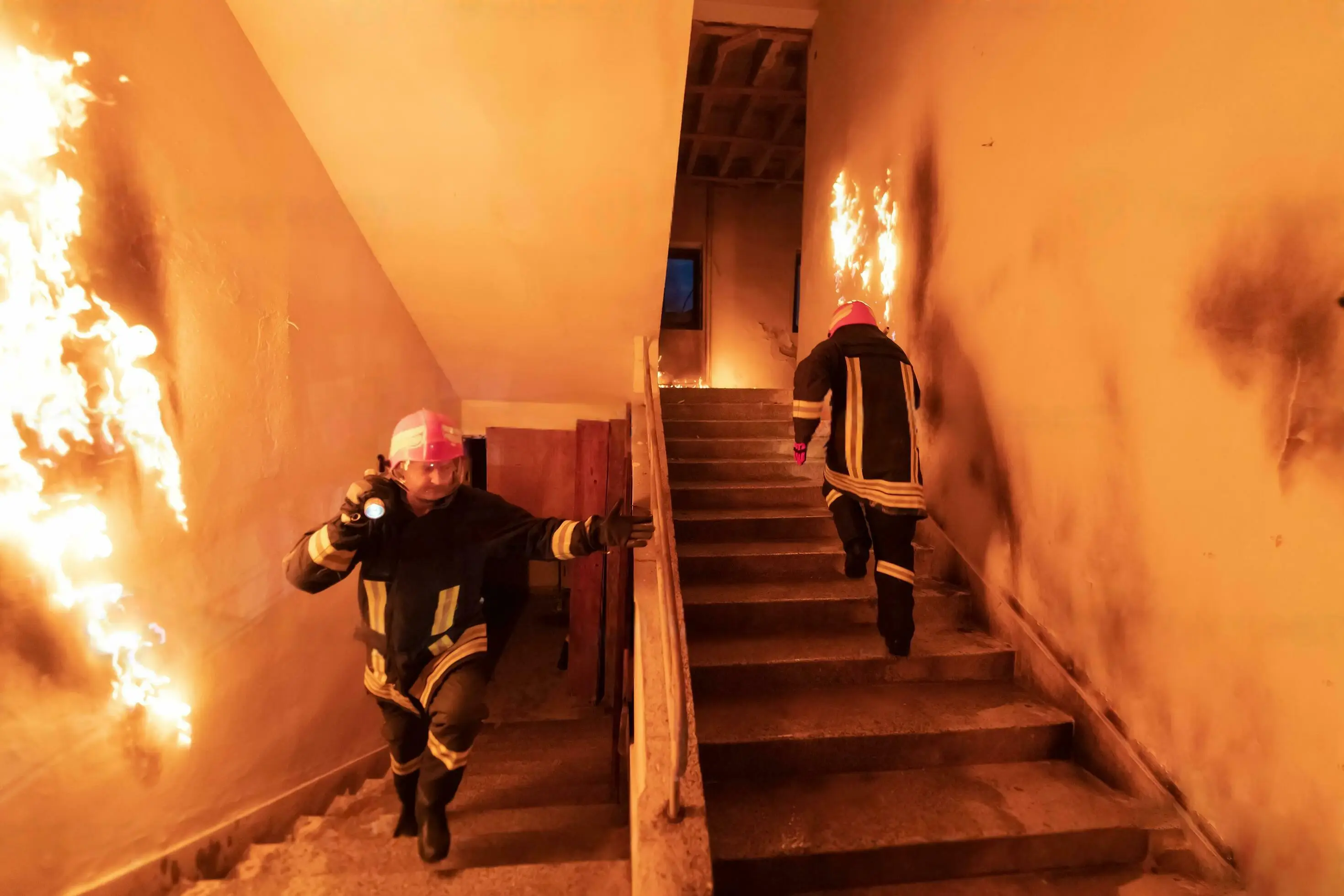
Fire Damage Restoration
Structural damage, soot, debris. We stabilize, clean, and rebuild what fire destroyed.
Learn more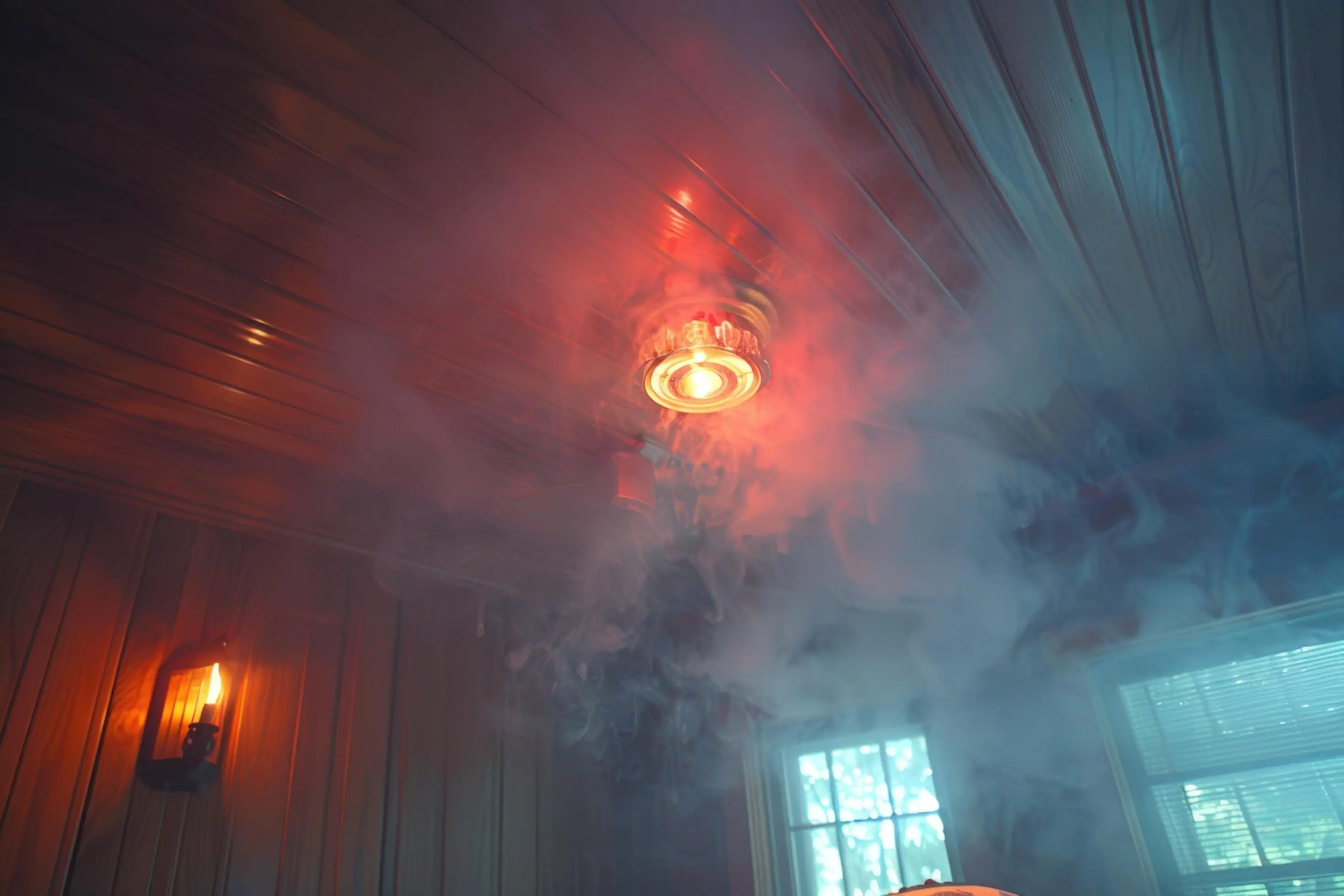
Smoke Damage Restoration
Soot residue, chemical odors, HVAC contamination. We decontaminate surfaces, eliminate odors, and restore air quality.
Learn more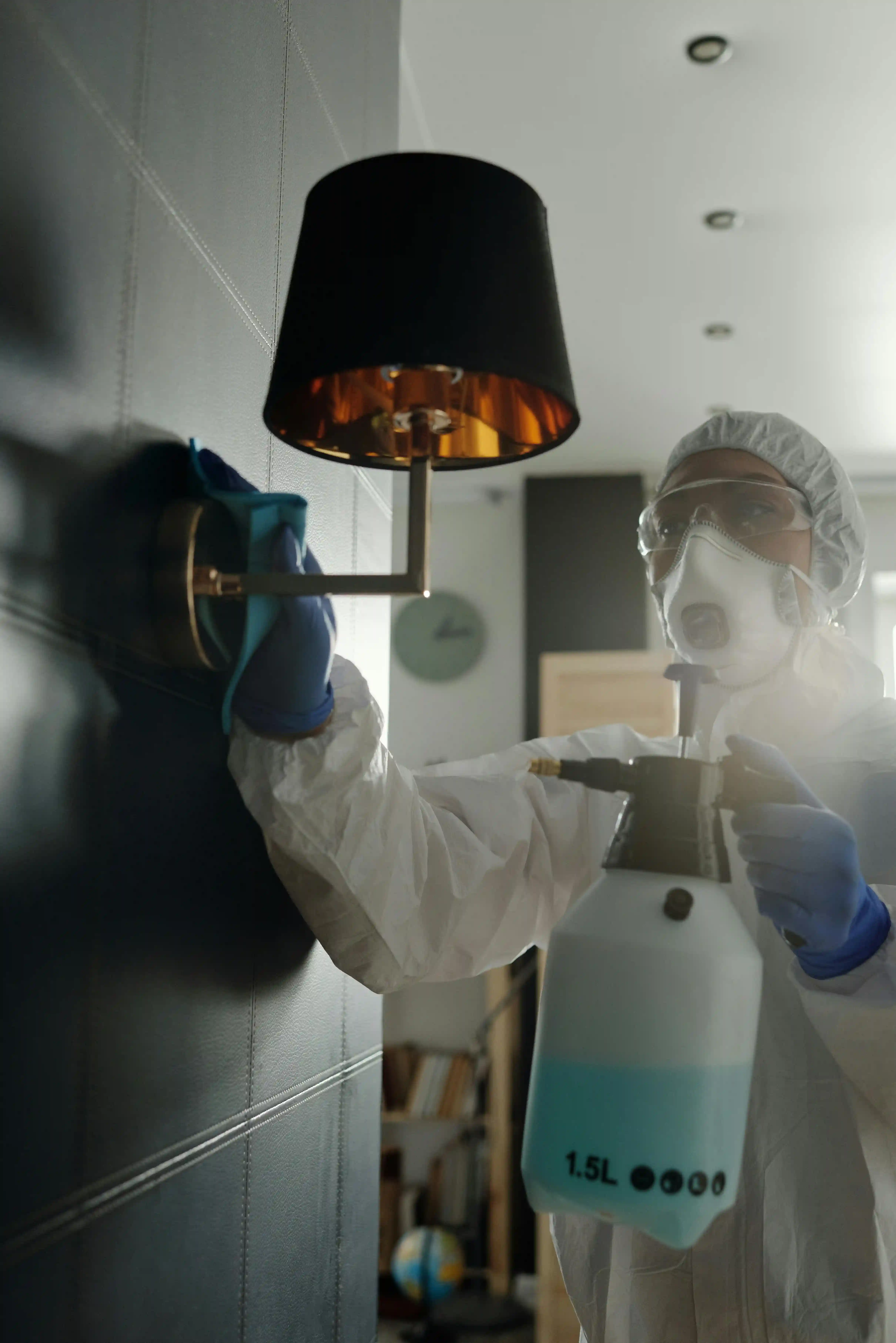
Mold Remediation
Testing, containment, removal, prevention. We find the source, eliminate the growth, and stop it from returning.
Learn more
Sewage Cleanup
Sewer backups, contaminated water, biohazard. We extract, sanitize, and restore safely.
Learn more