
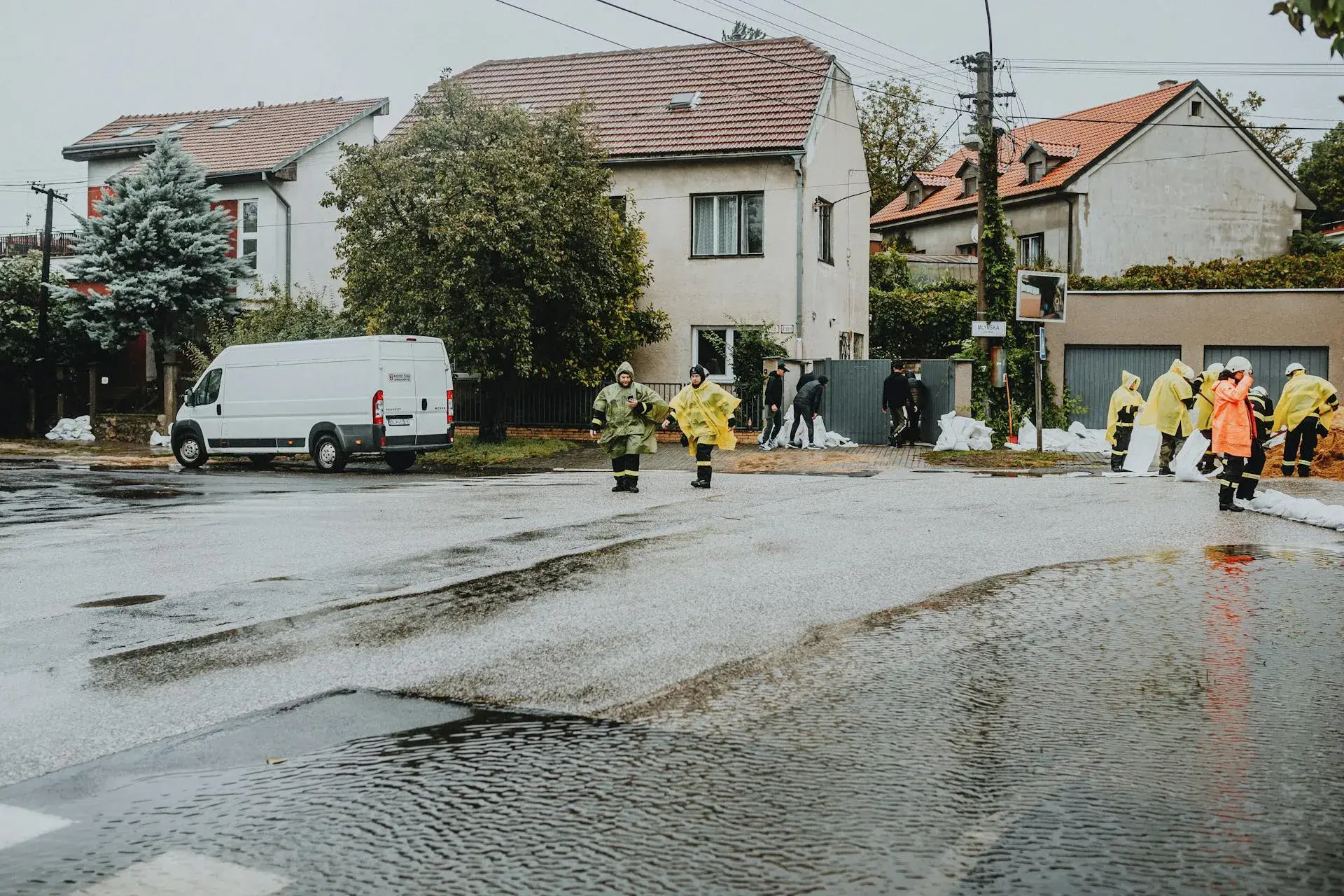
Sewage Cleanup in Mount Juliet, TN
Sewage backups are a biohazard that requires immediate professional intervention. Our team extracts contaminated water, sanitizes all affected surfaces, and restores your home to safe condition.
What Happens When You Call
A real person answers. We assess the situation: what backed up, how much area is affected, and whether the source has been stopped. We advise you to stay clear of the contaminated area and dispatch your team immediately.
Our team arrives in full personal protective equipment with extraction and sanitization equipment. The contaminated area is isolated to prevent spread to unaffected parts of the home.
All contaminated water is extracted. Affected porous materials that cannot be sanitized are removed. Hard surfaces are cleaned and treated with EPA-registered antimicrobial agents. The space is safe to be near again.
Structural drying equipment is deployed. Final antimicrobial treatment is applied. Air quality is verified. Documentation is completed for your insurance claim.
A sewage backup is not a situation where you can wait until morning or shop around for quotes. Contaminated water carries bacteria, viruses, and parasites that pose immediate health risks to everyone in the home. The longer it sits, the deeper it penetrates flooring, walls, and structural materials, expanding the scope of what must be removed rather than cleaned. When you contact X Response, we treat this as the emergency it is. Your team arrives within the hour, fully equipped to extract, sanitize, and restore. Call now. Your team is standing by.
Sewage Backup Risks Specific to Mount Juliet Homes
Mount Juliet's sewage risk reflects how quickly the area has been developed and how its wastewater is handled. Parts of the city connect to municipal sanitary sewer, but many subdivisions in Wilson County are served by decentralized package plants and drip-dispersal systems, and some homes on the rural edges still rely on private septic. Those decentralized systems have drawn real scrutiny. In January 2024, a Tennessee Department of Environment and Conservation inspector documented ponded water covered in algae blooms at a drip-dispersal wastewater treatment site serving Mount Juliet subdivisions, and that year the state found that more than half of such drip systems statewide did not comply with their permits. When a wastewater system is overtaxed or poorly maintained, the homes it serves carry more of the risk.
Layer the everyday causes on top of that, and the picture is complete. Stormwater infiltrates aging pipe joints and laterals during heavy rain, surcharging the sanitary sewer until it backs up through the lowest fixtures in a home, a real concern in a town the National Weather Service placed under a flash flood warning as recently as June 2026. Tree roots invade aging laterals. Crawl space construction means a backup can pool out of sight beneath the house. And the high water table near Percy Priest and Old Hickory Lakes leaves septic drain fields with little room to disperse during wet weather. However sewage enters a Mount Juliet home, the result is the same: a Category 3 biohazard that demands immediate, professional remediation.
Decentralized Wastewater Systems Under Scrutiny
Many Mount Juliet subdivisions are served not by a large municipal plant but by smaller decentralized systems, including drip-dispersal fields that filter sewage and disperse it across the soil. These systems have a documented track record of trouble in Wilson County. A state inspector photographed algae-coated ponded water at a Mount Juliet drip-dispersal site in January 2024, and statewide that year more than half of such systems failed to meet their permits, prompting proposed legislation to tighten oversight. When the system serving a neighborhood is strained or noncompliant, backups and surfacing sewage become a real risk for the homes connected to it.
Stormwater Surcharging During Heavy Rain
During heavy Middle Tennessee rain, stormwater seeps into the sanitary sewer through aging pipe joints, cracked laterals, and manhole covers. When inflow exceeds the system's capacity, sewage backs up through the lowest opening in connected homes, usually a ground-level floor drain or fixture. Mount Juliet has seen this kind of intense rainfall recently, including the slow-moving storms that triggered a June 2026 flash flood warning over the city. The faster runoff reaches an already-loaded system, the less buffer there is before it surcharges and pushes back into homes well beyond the mapped floodplain.
Tree Root Intrusion in Aging Laterals
Not every Mount Juliet home is new, and the older neighborhoods and original parts of town have sewer laterals well into middle age. Tree roots seek the moisture inside these pipes and work their way in through joints and hairline cracks, gradually narrowing and then blocking the flow until sewage has nowhere to go but back into the house. A single root mass can cause a complete backup that pushes sewage up through floor drains and toilet fixtures into the living space, often with little warning and at the worst possible moment.
Crawl Space Contamination
Most Mount Juliet homes sit on crawl spaces, which means a sewage backup or a failed line can drain down and pool in the space beneath the floor rather than staying in plain view. Contaminated water saturates the vapor barrier, soaks insulation and floor joists, and creates a biohazard directly below the living area. Because it is out of sight, crawl space sewage is often discovered only after odor rises into the home or pathogens and moisture have already begun affecting the structure and indoor air. It requires the same Category 3 decontamination as a backup inside the house.
Septic Failures and a High Water Table
Homes on the rural edges of Mount Juliet and in unincorporated Wilson County often rely on private septic systems rather than sewer. With the water table sitting high near Percy Priest and Old Hickory Lakes, a septic drain field can saturate and fail during prolonged wet weather, pushing sewage back toward the house or up into the yard. A failing septic system delivers the same Category 3 contamination as a municipal backup, and homeowners are responsible for both the cleanup and the repair of the system that caused it.
Whether the source is a strained decentralized system, a storm-surcharged sewer main, a root-blocked lateral, or a failed septic field, sewage in a Mount Juliet home is a health emergency, not a cleanup you can postpone. The contamination is the same Category 3 black water in every case, and the response has to be immediate, fully equipped, and thoroughly documented. Our team handles the extraction, decontamination, drying, and restoration as one coordinated process so your home is returned to a genuinely safe condition.
What Happens While Sewage Sits
First Hour
Contaminated water spreads across flooring and is immediately wicked into carpet, padding, drywall, and baseboards. Pathogens, bacteria, and viruses are present from the first minute. Anyone entering the area without protection is exposed. In a home with a crawl space, water begins draining below the floor and out of sight.
1–24 Hours
Bacteria multiply rapidly in the warm, moist environment. Odor becomes strong and pervasive. Contaminated water saturates porous materials beyond the point of salvage, and the affected footprint grows as liquid follows the path of least resistance into wall cavities and adjacent rooms.
24–48 Hours
Mold growth begins on contaminated, damp materials in Tennessee's humidity. Pathogens penetrate deeper into structural materials and the crawl space. What might have been a contained extraction now requires removing and replacing more drywall, flooring, and insulation. Health risk to the household rises the longer the contamination remains.
48–72 Hours and Beyond
Contamination and mold spread through wall cavities, the crawl space, and the HVAC system. Structural materials degrade. The remediation becomes a major demolition and rebuild rather than a cleanup, and the home remains unsafe to occupy until certified decontamination is complete.
Sewage is a Category 3 biohazard, and the danger does not wait. Every hour increases contamination, health risk, and the scope of what must be removed. Contact X Response now. Our Mount Juliet team responds within 60 minutes.
How We Remediate Sewage in Mount Juliet Homes
Sewage cleanup is a biohazard remediation governed by strict safety protocols. Here is how we make a contaminated home safe again, step by step.
Assessment and Containment
Our team arrives in personal protective equipment and first confirms the source has been stopped. We assess the extent of contamination, including whether sewage has reached the crawl space, wall cavities, or HVAC system. The affected area is sealed off with containment barriers to prevent pathogens and odor from spreading into clean parts of the home while we work. Everything is documented from the first minute for your insurance claim.
Contaminated Water Extraction
All standing sewage and contaminated water is extracted using biohazard-rated equipment. For Mount Juliet homes with crawl spaces, we deploy submersible pumps and low-clearance extraction tools to remove water and sludge that has pooled beneath the floor. Solid waste and debris are removed and disposed of according to biohazard handling regulations. Fast, complete extraction limits how far contamination can travel and how deeply it penetrates the structure.
Removal of Contaminated Materials
Porous materials that absorbed sewage cannot be reliably sanitized and must be removed. This includes carpet and padding, affected drywall, baseboards, contaminated insulation, and any saturated subflooring or crawl space vapor barrier. We cut out affected materials to a safe margin beyond the visible contamination, bag and dispose of them as biohazard waste, and leave the structure ready for cleaning and treatment. Salvageable hard surfaces are kept for sanitization rather than needless demolition.
Cleaning, Sanitizing, and Antimicrobial Treatment
Every surface that contacted sewage is cleaned and then treated with EPA-registered antimicrobial agents at proper concentrations to kill bacteria, viruses, and other pathogens. We treat the crawl space framing, subfloor, and any salvageable structural surfaces, not just the visible floor. HEPA air scrubbers run throughout to capture airborne contaminants. The goal is a space that is verified safe, not merely one that looks and smells clean.
Drying, Verification, and Completion
Commercial drying equipment removes the remaining moisture so mold cannot follow the sewage. Before the project is closed, we verify that moisture readings have returned to acceptable levels, surfaces have been properly sanitized, and the space is safe for occupancy. We provide complete documentation including photos, moisture readings, antimicrobial treatment records, and a summary of materials removed, a clear record that the biohazard was remediated by certified professionals to support your insurance claim.
The X Response Difference
Sewage cleanup is not a cleaning job. It is a biohazard remediation that requires proper training, equipment, and protocols to execute safely. X Response brings that capability to every sewage event in Mount Juliet, making sure your home is genuinely safe rather than just visually clean.
Insurance Claim Guidance for Mount Juliet Homeowners
Sewer backup coverage is not included in standard Tennessee homeowner's policies by default. It requires a separate endorsement, typically called sewer and drain backup or water backup coverage. Given the region's heavy rainfall and the mix of decentralized and septic systems serving Wilson County, this endorsement is well worth confirming on your policy, yet many homeowners do not realize they lack it until a backup occurs. If you carry the endorsement, it typically covers cleanup, sanitization, material removal, and restoration up to your policy's sublimit. Without it, a sewer backup is generally an out-of-pocket expense regardless of the cause.
How X Response Helps
- Document the contamination extent, source, and affected materials with professional photos and a written scope from the first visit
- Identify whether the backup originated from the municipal system, a decentralized system, your private lateral, or a septic failure, which may affect liability and coverage
- Provide a detailed scope of work that separates extraction, sanitization, material removal, and drying costs for clear claim categorization
- Explain your coverage options before work begins so you understand what your endorsement covers and your potential out-of-pocket exposure
- Guide you on filing timing and the documentation requirements specific to sewer backup claims
X Response does not file claims on your behalf, adjust claims, or make coverage determinations. We provide documentation and guidance to help you make informed decisions about your property and your policy. Coverage decisions are made solely by your insurance carrier.
Certified Sewage Cleanup Specialists Serving Mount Juliet
When you contact X Response for a sewage emergency in Mount Juliet, your team is drawn from certified professionals trained in biohazard remediation who work across Wilson County. They understand the mix of municipal sewer, decentralized package plants, and private septic that serves the area, the way the high water table near the lakes stresses drain fields, and the crawl space construction that makes sewage contamination especially challenging here. They have handled backups from storm-surcharged mains, septic failures on saturated ground, and lateral line breaks, and they know how to make a home safe rather than just clean.
Every technician on your team holds current IICRC certification in water damage restoration (WRT) with specialized training in Category 3 biohazard protocols. Equipment includes biohazard-rated extraction units, submersible pumps for crawl spaces, EPA-registered antimicrobial application systems, commercial dehumidifiers, and HEPA air scrubbers. When your team arrives, they are fully equipped to handle the complete remediation from extraction through verified completion.
Sewage Cleanup FAQ for Mount Juliet, TN
Other Emergency Services in Mount Juliet
Water Damage Restoration
Burst pipes, storm flooding, standing water. We extract, dry, and restore before mold sets in.
Learn more
Fire Damage Restoration
Structural damage, soot, debris. We stabilize, clean, and rebuild what fire destroyed.
Learn more
Smoke Damage Restoration
Soot residue, chemical odors, HVAC contamination. We decontaminate surfaces, eliminate odors, and restore air quality.
Learn more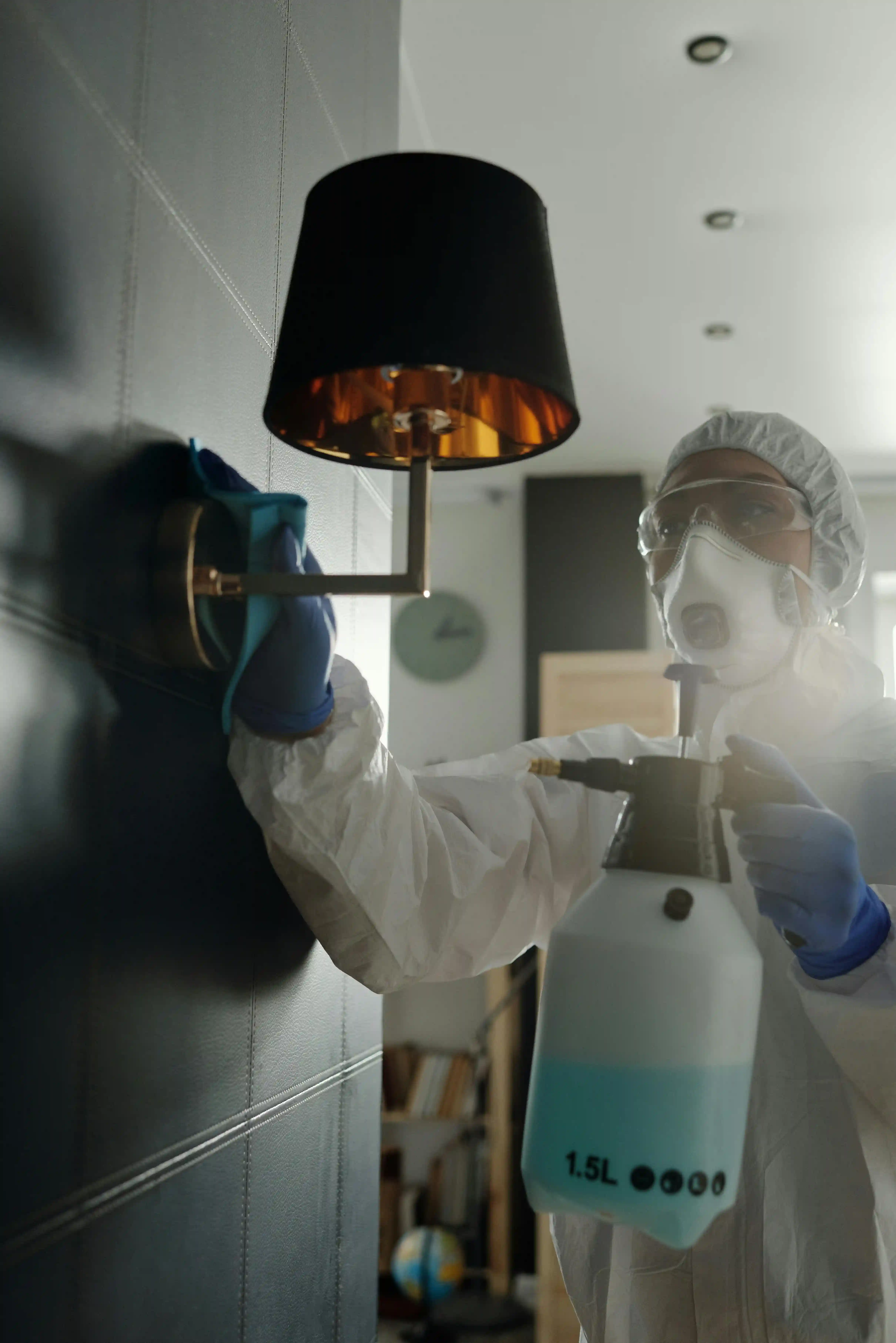
Mold Remediation
Testing, containment, removal, prevention. We find the source, eliminate the growth, and stop it from returning.
Learn moreNearby Service Areas
Also serving nearby: