
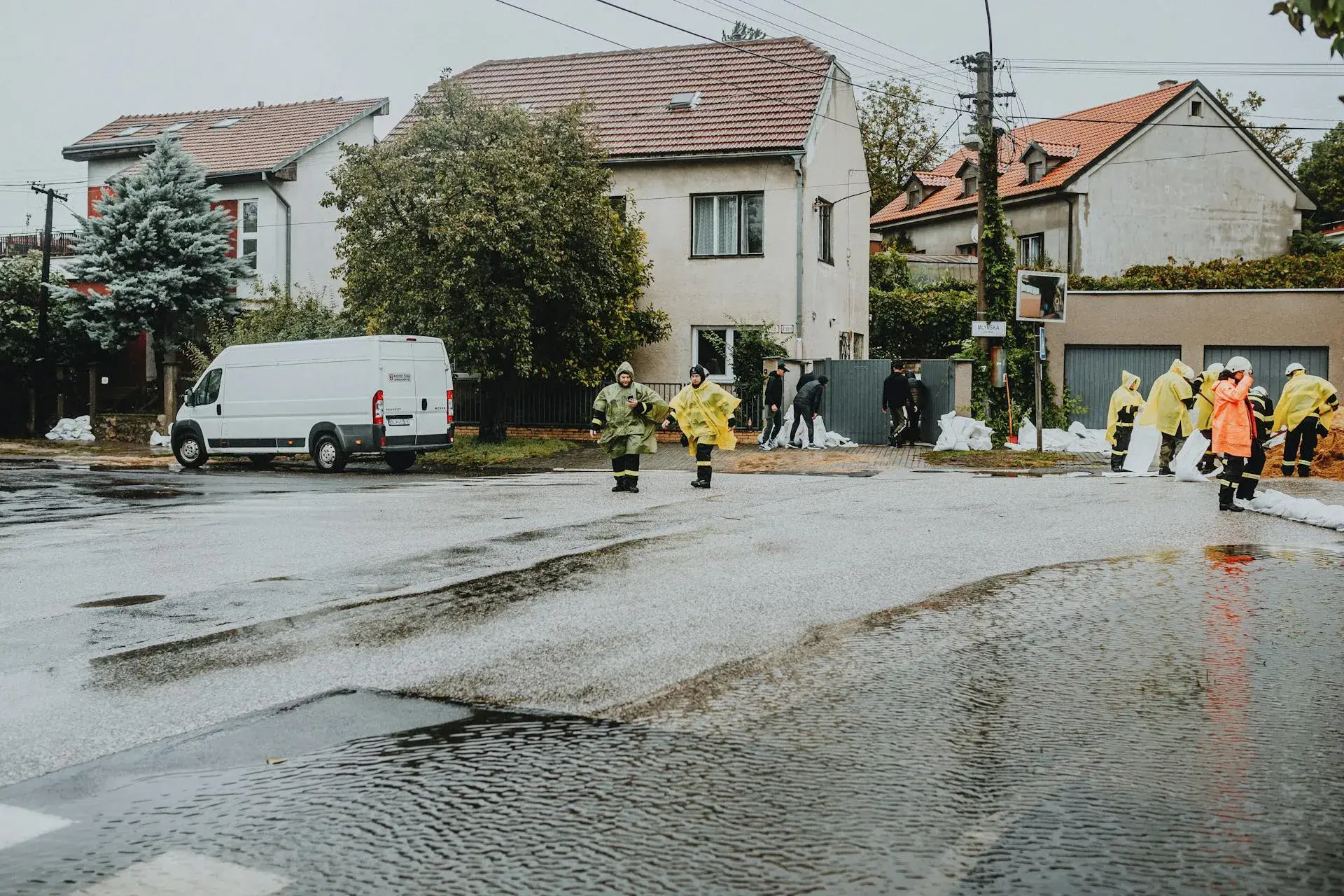
Sewage Cleanup in League City, TX
Sewage is a Category 3 biohazard that poses immediate health risks. Our certified decontamination team responds to League City emergencies within 60 minutes.
What Happens When You Call
A real person answers, not a call center. We assess the contamination type, determine the scope, and dispatch your certified decontamination team immediately.
Your dedicated team is dispatched from our local base serving League City and the surrounding Galveston County communities with full Category 3 response equipment.
Team arrives with extraction equipment, PPE, antimicrobial agents, and HEPA air scrubbers. Contamination containment and extraction begin immediately.
Sewage extracted, contaminated materials identified for removal, decontamination plan documented. You know exactly what comes next.
Sewage has entered your home. Whether from a backed-up lateral line, a lift station failure during a storm, or bay-elevated water levels preventing drainage, this is a Category 3 contamination event requiring immediate professional response. In League City's coastal climate, bacteria multiply rapidly in warm conditions and salt contamination from bay-influenced groundwater can compound the biohazard. You need a certified team with Category 3 protocols. Call now. Your team is standing by.
Why League City Homes Are Vulnerable to Sewage
League City is a city of approximately 120,000 residents primarily in Galveston County, Texas, operating a municipal sanitary sewer system that collects wastewater from homes and businesses across the city and conveys it to treatment facilities. The system serves a rapidly grown community that nearly tripled from 45,000 residents in 2000, placing demand on collection infrastructure that was built in phases across two decades. The city's flat coastal terrain at approximately 25 feet elevation provides minimal gravity gradient for the sanitary system, requiring a network of lift stations with electric pumps to move sewage through force mains to treatment. When lift stations lose power during tropical storms or when inflow and infiltration from heavy rain overwhelms pump capacity, the sewage in collection basins backs up through gravity mains and into connected homes.
The Texas Commission on Environmental Quality operates a Sanitary Sewer Overflow Initiative, a voluntary program initiated in 2004 to address increasing SSOs due to aging collection systems throughout the state. TCEQ encourages corrective action before overflows cause harm to human health, safety, or the environment. The state program reflects a reality across Texas coastal communities: flat terrain, high water tables, expansive clay soils, and intense tropical rainfall create conditions where sanitary sewer systems are chronically stressed during storm events. League City's position between Clear Creek and Dickinson Bayou means the sanitary system operates with outfall constraints during flooding: when creek and bayou levels rise, gravity flow from the sanitary system slows because the receiving waters are elevated, compounding the lift station burden and increasing backup risk throughout the collection network.
Storm-Driven Inflow and Infiltration in Coastal Collection Systems
League City's sanitary sewer system is designed to carry only domestic wastewater. During heavy storms, groundwater infiltrates through cracked pipes, deteriorated joints, and unsealed manholes while surface water enters through illegal connections and manhole covers not rated for submersion. The coastal water table sits close to the surface year-round due to the bay geography, meaning less rainfall is needed to saturate the ground and begin pushing groundwater into the sanitary system compared to inland communities with deeper water tables. During Hurricane Harvey, the 50 inches of direct rainfall raised the water table to the surface across the entire city simultaneously, introducing massive groundwater infiltration into every section of the collection system. Even moderate tropical storm rainfall of 5 to 8 inches can produce similar conditions in low-lying neighborhoods near Clear Creek and Dickinson Bayou where the water table sits within 3 to 5 feet of the surface year-round.
Lift Station Vulnerability During Power Outages
League City's flat terrain means the sanitary sewer system cannot rely on gravity alone. Lift stations with electric pumps are required at regular intervals to move sewage from low collection points through force mains to the next gravity section or to treatment. When a tropical storm or hurricane knocks out power, these lift stations stop functioning. The sewage in the collection basin and upstream gravity mains has nowhere to go except backward through the system toward the homes connected to those mains. Hurricane Beryl in July 2024 knocked out power to 2.7 million homes across the Houston metro for days, and coastal communities like League City experienced extended outages because storm damage to distribution infrastructure was concentrated along the coast. Any extended power outage in League City creates sewage backup risk for homes connected to the affected lift station's collection area.
Bay-Elevated Outfall Preventing Normal Drainage
League City's sanitary sewer system ultimately discharges treated effluent into receiving waters connected to Clear Creek, Clear Lake, and the broader Galveston Bay system. During tropical storms, storm surge elevates water levels throughout this system, and the receiving waters that normally accept treated discharge rise to levels that slow or stop the treatment plant's outfall. This backpressure propagates upstream through the entire collection system: treatment slows, wet wells fill, lift stations cannot discharge, and the collection network backs up from the discharge end backward toward homes. This bay-driven backpressure mechanism is unique to coastal communities and does not exist in inland cities where sanitary systems discharge into creeks that may flood but do not experience tidal or surge elevation at the outfall.
Category 3 Classification and Coastal Contamination Complexity
Sewage backup into a home constitutes Category 3 water under IICRC S500, the highest contamination classification. In League City, the contamination complexity increases during storm events because the backup may contain not just domestic sewage but also groundwater that infiltrated the system carrying soil bacteria, saltwater from the coastal water table, and any chemicals washed from streets and yards that entered through inflow points. This multi-source contamination creates a more complex decontamination scenario than a simple lateral blockage. The salt content in bay-influenced groundwater that enters the system also complicates post-cleanup drying: salt residue in building materials draws moisture from League City's humid air indefinitely through hygroscopic action, preventing materials from reaching dry standard unless the salt is first removed.
Aging Lateral Lines in Rapid-Growth Subdivisions
The sewer lateral connecting each home to the municipal main is the homeowner's responsibility in Texas. League City's rapid growth produced tens of thousands of homes between 2000 and 2015 with lateral lines now 10 to 25 years old. On coastal clay soils that expand and contract seasonally, these laterals develop bellied sections, joint separations, and root intrusions that create blockage points. When a lateral blocks, all sewage from the home's fixtures has nowhere to flow and backs up through the lowest fixture, typically a ground-floor toilet, shower drain, or garage floor drain. In League City homes on slab-on-grade foundations, this sewage spreads across the entire first floor with no containment. The flat lot grading typical of League City subdivisions provides no natural slope away from the home, meaning exterior cleanout overflows pool against the foundation rather than draining to the street.
Sewage backup in League City results from the intersection of flat coastal terrain requiring powered lift stations, a high water table that produces chronic inflow and infiltration, bay-elevated outfall conditions during storms that backpressure the entire system, multi-source contamination complexity from salt and groundwater mixing with domestic sewage, and aging lateral lines in rapidly built subdivisions. The TCEQ Sanitary Sewer Overflow Initiative reflects the statewide recognition that these conditions create ongoing infrastructure challenges. Effective cleanup requires certified Category 3 protocols that address not just the biological hazard but also the salt contamination that complicates drying in League City's coastal environment.
What Happens to Your Home While You Wait
Within 1 Hour
Sewage spreads across the slab floor contacting every porous material at ground level. In League City's warm coastal climate, bacteria multiply rapidly in the nutrient-rich contaminated water. Salt content from coastal groundwater that infiltrated the sewer system begins depositing on surfaces as the liquid is absorbed by building materials. Airborne bioaerosols form as sewage is disturbed. The affected area becomes an immediate health hazard.
1–24 Hours
Sewage wicks into drywall from floor level. Bacteria and viruses multiply exponentially in warm conditions. Salt from the bay-influenced groundwater component concentrates in materials as water is absorbed, creating permanent hygroscopic conditions that will resist drying later. Odor intensifies. The contamination boundary climbs higher on walls through capillary action.
24–48 Hours
Mold begins colonizing contaminated materials in addition to the bacterial hazard. The combination of biological contamination, mold, and salt in materials creates a triple remediation challenge. Drywall with sewage contamination that also develops mold and contains salt residue must be removed well beyond the visible line. The scope expands significantly.
48–72 Hours
Structural framing at slab level absorbs contaminated moisture. Salt residue prevents materials from reaching dry standard through normal dehumidification because it continuously draws moisture from League City's high ambient humidity. The concrete slab absorbs contaminants at cracks and penetrations. Odor becomes embedded in structural materials.
One Week and Beyond
Extensive biological contamination throughout wall cavities. Active mold on every contaminated surface. Salt residue in building materials creates perpetual moisture conditions that feed ongoing mold even after the sewage source is resolved. Full gut-and-rebuild becomes necessary. Insurance claims grow significantly more complex and costly.
Sewage in League City's coastal environment creates compound damage from biological contamination, salt deposition, and the mold that both feed. Contact X Response now. Our certified decontamination team responds within 60 minutes.
How We Restore Sewage-Damaged League City Homes
From the moment our team arrives, every step follows IICRC S500 Category 3 protocols adapted for League City's coastal contamination complexity. Here is exactly what the process involves.
Safety Assessment and Source Control
Our team arrives in full PPE including respiratory protection and chemical-resistant suits appropriate for Category 3 biohazard exposure. We determine whether the backup originated from the home's lateral line or the municipal system, whether the source is still active, and whether the contamination includes saltwater from the coastal water table. If the municipal system is overwhelmed during a storm event, we coordinate with League City utilities and establish temporary measures while extraction proceeds. The contaminated area is isolated from unaffected portions of the home.
Category 3 Extraction and Material Removal
Standing sewage is extracted using dedicated Category 3 equipment. All porous materials contacted by sewage are removed regardless of apparent condition: carpet, pad, drywall below the contamination line plus a safety margin, insulation, baseboards, and particleboard. In League City's slab-on-grade homes, removal extends around the entire contaminated floor plan because sewage spreads to every contact point on a flat slab. Materials are bagged within the work zone and removed through designated pathways to prevent tracking contamination through clean areas.
Structural Decontamination with Salt Assessment
After contaminated materials are removed, structural surfaces are cleaned with HEPA vacuuming followed by EPA-registered biocidal agents. For League City homes where storm-driven backup introduced saltwater from the coastal water table, we test remaining materials for chloride content. Salt left in the slab or framing will continuously draw moisture from the ambient high humidity, preventing materials from reaching dry standard and creating perpetual mold conditions. Salt-contaminated surfaces require additional washing to remove chlorides before biocidal treatment and before new materials can be installed.
Structural Drying and Verification
After decontamination and salt removal, the structure must dry to IICRC S500 standards. League City's coastal humidity makes mechanical dehumidification essential. LGR dehumidifiers and air movers are positioned to dry the slab, framing, and any retained structural materials. Daily moisture monitoring confirms progress. For salt-contaminated events, we verify both moisture levels and residual salt content at test points before releasing the structure for reconstruction, because salt left in materials will prevent long-term drying stability.
Clearance and Reconstruction Preparation
Final inspection confirms all contaminated materials removed, biocidal treatment achieved required contact time, moisture readings meet dry standard, and no residual salt contamination exists at levels that would compromise long-term drying stability. Documentation including photos, treatment records, and moisture readings provides a complete record for your insurance claim. The structure is released for reconstruction: new drywall, insulation, flooring, and finishes installed over a clean, dry, verified substrate.
The X Response Difference
When you contact X Response for sewage cleanup in League City, you get a certified biohazard team that understands the compound contamination of coastal sewage events. One team handles extraction, salt assessment, biological decontamination, drying, and verified clearance.
Insurance Claim Guidance for League City Homeowners
Sewage backup coverage in Texas requires a specific endorsement on your homeowner's policy, typically called water backup or sewer backup coverage. Standard policies exclude sewer backup without this endorsement. If sewage entered during a tropical storm as part of rising floodwater, it may fall under flood insurance rather than your sewer backup endorsement. For League City homes where storm-driven municipal system failure caused the backup, the connection between the storm event and the backup must be documented clearly because the coverage pathway depends on whether the backup resulted from your lateral (sewer endorsement), the municipal system overwhelmed by flooding (potentially flood policy), or storm surge preventing system drainage (complex, may involve both).
How X Response Helps
- Determine whether sewage entered from your lateral line, the municipal system failure, or rising floodwater, as each routes to different coverage
- Document the contamination extent with photos and contamination mapping before material removal begins
- Record the connection between any storm event and the backup timing to support claims under flood or storm coverage if applicable
- Capture salt contamination testing results that demonstrate the additional coastal complexity requiring extended remediation
- Identify your policy's sewer backup sublimit before finalizing scope so you understand coverage caps
X Response does not file claims on your behalf, adjust claims, or make coverage determinations. We provide documentation and guidance to help you make informed decisions about your property and your policy. Coverage decisions are made solely by your insurance carrier.
Certified Restoration Specialists Serving League City
When you contact X Response for sewage cleanup in League City, your team includes certified professionals trained in Category 3 biohazard response with specific experience in coastal contamination scenarios. They understand the compound challenges when storm-driven sewage backup in a coastal community introduces not just biological contamination but also salt from the bay-influenced water table. They know how League City's lift-station-dependent system backs up during power outages and how bay-elevated outfall conditions propagate backpressure upstream through the entire collection network. This is a biohazard team with coastal contamination expertise.
Every technician holds current IICRC certification with Category 3 protocol training, bloodborne pathogen safety credentials, and experience with salt-contaminated remediation scenarios specific to Gulf Coast communities. Equipment includes dedicated Category 3 extraction units, full biohazard PPE, EPA-registered biocidal agents, salt-testing instruments, and commercial dehumidifiers for post-decontamination drying in coastal humidity. When your team arrives, they bring everything needed for the compound contamination scenarios League City's coastal sewer system produces.
In League City, X Response works with First Response Restoration, an independent local restoration partner serving Galveston County.
Sewage Cleanup FAQ for League City Homeowners
Other Emergency Services in League City
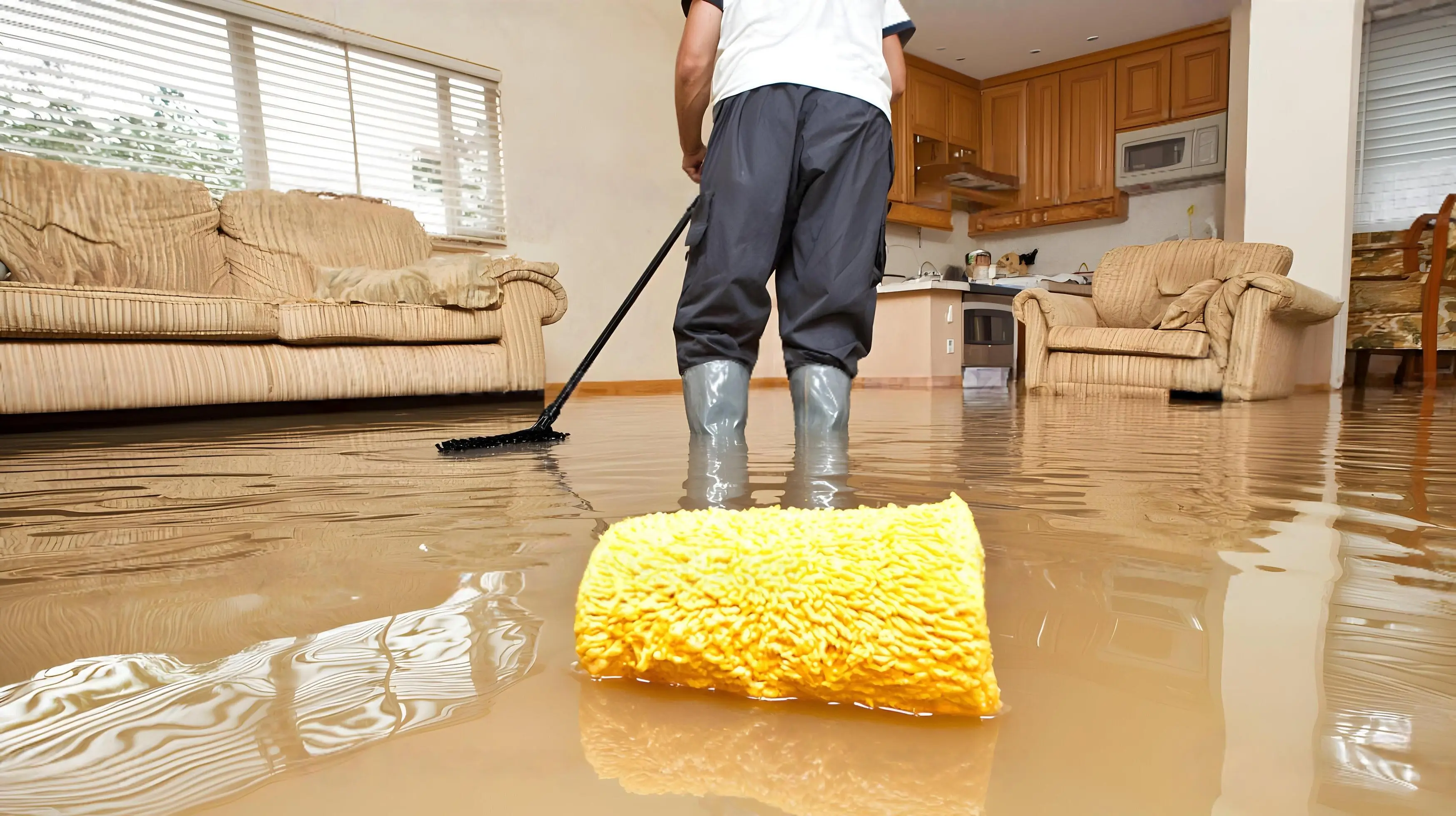
Water Damage Restoration
Burst pipes, storm flooding, standing water. We extract, dry, and restore before mold sets in.
Learn more
Fire Damage Restoration
Structural damage, soot, debris. We stabilize, clean, and rebuild what fire destroyed.
Learn more
Smoke Damage Restoration
Soot residue, chemical odors, HVAC contamination. We decontaminate surfaces, eliminate odors, and restore air quality.
Learn more
Mold Remediation
Testing, containment, removal, prevention. We find the source, eliminate the growth, and stop it from returning.
Learn moreNearby Service Areas
Also serving nearby: