
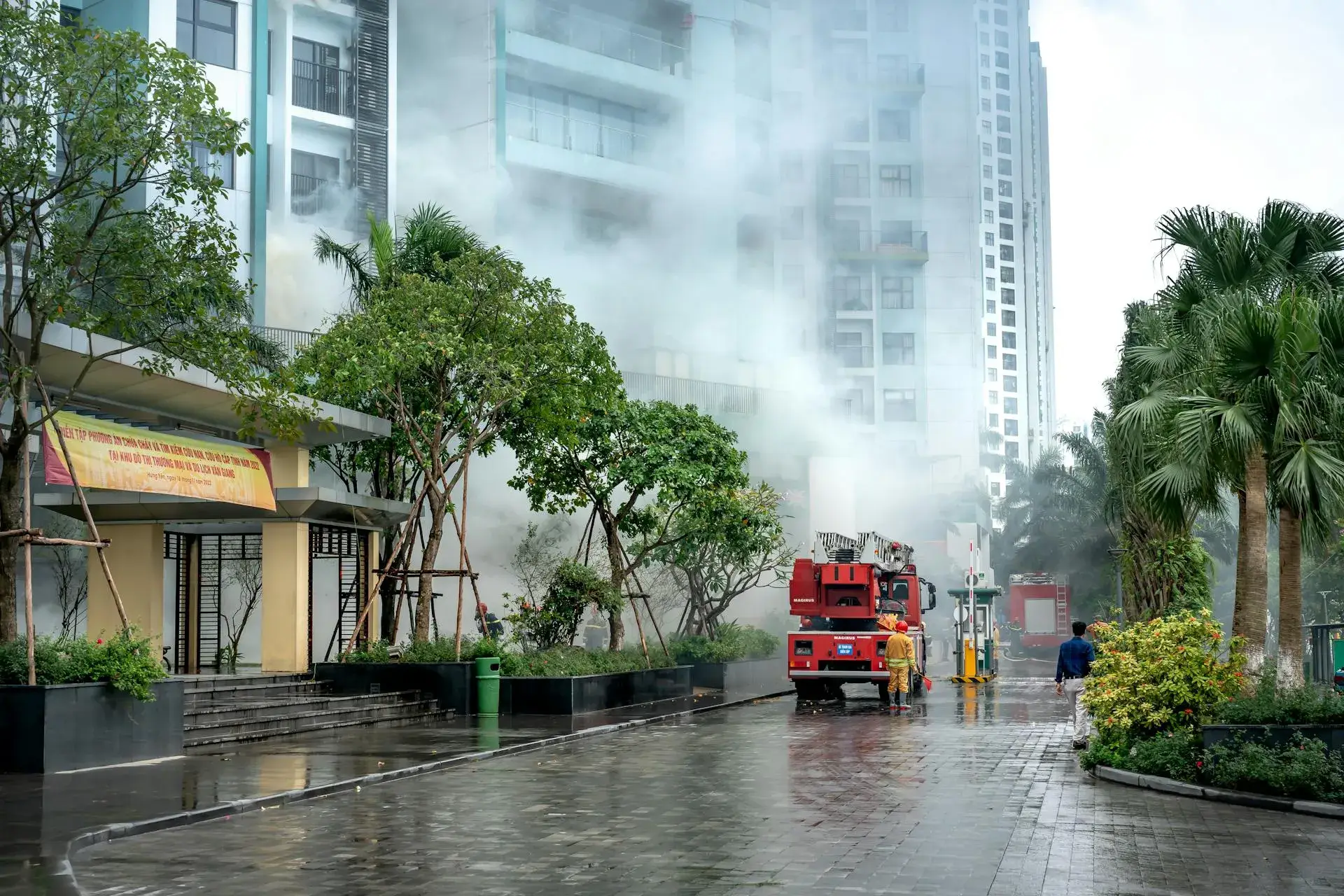
Smoke Damage Restoration in League City, TX
Smoke residue bonds permanently to surfaces within hours in coastal humidity. Our local team responds to League City emergencies within 60 minutes.
What Happens When You Call
A real person answers, not a call center. We assess the smoke source, determine the contamination type, and dispatch your restoration team immediately.
Your dedicated team is dispatched from our local base serving League City and the surrounding Galveston County communities.
Team arrives with industrial air scrubbers, HEPA filtration, and specialized cleaning equipment. Air quality improvement begins immediately.
Contamination mapped, cleaning protocols initiated, HVAC system assessed. You know exactly what comes next.
Smoke has entered your home. Whether from an industrial event at the nearby Texas City refineries, a wildfire, a neighborhood structure fire, or a furnace malfunction, the particulate and odor compounds are bonding to every surface they contact. In League City's salt-laden coastal humidity, that bonding happens faster than in inland communities. When you contact X Response, your team is mobilized within minutes. Call now. Your team is standing by.
Why League City Homes Are Vulnerable to Smoke Damage
League City is a city of approximately 120,000 residents primarily in Galveston County, Texas, situated along the I-45 corridor between Houston and Galveston. The city sits approximately 5 miles northwest of the Texas City industrial district, one of the largest concentrations of petroleum refineries and petrochemical plants in the United States. This proximity means League City residents face smoke and particulate exposure not just from residential fires and wildfires but from industrial events at facilities that process millions of barrels of crude oil and chemical feedstocks annually. Prevailing southeast winds off Galveston Bay carry emissions and event releases directly toward League City's residential neighborhoods.
On June 21, 2026, a fire at the Marathon Galveston Bay refinery in Texas City triggered a shelter-in-place order for nearby residents while authorities monitored air quality. TCEQ records showed the facility released multiple air contaminants including nitrogen oxide and sulfur dioxide during the event. This was not an isolated incident. In April 2018, a Valero refinery fire in Texas City released over 5,000 pounds of alkylates, 13,700 pounds of carbon monoxide, and 12,000 pounds of particulate matter into the air according to emissions reports. The BP Texas City refinery was subject to a Clean Air Act settlement requiring over $161 million in pollution controls after documented violations. For League City homeowners, industrial smoke events introduce chemical compounds into the home that are fundamentally different from residential fire soot, requiring different cleaning chemistry and health precautions.
Industrial Smoke Events from Texas City Refinery Corridor
The Texas City industrial district contains major refinery and petrochemical operations including Marathon, Valero, and formerly BP (now Marathon) facilities within 5 miles of League City's eastern and southern neighborhoods. When refinery fires, flaring events, or emergency shutdowns occur, smoke plumes carrying petroleum-based particulate, volatile organic compounds, sulfur dioxide, and other industrial contaminants drift toward League City depending on wind direction. A shelter-in-place order means residents seal their homes and shut down HVAC systems to prevent drawing contaminated air inside. However, homes with ductwork in unconditioned attic spaces, bathroom exhaust fan backdraft dampers that do not seal completely, or building envelope gaps at penetrations still admit exterior air during these events. After the shelter-in-place lifts, the particulate that entered remains on surfaces and in HVAC systems unless professionally removed.
Petroleum-Based Soot Chemistry and Health Implications
Smoke from an industrial refinery event contains fundamentally different compounds than residential structure fire smoke. Petroleum combustion produces polycyclic aromatic hydrocarbons (PAHs), volatile organic compounds including benzene and toluene, sulfur compounds, and heavy-metal particulate that are classified as hazardous. Standard residential smoke cleaning products and methods are not appropriate for petroleum-based contamination. The cleaning chemistry must address oil-based residue that bonds differently to surfaces than cellulose or synthetic residential soot. Health implications are also elevated: PAH exposure is associated with respiratory irritation and long-term health concerns. For League City homeowners near the refinery corridor, an industrial smoke event requires professional assessment of what entered the home, identification of specific contaminants, and cleaning protocols appropriate for the chemical composition of the residue.
Coastal Wind Patterns and Smoke Transport
League City's position on the Gulf Coast subjects it to predictable wind patterns that influence smoke transport from any source. The prevailing onshore flow from the southeast carries moisture off Galveston Bay into the city during most of the year, which is beneficial during industrial events to the south because it pushes emissions away from residential areas. However, frontal passages from the north and northwest during fall and winter reverse this pattern, carrying smoke from fires north of League City directly over the residential neighborhoods. Land-sea breeze effects create daily wind shifts that can change smoke direction within hours. The March 2025 Pauline Road wildfire in Sam Houston National Forest 70 miles to the north sent visible smoke across the Houston metro when northerly winds prevailed behind a front. For any smoke event, League City's wind exposure means contamination can arrive from any direction depending on the atmospheric conditions at that time.
Salt Air and Soot Compound Corrosion
When smoke particulate deposits on surfaces in League City homes, it interacts with the salt residue that Galveston Bay air deposits continuously on every surface. The combination of acidic soot compounds and chloride salt creates an accelerated corrosion environment on metal surfaces that is more aggressive than either would produce alone. Electronics, HVAC components, plumbing fixtures, and decorative metals sustain compound damage from the soot-salt interaction. Standard smoke cleaning timelines from inland restoration references do not account for this accelerated corrosion. In League City, smoke residue on metal surfaces must be cleaned within the first 24 to 48 hours to prevent permanent pitting and discoloration, a timeline approximately half of what inland properties experience before irreversible damage occurs.
HVAC Systems as Smoke Entry and Distribution Pathways
League City homes run air conditioning ten or more months annually, with the system cycling almost continuously during summer. The HVAC system creates direct pathways for outdoor smoke to enter the home through fresh-air intakes, ductwork leaks in unconditioned attic spaces, and the pressure differential that exhaust fans create. During industrial events when authorities issue shelter-in-place orders, residents are told to turn off HVAC systems, but the contamination that entered before shutdown or through imperfect seals remains in the ductwork and on the evaporator coil. When the system restarts after the all-clear, it redistributes that contamination throughout the home. Additionally, salt corrosion on coastal HVAC systems creates more ductwork gaps and connection failures over time than inland systems experience, providing additional infiltration points for exterior smoke.
Smoke damage in League City arrives from sources not typical of inland communities: industrial refinery events releasing petroleum-based particulate, Texas City corridor flaring and emergency shutdowns, transboundary wildfire smoke, and standard residential fire origins. The coastal environment compounds the damage through salt-soot interaction that accelerates corrosion and coastal humidity that speeds permanent surface bonding. Effective restoration requires identifying the source chemistry, understanding the coastal environmental modifiers, and applying cleaning protocols appropriate for the specific compounds present rather than treating all smoke damage identically.
What Happens to Your Home While You Wait
Within 1 Hour
Smoke particles settle on surfaces and begin bonding in League City's coastal humidity. Salt residue already present on surfaces from bay air creates a compound with soot that is more corrosive than either alone. HVAC systems running during a smoke event distribute contamination through every supply vent. Industrial particulate containing petroleum compounds deposits on electronics and begins degrading sensitive components immediately.
1–24 Hours
Soot residue penetrates porous surfaces. The salt-soot compound accelerates metal tarnishing and pitting. Smoke odor compounds absorb into drywall, carpet, and the concrete slab. Yellow-brown discoloration appears on walls as residue migrates with moisture. Electronics exposed to petroleum-based particulate begin showing contact corrosion on circuit boards and connectors.
24–48 Hours
Surface staining becomes permanent on porous materials. Metal corrosion from the salt-soot compound advances beyond cleaning into replacement territory. HVAC ductwork develops interior deposits that will re-contaminate the home with every future cycle. Contents including clothing, upholstery, and electronics cross from cleanable to unsalvageable as acidic compounds penetrate deeper into materials.
48–72 Hours
Nickel and chrome fixtures develop permanent pitting. Electronics are typically unsalvageable. Odor compounds embed in structural materials at a molecular level. The scope of material replacement expands significantly. What could have been addressed with professional cleaning in the first 24 hours now requires material removal and replacement.
One Week and Beyond
Permanent damage to all unprotected surfaces. HVAC system requires complete ductwork replacement. Structural odor requires encapsulation and advanced deodorization. Total contents loss expands. The project transitions from smoke cleaning to demolition and reconstruction of affected areas.
League City's salt air accelerates every form of smoke damage. The corrosion timeline is approximately half of what inland properties experience. Contact X Response now. Our team responds within 60 minutes.
How We Restore Smoke-Damaged League City Homes
From the moment our team arrives, every step is calibrated for League City's coastal conditions and the specific chemistry of the smoke source. Here is exactly what the process involves.
Source Identification and Chemical Assessment
We identify the smoke source because different sources require fundamentally different protocols. Industrial refinery smoke contains petroleum compounds requiring specialized chemistry. Residential structure fire smoke contains synthetic plastics and cellulose. Wildfire smoke is primarily cellulose-based. Furnace puffbacks produce oil-based soot. Each type bonds differently to surfaces and requires different cleaning agents. For League City homes near the Texas City corridor, we determine whether industrial contaminants are present before selecting cleaning methods, because applying standard residential smoke cleaning to petroleum-based contamination can spread rather than remove the residue.
Air Quality Stabilization and HVAC Isolation
Industrial HEPA air scrubbers are positioned immediately to filter particulate from indoor air. The home's HVAC system is shut down and sealed to prevent further distribution of contamination through ductwork. In League City homes where the system ran during a smoke event or industrial release, the ductwork itself is contaminated and must be isolated until professionally cleaned. Negative air pressure may be established in heavily contaminated zones. Particle counters monitor air quality improvement and determine when the environment is safe for extended occupancy.
Surface Cleaning and Salt-Soot Compound Removal
Soot and the salt-soot compound are removed using source-appropriate methods on League City's compressed 24-hour timeline before permanent damage occurs. Dry chemical sponges lift particulate. HEPA vacuuming removes settled material from horizontal surfaces. Wet cleaning with chemistry appropriate to the contamination type follows. For industrial petroleum-based contamination, we use degreasing agents that dissolve hydrocarbon bonds. For standard fire soot interacting with salt residue, we address both the acidic soot and the chloride compound to prevent continued corrosion after cleaning. Metal surfaces receive specific attention to halt salt-soot corrosion before it becomes permanent.
HVAC Decontamination
The forced-air system is thoroughly cleaned using HEPA-rated vacuum equipment with agitation tools. The evaporator coil, blower assembly, and air handler cabinet are individually decontaminated. For systems that ran during an industrial event, ductwork sections are tested for residual contamination before the system restarts. In League City, where salt corrosion creates more ductwork gaps than inland systems, we inspect all accessible connections for infiltration points that allowed smoke entry and recommend sealing or repair to prevent future events from following the same pathway.
Structural Deodorization and Verification
Thermal fogging introduces deodorant particles into the same pathways smoke traveled. Hydroxyl generators break down odor compounds through oxidation without requiring evacuation. For League City's slab-on-grade homes, the concrete surface is sealed to prevent off-gassing of absorbed odor compounds. Final verification includes air quality testing with particle counters and an odor evaluation. For homes affected by industrial events, we may recommend follow-up air quality testing to confirm no residual chemical contamination remains in the HVAC system or structural cavities.
The X Response Difference
When you contact X Response for smoke damage in League City, you get a team that understands the chemical complexity of industrial proximity, the corrosion acceleration from coastal salt-soot interaction, and the compressed timelines that Gulf Coast conditions impose on every phase of restoration.
Insurance Claim Guidance for League City Homeowners
Smoke damage insurance coverage in League City depends on the source and whether your property sustained actual damage or contamination. Smoke from a fire on your property or an adjacent property is covered under standard homeowner's fire provisions. Industrial smoke events from the Texas City corridor are more complex. If an industrial release causes demonstrable contamination requiring professional remediation, the responsible party's liability coverage should apply, though pursuing that claim is separate from your homeowner's policy. Your homeowner's policy may cover the damage and subrogate against the responsible party. For wildfire smoke intrusion, coverage falls under the fire provisions if you can demonstrate the smoke caused material damage or made the home temporarily uninhabitable.
How X Response Helps
- Document contamination extent with photos, air quality readings, and contamination mapping before any cleaning begins
- Identify the smoke source clearly, as this determines whether claims go to homeowner's, commercial liability, or both
- For industrial events, preserve evidence of the specific contaminants present with professional testing documentation
- Capture HVAC contamination with interior photos and air quality readings demonstrating the system is compromised
- Document contents damage including electronics and metals showing salt-soot corrosion attributable to the smoke event
X Response does not file claims on your behalf, adjust claims, or make coverage determinations. We provide documentation and guidance to help you make informed decisions about your property and your policy. Coverage decisions are made solely by your insurance carrier.
Certified Restoration Specialists Serving League City
When you contact X Response for smoke damage in League City, your team includes certified specialists who understand the multi-source smoke exposure this coastal community faces. They know the difference between petroleum-based refinery emissions that require specialized degreasing chemistry and standard residential fire soot that responds to conventional cleaning. They understand how salt air from Galveston Bay compounds with soot to accelerate corrosion on metal surfaces to half the timeline of inland communities. They have worked through industrial release events from the Texas City corridor, wildfire smoke intrusion from regional events, and standard residential fires where coastal humidity accelerated permanent surface bonding.
Every technician holds current IICRC certification in fire and smoke restoration with specific training in industrial contamination protocols, chemical source differentiation, and coastal corrosion assessment. Equipment includes HEPA air scrubbers, particle counters, thermal fogging systems, hydroxyl generators, and HVAC cleaning equipment. When your team arrives, they bring the tools and expertise to identify the source chemistry, address the salt-soot compound corrosion specific to Gulf Coast environments, and verify results with air quality testing.
In League City, X Response works with First Response Restoration, an independent local restoration partner serving Galveston County.
Smoke Damage Restoration FAQ for League City Homeowners
Other Emergency Services in League City
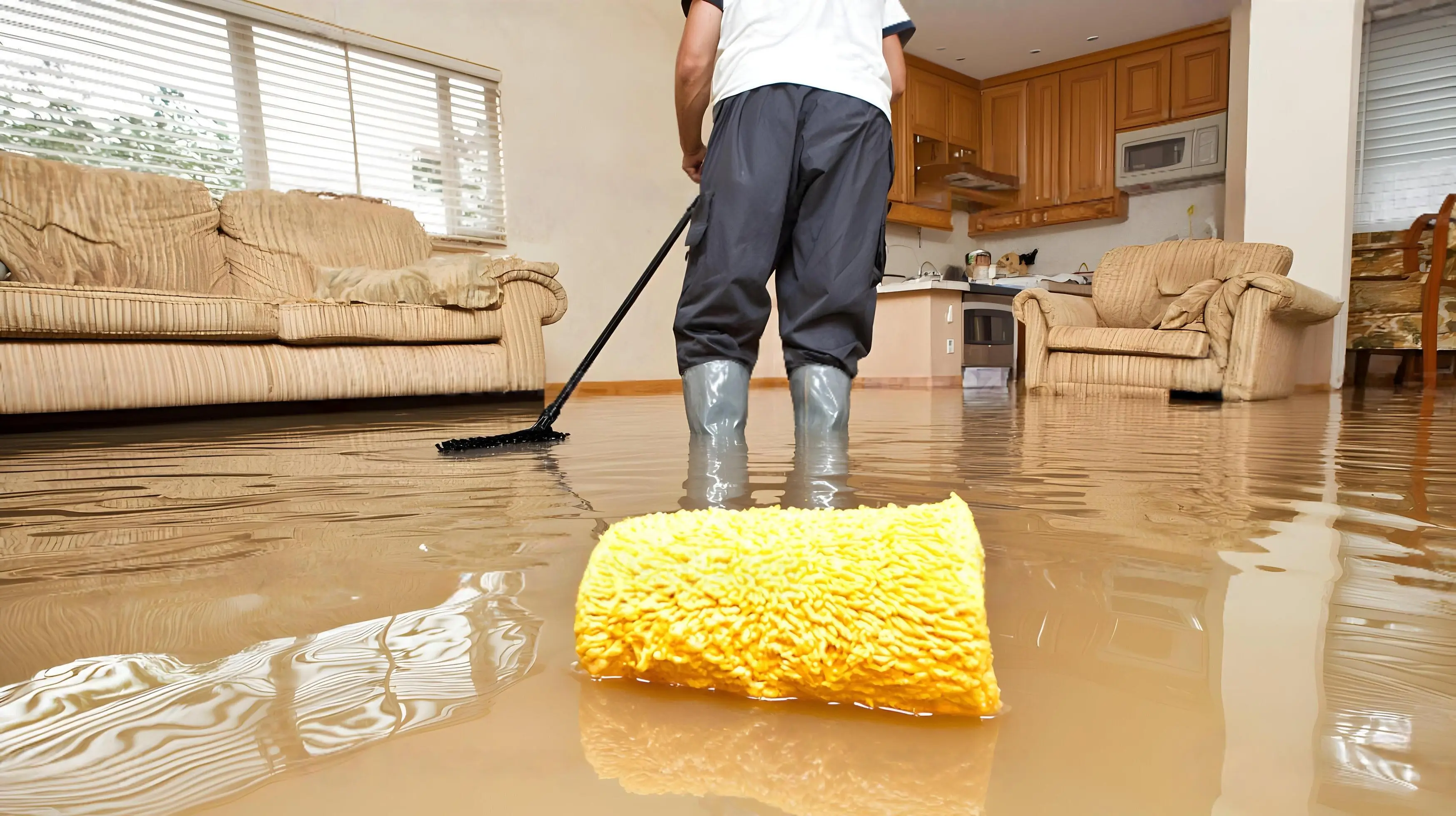
Water Damage Restoration
Burst pipes, storm flooding, standing water. We extract, dry, and restore before mold sets in.
Learn more
Fire Damage Restoration
Structural damage, soot, debris. We stabilize, clean, and rebuild what fire destroyed.
Learn more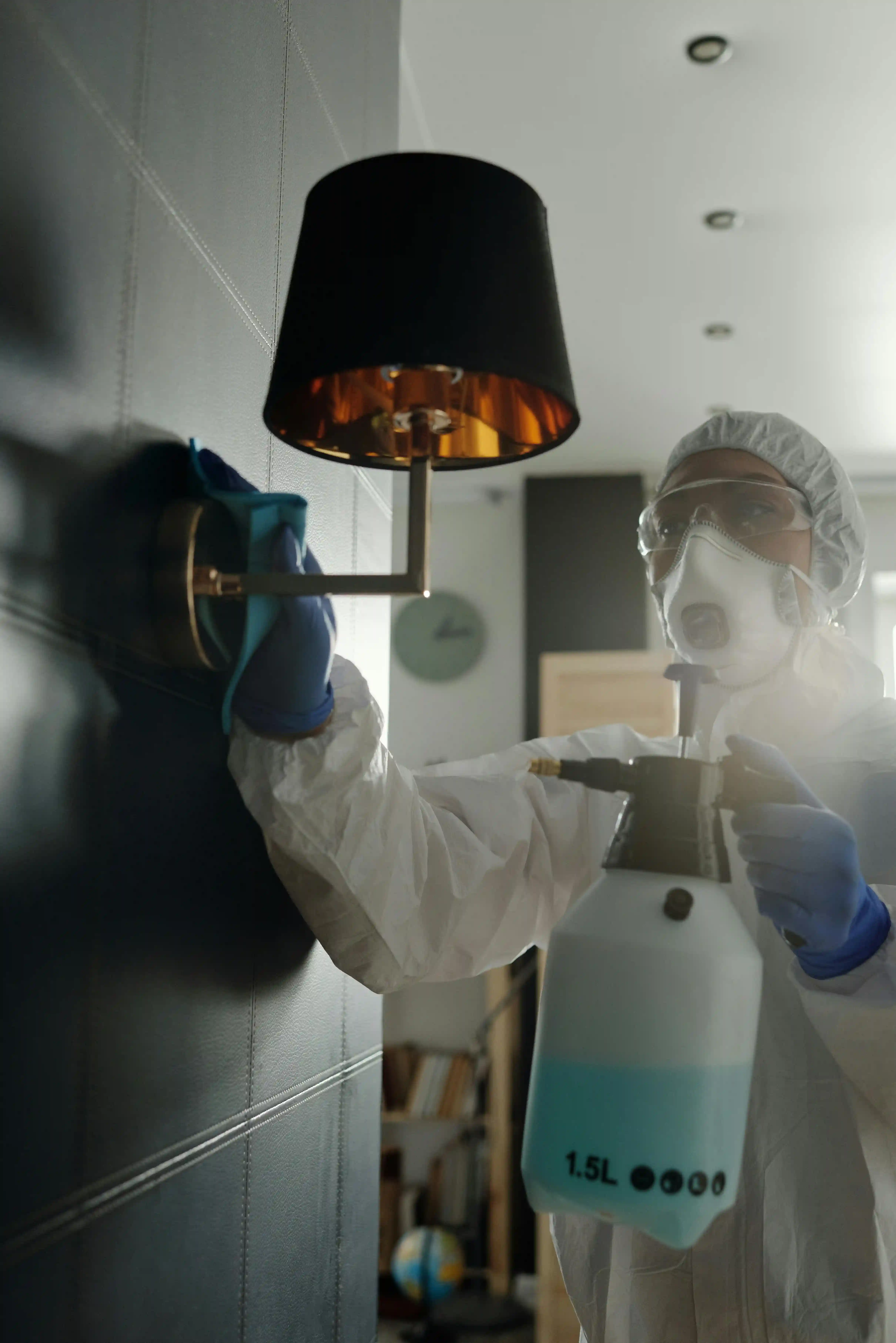
Mold Remediation
Testing, containment, removal, prevention. We find the source, eliminate the growth, and stop it from returning.
Learn more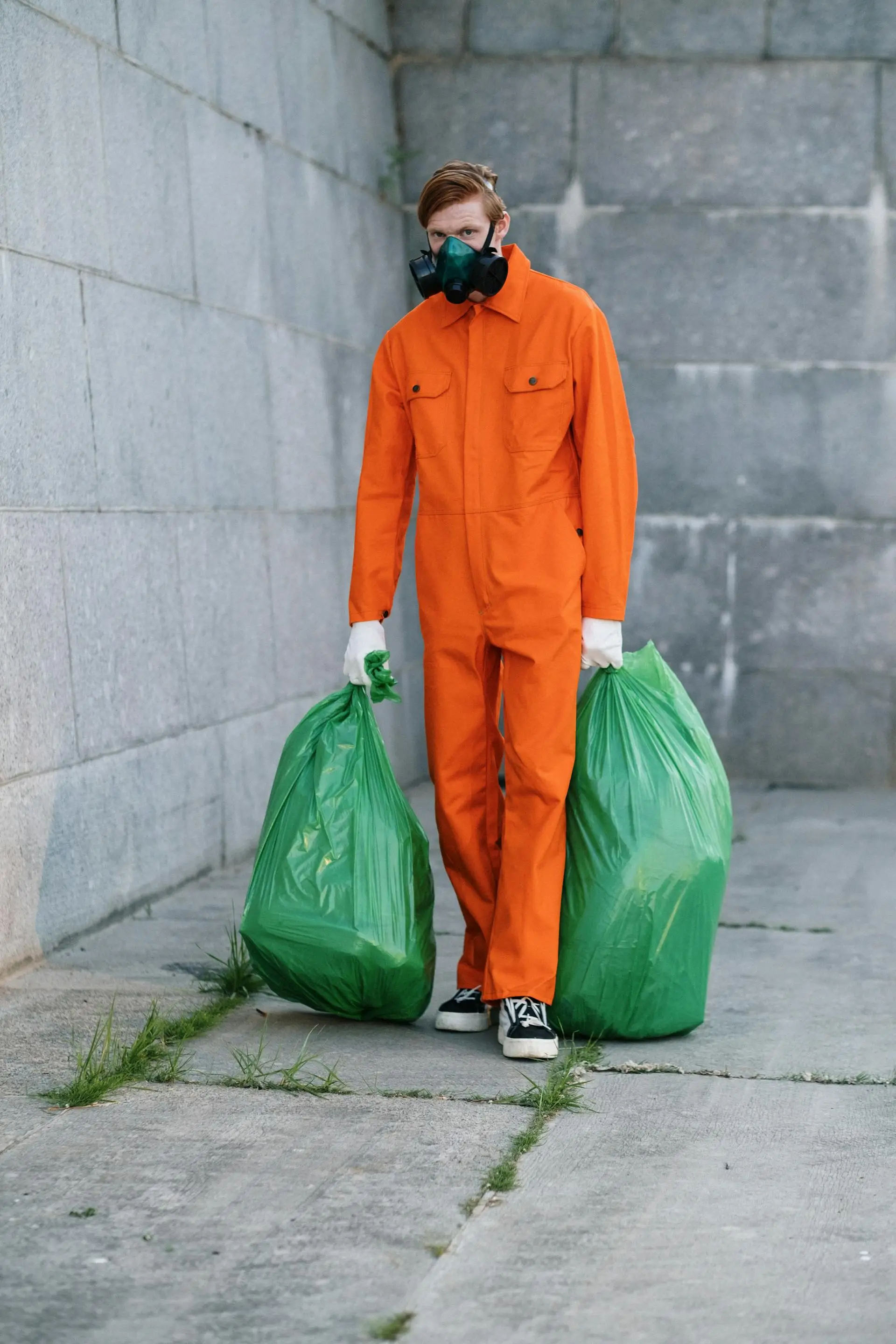
Sewage Cleanup
Sewer backups, contaminated water, biohazard. We extract, sanitize, and restore safely.
Learn moreNearby Service Areas
Also serving nearby: