
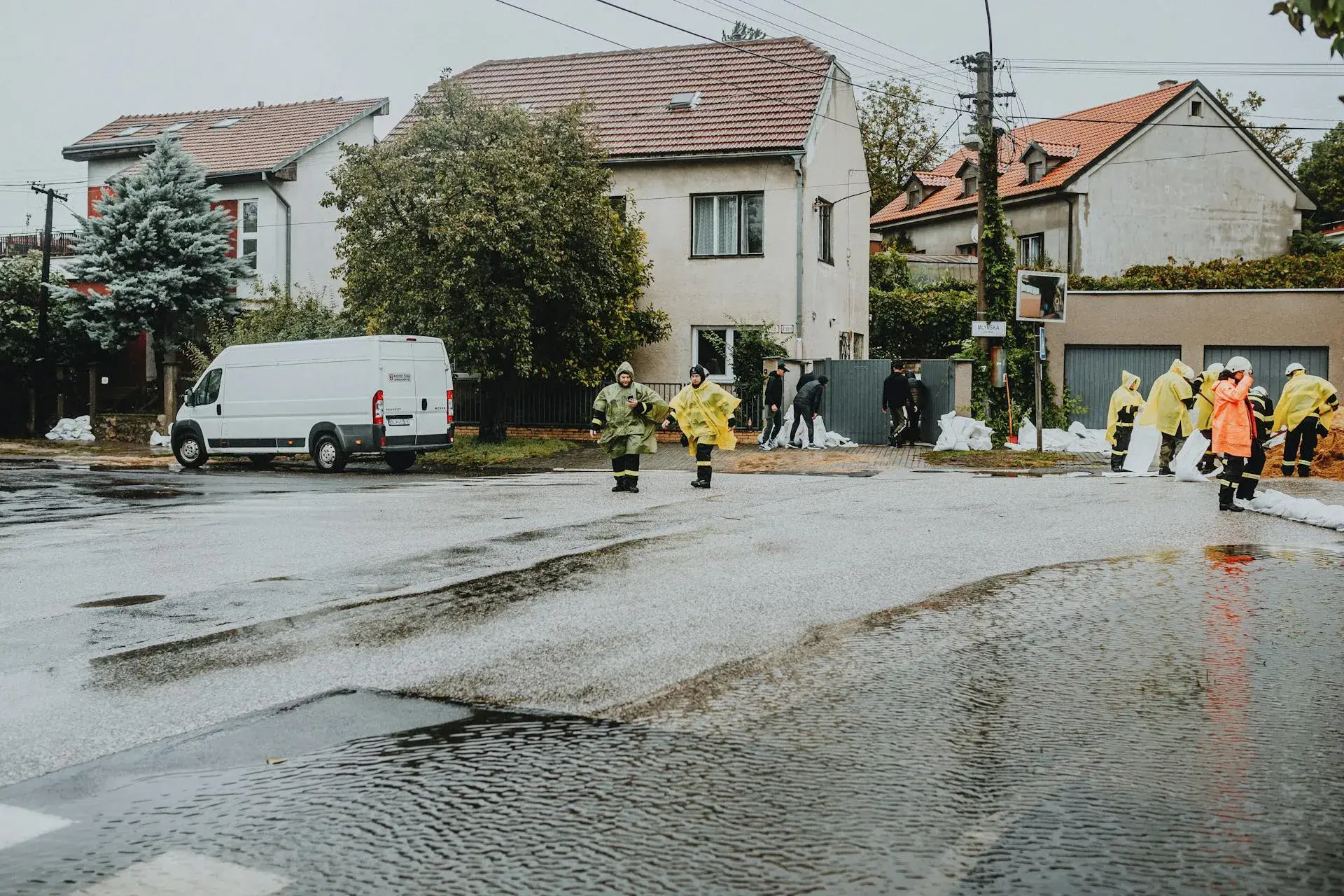
Sewage Cleanup in Texas City, TX
Raw sewage contains dangerous pathogenic bacteria, viruses, and parasites that saturate porous concrete and drywall immediately. Our certified biohazard team arrives in 60 minutes.
What Happens When You Call
Your emergency call initiates immediate dispatch of our biohazard-certified cleanup crew stationed in the Galveston County area.
Technicians arrive with commercial self-contained extraction units, biohazard PPE, and hospital-grade EPA disinfectants.
We isolate the affected zone, extract standing sewage and contaminated solids, and remove non-salvageable porous materials.
All structural surfaces undergo multi-stage antimicrobial washing, high-temperature sanitization, and psychrometric drying.
A sanitary sewer backup or toilet overflow is an immediate biological emergency. Raw wastewater is classified as Category 3 blackwater, carrying toxic bacteria, viruses, and parasitic pathogens that present extreme health hazards and cause rapid property degradation. X Response provides 24/7 emergency sewage extraction and biohazard remediation throughout Texas City. From high-capacity blackwater extraction to hospital-grade disinfection and structural drying, our certified technicians restore your property safely and thoroughly. Call now for immediate sewage emergency dispatch.
Why Texas City Homes Are Vulnerable to Sewage
Texas City is a coastal port community of approximately 52,000 residents situated in Galveston County along the drainage basins of Galveston Bay, Moses Lake, Dollar Bay, and Highland Bayou. The city's sanitary sewer system operates through a municipal wastewater treatment facility on Loop 197, supported by an extensive network of gravity collection mains, forced effluent mains, and low-elevation neighborhood lift stations. Because local topography is exceptionally flat, wastewater collection systems rely on low-gradient slopes and mechanical lift stations. During intense tropical rain events or prolonged multi-inch downpours, stormwater infiltration and inflow (I&I) frequently surcharges collection mains, creating extreme hydraulic backpressure across residential service lines.
Texas City municipal wastewater collection infrastructure and neighborhood lift stations along the Moses Lake and Galveston Bay drainage basins require IICRC S500 Category 3 blackwater containment protocols when severe storm runoff causes sanitary sewer overflows across residential slab foundations. In older coastal neighborhoods established in the 1950s through 1980s, such as Kohfeldt Heights, Skyline, and Bay Street, residential sewer lateral lines constructed from clay or cast iron frequently suffer root intrusion from salt-tolerant landscaping and corrosive degradation from saline coastal soils. When municipal mains surcharge or private lateral lines collapse, raw blackwater reverses flow and erupts through low-elevation plumbing fixtures, including ground-floor showers, toilets, and floor drains, saturating porous concrete slabs and interior drywall.
Stormwater Infiltration and Surcharging in Collection Mains
During severe Gulf Coast storms and prolonged multi-inch rain events, stormwater enters the sanitary sewer system through cracked collection pipes, submerged manhole covers, and unsealed cleanouts. This inflow rapidly exceeds the pumping capacity of local lift stations along Moses Lake. The resulting hydraulic backpressure forces contaminated raw wastewater backward through private sewer lateral lines into residential homes, submerging ground-floor bathrooms, utility rooms, and hallways.
Tree Root Intrusion in Aging Residential Lateral Lines
Many established Texas City properties feature dense landscaping and mature coastal live oaks. Subsurface roots naturally seek moisture and nutrients, infiltrating joint connections in older clay, concrete, or cast-iron sewer laterals. Root masses catch toilet paper, grease, and sanitary solids, forming impenetrable blockages that cause sudden, catastrophic sewage backups into residential living areas even during dry weather.
Slab-on-Grade Porosity and Biohazard Seepage
Because homes in Texas City are built on monolithic concrete slab foundations, raw blackwater spreading across floors penetrates directly into the porous matrix of the concrete slab. Contaminants such as E. coli, Salmonella, Norovirus, and Hepatitis A seep deep into concrete microscopic capillaries, requiring specialized surfactant washes, rotary pressure extraction, and penetrating antimicrobial sealants to eliminate pathogens completely.
Aggressive Microbial Amplification in Coastal Humidity
Texas City's warm, humid marine climate accelerates bacterial multiplication. In ambient temperatures between 75 and 90 degrees Fahrenheit, bacterial populations in raw sewage double every 20 minutes. Within 12 to 24 hours of a backup, sewage-saturated drywall and baseboards become toxic biological hazards releasing hazardous bioaerosols and hydrogen sulfide gases into the home's indoor air.
Municipal Lift Station Outages During Tropical Storms
Severe coastal storms like Hurricane Carla, Hurricane Ike, and Hurricane Beryl frequently cause widespread electrical grid outages across Galveston County. While municipal utility crews deploy emergency generators, temporary power interruptions at neighborhood lift stations can cause localized wastewater stagnation and surcharge events, increasing the risk of simultaneous residential backups across low-lying subdivisions.
Sewage cleanup in Texas City demands strict adherence to biohazard safety standards, advanced extraction equipment, and deep structural disinfection. X Response brings certified biohazard technicians and commercial extraction technology to restore your property safely and eliminate health hazards.
What Happens to Your Home While You Wait
Within 1 Hour
Raw blackwater floods bathroom and hallway floors, wicking into porous drywall, wood baseboards, and door casings. Contaminated water enters underlayments beneath carpet, tile, and laminate flooring, trapping pathogens against the concrete slab.
1–24 Hours
Bacterial and viral colonies multiply exponentially in the warm, stagnant blackwater. Drywall absorbs moisture upward beyond 12 inches, losing structural strength and releasing volatile organic compounds (VOCs) and foul sewer gas throughout the home.
24–48 Hours
Dangerous bioaerosols circulate throughout living areas. Fungal spores and hazardous bacteria penetrate deep into wall stud framing and sill plates. Porous materials like carpets, pads, and composite vanities undergo irreversible biological degradation.
48–72 Hours
Severe biological infestation makes the property uninhabitable. Concrete slabs absorb deep biological contaminants, creating persistent odor reservoirs. Metal fasteners, electrical outlets, and plumbing fixtures begin surface corrosion from corrosive sewer gases.
One Week and Beyond
Deep structural contamination requires extensive hazardous material demolition, complete drywall removal to framing height, specialized concrete micro-abrasion, and whole-home HVAC sanitization. Unmitigated biohazards pose severe long-term health risks to occupants.
Immediate professional biohazard extraction stops the spread of toxic pathogens and prevents permanent contamination. Call X Response right now for emergency sewage cleanup in Texas City.
How We Restore Sewage-Damaged Texas City Homes
Our IICRC-certified Category 3 sewage remediation follows strict biohazard safety protocols to eliminate pathogens, decontaminate structural assemblies, and restore a safe living environment.
1. Biohazard Assessment and Safety Containment
Our certified technicians arrive in Level C Personal Protective Equipment (PPE), including full-body Tyvek suits, organic vapor/HEPA respirators, and chemical-resistant nitrile gloves. We establish plastic containment barriers and negative air pressure to isolate the contamination zone from living areas.
2. Category 3 Blackwater Extraction and Solid Waste Removal
Using commercial truck-mounted extraction units equipped with specialized biohazard waste holding tanks, we extract standing wastewater and solid waste from floors, fixtures, and floor drains. All contaminated bulk debris is safely collected and double-bagged in accordance with Texas environmental disposal regulations.
3. Removal of Contaminated Porous Building Materials
Per IICRC S500 standards, all porous materials contacted by Category 3 blackwater (including carpet, padding, laminate flooring, subfloor underlayments, lower drywall, and fiberglass insulation) cannot be safely salvaged. We perform precise flood cuts two feet above the water line and bag all contaminated components.
4. Multi-Stage Detergent Cleaning and Power Scrubbing
Exposed concrete slabs, tile surfaces, and structural wood framing undergo aggressive mechanical scrubbing with specialized biological surfactants and high-temperature rotary extraction to dislodge organic residues from porous concrete pores and timber grain.
5. Hospital-Grade EPA-Registered Disinfection
Technicians apply broad-spectrum, EPA-registered hospital-grade disinfectants and bactericides rated to kill E. coli, Salmonella, Norovirus, MRSA, and bloodborne pathogens. Disinfectants remain in contact with surfaces for specified dwell times to ensure 100% biological kill.
6. Psychrometric Structural Drying and Odor Elimination
We position commercial LGR dehumidifiers and high-velocity air movers to extract remaining moisture from structural framing and concrete slabs. Hydroxyl generators and thermal foggers are deployed to permanently neutralize sewer gas and organic odor molecules.
The X Response Difference
X Response delivers gold-standard biohazard remediation, restoring safety, cleanliness, and peace of mind to your property.
Insurance Claim Guidance for Texas City Homeowners
Sewage backup insurance coverage in Texas requires specific policy provisions. Standard Texas homeowner policies frequently exclude sewer and drain backups unless the policyholder has added a specific Water Backup and Sump Discharge or Overflow Endorsement (Form HO-160 or equivalent). This optional rider typically provides between $5,000 and $25,000 in dedicated coverage for structural cleaning, demolition, and property reconstruction.
How X Response Helps
- Immediate high-resolution digital photo documentation of the failed plumbing fixture, sewer cleanout, and water level lines
- Clear IICRC Category 3 classification and source verification to support endorsement coverage requirements
- Itemized electronic scopes detailing biohazard extraction, disposal fees, demolition, antimicrobial washing, and drying equipment
- Direct coordination with field adjusters representing major Texas carriers (State Farm, Allstate, USAA, Travelers, Liberty Mutual)
- Documentation of non-salvageable personal belongings and specialty sanitization needs under personal property coverage
X Response is an independent restoration contractor. We collaborate with your insurance adjuster to provide comprehensive biohazard documentation and industry-standard pricing, while final claim authorization remains under the jurisdiction of your insurance carrier.
Certified Restoration Specialists Serving Texas City
Our Texas City sewage and biohazard cleanup team consists of certified environmental professionals who have managed complex residential and commercial contamination events across Galveston County. With deep knowledge of local plumbing systems, municipal lift station networks, and regional health codes, our technicians respond to emergencies with speed, discretion, and technical mastery.
Every field technician maintains active IICRC certifications in Water Damage Restoration (WRT) and Applied Microbial Remediation (AMRT), along with rigorous OSHA biohazard and bloodborne pathogen training. We arrive in fully equipped mobile response vehicles ready to neutralize biological hazards and protect your family's health.
In Texas City, X Response works with First Response Restoration, an independent local restoration partner serving Galveston County.
Sewage Cleanup FAQ for Texas City Homeowners
Other Emergency Services in Texas City

Water Damage Restoration
Burst pipes, storm flooding, standing water. We extract, dry, and restore before mold sets in.
Learn more
Fire Damage Restoration
Structural damage, soot, debris. We stabilize, clean, and rebuild what fire destroyed.
Learn more
Smoke Damage Restoration
Soot residue, chemical odors, HVAC contamination. We decontaminate surfaces, eliminate odors, and restore air quality.
Learn more
Mold Remediation
Testing, containment, removal, prevention. We find the source, eliminate the growth, and stop it from returning.
Learn moreNearby Service Areas
Also serving nearby: