
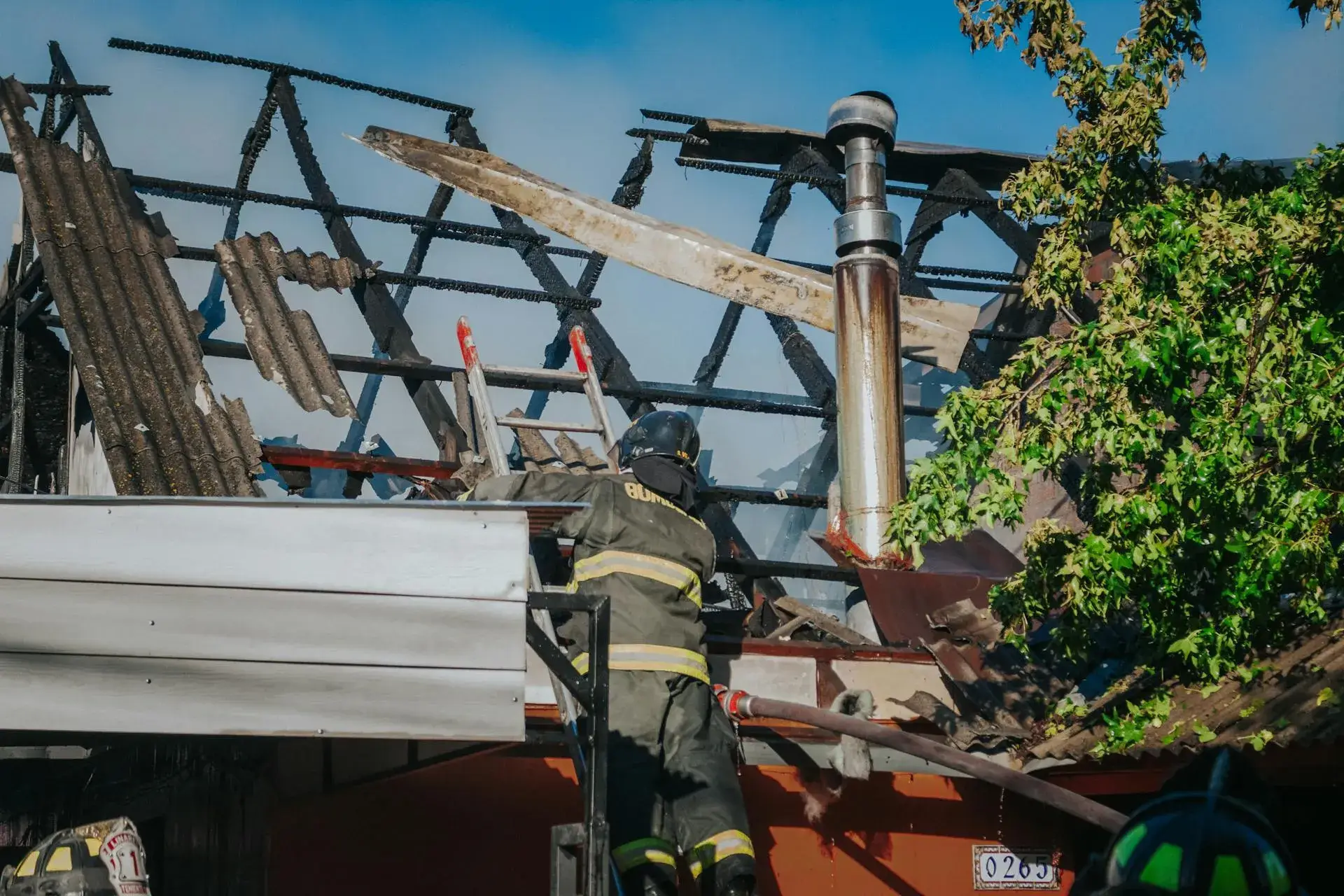
Fire Damage Restoration in Texas City, TX
Acidic soot and pooled firefighting water cause rapid structural degradation to concrete slabs, framing, and masonry. Our certified emergency fire team arrives within 60 minutes.
What Happens When You Call
Your call initiates immediate dispatch of our emergency fire restoration crew stationed in the Galveston County area.
Technicians arrive with heavy-duty structural board-up supplies, roof tarping materials, and industrial extraction equipment.
We secure compromised entry points, seal burned roof penetrations, and extract standing firefighting water from the slab.
A certified structural estimator performs comprehensive soot mapping and initiates line-item documentation for your insurance adjuster.
A structure fire causes immediate devastation, but the hours directly following fire suppression determine whether your property can be successfully salvaged. In addition to burned building materials, hundreds of gallons of firefighting water combine with toxic soot to attack walls, floors, and electrical infrastructure. X Response provides complete fire recovery services throughout Texas City, from emergency board-up and structural shoring to soot decontamination and complete property reconstruction. Contact our emergency response team 24/7.
Why Texas City Homes Are Vulnerable to Fire Damage
Texas City is a prominent coastal port and industrial municipality of approximately 52,000 residents situated along the southwestern shoreline of Galveston Bay. The city's residential landscape comprises established coastal neighborhoods, such as Kohfeldt Heights, Skyline, and Bay Street, alongside contemporary master-planned communities like Grand Cay Harbour and Lago Mar along the Emmett F Lowry Expressway. Residential construction consists primarily of wood-frame single-family homes on monolithic concrete slab foundations with exterior brick veneer and attic-mounted central heating and air conditioning systems. Due to the community's dense proximity to major petrochemical refineries and marine shipping terminals along Loop 197 and State Highway 146, local properties operate in an environment where industrial emissions, heavy synthetic materials, and coastal humidity intersect.
The Texas City Fire Department operates four fire stations to protect more than 51,000 residents across Galveston County, providing rapid structural fire suppression and hazardous materials emergency response along the Highway 146 and Loop 197 industrial corridors. While local firefighters execute suppression operations with exceptional skill, the aftermath leaves property owners confronting extensive secondary damage. Thousands of gallons of firefighting water pool across the ground-level slab, mixing with corrosive soot, unburned synthetic materials, and toxic fire gases. In Southeast Texas's warm coastal climate, acidic soot compounds chemically react with humidity to pit metal surfaces, etch window glass, and stain stone finishes within 24 to 48 hours unless professionally neutralized.
Attic HVAC Systems and Superheated Smoke Distribution
Virtually all residential properties in Texas City house their central air handlers, furnace units, and flexible distribution ducting within unconditioned attic spaces. During an active structure fire, intense thermal updrafts pull dense smoke and soot into the attic plenum and ventilation ducts. Even if a fire is confined to a kitchen or garage, the HVAC network channels toxic soot particles and superheated combustion byproducts through ceiling diffusers into every closed room in the house.
Firefighting Water Saturation on Monolithic Slabs
Extinguishing a single-family house fire requires thousands of gallons of water delivered under high pressure. In Texas City's slab-on-grade homes, this water has no basement drain or sump pump for evacuation. It pools across concrete floors, submerging baseboards, soaking drywall from the bottom up, and trapping contaminated water beneath tile, hardwood, and laminate floor underlayments across the entire living footprint.
Corrosive Chemical Soot from Modern Synthetic Materials
Modern home construction and contemporary furnishings contain heavy concentrations of plastics, composite polymers, treated fabrics, and synthetic foams. When burned, these materials produce oily, highly acidic soot particles containing sulfur, chlorine, and toxic volatile organic compounds (VOCs). In Texas City's 75% to 90% ambient relative humidity, this soot reacts with moisture to form corrosive acids that cause permanent pitting on stainless steel appliances, chrome fixtures, and polished hardware within two days.
High Subtropical Humidity and Microbial Proliferation
The combination of warm summer temperatures, standing firefighting water, and compromised roofing creates an ideal environment for biological growth. Mold spores germinate on wet drywall, insulation, and charred wood framing within 24 to 36 hours of fire suppression. Effective fire restoration in Texas City requires immediate structural drying and antimicrobial application alongside soot cleanup to prevent widespread mold contamination.
Engineered Wood Truss Framing and Gusset Plate Compromise
Many contemporary suburban homes in Texas City utilize lightweight wood truss systems joined with stamped metal gusset plates. While structurally sound under normal conditions, high-temperature fire exposure can cause gusset plates to buckle or delaminate from wood fibers at temperatures above 600 degrees Fahrenheit, compromising roof and ceiling integrity even when wood framing appears only lightly charred.
Recovering from a fire in Texas City requires an integrated approach that addresses structural stabilization, firefighting water extraction, chemical soot neutralization, and framing reconstruction. X Response combines deep knowledge of Galveston County building standards with certified restoration science to rebuild your property with complete integrity.
What Happens to Your Home While You Wait
Within Minutes
Superheated smoke and soot envelop ceilings, walls, and upper cabinetry. Acidic combustion gases react with warm indoor air, causing immediate yellowing on synthetic plastics, acrylic light fixtures, and painted surfaces. Firefighting water pools on the slab and begins wicking into drywall.
1–24 Hours
Corrosive soot particles chemically bond to metallic surfaces, causing initial pitting and tarnishing on chrome faucets, aluminum window frames, and electronic appliances. Porous stone countertops, grout lines, and wood finishes absorb acidic soot oils, turning surface discoloration into permanent staining.
24–48 Hours
Soot penetrates beneath the surface layer of latex paints and wood cabinetry finishes, requiring mechanical abrasion or chemical stripping. Stagnant firefighting water on the slab begins breeding bacterial colonies, and fungal spores begin colonizing wet drywall panels.
48–72 Hours
Metal hardware suffers severe oxidation and rusting. Structural wood framing absorbs moisture and begins warping. Persistent smoke odors penetrate deeply into concrete subfloor pores, brick fireplace facades, and attic ceiling joists.
One Week and Beyond
Acidic etching permanently damages glass, mirrors, and ceramic tile finishes. Unmitigated water leads to extensive black mold colonies throughout wall cavities. Restoration costs escalate substantially as salvageable structural materials must be completely demolished and rebuilt.
Immediate professional intervention stops corrosive chemical damage and prevents secondary mold growth. Call X Response immediately for emergency fire recovery services in Texas City.
How We Restore Fire-Damaged Texas City Homes
Our comprehensive fire recovery protocol follows IICRC FSRT (Fire and Smoke Restoration Technician) guidelines, delivering structured restoration from emergency stabilization through complete rebuild.
1. 24/7 Emergency Board-Up and Roof Tarping
We arrive immediately to secure compromised door frames, fractured windows, and fire-damaged roof penetrations using heavy-duty exterior-grade plywood and reinforced weather-resistant tarps, protecting your Texas City property from severe weather and unauthorized entry.
2. Structural Shoring and Safety Assessment
Our certified technicians evaluate load-bearing walls, ceiling joists, and roof trusses. Temporary heavy-duty shoring and bracing are installed to support compromised structural framing members before remediation teams enter the structure.
3. Firefighting Water Extraction and Structural Drying
We deploy industrial truck-mounted extractors and submersible pumps to remove standing firefighting water from the slab. Commercial LGR dehumidifiers and high-velocity air movers are immediately activated to lower ambient humidity and prevent mold amplification.
4. Char and Soot Removal via Dry Ice Blasting
Charred structural wood framing is restored using specialized abrasive media blasting (dry ice or baking soda blasting). This process strips burned carbon layers down to clean, sound timber without creating secondary liquid waste or damaging structural integrity.
5. Chemical Neutralization and Surface Decontamination
Technicians apply specialized alkaline cleaning agents, vulcanized chemical dry sponges, and degreasing washes to neutralize acidic soot deposits on brick, drywall, tile, and painted surfaces, preventing long-term corrosion and permanent staining.
6. Thermal Fogging, Hydroxyl Deodorization, and Framing Encapsulation
We utilize solvent-based thermal foggers that replicate the sub-micron particle size of smoke, penetrating deep into wall cavities and porous timber to permanently neutralize odor compounds. Structural framing is then coated with an antimicrobial, odor-blocking primer.
The X Response Difference
X Response delivers uncompromising quality, restoring your property safely, efficiently, and with complete peace of mind.
Insurance Claim Guidance for Texas City Homeowners
Fire insurance claims in Texas involve intricate policy considerations covering structural restoration, personal property loss, and additional living expenses (ALE under Coverage D). Most Texas homeowner policies cover sudden accidental fire and smoke damage, including firefighting water impact. Proper documentation must be established immediately following the fire to support comprehensive repair scopes and expedite claim approval.
How X Response Helps
- Comprehensive digital photo and video inventory of all structural damage and non-salvageable personal belongings prior to cleanup
- Detailed structural framing assessment reports documenting compromised roof trusses, gusset plates, and load-bearing studs
- Itemized electronic moisture logs and soot mapping data to justify necessary demolition, media blasting, and thermal fogging
- Line-item estimates generated in industry-standard Xactimate software reflecting current Galveston County material and labor costs
- Direct coordination with insurance adjusters representing major carriers to accelerate emergency advances and structural approvals
X Response is an independent restoration contractor. We collaborate closely with your insurance adjuster to ensure accurate scope documentation and industry-standard pricing, while final claim authorization remains under the jurisdiction of your insurance carrier.
Certified Restoration Specialists Serving Texas City
Our Texas City fire restoration specialists have decades of collective experience restoring residential and commercial properties across Galveston County and the Galveston Bay coastal communities. From classic properties in Kohfeldt Heights and Skyline to modern residences in Grand Cay Harbour and Lago Mar, our technicians understand local building codes, structural framing methods, and municipal permitting requirements.
Every crew leader maintains active IICRC certifications in Fire and Smoke Restoration (FSRT), Odor Control (OCT), and Water Damage Restoration (WRT). We utilize state-of-the-art diagnostic and restoration technologies while treating every homeowner with empathy, dignity, and clear communication throughout the recovery process.
In Texas City, X Response works with First Response Restoration, an independent local restoration partner serving Galveston County.
Fire Damage Restoration FAQ for Texas City Homeowners
Other Emergency Services in Texas City
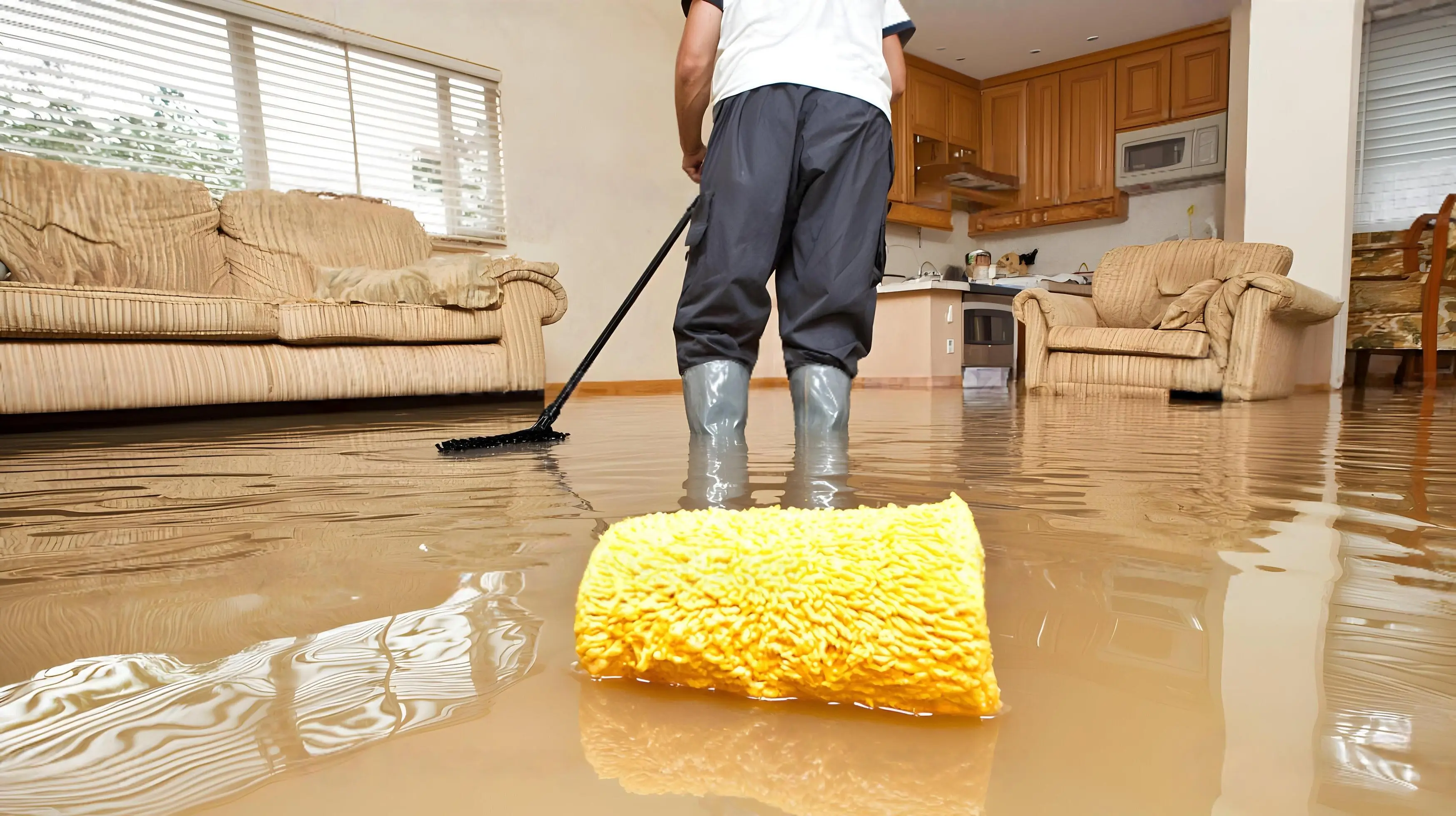
Water Damage Restoration
Burst pipes, storm flooding, standing water. We extract, dry, and restore before mold sets in.
Learn more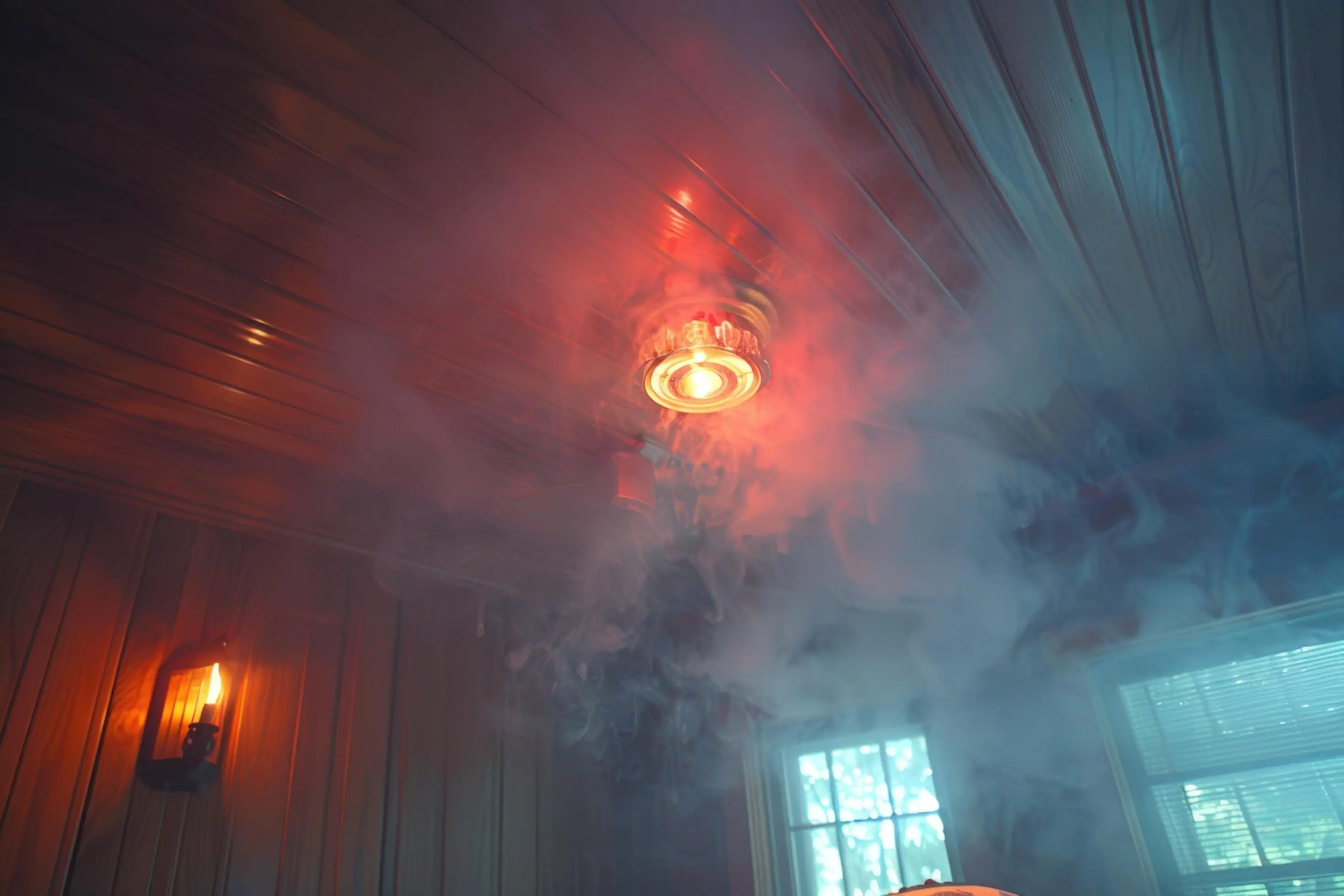
Smoke Damage Restoration
Soot residue, chemical odors, HVAC contamination. We decontaminate surfaces, eliminate odors, and restore air quality.
Learn more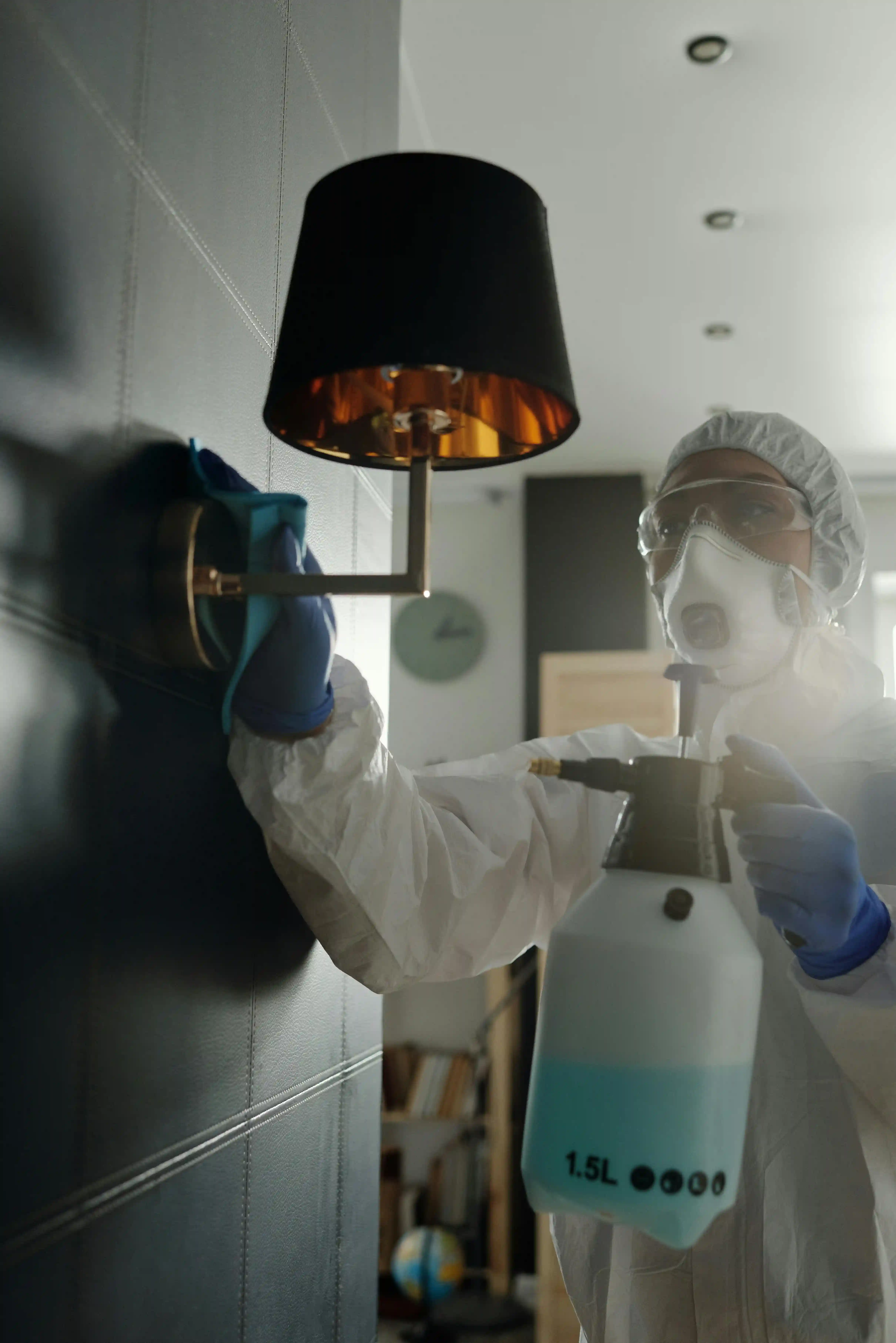
Mold Remediation
Testing, containment, removal, prevention. We find the source, eliminate the growth, and stop it from returning.
Learn more
Sewage Cleanup
Sewer backups, contaminated water, biohazard. We extract, sanitize, and restore safely.
Learn moreNearby Service Areas
Also serving nearby: