

Water Damage Restoration in Texas City, TX
Standing floodwater wicks rapidly into Texas City concrete slabs and drywall assemblies. Our certified restoration team responds within 60 minutes.
What Happens When You Call
Your emergency call connects directly with an experienced restoration specialist who initiates immediate crew dispatch.
Our certified field technicians mobilize with commercial extraction units and diagnostic moisture meters from our local service hub.
Technicians arrive at your Texas City residence, assess water migration paths, and begin high-volume water extraction.
Industrial dehumidifiers and high-velocity air movers are placed, and itemized insurance documentation logs are established.
When severe coastal storms push floodwaters against your property or an internal plumbing line ruptures, immediate structural intervention is critical. X Response delivers 24/7 rapid water mitigation throughout Texas City. From our regional response center, we dispatch industrial extraction trucks, commercial LGR dehumidifiers, and thermal imaging diagnostics to extract standing water, dry structural assemblies, and prevent toxic mold amplification. Call our 24/7 emergency hotline now.
Why Texas City Homes Are Vulnerable to Water Damage
Texas City is a deepwater port and industrial municipality of approximately 52,000 residents situated along the southwestern shoreline of Galveston Bay in Galveston County, roughly 35 miles southeast of Houston and 10 miles north of Galveston Island. Occupying low-lying coastal terrain at an elevation of only 10 feet above sea level, Texas City is encircled by the 17-mile Texas City Hurricane Protection Levee System, a massive network of earthen levees, concrete floodwalls, and high-volume drainage pump stations constructed by the U.S. Army Corps of Engineers following Hurricane Carla in 1961. The city's internal hydrology is governed by Moses Lake, Dollar Bay, Moses Bayou, Highland Bayou, and Swan Lake. Residential neighborhoods, including Kohfeldt Heights, Bay Street, Skyline, and master-planned developments like Grand Cay Harbour and Lago Mar, feature wood-frame single-family homes constructed on monolithic concrete slab-on-grade foundations.
During Hurricane Harvey in August 2017, extreme rainfall exceeding 40 inches and backwater swelling across Moses Lake tested the Texas City Hurricane Protection Levee System, inundating low-lying residential streets and requiring rapid structural extraction across ground-level slab foundations. Positioned directly on Galveston Bay, Texas City faces recurring coastal hazards from tropical cyclones, high-tide sea level rise, and intense convective downpours. In September 2008, Hurricane Ike generated a 15-foot storm surge in Galveston Bay that pounded the city's levee walls, while Hurricane Beryl in July 2024 brought hurricane-force winds, extensive roof tearing, and torrential rain that saturated exterior walls and flooded ground-level living spaces throughout the community.
Moses Lake and Internal Levee Drainage Hydrodynamics
While the Texas City levee system provides critical protection against Galveston Bay storm surges, it creates unique drainage dynamics during extreme rainstorms. When bay storm surge forces gravity floodgates to close, all internal rainfall within the 17-mile levee perimeter collects in Moses Lake and low-lying internal drainage channels. If rainfall rates exceed the mechanical pumping capacity of municipal drainage stations, stormwater backs up through street storm drains along Palmer Highway and 9th Avenue, pooling across driveways and infiltrating slab homes.
Highland Bayou and Low Coastal Elevation
Highland Bayou drains western portions of Texas City toward Jones Bay. At an elevation of just 10 feet above sea level, natural hydraulic slope is minimal. During high tides or coastal squall lines, tidal waters push upward into Highland Bayou and Moses Bayou, stalling outward stormwater flow and causing water to submerge roadside ditches in neighborhoods along Emmett F Lowry Expressway.
Dense Beaumont Formation Coastal Clay Soils
The underlying subsoils of Texas City consist of Beaumont Formation clay deposits and coastal marsh alluvium. These soils have near-zero permeability. Once the surface saturates, all subsequent rainfall becomes rapid overland runoff. During dry summer heat, the clay contracts and creates soil voids around concrete perimeter grade beams, allowing subsequent heavy downpours to channel directly under foundations and enter homes through brick weep holes.
Monolithic Slab-on-Grade Construction Dynamics
Nearly all residential architecture in Texas City utilizes monolithic concrete slab-on-grade construction. Because slabs offer minimal vertical elevation above surrounding grade, rising floodwaters easily breach front door thresholds, patio sliders, and garage seals. Once water penetrates the home, it spreads across the flat concrete slab, soaking baseboards, flooring underlayments, and interior wall framing simultaneously.
Aging Plumbing Infrastructure and Freeze Vulnerability
Many established neighborhoods built between the 1950s and 1980s contain original copper or galvanized plumbing lines that suffer external corrosion from salt-laden coastal marine air. Additionally, severe freeze events, such as Winter Storm Uri in February 2021, exposed uninsulated attic water lines and exterior hose bibbs to sub-freezing temperatures, causing widespread ceiling collapse and interior flooding across single-story homes.
Water damage restoration in Texas City demands an understanding of coastal bay hydrodynamics, levee pump systems, and slab foundation drying dynamics. X Response deploys the certified personnel, specialized equipment, and insurance documentation expertise necessary to dry your property thoroughly and protect your structural investment.
What Happens to Your Home While You Wait
Within 1 Hour
Water spreads across concrete subfloors, saturating carpet padding, vinyl plank underlayments, and hardwood seams. Porous drywall panels absorb water via capillary action, wicking moisture upward several inches within the first hour.
1–24 Hours
Drywall wicks moisture beyond 12 inches, losing structural rigidity and sagging against fasteners. Wood baseboards swell and pull away from framing. Galveston Bay marine humidity above 80% halts natural evaporation, fostering rapid bacterial growth in wet carpets.
24–48 Hours
Fungal spores germinate on damp cellulose materials, including drywall paper facing, wood base plates, and insulation batts. Metal fasteners, electrical junction boxes, and HVAC duct boots begin surface oxidation and corrosion.
48–72 Hours
Visible fungal colonies expand behind baseboards and inside wall cavities. Hardwood flooring cups and buckles severely due to extreme moisture differentials between the wet slab and indoor air. Structural wood studs absorb moisture and begin dimensional warping.
One Week and Beyond
Widespread microbial infestation penetrates structural wall assemblies and HVAC systems. Drywall disintegrates and requires total demolition. Structural wood decay sets in, dramatically expanding the scope and cost of restoration from simple drying to extensive structural reconstruction.
Rapid intervention within the first 24 to 48 hours is critical to prevent permanent structural loss and hazardous mold contamination. Contact X Response immediately for emergency water restoration in Texas City.
How We Restore Water-Damaged Texas City Homes
Our IICRC-certified restoration process applies scientific psychrometric drying principles tailored specifically to Texas City's slab-on-grade homes and humid coastal marine climate.
1. Comprehensive Moisture Mapping and Thermal Diagnostics
Our technicians inspect every affected room using high-resolution FLIR thermal cameras, pinless moisture meters, and deep-penetrating concrete probes. We identify the full perimeter of moisture migration beneath slabs, behind tiled shower surrounds, and inside enclosed utility walls, documenting baseline moisture readings per IICRC S500 standards.
2. High-Capacity Water Extraction and Bulk Removal
Using commercial truck-mounted extraction units and weighted sub-surface extractors, we remove standing water from living areas, garages, and utility rooms. High-volume pumps pull hundreds of gallons per hour directly from carpets and pads, dramatically shortening overall drying times.
3. Strategic Flood Cuts and Material Demolition
To facilitate airflow through wall assemblies, we execute clean, laser-guided flood cuts two feet above the highest moisture boundary on affected drywall. Water-saturated insulation, swelling baseboards, and damaged flooring underlayments are bagged and removed following Galveston County waste disposal protocols.
4. Industrial Dehumidification and Psychrometric Drying
We deploy commercial Low Grain Refrigerant (LGR) and desiccant dehumidifiers paired with high-velocity centrifugal air movers. Our technicians carefully calculate vapor pressure targets, driving deep structural moisture out of concrete slabs and wood wall studs even in extreme Texas summer humidity.
5. Botanical Antimicrobial Treatment and Sanitation
All exposed framing timbers, bottom plates, and concrete slab surfaces receive direct application of EPA-registered, botanical antimicrobial disinfectants. This halts bacterial growth and eliminates mold spore colonization during the active drying phase.
6. Daily Monitoring, Psychrometric Logging, and Final Clearance
Our project managers monitor moisture levels daily, recording psychrometric readings until all structural building materials meet verified dry standards. We provide a complete documentation binder, including before-and-after thermal scans and drying logs, directly to your insurance adjuster.
The X Response Difference
X Response combines elite drying technology with local expertise to restore your property efficiently, safely, and thoroughly.
Insurance Claim Guidance for Texas City Homeowners
Water damage insurance claims in Texas require careful navigation of policy language and coverage boundaries. Standard Texas homeowner policies (HO-B and HO-A forms) typically cover sudden and accidental interior water discharges, such as burst water lines, failed water heaters, or washing machine hose ruptures. However, flood damage from rising surface water, including Moses Lake overflow or storm surge along Galveston Bay, requires separate flood insurance through FEMA's National Flood Insurance Program (NFIP) or private flood underwriters.
How X Response Helps
- Immediate emergency photographic documentation and thermal imaging records captured prior to any material removal
- Precise water category classification (Category 1 clean, Category 2 gray, or Category 3 blackwater) to justify necessary demolition scopes
- Daily psychrometric logs and moisture reading sheets formatted to satisfy insurance adjuster proof-of-loss standards
- Direct coordination with field adjusters from major Texas insurance carriers, including State Farm, Allstate, USAA, and Texas Farm Bureau
- Detailed line-item estimates prepared using industry-standard Xactimate pricing reflecting current Galveston County construction rates
X Response is an independent restoration contractor. We work collaboratively with your insurance company to document and substantiate all restoration work, while final claim authorization and coverage determinations remain solely with your insurance provider.
Certified Restoration Specialists Serving Texas City
Our Texas City restoration specialists are seasoned emergency responders with extensive experience across Galveston County and the Galveston Bay coastal communities. Having restored properties in Kohfeldt Heights, Skyline, and Grand Cay Harbour through major storms including Carla, Ike, Harvey, and Beryl, our technicians understand local foundation types, framing methods, and drainage realities.
Every field supervisor holds Master Water Restorer and Applied Structural Drying (ASD) certifications from the IICRC. We continually train our crews on the latest psychrometric drying science and safety standards, delivering exceptional technical execution and compassionate support to Texas City homeowners.
In Texas City, X Response works with First Response Restoration, an independent local restoration partner serving Galveston County.
Water Damage Restoration FAQ for Texas City Homeowners
Other Emergency Services in Texas City
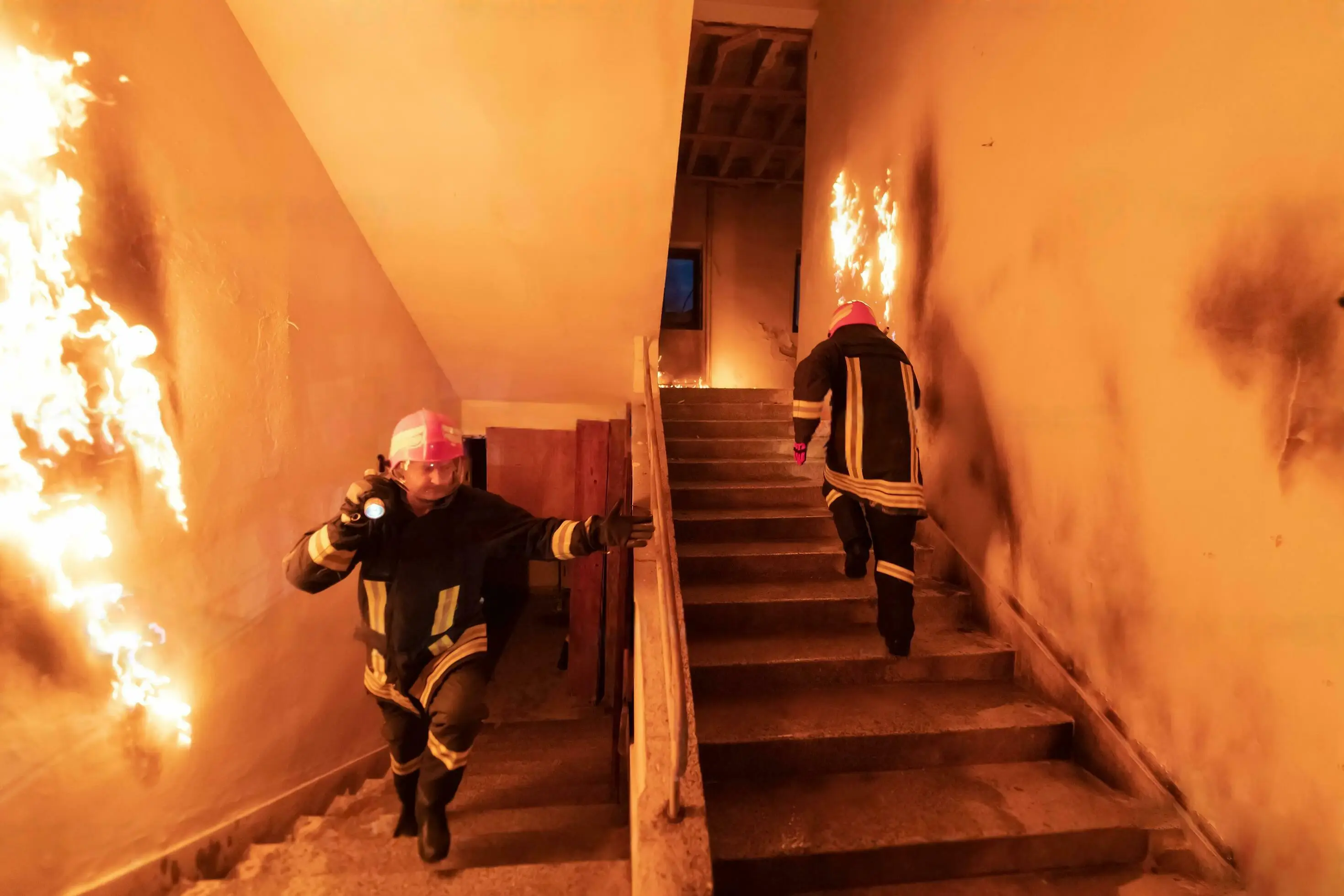
Fire Damage Restoration
Structural damage, soot, debris. We stabilize, clean, and rebuild what fire destroyed.
Learn more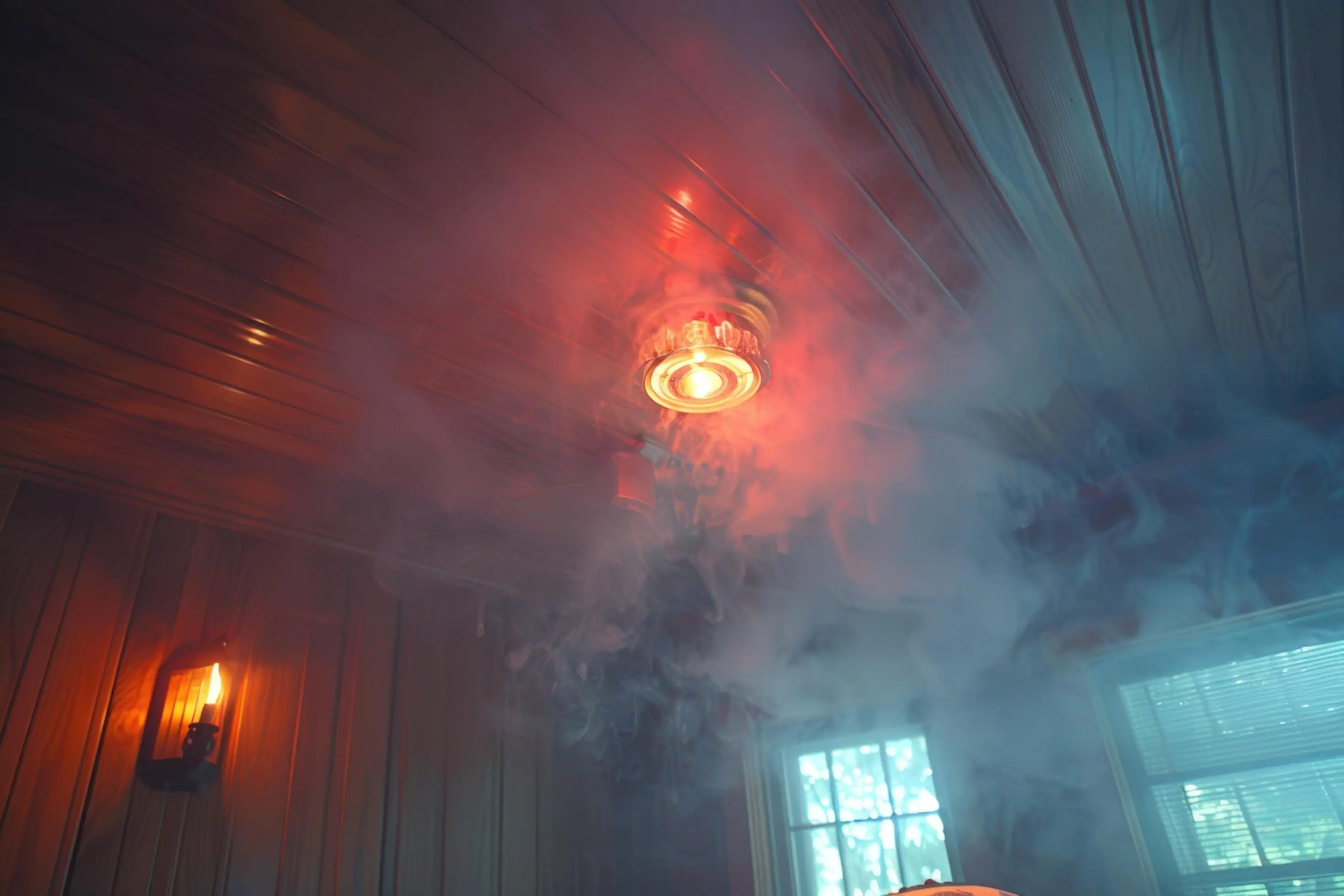
Smoke Damage Restoration
Soot residue, chemical odors, HVAC contamination. We decontaminate surfaces, eliminate odors, and restore air quality.
Learn more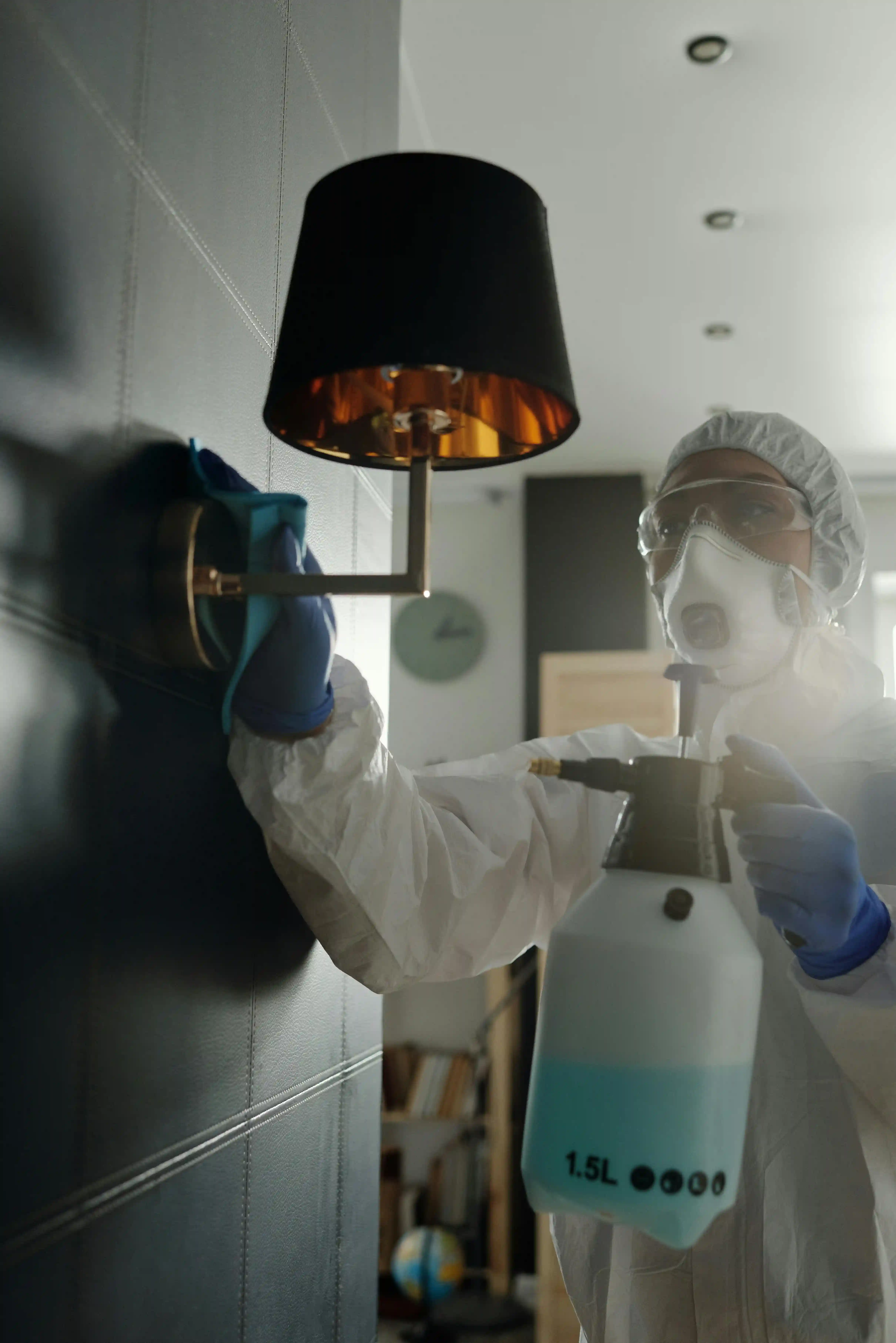
Mold Remediation
Testing, containment, removal, prevention. We find the source, eliminate the growth, and stop it from returning.
Learn more
Sewage Cleanup
Sewer backups, contaminated water, biohazard. We extract, sanitize, and restore safely.
Learn moreNearby Service Areas
Also serving nearby: