
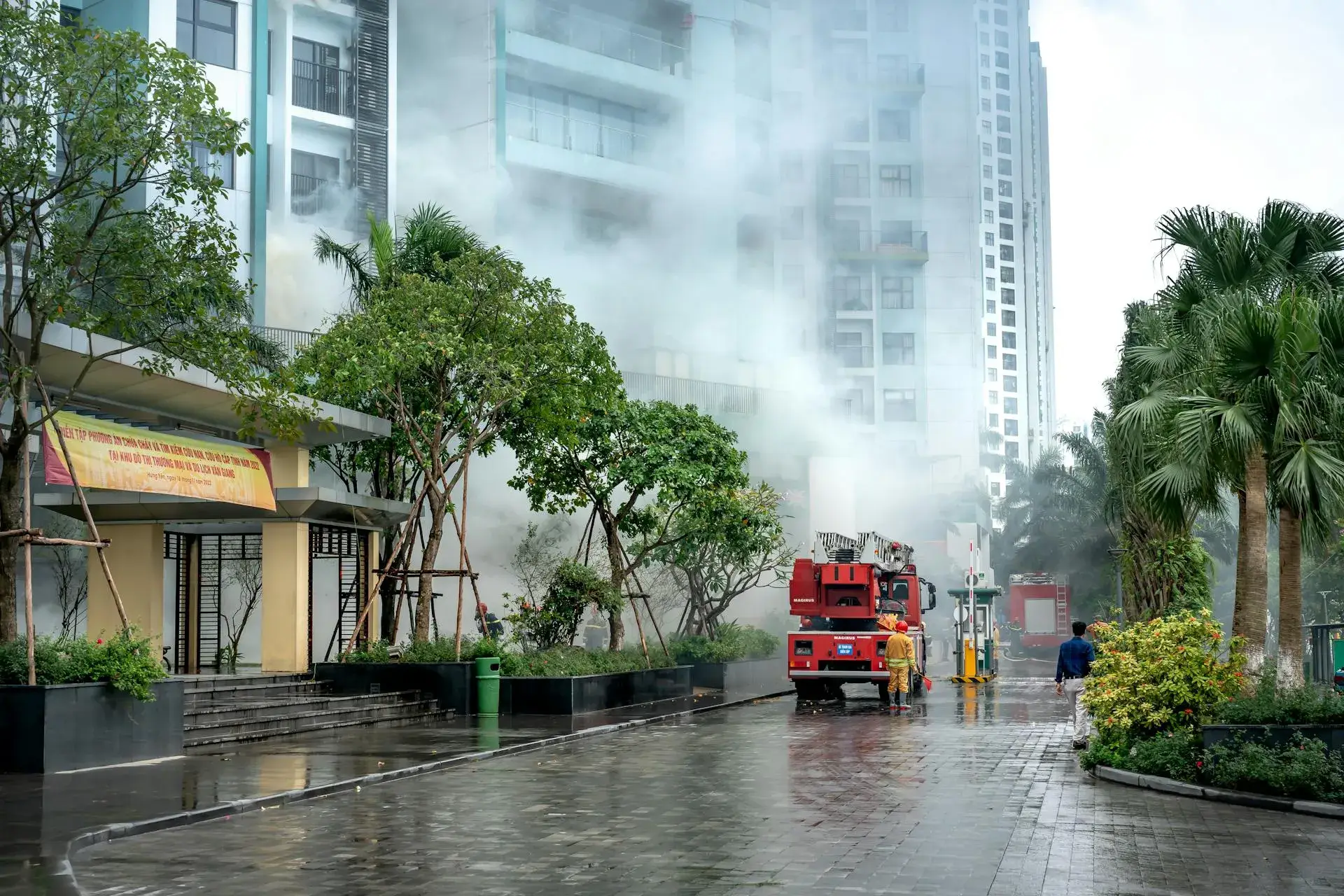
Smoke Damage Restoration in Nolensville, TN
Smoke residue embeds deeper into surfaces and fabrics with every passing hour. Our local team responds to Nolensville emergencies within 60 minutes to stop the damage from spreading.
What Happens When You Call
A real person answers, not a call center. We assess your smoke damage situation, identify the smoke source type, and begin coordinating your response immediately.
Your dedicated smoke restoration team is dispatched from our local base serving Nolensville and the surrounding Williamson County communities.
Team arrives with HEPA air scrubbers, soot cleaning equipment, thermal fogging systems, and air quality monitoring instruments. Contamination containment begins immediately.
Air scrubbers running, initial soot cleaning underway, restoration plan documented. You know exactly what comes next.
Smoke damage does not stop when the source goes out. Acidic soot continues corroding surfaces, odor molecules keep penetrating deeper into materials, and HVAC systems circulate contamination to every room in your home. Whether the smoke came from a fire in your home, a neighboring property, or a regional wildfire event, the restoration clock is ticking. X Response exists for exactly this moment. When you reach out, your smoke restoration team is mobilized within minutes and on site within the hour. From that point forward, one team manages everything: soot removal, deodorization, air quality restoration, and insurance documentation. You are never left guessing about the next step. Call now. Your team is standing by.
Why Nolensville Homes Are Vulnerable to Smoke Damage
Nolensville experienced the reach of wildfire smoke firsthand in the summer of 2023. In June and July 2023, Canadian wildfire smoke triggered multiple air quality alerts across Middle Tennessee including Nolensville, with the Tennessee Department of Environment and Conservation issuing Code Orange advisories as particulate matter from over 6.7 million burned acres drifted south into the region. The smoke events were visible as hazy, orange-tinted skies that persisted for days, and the particulate matter measured at ground level reached unhealthy concentrations for sensitive groups. Nolensville's air quality monitoring station recorded elevated readings during these episodes. For homeowners, the practical consequence was not just outdoor discomfort but indoor air contamination. Fine particulate matter (PM2.5) infiltrates homes through every gap, seam, and ventilation intake, embedding in soft furnishings, HVAC filters, and ductwork. Residents who kept windows open for ventilation during the initial haze before alerts were issued unknowingly invited concentrated smoke particulate into their living spaces.
But wildfire smoke events, while dramatic and widespread, are not the primary source of smoke damage to Nolensville homes. The more common and often more severe exposure comes from structure fires in the community and immediate surroundings. The July 2024 lightning-strike fire on Nolenmeade Place and the November 2023 fire on Stoneway Court both generated heavy smoke that traveled beyond the burning structure and affected neighboring homes. In Nolensville's dense subdivisions, where homes sit on smaller lots with reduced setbacks, smoke from a neighbor's fire can deposit soot on exterior surfaces, penetrate through gaps around windows and doors, and contaminate HVAC systems that draw outdoor air. A homeowner whose property never caught fire can still face thousands of dollars in smoke damage simply because they live within the smoke plume of a nearby structure fire. This proximity exposure is increasingly common as Nolensville grows denser.
Canadian Wildfire Smoke Events and Regional Air Quality
The summer 2023 Canadian wildfire season burned over 6.7 million acres and pushed smoke plumes thousands of miles south into the continental United States. Middle Tennessee, including Nolensville, experienced multiple episodes of degraded air quality between June and July 2023 as prevailing winds carried PM2.5 particulate into the Nashville metropolitan area. The Tennessee Department of Environment and Conservation issued Code Orange air quality advisories, warning sensitive groups to limit outdoor activity. For Nolensville homes, the damage was subtle but real: fine smoke particles smaller than 2.5 microns infiltrated through building envelope gaps, around window and door seals, through fresh-air HVAC intakes, and through any opening that connects indoor air to the contaminated outdoor environment. These particles settled on surfaces, embedded in carpet fibers and upholstery, accumulated in HVAC ductwork and filters, and created a persistent smoky odor that lingered long after outdoor air quality recovered.
Neighboring Structure Fire Smoke Exposure
Nolensville's rapid growth has produced dense residential subdivisions where homes sit 10 to 20 feet apart. When a structure fire occurs in these neighborhoods, the smoke plume does not respect property lines. Prevailing winds carry soot, ash, and combustion byproducts across multiple properties, depositing residue on exterior surfaces, vehicles, and any interior space connected to outside air. The July 2024 Nolenmeade Place fire and November 2023 Stoneway Court fire both generated heavy smoke that affected homes beyond the burning structure. For downwind neighbors, the exposure can contaminate exterior cladding, enter through HVAC fresh-air intakes, deposit soot inside through open windows or gaps around closed ones, and leave a persistent odor in soft materials. Insurance claims for neighboring-property smoke damage are legitimate but often contested, requiring thorough documentation of the contamination source and extent.
HVAC Systems as Smoke Distribution Networks
Every Nolensville home runs a forced-air HVAC system, and most of these systems draw some amount of outdoor air through fresh-air intakes or return-side infiltration. During a wildfire smoke event or a nearby structure fire, the HVAC system becomes the primary vector for distributing smoke particulate throughout the entire home. The blower pulls contaminated air through the return, past a filter that is not designed to capture sub-micron particulate effectively, and pushes it through supply ducts into every room. Smoke residue accumulates on evaporator coils, in duct linings, on register surfaces, and in the filter housing itself. Even after outdoor air quality returns to normal, the HVAC system continues re-circulating trapped particulate every time it cycles. Restoring indoor air quality after smoke infiltration requires addressing the HVAC system as a contamination reservoir, not just cleaning visible surfaces in the living space.
Smoke Migration Through Modern Building Assemblies
Nolensville's housing stock is predominantly built within the last two decades, and modern construction creates specific smoke migration pathways. Recessed can lights penetrate the ceiling plane and connect living space to attic air. Plumbing and electrical chases run vertically through floors and walls, creating channels for smoke to travel between stories. Ductwork joints and boot connections are rarely perfectly sealed, allowing smoke to enter the duct system at multiple points. During a fire in the home's attic or a neighboring property, smoke follows these hidden pathways to contaminate rooms that were never directly exposed to flame. The result is soot deposits appearing on surfaces far from the fire source, odor in rooms with no visible damage, and HVAC contamination that distributes the problem to every register in the house. Effective smoke restoration must trace these migration paths and address contamination at its source, not just where it is visible.
Humidity and Smoke Residue Interaction
Williamson County's humid subtropical climate creates a chemical interaction with smoke residue that accelerates damage. Soot is acidic, and when it contacts moisture in the air or on surfaces, the acid activates and begins corroding metal, etching glass, and permanently staining porous materials. Nolensville's average relative humidity exceeds 70% for much of the year, particularly between May and September. This means smoke residue that might sit relatively inert on a surface in an arid climate begins actively damaging materials almost immediately in Middle Tennessee. Metal light fixtures tarnish, chrome hardware pits, glass develops a haze that cannot be polished away, and grout absorbs discoloration that becomes permanent within 24 to 48 hours. The humid climate creates a narrower window for effective smoke damage mitigation, making rapid response more critical here than in drier regions.
These factors combine to make smoke damage in Nolensville both more common and more damaging than many homeowners expect. Wildfire smoke infiltrates entire communities at once, structure fires in dense subdivisions affect neighboring properties, HVAC systems distribute contamination throughout homes, modern construction creates hidden migration paths, and the humid climate accelerates chemical damage. Effective smoke restoration means understanding the source, tracing migration pathways, addressing the HVAC system as a contamination reservoir, and working within the narrow treatment window that Middle Tennessee's humidity imposes.
What Happens to Your Home While You Wait
Within 1 Hour
Soot begins settling on all horizontal surfaces and reacting with humidity in the air. Acidic residue starts etching metal fixtures, glass, and chrome hardware. In Williamson County's humid climate, this chemical reaction begins almost immediately because airborne moisture activates the acids in smoke residue. Soft materials begin absorbing odor compounds that become increasingly difficult to remove with time.
1–24 Hours
Soot permanently stains grout, natural stone, and unsealed porous surfaces. Metal hardware develops visible tarnish and pitting. Smoke odor penetrates upholstery, carpet fibers, and clothing at a molecular level. HVAC systems running during this period distribute contamination to rooms that were not directly affected by smoke, expanding the scope of damage with every cycle.
24–48 Hours
Chemical etching on glass surfaces becomes irreversible. Soot discoloration on walls and ceilings sets permanently as humidity drives it deeper into paint and texture. Soft goods reach a contamination level where cleaning becomes impractical and replacement is required. The scope of the project grows as more materials cross from restorable to total loss.
48–72 Hours
Corrosion on electronics and metal surfaces becomes permanent. HVAC system contamination embeds in duct lining, evaporator coils, and blower components, requiring professional cleaning or replacement rather than simple filter change. Smoke odor permeates structural materials, wall cavities, and insulation to a depth that surface treatment cannot reach.
One Week and Beyond
Smoke odor becomes structural, embedded in framing, drywall paper, and insulation beyond the reach of surface deodorization. Full restoration at this stage may require material removal rather than cleaning. If water damage from fire suppression was also present, mold colonization compounds the problem. Total project cost and timeline escalate significantly.
Every hour of delay allows smoke residue to penetrate deeper and cause more permanent damage. Contact X Response now. Our Nolensville team responds within 60 minutes to begin containment and cleaning before the damage becomes irreversible.
How We Restore Smoke-Damaged Nolensville Homes
From the moment our team arrives, every step is documented, measured, and verified. Here is exactly what the smoke restoration process involves.
Source Identification and Contamination Mapping
Our team arrives with air quality monitoring equipment and begins by identifying the smoke source type, because the restoration approach differs significantly depending on whether the contamination came from a protein fire (kitchen), a structure fire (synthetic and natural combustion), a wildfire smoke event (wood and vegetation particulate), or a neighboring-property exposure. We map the contamination using visual inspection under specialized lighting, particulate counters, and surface sampling where needed. In Nolensville homes, we trace smoke migration through HVAC systems, ceiling penetrations, and wall cavities to identify every affected area, including those with no visible damage. Documentation begins immediately with photos, air quality readings, and a written scope of work.
Containment and Air Filtration
Before cleaning begins, we establish containment to prevent cross-contamination from heavily affected areas to cleaner spaces. Negative air pressure and HEPA filtration isolate work zones while air scrubbers begin reducing airborne particulate throughout the home. For Nolensville homes where smoke entered through the HVAC system, we shut down the forced-air system immediately to stop further distribution and set up independent air handling. This step is critical because continued HVAC operation during cleaning can re-contaminate areas that have already been treated. Containment remains in place until air quality monitoring confirms particulate levels have returned to acceptable concentrations.
Surface Cleaning and Soot Removal
Soot is removed from all affected surfaces using techniques matched to the material and the type of residue. Dry chemical sponges for painted walls and ceilings remove loose particulate without smearing. Wet cleaning with specialized solutions addresses embedded residue on hard surfaces. HEPA vacuuming removes particulate from textured surfaces, carpet, and upholstery where dry or wet methods would drive contamination deeper. Electronics, artwork, and delicate items receive individual assessment and appropriate treatment. In Nolensville's newer homes, engineered hardwood flooring, quartz surfaces, and modern finishes each require specific cleaning approaches. Every surface is cleaned systematically, working from least to most contaminated areas to prevent re-depositing residue on already-cleaned surfaces.
HVAC System Decontamination
The HVAC system receives dedicated attention because it is both a contamination reservoir and the primary distribution path. We clean supply and return ductwork using mechanical agitation and HEPA collection, clean evaporator coils and blower assemblies, replace filters, and clean all register and grille surfaces. For severe contamination, flex duct sections may require replacement rather than cleaning. The air handler cabinet interior is cleaned and treated. Once complete, the system is run with HEPA filtration in place to confirm it is no longer re-circulating particulate. This step is essential to preventing odor and soot from returning after surface cleaning is complete, which is the most common reason smoke restoration fails when the HVAC system is overlooked.
Deodorization and Verification
Smoke odor molecules embed in porous materials at a level that surface cleaning cannot reach. We deploy thermal fogging to carry deodorizing agents into the same micro-spaces the smoke penetrated, and hydroxyl generators to break down volatile organic compounds in the air and on surfaces over extended run periods. These are not fragrance masking agents. They are oxidizing treatments that neutralize odor at the molecular level. For Nolensville's humid climate, we control indoor humidity during treatment to prevent moisture from interfering with the oxidation process. Final air quality testing confirms particulate levels and odor compounds have returned to pre-loss levels. If testing identifies residual contamination, treatment continues until verification passes.
The X Response Difference
When you contact X Response for smoke damage, you get a dedicated team that understands how smoke migrates through modern homes and eliminates contamination at every level, from visible surfaces to hidden HVAC pathways. One team, one plan, verified results.
Insurance Claim Guidance for Nolensville Homeowners
Smoke damage insurance coverage depends on the source. If smoke entered your Nolensville home from a fire on your own property, it falls under your dwelling and contents coverage as part of the fire loss. If the smoke came from a neighboring property's fire, your homeowner's policy still covers the damage to your home and contents under the fire peril, even though the fire occurred elsewhere. Wildfire smoke infiltration is more complex. Standard policies generally cover sudden and accidental damage, but a regional smoke event that degrades indoor air quality over days may be treated differently by carriers, particularly if the damage is characterized as gradual rather than sudden. Documentation of the specific event, its timeline, and the measurable contamination it produced is critical to establishing coverage. The June and July 2023 Canadian wildfire smoke events that affected Nolensville are an example where detailed air quality records and before-and-after particulate measurements strengthen a claim that might otherwise be disputed.
How X Response Helps
- Document all smoke contamination with professional air quality readings, particulate measurements, and photographs from the first visit
- Identify and document the smoke source clearly, which determines how your carrier categorizes the loss
- Map the full extent of contamination including HVAC systems and hidden pathways so the claim captures the complete scope
- Provide before-and-after air quality testing results that objectively demonstrate the contamination and its successful remediation
- Prepare a detailed scope with line-item costs that align with standard insurance coverage categories
X Response does not file claims on your behalf, adjust claims, or make coverage determinations. We provide documentation and guidance to help you make informed decisions about your property and your policy. Coverage decisions are made solely by your insurance carrier.
Certified Restoration Specialists Serving Nolensville
When you contact X Response for smoke damage in Nolensville, your restoration team is drawn from certified professionals who work across Williamson County and understand the specific challenges of restoring homes here. They know how smoke migrates through the modern construction common in Nolensville's subdivisions, how the humid climate accelerates chemical damage from soot residue, and how HVAC systems distribute contamination throughout a home long after the smoke source is gone. They have worked through structure fire smoke damage in dense subdivisions, wildfire smoke infiltration events, and the persistent odor problems that result when contamination in HVAC systems and wall cavities goes unaddressed. This is not a crew dispatched from hours away with no local knowledge. It is a local team with local expertise, operating under national quality standards.
Every technician on your team holds current IICRC certification in fire and smoke restoration and carries the appropriate Tennessee state licensing for the work being performed. Equipment includes commercial HEPA air scrubbers, thermal fogging systems, hydroxyl generators, air quality monitoring instruments, and the specialized soot cleaning tools required for different surface types. When your team arrives, they bring everything needed to begin containment and treatment immediately.
In Nolensville, X Response works with Tennessee Water and Fire, an independent local restoration partner serving Williamson County.
Smoke Damage Restoration FAQ for Nolensville Homeowners
Other Emergency Services in Nolensville
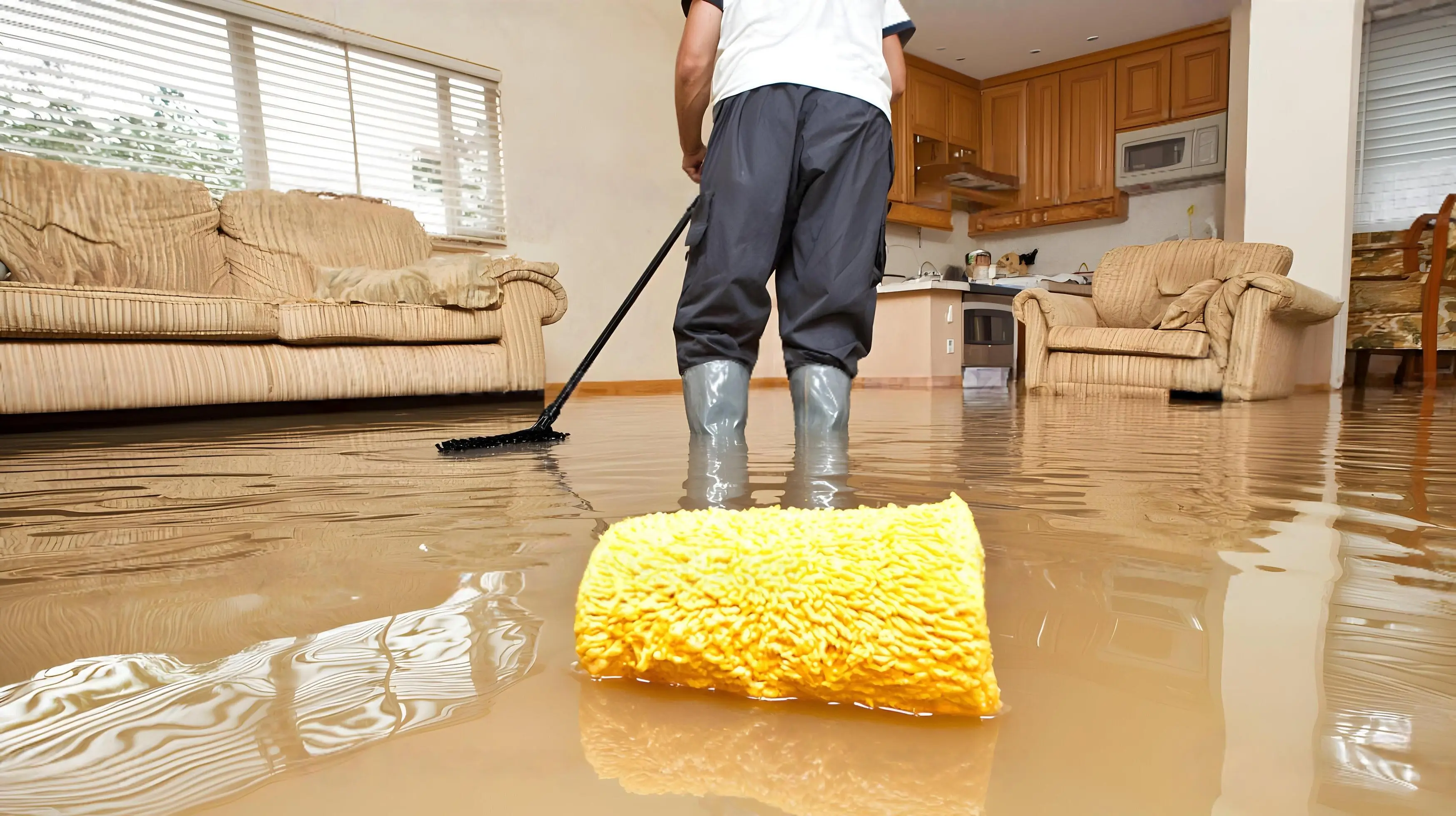
Water Damage Restoration
Burst pipes, storm flooding, standing water. We extract, dry, and restore before mold sets in.
Learn more
Fire Damage Restoration
Structural damage, soot, debris. We stabilize, clean, and rebuild what fire destroyed.
Learn more
Mold Remediation
Testing, containment, removal, prevention. We find the source, eliminate the growth, and stop it from returning.
Learn more
Sewage Cleanup
Sewer backups, contaminated water, biohazard. We extract, sanitize, and restore safely.
Learn moreNearby Service Areas
Also serving nearby: