
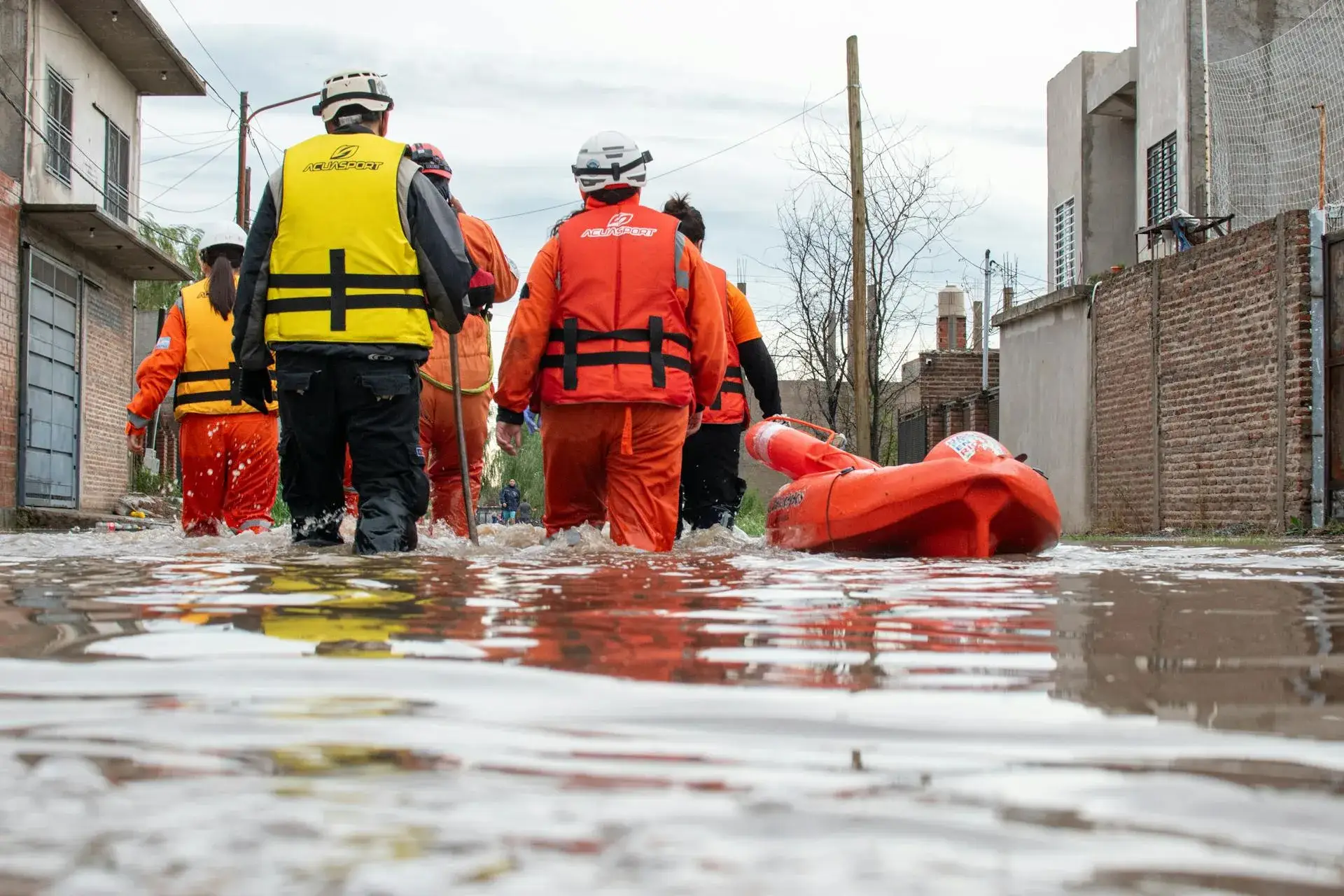
Water Damage Restoration in Palm Harbor, FL
Every hour of standing water deepens structural damage and accelerates mold colonization in Palm Harbor's coastal humidity. Our local team responds to emergencies within 60 minutes.
What Happens When You Call
A real person answers, not a call center. We assess your situation, identify the water source, and coordinate your response immediately.
Your dedicated restoration team is dispatched from our Clearwater-area base serving Palm Harbor and Pinellas County.
Team arrives with industrial extractors, commercial dehumidifiers, and moisture detection equipment. Emergency mitigation begins immediately.
Water extracted, drying equipment placed and calibrated, restoration plan documented. You know exactly what comes next.
Water is inside your home and you need it stopped now. Whether a pump station failed during a storm or a pipe burst on a quiet afternoon, X Response exists for exactly this moment. When you reach out, your restoration team is mobilized within minutes and on site within the hour. One team manages everything from extraction through drying, documentation, and insurance guidance. Call now. Your team is standing by.
Why Palm Harbor Homes Are Vulnerable to Water Damage
Palm Harbor is an unincorporated census-designated place in northern Pinellas County, Florida, with a population of 61,366 at the 2020 U.S. Census. Located along the Gulf-facing western edge of the Pinellas Peninsula between Dunedin to the south and Tarpon Springs to the north, Palm Harbor borders St. Joseph Sound and has Lake Tarpon to its east. The community's water damage risk is defined by its geography: a narrow coastal strip that is simultaneously exposed to Gulf of Mexico weather systems from the west, tidally influenced by the sound along its western shore, and dependent on Pinellas County stormwater infrastructure that proved vulnerable during the 2024 hurricane season. During Hurricane Milton in October 2024, a Palm Harbor couple's home flooded despite not being in a flood zone because faulty Pinellas County stormwater pumps failed to remove rainfall, demonstrating how infrastructure failures rather than storm surge can flood homes that homeowners believed were protected. A second Palm Harbor family gutted the first floor of their home following Milton flooding, one of thousands of Pinellas County properties damaged during the 2024 hurricane season.
Palm Harbor's housing stock creates specific water damage vulnerabilities beyond weather events. The community developed primarily from the 1970s through the 1990s, producing a large inventory of original-construction slab-on-grade homes now 30 to 50 years old with plumbing systems at or past their designed service life. Original copper supply lines develop pinhole leaks inside wall cavities after decades of mineral corrosion from Florida's hard water. Cast iron drain lines beneath slabs corrode and separate, leaking wastewater into the sand fill where it wicks upward through the concrete for months before visible evidence appears at floor level. Water heaters installed in garage utility closets fail suddenly, flooding connected living spaces before residents detect the problem. Palm Harbor also contains a significant number of mobile home parks and manufactured housing communities, which face distinct water intrusion vulnerabilities from roof membrane failures, belly board deterioration below the floor, and the plumbing connections between sections of multi-wide units.
Stormwater Pump Failures During Tropical Systems
The October 2024 Hurricane Milton flooding demonstrated a water damage mechanism specific to Pinellas County's densely developed landscape: stormwater pump station failures that allow rainfall to accumulate rather than discharge. Pinellas County operates a network of pump stations to remove stormwater from low-lying areas that cannot drain by gravity alone. When these stations lose power, experience mechanical failures, or become overwhelmed by simultaneous demand across the county, water accumulates in the drainage system and backs up into streets, yards, and homes. Palm Harbor properties that sit in low areas dependent on pump-assisted drainage are vulnerable to this failure mode even when they are technically outside FEMA flood zones and have never flooded historically. Flood zone maps reflect topographic and hydrologic models that assume functioning infrastructure. When the infrastructure fails during the precise weather event that creates peak demand, homes outside mapped flood zones can flood from infrastructure failure alone.
Gulf Coast Storm Surge and Sound Flooding
Palm Harbor's western boundary along St. Joseph Sound faces Gulf-side storm surge exposure. The Sound is a shallow tidal estuary connected to the Gulf through Anclote Key and the gaps between barrier islands. During a hurricane approaching from the southwest, surge pushed into the Gulf Intracoastal Waterway and the Sound can inundate the low-lying waterfront communities along Palm Harbor's western edge. The barrier islands and sand bars that separate the Sound from the Gulf provide some attenuation, but a major hurricane on a direct track toward the Pinellas Peninsula could generate surge that overtops the barrier system and floods inland to levels that Palm Harbor has not historically experienced. The 2024 hurricane season saw Pinellas County issue mandatory evacuation orders for zones including coastal sections of Palm Harbor for both Helene and Milton, acknowledging the surge exposure that defines the community's western boundary.
Lake Tarpon and Inland Freshwater Flooding
Lake Tarpon, the largest natural freshwater lake on Florida's Gulf Coast, sits on Palm Harbor's eastern boundary. At approximately 2,500 acres, Lake Tarpon drains southward through the Lake Tarpon Canal and Curlew Creek toward Old Tampa Bay. During prolonged heavy rainfall, the lake rises and its associated tributary channels carry elevated flows into neighborhoods along the eastern portions of Palm Harbor. The USGS maintains a stream gauge at the Lake Tarpon outfall structure that has recorded elevated stages during major storm events. Flooding from this freshwater source affects eastern Palm Harbor neighborhoods differently from the Gulf-side exposure, creating a community where different sections face distinct flooding mechanisms from opposite directions. Properties near the lake edge and along drainage channels connecting the lake to the storm system can flood from freshwater accumulation without any Gulf weather involvement.
Mobile Home and Manufactured Housing Vulnerabilities
Palm Harbor and surrounding unincorporated Pinellas County contain numerous mobile home parks and manufactured housing communities. After Hurricane Milton, Pinellas County declared more than 1,400 homes countywide as substantially damaged, meaning repair costs exceeded half the home's value. Mobile homes are disproportionately represented in substantial damage declarations because their construction provides less structural resistance to wind, water intrusion, and uplift. Water damage to manufactured housing often involves roof membrane failures that allow water into wall and ceiling cavities, belly board deterioration below the floor where moisture migrates upward through insulation and subfloor materials, and the vulnerable plumbing connections at the marriage wall between sections. These properties often have limited insurance coverage and face difficult decisions about repair versus replacement. Effective water damage restoration for mobile homes requires assessment approaches different from site-built slab-on-grade construction.
Hard Water and Accelerated Plumbing Deterioration
Pinellas County's municipal water supply comes from the Tampa Bay Water Authority regional system that draws from groundwater, surface water, and desalination sources. Despite treatment, the water distributed throughout Pinellas County has moderate hardness that deposits mineral scale inside copper supply lines over time. This scale reduces pipe interior diameter and creates stress concentration points where corrosion pits develop into pinhole leaks. In Palm Harbor's 1970s and 1980s housing stock, copper supply lines now 40 to 50 years old are approaching the end of their useful service life and experiencing an increasing rate of wall-cavity leaks that go undetected for weeks or months. These hidden leaks sustain continuous moisture behind drywall, beneath flooring, and inside cabinetry where they support mold growth and structural wood deterioration long before visible evidence appears at the surface.
These factors create water damage risk in Palm Harbor from stormwater pump failures during tropical systems, Gulf and Sound storm surge on the western shore, Lake Tarpon freshwater flooding from the east, the distinctive vulnerabilities of the mobile home communities scattered throughout unincorporated Pinellas County, and accelerating plumbing failures in the aging 1970s and 1980s housing stock. Effective restoration requires identifying the source and mechanism before developing the drying plan because each delivers different water quality, enters through different pathways, and requires different treatment protocols.
What Happens to Your Home While You Wait
Within 1 Hour
Water spreads across the slab and wicks into drywall, baseboards, and cabinetry at floor level. Palm Harbor's coastal humidity, already above 70% year-round, prevents any natural drying from the first moment. Carpet padding saturates and holds water against the concrete. For pump-failure floods involving stormwater, the water may carry contaminants from the drainage system that change the cleanup protocol.
1–24 Hours
Drywall wicks moisture upward and softens internally. Wood baseboards swell and delaminate. Gulf Coast humidity maintains saturation in structural materials far longer than inland climates. For mobile home flooring with belly board material beneath, moisture migrates into the insulation layer and becomes inaccessible without floor removal.
24–48 Hours
Mold colonization begins on paper-faced drywall and wood surfaces that remain wet. North Pinellas County's subtropical warmth supports mold germination within 24 hours. Laminate and engineered wood flooring buckles at seams and separates. For any flood involving stormwater system contamination, biological hazards are compounding alongside structural damage.
48–72 Hours
Mold spreads into HVAC ductwork and distributes through the central air system. Restoration scope expands sharply as more materials require removal. For mobile homes where structural materials sit close together with minimal drying clearance, damage compounds rapidly without mechanical intervention.
One Week and Beyond
Extensive mold through wall cavities, beneath flooring, and throughout HVAC systems. The concrete slab continues releasing moisture. For mobile home belly board and insulation that was not removed promptly, fungal and bacterial growth becomes embedded in materials that cannot be cleaned and must be replaced. Insurance claims grow complex.
In Palm Harbor's coastal climate, the window between drying your home in place and removing materials entirely is measured in hours. Contact X Response now. Our team responds within 60 minutes.
How We Restore Water-Damaged Palm Harbor Homes
From the moment our team arrives, every step is documented, measured, and verified. Here is exactly what the restoration process involves.
Emergency Assessment and Documentation
Our team arrives with thermal imaging cameras and moisture meters to map full water intrusion extent. For Palm Harbor homes that flooded during Hurricane Milton from pump station failures, we assess contamination category because stormwater carries biological matter from the drainage system. For mobile home units, we assess belly board and subfloor integrity separately from wall assemblies. For suspected pipe failures in the older housing stock, we confirm the source is isolated before extraction proceeds. Everything is documented with timestamped photos and moisture readings from the first hour.
Water Extraction
Standing water is removed using truck-mounted and portable extraction units. For pump-failure stormwater floods, extraction protocols account for potential Category 2 or 3 contamination. Mobile home floor assemblies receive specialized extraction approaches where belly board insulation must be accessed from below. For slab-on-grade homes, weighted extraction draws moisture from within the concrete. Every gallon removed mechanically reduces the evaporation load the dehumidifiers must carry in Gulf Coast humidity.
Structural Drying and Dehumidification
Commercial dehumidifiers and high-velocity air movers are positioned to drive airflow across every wet surface. Palm Harbor's coastal humidity means opening windows is counterproductive. We dry wall cavities using injection port systems, run slab-drying mats on concrete surfaces, and maintain negative air pressure to prevent migration to clean areas. For mobile homes, drying the belly board space requires specialized approach from below the floor. Daily moisture readings with pin and pinless meters track progress toward dry standard.
Antimicrobial Treatment and Contamination Control
Once surfaces reach target moisture levels, EPA-registered antimicrobials are applied to all affected areas. For stormwater pump-failure floods involving drainage system contaminants, we apply contamination-appropriate treatment. HEPA air scrubbers run throughout the project. Materials that cannot reach dry standard within the mold prevention window are removed, documented, and disposed of properly.
Quality Verification and Completion
Final inspection verifies all moisture readings at acceptable levels, every treated area clean and dry, and full scope executed. For mobile homes where belly board insulation holds moisture longer than standard construction materials, we extend monitoring through the full drying period before signing off. Completion documentation supports your insurance claim and confirms the property is safe for occupancy.
The X Response Difference
When you contact X Response in Palm Harbor, you get a dedicated team managing everything from emergency extraction through contamination assessment, drying, and insurance documentation as one project.
Insurance Claim Guidance for Palm Harbor Homeowners
Water damage insurance in Palm Harbor requires understanding two distinctions that the Hurricane Milton season exposed for many Pinellas County homeowners. First, the difference between interior plumbing failure and flood damage determines which policy applies. Second, pump-failure flooding sits in a gray area: it originated from a storm event but entered through the drainage system rather than as direct storm surge or rainfall. Some insurers treat this as flood damage requiring NFIP or private flood coverage; others may treat it as a drainage backup under a sewer and water backup endorsement. Getting the source documentation right from the start is essential for claim routing.
How X Response Helps
- Document the precise water source and entry mechanism from the first hour to establish the correct coverage pathway
- For pump-failure floods, obtain documentation from Pinellas County confirming the pump station failure and timing
- Distinguish between FEMA flood zone designation and actual flood risk from drainage infrastructure in your claim narrative
- For mobile home damage, understand that replacement cost versus actual cash value distinctions can significantly affect settlement
- Prepare documentation aligned with Florida Department of Financial Services claim requirements for efficient processing
X Response does not file claims on your behalf, adjust claims, or make coverage determinations. We provide documentation and guidance to support your decisions. Coverage decisions are made solely by your insurance carrier.
Certified Restoration Specialists Serving Palm Harbor
When you contact X Response for water damage in Palm Harbor, your restoration team serves northern Pinellas County and understands the specific vulnerabilities that define this community. They have worked through the pump-failure flooding that affected homes outside flood zones during Hurricane Milton, the mobile home and manufactured housing damage that requires different assessment and drying approaches from site-built construction, and the aging copper plumbing failures increasingly common in the 1970s and 1980s housing stock throughout unincorporated Palm Harbor.
Every technician holds current IICRC certification in water damage restoration. Equipment includes truck-mounted extractors, LGR dehumidifiers for coastal humidity, thermal imaging cameras, slab-drying mat systems, and the specialized belly-board access equipment needed for manufactured housing. When your team arrives, everything needed to begin mitigation immediately is ready.
In Palm Harbor, X Response works with Dry Out Daddy Restoration, an independent local restoration partner serving Pinellas County.
Water Damage Restoration FAQ for Palm Harbor Homeowners
Other Emergency Services in Palm Harbor

Fire Damage Restoration
Structural damage, soot, debris. We stabilize, clean, and rebuild what fire destroyed.
Learn more
Smoke Damage Restoration
Soot residue, chemical odors, HVAC contamination. We decontaminate surfaces, eliminate odors, and restore air quality.
Learn more
Mold Remediation
Testing, containment, removal, prevention. We find the source, eliminate the growth, and stop it from returning.
Learn more
Sewage Cleanup
Sewer backups, contaminated water, biohazard. We extract, sanitize, and restore safely.
Learn more