
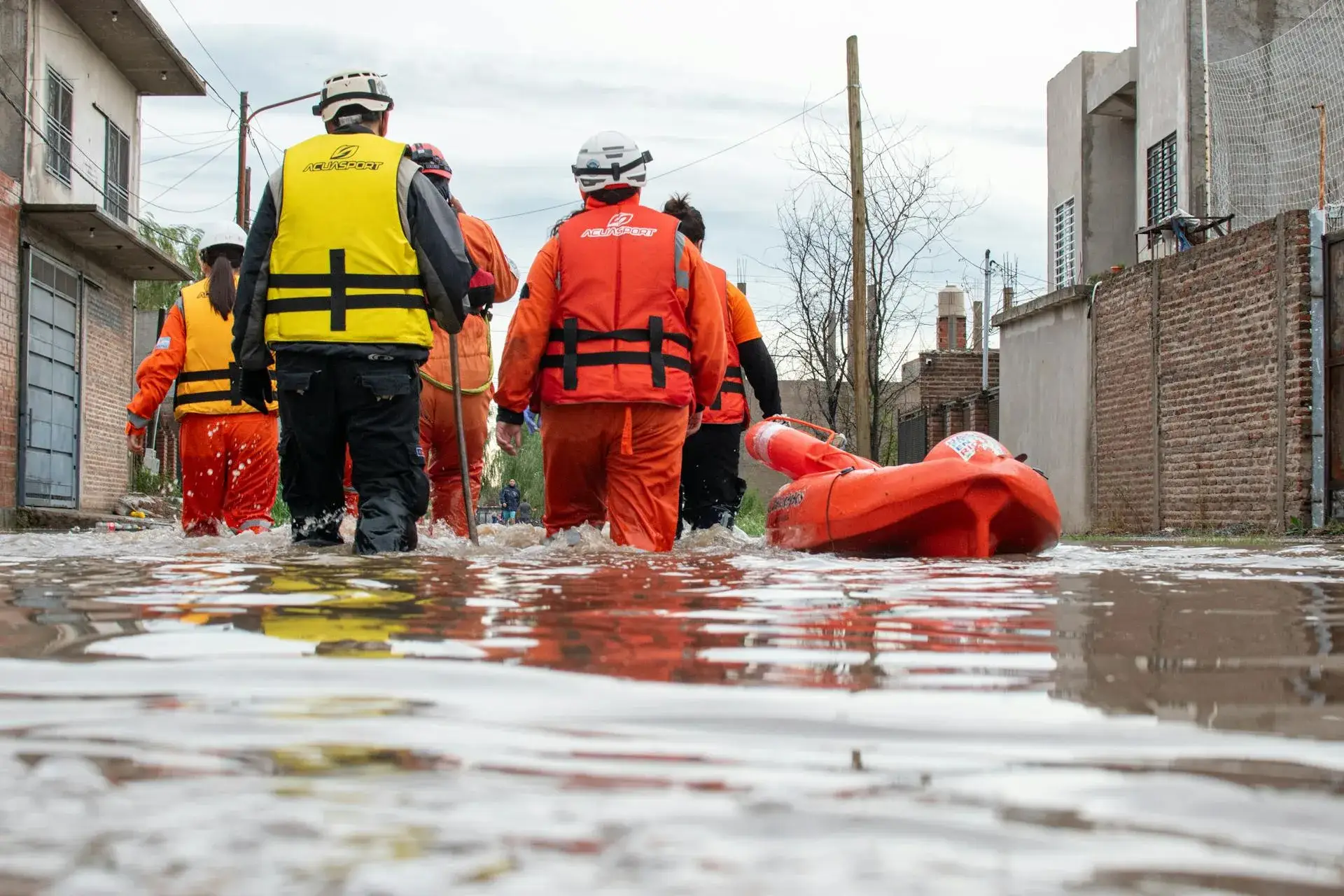
Water Damage Restoration in Roswell, GA
Standing water penetrates structural framing and subfloors within minutes. Our local team responds to Roswell emergencies within 60 minutes.
What Happens When You Call
A live restoration coordinator answers your call 24/7, evaluates your water emergency, and immediately dispatches our local north Fulton County response team.
Our dedicated crew mobilizes directly to your Roswell neighborhood equipped with commercial extractors, thermal imaging cameras, and LGR dehumidifiers.
Technicians arrive within 60 minutes to map moisture migration, isolate affected areas, and begin high-capacity mechanical water extraction.
Industrial drying equipment is placed and calibrated, daily psychrometric logs are initiated, and complete documentation is prepared for your insurance carrier.
Water intrusion in your Roswell property demands immediate, disciplined mitigation to prevent permanent structural loss and toxic mold growth. Whether dealing with a sudden burst pipe in an attic, a flooded finished basement, or rising waters from Big Creek, waiting is not an option. X Response provides immediate, certified disaster response across north Fulton County. When you call, our dedicated crew dispatches immediately, arriving on site within the hour with commercial extraction and drying systems. From initial thermal moisture mapping to insurance sign-off, one team manages your entire restoration. Call now. Your Roswell mitigation team is standing by.
Why Roswell Homes Are Vulnerable to Water Damage
Roswell occupies an expansive, picturesque landscape in north Fulton County, roughly 20 miles north of Atlanta along the State Route 400, State Route 9 (Alpharetta Highway), and State Route 120 corridors. The city is defined hydrologically by its position along the northern banks of the Chattahoochee River and the winding drainage basin of Big Creek (historically known as Vickery Creek), alongside tributaries including Hog Wallow Creek and Willeo Creek. As Big Creek flows south past Old Roswell Mill and the Big Creek Greenway toward its confluence with the Chattahoochee River, it drains an intensively developed watershed across north Fulton. When stalled convective thunderstorm complexes park over north Fulton, stormwater runoff surges into the creek channel, transforming quiet parklands into dangerous, fast-moving floodwaters that threaten riverside residential communities and lower-level finished basements.
Digital flood-inundation maps for a 12.4-mile reach of Big Creek that extends from 260 feet above the McGinnis Ferry Road bridge to the U.S. Geological Survey streamgage at Big Creek below Hog Wallow Creek at Roswell, Georgia (02335757), were developed by the USGS in cooperation with the cities of Alpharetta and Roswell, Georgia. This collaborative modeling study underscores the persistent flood risk facing residential neighborhoods and commercial developments along the Big Creek corridor. Beyond riverine flooding, Roswell homeowners frequently encounter localized structural water damage stemming from heavy 50-inch annual rainfall, steep hillside topography that funnels surface runoff directly against basement foundation walls, and pressurized plumbing line failures in established luxury estates and historic properties.
Big Creek Corridor and Riverine Flood Dynamics
Big Creek drains more than 100 square miles across north Fulton and Forsyth Counties before emptying into the Chattahoochee River near Roswell. Monitored continuously by USGS streamgages 02335700 and 02335757, Big Creek rises rapidly during sustained rainfall events. When overbank conditions occur, backwater inundates low-lying neighborhoods such as Martin's Landing and Riverside, submerging walking trails, parking facilities, and ground-level living spaces with mud-laden floodwaters that demand immediate professional extraction.
Chattahoochee River Bluff Topography and Hillside Runoff
Roswell's southern boundary features steep, rolling topography descending toward the Chattahoochee River. Many custom homes in neighborhoods like Horseshoe Bend and along riverside bluffs are built with multi-level daylight basements stepped into hillside slopes. During severe downpours, heavy surface runoff flows downhill against subterranean foundation walls. If exterior curtain drains or foundation waterproofing systems fail, massive hydrostatic pressure forces groundwater through masonry block joints and concrete slab cracks.
Piedmont Red Clay Soil and Slow Drainage
Roswell rests on the Georgia Piedmont plateau, where a heavy layer of dense red clay overlies crystalline bedrock. Clay soil has extremely low water permeability; once saturated by continuous rain, it sheds excess water across the surface rather than allowing it to soak into deeper soil layers. In homes built over crawl spaces, saturated clay holds trapped water beneath foundation footings for days, elevating relative humidity under subfloors and saturating joist framing.
Subtropical Humidity and Moisture Evaporation Barriers
North Georgia's humid subtropical climate brings long summer stretches where outdoor relative humidity consistently exceeds 75 percent. Saturated drywall, insulation, and hardwood flooring inside a water-damaged Roswell home cannot dry naturally in this environment. Opening windows or running basic household fans only pulls warm, moisture-laden outside air across wet materials, accelerating mold growth. Mechanical low-grain refrigerant dehumidifiers are required to actively extract moisture from building materials.
Plumbing Failures in Established Custom Estates
Many of Roswell's established subdivisions feature large multi-story custom homes built in the 1980s and 1990s. These properties contain extensive plumbing systems, including multi-zone water heaters, supply lines in unconditioned attics, and complex crawl space plumbing runs. When a copper pipe develops pinhole corrosion or a second-story supply line bursts, thousands of gallons of water cascade through finished ceilings, down interior wall cavities, and into hardwood living areas below.
Restoring water-damaged properties in Roswell requires specialized equipment and precise local hydrological knowledge. Flashy stream basins like Big Creek, steep river bluff terrain, impermeable Piedmont clay, and heavy summer humidity create compounding restoration challenges. X Response delivers industrial extraction, non-invasive thermal mapping, and scientific structural drying engineered specifically for north Fulton properties.
What Happens to Your Home While You Wait
Within 1 Hour
Water spreads across hardwood, tile, and carpeted floors, wicking into porous drywall, baseboards, and structural sill plates. In Roswell hillside homes with finished basements, water begins pooling behind finished drywall partitions and saturating subfloor carpet padding. Hidden moisture migration begins immediately.
1–24 Hours
Drywall wicks water upward, softening and losing structural strength. Solid hardwood floorboards begin cupping as edges absorb moisture faster than surface veneers. Saturated subflooring swells, while ambient humidity inside wall cavities rises above 80 percent, creating ideal conditions for microbial growth.
24–48 Hours
Mold colonization begins on damp drywall paper, wood framing, and crawl space insulation. North Georgia's warm, humid air accelerates fungal germination. Swelling composite wood and cabinetry delaminate permanently, while musty odors spread throughout the structure.
48–72 Hours
Visible mold colonies appear along baseboards and inside dark wall cavities. Spores enter central HVAC ductwork, spreading microbial contamination to unaffected rooms. Hardwood floorboards warp and buckle permanently, requiring complete tear-out rather than restorative drying.
One Week and Beyond
Severe structural degradation. Subfloors lose load-bearing capacity, framing timbers soften from wood-rotting fungi, and pervasive mold contamination spreads throughout the building envelope. The project transitions from standard drying to major structural demolition and biohazard remediation.
Rapid intervention within the first 24 to 48 hours is vital to protect structural framing and prevent costly mold remediation. Contact X Response immediately. Our Roswell emergency crew responds within 60 minutes.
How We Restore Water-Damaged Roswell Homes
Our water mitigation methodology follows strict IICRC S500 standards, ensuring rapid water removal, scientific structural drying, and comprehensive documentation for property owners and insurance carriers across Roswell.
Comprehensive Moisture Diagnostic and Thermal Mapping
Upon arrival at your Roswell property, our certified technicians perform a detailed moisture assessment using infrared thermal imaging cameras, pinless moisture meters, and penetrating probes. We map water migration behind drywall, under hardwood flooring, inside ceiling cavities, and down into basement foundations to establish baseline drying parameters.
Industrial Water Extraction
We deploy powerful truck-mounted extraction units and heavy-duty submersible pumps to remove standing water rapidly from living areas, finished basements, and crawl spaces. For saturated hardwood and subfloor assemblies, we utilize specialized vacuum drying panels that extract water directly through floorboards without causing structural damage.
Targeted Evaporation and Low-Grain Refrigerant Dehumidification
To overcome Fulton County's high ambient humidity, we establish sealed drying chambers using industrial low-grain refrigerant (LGR) dehumidifiers and high-velocity axial air movers. Strategic airflow pulls trapped moisture from structural framing, while dehumidifiers continuously extract water vapor from the air, maintaining relative humidity below 40 percent.
Antimicrobial Treatment and Environmental Sanitization
All affected structural surfaces are treated with EPA-registered botanical antimicrobials to eliminate bacteria, suppress fungal spores, and prevent mold colonization during the drying phase. Commercial HEPA air scrubbers run continuously to capture airborne particulate matter and maintain clean indoor air quality.
Daily Moisture Monitoring and Insurance Verification
Our technicians return daily to test moisture content in structural timbers, drywall, and subflooring, adjusting equipment positioning to maintain optimal drying rates. Once materials reach verified dry standards matching baseline reference points, we generate a comprehensive documentation package containing thermal photos and psychrometric logs formatted for your insurance adjuster.
The X Response Difference
When water threatens your Roswell property, choose the restoration team with proven local expertise, commercial-grade equipment, and uncompromised standards. Call X Response today.
Insurance Claim Guidance for Roswell Homeowners
Navigating water damage insurance claims in Georgia requires understanding how carriers categorize water losses. Standard Georgia homeowner policies typically cover sudden and accidental water discharges, such as ruptured supply lines, water heater tank failures, or appliance leaks. In contrast, damage resulting from rising surface water, such as Big Creek overtopping its banks or heavy stormwater flooding across saturated clay, is classified as flood damage and excluded from standard policies, requiring dedicated National Flood Insurance Program (NFIP) or private flood coverage. Sewer line backups also typically require a specific policy endorsement. X Response provides meticulous documentation from day one to substantiate your claim under the appropriate coverage category.
How X Response Helps
- Provide immediate infrared photo documentation and detailed moisture mapping that establishes the exact origin and timeline of water intrusion
- Itemize all affected structural materials and contents according to standard insurance industry estimating guidelines
- Coordinate directly with your insurance adjuster, providing daily psychrometric logs and moisture reading verification
- Differentiate between covered sudden plumbing failures and separate flood or drain backup endorsements to protect your claim integrity
- Deliver a complete, organized documentation package that accelerates claim processing and minimizes out-of-pocket delays
X Response does not adjust insurance claims or make legal coverage determinations. We provide detailed forensic documentation and structural drying logs to assist you and your insurance provider with claim processing.
Certified Restoration Specialists Serving Roswell
Our Roswell restoration specialists are experienced disaster recovery professionals serving north Fulton County. They understand the distinct structural nuances of local architecture, from historic timber homes in the downtown district to multi-level custom estates in Horseshoe Bend and Martin's Landing. Our technicians bring extensive experience managing complex water intrusions, hillside groundwater seepage, and flash flood events along the Big Creek and Chattahoochee River corridors.
Every lead technician holds current certifications from the Institute of Inspection, Cleaning and Restoration Certification (IICRC) in Water Damage Restoration (WRT) and Applied Structural Drying (ASD). Equipped with commercial truck-mounted extractors, low-grain refrigerant dehumidifiers, HEPA filtration units, and FLIR thermal imaging cameras, our team restores your Roswell home or business safely, completely, and efficiently.
In Roswell, X Response works with Atlanta's Best Restoration, an independent local restoration partner serving Fulton County.
Water Damage Restoration FAQ for Roswell Homeowners
Other Emergency Services in Roswell
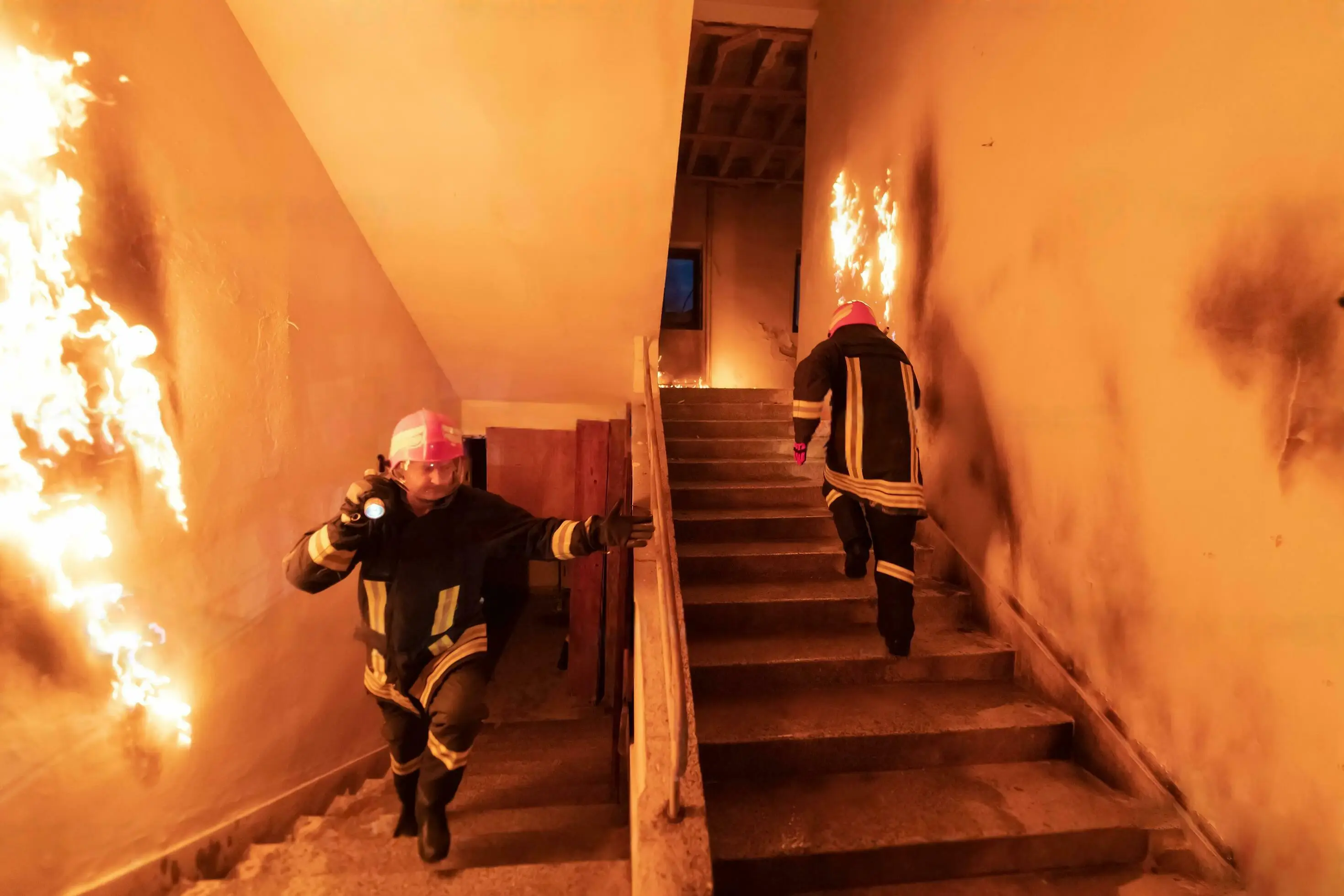
Fire Damage Restoration
Structural damage, soot, debris. We stabilize, clean, and rebuild what fire destroyed.
Learn more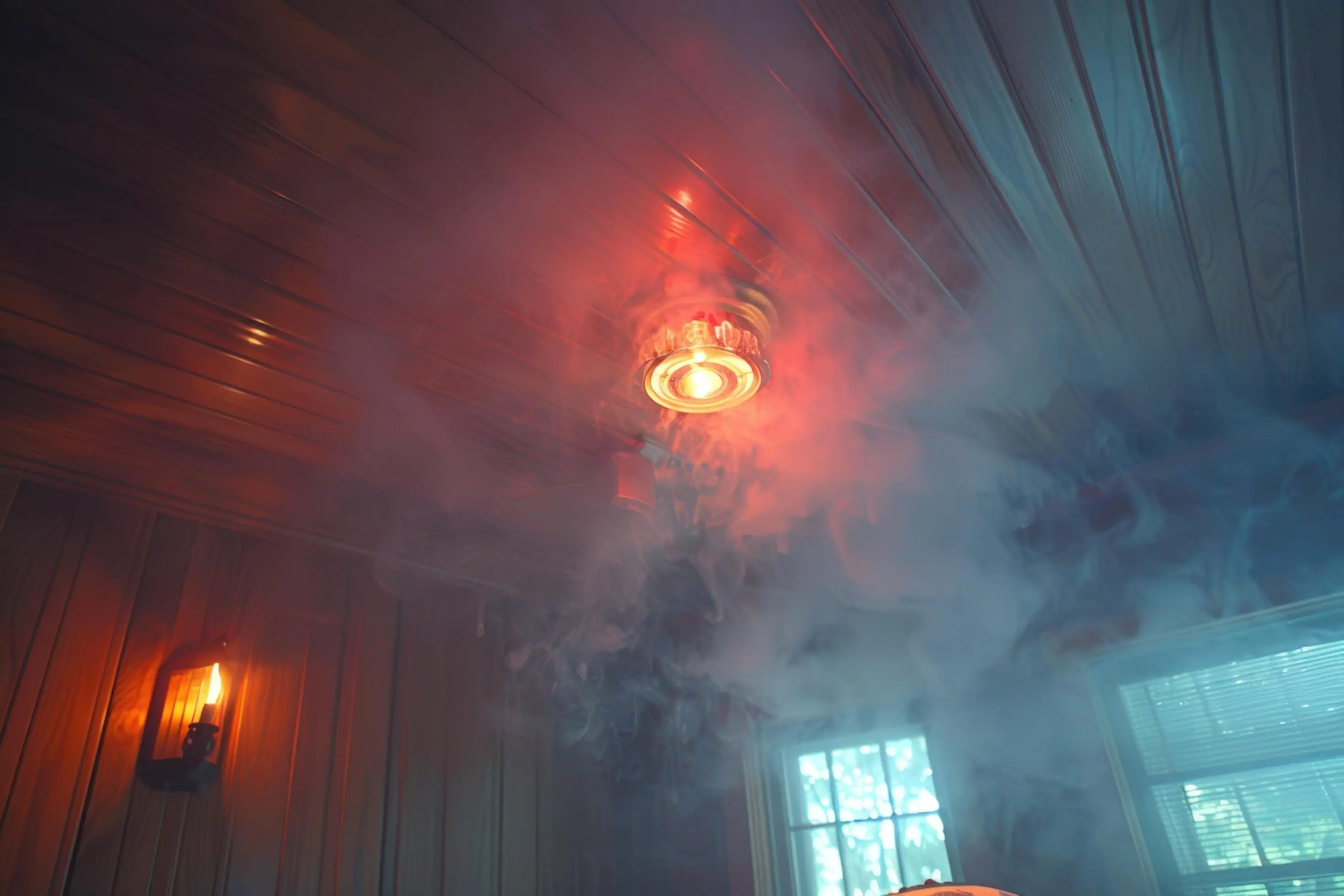
Smoke Damage Restoration
Soot residue, chemical odors, HVAC contamination. We decontaminate surfaces, eliminate odors, and restore air quality.
Learn more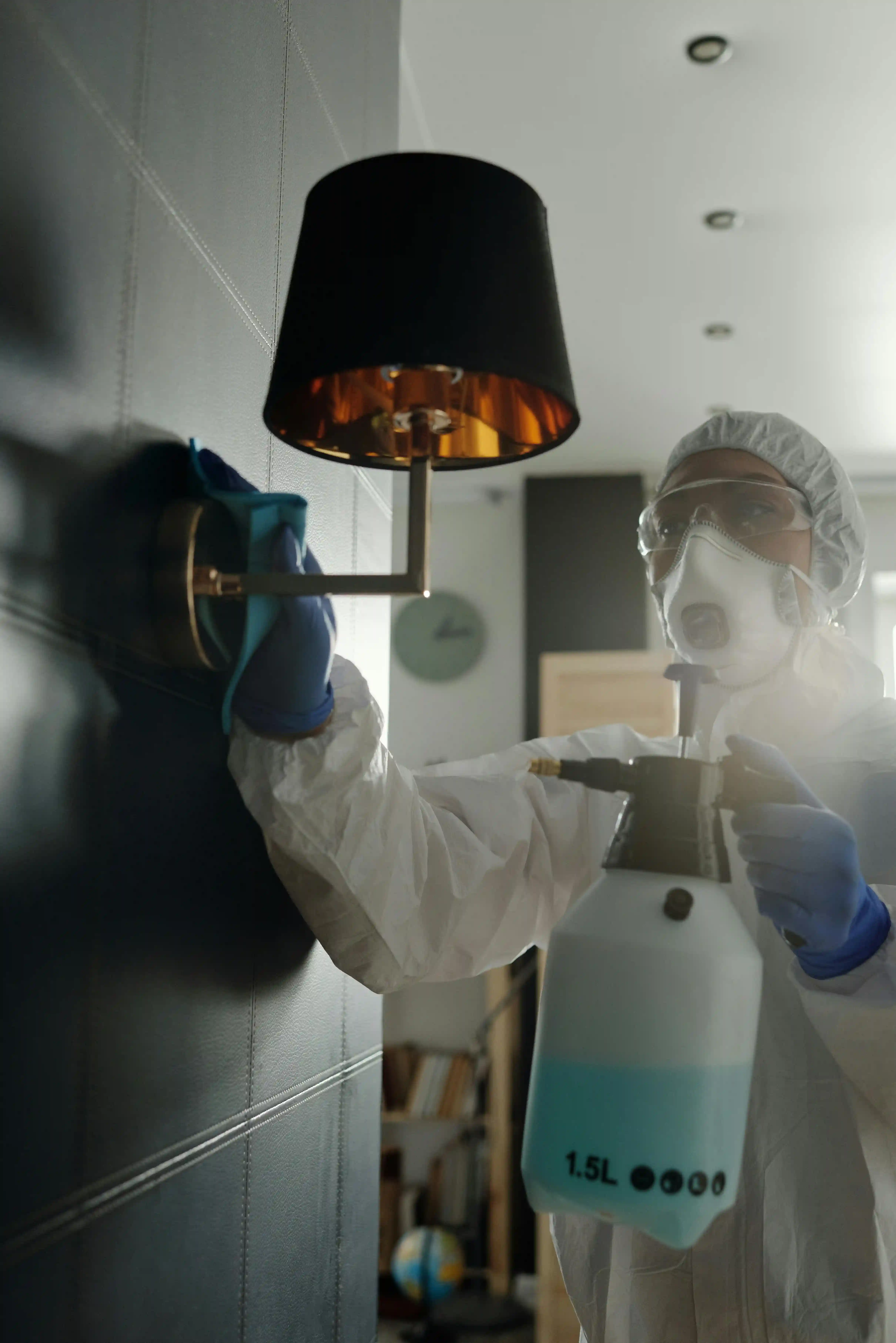
Mold Remediation
Testing, containment, removal, prevention. We find the source, eliminate the growth, and stop it from returning.
Learn more
Sewage Cleanup
Sewer backups, contaminated water, biohazard. We extract, sanitize, and restore safely.
Learn moreNearby Service Areas
Also serving nearby: