

Water Damage Restoration in Katy, TX
Standing water rapidly degrades slab foundations and sparks mold colonization in Katy's humid subtropical climate. Our certified local team mobilizes within 60 minutes.
What Happens When You Call
A dedicated emergency dispatcher evaluates your water loss severity and coordinates the nearest mobile response unit in Katy.
Certified restoration technicians arrive equipped with commercial truck-mounted extractors, desiccant dryers, and infrared cameras.
Crews perform non-invasive moisture mapping across all affected slab floors, wall cavities, and framing assemblies.
Industrial extraction removes standing water, while Low Grain Refrigerant dehumidifiers and centrifugal air movers stabilize the interior climate.
When plumbing lines burst or heavy stormwater inundates your foundation, immediate professional intervention prevents progressive drywall rot and subfloor delamination. X Response dispatches certified water damage specialists within minutes of your call, positioning high-capacity commercial extractors and structural drying equipment on site in Katy within the hour. From thermal moisture mapping to final insurance carrier documentation, our dedicated team manages every phase of structural restoration. Call now. Your team is standing by.
Why Katy Homes Are Vulnerable to Water Damage
Katy is a thriving suburban community spanning approximately 25,000 municipal residents and more than 350,000 residents across the surrounding Greater Katy area, situated across the tri-county intersection of Harris, Fort Bend, and Waller counties. The region rests on flat, low-gradient terrain of the Katy Prairie, drained by slow-moving natural waterways including the Willow Fork of Buffalo Bayou, Cane Island Branch, Mason Creek, and South Mayde Creek. As rapid suburban growth has converted historical prairie grasslands into dense master-planned subdivisions such as Cinco Ranch, Cane Island, Firethorne, and Elyson, millions of square feet of impervious rooflines and concrete pavements route immense volumes of surface runoff into regional flood control channels. Because topographical relief is minimal, intense convective storms and tropical depressions rapidly fill local bayous, creating backwater conditions that push storm runoff into ground-level living areas.
During Hurricane Harvey in August 2017, the Barker Reservoir reached an all-time record pool elevation of 101.5 feet, impounding torrential runoff from the Katy Prairie and inundating thousands of homes in upstream master-planned subdivisions across Katy. Subdivisions located along the western fringe of the reservoir basin experienced extended standing water as runoff accumulated faster than the U.S. Army Corps of Engineers could release water through downstream control gates. Similar challenges emerged during the April 2016 Tax Day floods and the 2015 Memorial Day storms, demonstrating the vulnerability of low-lying neighborhoods during catastrophic rain events. Even during non-tropical thunderstorms, heavy localized precipitation routinely challenges roadside drainage ditches and neighborhood retention ponds, leading to sudden perimeter moisture intrusion around ground-level residential slabs.
Barker and Addicks Reservoir Upstream Inundation
Properties located in southern and eastern Katy lie within or adjacent to the upstream impoundment zones of the Barker and Addicks reservoirs. When major storm systems stall over the Katy Prairie, water backing up behind the earthen dams submerges streets and rises into homes located beyond designated government flowage easements, requiring multi-stage water extraction and specialized structural drying.
Willow Fork and Cane Island Branch Overflow
The Willow Fork of Buffalo Bayou and Cane Island Branch serve as primary drainage arteries for central and southern Katy subdivisions. During high-intensity downpours, these channels reach bankfull stages rapidly. Downstream resistance slows gravity drainage, causing floodwaters to overflow engineered channel banks and spread across master-planned residential tracts.
Expansive Katy Prairie Beaumont Clay Soils
The Katy region is underlain by heavy, dense Beaumont Formation clay soils characterized by high plasticity and a severe shrink-swell cycle. During torrential storms, these cohesive clays saturate quickly and reject further percolation, creating extensive surface ponding. The saturated clay expands against foundation beams, exerting hydrostatic pressure that forces moisture upward through expansion joints, plumbing penetrations, and perimeter brick weep holes.
Slab-on-Grade Foundation Moisture Dynamics
Nearly all residential construction in Katy utilizes concrete slab-on-grade foundations. When rising floodwaters or domestic supply line ruptures introduce moisture onto the concrete, water cannot drain into a subfloor void. Moisture wicks horizontally underneath luxury vinyl plank, hardwood, and tile underlayments while traveling vertically up gypsum drywall at rates exceeding one inch per hour under warm Gulf Coast conditions.
High-Capacity Domestic Plumbing Failures
Large multi-story homes throughout Katy feature complex, high-pressure domestic plumbing configurations, including multi-zone tankless water heaters, attic-mounted PEX manifolds, and automated water filtration systems. A single split fitting or failed second-floor supply line can discharge hundreds of gallons of pressurized clean water through ceilings, down structural wall cavities, and across expansive ground-floor living areas before isolation valves are engaged.
These interrelated geographic, hydrological, and architectural conditions require specialized restoration expertise tailored to Katy properties. Whether resolving catastrophic reservoir-driven flood inundation or pressurized plumbing discharges inside executive homes, our IICRC-certified crews apply scientific psychrometric protocols designed specifically for Southeast Texas structures.
What Happens to Your Home While You Wait
Within 1 Hour
Water spreads across concrete slab surfaces, saturating carpets, laminate underlayments, and baseboard trims. Moisture wicks into drywall base edges, softening gypsum cores and initiating adhesive breakdown under floor coverings.
1–24 Hours
Drywall absorbs moisture up to twelve inches above the finished floor line. Baseboards warp, structural wood studs absorb dampness, and elevated indoor relative humidity creates a heavy, musty environment as micro-organisms prepare to colonize.
24–48 Hours
Active fungal spore germination initiates across damp paper-faced drywall, carpet backing, and baseboard adhesives. Hardwood planks cup and buckle from moisture trapped against the slab, and door frames bind due to swelling.
48–72 Hours
Visible microbial growth colonizes porous building materials. Mold spreads through concealed wall cavities and penetrates air return plenums, escalating the water loss into a hazardous bio-contaminant category.
One Week and Beyond
Severe structural deterioration occurs as sub-slab adhesives delaminate, drywall disintegrates, and wood framing members experience fungal decay. Structural repair requires extensive selective demolition and antimicrobial decontamination.
Rapid emergency extraction halts structural degradation. Contact X Response immediately for 24/7 emergency water damage restoration in Katy.
How We Restore Water-Damaged Katy Homes
Our restoration methodology strictly follows IICRC S500 standards, utilizing commercial extraction equipment and precision thermal diagnostics to ensure complete structural restoration.
Comprehensive Moisture Mapping and Diagnostic Assessment
Certified technicians survey the property using non-destructive radio-frequency moisture meters, penetrating pin probes, and high-resolution thermal imaging cameras. We map all hidden moisture migration paths behind baseboards, beneath custom flooring, and within insulated wall cavities while classifying the water contamination category.
High-Volume Industrial Water Extraction
We deploy powerful truck-mounted extraction plants and commercial submersible pumps to rapidly remove standing floodwater. Specialized weighted extraction heads pull deeply trapped water from carpet pads and porous sub-bases, drastically shortening the overall structural drying schedule.
Controlled Demolition and Antimicrobial Sanitization
Non-salvageable, contaminated porous materials such as saturated insulation, compromised drywall, and damaged tack strips are cleanly removed. Structural wood framing and concrete foundation slabs are treated with EPA-registered botanical antimicrobials to eliminate fungal spores and bacterial colonies.
Scientific Dehumidification and Psychrometric Drying
We position commercial Low Grain Refrigerant (LGR) dehumidifiers and high-velocity centrifugal air movers in engineered configurations. This controlled airflow system pulls moisture from deep inside structural framing studs and concrete foundations despite high external ambient humidity.
Daily Monitoring and Insurance Documentation
Technicians conduct daily site visits to record psychrometric readings, including temperature, relative humidity, and grains per pound (GPP). We compile complete digital drying logs and photographic records for seamless processing with your insurance adjuster.
The X Response Difference
Protect your property with certified, professional restoration backed by scientific moisture tracking and transparent documentation.
Insurance Claim Guidance for Katy Homeowners
Navigating Texas homeowner and commercial property insurance claims requires accurate forensic documentation of the water source, loss timeline, and structural scope. Standard property policies generally cover sudden and accidental internal discharge, such as burst supply lines or failed water heater tanks, while overland storm inundation from overflowing creeks or reservoir pools requires coverage through the National Flood Insurance Program (NFIP) or private flood policies. Our restoration team provides thorough forensic evidence to streamline claim approval.
How X Response Helps
- Comprehensive digital photography and infrared thermal mapping documenting all affected structural components
- Detailed daily psychrometric drying logs validating equipment placement and drying progress
- Line-item restoration estimates prepared using industry-standard Xactimate pricing databases
- Clear forensic categorization distinguishing between clean supply leaks (Category 1) and contaminated flood events (Category 3)
- Direct coordination with insurance adjusters to facilitate timely site inspections and claim approval
X Response provides independent emergency damage assessment and structural restoration services. Coverage determinations and final claim settlements remain the exclusive responsibility of your insurance carrier.
Certified Restoration Specialists Serving Katy
Our Katy water restoration specialists possess deep technical expertise in managing the unique moisture dynamics of the Katy Prairie across Harris, Fort Bend, and Waller counties. Trained in the behavior of slab-on-grade construction, expansive clay soil hydrology, and subtropical psychrometrics, our technicians understand how Gulf Coast humidity complicates the structural drying process. We maintain rapid response readiness around the clock, positioning advanced extraction and drying equipment throughout the West Houston corridor to ensure prompt arrival in Katy.
Every crew member holds active certifications from the Institute of Inspection, Cleaning and Restoration Certification (IICRC) in Water Damage Restoration (WRT) and Applied Structural Drying (ASD). We utilize calibrated diagnostic instruments, including non-destructive thermal imagers, digital psychrometers, and dual-depth pin meters, ensuring every restoration project achieves verified dry standards without guesswork.
In Katy, X Response works with First Response Restoration, an independent local restoration partner serving Harris County.
Water Damage Restoration FAQ for Katy Homeowners
Other Emergency Services in Katy

Fire Damage Restoration
Structural damage, soot, debris. We stabilize, clean, and rebuild what fire destroyed.
Learn more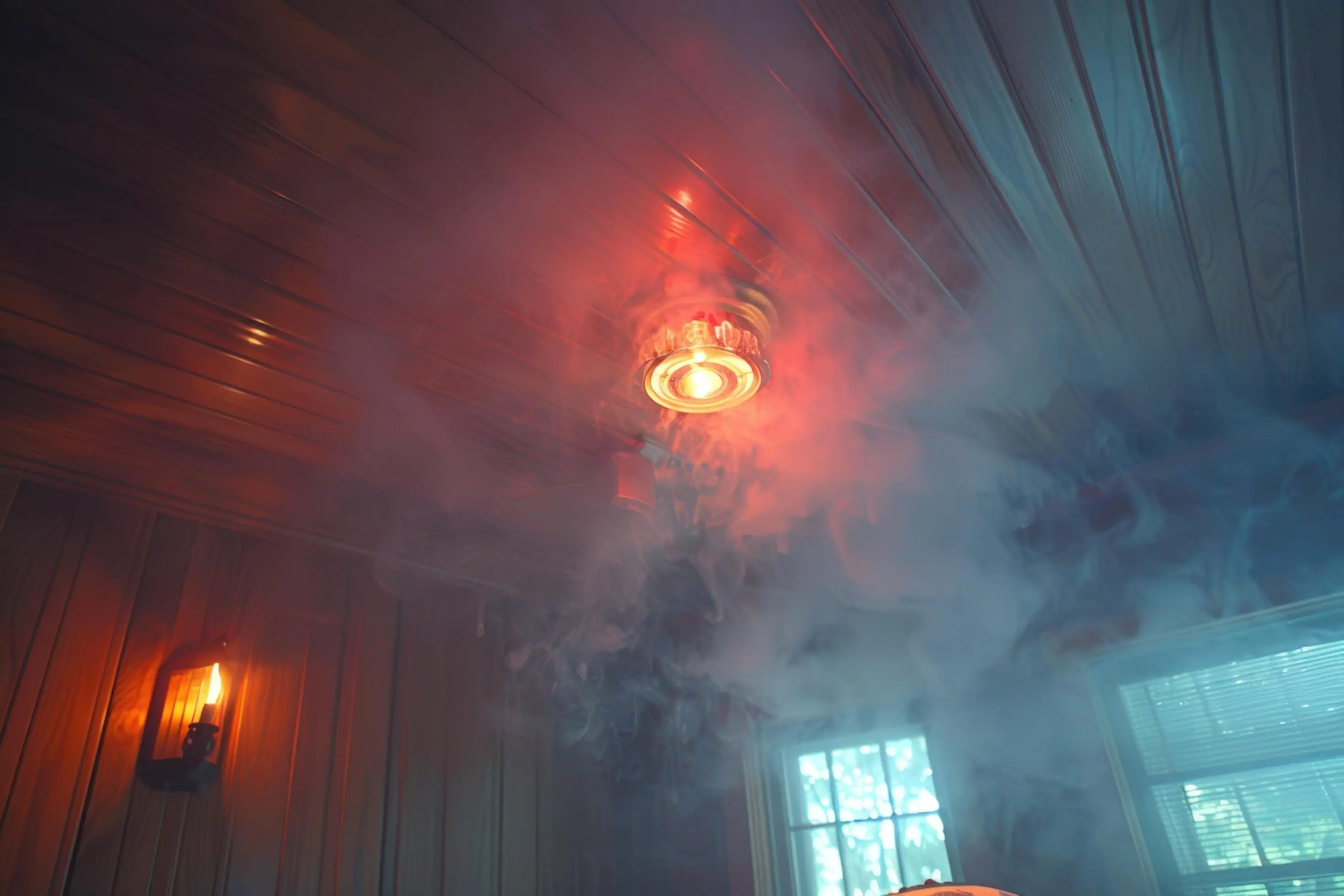
Smoke Damage Restoration
Soot residue, chemical odors, HVAC contamination. We decontaminate surfaces, eliminate odors, and restore air quality.
Learn more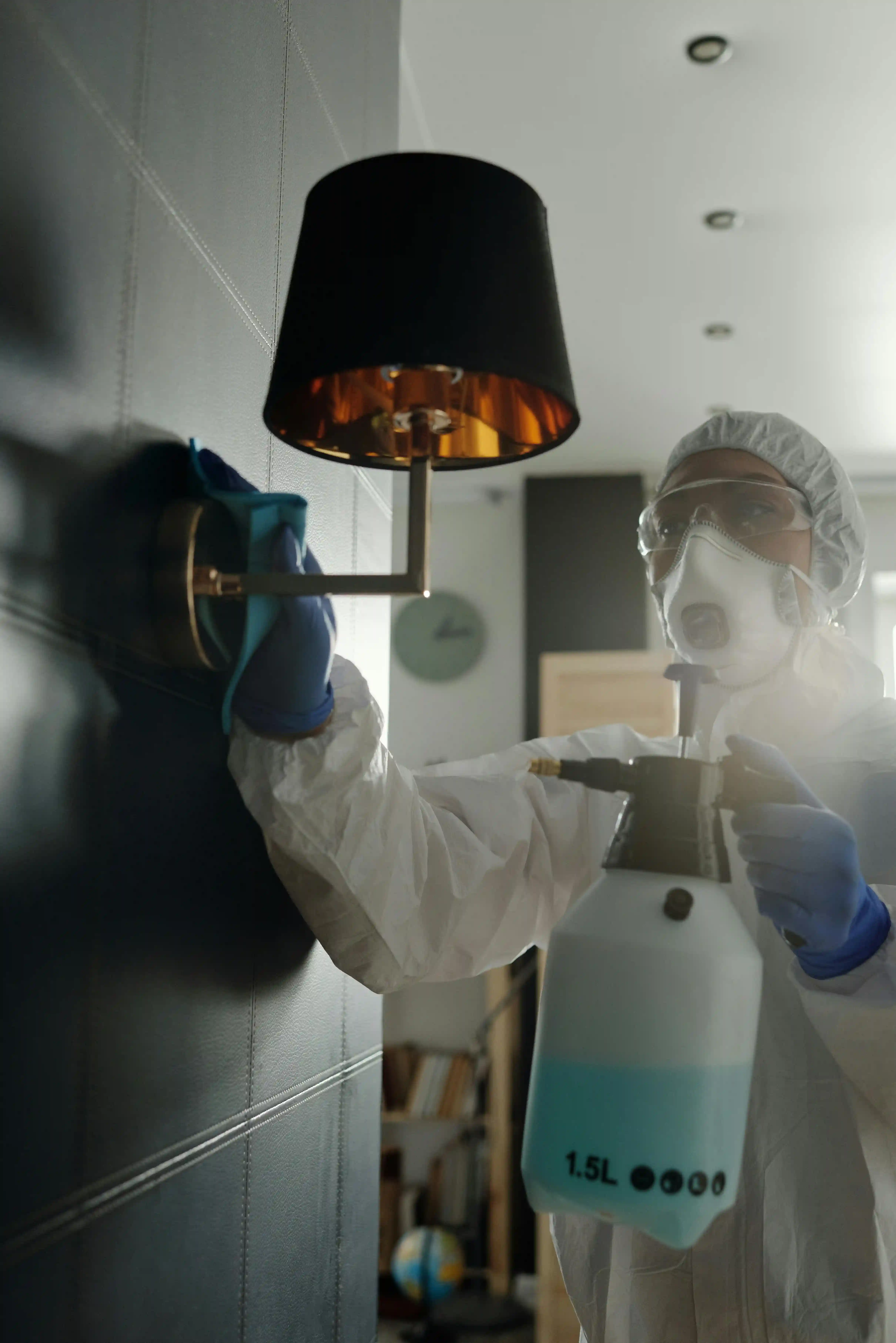
Mold Remediation
Testing, containment, removal, prevention. We find the source, eliminate the growth, and stop it from returning.
Learn more
Sewage Cleanup
Sewer backups, contaminated water, biohazard. We extract, sanitize, and restore safely.
Learn moreNearby Service Areas
Also serving nearby: