
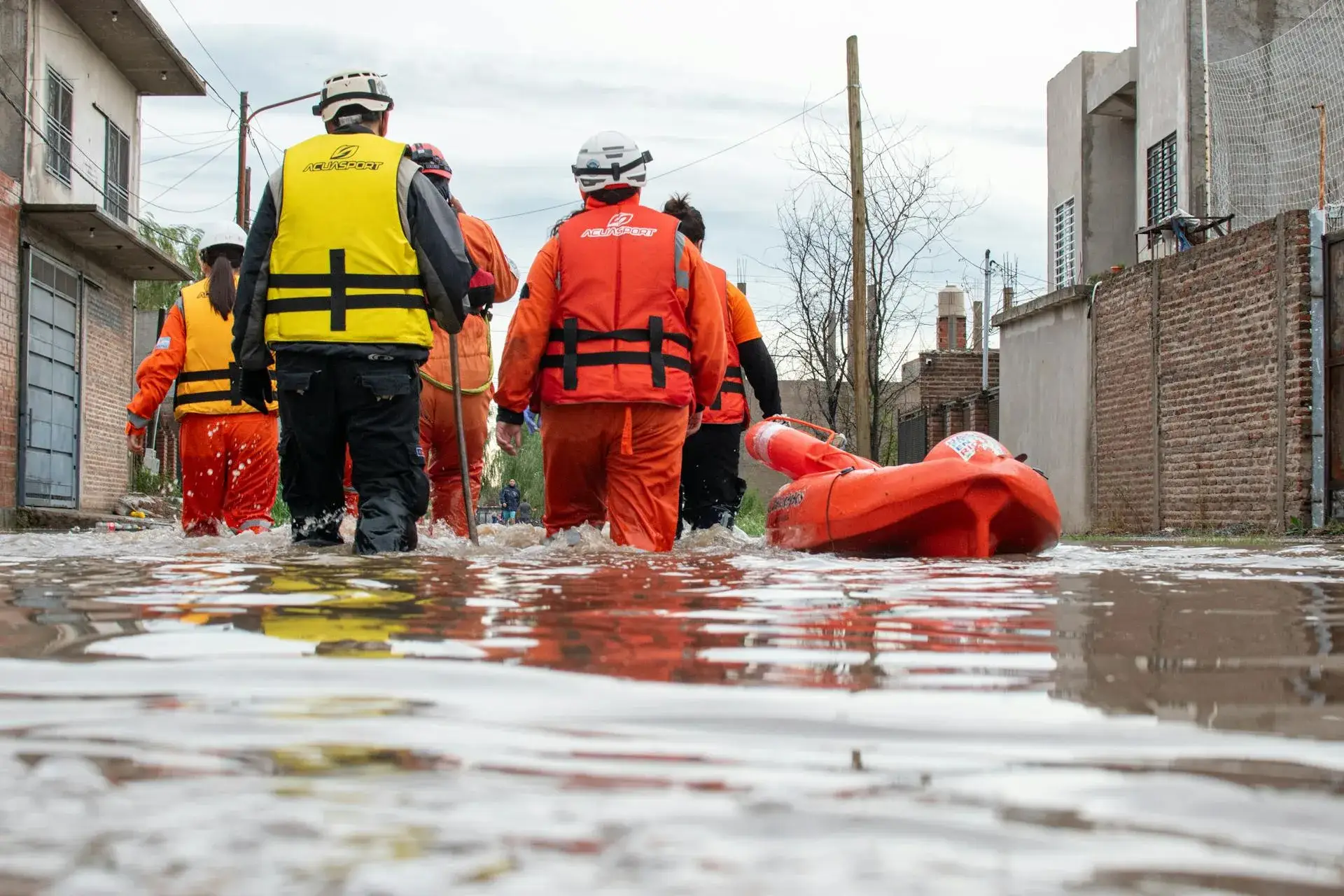
Water Damage Restoration in College Station, TX
Creek surges, flash flooding, and burst domestic supply lines cause rapid structural damage and mold in College Station. Our certified team responds 24/7 within 60 minutes.
What Happens When You Call
An emergency response dispatcher evaluates your water loss scenario and deploys the nearest Brazos County restoration unit.
Technicians arrive in College Station with commercial truck-mounted extractors, desiccant drying units, and infrared moisture cameras.
Crews identify hidden moisture pathways across concrete slab foundations, isolate affected areas, and extract standing water.
Commercial LGR dehumidifiers and high-velocity air movers are installed to stabilize indoor humidity and initiate controlled structural drying.
Water spreading through a property demands immediate intervention before drywall wicks moisture upward, floor coverings delaminate, and mold spores activate. X Response mobilizes certified restoration technicians within minutes of your call, arriving on site in College Station within the hour. From thermal moisture mapping to industrial extraction and complete structural stabilization, our local team coordinates every stage. Call now. Your team is standing by.
Why College Station Homes Are Vulnerable to Water Damage
College Station is a thriving university community in the Brazos Valley region of East-Central Texas, located approximately 83 miles northwest of Houston and 87 miles east-northeast of Austin. According to the 2020 United States Census, College Station had a population of 120,511 residents across 51.30 square miles in Brazos County. Together with neighboring Bryan, the metropolitan area forms the core of the Brazos Valley. Home to Texas A&M University, the city encompasses a high density of multi-story student housing complexes, traditional single-family subdivisions such as Southwood Valley and Pebble Creek, and high-traffic commercial corridors along Texas Avenue and University Drive.
The municipal landscape sits in the transition between the Post Oak Savannah and Blackland Prairie, drained by a network of urban waterways including Carters Creek, Wolf Pen Creek, Bee Creek, and Burton Creek. These creeks feed into the Navasota and Brazos river basins. Intense convective thunderstorms frequently trigger rapid overland flash flooding, overwhelming local drainage basins and inundating low-lying properties near Wolf Pen Creek Park and along major roadway culverts. Because most residential and commercial structures in College Station are built on slab-on-grade concrete over highly expansive clay soils, moisture from severe rainstorms or pressurized plumbing line failures wicks rapidly into baseboards and drywall, creating an urgent need for technical water extraction.
Urban Creek Flash Flooding and Drainage Basin Surges
College Station's primary drainage routes, including Wolf Pen Creek, Carters Creek, and Bee Creek, experience rapid water level rises during intense East-Central Texas storms. When torrential rains exceed local channel capacity, surface runoff spills into surrounding residential neighborhoods and multi-family parking structures, inundating ground-level apartments and single-family slab foundations.
Expansive Brazos Valley Clay and Foundation Shifting
The local soil profile contains highly reactive vertisol clays that swell during wet periods and shrink during dry spells. This constant sub-base movement places differential stress on concrete slab-on-grade foundations, cracking sub-slab plumbing lines and allowing pressurized water or ground seepage to penetrate living areas from below.
High Subtropical Humidity and Rapid Moisture Wicking
With a humid subtropical climate (Köppen Cfa) where summer relative humidity routinely runs high, moisture from internal plumbing ruptures or exterior stormwater ingress does not evaporate naturally. Porous building materials, including drywall, wood framing studs, and carpet padding, absorb water rapidly through capillary action.
Multi-Family Student Housing Plumbing Demands
High-density student housing developments near the Texas A&M campus feature complex, multi-story plumbing networks. Ruptured supply lines, failed water heaters in upper-story utility closets, or overflowing fixtures can send hundreds of gallons cascading through multiple tenant units and ceiling assemblies before water supplies can be shut down.
Slab-on-Grade Moisture Trapping Beneath Flooring
Most College Station homes lack basements or ventilated crawl spaces, meaning intruding water spreads directly across horizontal concrete slabs. When moisture gets trapped beneath laminate, engineered hardwood, or vinyl plank flooring, it creates an unventilated microenvironment that quickly deteriorates adhesives and rots wood framing.
Water intrusion in College Station requires a swift, technically sound restoration process designed for local foundation structures and humid climate conditions. Our certified crews combine commercial-grade extraction with psychrometric drying to protect properties throughout Brazos County from secondary degradation.
What Happens to Your Home While You Wait
Within 1 Hour
Standing water saturates carpets, underlayment, and drywall base plates across concrete slabs. Baseboards begin swelling, and moisture travels horizontally along framing channels.
1–24 Hours
Drywall absorbs moisture vertically up to twelve inches. Structural wood studs swell, metal fasteners begin surface oxidation, and indoor humidity escalates, producing noticeable musty odors.
24–48 Hours
Microbial spores germinate on damp cellulose surfaces, such as drywall backing, wood subfloors, and cabinet bases. Trapped sub-slab moisture causes composite flooring to warp and buckle.
48–72 Hours
Visible mold colonies develop across damp surfaces. Airborne fungal spores migrate into HVAC ductwork and wall cavities, requiring containment barriers and antimicrobial sanitization.
One Week and Beyond
Severe structural weakening occurs as gypsum cores dissolve, structural framing suffers fungal rot, and secondary moisture damages adjacent rooms. Extensive demolition of drywall and flooring is required.
Early mitigation stops the progression of structural damage. Contact X Response immediately for 24/7 water restoration in College Station.
How We Restore Water-Damaged College Station Homes
Our restoration methodology adheres strictly to IICRC S500 professional standards, combining scientific moisture detection with high-capacity extraction and drying equipment.
Comprehensive Moisture Mapping and Assessment
Certified technicians perform a full inspection using infrared thermal imaging and non-destructive moisture meters to chart moisture migration through concrete slabs, wall cavities, and ceiling assemblies.
Industrial Water Extraction
Using heavy-duty truck-mounted extraction units and weighted sub-surface extractors, we remove standing water and deep moisture from floor coverings and slab surfaces, accelerating the drying timeline.
Targeted Removal of Contaminated Materials
Non-salvageable materials such as water-soaked insulation and contaminated drywall are removed under controlled conditions. Structural framing and slabs are treated with EPA-registered antimicrobial agents.
Scientific Dehumidification and Structural Drying
We configure industrial Low Grain Refrigerant (LGR) dehumidifiers and high-velocity air movers in psychrometrically balanced layouts to draw trapped moisture out of dense framing and concrete.
Daily Moisture Monitoring and Final Clearance
Technicians track temperature, relative humidity, and grains per pound daily until all structural materials reach verified dry standards, providing comprehensive digital logs for your insurance claim.
The X Response Difference
Choose dependable, professional restoration backed by certified technicians and rigorous documentation.
Insurance Claim Guidance for College Station Homeowners
Navigating Texas property insurance claims requires thorough documentation of the water source, loss timeline, and structural impact. Standard homeowners policies generally cover sudden and accidental discharge from internal plumbing fixtures, while overland flood damage from overflowing creeks or severe rainstorms requires separate flood insurance through the National Flood Insurance Program (NFIP) or private underwriters. Our team provides detailed forensic evidence to support your claim.
How X Response Helps
- Comprehensive photographic and thermal imaging logs of all affected structural components
- Daily digital psychrometric records documenting ambient temperature, humidity, and material drying curves
- Detailed line-item scopes prepared using industry-standard Xactimate software
- Clear categorization of water losses from clean plumbing leaks to Category 2 and Category 3 flood contamination
- Direct communication with insurance adjusters to expedite inspections and claim approvals under the Texas Prompt Payment of Claims Act
X Response delivers independent damage assessment and structural restoration services. Final coverage determinations and claim payments remain the exclusive authority of your insurance carrier.
Certified Restoration Specialists Serving College Station
Our College Station water restoration specialists possess in-depth knowledge of Brazos County architecture, soil mechanics, and regional weather patterns. Experienced in addressing the challenges of slab-on-grade foundations, expansive clay soils, and high subtropical humidity, our technicians understand the precise moisture dynamics that affect local residential and student housing properties. We maintain rapid response readiness around the clock, deploying fully equipped service vehicles to ensure fast arrival anywhere in College Station and Bryan.
Every crew member holds active certifications from the Institute of Inspection, Cleaning and Restoration Certification (IICRC) in Water Damage Restoration (WRT) and Applied Structural Drying (ASD). Utilizing professional diagnostic equipment, including dual-depth pin meters, hygrometers, and infrared cameras, our team ensures every restoration project meets strict scientific drying standards.
In College Station, X Response works with First Response Restoration, an independent local restoration partner serving Brazos County.
Water Damage Restoration FAQ for College Station Homeowners
Other Emergency Services in College Station

Fire Damage Restoration
Structural damage, soot, debris. We stabilize, clean, and rebuild what fire destroyed.
Learn more
Smoke Damage Restoration
Soot residue, chemical odors, HVAC contamination. We decontaminate surfaces, eliminate odors, and restore air quality.
Learn more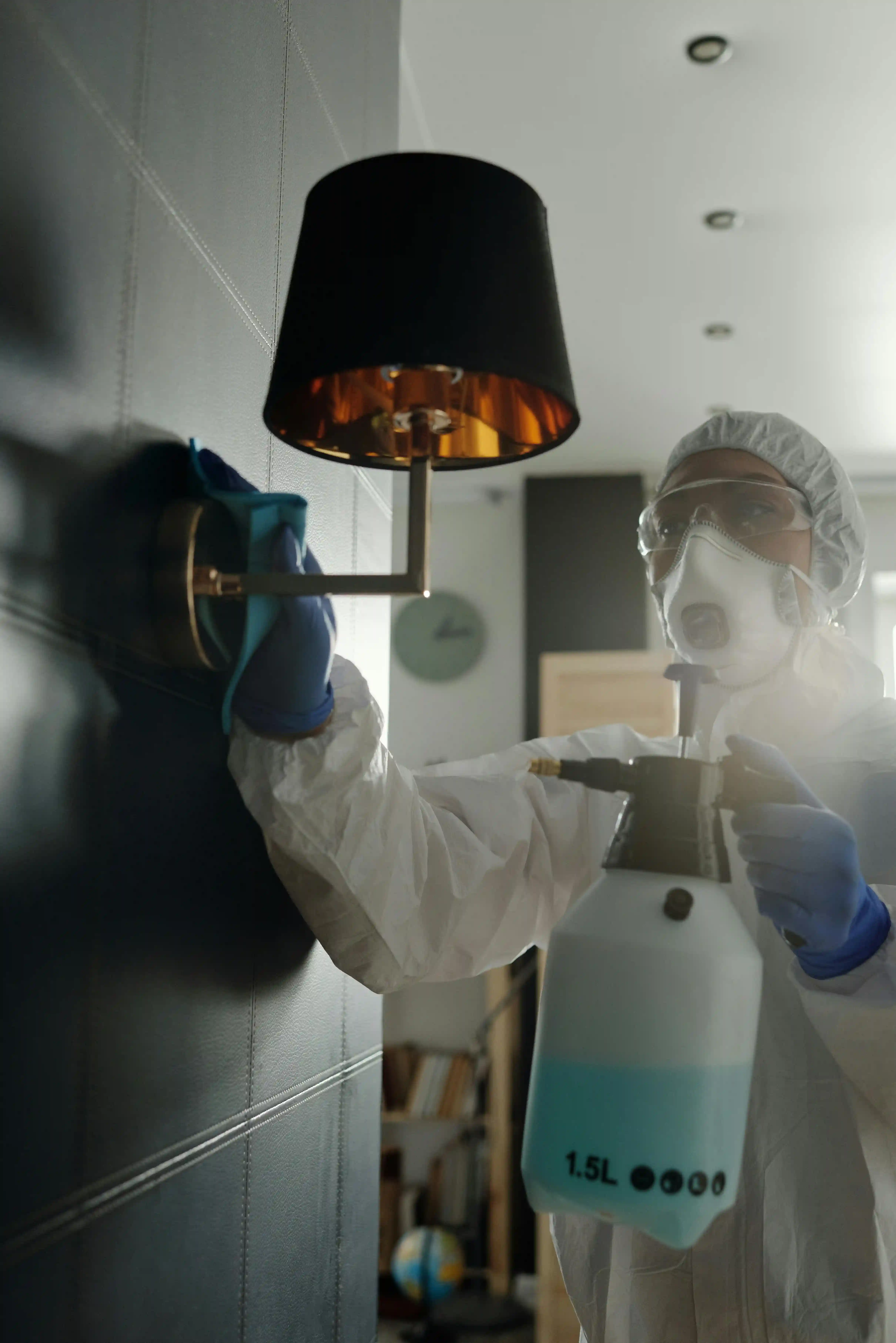
Mold Remediation
Testing, containment, removal, prevention. We find the source, eliminate the growth, and stop it from returning.
Learn more
Sewage Cleanup
Sewer backups, contaminated water, biohazard. We extract, sanitize, and restore safely.
Learn more