
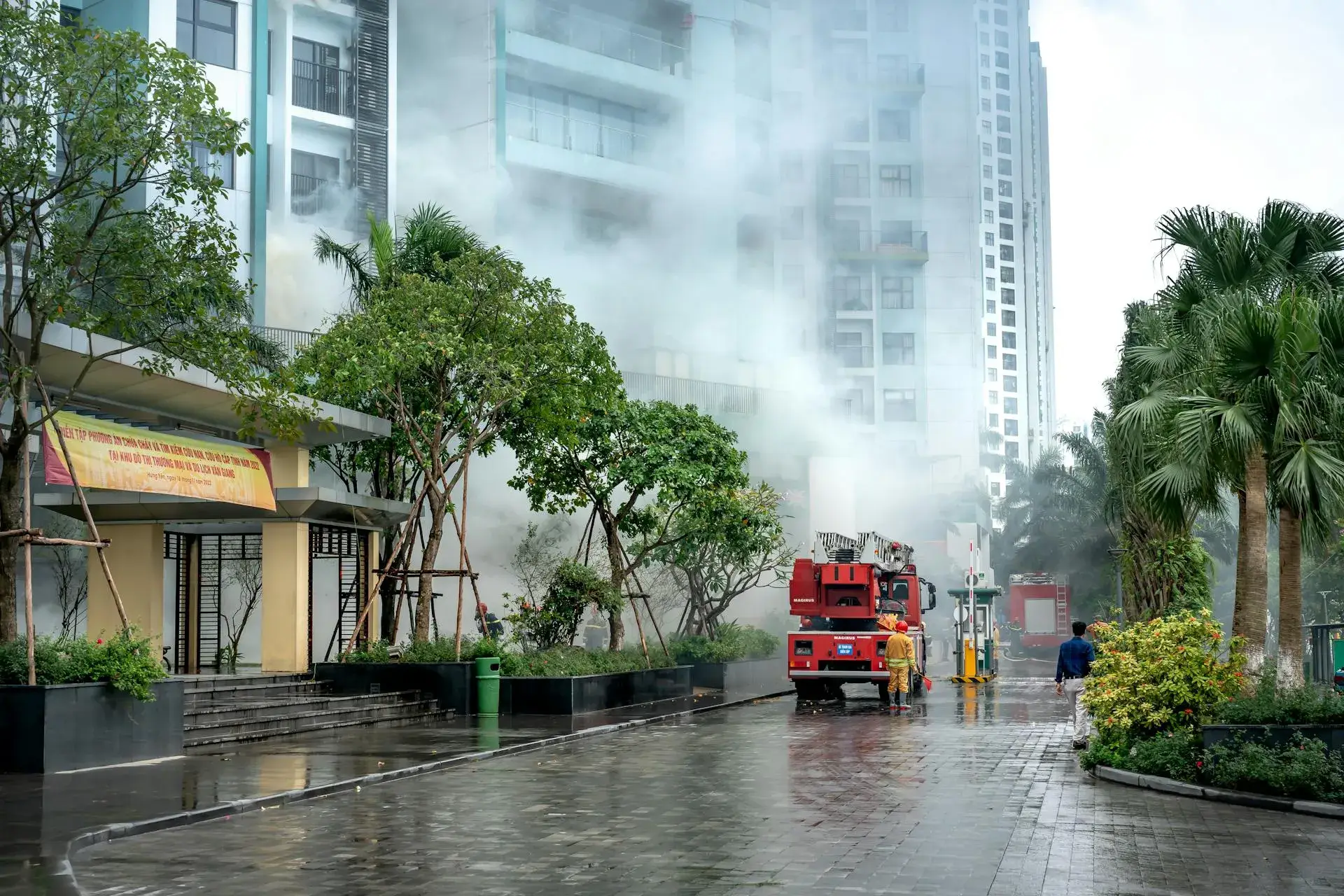
Smoke Damage Restoration in Katy, TX
Airborne soot particles and toxic smoke odors penetrate deep into porous drywall and HVAC systems within hours. Our certified odor control team responds in Katy within 60 minutes.
What Happens When You Call
Emergency intake assesses smoke type, particulate distribution, and dispatches our specialized odor control unit.
Crews establish negative air containment zones utilizing commercial HEPA air filtration systems.
Technicians perform chemical sponge testing to identify soot composition and apply specialized neutralizing cleansers.
Complete HVAC decontamination, thermal fogging, and structural sealant application ensure permanent odor elimination.
Even minor or localized fires generate voluminous clouds of microscopic soot and volatile organic compounds that travel through wall chases, stairwells, and central air conditioning systems. Left untreated, synthetic soot permanently stains painted surfaces and corrodes metal fixtures under Katy's humid climate. X Response mobilizes certified smoke restoration specialists within minutes of your call, deploying industrial air scrubbers and molecular deodorization technology to restore indoor air quality across your Katy property. Call now. Your team is standing by.
Why Katy Homes Are Vulnerable to Smoke Damage
Katy is an established suburban center encompassing high-value residential developments across Harris, Fort Bend, and Waller counties. Neighborhoods such as Cinco Ranch, Elyson, Cane Island, Firethorne, and WoodCreek Reserve are characterized by large-footprint two-story residences with vaulted entryways, cathedral ceilings, and open architectural plans. Because these properties rely on large central air conditioning configurations with multiple return air plenums and complex duct distribution runs, smoke particles from a localized kitchen, electrical, or fireplace mishap are rapidly drawn into forced-air systems and pressurized throughout the entire home within minutes of ignition.
Sprawling multi-story executive homes across master-planned Katy communities feature expansive open-concept layouts and multi-zone HVAC systems that rapidly pull combustion soot and acidic synthetic particulates throughout living areas during structural fire events. In Southeast Texas's warm, humid atmosphere, airborne soot combines with indoor moisture to form caustic acidic residues. Wet smoke from slow-burning, smoldering plastics and foam cushioning leaves sticky, pungent residues on cabinetry and textured ceilings, while dry smoke from fast-burning wood framing penetrates micro-fissures in drywall and porous woodwork. Standard household cleaning products merely smear these oily deposits and drive odors deeper into building materials, necessitating professional chemical restoration and molecular vapor treatments.
Multi-Zone HVAC Ductwork Contamination
Executive residences in Katy commonly feature dual or triple-zone central air systems with flexible ductwork routed through unconditioned attic spaces. When smoke is drawn into return vents, microscopic soot lines the interior walls of ductwork and coats evaporator coils. Every time the system cycles on, it redistributes caustic particulates and strong smoky odors into bedrooms and living spaces.
High Ambient Humidity and Chemical Corrosion
Katy experiences sustained high ambient humidity levels year-round. When synthetic soot containing sulfur and chloride compounds contacts moisture in the air, it forms corrosive acids that aggressively attack polished nickel hardware, brass fixtures, appliances, and delicate electronics within 24 to 48 hours.
Protein and Kitchen Fire Residues
Kitchen grease fires and protein-based combustion events produce nearly invisible, highly pungent yellowish film deposits. These oily residues embed deeply into custom kitchen cabinetry, granite counter seams, and drywall surfaces, requiring specialized enzymatic cleansers to break down before painting or sealing.
Vaulted Ceiling and Two-Story Foyer Soot Drift
High-volume open architectural spaces create natural thermal chimney effects. Hot smoke rises rapidly into two-story foyers, stairwells, and cathedral ceilings, depositing heavy carbon films on high clerestory windows, decorative light fixtures, and ceiling drywall that require specialized scaffolding and staging equipment to decontaminate.
Drywall Porosity and Secondary Odor Trapping
Standard gypsum drywall and blown cellulose attic insulation act like giant sponges for volatile combustion gases. During a fire, thermal pressure forces microscopic odor particles into the porous core of these materials. Without commercial hydroxyl or ozone treatment, these gases slowly off-gas for months whenever indoor temperatures rise.
Effective smoke removal demands scientific understanding of combustion chemistry, airflow dynamics, and specialized surface restoration. Our IICRC-certified technicians restore your indoor air quality and structural finishes safely and thoroughly.
What Happens to Your Home While You Wait
Within Hours
Microscopic soot particles settle on all horizontal surfaces and wall planes. Unprotected fabrics, porous draperies, and unsealed natural stone absorb smoky odors, and polished metals begin losing their luster.
1–24 Hours
Acidic synthetic soot begins chemically etching polished marble, glass mirrors, and appliance finishes. Painted drywall and fiberglass fixtures absorb yellowish discoloration that resists conventional cleaning.
24–48 Hours
Corrosive chemical reactions cause permanent pitting on metal hardware, chrome plumbing fixtures, and electrical components. Porous wood cabinetry finishes soften and absorb dark carbon stains.
48–72 Hours
Soot residues chemically bond with painted walls, vinyl window frames, and composite materials. Permanent staining sets in, requiring aggressive sanding, chemical sealing, and complete surface repainting.
One Week and Beyond
Uncleaned smoke residues cause permanent degradation of structural building materials. Lingering chemical odors permeate deep into structural wood framing, requiring full encapsulation and contents replacement.
Prompt professional mitigation halts chemical etching and odor absorption. Contact X Response immediately for 24/7 smoke damage restoration in Katy.
How We Restore Smoke-Damaged Katy Homes
Our smoke mitigation protocols follow strict IICRC S520 and S500 guidelines, combining advanced chemical surface washing with molecular air purification.
Inspection and Chemical Soot Identification
Certified technicians assess particulate distribution throughout the home, testing surface residues with chemical sponges to differentiate between wet smoke, dry smoke, protein films, and fuel oil soot, determining the exact chemical neutralization protocol required.
Negative Air Containment and HEPA Air Scrubbing
We isolate affected rooms with plastic containment barriers and deploy commercial-grade HEPA air filtration units. These high-volume machines continuously pull air through three-stage carbon and HEPA filters, capturing 99.97% of airborne soot particles down to 0.3 microns.
Precision Chemical Surface Decontamination
Using specialized vulcanized rubber chem-sponges, enzymatic degreasers, and pH-balanced soot-removing detergents, we meticulously clean walls, ceilings, baseboards, and millwork without smearing carbon into porous surfaces.
Complete HVAC System and Ductwork Sanitization
Technicians clean and sanitize all supply and return ducts, air handler plenums, blower fans, and evaporator coils using specialized rotary brushes and EPA-registered antimicrobials, preventing recirculating soot contamination.
Molecular Odor Neutralization and Encapsulation
We utilize industrial hydroxyl generators and thermal foggers to penetrate porous framing and neutralize volatile organic compounds at the molecular level, applying odor-barrier shellac sealers to structural framing before final painting.
The X Response Difference
Restore your home's air quality and structural finishes with certified smoke damage specialists who guarantee complete odor elimination.
Insurance Claim Guidance for Katy Homeowners
Navigating smoke damage claims under Texas homeowner insurance policies requires thorough documentation of hidden soot migration, HVAC duct contamination, and contents deodorization. Standard property policies provide coverage for structural cleaning, duct sanitization, and specialized deodorization following a fire or heavy smoke loss. Our experienced team works directly with your insurance adjuster to establish an accurate, comprehensive Xactimate scope.
How X Response Helps
- Comprehensive photographic documentation and chemical soot wipe test samples validating smoke migration
- Itemized restoration scopes prepared using standardized Xactimate pricing recognized by all major insurers
- Detailed documentation of HVAC system contamination and necessary mechanical cleaning protocols
- Comprehensive itemization of salvageable versus non-salvageable personal property and structural components
- Direct coordination with insurance adjusters during on-site evaluations to facilitate seamless claim authorization
X Response delivers independent damage assessment and structural restoration services. Final coverage determinations and claim payments remain the exclusive authority of your insurance carrier.
Certified Restoration Specialists Serving Katy
Our Katy smoke and odor restoration team brings decades of combined field experience in applied structural decontamination and advanced indoor air purification throughout Harris, Fort Bend, and Waller counties. Trained in the behavior of synthetic soot, protein residues, and multi-zone HVAC mechanics, our technicians understand how Gulf Coast humidity complicates the deodorization process.
Each technician holds active certifications from the IICRC in Fire and Smoke Restoration (FST) and Odor Control (OCT). Working alongside local insurance adjusters and property managers, our crews utilize medical-grade air scrubbers and molecular neutralizing agents to restore indoor air safety.
In Katy, X Response works with First Response Restoration, an independent local restoration partner serving Harris County.
Smoke Damage Restoration FAQ for Katy Homeowners
Other Emergency Services in Katy

Water Damage Restoration
Burst pipes, storm flooding, standing water. We extract, dry, and restore before mold sets in.
Learn more
Fire Damage Restoration
Structural damage, soot, debris. We stabilize, clean, and rebuild what fire destroyed.
Learn more
Mold Remediation
Testing, containment, removal, prevention. We find the source, eliminate the growth, and stop it from returning.
Learn more
Sewage Cleanup
Sewer backups, contaminated water, biohazard. We extract, sanitize, and restore safely.
Learn moreNearby Service Areas
Also serving nearby: