
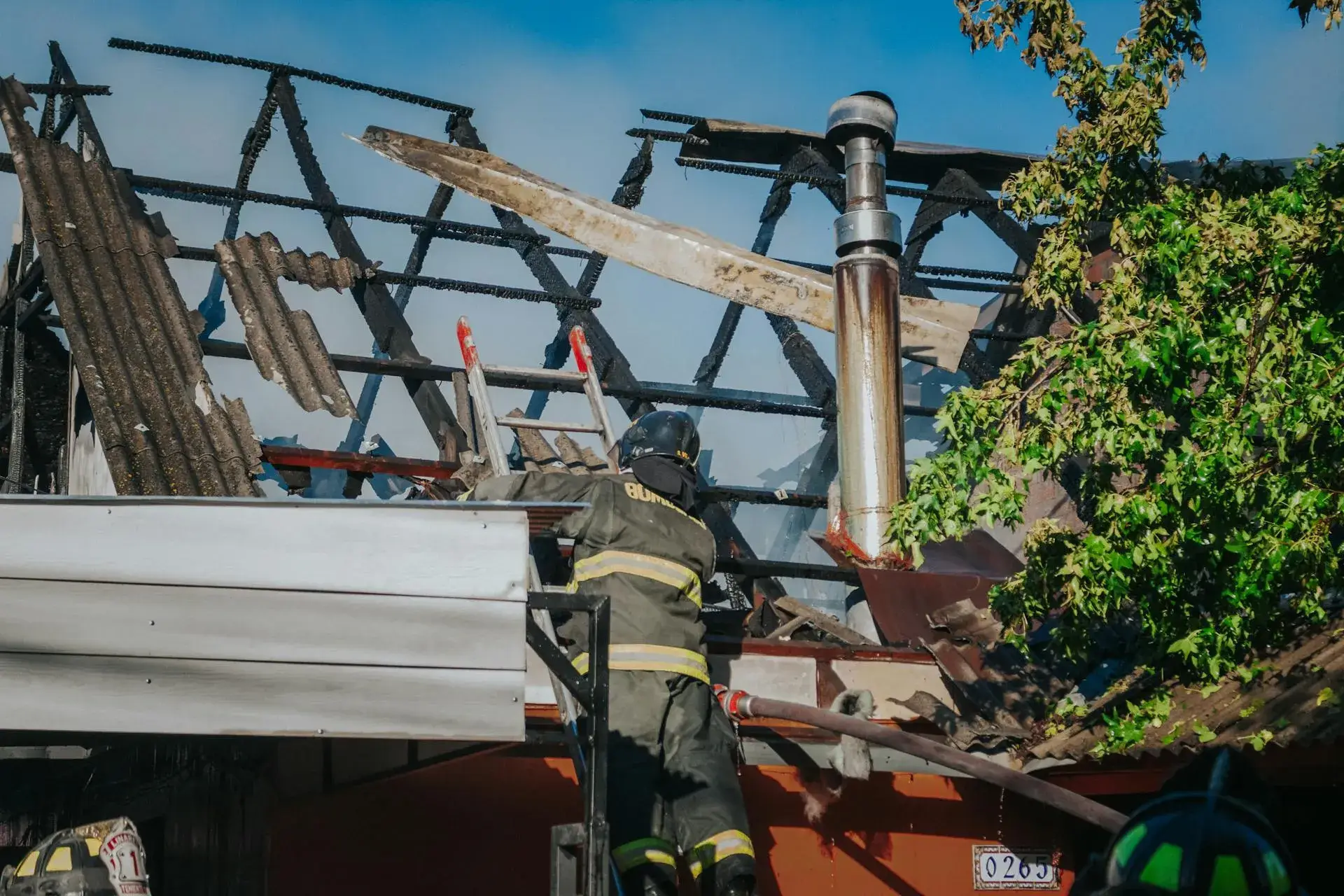
Fire Damage Restoration in Fort Myers Beach, FL
Fire and smoke damage worsen with every hour of exposure to Fort Myers Beach's salt air, humidity, and subtropical heat. Our local team responds to Estero Island emergencies within 60 minutes to stabilize, document, and begin restoration.
What Happens When You Call
A real person answers, not a call center. We assess your situation, coordinate emergency board-up if needed, and dispatch your restoration team immediately.
Your dedicated team is dispatched from our local base serving Fort Myers Beach and Lee County's barrier islands.
Team arrives with structural stabilization equipment, soot extraction tools, and thermal imaging to assess hidden damage within walls and electrical systems.
Structure secured, damage documented, and restoration plan outlined. You know exactly what comes next and what your insurance options are.
After a fire on Fort Myers Beach, the damage does not stop when the flames go out. Soot settles into surfaces, smoke residue penetrates porous materials, and the island's salt-laden humid air accelerates corrosion and secondary damage at a pace mainland properties never experience. You need a team that arrives fast and manages everything from emergency stabilization through final rebuild. X Response is that team. One call, one dedicated crew, one standard of work from first response to completion. Call now. Your team is standing by.
Why Fort Myers Beach Homes Are Vulnerable to Fire Damage
Fort Myers Beach occupies Estero Island, a narrow barrier island of roughly 5,500 permanent residents in Lee County, connected to the mainland by the Matanzas Pass Bridge at its northern end. The town's fire risk has fundamentally changed since Hurricane Ian struck on September 28, 2022. Before Ian, fire incidents on the island followed the typical coastal pattern: kitchen fires in vacation rentals, lightning strikes during summer thunderstorms, and the occasional electrical failure in aging commercial buildings along Estero Boulevard. After Ian destroyed or severely damaged 97 percent of structures, the island entered a years-long reconstruction period that introduced a category of fire risk it had never experienced at scale: fires caused by saltwater-compromised electrical systems being re-energized during renovation. In April 2023, the Bay to Beach condominium at 740 Estero Boulevard caught fire during post-hurricane renovation work. The Fort Myers Beach Fire Control District investigated and determined the cause was likely an accidental electrical fire, with officials noting that the biggest risk was saltwater intrusion reaching electrical systems in buildings where storm surge had flooded the first habitable floor.
The Bay to Beach fire was not an isolated incident. Throughout 2023 and into 2024, the Fort Myers Beach Fire Control District responded to multiple structure fires in buildings undergoing renovation after hurricane damage. The pattern is consistent: surge-flooded buildings sit for weeks or months before reconstruction begins, saltwater corrodes wiring insulation, connections, and panel components, and when electrical service is restored or construction-phase power is connected, the compromised systems fail. Some fail immediately with visible arcing or sparking. Others smolder inside wall cavities for hours before breaking through to open flame, making detection difficult and allowing smoke to permeate the structure before anyone notices. This reconstruction-phase fire risk will persist on Fort Myers Beach for years as buildings continue through repair and the electrical systems of surge-damaged structures are restored or replaced.
Saltwater-Damaged Electrical Systems During Reconstruction
When Hurricane Ian pushed 10 to 15 feet of saltwater surge through Fort Myers Beach, it submerged electrical panels, wall wiring, outlet boxes, and appliance connections on the ground floors of thousands of structures. Saltwater corrodes copper wiring, degrades insulation materials, and deposits conductive salt residue on circuit components. During reconstruction, when these systems are re-energized either for permanent occupancy or for construction-phase power, the compromised components can arc, overheat, or short-circuit. The April 2023 Bay to Beach condo fire at 740 Estero Boulevard demonstrated this risk: the building was undergoing renovation when an accidental electrical fire broke out, determined by the Fort Myers Beach Fire Control District to be linked to the saltwater intrusion that had reached the electrical systems. Any structure on the island that was flooded by Ian and retains original wiring carries elevated fire risk until the electrical system is fully replaced and inspected.
Lightning Density in Southwest Florida
Lee County sits within one of the highest lightning-density regions in the United States. Vaisala's 2025 Annual Lightning Report ranked Florida first nationally with 305 lightning events per square mile. Between June and September, afternoon thunderstorms form nearly daily over the heated interior and track west toward the coast, producing frequent cloud-to-ground strikes. On a barrier island like Fort Myers Beach, where structures are fully exposed without the tree canopy that provides some interception on the mainland, lightning strikes roofing materials directly, destroys electrical panels, surges through wiring to ignite insulation in wall cavities, and damages HVAC systems. Elevated structures rebuilt to new flood standards sit higher and more exposed to lightning than the at-grade buildings they replaced, potentially increasing strike frequency on rebuilt properties.
Vacation Rental and Commercial Cooking Fire Risk
Fort Myers Beach's economy centers on tourism, with a dense concentration of vacation rentals, resort hotels, and beachfront restaurants along Estero Boulevard. Vacation rental properties see high turnover with unfamiliar occupants using kitchen equipment, often after consuming alcohol at beach bars. Grease fires, unattended cooking, and improper use of appliances are common ignition sources. Commercial kitchens in the Times Square restaurant district operate exhaust hoods and grease-laden ductwork in a salt-air environment that accelerates corrosion of components and degrades maintenance intervals. The reconstruction of the Times Square commercial district is bringing new restaurants online with brand-new commercial kitchen systems, but the surrounding renovated structures may retain pre-storm ductwork that sustained saltwater exposure.
Limited Evacuation Routes on a Barrier Island
Fort Myers Beach has only two vehicular exits: the Matanzas Pass Bridge at the north end leading to San Carlos Island and the mainland, and the Big Carlos Pass Bridge at the south end leading to Lovers Key and Bonita Beach. During a structure fire, fire apparatus from the mainland must cross one of these bridges to reach the island, and during major fires multiple units from neighboring districts converge through the same limited access. Estero Boulevard, the single north-south road spanning the island, can become congested by evacuating residents and responding apparatus simultaneously. This access constraint means that fire damage may progress further before full suppression resources arrive than it would at a mainland location with multiple approach routes. It also means that smoke from a commercial fire can affect dozens of neighboring structures along the narrow island before it dissipates.
Post-Fire Damage Acceleration in Salt Air and Humidity
After a fire on Fort Myers Beach, the secondary damage clock runs faster than on the mainland. Salt air and high humidity accelerate corrosion of fire-exposed metals, cause soot residue to bond permanently to surfaces within days, and promote mold colonization in water-damaged areas where firefighting water saturated the structure. Acidic soot on metal surfaces reacts with salt air to produce aggressive pitting corrosion within 24 to 48 hours. Smoke residue that could be cleaned from surfaces in a dry inland climate becomes permanently etched into porous materials in the coastal environment if not addressed quickly. The subtropical heat drives off-gassing from burned synthetic materials, intensifying odor penetration into surrounding areas. Every fire on this island is a race against the environment to prevent secondary damage from exceeding the original fire loss.
These factors create a fire risk profile unique to Fort Myers Beach's current situation. The island is in a multi-year reconstruction period where saltwater-compromised electrical systems are the primary fire threat, lightning exposure is extreme and increasing on elevated rebuilt structures, tourism and commercial kitchen density create steady ignition sources, limited access constrains fire response, and the salt-air coastal environment accelerates every form of post-fire damage. Effective fire damage restoration on Estero Island means understanding the electrical risk of post-surge reconstruction, responding quickly enough to outpace the salt-air corrosion timeline, and managing the intersection of fire damage, humidity, and coastal conditions that mainland teams rarely encounter.
What Happens to Your Home While You Wait
Within 1 Hour
Soot settles onto surfaces throughout the structure and begins bonding. On Fort Myers Beach, the salt-laden humid air reacts with acidic soot residue to accelerate surface etching on metals, glass, and appliances. Smoke odor penetrates soft furnishings, textiles, and porous building materials. Any water used in firefighting begins the same damage cycle as flood water in this climate: wicking into walls, swelling framing, and creating conditions for rapid mold colonization.
1–24 Hours
Soot residue becomes increasingly difficult to remove as it bonds with surfaces in the humid air. Metal surfaces begin pitting from the combination of acidic soot and salt air. Smoke penetrates deeper into porous materials including drywall, wood framing, and concrete block. HVAC systems that operated during or after the fire distribute soot and smoke particles throughout undamaged areas of the home. Firefighting water trapped in wall cavities begins the mold countdown in this subtropical climate.
24–48 Hours
Permanent staining develops on surfaces not cleaned within this window. Metal corrosion advances from surface discoloration to structural pitting on appliances, fixtures, and mechanical components. Mold colonization begins in water-damaged areas where firefighting water saturated materials. In Fort Myers Beach's heat and humidity, mold can establish within 24 hours on wet drywall paper facing. Smoke odor embeds into the structure at a molecular level, requiring more intensive treatment to remove.
48–72 Hours
Corrosion becomes irreversible on unprotected metal surfaces. Mold spreads in water-damaged areas and enters HVAC ductwork. The combination of fire damage and water damage from suppression efforts compounds, as materials weakened by heat are simultaneously being degraded by moisture and biological growth. Restoration scope increases significantly as materials that could have been saved with faster intervention now require replacement.
One Week and Beyond
Extensive corrosion throughout exposed metals. Mold established in firefighting-water-affected areas. Smoke odor permanently embedded in structural materials. What started as fire and smoke restoration now includes mold remediation, mechanical system replacement, and potentially structural reconstruction where fire weakening and moisture degradation have combined. Total loss scope and insurance complexity increase substantially.
Fort Myers Beach's salt air and subtropical humidity collapse the post-fire salvage window. Surfaces that could be cleaned in 24 hours on the mainland may be permanently damaged in 12 hours in this environment. Contact X Response now. Our team responds within 60 minutes.
How We Restore Fire-Damaged Fort Myers Beach Homes
From the moment our team arrives on Estero Island after a fire, every step is documented, measured, and verified. Here is exactly what the restoration process involves.
Emergency Stabilization and Safety Assessment
Our team arrives to secure the structure and assess safety hazards. On Fort Myers Beach, where many structures are in various stages of post-hurricane reconstruction, this includes evaluating whether the fire has compromised elevated structural systems, stilt foundations, or flood-compliant construction. We coordinate with the Fort Myers Beach Fire Control District for clearance, board up openings to prevent weather intrusion in the salt-air environment, and assess electrical systems for ongoing hazards, particularly in structures where saltwater-damaged wiring may have been the ignition source. Tarping exposed roof areas is critical on a barrier island where afternoon thunderstorms can deliver inches of rain with minimal warning.
Damage Assessment and Documentation
We map the full extent of fire, smoke, and water damage using thermal imaging, moisture meters, and visual inspection. Fire damage on Fort Myers Beach often overlaps with pre-existing hurricane damage or ongoing reconstruction work, and distinguishing between the two is essential for insurance purposes. We document the fire's origin and spread pattern, the extent of smoke migration through the structure, and any areas where firefighting water has created secondary water damage. For properties in reconstruction, we note which materials were new installation versus pre-existing, as this affects both the restoration approach and the insurance claim.
Soot and Smoke Removal
We remove soot from all affected surfaces before the salt air bonds it permanently. This is more urgent on Fort Myers Beach than on the mainland because the combination of acidic soot, salt atmosphere, and high humidity creates accelerated chemical bonding that makes removal progressively more difficult with each hour of delay. We use dry sponging, HEPA vacuuming, and chemical cleaning appropriate to each surface type. HVAC ductwork is cleaned or replaced depending on contamination levels. Contents are inventoried, and salvageable items are cleaned on-site or packed for off-site restoration in a controlled environment away from the salt air.
Water Damage Mitigation From Firefighting
Firefighting water creates its own damage cycle in this climate. We extract standing water, deploy dehumidification equipment, and treat wet areas with antimicrobial agents to prevent mold colonization. On Fort Myers Beach, where ambient humidity runs high year-round, mechanical drying is essential. Opening windows admits more moisture rather than removing it. We monitor daily until all affected areas reach dry standard, paying particular attention to the intersection of heat-damaged and water-damaged materials where structural integrity may be doubly compromised.
Reconstruction and Quality Verification
Once smoke, soot, and secondary water damage are resolved, we manage the reconstruction of damaged areas. On Fort Myers Beach, reconstruction must meet current flood standards including elevated construction where applicable. Our team coordinates with town building officials on permit requirements, ensures new electrical installations are properly rated for the coastal salt-air environment, and verifies that materials meet current wind and flood codes. Final inspection confirms all work meets our quality standard and is fully documented for your insurance claim with before-and-after photos and completion reports.
The X Response Difference
When you contact X Response after a fire on Fort Myers Beach, you get a team that manages the intersection of fire damage, coastal conditions, and barrier island construction requirements. One team, one standard of work, from emergency stabilization through code-compliant reconstruction.
Insurance Claim Guidance for Fort Myers Beach Homeowners
Fire damage insurance claims on Fort Myers Beach can be complicated by the intersection of hurricane damage, reconstruction-phase work, and the fire event itself. Standard homeowner's policies cover fire damage, but determining what was damaged by the fire versus what was pre-existing hurricane damage or already scheduled for reconstruction requires careful documentation. For properties still in post-Ian repair, distinguishing between fire-caused losses and pre-existing conditions is essential for claim success. Properties with active construction permits may have builder's risk or contractor liability policies that also apply. Understanding the full insurance picture before filing helps ensure your claim is complete and accurately reflects the fire's actual impact.
How X Response Helps
- Document fire-specific damage separately from any pre-existing hurricane damage or ongoing reconstruction work
- Photograph and inventory all affected areas and contents with detailed notes on condition before and after the fire
- Identify whether the fire originated from saltwater-damaged systems, which may involve separate liability or construction warranties
- Align restoration scope with standard fire damage coverage categories so your adjuster can process the claim efficiently
- Explain your policy's coverage and any interaction with flood insurance or builder's risk policies before you file
X Response does not file claims on your behalf, adjust claims, or make coverage determinations. We provide documentation and guidance to help you make informed decisions about your property and your policy. Coverage decisions are made solely by your insurance carrier.
Certified Restoration Specialists Serving Fort Myers Beach
When you contact X Response for fire damage on Fort Myers Beach, your restoration team is drawn from certified professionals who work across Lee County's barrier islands and understand the specific challenges of restoring fire-damaged structures in the coastal environment. They know how salt air accelerates post-fire corrosion, how the subtropical humidity drives mold colonization in areas wet from firefighting, and how the current reconstruction environment on Estero Island creates electrical fire risks unique to this moment in the island's recovery. They have responded to fires in buildings undergoing post-hurricane renovation, fires in elevated structures built to new flood standards, and fires in the vacation rental and restaurant properties that drive the island's economy.
Every technician on your team holds current IICRC certification in fire and smoke restoration and carries the appropriate Florida state licensing for the work performed. Equipment includes industrial air scrubbers, ozone generators, thermal foggers for odor treatment, commercial dehumidifiers for firefighting water mitigation, and the structural assessment tools needed to evaluate fire damage in elevated coastal construction. When your team arrives on Fort Myers Beach, they bring everything needed to stabilize, clean, dry, and rebuild in the demanding conditions that define this barrier island.
In Fort Myers Beach, X Response works with Florida Restoration and Platinum Air Mold Inspection, independent local restoration partners serving Lee County.
Fire Damage Restoration FAQ for Fort Myers Beach Homeowners
Other Emergency Services in Fort Myers Beach
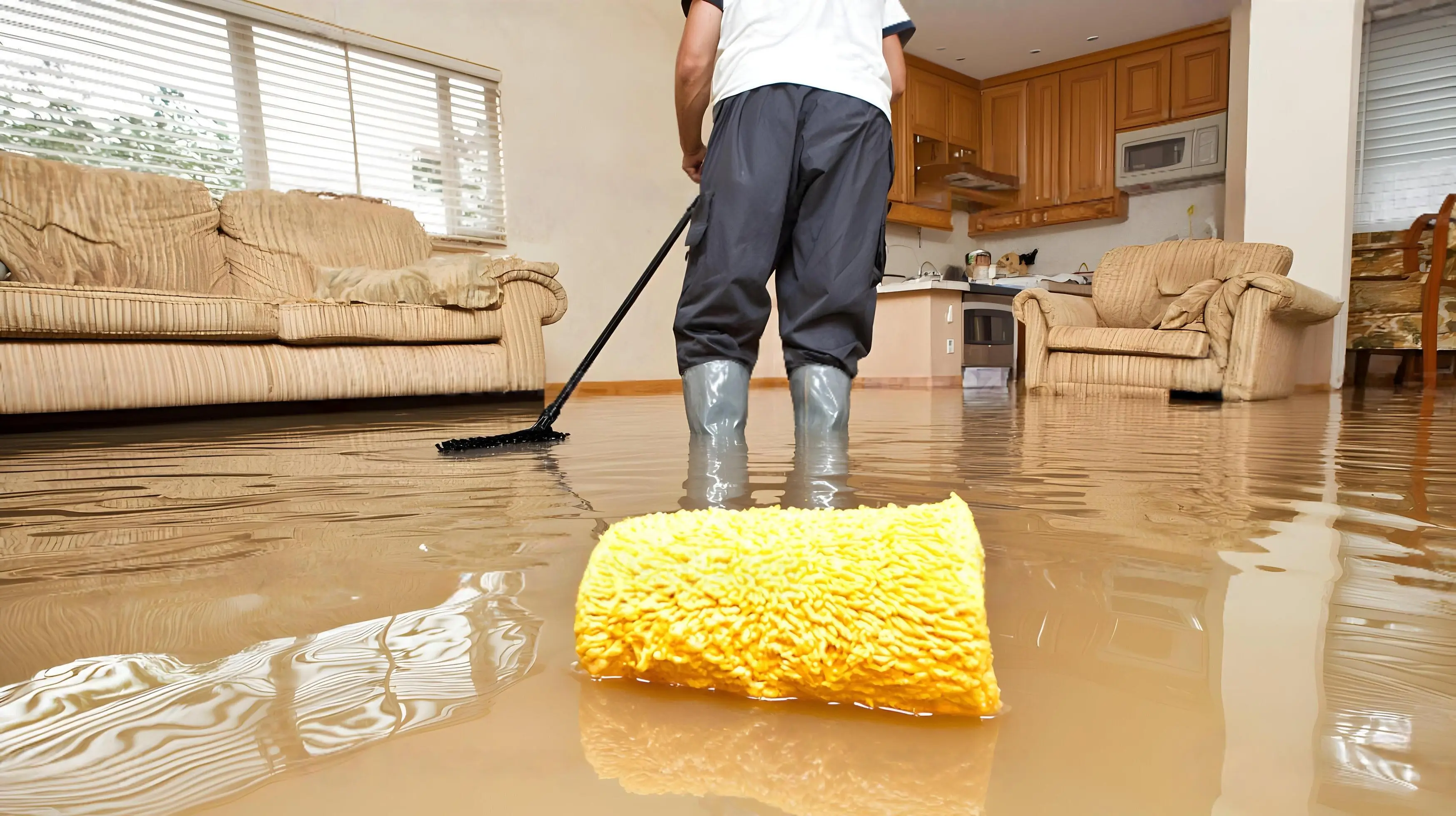
Water Damage Restoration
Burst pipes, storm flooding, standing water. We extract, dry, and restore before mold sets in.
Learn more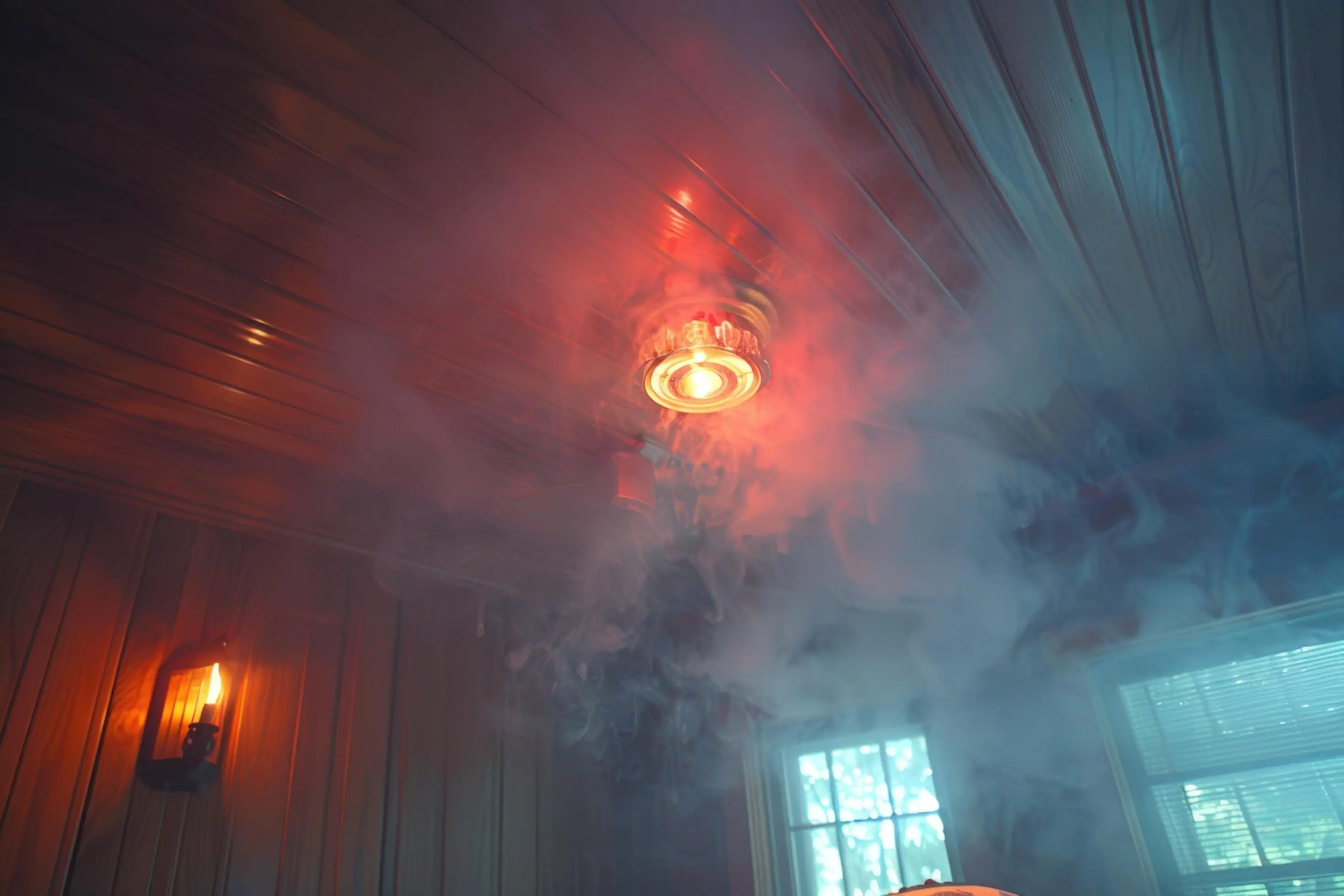
Smoke Damage Restoration
Soot residue, chemical odors, HVAC contamination. We decontaminate surfaces, eliminate odors, and restore air quality.
Learn more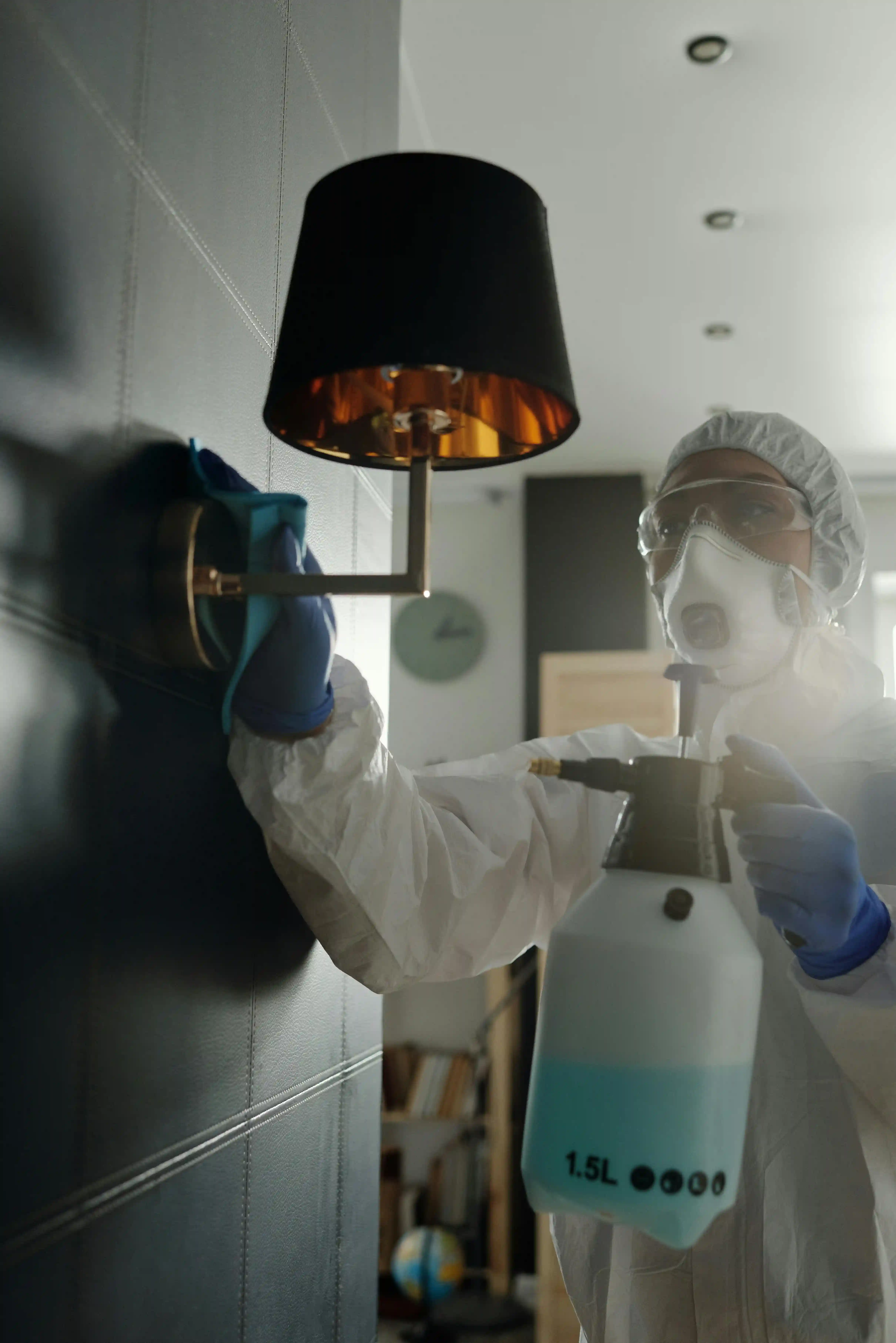
Mold Remediation
Testing, containment, removal, prevention. We find the source, eliminate the growth, and stop it from returning.
Learn more
Sewage Cleanup
Sewer backups, contaminated water, biohazard. We extract, sanitize, and restore safely.
Learn more