
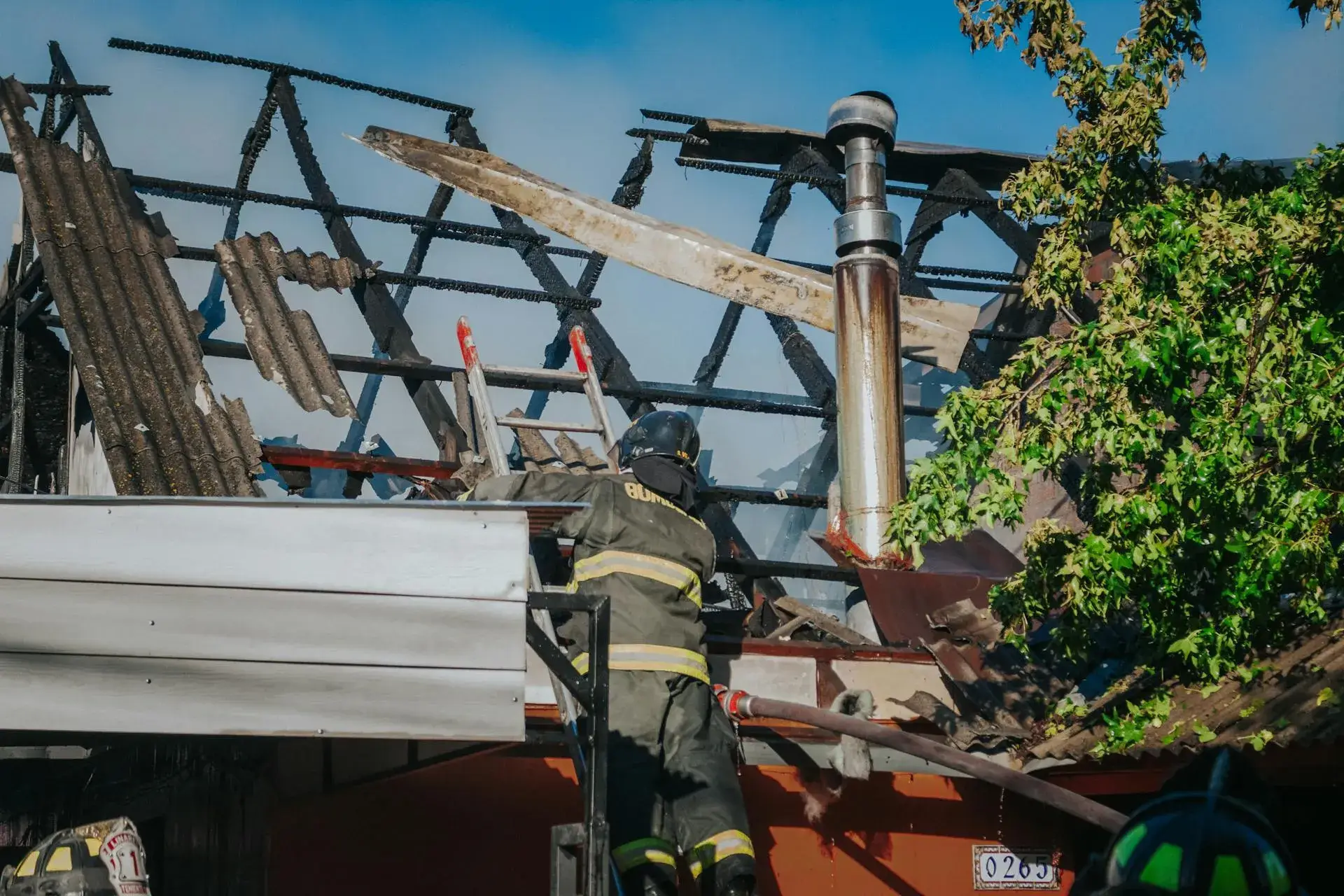
Fire Damage Restoration in Fort Myers, FL
Fire leaves your home exposed to weather, theft, and accelerating secondary damage in Southwest Florida's heat and humidity. Our local team responds to Fort Myers emergencies within 60 minutes to stabilize and protect your property.
What Happens When You Call
A real person answers, not a call center. We assess your fire damage situation, determine the structural risk level, and begin coordinating your response immediately.
Your dedicated fire restoration team is dispatched from our local base serving Fort Myers and the surrounding Lee County communities.
Team arrives with board-up materials, structural tarps, air scrubbers, and assessment equipment. Emergency stabilization begins immediately to prevent secondary damage from weather and humidity.
Structure secured against weather and entry, preliminary damage assessment documented, restoration plan outlined. You know exactly what comes next.
After the fire department leaves, your home sits open and vulnerable. Rain enters through the damaged roof. In Fort Myers' heat, soot acids etch surfaces faster than in cooler climates. Humidity drives mold into fire-damaged materials within hours. X Response exists for exactly this moment. When you reach out, your fire restoration team is mobilized within minutes and on site within the hour. From that point forward, one team manages everything: structural stabilization, debris removal, smoke and soot cleanup, reconstruction, and insurance documentation. You are never left guessing about the next step. Call now. Your team is standing by.
Why Fort Myers Homes Are Vulnerable to Fire Damage
Fort Myers has grown rapidly over the past two decades, from a small city centered on the downtown riverfront to a sprawling metro with subdivisions, apartment complexes, and commercial developments reaching south toward Estero and east toward Lehigh Acres. That growth has placed significant demand on fire protection infrastructure. The Fort Myers Fire Department operates with 170 personnel across the city and achieved international accreditation from the Center for Public Safety Excellence and the Commission on Fire Accreditation International in 2025, a distinction held by only about 300 agencies worldwide. In 2024, the department reported saving 96% of property value during fire incidents, a figure that reflects both professional capability and the modern fire-resistant construction that dominates newer neighborhoods. But the 4% that is lost still represents real homes, real displacement, and real damage that demands professional restoration, and in Fort Myers' subtropical climate, the damage accelerates from the moment the fire is out.
Fort Myers' fire risk profile is shaped by its building stock, its climate, and its geography. The city contains a mix of construction spanning more than a century, from the wood-frame historic homes along McGregor Boulevard and in the Edison Park neighborhood to the concrete-block subdivisions of the 1960s through 1990s to the newer stucco-over-frame developments that have filled in the eastern and southern expansion areas. Multi-family housing has surged with the population growth, and apartment complex fires have become a recurring event, displacing dozens of residents at a time. The September 2024 fire at the Winkler Apartment Complex and the July 2023 blaze at the Boardwalk Apartments on DeLeon Street each displaced multiple families and demonstrated how quickly fire moves through shared-wall, wood-framed apartment construction. In a city where afternoon thunderstorms can arrive within hours of a fire, leaving any structure open and unsecured after a fire means water damage compounds on top of fire damage before restoration can begin.
Multi-Family Housing and Apartment Fire Risk
Fort Myers' rapid population growth has driven a boom in apartment and condominium construction. Many of these multi-family structures use wood-frame construction with shared wall assemblies between units. When fire starts in one unit, it can travel through the shared attic space, along wiring chases, and through HVAC penetrations to reach adjacent units before residents even know the fire has spread. The September 2024 fire at the Winkler Apartment Complex on the third floor and the July 2023 fire at the Boardwalk Apartments that displaced nine people including four children illustrate the pattern: a single-unit kitchen or electrical fire extends to shared spaces and creates multi-unit damage. Restoration in these environments requires coordinating across multiple affected units, working with property management, and addressing smoke contamination in units the flames never reached.
Post-Hurricane Electrical and Structural Vulnerability
Hurricane Ian in September 2022 damaged thousands of structures throughout Fort Myers, and many were repaired under emergency conditions, with temporary electrical connections, patched roof systems, and expedited reconstruction that may not match the original fire-resistance ratings. Water-damaged electrical panels, corroded wiring, and hasty repairs create ignition risks that persist years after the storm. Structures that lost their rated roof assemblies, fire-stops, or wall sheathing during the hurricane and received incomplete repairs can allow a small fire to spread far faster than the original construction would have permitted. Restoration teams working in Fort Myers must assess not just the current fire damage but the underlying structural condition, which may have been compromised since 2022.
Historic Homes Along McGregor Boulevard and Edison Park
Fort Myers' oldest residential neighborhoods line McGregor Boulevard and fill the Edison Park historic district near the winter estates of Thomas Edison and Henry Ford. These homes, many dating from the 1920s through 1940s, feature wood-frame construction, original or partially updated wiring, and architectural details that cannot be replaced with modern materials. When fire enters an older wood-frame wall, it can spread through balloon-framed cavities and between the exterior clapboard and interior plaster or lath without being visible until it breaks through. Restoring these homes after a fire means working with period materials, matching historic millwork, and preserving the character that makes them significant, all while bringing damaged systems up to current electrical and fire codes.
Subtropical Climate and Accelerated Secondary Damage
The moment a fire is extinguished in Fort Myers, the secondary damage clock runs faster than it would in a temperate or arid climate. High ambient humidity year-round means moisture penetrates fire-damaged materials immediately. Soot residue, which contains acids from burned synthetic materials, reacts with that moisture and etches glass, corrodes metal, and permanently stains porous surfaces faster in humid conditions. A fire that breaches the roof envelope exposes the interior to afternoon thunderstorms that can deliver inches of rain within hours. Water damage layers on top of fire and smoke damage, creating compound deterioration that multiplies both cost and timeline. In Fort Myers, board-up and tarping must happen immediately after suppression, not the next day.
Electrical System Failures in an Aging Infrastructure
Fort Myers' older residential neighborhoods carry electrical infrastructure installed decades ago for a fraction of the load modern households demand. Air conditioning alone draws heavy sustained current in a climate where units run 8 to 10 months per year. Homeowners add circuits, upgrade appliances, and install pool equipment without upgrading panels or service wiring, stacking demand onto systems never rated for it. Overloaded circuits, deteriorating connections, and the corrosive effect of salt air on electrical components are leading contributors to residential electrical fires in Lee County. The city's fire department responded to an average of nearly 700 fire incidents per year between 2002 and 2018, with electrical failures among the most common ignition sources in the residential category.
These factors define Fort Myers' fire damage landscape: a fast-growing city with a mix of aging wood-frame historic homes, post-hurricane compromised structures, and dense multi-family housing, all sitting in a subtropical climate that accelerates secondary damage the moment a fire is out. Effective fire damage restoration here requires immediate stabilization against weather and humidity, assessment of underlying structural condition, and the expertise to work across everything from 1920s Edison Park bungalows to modern apartment complexes. It demands a team that understands how fire, water, and mold interact in Lee County's climate and can manage all three simultaneously.
What Happens to Your Home While You Wait
Within 1 Hour
Acidic soot begins etching glass, metal fixtures, and appliance surfaces. In Fort Myers' high humidity, the acids in smoke residue activate faster because atmospheric moisture provides the medium for chemical reaction. Every metal surface the smoke touched begins to corrode. Synthetic materials off-gas compounds that react with the humid air and deposit secondary residue on surfaces the fire never reached directly.
1–24 Hours
Soot permanently stains grout, unsealed tile, and porous surfaces. Metal hardware tarnishes and pits. If the roof is compromised, Southwest Florida's afternoon thunderstorms introduce water damage on top of fire damage within hours. The combination of heat, humidity, and fire-damaged materials creates conditions where mold can colonize soot-covered drywall paper within 24 hours. The structure deteriorates from both fire damage above and moisture intrusion below simultaneously.
24–48 Hours
Smoke odor permeates soft goods, upholstery, and clothing more deeply. Soot migrates through HVAC ductwork into rooms the fire never reached. In Fort Myers homes where AC systems run year-round, contamination spreads throughout the structure through the air handling system. Walls, ceilings, and contents in remote areas begin to discolor. Salvageable items become total losses as exposure time extends.
48–72 Hours
Mold colonies establish on fire-damaged, moisture-exposed materials. The combination of compromised surfaces and subtropical humidity creates a compounding problem where fire damage enables mold growth far faster than either condition alone would produce. Corrosion deepens on metal components. Restoration scope shifts from cleaning and repair toward demolition and replacement as materials pass the point of recoverability.
One Week and Beyond
Extensive corrosion on all metal surfaces exposed to acidic soot in the humid air. Mold growth spreads through wall cavities and HVAC systems. Structural wood elements that absorbed fire-suppression water and then sat in humid conditions without drying begin to deteriorate. The restoration project becomes a full rebuild rather than a repair, with insurance complexity increasing at every stage.
In Fort Myers' subtropical climate, fire damage compounds with humidity and mold risk faster than in any temperate region. The difference between restoring your home and rebuilding from scratch is often just hours of response time. Contact X Response now. Our Fort Myers team responds within 60 minutes.
How We Restore Fire-Damaged Fort Myers Homes
From the moment our team arrives, every step is documented, measured, and verified. Here is exactly what the fire damage restoration process involves.
Emergency Stabilization and Board-Up
Our team arrives with board-up materials, structural tarps, and the equipment to secure your home against Fort Myers' weather immediately. Every opening created by the fire or by suppression crews is sealed against rain, wind, and unauthorized entry. In Lee County's climate, this step cannot wait. An afternoon storm arriving through a fire-damaged roof compounds the damage exponentially. We assess structural integrity, identify any collapse risk, shut down utilities if the fire department has not already done so, and establish a safe working perimeter. The structure is weatherproofed before any other restoration work begins.
Damage Assessment and Documentation
Once the structure is stabilized, we conduct a comprehensive assessment of all fire, smoke, soot, and water damage. This includes thermal imaging to identify hidden hot spots in wall cavities, moisture meters to map where fire-suppression water has penetrated, and air quality monitoring to determine smoke contamination levels throughout the structure. In Fort Myers' older homes, we assess whether the fire exposed pre-existing conditions like compromised wiring or hurricane-damaged framing that affect the restoration scope. Everything is documented with photos, measurements, and a written scope that your insurance company needs to process the claim.
Debris Removal and Structural Cleaning
Fire debris is removed systematically, separating salvageable materials from total losses and documenting each decision for insurance purposes. Structural members are assessed for charring depth and load-bearing integrity. In Fort Myers' slab-on-grade homes, the slab itself rarely suffers structural fire damage, but the framing, trusses, and sheathing above must be evaluated inch by inch. Soot and smoke residue are removed from all surfaces using methods matched to the material: dry sponge for light residue on drywall, chemical cleaners for heavy deposits on hard surfaces, and specialized techniques for the historic millwork in older Fort Myers homes that cannot simply be replaced.
Smoke Odor Elimination and Air Quality Restoration
Smoke odor penetrates every porous material in the structure and cannot be masked with surface treatments. We use thermal fogging, hydroxyl generators, and ozone treatment (in unoccupied spaces) to break down smoke molecules at the chemical level rather than covering them. HVAC ductwork is cleaned or replaced depending on contamination level. In Fort Myers homes where the system runs year-round, smoke residue distributes throughout the entire duct network within hours of a fire. Air scrubbers with HEPA filtration run continuously until post-treatment air quality testing confirms the structure is safe for occupancy.
Reconstruction and Completion
Once all fire, smoke, and secondary damage has been addressed, reconstruction begins to return the home to its pre-loss condition. In Fort Myers, that may mean matching period-appropriate materials in historic homes, meeting current Florida Building Code wind and fire resistance requirements in the rebuild areas, and ensuring all electrical and mechanical systems are brought up to current standards. We coordinate with your insurance carrier throughout reconstruction, managing the approved scope and documenting any supplemental damage discovered during the work. Final inspection verifies all work meets code, all fire-safety systems function, and the home is ready for occupancy.
The X Response Difference
When you contact X Response after a fire in Fort Myers, you get a single team that manages stabilization, cleaning, reconstruction, and insurance documentation from start to finish. One team, one point of contact, one standard of work.
Insurance Claim Guidance for Fort Myers Homeowners
Fire damage insurance claims in Florida are generally more straightforward than water claims because standard homeowner's policies typically cover fire regardless of cause, with the exception of intentional acts. However, the complexity increases when fire damage combines with other perils: water damage from fire suppression, wind damage that preceded the fire during a hurricane, or mold that develops in fire-damaged materials due to Florida's humidity. Each peril may be covered under different provisions or endorsements of your policy, and deductibles may differ depending on whether a named storm was involved. Understanding how your specific policy handles these overlapping perils determines how your claim is structured and what documentation you need.
How X Response Helps
- Document all fire, smoke, water, and secondary damage with professional photos and a detailed scope of work from day one
- Identify whether the fire occurred during or after a named storm event, as hurricane deductibles and coverage provisions differ from standard fire deductibles
- Separate fire damage from secondary water and mold damage in documentation, as each may be covered differently under your policy
- Preserve evidence of origin and cause by documenting the point of origin before any cleanup begins
- Maintain a complete inventory of damaged contents with pre-loss values for personal property claims
X Response does not file claims on your behalf, adjust claims, or make coverage determinations. We provide documentation and guidance to help you make informed decisions about your property and your policy. Coverage decisions are made solely by your insurance carrier.
Certified Restoration Specialists Serving Fort Myers
When you contact X Response for a fire damage emergency in Fort Myers, your restoration team is drawn from certified professionals who work across Lee County and understand the specific challenges of restoring fire-damaged homes in a subtropical coastal environment. They know how soot chemistry behaves differently in high humidity, how quickly mold colonizes fire-damaged materials in Southwest Florida's heat, and how to stabilize a structure against the afternoon thunderstorms that arrive predictably during the wet season. They have worked through apartment complex fires with multi-unit smoke migration, single-family home fires in the historic McGregor Boulevard neighborhoods, and the post-hurricane electrical fires that continue to occur in compromised structures years after Hurricane Ian. This is not a crew dispatched from hours away. It is a local team with local expertise, operating under national quality standards.
Every technician on your team holds current IICRC certification in fire and smoke restoration and carries appropriate Florida state licensing for the work being performed. Equipment is commercial-grade and maintained to manufacturer specifications. When your team arrives, they bring everything needed to begin stabilization immediately: board-up materials, structural tarps rated for Florida wind loads, air scrubbers, thermal imaging equipment to identify hidden hot spots, and the specialized cleaning and deodorization systems required to fully eliminate smoke contamination in a humid environment where odor molecules bond aggressively to every surface.
In Fort Myers, X Response works with Florida Restoration and Platinum Air Mold Inspection, independent local restoration partners serving Lee County.
Fire Damage Restoration FAQ for Fort Myers Homeowners
Other Emergency Services in Fort Myers
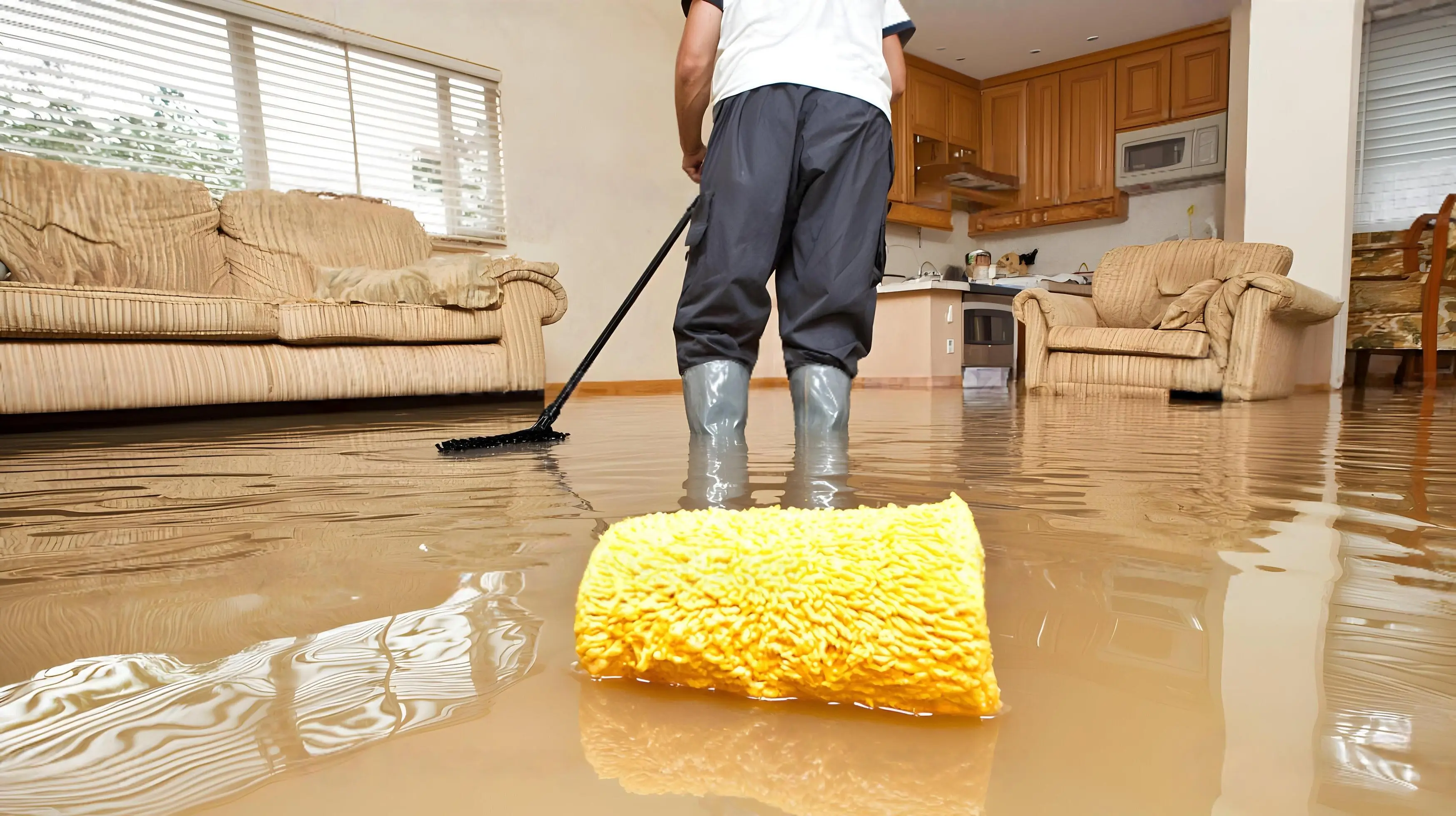
Water Damage Restoration
Burst pipes, storm flooding, standing water. We extract, dry, and restore before mold sets in.
Learn more
Smoke Damage Restoration
Soot residue, chemical odors, HVAC contamination. We decontaminate surfaces, eliminate odors, and restore air quality.
Learn more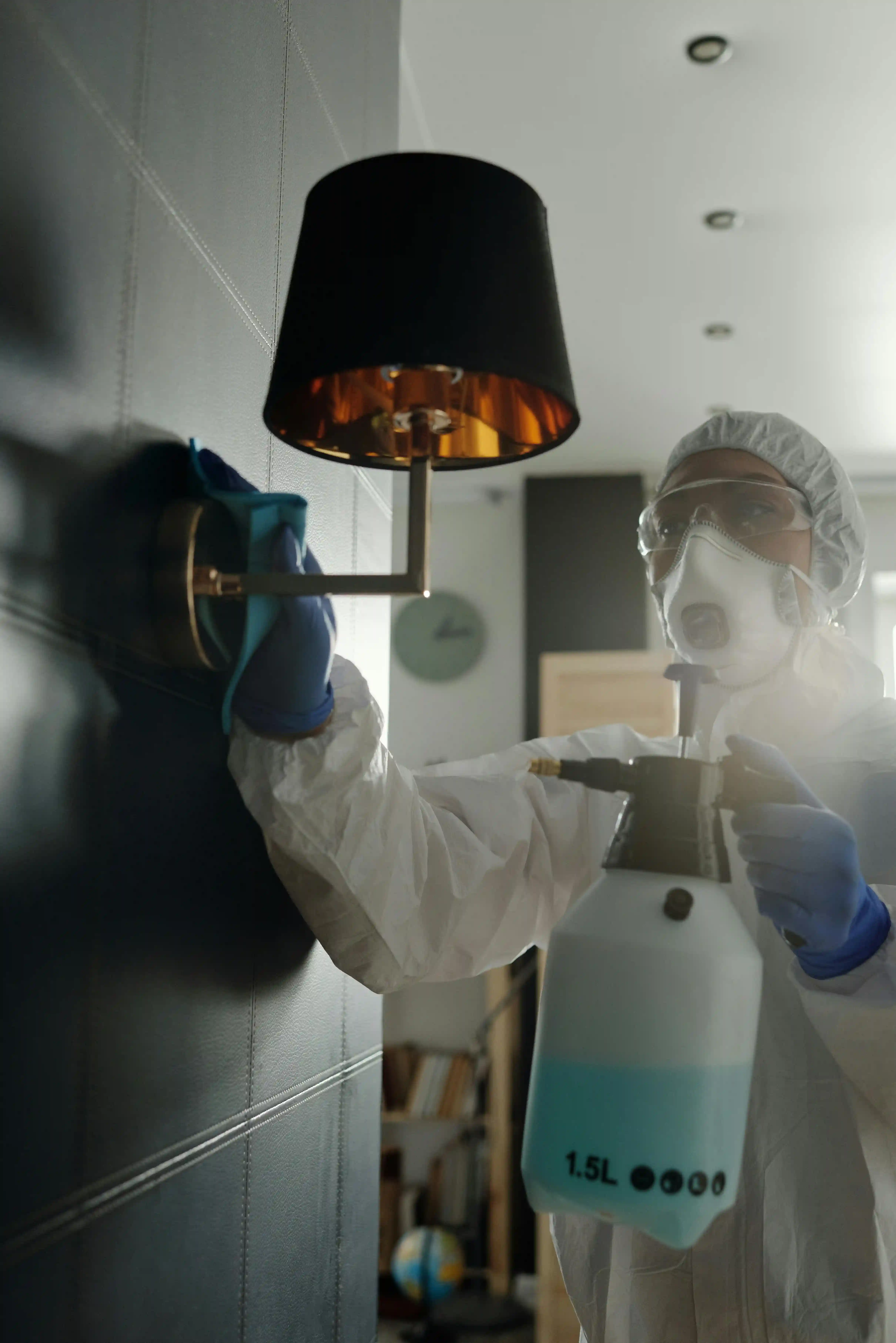
Mold Remediation
Testing, containment, removal, prevention. We find the source, eliminate the growth, and stop it from returning.
Learn more
Sewage Cleanup
Sewer backups, contaminated water, biohazard. We extract, sanitize, and restore safely.
Learn moreNearby Service Areas
Also serving nearby: