
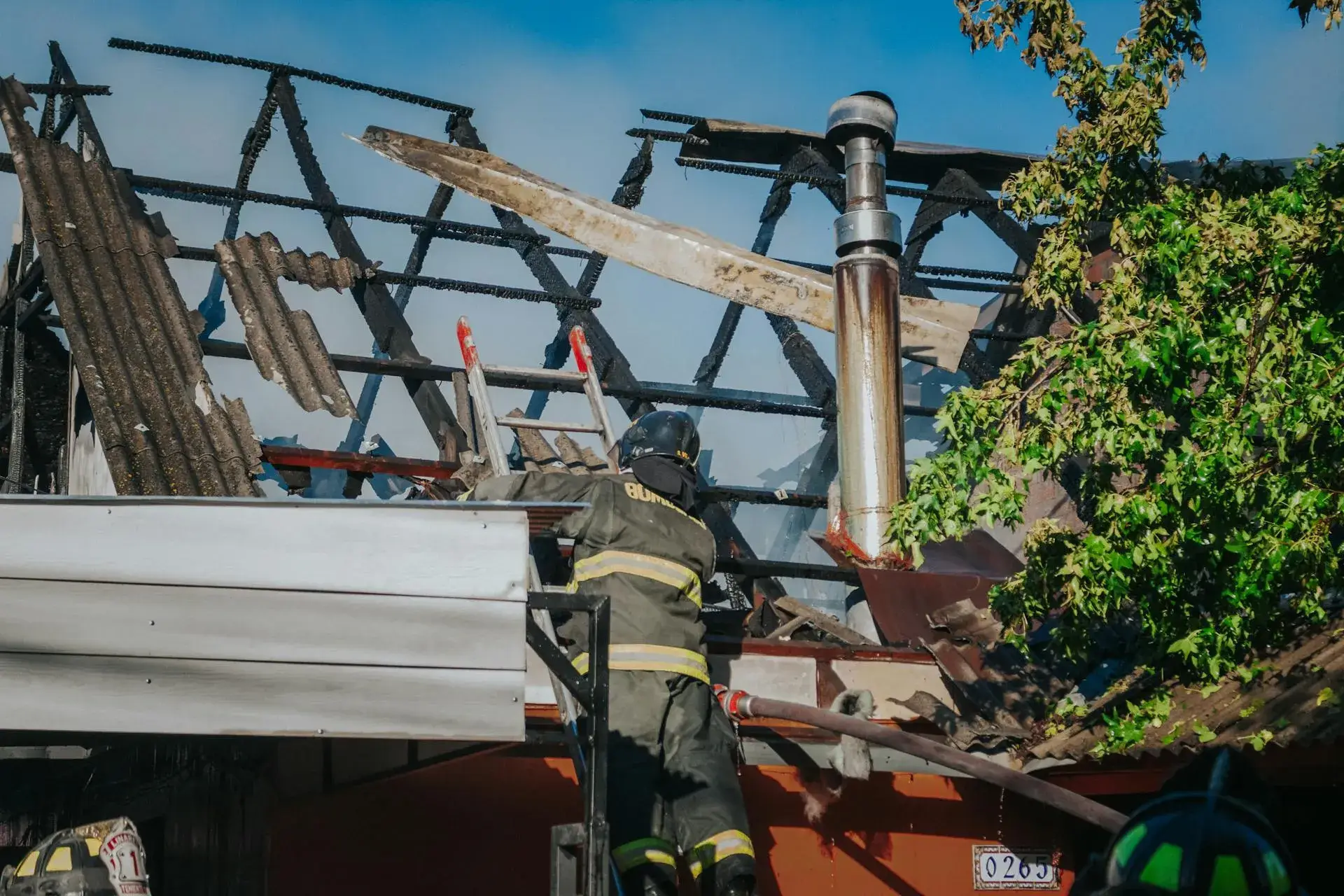
Fire Damage Restoration in North Fort Myers, FL
Fire and smoke damage worsen with every hour of exposure to Southwest Florida's humidity and salt air. Our local team responds to North Fort Myers emergencies within 60 minutes to stabilize, document, and begin restoration.
What Happens When You Call
A real person answers, not a call center. We assess your situation, coordinate emergency board-up if needed, and dispatch your restoration team immediately.
Your dedicated team is dispatched from our local base serving North Fort Myers and Lee County.
Team arrives with structural stabilization equipment, soot extraction tools, and thermal imaging to assess hidden damage. Emergency mitigation begins immediately.
Structure secured, damage documented, and restoration plan outlined. You know exactly what comes next and what your insurance options are.
After a fire, the damage does not stop when the flames go out. Soot settles into surfaces, smoke residue penetrates porous materials, and North Fort Myers' humid subtropical air accelerates corrosion and secondary damage. You need a team that arrives fast and manages everything from emergency stabilization through final rebuild. X Response is that team. One call, one dedicated crew, one standard of work from first response to completion. Call now. Your team is standing by.
Why North Fort Myers Homes Are Vulnerable to Fire Damage
North Fort Myers is an unincorporated community of over 42,000 residents in Lee County, Florida, positioned between Interstate 75 to the east and the Caloosahatchee River to the south. Its fire risk comes from a combination of wildland-urban interface exposure along its eastern and northern boundaries, one of the highest lightning densities in the nation during summer months, and a housing stock that includes thousands of older mobile homes with aging electrical systems. In March 2023, a brush fire off Slater Road near I-75 demonstrated the wildland interface risk directly. A tree fell on power lines and ignited surrounding vegetation, burning 15 acres before the Florida Forest Service contained it at 95 percent by that evening. Smoke from the fire billowed across Interstate 75, slowing traffic on the region's primary north-south corridor. The fire burned in the semi-rural eastern portion of North Fort Myers where pine flatwoods and saw palmetto push against residential development, an area that dries rapidly during the winter dry season and ignites readily from electrical or human-caused sources.
Beyond the wildland interface, North Fort Myers faces fire risk from its housing stock. The community has one of the highest concentrations of mobile and manufactured homes in Lee County, with communities including Suncoast Estates, Palm Beach Mobile Estates, Tropicana, and dozens of smaller parks scattered along Bayshore Road, North Cleveland Avenue, and the corridors north of US 41. Many of these homes were manufactured before current fire safety standards, with aluminum wiring, outdated panel boxes, and minimal fire separation between closely spaced units. The North Fort Myers Fire Control District, an independent special district serving the community, operates multiple stations and responds to structure fires, brush fires, and vehicle fires throughout the year. In December 2024, a fully involved structure fire on Bartholomew Drive required multiple units when the roof collapsed onto itself, with exposures to adjacent structures. In January 2025, another structure fire injured one person. The combination of aging electrical systems, close spacing between mobile homes, and limited firebreaks within parks creates conditions where a single ignition can threaten multiple structures within minutes.
Wildland-Urban Interface Along the Eastern Boundary
North Fort Myers' eastern boundary runs along Interstate 75 where residential development meets undeveloped pine flatwoods, palmetto scrub, and wetland prairies that extend northeast toward Charlotte County. This vegetation is fire-adapted and requires periodic burning for ecological health. The Florida Forest Service conducts prescribed burns in the area regularly, but unplanned ignitions from lightning, power line failures, and human causes occur throughout the dry season from November through May. The March 2023 fire off Slater Road demonstrated how quickly a power line ignition can spread through dry flatwoods vegetation and produce smoke that affects the broader community. Properties along Slater Road, Bayshore Road north of I-75, and the subdivisions east of North Cleveland Avenue face the highest wildland interface exposure because they sit directly adjacent to undeveloped parcels with no managed defensible space buffer.
Mobile Home Fire Vulnerability
Mobile and manufactured homes present distinct fire challenges compared to site-built construction. Older units use lightweight materials that ignite readily, burn intensely, and provide minimal containment once fire penetrates the exterior. Interior paneling and vinyl-clad surfaces produce heavy toxic smoke. Narrow spacing between units in mobile home parks, sometimes as close as 10 to 15 feet, allows radiant heat and flying embers to spread fire between structures before fire crews can establish exposure protection. North Fort Myers' mobile home communities were largely developed in the 1960s through 1990s, and many units retain original electrical systems that do not meet current code. Aluminum wiring, common in manufactured homes from the 1960s and 1970s, creates connection points that overheat over time. Federal manufactured home fire safety standards (HUD Code) were not established until 1976, and homes built before that date lack the fire-resistance requirements that newer units must meet.
Lightning Density and Electrical Ignition
Lee County sits within one of the highest lightning-density corridors in the United States. Between June and September, near-daily thunderstorms form over the heated Florida interior and track westward toward the coast, producing frequent cloud-to-ground strikes. A single lightning strike can ignite roofing materials, destroy electrical panels, surge through wiring and ignite insulation within wall cavities, or damage HVAC systems in ways that create fire risk hours or days later. North Fort Myers' older housing stock is particularly vulnerable because many homes lack modern surge protection, grounding systems are deteriorated, and original wiring may not safely handle the current load these homes now carry with added air conditioning, appliances, and electronics. Lightning-caused fires can smolder inside wall cavities and attic spaces for extended periods before becoming visible, making thermal imaging inspection critical after any electrical event.
Post-Fire Damage in Subtropical Conditions
Fire damage restoration in North Fort Myers differs fundamentally from inland or northern locations because the subtropical climate immediately begins accelerating secondary damage after flames are extinguished. Soot is acidic, and when combined with year-round humidity frequently running high, it attacks metal surfaces, etches glass, and permanently stains porous materials within hours rather than the days you might expect in a drier climate. Smoke residue penetrates soft furnishings, HVAC ductwork, and the interior surfaces of wall cavities where it bonds with atmospheric moisture. The Caloosahatchee River's proximity adds salt-laden air that accelerates corrosion on fire-damaged metal components. A fire that might allow a 48-hour assessment window in a dry northern climate demands immediate professional intervention in North Fort Myers to prevent permanent secondary damage from the climate itself.
Fire Suppression Water and Secondary Damage
Every structure fire creates secondary water damage from suppression efforts. In North Fort Myers' slab-on-grade site-built homes, firefighting water pools on the concrete slab and spreads across the entire ground floor, saturating already fire-damaged materials and creating immediate conditions for mold growth in the subtropical heat. In mobile homes, suppression water penetrates the floor system and saturates insulation, subfloor materials, and the belly board beneath the structure. This water cannot drain naturally from a mobile home's enclosed floor cavity and will produce mold growth within 24 to 48 hours if not mechanically removed. Effective fire restoration in North Fort Myers always involves simultaneous water damage mitigation because the climate does not allow any delay between fire suppression and water extraction without compounding the damage.
Fire damage restoration in North Fort Myers requires addressing the intersection of wildland interface proximity, aging mobile home electrical systems, extreme lightning exposure, and a subtropical climate that compounds damage hourly after every fire event. The same humidity that drives mold growth after water damage drives rapid corrosion and permanent staining after fire damage. Soot corrodes faster, smoke bonds more permanently, and suppression water breeds mold within a day. Effective restoration means treating fire, water, smoke, and mold risk as interconnected problems that demand simultaneous response rather than sequential attention.
What Happens to Your Home While You Wait
Within 1 Hour
Soot begins settling on all surfaces throughout the home, including rooms that appear unaffected by flames. In North Fort Myers' humid air, the acidic soot immediately begins reacting with moisture on metal fixtures, appliances, and glass. Smoke residue penetrates fabric, upholstery, and exposed surfaces. Firefighting water pools on the floor and begins wicking into drywall, baseboards, and cabinetry. In mobile homes, suppression water enters the enclosed floor cavity.
1–24 Hours
Soot permanently etches metal hardware, light fixtures, and appliance surfaces if not cleaned. Smoke odor bonds with fabrics, paint, and porous materials in the humid environment. Firefighting water spreads through slab foundations or mobile home floor assemblies and saturates surrounding materials. In Southwest Florida's heat, bacteria multiply rapidly in the wet environment. The combination of soot, moisture, and warmth creates conditions for accelerated material deterioration that would take days in cooler, drier climates.
24–48 Hours
Acidic soot residue causes irreversible staining on countertops, tile grout, and window glass. Smoke odor becomes embedded in HVAC ductwork and distributes through the home with every AC cycle. Mold colonization begins on water-damaged materials from fire suppression, advancing faster in Lee County's subtropical conditions than in temperate regions. Mobile home subfloor insulation trapped against the belly board becomes a mold incubator. The restoration scope expands significantly as more materials become unsalvageable.
48–72 Hours
Corrosion advances on electrical components, plumbing fixtures, and metal structural connectors. Furniture and cabinetry that could have been salvaged with immediate cleaning may now require replacement. Smoke odor fully permeates soft goods and insulation inside wall cavities. Mold spreads through water-damaged wall sections and mobile home floor systems into areas unaffected by the original fire. The salt-air environment near the Caloosahatchee accelerates corrosion on exposed metal throughout the structure.
One Week and Beyond
Without professional intervention, fire and smoke damage compounds with water damage from suppression and humidity-driven mold growth. Materials deteriorate beyond salvage. Structural steel connectors and metal fasteners weaken from corrosion. HVAC systems become permanently contaminated with smoke residue and mold. What began as a contained fire becomes full demolition and rebuild requiring simultaneous mold remediation. Insurance claims become more complex as the scope of preventable secondary damage grows.
North Fort Myers' climate turns a manageable fire loss into a compounding disaster within hours. Contact X Response now. Our North Fort Myers team responds within 60 minutes to stabilize, document, and begin restoration before secondary damage escalates.
How We Restore Fire-Damaged North Fort Myers Homes
From the moment our team arrives, every step is documented, measured, and verified. Here is exactly what the fire damage restoration process involves.
Emergency Stabilization and Safety Assessment
Our team arrives to secure the structure and assess safety before restoration work begins. This includes emergency board-up of openings exposed by fire, tarping of roof damage to prevent further water intrusion from rain, and structural evaluation to identify collapse risks. In mobile homes, we assess whether the chassis and floor system remain structurally sound. We use thermal imaging to identify hidden hot spots and smoldering materials within wall cavities and attic spaces that could reignite. Once the structure is secured, we document the full scope of fire, smoke, water, and structural damage with detailed photos and written assessment that forms the foundation of your insurance claim.
Water Extraction from Fire Suppression
Fire suppression water creates immediate secondary damage in North Fort Myers' climate. We extract standing water from floors, pull moisture from wall cavities, and in mobile homes, access the floor system from below to remove water trapped against the belly board and within insulation. This step cannot wait. In subtropical conditions with temperatures regularly exceeding 85 degrees and high humidity, mold colonization begins on wet materials within 24 hours. We deploy dehumidifiers and air movers simultaneously with soot and debris removal to prevent the water damage from compounding the fire damage. Every fire restoration project in this climate is also a water damage project.
Soot and Debris Removal
Soot is acidic and corrosive, and in North Fort Myers' humid environment it begins permanently damaging surfaces within hours of deposition. Our team uses specialized cleaning agents, HEPA vacuums, and dry-chemical sponges to remove soot from salvageable surfaces before it bonds permanently. We work systematically from the least-damaged areas outward to prevent cross-contamination. Structural debris, damaged building materials, and destroyed contents are removed, documented for insurance purposes, and disposed of properly. In mobile homes, fire-damaged wall panels, ceiling materials, and insulation are removed to access the structural frame and determine what can be rebuilt versus what requires replacement.
Smoke Odor Elimination
Smoke odor penetrates every porous surface in a home and distributes through HVAC systems with every cooling cycle. Surface cleaning alone does not eliminate embedded odor. We use a combination of thermal fogging, ozone treatment, and hydroxyl generators to neutralize smoke molecules within wall cavities, fabrics, and HVAC ductwork. In North Fort Myers' sealed, air-conditioned homes where the AC runs year-round, the ductwork often requires professional cleaning or replacement because smoke residue circulates continuously. We seal and treat wall cavities with odor-blocking primers before reconstruction. Our goal is complete odor elimination verified by inspection, not simply masking that fades and returns.
Reconstruction and Completion
Once the structure is clean, dry, deodorized, and verified free of mold and hidden damage, reconstruction begins. We rebuild fire-damaged sections to meet current building code, which in Lee County includes updated electrical, wind resistance, and flood elevation requirements that may differ from the original construction standards. For mobile homes, reconstruction may involve replacing floor sections, wall panels, electrical systems, and roofing materials to restore the home to livable condition. All reconstruction work is documented and photographed for your insurance record. Final inspection verifies that the home is structurally sound, free of odor, and ready for occupancy.
The X Response Difference
When you contact X Response after a fire in North Fort Myers, you get a team that treats fire, water, smoke, and mold as one integrated problem. One team manages the full scope from emergency stabilization through final reconstruction.
Insurance Claim Guidance for North Fort Myers Homeowners
Fire damage insurance claims in Florida are generally covered under standard homeowner's or mobile home policies, but the claims process can become complex when fire damage involves secondary water damage from suppression, mold growth from delayed mitigation, and code upgrade requirements for reconstruction. Understanding the documentation required and the timeline expectations from the outset makes the difference between a smooth claim and a disputed one.
How X Response Helps
- Document all fire, smoke, water, and structural damage with professional photos and detailed written assessment on day one
- Separate primary fire damage from secondary water and mold damage for clear categorization in your claim
- Identify code upgrade requirements early, as Lee County building code may require updates beyond restoring the original condition
- Maintain a complete chain of documentation from emergency stabilization through reconstruction for your adjuster
- Track contents damage with room-by-room inventory supported by photographs and pre-loss documentation
X Response does not file claims on your behalf, adjust claims, or make coverage determinations. We provide documentation and guidance to help you make informed decisions about your property and your policy. Coverage decisions are made solely by your insurance carrier.
Certified Restoration Specialists Serving North Fort Myers
When you contact X Response for a fire damage emergency in North Fort Myers, your restoration team is drawn from certified professionals who work across Lee County and understand the specific challenges of restoring fire-damaged homes in this community. They know the difference between restoring a slab-on-grade block home along North River Road and rebuilding a manufactured home in one of the mobile home communities along Bayshore Road. They understand how Southwest Florida's humidity accelerates soot corrosion and smoke penetration, how fire suppression water creates immediate mold risk in this climate, and how the mix of construction types in North Fort Myers each require different approaches to structural evaluation, cleaning, and reconstruction.
Every technician on your team holds current IICRC certification in fire and smoke restoration and carries the appropriate Florida state licensing for the work performed. Equipment includes thermal imaging for hidden hot spot detection, commercial air scrubbers for particulate removal, ozone and hydroxyl generators for odor elimination, and full extraction and dehumidification systems for addressing secondary water damage simultaneously. When your team arrives, they bring everything needed to stabilize, clean, dry, and begin reconstruction without waiting for additional equipment or separate contractors.
In North Fort Myers, X Response works with Florida Restoration and Platinum Air Mold Inspection, independent local restoration partners serving Lee County.
Fire Damage Restoration FAQ for North Fort Myers Homeowners
Other Emergency Services in North Fort Myers
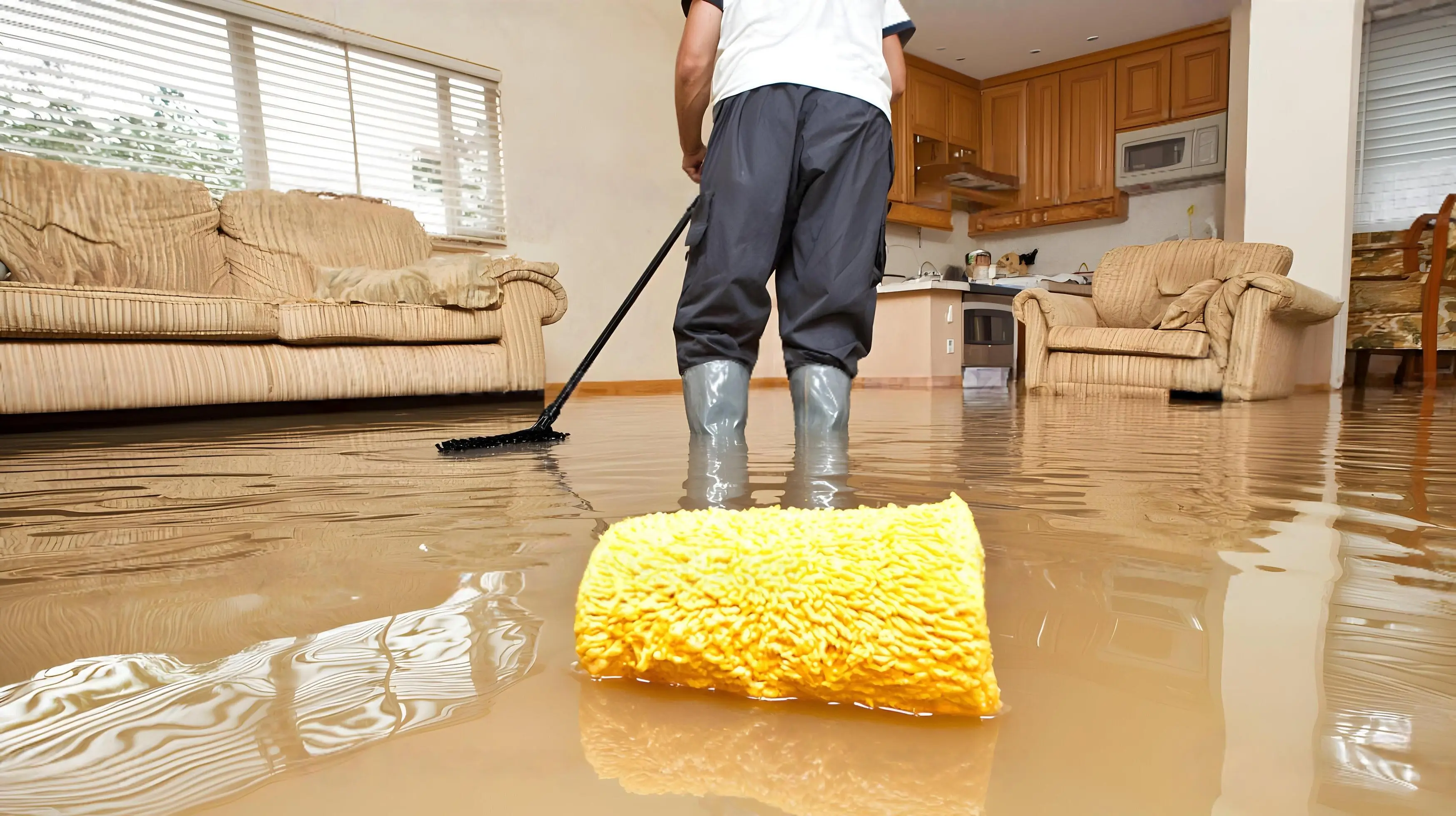
Water Damage Restoration
Burst pipes, storm flooding, standing water. We extract, dry, and restore before mold sets in.
Learn more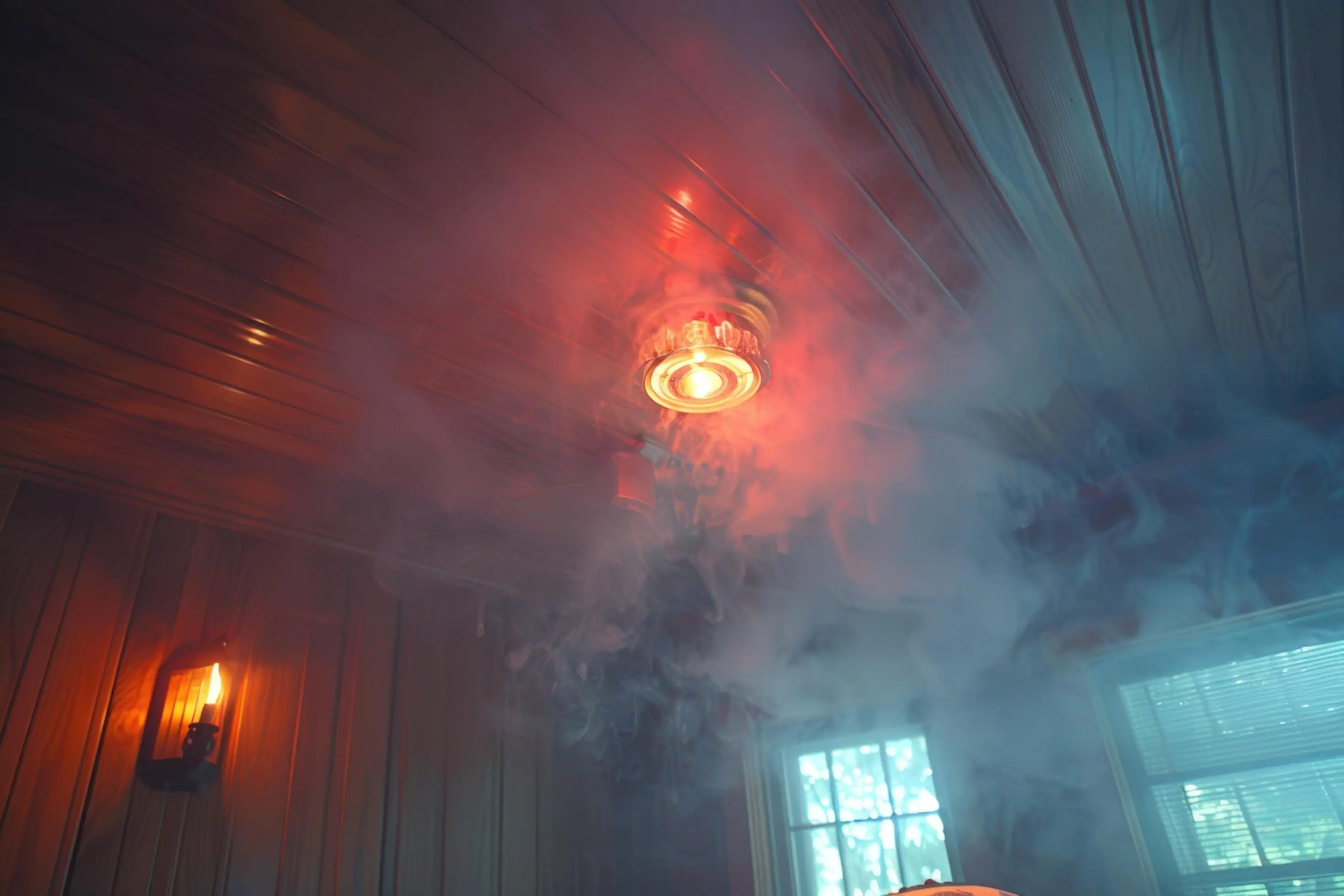
Smoke Damage Restoration
Soot residue, chemical odors, HVAC contamination. We decontaminate surfaces, eliminate odors, and restore air quality.
Learn more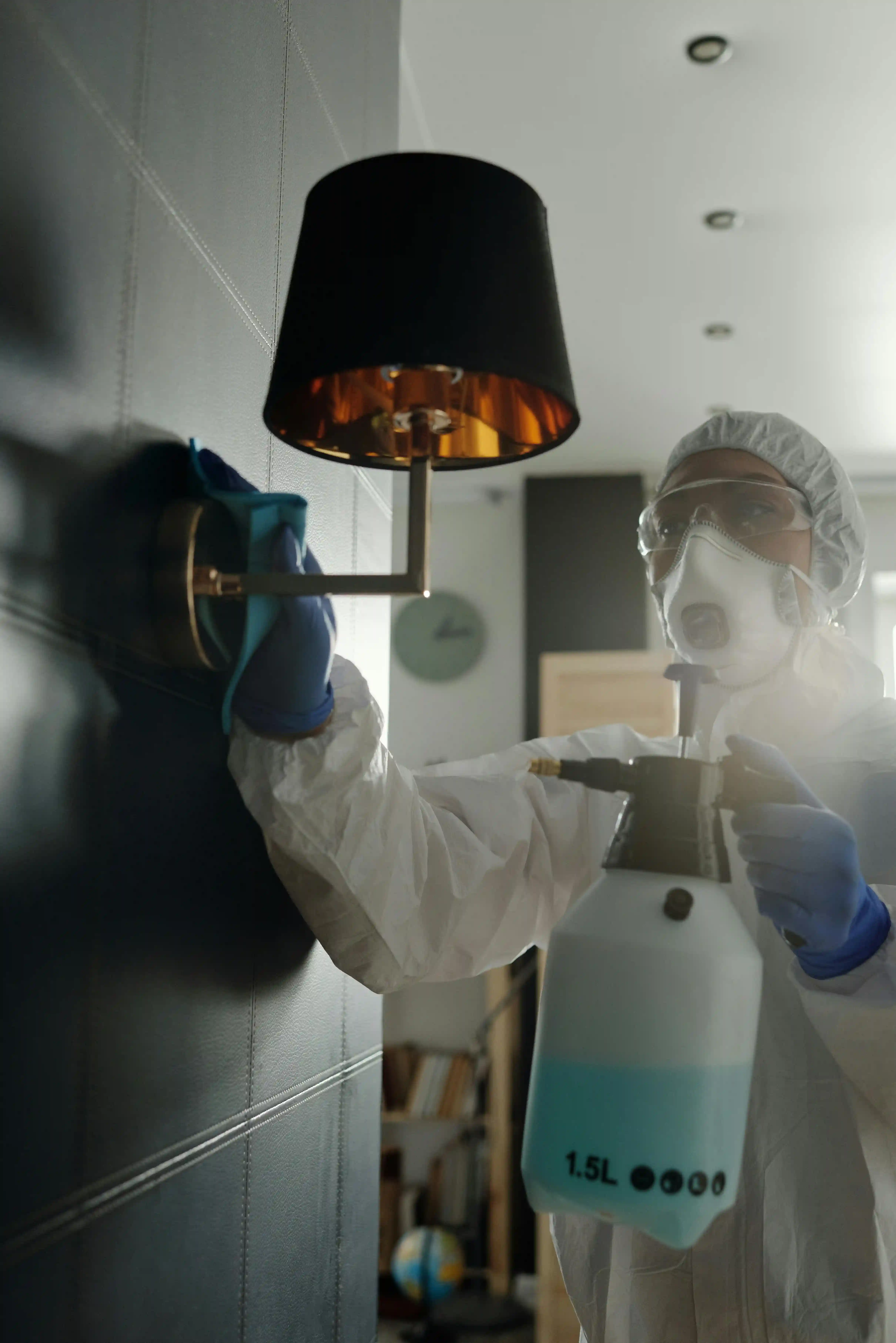
Mold Remediation
Testing, containment, removal, prevention. We find the source, eliminate the growth, and stop it from returning.
Learn more
Sewage Cleanup
Sewer backups, contaminated water, biohazard. We extract, sanitize, and restore safely.
Learn moreNearby Service Areas
Also serving nearby: