
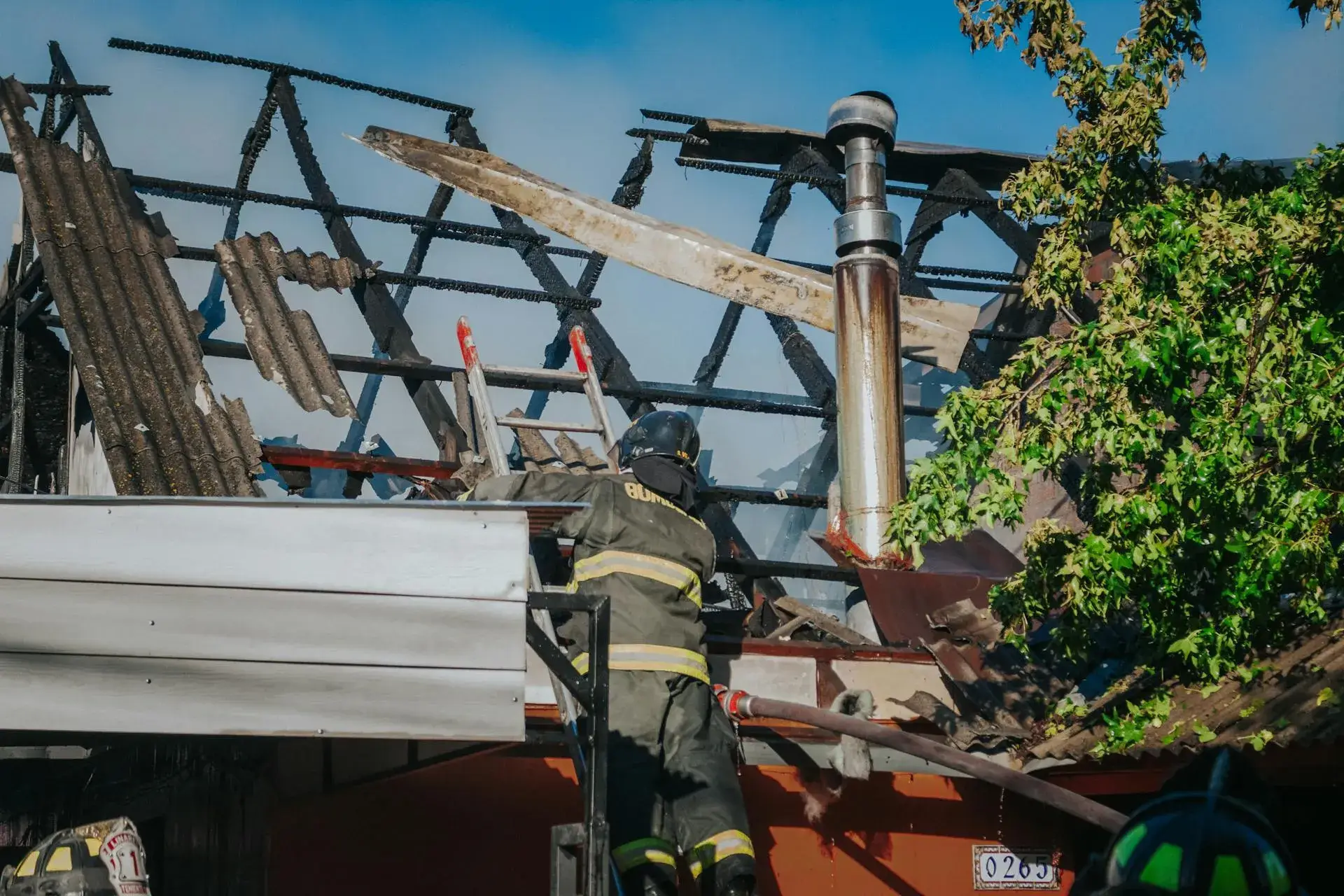
Fire Damage Restoration in Alpharetta, GA
Fire and smoke damage worsen every hour as soot acidifies, corrosion spreads, and odor penetrates deeper into materials. Our local team responds to Alpharetta emergencies within 60 minutes.
What Happens When You Call
A real person answers, not a call center. We assess your situation, ask the right questions, and begin coordinating your response immediately.
Your dedicated restoration team is dispatched from our local base serving Alpharetta and the surrounding northern Fulton County communities.
Team arrives with board-up materials, soot removal equipment, air scrubbers, and structural assessment tools. Emergency securing and mitigation begins immediately.
Structure secured, immediate hazards addressed, suppression water managed, restoration plan documented. You know exactly what comes next.
A fire just happened and everything feels chaotic. The flames may be out, but the damage is still progressing. Soot is acidifying on surfaces, smoke residue is bonding to materials, and water from suppression is soaking into the structure. X Response exists for this exact moment. When you reach out, your restoration team is mobilized within minutes and on site within the hour. From that point forward, one team manages everything: securing the structure, removing soot and smoke, drying suppression water, and guiding the insurance process. Call now. Your team is standing by.
Why Alpharetta Homes Are Vulnerable to Fire Damage
Alpharetta's fire risk profile reflects its identity as a rapidly developed technology hub in northern Fulton County. The city grew from a small agricultural community of 3,000 in 1980 to more than 65,000 residents by 2020, and its daytime population swells past 100,000 with commuters filling office parks along the GA 400 corridor. That growth brought dense apartment complexes, townhome communities, mixed-use buildings with residential above commercial, and aging office stock that has been retrofitted multiple times over its lifespan. Each of these building types carries distinct fire risks, and Alpharetta's fire service responds to all of them. In June 2025, a lightning strike set an Alpharetta apartment building on fire in northern Fulton County, displacing 24 residents and badly damaging the structure. The incident illustrates a recurring theme: lightning is one of Georgia's leading natural ignition sources, and multi-family buildings concentrate the displacement and damage when a strike finds the roof.
The Alpharetta Department of Public Safety, Fire Division, protects the city from stations positioned to cover both the dense commercial core along GA 400 and the residential neighborhoods that spread outward from it. North Georgia's thunderstorm season runs from late spring through early fall, bringing frequent lightning. The state consistently ranks among the top ten nationally for lightning-caused structure fires. Alpharetta's building stock compounds that risk: three-story apartment buildings with wood-frame upper floors above concrete podiums, townhome rows where fire in one unit can spread through shared attic spaces, older office buildings with outdated electrical systems that have been pushed beyond their original design load by successive technology tenants, and the Avalon mixed-use district where residential, retail, and restaurant uses share walls and mechanical systems. When fire occurs in any of these structures, the damage extends well beyond the burn area because smoke and soot travel through HVAC systems, shared wall cavities, and connected attic spaces.
Lightning Strikes and Summer Thunderstorms
Georgia ranks among the top states nationally for cloud-to-ground lightning strikes, and North Georgia's position at the southern end of the Appalachian foothills produces frequent, intense summer thunderstorms from May through September. In June 2025, a single lightning bolt struck an Alpharetta apartment building and ignited a fire that displaced 24 residents. Lightning does not discriminate between building types: it hits apartment rooftops, townhome ridgelines, commercial buildings along GA 400, and the tall trees adjacent to homes that can redirect current into structures. The strike itself may cause a small ignition point in an attic or roof assembly, but if the fire finds wood framing or stored materials before suppression arrives, it can grow rapidly through the concealed spaces above the ceiling. Restoration after a lightning-initiated fire typically involves not just the burn zone but also extensive water damage from suppression, soot distribution through HVAC systems, and electrical system replacement throughout the affected section.
Multi-Family and Townhome Density
Alpharetta's growth wave brought thousands of apartment units, condominium buildings, and townhome communities to serve the workforce filling the technology corridor. Many of these are three-story wood-frame structures built on concrete podiums, a common construction type that burns aggressively once fire enters the wood-frame portion. Townhomes share party walls and often share continuous attic spaces that allow fire, smoke, and heat to travel between units even when fire-rated separations are present. A fire that starts in one unit frequently damages adjacent units through heat transfer, smoke infiltration, and suppression water. Restoration in these buildings means managing not just the unit of origin but also the smoke and water damage that extends to neighbors, common areas, and shared mechanical systems.
Technology Corridor Commercial Buildings
The GA 400 corridor through Alpharetta contains hundreds of commercial buildings, many originally constructed in the 1980s and 1990s and since retrofitted multiple times to accommodate new technology tenants. Electrical systems in these buildings have been expanded repeatedly, adding circuits, server rooms, supplemental cooling, and higher-density power distribution. Overloaded or aging electrical infrastructure is a leading cause of commercial fires. When a fire does occur in a commercial building, the damage extends beyond the burn zone because smoke travels through plenum ceilings, shared HVAC systems, and cable trays that connect floors and tenant spaces. Restoration requires specialized cleaning of electronics, servers, and sensitive equipment alongside the structural and cosmetic work.
Kitchen Fires in Mixed-Use Developments
Alpharetta's Avalon district and other mixed-use developments combine restaurants, retail, and residential units in close proximity. Restaurant kitchen fires are among the most common commercial fire types, driven by cooking oil ignition, hood system failures, and grease buildup in exhaust ducts. When a kitchen fire occurs in a mixed-use building, smoke and grease-laden soot can travel through shared wall assemblies and mechanical chases into the residential units above or adjacent retail spaces. The combination of protein-based soot from cooking fires and synthetic soot from building materials creates a challenging cleaning scenario that requires different chemical treatments for different residue types.
Aging Electrical Systems in Retrofitted Spaces
Many of Alpharetta's commercial buildings were constructed before the technology boom reached its peak, then retrofitted with significantly higher electrical loads than the original systems were designed to carry. Daisy-chained power strips, overloaded circuits, improperly rated wiring in ceiling plenums, and aging panels that have been modified rather than replaced create fire hazards that are invisible until they ignite. Residential homes in the older neighborhoods near downtown Alpharetta carry similar risks, with electrical systems installed in the 1970s or 1980s that now serve loads their designers never anticipated: multiple high-draw appliances, EV chargers in garages, and home office equipment. Electrical fires often smolder in wall cavities before breaking through to the visible space, meaning they can spread smoke and heat damage widely before detection.
These factors create a fire risk environment specific to Alpharetta: lightning-prone summer storms igniting rooftops, dense multi-family construction where fire travels between units, a commercial corridor full of aging electrical infrastructure pushed beyond capacity, and mixed-use buildings where restaurant fires send smoke into residential spaces overhead. Effective fire damage restoration here requires understanding how each building type burns and how smoke, soot, and suppression water distribute through the structure. It rewards a team that knows the difference between cleaning protein soot from a kitchen fire and neutralizing acidic synthetic soot from an electrical ignition, and that can manage the complex multi-party claims that arise when fire in one unit damages a dozen neighbors.
What Happens to Your Home While You Wait
Within 1 Hour
Soot begins bonding to surfaces throughout the structure. Acidic residues from burned synthetics, plastics, and building materials start corroding metals, etching glass, and permanently staining porous surfaces. The longer soot sits, the harder and more expensive it becomes to remove without damaging the underlying material. Smoke odor penetrates soft furnishings, carpet, and unsealed wood.
1–24 Hours
Acid soot permanently discolors chrome, brass, and aluminum fixtures. Smoke residue penetrates deeper into porous materials like drywall, wood grain, and fabric. Suppression water that was not extracted begins causing secondary water damage: swelling subfloors, wicking into wall cavities, and creating the conditions for mold growth. Electronics exposed to smoke residue begin corroding internally at contact points.
24–48 Hours
Tarnishing and corrosion spread across exposed metals. Smoke odor bonds permanently into materials that could have been cleaned if treated within the first day. Suppression water in wall cavities and subfloor assemblies creates mold risk in North Georgia's humid climate. What began as smoke cleaning starts crossing into material replacement. Restoration costs climb as salvageable items become unsalvageable.
48–72 Hours
Yellowing and permanent staining set into painted surfaces, countertops, and fixtures. Mold colonization begins in areas where suppression water was not extracted, particularly behind walls and in crawl spaces. The scope of restoration expands from cleaning to demolition and rebuild as materials pass the point of recoverable damage.
One Week and Beyond
Corrosion damage to wiring, HVAC components, and appliances becomes irreversible. Mold growth compounds the original fire and smoke damage, adding a second layer of remediation. Smoke odor permeates the structure so deeply that thermal fogging and ozone treatment alone cannot eliminate it, requiring sealant encapsulation of framing before rebuild. Insurance claims grow more complex and contested.
The window for effective smoke and soot cleaning is measured in hours, not days. Contact X Response now. Our Alpharetta team responds within 60 minutes to begin mitigation before permanent damage sets in.
How We Restore Fire-Damaged Alpharetta Homes
From the moment our team arrives, every step is documented, measured, and verified. Here is exactly what the fire damage restoration process involves for Alpharetta properties.
Emergency Securing and Assessment
Our team arrives to secure the structure first: boarding up broken windows, tarping damaged roof sections, and preventing unauthorized entry. We then conduct a thorough assessment of fire, smoke, soot, and water damage throughout the property. In Alpharetta's multi-family buildings, that means inspecting adjacent units for smoke infiltration through shared walls and HVAC systems. In commercial buildings along GA 400, it means mapping smoke travel through plenum ceilings and cable trays. We document everything with photos, detailed notes, and a written scope of work that becomes the foundation of your insurance claim.
Content Protection and Removal
Salvageable contents are inventoried, carefully packed, and removed to our climate-controlled facility for professional cleaning and restoration. Textiles, electronics, documents, and specialty items each require different cleaning processes. Items that can be restored on site are cleaned in place. Items beyond restoration are documented for the insurance claim with condition notes and photographs. The goal is to save everything that can be saved and to provide clear evidence for everything that cannot.
Structural Cleaning and Soot Removal
We clean every affected surface using methods matched to the soot type. Protein soot from kitchen fires requires alkaline cleaners and different techniques than the acidic synthetic soot produced by electrical fires or burning plastics. In Alpharetta's commercial spaces, we clean above drop ceilings, inside ductwork, and through cable management systems where soot settles invisibly. For residential properties, we clean inside wall cavities through access points, behind built-in cabinetry, and through every register and return in the HVAC system. Chemical sponges, HEPA vacuuming, wet cleaning, and media blasting are deployed based on surface type and residue composition.
Odor Elimination and Air Quality Restoration
Smoke odor does not dissipate on its own. We deploy thermal foggers that recreate the penetration pattern of smoke and drive deodorizing agents into the same materials the smoke reached. Hydroxyl generators and ozone treatments address molecular-level odor in enclosed spaces. HEPA air scrubbers run continuously to remove airborne particulates. For severe cases, we apply sealant to framing and structural surfaces before rebuild to encapsulate any residual odor at the source. Air quality testing confirms the space is safe for occupancy before we declare the project complete.
Reconstruction and Completion
Once cleaning and deodorization are verified, we rebuild damaged areas to pre-loss condition. That includes drywall replacement, painting, flooring installation, trim work, and electrical or plumbing repairs as needed. In Alpharetta's multi-family buildings, we coordinate with property management to ensure adjacent units are properly restored alongside the unit of origin. Your completion documentation includes before-and-after photos, a detailed summary of all work performed, and the records your insurance company needs to close the claim.
The X Response Difference
When you contact X Response after a fire in Alpharetta, you get one team that handles everything from emergency board-up through final reconstruction. One point of contact, one consistent standard, complete documentation for your insurance carrier.
Insurance Claim Guidance for Alpharetta Homeowners
Fire damage insurance claims in Georgia are generally well-covered under standard homeowner's and commercial property policies, but the process is complex. Your policy likely covers the fire damage itself, smoke and soot damage to adjacent areas, water damage from fire suppression, and additional living expenses while your home is uninhabitable. However, coverage disputes commonly arise around the scope of smoke damage (carriers may underestimate how far smoke travels through HVAC and wall cavities), the distinction between cleaning and replacement, content valuation (actual cash value versus replacement cost), and code-upgrade costs if the rebuild triggers compliance with current building codes that the original structure predated.
How X Response Helps
- Document all fire, smoke, soot, and suppression water damage with professional photos and a detailed scope from day one
- Map smoke travel through the full structure including HVAC, shared walls, and concealed spaces so no damage is missed in the claim
- Distinguish between items that can be professionally cleaned and items that require replacement, with clear evidence supporting each determination
- Align restoration scope with your policy's coverage categories and document code-upgrade requirements separately when applicable
- Coordinate with your adjuster's inspection schedule while beginning mitigation immediately to prevent further damage
X Response does not file claims on your behalf, adjust claims, or make coverage determinations. We provide documentation and guidance to help you make informed decisions about your property and your policy. Coverage decisions are made solely by your insurance carrier.
Certified Restoration Specialists Serving Alpharetta
When you contact X Response after a fire in Alpharetta, your restoration team is drawn from certified professionals who work across northern Fulton County and understand the specific challenges of fire restoration here. They know how smoke travels through the shared attic spaces of Alpharetta's townhome communities, how lightning fires in apartment buildings distribute soot through multi-floor HVAC systems, and how the commercial buildings along GA 400 require above-ceiling and plenum-space cleaning that residential-only crews typically miss. They have restored lightning-strike apartment fires, kitchen fires in mixed-use buildings, and electrical fires in technology-corridor office parks. This is not a crew that only knows residential ranch homes. It is a team equipped for the building diversity that Alpharetta's rapid development created.
Every technician on your team holds current IICRC certification in fire and smoke damage restoration and carries the appropriate Georgia state licensing for the work being performed. Equipment includes thermal foggers, hydroxyl generators, HEPA air scrubbers, chemical sponging systems, and media blasting tools for different soot and surface types. When your team arrives, they bring everything needed to secure the structure, begin soot removal, extract suppression water, and start building your insurance documentation from the first hour on site.
In Alpharetta, X Response works with Atlanta's Best Restoration, an independent local restoration partner serving Fulton County.
Fire Damage Restoration FAQ for Alpharetta Homeowners
Other Emergency Services in Alpharetta
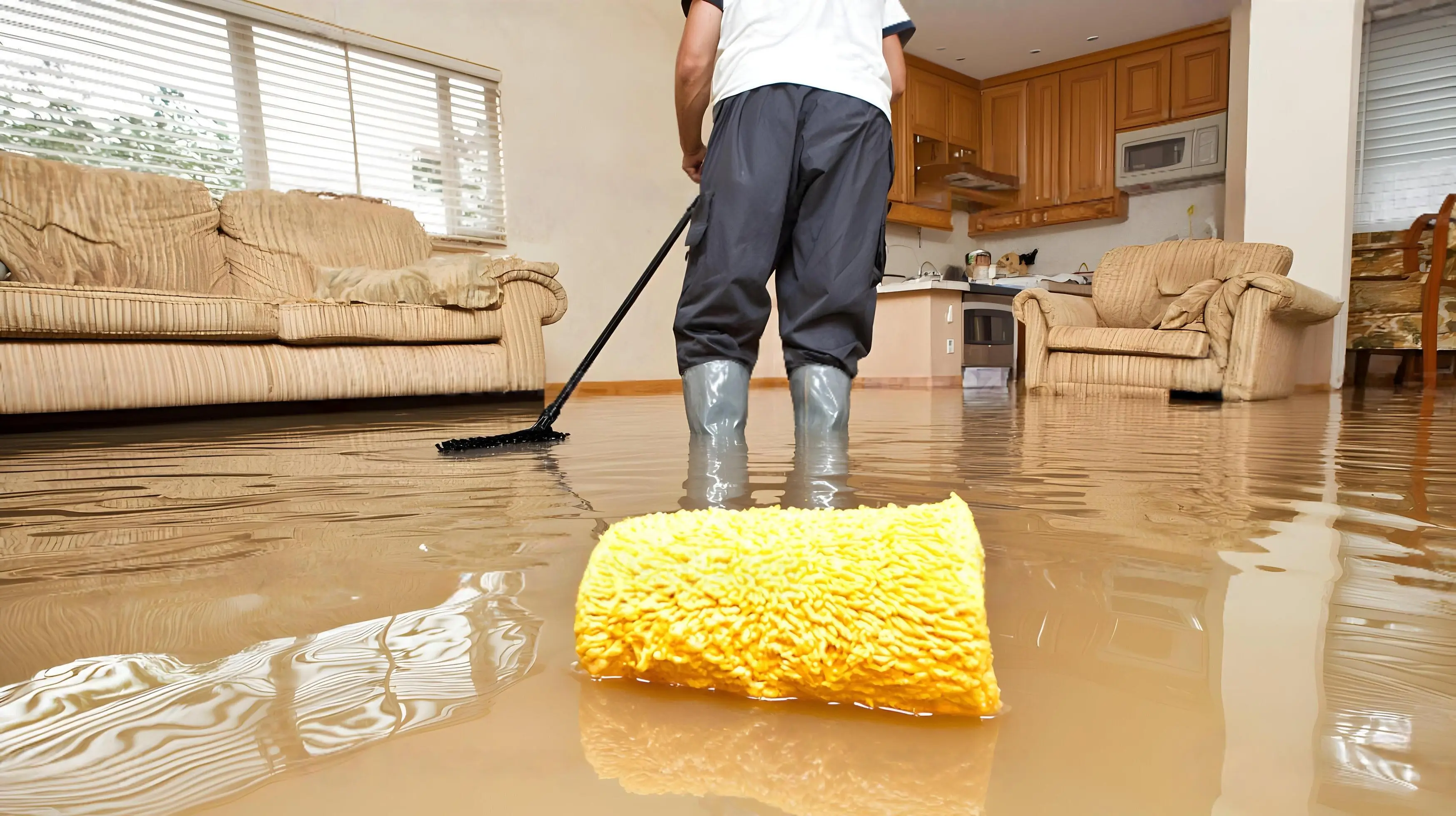
Water Damage Restoration
Burst pipes, storm flooding, standing water. We extract, dry, and restore before mold sets in.
Learn more
Smoke Damage Restoration
Soot residue, chemical odors, HVAC contamination. We decontaminate surfaces, eliminate odors, and restore air quality.
Learn more
Mold Remediation
Testing, containment, removal, prevention. We find the source, eliminate the growth, and stop it from returning.
Learn more
Sewage Cleanup
Sewer backups, contaminated water, biohazard. We extract, sanitize, and restore safely.
Learn more