
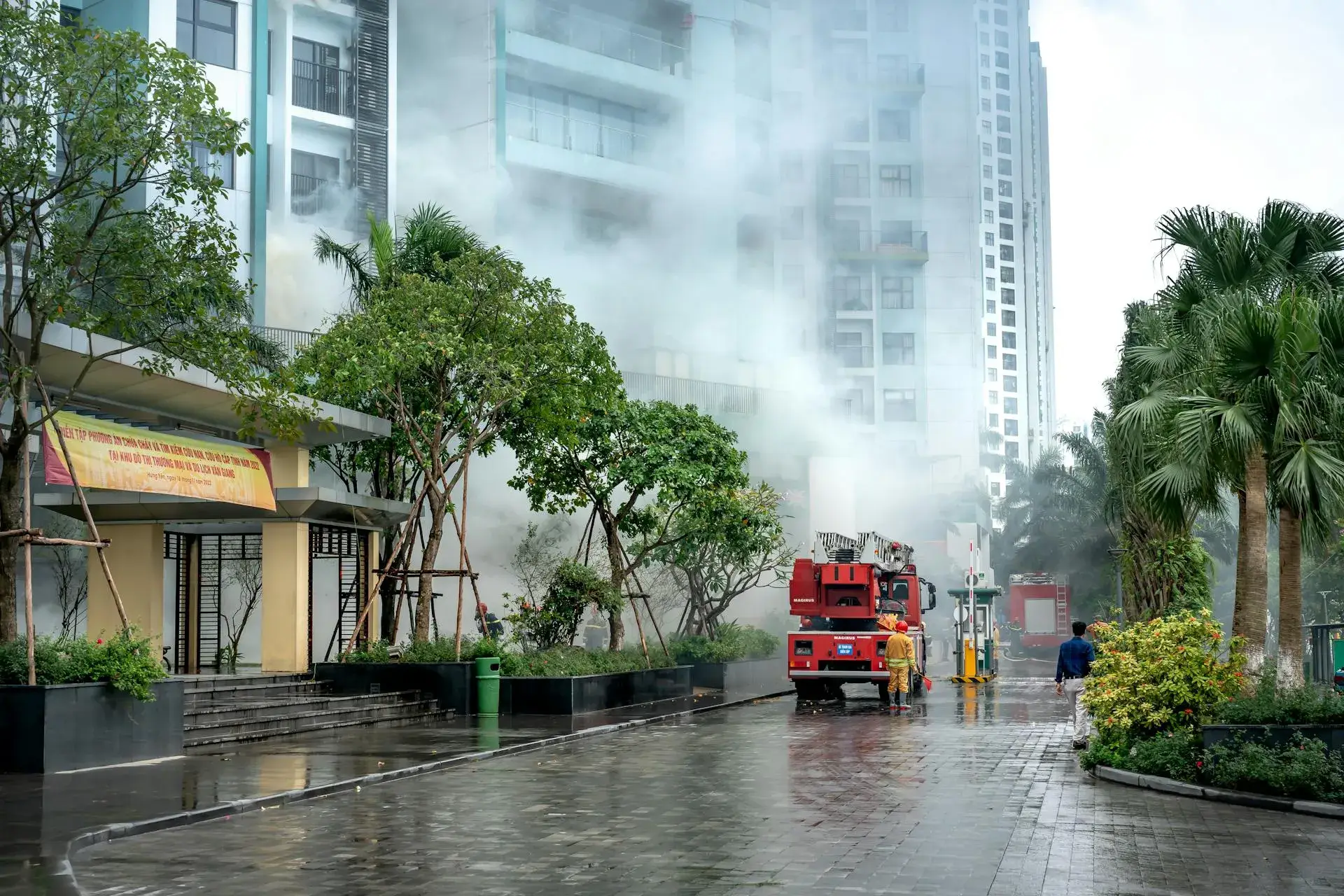
Smoke Damage Restoration in Alpharetta, GA
Smoke residue acidifies and bonds permanently to surfaces within hours. Our local team responds to Alpharetta emergencies within 60 minutes to begin professional cleaning before damage becomes irreversible.
What Happens When You Call
A real person answers, not a call center. We assess your smoke situation, ask the right questions, and begin coordinating your response immediately.
Your dedicated restoration team is dispatched from our local base serving Alpharetta and the surrounding northern Fulton County communities.
Team arrives with HEPA air scrubbers, chemical sponges, thermal foggers, and surface testing equipment. Assessment and mitigation begin immediately.
Smoke sources identified, HVAC isolated, initial soot removal underway, air scrubbers running. You know exactly what comes next.
Smoke has infiltrated your property and you can see it on surfaces, smell it in every room, and feel it in your lungs. Whether it came from a structure fire next door, a wildfire smoke event blanketing the metro, or a furnace malfunction in your own home, the residue is bonding to your materials right now. X Response exists for this moment. When you reach out, your restoration team is mobilized within minutes and on site within the hour. From that point forward, one team manages everything: assessment, soot removal, odor elimination, air quality verification, and insurance documentation. Call now. Your team is standing by.
Why Alpharetta Homes Are Vulnerable to Smoke Damage
Alpharetta's smoke damage risks come from two distinct directions. The first is proximity: the city's dense mix of apartment complexes, townhome communities, and commercial buildings along the GA 400 corridor means that a fire in any one structure can send smoke into dozens of surrounding properties through shared walls, connected attic spaces, prevailing wind patterns, and the HVAC systems that circulate air through multi-tenant buildings. When the June 2025 lightning strike ignited an Alpharetta apartment building, smoke did not stay in the unit of origin. It traveled through the building's HVAC plenums, rose through shared roof assemblies, and drifted into neighboring structures downwind. The 24 displaced residents dealt with fire and water damage, but their neighbors across the complex dealt with smoke infiltration that left no visible burn marks yet deposited corrosive soot on every surface the air system touched.
The second direction is regional. On April 23, 2026, the Georgia Department of Natural Resources Environmental Protection Division issued a Code Orange Air Quality Alert for metro Atlanta as smoke from wildfires burning in Clinch and Brantley counties in south Georgia drifted north. Fox 5 Atlanta, WSB-TV, and the NWS Peachtree City office all reported hazy skies and reduced air quality across North Georgia, with AQI between 101 and 150. For outdoor air, that is manageable for most people. But for homes and commercial buildings, wildfire smoke finds its way inside through ventilation intakes, open windows, door gaps, and the pressure differentials that HVAC systems create. In Alpharetta's technology-corridor office buildings, which rely on constant fresh-air intake to maintain positive pressure, a regional smoke event means particulate-laden air enters the building at volume. Residents with older homes where air sealing is minimal wake up to hazy interiors and a fine layer of particulate on horizontal surfaces.
Wildfire Smoke Intrusion from Regional Events
Georgia's wildfire season, driven by drought and controlled burn escapes, periodically sends smoke plumes hundreds of miles from ignition points in south Georgia and north Florida into the metro Atlanta airshed. The April 23, 2026 Code Orange event was not an anomaly. Similar alerts have occurred multiple times in recent years as wildfire acreage across the Southeast has increased. For Alpharetta properties, the impact depends on building tightness. Newer commercial buildings along GA 400 with positive-pressure HVAC systems pull outside air through filtration that may or may not capture fine particulate (PM2.5), depending on filter rating. Older homes with standard MERV-8 filters and imperfect air sealing allow smoke particulate to accumulate on interior surfaces, in ductwork, and within soft furnishings over the course of a multi-day smoke event. The residue is subtle, a light gray film rather than visible soot, but it carries the same acidic compounds that cause long-term material damage and persistent odor if not professionally addressed.
Neighbor and Adjacent-Structure Smoke Exposure
Alpharetta's building density means fires in one structure routinely send smoke into others. Apartment complexes share HVAC systems or duct routing through common chases. Townhome rows share continuous attic spaces where smoke travels laterally above unit-separation walls. In the Avalon mixed-use district and similar developments, a restaurant kitchen fire below sends smoke upward through mechanical penetrations into residential units above. Even in single-family neighborhoods, a house fire upwind can deposit soot on neighboring properties through open windows, HVAC intakes, and the natural stack effect that pulls outdoor air into homes. The neighbor's fire becomes your smoke damage, often with no visible burn or water damage to explain the soot on your surfaces and the smell that will not leave.
Furnace Puffbacks and HVAC Malfunctions
Not all smoke damage in Alpharetta comes from fires or wildfires. Oil-burning furnaces, which are less common here than in the Northeast but present in older homes and some commercial buildings, can produce puffbacks: sudden misfires that expel soot through every register, return, and duct joint in the system. Gas furnaces can produce carbon soot when burners are dirty or heat exchangers crack. When a puffback or malfunction occurs, the HVAC system distributes soot throughout the entire conditioned space in seconds. Every room served by that system receives a coating of fine, oily soot that penetrates fabrics, settles into electronics, and coats surfaces from ceiling to floor. The damage is dramatic and whole-house, even though no fire occurred.
Commercial Building Smoke Travel Patterns
The technology-corridor office buildings along GA 400 have characteristics that make smoke travel extensive when it occurs. Drop ceilings create continuous plenum spaces above the visible ceiling where smoke travels freely between tenant suites. Cable trays and conduit penetrations connect floors vertically. Positive-pressure HVAC designs pull air from outside and distribute it throughout the building, which means smoke from an exterior source, whether a dumpster fire, a vehicle fire in the parking deck, or a regional wildfire event, enters at the intake and reaches every floor served by that air handler. Restoration in these buildings requires above-ceiling cleaning, duct decontamination, and treatment of concealed spaces that residential-only crews typically do not address.
Humid Climate and Odor Persistence
North Georgia's average relative humidity ranges from 69 percent in midsummer to 78 percent in winter. High humidity slows the off-gassing of smoke odor from materials and can actually drive smoke compounds deeper into porous surfaces as moisture cycles through the material. In Alpharetta's climate, smoke odor does not fade with time and ventilation the way it might in an arid environment. It persists, sometimes for months or years, unless the contaminated materials are either professionally treated with thermal fogging, hydroxyl generation, and sealant encapsulation or removed entirely. The humidity also means that opening windows, a common DIY response, does little to clear the odor because the incoming air carries its own moisture that keeps the smoke compounds trapped in the material.
Alpharetta's smoke damage exposure comes from multiple angles: regional wildfire smoke that infiltrates buildings during Code Orange events, structure fires in dense multi-family and mixed-use buildings that send smoke into neighboring units, furnace malfunctions that distribute soot through entire HVAC systems, and the commercial building designs along GA 400 that allow smoke to travel extensively through plenum spaces and duct networks. The humid North Georgia climate keeps smoke odor locked in materials far longer than drier regions. Effective smoke damage restoration here requires identifying the smoke source and type, mapping how far it traveled through the structure, deploying the correct cleaning chemistry for the specific residue, and verifying air quality before calling the job complete.
What Happens to Your Home While You Wait
Within 1 Hour
Smoke residue begins settling on all surfaces. Acidic compounds in the soot start reacting with metals, plastics, and finishes. The longer residue sits, the more it bonds to surfaces and the harder it becomes to remove without damaging the underlying material. Electronics are particularly vulnerable as fine particulate settles on circuit boards and contacts.
1–24 Hours
Soot permanently discolors chrome, brass, and aluminum fixtures through acid etching. Smoke residue penetrates deeper into porous materials: drywall absorbs it, wood grain traps it, fabric fibers hold it. Odor compounds migrate into soft furnishings, carpet padding, and insulation. Items that could be cleaned within the first few hours begin crossing into replacement territory.
24–48 Hours
Yellowing and permanent staining appear on painted surfaces, laminate countertops, and appliance finishes. Smoke odor bonds into materials so deeply that surface cleaning alone cannot eliminate it. In North Georgia's humid climate, moisture in the air drives smoke compounds further into porous substrates. The scope of professional treatment expands with every hour of delay.
48–72 Hours
Corrosion on electronics becomes visible and often irreversible. HVAC ductwork that was not isolated has distributed soot to every room in the system, requiring whole-building decontamination rather than targeted room cleaning. Furniture upholstery, mattresses, and clothing may cross from cleanable to disposable. Insurance claim scope continues to grow.
One Week and Beyond
Smoke odor permeates the structure so deeply that thermal fogging and hydroxyl treatment alone may not eliminate it. Sealant encapsulation of framing, subfloor, and wall cavities becomes necessary before any rebuild can occur. Corrosion spreads through wiring, HVAC components, and plumbing fixtures. What began as a cleaning job becomes demolition, encapsulation, and reconstruction.
Professional smoke damage cleaning is most effective and least expensive when it begins within hours of exposure. Contact X Response now. Our Alpharetta team responds within 60 minutes.
How We Restore Smoke-Damaged Alpharetta Homes
From the moment our team arrives, every step is documented, measured, and verified. Here is exactly what the smoke damage restoration process involves for Alpharetta properties.
Assessment and Source Identification
Our team identifies the smoke source, residue type, and distribution pattern throughout the property. Different sources produce different soot: protein-based residue from kitchen fires, synthetic soot from electrical fires or burning plastics, fuel-oil soot from furnace malfunctions, and fine wildfire particulate from regional smoke events. Each requires a different cleaning approach. We map smoke travel through the structure, checking HVAC systems, above drop ceilings in commercial spaces, inside wall cavities through access points, and through shared assemblies in multi-family buildings. Everything is documented with photos, air quality readings, and surface samples that establish the baseline for your insurance claim.
HVAC Isolation and Air Scrubbing
We immediately isolate the HVAC system to stop redistributing smoke through the building. HEPA air scrubbers with activated carbon filtration are deployed throughout the affected space to begin capturing airborne particulate and volatile organic compounds. In commercial buildings along GA 400 with central air handling, we work with building management to isolate affected zones while maintaining air quality in unaffected areas. Air scrubbers run continuously throughout the restoration to protect occupant health and prevent cross-contamination of cleaned areas.
Soot and Residue Removal
We clean every affected surface using methods specifically matched to the soot type and substrate material. Chemical sponges remove loose soot from walls and ceilings without smearing. Alkaline cleaners address protein-based residue from cooking fires. Solvent-based cleaners cut through oily fuel-soot from furnace malfunctions. HEPA vacuuming removes fine particulate from fabrics, carpets, and electronics. In Alpharetta's commercial buildings, we clean above drop ceilings, inside ductwork, and through cable management systems where soot settles invisibly. Media blasting handles heavily contaminated hard surfaces. Every technique is selected to remove the residue without damaging the surface beneath it.
Odor Elimination
Smoke odor does not dissipate on its own, especially in North Georgia's humid climate. We deploy thermal foggers that recreate the penetration pattern of smoke and drive deodorizing agents into the same materials the smoke reached. Hydroxyl generators break down odor-causing molecules at the chemical level without the occupant-exclusion requirements of ozone. For severe cases, we apply shellac-based or specialty sealant to framing, subfloor, and wall cavity surfaces before any rebuild to encapsulate residual odor permanently at its source. Multiple passes with different technologies address the layered nature of smoke odor in porous materials.
Air Quality Verification and Completion
Before we declare the project complete, air quality testing confirms that particulate levels and volatile organic compounds have returned to acceptable concentrations. Surface testing verifies that soot residue has been removed to professional standards. Odor testing, both instrumental and sensory, confirms elimination. We provide completion documentation including before-and-after photos, air quality readings, and a detailed summary of all work performed. That record closes out your insurance claim and gives you confidence that the problem is resolved, not masked.
The X Response Difference
When you contact X Response for smoke damage in Alpharetta, you get a team that understands smoke travel, matches technique to residue type, treats the full distribution path, and verifies results with air quality testing. One team, one standard, complete accountability.
Insurance Claim Guidance for Alpharetta Homeowners
Smoke damage insurance claims in Georgia depend heavily on the source. If smoke entered your property from a covered fire event, whether your own structure fire or a neighbor's, your standard homeowner's or commercial property policy typically covers the cleaning, content restoration, and structural treatment needed to eliminate the damage. Wildfire smoke infiltration during regional events like the April 2026 Code Orange alert is less straightforward: some policies cover smoke damage from wildfires as a covered peril, others exclude gradual infiltration that occurs over multiple days. Furnace puffbacks are typically covered as sudden and accidental mechanical failures. The critical factor in all smoke claims is documenting the source, the distribution path, and the full extent of damage, including concealed areas, because carriers often underestimate smoke travel and want to pay for surface cleaning when full-system decontamination is required.
How X Response Helps
- Identify and document the smoke source, which determines coverage eligibility under your policy
- Map the full distribution path including HVAC, concealed spaces, and adjacent areas so no damage is missed
- Document soot type and density with surface samples and photos that justify the cleaning methods required
- Distinguish between items that can be professionally restored and items that require replacement, with evidence supporting each
- Provide air quality readings before and after treatment to demonstrate the scope of contamination and verify successful remediation
X Response does not file claims on your behalf, adjust claims, or make coverage determinations. We provide documentation and guidance to help you make informed decisions about your property and your policy. Coverage decisions are made solely by your insurance carrier.
Certified Restoration Specialists Serving Alpharetta
When you contact X Response for smoke damage in Alpharetta, your restoration team is drawn from certified professionals who work across northern Fulton County and understand how smoke behaves in the building types found here. They know how smoke travels through the plenum ceilings of GA 400 commercial buildings, how it distributes through shared HVAC systems in apartment complexes, and how wildfire particulate infiltrates older homes through ventilation gaps that are invisible to occupants. They have cleaned synthetic soot from electrical fires in office buildings, protein residue from restaurant kitchen fires in mixed-use buildings, and fine wildfire particulate from regional smoke events. This is a team that matches technique to residue type because they understand that the wrong cleaning method on the wrong soot causes permanent damage rather than restoration.
Every technician on your team holds current IICRC certification in fire and smoke damage restoration and carries the appropriate Georgia state licensing for the work being performed. Equipment includes thermal foggers, hydroxyl generators, HEPA air scrubbers with activated carbon, chemical sponging systems, media blasters, and air quality monitoring instruments. When your team arrives, they bring the full complement of tools needed to assess, clean, deodorize, and verify, so no separate mobilization is required for any phase of the work.
In Alpharetta, X Response works with Atlanta's Best Restoration, an independent local restoration partner serving Fulton County.
Smoke Damage Restoration FAQ for Alpharetta Homeowners
Other Emergency Services in Alpharetta
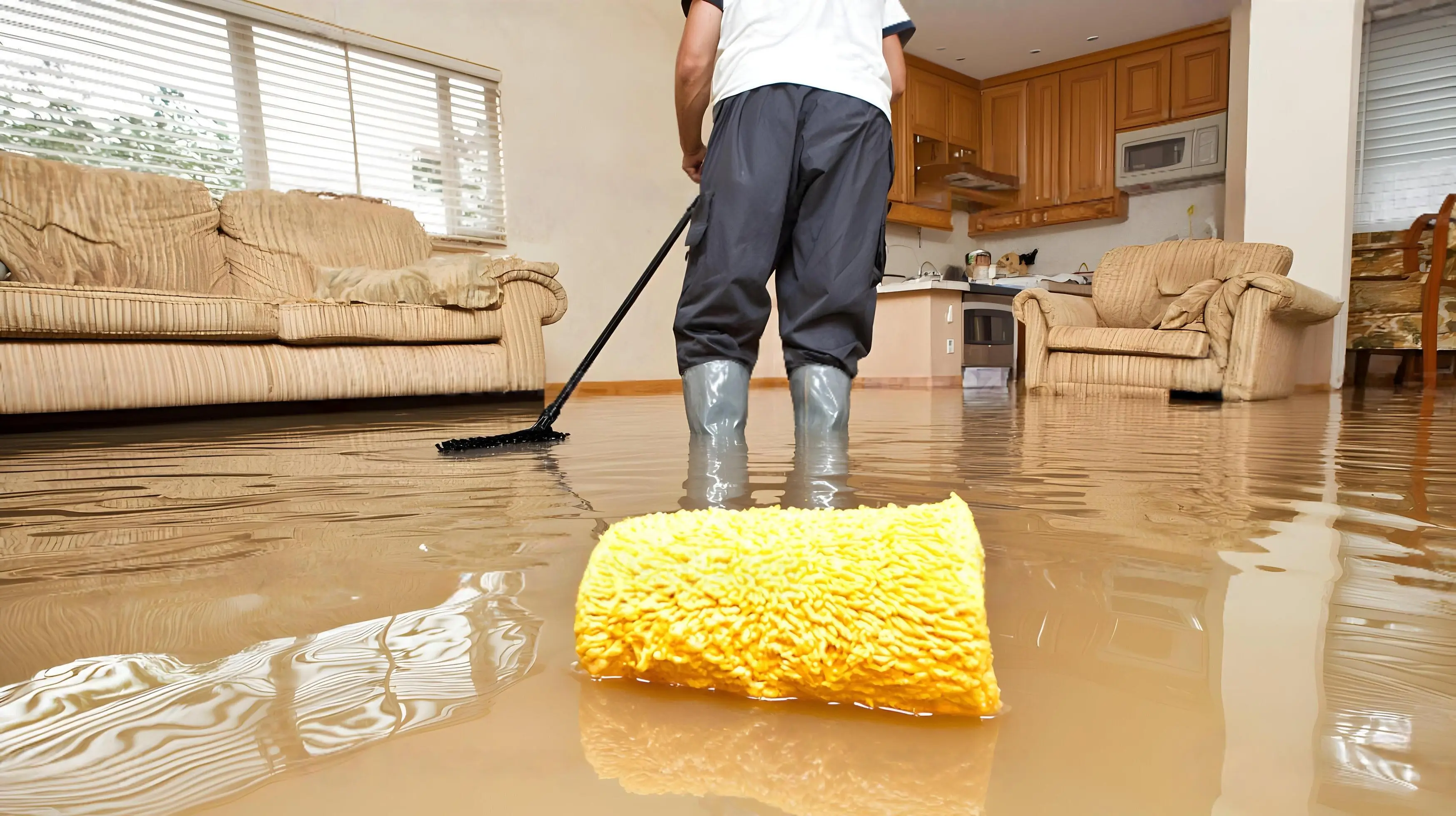
Water Damage Restoration
Burst pipes, storm flooding, standing water. We extract, dry, and restore before mold sets in.
Learn more
Fire Damage Restoration
Structural damage, soot, debris. We stabilize, clean, and rebuild what fire destroyed.
Learn more
Mold Remediation
Testing, containment, removal, prevention. We find the source, eliminate the growth, and stop it from returning.
Learn more
Sewage Cleanup
Sewer backups, contaminated water, biohazard. We extract, sanitize, and restore safely.
Learn more