
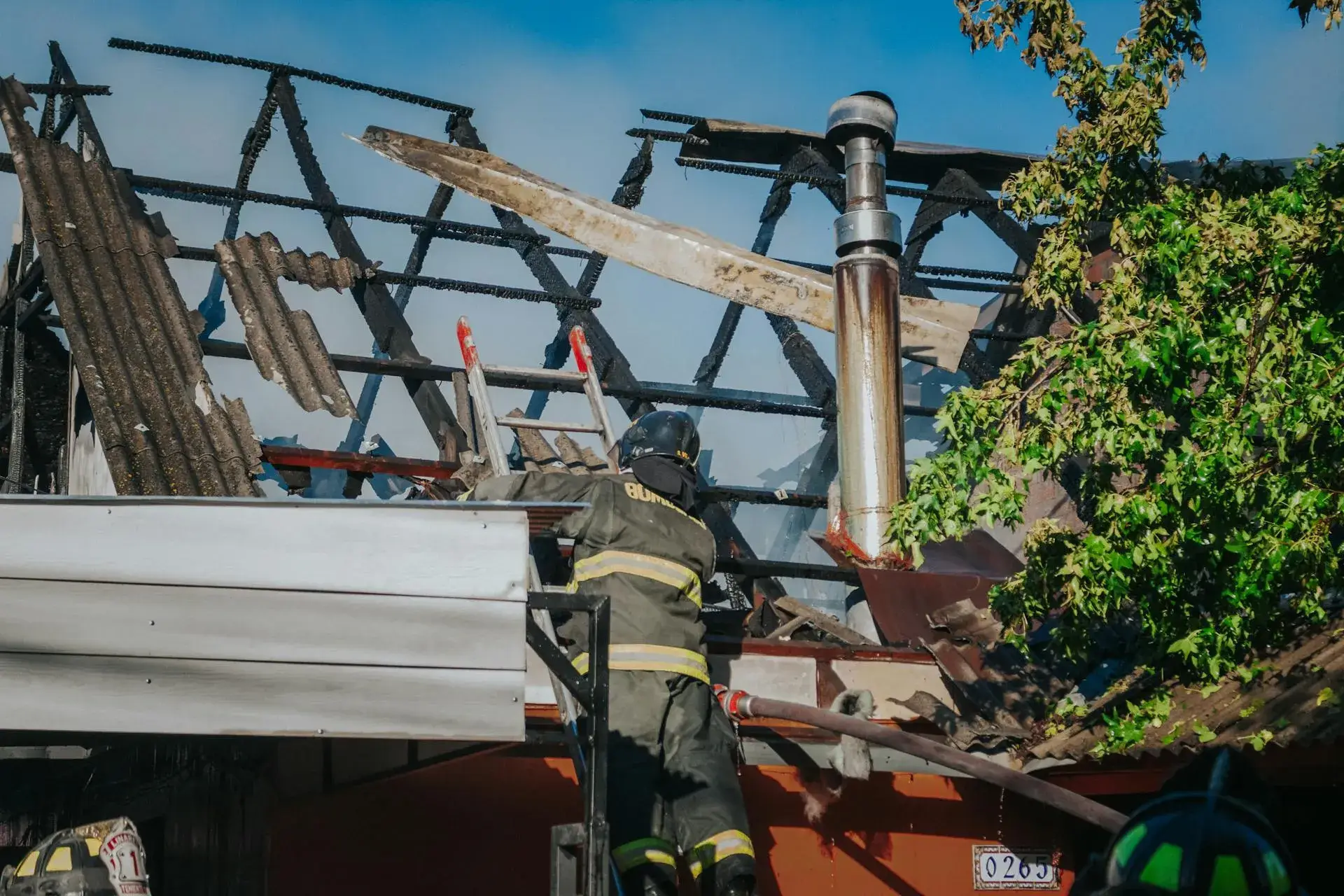
Fire Damage Restoration in Clarkston, GA
Fire and smoke damage worsen every hour as soot acidifies, corrosion spreads, and odor penetrates deeper into materials. Our local team responds to Clarkston emergencies within 60 minutes.
What Happens When You Call
A real person answers, not a call center. We assess your situation, ask the right questions, and begin coordinating your response immediately.
Your dedicated restoration team is dispatched from our local base serving Clarkston and the surrounding DeKalb County communities.
Team arrives with board-up materials, soot removal equipment, air scrubbers, and structural assessment tools. Emergency securing and mitigation begins immediately.
Structure secured, immediate hazards addressed, suppression water managed, restoration plan documented. You know exactly what comes next.
A fire just happened and everything feels chaotic. The flames may be out, but the damage is still progressing. Soot is acidifying on surfaces, smoke residue is bonding to materials, and water from suppression is soaking into the structure. X Response exists for this exact moment. When you reach out, your restoration team is mobilized within minutes and on site within the hour. From that point forward, one team manages everything: securing the structure, removing soot and smoke, drying suppression water, and guiding the insurance process. Call now. Your team is standing by.
Why Clarkston Homes Are Vulnerable to Fire Damage
Clarkston's fire risk profile is shaped by its unique combination of dense, aging multi-family apartment buildings and its position within one of metro Atlanta's most concentrated residential square miles. The city spans roughly one square mile in central DeKalb County, home to approximately 14,500 residents, many living in apartment complexes built in the 1960s and 1970s. Fire services are provided by DeKalb County Fire Rescue, which responds to structure fires, brush fires, and medical emergencies across the city. On the night of April 26 into April 27, 2026, an arsonist set 15 brush fires within a half-mile radius of Georgia State University's Perimeter College Clarkston campus, threatening nearby homes, apartment complexes, and a mosque. DeKalb County interim Fire Chief Melvin Carter confirmed the fires were intentionally set after crews observed the rapid succession of ignitions and the distances between them during drought conditions. The incident required a massive overnight response and demonstrated how quickly fire can threaten Clarkston's densely packed residential areas, where apartment buildings sit close to overgrown lots and wooded margins.
In August 2025, a fire at Clarkston Oaks Apartments on Northern Avenue displaced approximately 50 people, hospitalized five including four children, and damaged 32 units in a single building. Residents, many of them refugee families from Afghanistan, Iraq, and Syria, ran door to door alerting neighbors in multiple languages as smoke filled the structure. More than 10 DeKalb County Fire Rescue vehicles responded to the scene. That fire was not an isolated incident. In June 2025, a fire at the Mirador at Inglewood apartments on Brockett Road injured two people and displaced five families. The Brannon Hill Condominiums near Memorial Drive, historically one of the most blighted complexes in metro Atlanta, experienced repeated fires over more than a decade before DeKalb County condemned and demolished more than 50 units beginning in 2017. Fires in Clarkston disproportionately affect multi-family apartment buildings where hundreds of residents share walls, corridors, and mechanical systems, and where a single ignition can cascade into a mass-displacement event.
Aging Multi-Family Apartment Construction
The majority of Clarkston's housing stock consists of two-story and three-story apartment buildings constructed between the 1960s and 1970s, when the area first developed as an Atlanta commuter suburb. These buildings typically use wood-frame construction above the first floor, with minimal fire separations between units compared to modern building codes. Shared attic spaces, continuous soffit lines, and combustible exterior cladding allow fire to spread laterally between units once it penetrates the wall or ceiling assembly. Electrical systems in these buildings have aged beyond their design life and have been modified repeatedly without full rewiring, creating overload and arc-fault conditions that represent a constant hidden ignition source. When fire occurs in one of these structures, it rarely stays contained to the unit of origin. Smoke and flame travel through shared wall cavities, floor-ceiling assemblies, and ventilation pathways, frequently damaging a dozen or more units from a single point of ignition.
Dense Occupancy and Displacement Scale
Clarkston's apartment complexes house significantly more people per unit than metro Atlanta averages, particularly in the communities that serve refugee families. A two-bedroom unit may house a family of six or more. When fire strikes a building in this context, the human displacement is proportionally larger. The August 2025 Clarkston Oaks fire damaged 32 units and displaced 35 adults and 15 children in a single event. The Mirador at Inglewood fire in June 2025 displaced five families. Each event creates not just a structural restoration challenge but also a humanitarian logistics problem, as families with limited resources and sometimes limited English need immediate shelter, belongings recovery, and navigational assistance through insurance and aid systems. For restoration teams, dense occupancy also means more personal property to inventory, document, and either restore or catalog as losses within each affected unit.
Brush Fire Exposure During Drought
The April 2026 arson series highlighted a fire risk that many residents did not fully appreciate: brush and grass fires that threaten structures from the exterior. Clarkston's one square mile contains numerous vacant lots, overgrown margins between apartment complexes, and wooded creek buffers that dry out during Georgia's periodic drought cycles. When these areas ignite, whether from arson, discarded materials, or natural causes, fire can reach building exteriors within minutes, particularly when wind pushes flames toward structures. The 15 fires set in April 2026 occurred during severe drought conditions and threatened apartment buildings, a mosque, and homes adjacent to the Georgia State University Clarkston campus. No structures were lost in that incident, but the scenario demonstrated how a single ignition in Clarkston's dense landscape can put hundreds of residents at immediate risk. DeKalb County fire crews spent the entire night containing blazes that kept reigniting in tinder-dry vegetation.
Cooking Fires in Multi-Cultural Housing
Clarkston's diverse population brings cooking traditions from more than 40 countries into apartment kitchens designed for American appliances and ventilation. Open-flame cooking, high-heat oil preparation, and extended stovetop use that are standard in many food cultures operate safely in homes designed for them but present elevated risk in apartments with limited range hoods, narrow kitchens, and cabinets mounted directly above cooking surfaces. NFPA data consistently identifies cooking as the leading cause of apartment fires nationally, and Clarkston's combination of diverse cooking methods and limited kitchen ventilation amplifies that baseline risk. When a cooking fire escapes the unit of origin, it enters the same shared-wall and shared-attic pathways that characterize the aging building stock, spreading smoke and heat damage to adjacent units rapidly.
Electrical System Degradation
The apartment buildings that dominate Clarkston's housing were wired with aluminum or early copper wiring systems sized for the electrical loads of the 1960s and 1970s: a few ceiling lights, a refrigerator, a television, and window air conditioning. Today those same circuits serve multiple high-draw devices per unit, including window AC units, space heaters, large-screen displays, and personal electronics. In buildings where ownership has turned over multiple times and maintenance capital has been deferred, electrical panels remain original, wiring insulation has degraded, and connections have loosened over decades of thermal cycling. These conditions produce arc faults and overheating that smolder inside wall cavities before breaking through into visible flame. Electrical fires are particularly destructive because they often start in concealed spaces and spread through wiring chases and wall cavities before detection, distributing smoke and heat damage widely through the structure.
These factors combine to create a fire environment specific to Clarkston: dense, aging apartment buildings where fire spreads through shared construction, high-occupancy units where a single event displaces dozens of families, exterior brush fire exposure during drought cycles, cooking fire risk amplified by diverse traditions in limited kitchens, and decades-old electrical systems pushed far beyond their design capacity. Effective fire damage restoration here means understanding how fire, smoke, and suppression water move through 1960s-era multi-family construction, managing multi-unit projects where dozens of families need simultaneous attention, and navigating the insurance and property management complexities that arise when fire in one unit damages an entire building. It rewards a team that has worked in DeKalb County's dense apartment communities and understands how to restore these structures efficiently while serving the vulnerable populations who depend on them for housing.
What Happens to Your Home While You Wait
Within 1 Hour
Soot begins acidifying on surfaces throughout the unit and adjacent units where smoke traveled. In Clarkston's apartment buildings with shared wall cavities and continuous attic spaces, smoke has already distributed far beyond the burn area. Acidic soot residue starts etching metal fixtures, corroding electronics, and permanently staining porous surfaces like grout, natural stone, and unfinished wood. Suppression water from fire hoses is soaking into flooring, dripping through ceiling assemblies into units below, and pooling in HVAC ductwork. The damage you cannot yet see is already underway.
1–24 Hours
Soot continues to acidify and bond to surfaces. Metals tarnish and corrode. Smoke odor penetrates deeper into soft materials: furniture upholstery, clothing, mattresses, carpet padding. In Clarkston's humid climate, suppression water begins feeding bacterial and mold growth in concealed spaces between floors and behind walls. Wood framing chars and weakens at connection points. Smoke residue in HVAC ductwork distributes odor and particulates through the mechanical system each time it cycles, spreading contamination to areas the fire never directly reached.
24–48 Hours
Permanent staining sets into porous surfaces that were not cleaned in the first day. Corrosion on metals deepens beyond surface treatment. Mold begins colonizing in areas where suppression water soaked into wall cavities and floor assemblies, accelerated by DeKalb County's warm, humid conditions. Smoke odor bonds molecularly to building materials, requiring increasingly aggressive deodorization techniques the longer it sits. In multi-unit apartment buildings, the contamination zone continues to expand as smoke migrates through every unsealed penetration in walls and ceilings.
48–72 Hours
Restoration scope expands significantly. Materials that could have been cleaned in the first 24 hours now require removal and replacement. Mold growth in suppression-water-affected areas becomes visible. Smoke damage in adjacent units deepens. Personal property that could have been restored through professional cleaning may now be unsalvageable. The project transitions from cleaning and deodorization into demolition and reconstruction territory, with proportionally higher costs and longer timelines.
One Week and Beyond
Extensive corrosion throughout mechanical systems. Smoke odor permanently embedded in structural materials. Mold established in wall cavities and floor assemblies from untreated suppression water. What started as a localized fire with manageable smoke spread has become a full gut-and-rebuild across multiple units. Insurance claims grow more complex and contested as carriers question whether timely mitigation could have limited the scope.
The difference between cleaning your property and gutting it is often measured in hours of response time after the fire is extinguished. Contact X Response now. Our Clarkston team responds within 60 minutes.
How We Restore Fire-Damaged Clarkston Homes
From the moment our team arrives, every step is documented, measured, and verified. Here is exactly what the fire damage restoration process involves for Clarkston properties.
Emergency Securing and Assessment
Our team arrives with board-up materials to secure openings, tarps to protect against weather intrusion through damaged roofing, and the assessment tools to determine the full extent of fire, smoke, and water damage. In Clarkston's multi-family buildings, that assessment extends beyond the unit of origin into every adjacent unit where smoke may have traveled through shared wall cavities, attic spaces, and HVAC systems. We use thermal imaging to identify hotspots still smoldering in concealed spaces and moisture meters to map suppression water distribution through the building. The scope of work begins forming from this initial assessment, documented with photos and measurements that serve as the foundation for your insurance claim.
Smoke and Soot Removal
Smoke and soot removal begins as soon as the structure is secured and safe. Different fire types produce different residues that require different cleaning approaches. Cooking fires produce protein-based soot that yellows and leaves a pungent odor. Electrical fires produce synthetic soot that is fine, dry, and highly acidic. Structure fires produce a combination of both plus char residue from combusted building materials. Our team identifies the soot type and selects the appropriate chemical agents, cleaning techniques, and equipment for each surface. In Clarkston's apartment buildings, this process is repeated across every affected unit, with particular attention to shared HVAC ductwork that distributes residue between units.
Suppression Water Management
Fire suppression puts out the flames but leaves hundreds or thousands of gallons of water in the structure. In multi-story apartment buildings, that water flows downward through floor assemblies, soaking into units below the fire and collecting in basement-level spaces. Our team extracts suppression water using the same industrial equipment and techniques we deploy for flood restoration: truck-mounted extractors, portable pumps, commercial dehumidifiers, and monitoring equipment to track drying progress. In Clarkston's apartment buildings where fire and water damage coexist in the same structure, we manage both simultaneously, cleaning soot from surfaces while drying the structure beneath them.
Structural Assessment and Demolition
Once the immediate contamination is addressed, our team assesses the structural integrity of fire-damaged framing, connections, and load-bearing elements. In Clarkston's wood-frame apartment buildings, fire can weaken structural members without making them visibly unsound. We identify what must be removed and replaced versus what can be treated and remain in place. Selective demolition removes charred and compromised materials while preserving sound structure, reducing cost and timeline compared to full demolition. Every removed material is documented for the insurance claim before disposal.
Deodorization and Air Quality Restoration
Smoke odor is the last element to resolve and the one that residents notice most. After soot is removed and surfaces are cleaned, odor molecules remain embedded in porous building materials, insulation, and concealed spaces. We deploy hydroxyl generators, thermal fogging, and ozone treatment in unoccupied spaces to neutralize odor at the molecular level rather than masking it. HEPA air scrubbers run continuously to capture airborne particulates. In multi-unit buildings, we treat common areas, hallways, and shared mechanical spaces in addition to individual units. The job is not done until air quality testing confirms the space is safe and odor-free for occupants to return.
The X Response Difference
When you contact X Response, you get a dedicated restoration team that manages everything: emergency securing, smoke and soot removal, suppression water extraction, structural assessment, and deodorization. One team, one point of contact, one standard of work from start to finish.
Insurance Claim Guidance for Clarkston Homeowners
Fire damage insurance claims in Georgia are typically covered under standard homeowner's and renter's policies for the fire and smoke damage itself. However, the claims process for apartment fires in Clarkston can involve multiple parties: the property owner's master policy, individual renter's policies, and potentially liability coverage if the fire originated from a specific cause or unit. Comprehensive documentation from the moment of response is critical to establishing the scope of damage, the origin and cause, and the distinction between fire damage, smoke damage, and suppression water damage, which may be categorized differently by insurers. In multi-unit events like the August 2025 Clarkston Oaks fire that damaged 32 units, coordinating between multiple claims and multiple adjusters requires systematic documentation that links each unit's damage back to the single event.
How X Response Helps
- Document all damage with professional photos, moisture readings, and a detailed scope of work from the moment we arrive
- Distinguish between fire damage, smoke damage, and suppression water damage for accurate claim categorization
- Prepare unit-by-unit documentation for multi-family events where multiple policies and adjusters are involved
- Align our restoration scope with standard insurance coverage categories so adjusters can process claims efficiently
- Explain the claims process and likely coverage before you file, so you understand your options and timeline
X Response does not file claims on your behalf, adjust claims, or make coverage determinations. We provide documentation and guidance to help you make informed decisions about your property and your policy. Coverage decisions are made solely by your insurance carrier.
Certified Restoration Specialists Serving Clarkston
When you contact X Response for a fire damage emergency in Clarkston, your restoration team is drawn from certified professionals who work across DeKalb County and understand the specific challenges of restoring fire-damaged properties here. They know how fire travels through shared wall cavities and continuous attic spaces in 1960s-era apartment construction. They understand the multi-unit logistics of simultaneously boarding up, cleaning, and drying a building where 30 families need to return home. They have worked through apartment fires where language barriers required coordination with community organizations to communicate restoration timelines to displaced residents. This is not a crew dispatched from hours away with no local context. It is a local team with local expertise, operating under national quality standards.
Every technician on your team holds current IICRC certification in fire and smoke restoration and carries the appropriate Georgia state licensing for the work being performed. Equipment is commercial-grade and maintained to manufacturer specifications. When your team arrives, they bring everything needed to begin mitigation immediately: board-up materials for any building size, industrial air scrubbers, thermal imaging for hidden hotspots, chemical soot removal systems matched to residue type, and the documentation tools to build your insurance file from the first hour on site.
In Clarkston, X Response works with Atlanta's Best Restoration, an independent local restoration partner serving DeKalb County.
Fire Damage Restoration FAQ for Clarkston Homeowners
Other Emergency Services in Clarkston
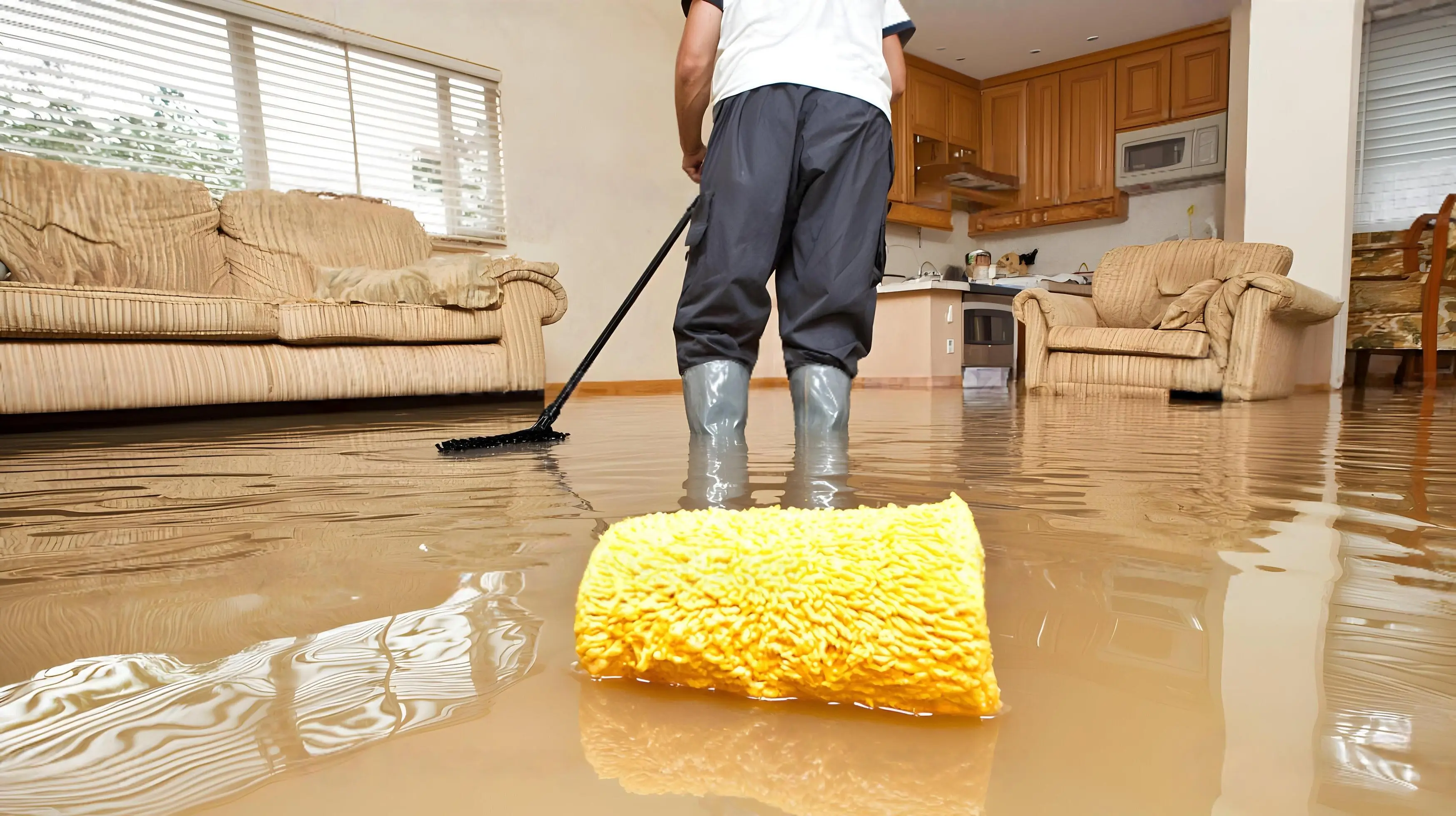
Water Damage Restoration
Burst pipes, storm flooding, standing water. We extract, dry, and restore before mold sets in.
Learn more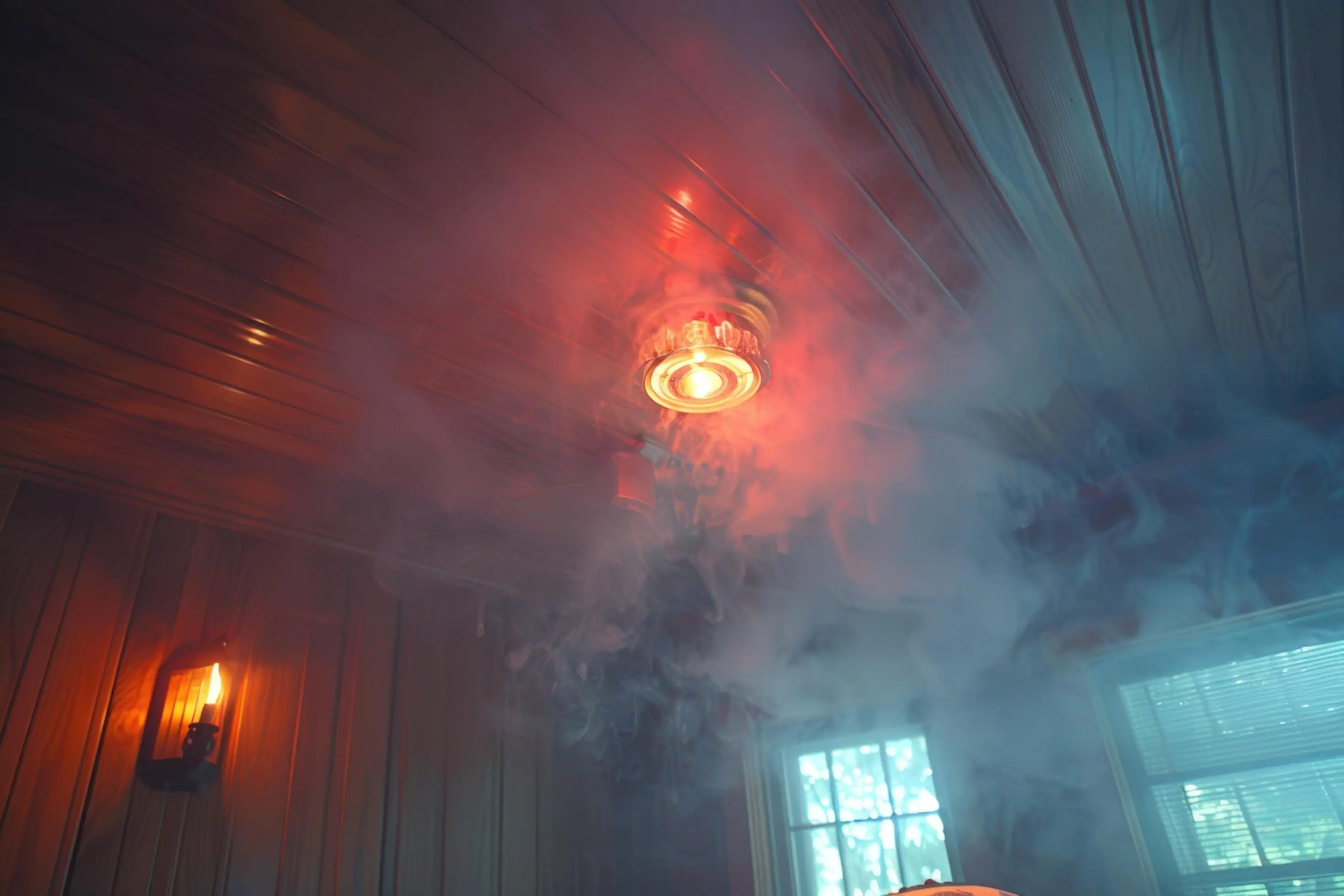
Smoke Damage Restoration
Soot residue, chemical odors, HVAC contamination. We decontaminate surfaces, eliminate odors, and restore air quality.
Learn more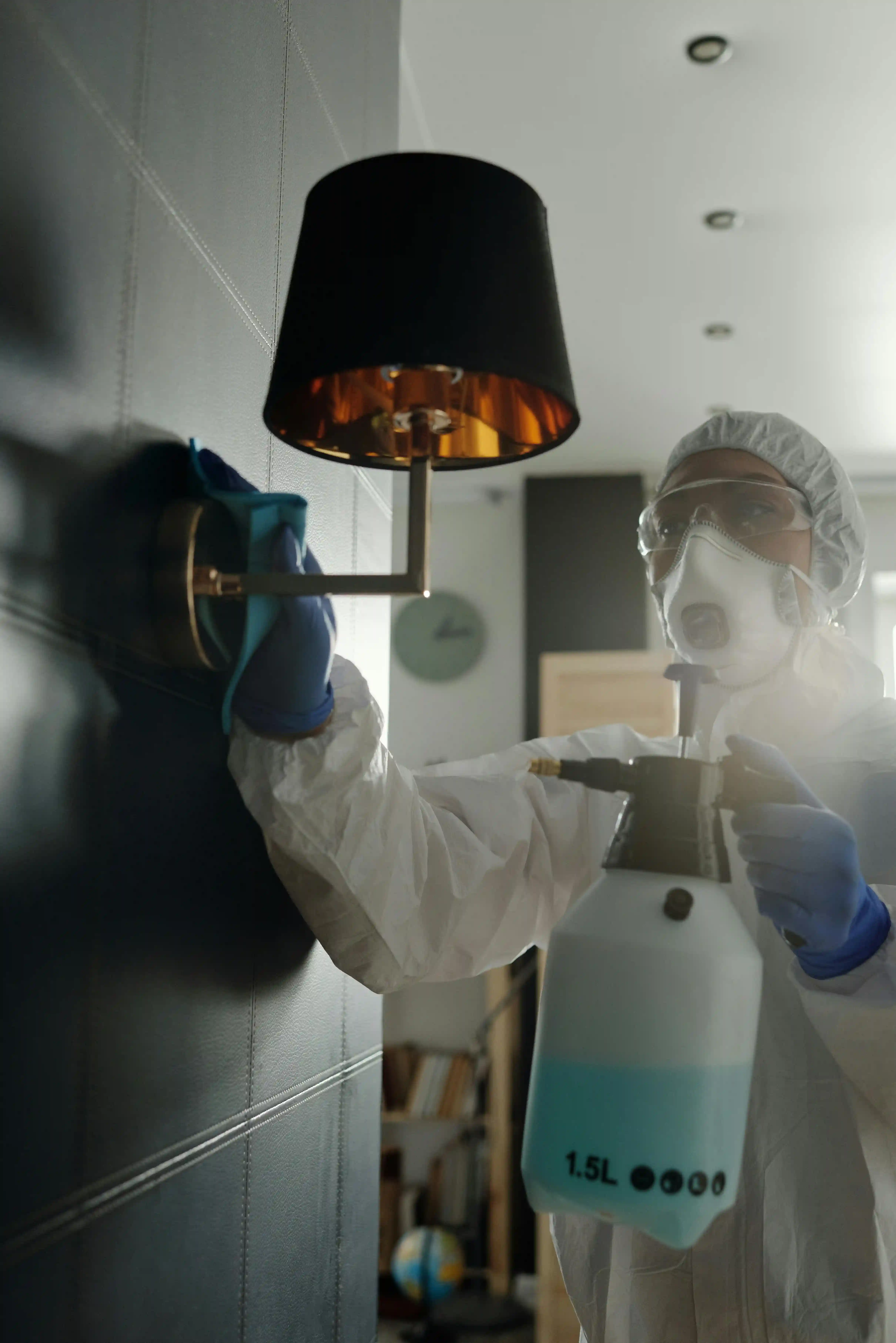
Mold Remediation
Testing, containment, removal, prevention. We find the source, eliminate the growth, and stop it from returning.
Learn more
Sewage Cleanup
Sewer backups, contaminated water, biohazard. We extract, sanitize, and restore safely.
Learn more