
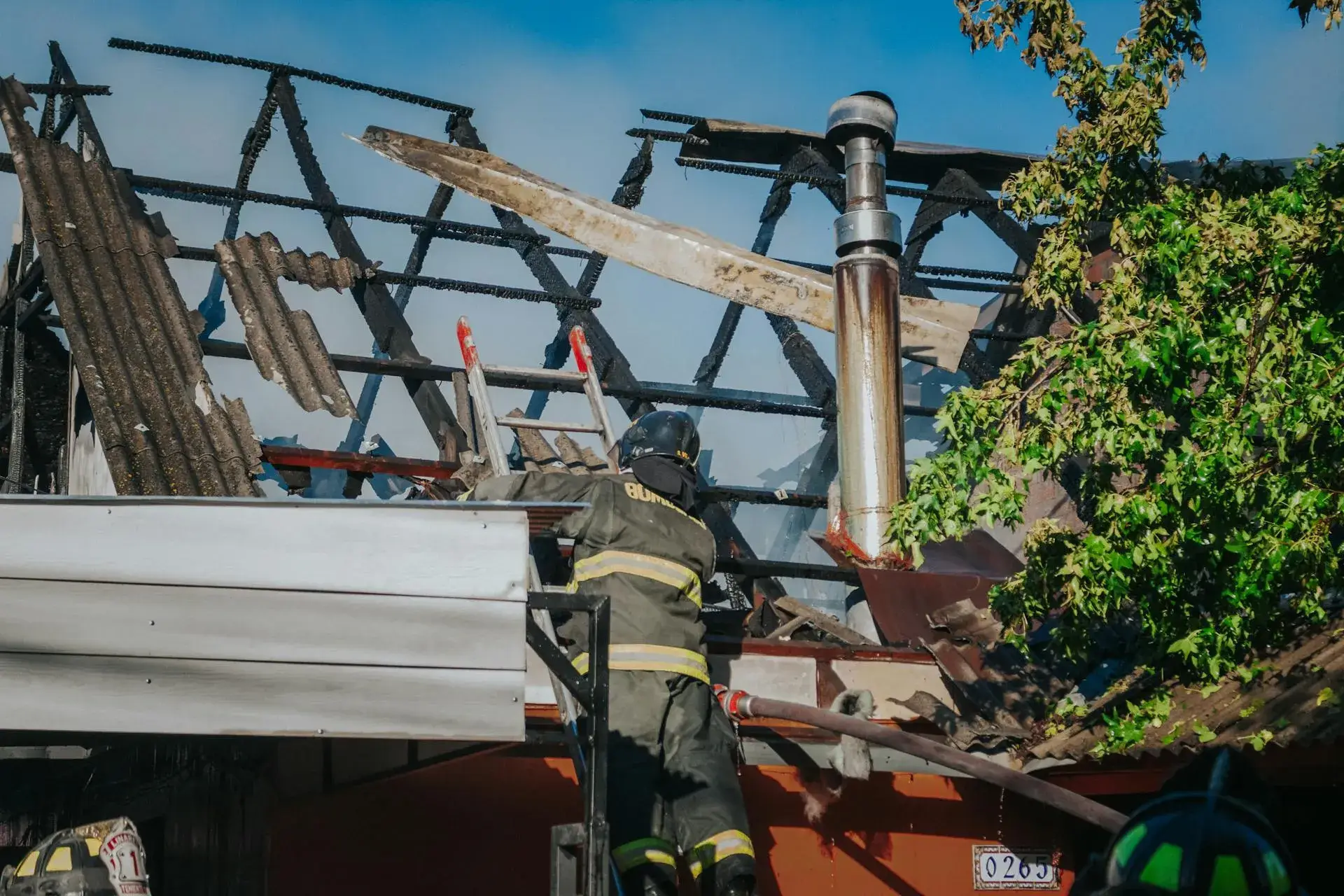
Fire Damage Restoration in Evanston, IL
Soot and smoke continue damaging your home even after the fire is out. Our local team responds to Evanston fire emergencies for immediate board-up and restoration.
What Happens When You Call
A real person answers. We assess the scope of the fire, confirm the fire department has cleared the scene, and begin coordinating your restoration response immediately.
Our board-up crew arrives to secure the property. Broken windows, compromised doors, and damaged roof sections are covered to prevent weather intrusion, theft, and further loss.
Full damage assessment begins. Our specialists evaluate structural integrity, smoke penetration, water damage from suppression, and air quality throughout the home including the basement.
Detailed restoration plan documented. Scope of work, timeline, and insurance documentation prepared. Active restoration begins: water extraction, debris removal, and soot cleanup underway.
Your home just experienced a fire and you are overwhelmed. That is exactly why X Response exists. When you reach out, we take over the logistics so you can focus on your family. One team manages everything from emergency board-up through structural repair and final inspection. You get a single point of contact, clear communication at every step, and documentation that supports your insurance claim from day one. Call now. We handle everything from here.
Why Evanston Homes Are Vulnerable to Fire Damage
Evanston's housing stock creates fire damage challenges that differ sharply from a newer suburb of detached homes on slabs. This is a dense, mature lakefront community where much of the housing was built between the 1890s and the 1930s, and where large single-family homes sit beside two-flats, courtyard apartment buildings, student rentals near Northwestern University, and lakefront high-rises. Those older buildings carry construction details that shape how fire behaves: open wall cavities in balloon-framed homes, original knob-and-tube wiring, plaster and lath interiors, and full basements beneath nearly every structure. Each of those features changes how fire, smoke, and firefighting water move through a building, and each changes what a complete restoration has to address.
The Evanston Fire Department, staffed by the firefighters of Local 742, protects the city around the clock and routinely draws mutual aid from Skokie, Wilmette, and Chicago when a fire goes to a second or third alarm. Recent incidents show the local risk. In January 2024, an intense two-alarm fire on Florence Avenue cost three residents their home and one of their cats, and injured four Evanston firefighters. In October 2024, a second-floor fire at a large house on Harrison Street critically burned one person and drew a working-fire response with outside departments. A 2020 high-rise fire on Chicago Avenue began in a single upper-floor unit but spread smoke and water damage to multiple apartments, and a December 2024 fire in a three-story apartment building on Barton Avenue displaced residents from the lower level. The causes track national patterns of cooking, heating, and electrical failure, but Evanston's century-old construction and dense multi-unit housing give those causes specific local consequences.
Balloon-Frame Construction and Rapid Vertical Spread
Many Evanston homes built before the 1930s use balloon framing, where wall studs run continuously from the foundation to the roofline with no fire stops between floors. Those open cavities act like chimneys, letting a fire that starts in the basement or a lower wall race up to the attic before it is visible in the living space. This is one reason older Evanston fires escalate so quickly and become so dangerous for firefighters. Restoring these homes means inspecting the full height of wall cavities for hidden fire and smoke travel, not just the room where the flames were knocked down.
Aging Knob-and-Tube and Overloaded Wiring
A large share of Evanston's housing predates 1940, and many homes still contain original knob-and-tube wiring or electrical systems that were never designed for modern loads. Decades of additional outlets, window air conditioners, space heaters, and electronics push aging circuits past their capacity, and degraded insulation on old conductors can arc inside walls. Electrical failures are consistently among the leading causes of house fires in older housing stock. When a fire originates in concealed wiring, the damage often extends through wall cavities well beyond the visible burn area, which is exactly what restoration has to trace and address.
Two-Flats, Courtyard Buildings, and High-Rises
Evanston is far denser than a typical suburb, with two-flats, vintage courtyard apartment buildings, student housing near Northwestern, and lakefront high-rises throughout the city. Fire in attached and stacked housing rarely stays in one unit. Flames, smoke, and firefighting water travel through shared walls, floors, and common spaces. The 2020 Chicago Avenue high-rise fire started in a single unit but damaged multiple apartments through smoke and water, and a December 2024 apartment fire on Barton Avenue displaced residents from a lower-level unit. Restoration here means assessing every connected unit and coordinating across owners, associations, and multiple insurers.
Winter Heating Fires Along the Lakefront
Evanston winters are cold, snowy, and windy, and homes run furnaces, fireplaces, and supplemental space heaters continuously from late fall through early spring. Heating equipment is involved in roughly one of every six home fires nationally, and the risk concentrates in cold-climate communities with older housing. Space heaters placed too close to combustibles, aging furnaces, and creosote buildup in original chimneys all contribute. Fire officials urge residents to keep three feet of clearance around space heaters and to test smoke and carbon monoxide alarms before each heating season, because a missing alarm turns a survivable fire into a deadly one.
Plaster, Lath, and Old-Growth Wood Interiors
Older Evanston homes are finished in plaster over wood lath, with hardwood trim, built-ins, and old-growth framing that behaves differently from modern drywall when exposed to smoke and soot. Smoke residue works deep into porous plaster and historic woodwork, and acidic soot etches into original fixtures and hardware. These materials often carry real architectural value, so restoration is a balance between thorough decontamination and preserving the irreplaceable detail that makes these homes what they are. It demands cleaning methods matched to the surface rather than a one-size approach built for new construction.
Firefighting Water Floods Old Masonry Basements
When firefighters suppress a structure fire, they introduce thousands of gallons of water into the home, and in Evanston, where nearly every house has a basement, that water flows to the lowest point in the structure. A fire on the main or second floor can leave several inches of standing water in the basement below, even if the flames never reached that level. In older masonry basements the water soaks into porous brick and pooled mortar joints and starts the mold clock immediately. Restoration has to address both at once, extracting and drying the basement before mold takes hold while cleaning fire and smoke damage on the floors above.
The combination of balloon-frame construction, aging wiring, dense multi-unit housing, full basements, and harsh lakefront winters makes fire damage restoration in Evanston a multi-system challenge. A fire that looks contained to one room often requires inspection of full-height wall cavities because old framing let it travel, basement water extraction because suppression water flowed downward, careful cleaning of plaster and historic woodwork, and, in attached and stacked housing, assessment of neighboring units. Understanding how these systems connect is what separates complete restoration from work that leaves hidden damage behind walls, in ductwork, and next door.
What Happens to Your Home While You Wait
First 24 Hours
Soot begins chemically bonding to surfaces. Acidic smoke residue etches into metal fixtures, appliances, and glass. Firefighting water standing in the basement starts the mold clock. The property is exposed to weather through broken windows and compromised roof sections. Every hour without board-up increases secondary damage.
24–72 Hours
Soot residue permanently stains porous surfaces including plaster, fabric, and unfinished wood. Metal surfaces begin pitting and corroding from acidic residue. Smoke odor penetrates deeper into wall cavities, insulation, and historic woodwork. Mold begins colonizing in the water-damaged basement. Salvageable items become unsalvageable as soot sets.
1 Week
Permanent discoloration on walls, ceilings, and fixtures. Rust and corrosion on metal throughout the home. Smoke odor becomes embedded in plaster and structural materials and requires more aggressive treatment methods. Mold growth visible in the basement and any areas where suppression water was not extracted. Restoration costs increase substantially.
2+ Weeks
Extensive secondary damage compounds the original fire loss. Materials that could have been cleaned now require replacement, including irreplaceable historic detail. Mold remediation becomes a separate project. Smoke-saturated systems may need full replacement rather than cleaning. Insurance claims grow more complex as secondary damage is scrutinized for mitigation compliance.
The fire department puts out the fire. What happens in the hours and days after determines whether your home is restored or rebuilt from scratch. Contact X Response now. We begin board-up the same day you call.
How We Restore Fire-Damaged Evanston Homes
Fire damage involves four distinct damage types: structural, smoke, soot, and water from suppression. Our process addresses all four systematically.
Emergency Board-Up and Stabilization
The first priority is securing the property. Our team boards up broken windows and doors, tarps damaged roof sections to prevent weather intrusion, and secures any openings that expose the interior. In Evanston's climate, an unsecured structure in winter can sustain freeze damage to plumbing on top of the fire damage within hours. Board-up also prevents theft and unauthorized entry. Most insurance policies require the homeowner to mitigate further damage, so same-day board-up is both protective and a compliance requirement.
Damage Assessment and Safety Evaluation
Once secured, our specialists conduct a comprehensive assessment of all damage types: structural integrity, smoke and soot penetration, water damage from suppression, and air quality. This includes thermal imaging to identify heat-compromised framing, inspection of full-height wall cavities where balloon framing let fire and smoke travel, and a full check of the basement for standing water and smoke contamination. In attached two-flats, apartments, and condos, the assessment extends to shared walls and neighboring units. The result is a detailed restoration work plan and the documentation your insurer needs to begin processing your claim.
Water Removal and Soot/Debris Cleanup
Firefighting introduces thousands of gallons of water into the structure, and in Evanston homes that water collects in the basement. We extract standing water using truck-mounted units and deploy dehumidifiers to prevent mold growth below while addressing fire damage above. Simultaneously, charred debris and unsalvageable materials are removed. Soot is cleaned from every affected surface using techniques matched to the soot type: dry soot from wood fires is vacuumed with HEPA-filtered equipment, while synthetic soot from plastics and modern furnishings requires chemical sponges and specialized agents to avoid driving residue deeper into plaster and porous materials.
Smoke and Odor Elimination
Smoke odor is one of the most persistent challenges because smoke particles penetrate wall cavities, insulation, plaster, and every porous surface. In older Evanston homes the balloon-frame cavities and historic woodwork hold odor long after surfaces look clean, and any forced-air system that carried smoke must be fully cleaned and decontaminated. Our team uses thermal fogging, which sends heated deodorizing agents along the same pathways smoke originally traveled, hydroxyl generators for occupied-space treatment, and ozone for unoccupied areas. HEPA air scrubbers run continuously until air quality testing confirms the environment is safe. Ductwork is cleaned, sealed, and verified before any system is returned to service.
Structural Repair and Reconstruction
Fire damage often requires more extensive reconstruction than other types of restoration. Compromised framing, roof structures, and load-bearing elements are repaired or replaced to meet current Illinois building codes. Drywall, plaster, flooring, cabinetry, electrical wiring, and plumbing are restored or rebuilt, with care taken to match original detail where it can be saved. For Evanston homes with outdated knob-and-tube wiring exposed during the work, your team identifies what current code requires and communicates it to your adjuster. Any code upgrades required by the City of Evanston are documented for your claim. A final walkthrough confirms the property meets our standards and yours.
The X Response Difference
Fire damage is the most complex restoration scenario because it involves structural, smoke, soot, and water damage at the same time. X Response manages all four from a single coordinated team, so nothing falls through the cracks and your home is fully restored, not partially cleaned.
Insurance Claim Guidance for Evanston Homeowners
Fire damage is one of the most comprehensively covered perils under standard Illinois homeowner's policies. Coverage typically includes structural repair, smoke and soot cleanup, water damage from firefighting, temporary living expenses while you are displaced, and replacement of damaged personal property up to your policy limits. Unlike water damage claims, where coverage depends on the source, fire claims are generally straightforward in terms of what is covered. The complexity lies in documenting the full scope of damage, including hidden smoke contamination inside old wall cavities and secondary water damage in the basement, so nothing is missed. In Evanston's two-flats, condos, and apartment buildings, that complexity grows, because an association master policy and individual unit-owner policies often both come into play.
How X Response Helps
- Document all damage types comprehensively: structural, smoke, soot, and water from suppression, including basement water damage that is easy to overlook
- Provide a detailed scope of work that aligns with insurance coverage categories and standard Xactimate line-item formatting
- Document code upgrades required by the City of Evanston, such as wiring brought up to current code, which are typically covered under the ordinance or law provision of your policy
- Clarify how association master coverage and unit-owner policies interact when an attached or stacked home is involved
- Photograph and inventory damaged contents and provide progress documentation so your adjuster can release funds on schedule
X Response does not file claims on your behalf, adjust claims, or make coverage determinations. We provide documentation and guidance to help you make informed decisions about your property and your policy. Coverage decisions are made solely by your insurance carrier.
Certified Restoration Specialists Serving Evanston
When you contact X Response after a fire in Evanston, your restoration team is drawn from certified professionals who work throughout the North Shore and northern Cook County and understand the specific challenges of restoring homes here. They know how balloon-frame construction lets fire and smoke travel inside old walls. They know plaster and lath, historic woodwork, and the dual-damage scenario that every Evanston house fire creates when suppression water floods the basement below. They have worked through fires in century-old single-family homes, two-flats, and apartment buildings where the damage crossed shared walls into neighboring units.
Every technician holds current IICRC certification in fire and smoke restoration and water damage restoration, because fire restoration in basement homes always involves both. Equipment includes thermal imaging for structural assessment, HEPA-filtered soot removal systems, thermal foggers and hydroxyl generators for odor elimination, and full water extraction and drying systems for basement suppression water.
In Evanston, X Response works with Scene Cleaners, an independent local restoration partner serving Cook County County.
Fire Damage Restoration FAQ for Evanston Homeowners
Other Emergency Services in Evanston
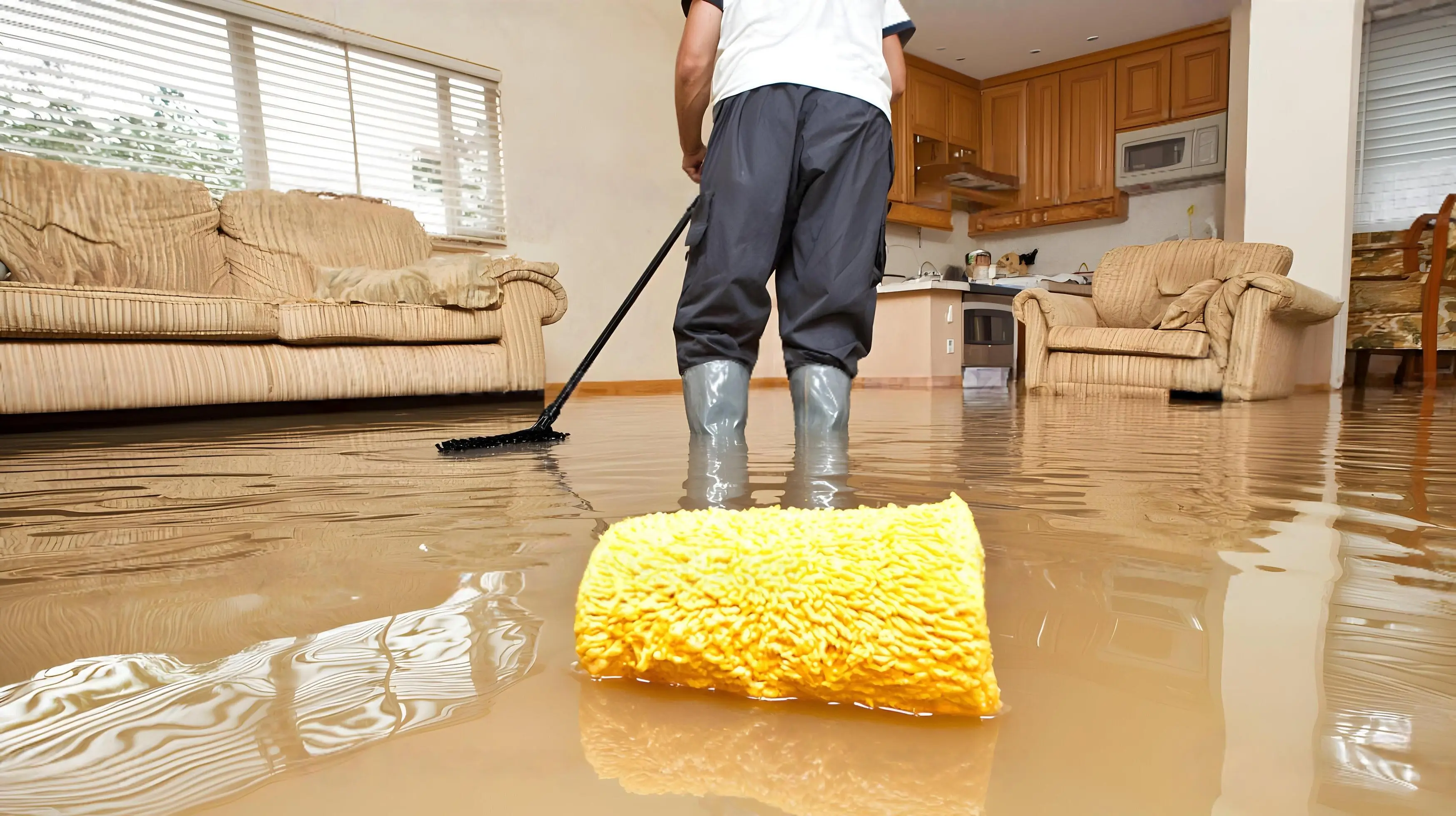
Water Damage Restoration
Burst pipes, storm flooding, standing water. We extract, dry, and restore before mold sets in.
Learn more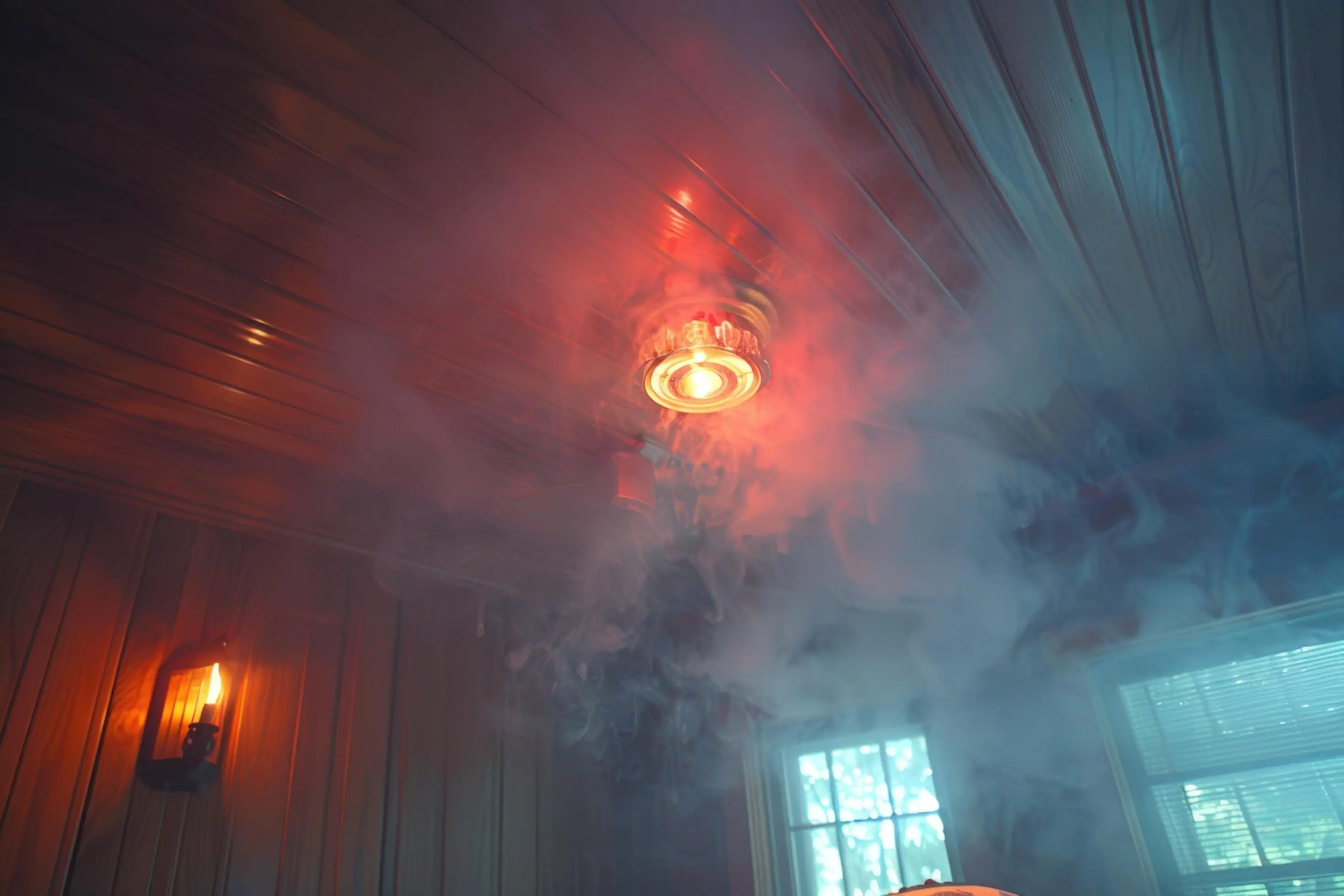
Smoke Damage Restoration
Soot residue, chemical odors, HVAC contamination. We decontaminate surfaces, eliminate odors, and restore air quality.
Learn more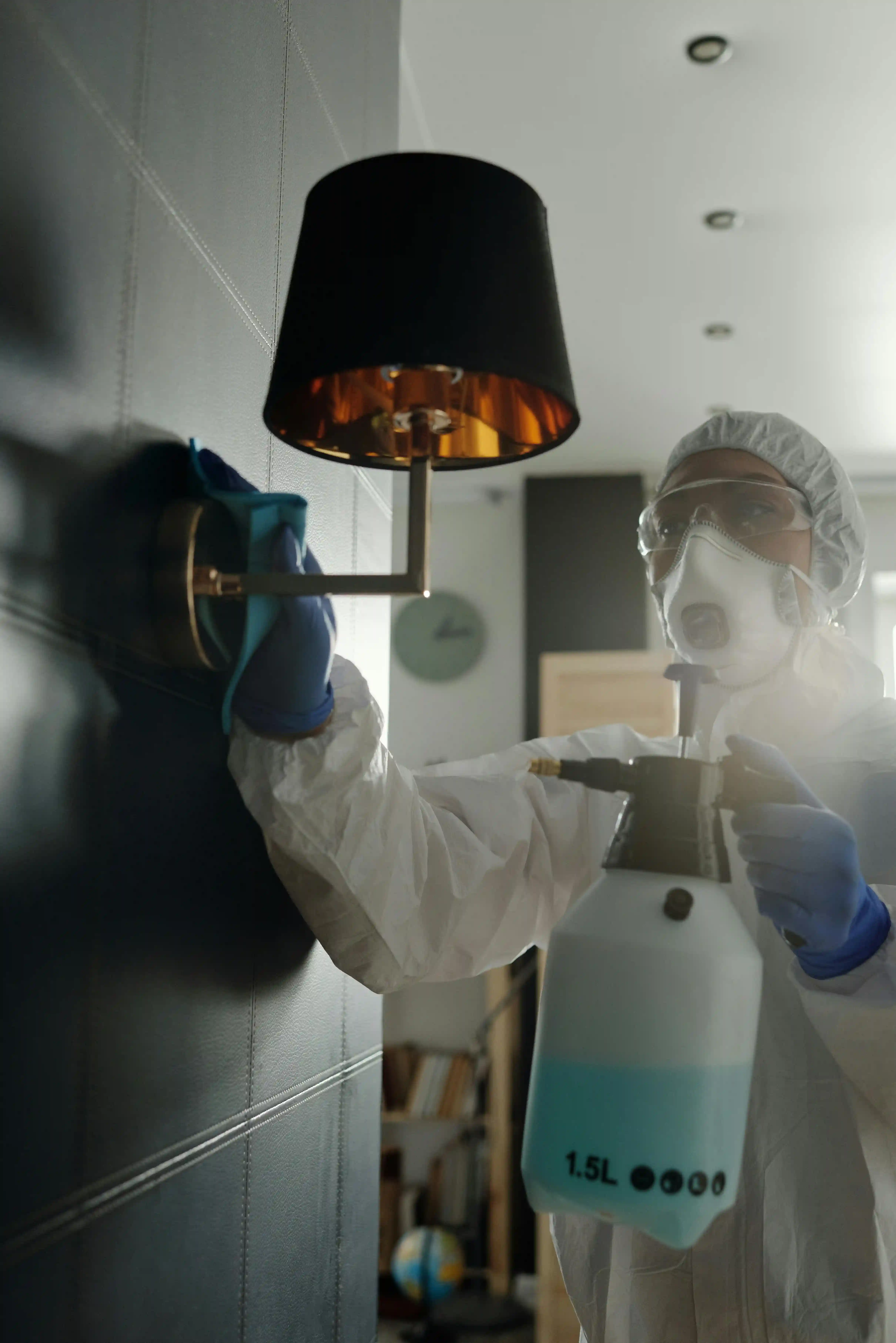
Mold Remediation
Testing, containment, removal, prevention. We find the source, eliminate the growth, and stop it from returning.
Learn more
Sewage Cleanup
Sewer backups, contaminated water, biohazard. We extract, sanitize, and restore safely.
Learn more